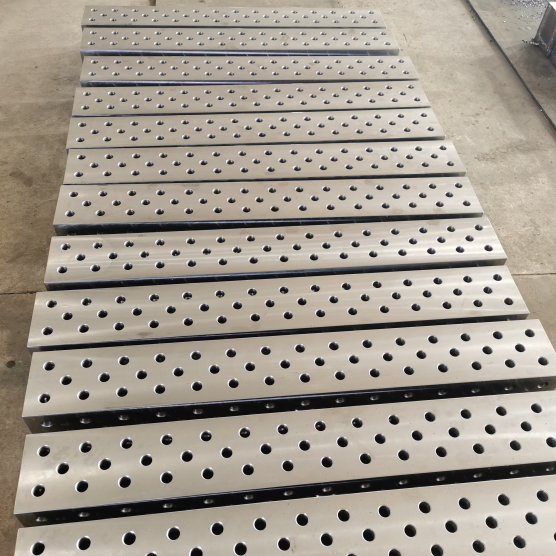
Automotive aluminum casting parts are precision-engineered components manufactured through high-pressure die casting, low-pressure casting, or sand casting processes. These parts replace heavier steel and iron counterparts to reduce vehicle weight, improve fuel efficiency, and enhance electric vehicle (EV) range. As a specialized manufacturer, we deliver complex geometries with tight tolerances, ensuring structural integrity for engine blocks, transmission housings, suspension systems, and battery enclosures. Our production adheres to strict IATF 16949 quality standards, providing scalable solutions for global OEMs and Tier 1 suppliers seeking lightweighting innovations in the 2026 automotive landscape.
Why Automotive Aluminum Casting is Critical for Modern Vehicles
The automotive industry is undergoing a fundamental shift driven by electrification and stringent emission regulations. In this context, automotive aluminum casting parts have become indispensable. Aluminum offers an exceptional strength-to-weight ratio, being approximately one-third the density of steel. This physical property allows engineers to design larger, more complex components without adding prohibitive mass to the vehicle.
For internal combustion engine (ICE) vehicles, weight reduction directly translates to improved miles per gallon (MPG) and lower carbon dioxide emissions. For electric vehicles (EVs), the impact is even more profound. Reducing the chassis and powertrain weight extends battery range, allowing manufacturers to either increase driving distance or use smaller, less expensive battery packs. This dual benefit makes aluminum casting a strategic priority for automakers worldwide.
Beyond weight savings, aluminum castings provide superior thermal conductivity and corrosion resistance. These characteristics are vital for components exposed to high heat, such as engine blocks and cylinder heads, or harsh environmental conditions, like undercarriage suspension parts. The ability to cast intricate shapes also enables part consolidation, where multiple assembled steel parts are replaced by a single aluminum casting, reducing assembly time and potential failure points.
The Role of Lightweighting in EV Range Extension
Electric vehicle range anxiety remains a primary consumer concern. Every kilogram saved in the vehicle structure contributes directly to energy efficiency. Aluminum casting allows for the creation of hollow, ribbed structures that maintain rigidity while minimizing material usage. This engineering flexibility is crucial for battery trays, motor housings, and structural crash components.
- Energy Efficiency: Lighter vehicles require less energy to accelerate and maintain speed, directly extending the operational range of EVs.
- Handling Dynamics: Reduced unsprung mass in suspension components improves tire contact with the road, enhancing handling and safety.
- Braking Performance: Lower overall vehicle mass reduces braking distances, contributing to higher safety ratings.
Manufacturing Processes for High-Quality Aluminum Castings
Producing high-performance automotive aluminum casting parts requires selecting the right manufacturing process based on component complexity, volume, and mechanical requirements. We utilize three primary casting methods, each optimized for specific automotive applications.
High-Pressure Die Casting (HPDC)
High-Pressure Die Casting is the most common method for mass-producing automotive components. In this process, molten aluminum alloy is injected into a steel mold (die) at high pressure and speed. This method is ideal for thin-walled, complex shapes with excellent surface finishes.
HPDC is particularly suited for high-volume production runs, such as transmission cases, engine blocks, and structural body parts. The rapid cooling rate results in fine grain structures, providing good strength and hardness. However, traditional HPDC can trap air, leading to porosity. To address this, we employ vacuum-assisted die casting techniques, which significantly reduce porosity and improve the mechanical properties of the castings, making them suitable for structural safety components.
Low-Pressure Die Casting (LPDC)
Low-Pressure Die Casting involves filling the mold cavity with molten aluminum under low pressure, typically from below. This gentle filling process minimizes turbulence and air entrapment, resulting in castings with superior mechanical properties and lower porosity compared to HPDC.
LPDC is often used for components requiring higher structural integrity and heat treatment compatibility, such as wheels, cylinder heads, and suspension control arms. While the cycle time is slower than HPDC, the enhanced quality and reduced need for post-casting repairs make it cost-effective for critical safety parts.
Sand Casting and Gravity Casting
For larger, less complex components or lower-volume production, sand casting and gravity casting remain viable options. Sand casting uses expendable sand molds, allowing for the production of very large parts like engine blocks for heavy-duty trucks or large battery housing frames. Gravity casting relies on the force of gravity to fill the mold, producing dense, high-quality castings with good mechanical properties.
These methods offer flexibility in design changes and lower tooling costs, making them suitable for prototype development and specialized automotive applications where extreme production volumes are not required.
Key Applications of Automotive Aluminum Casting Parts
Aluminum castings are integrated into nearly every system of a modern vehicle. Understanding these applications helps buyers specify the correct technical requirements for their projects.
Powertrain Components
The powertrain is the heart of the vehicle, subject to high temperatures, pressures, and mechanical stresses. Aluminum alloys, particularly the A380 and A356 series, are widely used here due to their thermal stability and strength.
- Engine Blocks and Cylinder Heads: Aluminum replaces cast iron to reduce front-end weight, improving vehicle balance and fuel efficiency. Complex internal cooling passages are easily formed through casting.
- Transmission Housings: These components require precise dimensional accuracy to ensure proper gear alignment. Die-cast aluminum provides the necessary rigidity and lightness.
- Oil Pans and Valve Covers: Thin-walled castings reduce weight while providing effective sealing and protection for internal engine components.
Chassis and Suspension Systems
Chassis components must withstand dynamic loads and impact forces. Aluminum castings in this sector focus on high ductility and fatigue resistance.
- Control Arms and Knuckles: Cast aluminum suspension parts reduce unsprung mass, leading to better ride comfort and handling responsiveness.
- Subframes: Large structural castings integrate multiple mounting points, simplifying assembly and enhancing structural rigidity.
- Steering Housings: Precision castings ensure smooth steering operation and durability under varying road conditions.
Electric Vehicle Battery and Motor Housings
The rise of EVs has created a new category of large-scale aluminum castings. These parts protect sensitive electrical components and manage thermal loads.
- Battery Trays and Enclosures: Large, flat castings provide a rigid platform for battery modules while offering crash protection. Integrated cooling channels are often cast directly into the tray.
- Motor Housings: Aluminum’s thermal conductivity helps dissipate heat generated by electric motors, maintaining optimal operating temperatures.
- Inverter Housings: Precision castings protect power electronics and provide electromagnetic shielding.
Material Selection: Choosing the Right Aluminum Alloy
Selecting the appropriate aluminum alloy is critical for meeting performance specifications. Different alloys offer varying balances of castability, strength, ductility, and corrosion resistance.
| Alloy Series | Common Grades | Key Characteristics | Typical Automotive Applications |
| A380 (Al-Si-Cu) | A380, A383 | Excellent fluidity, good mechanical properties, prone to hot cracking if not managed. | Transmission cases, engine blocks, brackets, general structural parts. |
| A356 (Al-Si-Mg) | A356, A357 | High ductility, excellent corrosion resistance, heat treatable (T6). | Wheels, suspension components, cylinder heads, safety-critical parts. |
| A413 (Al-Si) | A413 | Superior fluidity, tightest casting tolerances, lower strength than A380. | Complex thin-walled parts, intricate housings, decorative trim. |
| A360 (Al-Si-Mg) | A360 | Good corrosion resistance, moderate strength, better ductility than A380. | Parts requiring moderate strength and corrosion resistance, such as pump housings. |
Our engineering team assists clients in selecting the optimal alloy based on load requirements, operating environment, and post-processing needs. For instance, parts requiring high impact resistance may benefit from A356-T6, while complex geometric shapes might necessitate the superior flow characteristics of A380.
Quality Control and Industry Standards
In the automotive sector, quality is non-negotiable. Defective components can lead to recalls, safety hazards, and significant financial losses. Our manufacturing facilities operate under rigorous quality management systems to ensure every automotive aluminum casting part meets exact specifications.
IATF 16949 Certification
We adhere to the IATF 16949 standard, the global technical specification and quality management standard for the automotive industry. This framework emphasizes defect prevention, reduction of variation, and continuous improvement in the supply chain. Compliance ensures that our processes are robust, traceable, and capable of meeting the demanding requirements of major automakers.
Advanced Inspection Technologies
To guarantee dimensional accuracy and internal integrity, we employ a suite of advanced inspection technologies:
- X-Ray Inspection: Detects internal porosity, inclusions, and cracks that are not visible on the surface. This is critical for safety-critical components like suspension parts.
- Coordinate Measuring Machine (CMM): Verifies complex geometries and tight tolerances against CAD models, ensuring perfect fitment during assembly.
- Spectrometry: Analyzes the chemical composition of each melt batch to ensure alloy consistency and compliance with material standards.
- Leak Testing: Essential for fluid-containing parts like engine blocks and transmission housings, ensuring no microscopic pathways for fluid escape.
Process Control and Traceability
Every casting is traceable back to its raw material batch and production parameters. We monitor key process variables such as melt temperature, injection speed, and die temperature in real-time. This data is logged and analyzed to identify trends and prevent deviations before they result in defects. This level of transparency builds trust with our partners and ensures consistent product quality.
Design for Manufacturability (DFM) Support
Successful casting begins with smart design. Our engineering team collaborates with clients early in the development phase to optimize designs for manufacturability. This proactive approach reduces costs, shortens lead times, and improves part performance.
Optimizing Wall Thickness
Uniform wall thickness is crucial in die casting. Variations can lead to differential cooling rates, causing warpage, shrinkage, and internal stresses. We recommend designing parts with consistent wall thicknesses and using ribs to add strength without adding bulk. Typical wall thicknesses for automotive die castings range from 2.5mm to 4mm, depending on the alloy and part size.
Draft Angles and Undercuts
Proper draft angles facilitate easy ejection of the part from the die, reducing cycle time and preventing damage to the casting or tool. We advise minimum draft angles of 1-2 degrees for external surfaces and 2-3 degrees for internal surfaces. Undercuts should be minimized or designed with removable cores to avoid complex and expensive tooling.
Part Consolidation Strategies
One of the greatest advantages of aluminum casting is the ability to consolidate multiple parts into a single component. By integrating features like mounting bosses, cooling channels, and structural ribs into one casting, manufacturers can eliminate assembly steps, reduce fastener count, and improve overall structural rigidity. Our DFM experts help identify opportunities for part consolidation to maximize these benefits.
Surface Treatment and Post-Processing
Raw castings often require additional processing to meet functional and aesthetic requirements. We offer a comprehensive range of post-processing services to enhance the performance and appearance of automotive aluminum casting parts.
Machining and CNC Finishing
Precision machining is essential for achieving tight tolerances on mating surfaces, bolt holes, and bearing seats. Our state-of-the-art CNC machining centers perform milling, drilling, and tapping operations with high accuracy. This ensures that castings fit perfectly with other vehicle components, preventing leaks and ensuring proper function.
Heat Treatment
Heat treatment, such as T5 or T6 tempering, enhances the mechanical properties of aluminum castings. T6 treatment, which involves solution heat treatment, quenching, and artificial aging, significantly increases yield strength and hardness. This is particularly important for structural components subjected to high loads.
Surface Coatings and Finishes
Surface treatments improve corrosion resistance, wear resistance, and appearance. Common options include:
- Powder Coating: Provides a durable, colorful finish with excellent corrosion resistance.
- Anodizing: Creates a hard, oxide layer on the surface, enhancing wear and corrosion resistance.
- E-Coating: Offers superior coverage in complex geometries, providing excellent corrosion protection for underbody components.
- Shot Blasting: Cleans the surface and improves paint adhesion by creating a uniform texture.
Comparing Aluminum Castings with Alternative Materials
When selecting materials for automotive components, engineers often compare aluminum castings with steel, magnesium, and plastics. Understanding these differences helps in making informed decisions.
| Feature | Aluminum Casting | Steel Stamping/Welding | Magnesium Casting | Engineering Plastics |
| Weight | Light (Density ~2.7 g/cm³) | Heavy (Density ~7.8 g/cm³) | Very Light (Density ~1.7 g/cm³) | Lightest (Density ~1.0-1.4 g/cm³) |
| Strength | High Strength-to-Weight Ratio | High Absolute Strength | Moderate Strength | Low to Moderate Strength |
| Cost | Moderate (Tooling + Material) | Low Material, High Assembly Cost | High Material Cost | Low Tooling, Variable Material Cost |
| Thermal Conductivity | Excellent | Moderate | Good | Poor |
| Corrosion Resistance | Good (Natural Oxide Layer) | Poor (Requires Coating) | Poor (Requires Coating) | Excellent |
| Design Complexity | High (Complex Geometries) | Low to Moderate | High | High |
Aluminum strikes an optimal balance between weight, strength, cost, and manufacturability. While magnesium is lighter, it is more expensive and less corrosion-resistant. Steel is stronger but significantly heavier. Plastics are light and cheap but lack the structural integrity and thermal properties required for many automotive applications. Therefore, aluminum remains the material of choice for critical structural and powertrain components.
Sustainability and Recycling in Aluminum Casting
Sustainability is a growing priority in the automotive industry. Aluminum is highly recyclable, requiring only 5% of the energy needed to produce primary aluminum. This closed-loop recycling capability significantly reduces the carbon footprint of automotive manufacturing.
We implement sustainable practices throughout our production process. Scrap material generated during casting and machining is collected and recycled back into the production stream. Additionally, we work with suppliers who prioritize low-carbon aluminum production methods. By choosing aluminum castings, automakers can contribute to their sustainability goals and meet regulatory requirements for recycled content in vehicles.
Common Challenges and Solutions in Aluminum Casting
Even with advanced technology, aluminum casting presents certain challenges. Recognizing these issues and implementing effective solutions is key to producing high-quality parts.
Porosity
Porosity, or the presence of small voids within the casting, is a common defect caused by trapped air or gas. It can weaken the part and cause leaks. Solution: Use vacuum-assisted die casting, optimize gate and vent design, and control melt quality through degassing.
Hot Tearing
Hot tearing occurs when the casting contracts during cooling and is restrained by the mold or core. Solution: Ensure uniform wall thickness, use appropriate draft angles, and select alloys with higher hot tear resistance.
Dimensional Instability
Castings may warp or change dimensions after ejection due to residual stresses. Solution: Implement proper cooling strategies, use stress-relief heat treatments, and design fixtures for accurate post-casting measurement.
Frequently Asked Questions (FAQ)
What is the typical lead time for automotive aluminum casting parts?
Lead times vary based on complexity and volume. Prototype samples can be produced in 2-4 weeks using soft tooling. Production tooling typically takes 8-12 weeks, followed by mass production runs. We prioritize efficient project management to meet tight automotive launch schedules.
Can aluminum castings be welded?
Yes, aluminum castings can be welded, particularly those made from A356 or A360 alloys. However, welding requires specialized techniques such as TIG or MIG welding with appropriate filler materials. Heat treatment may be required post-welding to restore mechanical properties.
What is the maximum size of aluminum casting you can produce?
Our facilities accommodate a wide range of sizes. We can produce small components weighing a few grams to large structural castings weighing over 50 kilograms. For extremely large parts, such as full-frame EV battery trays, we utilize specialized large-tonnage die-casting machines.
How do you ensure the longevity of aluminum castings in corrosive environments?
Aluminum naturally forms a protective oxide layer. For harsh environments, we apply additional surface treatments such as e-coating, powder coating, or anodizing. These coatings provide a barrier against salt, moisture, and chemicals, ensuring long-term durability.
Is aluminum casting cost-effective for low-volume production?
While die casting tooling costs are high, making it ideal for high volumes, low-pressure casting and sand casting are cost-effective for lower volumes. We also offer modular tooling solutions to reduce initial investment for prototyping and small batches.
Integrated Manufacturing Solutions: Precision Tooling for Assembly
Delivering high-quality aluminum castings is only part of the equation; ensuring these components fit together perfectly during vehicle assembly is equally critical. At Botou Haijun Metal Products Co., Ltd., we extend our expertise beyond casting to provide high-precision flexible modular fixtures and metalworking tools. We are committed to providing efficient and flexible welding and positioning solutions for the modern manufacturing industry.
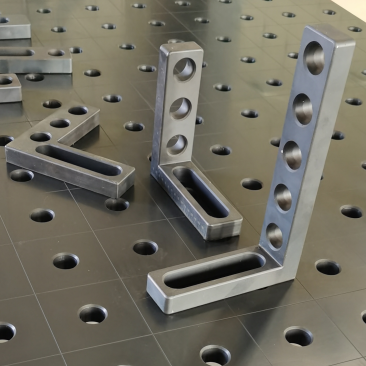
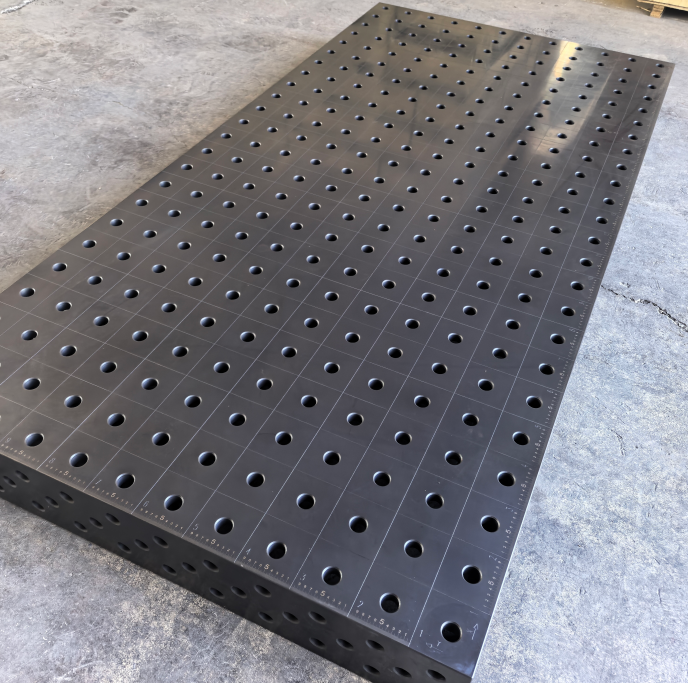
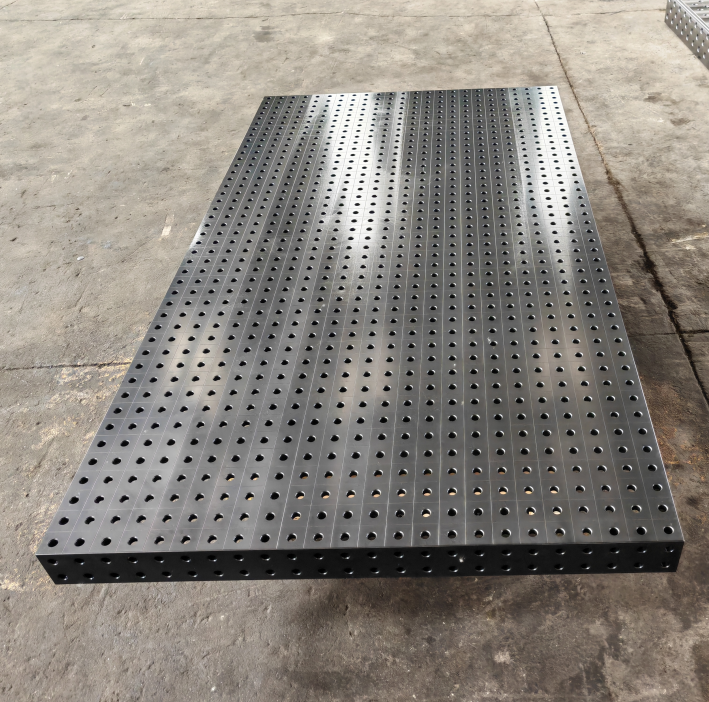
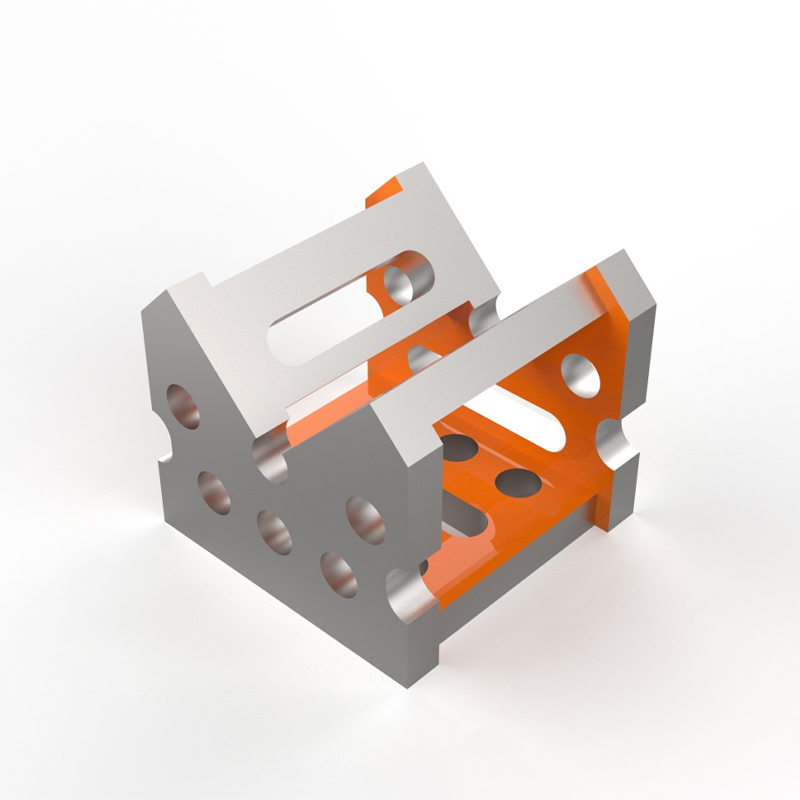
Our core product line includes advanced 2D and 3D flexible welding platforms, renowned for their exceptional versatility and precision. These platforms have become the preferred jigging equipment in the machining, automotive, and aerospace industries, ensuring that complex aluminum assemblies—such as battery trays and subframes—are welded with exacting accuracy. To support these systems, we offer a comprehensive range of complementary components, including U-shaped and L-shaped multi-purpose square boxes, 200-series support angle irons, and 0-225° universal angle gauges. These accessories integrate seamlessly with our platforms to enable rapid workpiece positioning and clamping.
Furthermore, we manufacture professional cast iron 3D welding platforms and angle connection blocks, ensuring that every product delivers exceptional durability and stability. With years of industry experience, Haijun Metal has become a trusted supplier of tools and gauges to customers both domestically and internationally. By combining our premium aluminum casting capabilities with our state-of-the-art fixture solutions, we offer a holistic approach to automotive manufacturing, helping clients streamline their production lines from component creation to final assembly.
How to Choose the Right Manufacturing Partner
Selecting the right manufacturer for automotive aluminum casting parts is a strategic decision. Look for partners with proven expertise in automotive standards, advanced technological capabilities, and a commitment to quality.
- Technical Expertise: Ensure the manufacturer has experienced engineers who can provide DFM support and solve complex casting challenges.
- Quality Certifications: Verify IATF 16949 certification and adherence to international quality standards.
- Production Capacity: Assess the manufacturer’s ability to scale production to meet your volume requirements without compromising quality.
- Supply Chain Stability: A reliable partner ensures consistent raw material sourcing and on-time delivery.
- Innovation Focus: Choose a manufacturer that invests in new technologies, such as vacuum casting and automated inspection, to stay ahead of industry trends.
Conclusion: Driving the Future with Precision Aluminum Castings
The transition to lighter, more efficient, and electrified vehicles demands high-performance materials and manufacturing processes. Automotive aluminum casting parts offer the ideal solution, combining weight reduction, structural integrity, and design flexibility. From engine blocks to battery enclosures, aluminum castings play a pivotal role in shaping the future of mobility.
As a dedicated manufacturer, we are committed to delivering superior quality, innovation, and reliability. Our comprehensive capabilities, from DFM support to final inspection and precision tooling solutions, ensure that your components meet the highest industry standards. Whether you are developing next-generation EVs or optimizing traditional powertrains, our aluminum casting solutions provide the competitive edge you need.
Ready to optimize your vehicle design with high-quality aluminum castings? Contact our engineering team today to discuss your project requirements, request a quote, or explore our related product solutions and technical capabilities. Let us partner with you to drive innovation and efficiency in your automotive supply chain.