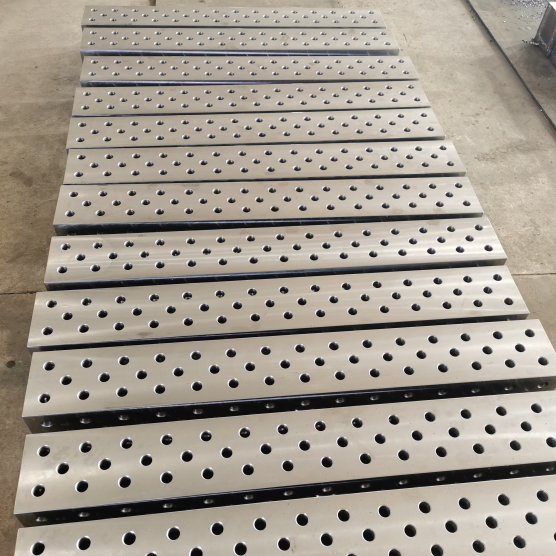
Agricultural machinery aluminum castings are precision-engineered components manufactured using advanced casting techniques to meet the rigorous demands of modern farming equipment. As a specialized China agricultural machinery aluminum castings manufacturer, we deliver high-durability, lightweight, and corrosion-resistant parts essential for tractors, harvesters, and irrigation systems. Our production process integrates strict quality control, ISO-certified manufacturing standards, and customized engineering solutions to ensure optimal performance in harsh agricultural environments. This guide details the technical specifications, material advantages, manufacturing processes, and selection criteria for sourcing premium aluminum castings from China, helping procurement managers and engineers make informed decisions for their supply chain.
Why Aluminum Castings Are Critical for Modern Agricultural Machinery
The evolution of agricultural technology has shifted heavily toward efficiency, fuel economy, and automation. In this context, the material composition of machinery components plays a pivotal role. Agricultural machinery aluminum castings have become the preferred choice over traditional steel or iron components for several critical engineering reasons. The primary driver is weight reduction. Aluminum alloys offer a high strength-to-weight ratio, which significantly reduces the overall mass of farming equipment.
Lighter machinery translates directly to lower fuel consumption and reduced soil compaction. Soil compaction is a major concern in modern agronomy, as it affects root growth and water infiltration. By utilizing aluminum castings for non-load-bearing structural parts, housings, and covers, manufacturers can design larger, more capable machines that exert less pressure on the field. Furthermore, aluminum exhibits superior thermal conductivity, making it ideal for engine components and transmission housings where heat dissipation is crucial for maintaining operational efficiency during long harvesting seasons.
Key Advantages of Aluminum Over Traditional Materials
- Weight Reduction: Aluminum is approximately one-third the density of steel, allowing for significant weight savings without compromising structural integrity for specific applications.
- Corrosion Resistance: Agricultural environments involve exposure to moisture, fertilizers, pesticides, and organic acids. Aluminum naturally forms a protective oxide layer, resisting rust and degradation better than untreated steel.
- Design Flexibility: Casting processes allow for complex geometries that are difficult or expensive to achieve with machining or welding. This enables the integration of multiple functions into a single component.
- Recyclability: Aluminum is 100% recyclable without loss of quality, aligning with the growing sustainability requirements in the global agricultural sector.
- Cost-Effectiveness at Scale: While raw material costs fluctuate, the high-speed production capabilities of die casting and sand casting reduce per-unit costs for high-volume orders.
Common Applications of Aluminum Castings in Farming Equipment
Understanding where these components fit within the larger assembly helps in defining technical requirements. As a leading China agricultural machinery aluminum castings manufacturer, we produce parts for various subsystems. The specific application dictates the alloy choice, tolerance levels, and post-processing requirements.
Tractor and Harvester Engine Components
The engine is the heart of any agricultural vehicle. Aluminum castings are extensively used in engine blocks, cylinder heads, and intake manifolds. The high thermal conductivity of aluminum helps manage the intense heat generated during continuous operation. For tractors that run for hundreds of hours during planting and harvesting windows, reliable heat management prevents overheating and extends engine life. Precision-cast intake manifolds ensure optimal air-fuel mixture distribution, enhancing combustion efficiency and reducing emissions.
Transmission and Gearbox Housings
Transmission systems require robust housings to protect gears and shafts from dust, debris, and moisture. Aluminum gearbox housings provide the necessary rigidity while keeping the powertrain lightweight. These castings often feature complex internal ribbing for structural support and mounting points for sensors and actuators in modern automated transmissions. The smooth surface finish achievable through high-pressure die casting reduces the need for extensive machining, lowering production costs.
Hydraulic System Parts
Modern farm machinery relies heavily on hydraulic systems for lifting implements, steering, and operating attachments. Aluminum castings are used for pump housings, valve bodies, and manifold blocks. These components must withstand high pressure and prevent fluid leakage. The dimensional accuracy of our castings ensures tight seals and reliable hydraulic performance. Corrosion resistance is particularly important here, as hydraulic fluids can be aggressive, and external exposure to weather is constant.
Structural Brackets and Mounts
Non-critical structural elements such as sensor mounts, light brackets, cab frames, and interior components are increasingly made from aluminum. These parts benefit from the aesthetic appeal of aluminum, which can be anodized or powder-coated for a premium finish. Reducing the weight of these auxiliary components contributes to the overall weight savings of the machine, improving maneuverability and fuel efficiency.
Manufacturing Processes: How We Produce High-Quality Castings
As a professional China agricultural machinery aluminum castings manufacturer, we employ multiple casting technologies to meet diverse customer needs. The choice of process depends on the part’s complexity, volume, required tolerances, and mechanical properties. Understanding these processes helps buyers specify the right manufacturing method for their designs.
High-Pressure Die Casting (HPDC)
High-pressure die casting is ideal for high-volume production of complex, thin-walled components. Molten aluminum is injected into a steel mold under high pressure. This process results in excellent surface finish and tight dimensional tolerances, often reducing the need for secondary machining. HPDC is commonly used for gearbox housings, pump bodies, and intricate engine parts. The rapid cooling rate produces a fine grain structure, enhancing strength and hardness.
Low-Pressure Die Casting (LPDC)
Low-pressure die casting involves filling the mold with molten aluminum under low pressure. This method minimizes turbulence and gas entrapment, resulting in castings with higher integrity and fewer porosities. LPDC is suitable for components requiring higher mechanical properties and leak-tightness, such as wheel hubs and certain hydraulic components. The process offers a good balance between production speed and part quality.
Sand Casting
Sand casting is versatile and cost-effective for large, heavy, or low-volume parts. It uses sand molds to form the cavity. While the surface finish is rougher than die casting, sand casting allows for the production of very large components that cannot be made in standard die-casting machines. It is often used for large tractor frames, massive housing units, and prototype development. Our facility utilizes both green sand and resin-bonded sand systems to optimize quality and environmental compliance.
Investment Casting (Lost Wax)
For highly complex geometries with intricate details, investment casting provides superior precision. This process uses a wax pattern that is melted out, leaving a ceramic mold. It is ideal for small, complex parts like valve components or sensor housings where tight tolerances and smooth surfaces are critical. Although more expensive and slower than die casting, it offers unparalleled design freedom.
Material Selection: Choosing the Right Aluminum Alloy
The performance of agricultural machinery aluminum castings is heavily dependent on the alloy used. Different alloys offer varying levels of strength, ductility, corrosion resistance, and castability. Selecting the correct alloy is a critical step in the design and procurement process.
| Alloy Series | Common Grades | Key Characteristics | Typical Applications |
| A356 / A357 | A356-T6, A357-T6 | Excellent castability, good strength, heat treatable, high corrosion resistance. | Wheel hubs, engine blocks, structural brackets, hydraulic manifolds. |
| A380 | A380-Die Cast | High fluidity, good pressure tightness, moderate strength, cost-effective. | Gearbox housings, pump bodies, complex thin-walled parts. |
| A413 | A413 | Superior fluidity, high corrosion resistance, lower strength than A356. | Complex shapes requiring high leak-tightness, marine-exposed parts. |
| A360 | A360 | High strength, good corrosion resistance, excellent fluidity. | High-performance engine components, structural parts requiring higher durability. |
A356-T6 is one of the most widely used alloys in the agricultural sector due to its balanced properties. The T6 temper indicates that the alloy has been solution heat-treated and artificially aged, maximizing its strength and hardness. For parts subjected to high stress or impact, such as suspension components, higher strength alloys like A360 may be preferred. For intricate, thin-walled housings where fillability is key, A380 is often the go-to choice for die casting.
Quality Control and Certification Standards
Trustworthiness in B2B manufacturing is built on consistent quality. As a reputable China agricultural machinery aluminum castings manufacturer, we adhere to stringent quality control protocols. Our facilities are ISO 9001 certified, ensuring that every stage of production, from raw material inspection to final shipping, meets international standards.
In-Process Quality Checks
- Spectral Analysis: Every batch of molten aluminum undergoes spectral analysis to verify chemical composition. This ensures the alloy meets the specified grade requirements before casting begins.
- Temperature Control: Precise control of melting and pouring temperatures is critical to prevent defects like shrinkage, porosity, and cold shuts. Automated monitoring systems maintain optimal thermal conditions.
- X-Ray Inspection: For critical components, X-ray inspection is used to detect internal voids, cracks, or inclusions that are not visible on the surface. This is essential for pressure-containing parts like hydraulic manifolds.
- CMM Measurement: Coordinate Measuring Machines (CMM) verify dimensional accuracy against CAD models. This ensures that parts fit correctly during assembly, reducing downtime for our clients.
- Leak Testing: Hydraulic and pneumatic components undergo rigorous leak testing to ensure integrity under operating pressures.
Surface Treatment and Finishing
Raw castings often require surface treatment to enhance appearance, corrosion resistance, and wear resistance. Common finishes include:
- Powder Coating: Provides a durable, colorful, and protective layer. Ideal for exterior parts exposed to weather and chemicals.
- Anodizing: Creates a hard, oxidized surface layer that improves wear and corrosion resistance. Often used for functional parts and aesthetic components.
- Shot Blasting: Cleans the surface and improves fatigue strength by inducing compressive stresses. It also prepares the surface for painting or coating.
- Machining: CNC machining is performed on critical mating surfaces to achieve precise tolerances for assembly. This includes drilling, tapping, and milling.
How to Choose the Right Manufacturer in China
Sourcing from China offers significant cost advantages and manufacturing capacity, but selecting the right partner is crucial. Many buyers struggle with communication barriers, quality inconsistency, and intellectual property concerns. Here is a structured approach to evaluating a potential supplier.
1. Verify Technical Capability
Not all foundries are equipped to handle complex agricultural parts. Ask about their specific experience with agricultural machinery aluminum castings. Do they have in-house tooling design capabilities? Can they handle both prototyping and mass production? Request case studies or examples of similar parts they have produced. A manufacturer with experience in the agricultural sector will understand the unique challenges of vibration, shock loads, and environmental exposure.
2. Assess Quality Management Systems
Look for ISO 9001 certification as a baseline. However, go beyond the certificate. Ask for their detailed quality control plan. How do they handle non-conforming parts? What is their defect rate? Do they perform first-article inspections (FAI)? A transparent supplier will willingly share their QC reports and processes. Visit the factory if possible, or request a virtual tour to see their equipment and workflow firsthand.
3. Evaluate Communication and Responsiveness
Effective communication is key to a successful partnership. The supplier should have English-speaking engineers or project managers who can understand technical drawings and specifications clearly. Prompt responses to inquiries and proactive updates on production status are indicators of a professional operation. Avoid suppliers who are vague about timelines or unwilling to answer technical questions.
4. Consider Supply Chain Stability
Agricultural machinery production is seasonal. You need a supplier who can scale up production during peak seasons and maintain consistent lead times. Inquire about their raw material sourcing. Do they have long-term contracts with reputable aluminum suppliers? This ensures material availability and price stability. A robust supply chain minimizes the risk of production delays.
Common Defects in Aluminum Castings and How to Avoid Them
Understanding potential defects helps in setting realistic quality expectations and working collaboratively with the manufacturer to resolve issues. Here are common defects found in aluminum castings and their causes.
Porosity
Porosity refers to small voids or holes within the casting. It is caused by trapped gas or shrinkage during solidification. Gas porosity is often due to moisture in the mold or improper venting. Shrinkage porosity occurs when the metal contracts as it cools, and insufficient feed metal is available. To avoid this, manufacturers must optimize gating systems, use proper venting, and control cooling rates. X-ray inspection can detect internal porosity.
Cold Shuts
Cold shuts occur when two streams of molten metal meet but fail to fuse properly, often due to low temperature or slow injection speed. This creates a weak point in the casting. Ensuring proper melt temperature and injection parameters is critical. Designing the part with uniform wall thickness can also help prevent cold shuts.
Cracks
Cracks can develop during cooling due to thermal stress. This is more common in alloys with low ductility or in parts with complex geometries and sharp corners. Adding fillets to sharp corners and optimizing the ejection process can reduce cracking. Heat treatment can also relieve internal stresses.
Dimensional Deviations
Parts may deviate from specified dimensions due to mold wear, incorrect shrinkage allowance, or warping during cooling. Regular mold maintenance and precise process control are essential. Using simulation software during the design phase can predict potential distortion and allow for compensatory design adjustments.
Step-by-Step Guide to Ordering Custom Aluminum Castings
To streamline the procurement process, follow these steps when engaging with a China agricultural machinery aluminum castings manufacturer.
- Submit Technical Drawings: Provide detailed 2D drawings and 3D CAD files (STEP or IGES format). Specify dimensions, tolerances, surface finish requirements, and material grade.
- Request for Quotation (RFQ): Include annual volume estimates, target price, and delivery timeline. This helps the manufacturer provide an accurate quote and assess tooling investment.
- Tooling Design and Approval: The manufacturer will design the mold and submit it for your approval. Review the gating system and parting lines to ensure they meet your assembly requirements.
- Prototype Production: Produce initial samples using the new tool. Perform dimensional checks and functional tests. Provide feedback for any necessary adjustments.
- First Article Inspection (FAI): Once prototypes are approved, conduct a formal FAI. Document all measurements and test results. This serves as the baseline for mass production quality.
- Mass Production: Begin full-scale production. Implement regular quality audits and incoming inspections upon receipt of goods.
FAQ: Frequently Asked Questions About Agricultural Aluminum Castings
What is the typical lead time for custom aluminum castings?
Lead times vary based on complexity and volume. Tooling design and manufacturing typically take 4-6 weeks. Prototype samples can be ready within 2-3 weeks after tooling completion. Mass production lead times depend on order size but generally range from 3-6 weeks for standard orders. Rush options may be available for urgent projects.
Can you handle post-casting machining?
Yes, we offer integrated CNC machining services. This ensures that critical features meet precise tolerances and reduces the need for secondary suppliers. We can perform drilling, tapping, milling, and turning operations as per your drawings.
What is the minimum order quantity (MOQ)?
MOQ depends on the tooling cost and part complexity. For die casting, MOQs are typically higher due to the cost of steel molds, often starting at 500-1000 units. For sand casting, MOQs can be lower, sometimes as low as 50-100 units, making it suitable for prototypes or low-volume production.
How do you ensure the durability of castings in harsh environments?
We select alloys with high corrosion resistance and apply appropriate surface treatments such as powder coating or anodizing. Additionally, our quality control includes salt spray testing to verify corrosion resistance. Proper design, including drainage holes and protective covers, also enhances durability.
Do you provide design for manufacturability (DFM) feedback?
Yes, our engineering team reviews all designs for manufacturability. We provide feedback on wall thickness, draft angles, and geometry to optimize casting quality and reduce costs. This collaborative approach helps prevent issues before production begins.
Future Trends in Agricultural Machinery Casting
The agricultural machinery industry is evolving rapidly, driven by automation, electrification, and sustainability. As a forward-thinking China agricultural machinery aluminum castings manufacturer, we are adapting to these trends.
Electrification of Farm Equipment
With the rise of electric tractors and harvesters, the demand for lightweight components is increasing. Battery weight is a significant constraint, making aluminum castings even more critical for chassis and structural components. Additionally, electric motors and power electronics require efficient heat dissipation, driving innovation in aluminum heat sink designs and liquid-cooled housing structures.
Integration of Sensors and IoT
Smart farming relies on data collected from sensors embedded in machinery. Aluminum castings are being designed with integrated mounting points and protective housings for sensors, cameras, and GPS units. This requires high precision and complex geometries, which our advanced die-casting capabilities can accommodate.
Sustainability and Circular Economy
Sustainability is no longer optional. Farmers and manufacturers are prioritizing eco-friendly materials. Aluminum’s recyclability aligns perfectly with these goals. We are exploring ways to increase the use of recycled aluminum in our production without compromising quality, reducing the carbon footprint of our castings.
Conclusion: Partnering for Success in Agricultural Manufacturing
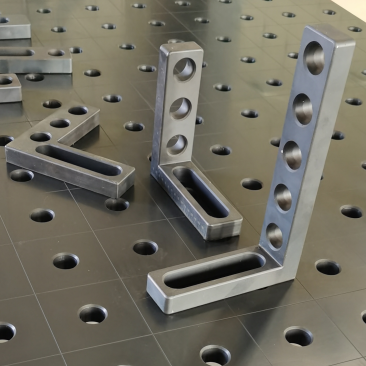
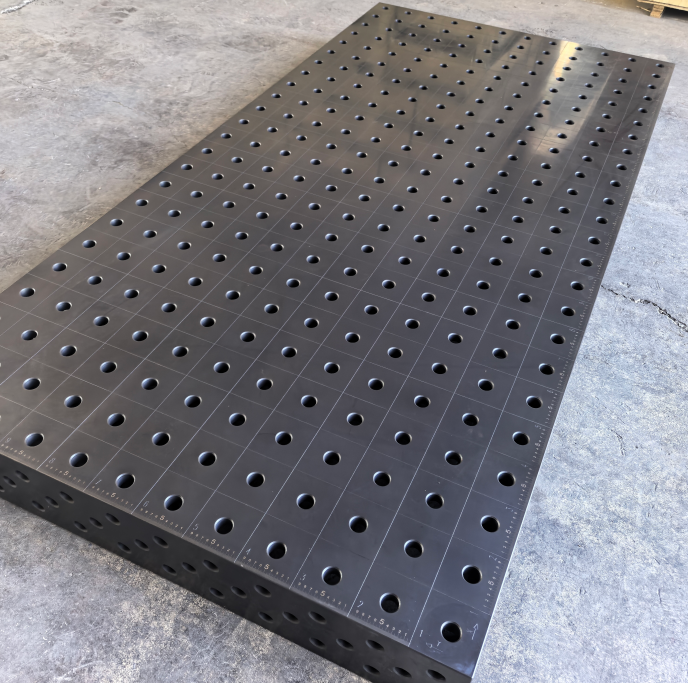
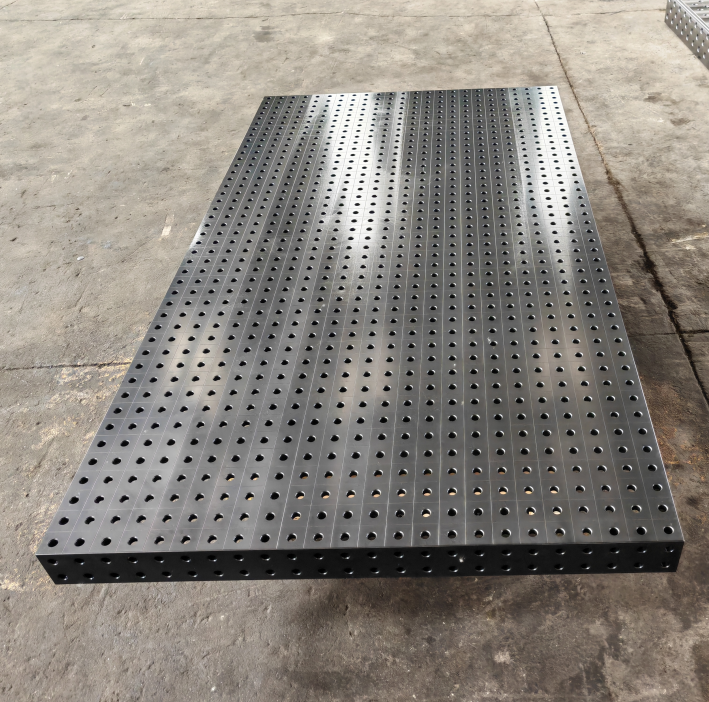
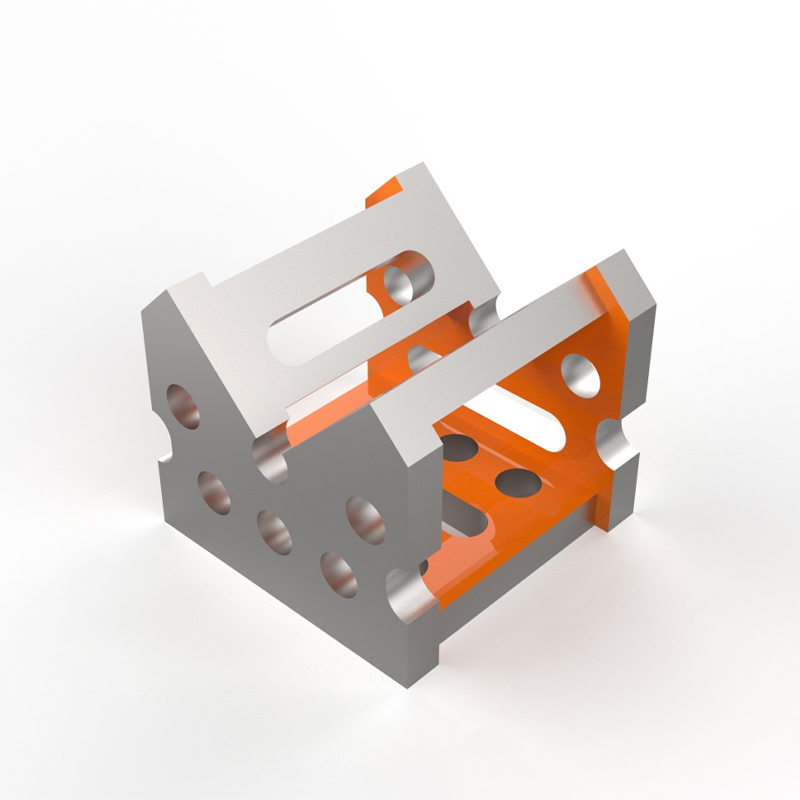
Selecting the right partner for agricultural machinery aluminum castings is a strategic decision that impacts product performance, cost efficiency, and market competitiveness. At Botou Haijun Metal Products Co., Ltd., we combine our deep expertise in high-precision metalworking with advanced casting capabilities to deliver components that meet the highest industry standards. While we are globally renowned for our research, development, and production of high-precision flexible modular fixtures—such as our versatile 2D and 3D flexible welding platforms, U-shaped/L-shaped square boxes, and universal angle gauges—our commitment to precision extends deeply into the agricultural sector.
Our experience in providing efficient and flexible welding and positioning solutions for the automotive and aerospace industries has honed our ability to manage complex geometries and tight tolerances. We apply this same rigor to our agricultural machinery aluminum castings, ensuring exceptional durability and stability for tractors, harvesters, and irrigation systems. Whether you need high-volume die-cast housings, complex sand-cast structural parts, or precision-machined components, our team is equipped to support your project from design to delivery. We understand the unique challenges of the agricultural sector and are dedicated to providing solutions that enhance the durability, efficiency, and reliability of your machinery.
Ready to optimize your supply chain? Contact our engineering team today to discuss your specific requirements, request a quote, or learn more about our manufacturing capabilities. Let us help you build better, lighter, and more efficient agricultural machinery.
Explore Our Agricultural Casting Solutions