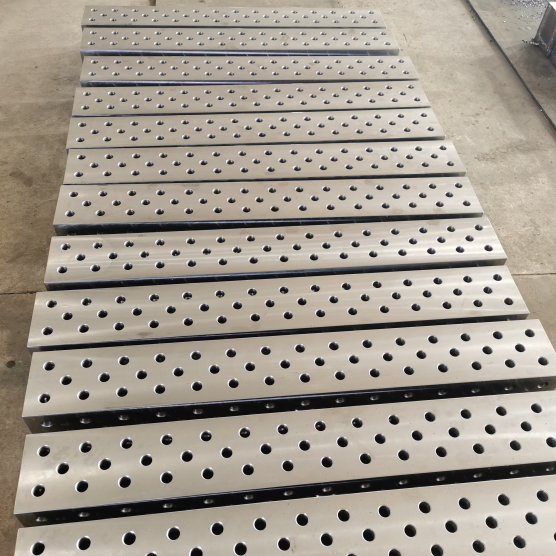
Cast aluminum parts are metal components formed by pouring molten aluminum into a mold to create complex shapes with high strength-to-weight ratios. This manufacturing method is essential for industries requiring durable, lightweight solutions, ranging from automotive engine blocks to aerospace structural elements. By leveraging specific casting processes, manufacturers achieve precise geometries that machining alone cannot efficiently produce, making cast aluminum parts a cornerstone of modern industrial design and mass production.
What Are Cast Aluminum Parts and Why Do They Matter?
Cast aluminum parts refer to components created through the solidification of molten aluminum within a cavity. Unlike wrought aluminum, which is shaped by mechanical working, casting allows for intricate internal channels and external features in a single step. This capability significantly reduces assembly time and material waste.
The significance of these parts lies in aluminum’s inherent properties. It offers excellent corrosion resistance, thermal conductivity, and electrical conductivity. When cast, these traits are retained while gaining the ability to form near-net shapes. Industries rely on this balance to reduce overall vehicle weight, improve fuel efficiency, and lower emissions without compromising structural integrity.
Current mainstream applications utilize various aluminum alloys tailored to specific needs. Silica, magnesium, and copper are common additives that enhance fluidity during casting or increase tensile strength after cooling. Understanding these material nuances is critical for selecting the right component for high-stress environments.
The Evolution of Aluminum Casting Technology
Historically, sand casting dominated the landscape due to its low tooling costs. However, recent years have seen a shift toward high-pressure die casting (HPDC) for high-volume production. This evolution reflects the industry’s demand for tighter tolerances and smoother surface finishes.
Advanced simulation software now allows engineers to predict flow patterns and potential defects before a single pound of metal is poured. This technological leap has improved yield rates and reduced the need for post-casting machining. The result is a more cost-effective supply chain for complex geometries.
Primary Manufacturing Processes for Cast Aluminum
Selecting the correct casting method is pivotal for project success. Each process offers distinct advantages regarding cost, volume, precision, and surface quality. The three dominant methods include Die Casting, Sand Casting, and Permanent Mold Casting.
High-Pressure Die Casting (HPDC)
Die casting is the preferred choice for mass production. In this process, molten aluminum is injected into a steel mold under high pressure. The rapid cooling rate results in fine grain structures and excellent dimensional accuracy.
- Speed: Cycle times are extremely short, enabling thousands of parts per day.
- Precision: Tight tolerances reduce the need for secondary machining operations.
- Surface Finish: Parts emerge with smooth surfaces suitable for painting or plating.
This method is ideal for automotive transmission cases and consumer electronics housings. However, the initial cost of steel dies is high, making it less economical for low-volume runs. Porosity can also be a concern if process parameters are not strictly controlled.
Sand Casting Versatility
Sand casting uses expendable molds made from silica sand mixed with binders. It is highly versatile and capable of producing very large parts that other methods cannot accommodate. The mold is destroyed after each use, allowing for complex internal cores.
The primary advantage here is flexibility. Design changes can be implemented quickly by modifying the pattern rather than rebuilding expensive steel tools. This makes sand casting perfect for prototyping and low-to-medium volume production runs.
While surface finish is rougher compared to die casting, subsequent machining can achieve required specifications. Foundries often use this method for large engine blocks, pump housings, and industrial valve bodies where size outweighs the need for a pristine as-cast surface.
Permanent Mold Casting Benefits
Permanent mold casting, also known as gravity die casting, utilizes reusable metal molds, typically made of iron or steel. Molten aluminum is poured by gravity rather than forced under pressure. This gentle filling action reduces turbulence and gas entrapment.
Components produced via this method exhibit superior mechanical properties compared to die-cast parts. The slower cooling rate allows for better feeding of the molten metal, resulting in denser structures with fewer voids. This process bridges the gap between the high volume of die casting and the flexibility of sand casting.
It is frequently employed for automotive wheels, cylinder heads, and connecting rods. The tooling life is long, though not as extensive as HPDC dies, offering a balanced cost structure for medium-volume production requirements.
Comparative Analysis of Casting Methods
To assist in decision-making, the following table contrasts the key characteristics of the primary casting processes. This comparison highlights trade-offs between cost, quality, and production speed.
| Feature | Die Casting (HPDC) | Sand Casting | Permanent Mold |
| Production Volume | Very High | Low to Medium | Medium to High |
| Tooling Cost | High | Low | Moderate |
| Dimensional Accuracy | Excellent | Fair to Good | Good |
| Surface Finish | Smooth | Rough | Smooth |
| Mechanical Strength | Good (with porosity risk) | Variable | Excellent (dense) |
| Part Size Limit | Small to Medium | Very Large | Small to Large |
This overview demonstrates that no single method is universally superior. The optimal choice depends entirely on the specific application requirements, budget constraints, and expected production lifecycle.
Common Aluminum Alloys Used in Casting
The performance of cast aluminum parts is heavily influenced by the alloy composition. Different elements are added to pure aluminum to enhance specific properties such as castability, strength, or corrosion resistance.
Silicon-Based Alloys
Silicon is the most common alloying element, often comprising up to 12% of the mixture. It significantly improves fluidity, allowing the molten metal to fill intricate mold details before solidifying. These alloys also exhibit low shrinkage rates, reducing the risk of hot tearing.
Alloys in the 4xxx series are widely used for architectural applications and engine pistons. Their ability to withstand high temperatures makes them indispensable in powertrain components. The eutectic composition provides an optimal balance between strength and ductility.
Magnesium and Copper Enhancements
Adding magnesium increases strength and hardness without sacrificing too much ductility. These alloys are responsive to heat treatment, allowing manufacturers to tailor mechanical properties post-casting. They are commonly found in aerospace and high-performance automotive sectors.
Copper additions further boost tensile strength and wear resistance. However, they can slightly reduce corrosion resistance. Consequently, parts made with copper-rich alloys often require protective coatings when exposed to harsh environments. These formulations are typical for heavy-duty gearboxes and structural brackets.
Heat Treatment Classifications
Many cast aluminum parts undergo heat treatment to achieve desired tempers. The T6 temper, involving solution heat treatment and artificial aging, is the industry standard for maximizing strength. This process precipitates hardening phases within the metal matrix.
Other tempers like T5 (cooling from an elevated temperature shaping process and then artificially aging) offer a compromise between cost and performance. Selecting the appropriate temper is as crucial as choosing the base alloy for ensuring long-term reliability.
Design Considerations for Optimal Casting
Successful casting begins at the design stage. Engineers must account for the physical behavior of molten metal to prevent defects. Ignoring these principles can lead to costly rework or part failure in the field.
Wall Thickness Uniformity
Maintaining uniform wall thickness is perhaps the most critical rule. Variations in thickness cause uneven cooling rates, leading to internal stresses and warping. Thick sections cool slower than thin ones, creating shrinkage cavities known as porosity.
If varying thicknesses are unavoidable, gradual transitions should be used. Ribbing is an effective strategy to add stiffness without increasing bulk. This approach maintains structural integrity while ensuring consistent solidification throughout the part.
Draft Angles and Radii
Draft angles are tapers applied to vertical walls to facilitate easy removal from the mold. Without sufficient draft, parts can stick or get damaged during ejection. Typical draft angles range from 1 to 3 degrees depending on the surface texture and process.
Generous radii at corners reduce stress concentration points. Sharp corners act as crack initiators under load and hinder metal flow during filling. Rounded internal and external corners promote smoother metal flow and improve the overall fatigue life of the component.
Machining Allowances
While casting produces near-net shapes, certain surfaces often require machining for precise fits or sealing. Designers must include adequate stock material for these areas. Over-specifying machining allowances increases cost, while under-specifying risks scrapping the part.
Strategic placement of datum features ensures consistent alignment during secondary operations. Collaborating early with the foundry helps determine realistic tolerances and identifies areas where casting can replace machining entirely.
Advantages and Limitations of Cast Aluminum
Understanding the strengths and weaknesses of cast aluminum parts enables informed material selection. While highly versatile, it is not a panacea for every engineering challenge.
Key Advantages
- Weight Reduction: Aluminum is approximately one-third the density of steel, offering significant weight savings crucial for mobility applications.
- Complex Geometry: Casting allows for the integration of multiple features into a single piece, reducing assembly complexity and fastener counts.
- Corrosion Resistance: A natural oxide layer forms on the surface, providing inherent protection against rust and environmental degradation.
- Thermal Management: High thermal conductivity makes it ideal for heat sinks and engine components that require efficient heat dissipation.
- Recyclability: Aluminum retains its properties indefinitely when recycled, supporting sustainable manufacturing practices and circular economy goals.
Potential Limitations
Despite its benefits, cast aluminum has limitations. Its absolute strength is lower than that of steel, necessitating thicker sections or design optimizations for high-load applications. Additionally, the fatigue limit is not as well-defined as in ferrous metals.
Porosity remains a persistent challenge, particularly in high-pressure die casting. Gas entrapment or shrinkage can create microscopic voids that compromise pressure tightness or structural strength. Rigorous quality control and process optimization are required to mitigate these risks.
Furthermore, aluminum has a lower melting point than steel, limiting its use in extreme high-temperature environments unless specialized alloys are employed. Thermal expansion coefficients are also higher, which must be accounted for in assemblies with dissimilar materials.
Quality Control and Inspection Standards
Ensuring the reliability of cast aluminum parts requires a robust quality assurance framework. Industry standards dictate rigorous testing protocols to detect defects before components reach the end user.
Non-Destructive Testing (NDT)
X-ray radiography is a primary method for detecting internal porosity and inclusions. It provides a visual representation of the internal structure without damaging the part. This is critical for safety-critical components like brake calipers and suspension arms.
Dye penetrant inspection identifies surface-breaking cracks or laps. The process involves applying a fluorescent or colored dye that seeps into discontinuities. After cleaning and applying a developer, defects become visible under specific lighting conditions.
Mechanical and Chemical Testing
Tensile testing verifies that the material meets specified yield and ultimate strength requirements. Samples are often taken from the actual casting or from coupons cast alongside the production run. Hardness testing provides a quick indication of heat treatment effectiveness.
Spectroscopic analysis confirms the chemical composition of the alloy. Ensuring the correct ratio of alloying elements is vital for achieving predicted performance characteristics. Deviations can lead to brittle parts or poor corrosion resistance.
Dimensional Verification
Coordinate Measuring Machines (CMM) are used to verify complex geometries against CAD models. This ensures that all critical dimensions fall within the specified tolerance bands. First Article Inspection (FAI) is mandatory before full-scale production commences.
Regular calibration of measuring equipment and adherence to ISO or ASTM standards maintain the integrity of the inspection process. Documentation of all test results provides traceability and builds trust with stakeholders.
Applications Across Major Industries
The versatility of cast aluminum parts has led to their widespread adoption across diverse sectors. Each industry leverages specific attributes of the material to solve unique engineering problems.
Automotive Sector
The automotive industry is the largest consumer of cast aluminum. Engine blocks, cylinder heads, and transmission cases rely on the material’s ability to dissipate heat and reduce vehicle mass. Electric vehicles (EVs) increasingly use large structural die-castings to simplify chassis architecture.
Suspension components and steering knuckles benefit from the high strength-to-weight ratio, improving handling dynamics and fuel economy. As emission regulations tighten, the shift from iron to aluminum continues to accelerate in powertrain applications.
Aerospace and Defense
In aerospace, every gram counts. Cast aluminum parts are used in housing units, brackets, and control surfaces where weight reduction directly impacts payload capacity and range. High-integrity castings meet stringent aviation safety standards.
Defense applications utilize these parts for portable equipment housings and vehicle components. The combination of durability and light weight enhances mobility for personnel and machinery in challenging operational environments.
Consumer Electronics and Industrial Machinery
Laptop casings, smartphone frames, and heat sinks utilize die-cast aluminum for its aesthetic appeal and thermal properties. The smooth surface finish allows for premium anodizing and painting options.
Industrial pumps, compressors, and valve bodies depend on the corrosion resistance and pressure-tight capabilities of cast aluminum. These components often operate in harsh chemical environments where longevity is paramount.
Supporting Precision Manufacturing: The Role of Advanced Tooling
While the casting process creates the fundamental geometry of aluminum components, the subsequent stages of assembly, welding, and inspection are equally critical to ensuring final product quality. In sectors like automotive and aerospace, where cast aluminum parts are ubiquitous, maintaining exceptional precision during fabrication is non-negotiable. This is where advanced modular fixturing systems play a transformative role.
Botou Haijun Metal Products Co., Ltd. has emerged as a key partner in this ecosystem, specializing in the research, development, and production of high-precision flexible modular fixtures and metalworking tools. Committed to providing efficient and flexible welding and positioning solutions, Haijun Metal addresses the complex needs of modern manufacturing lines that process cast aluminum structures.
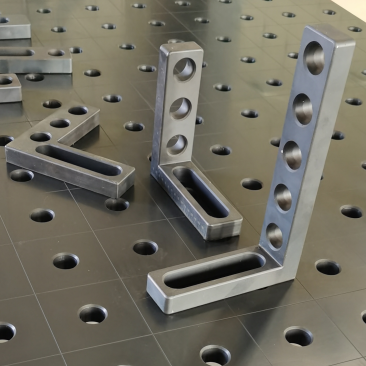
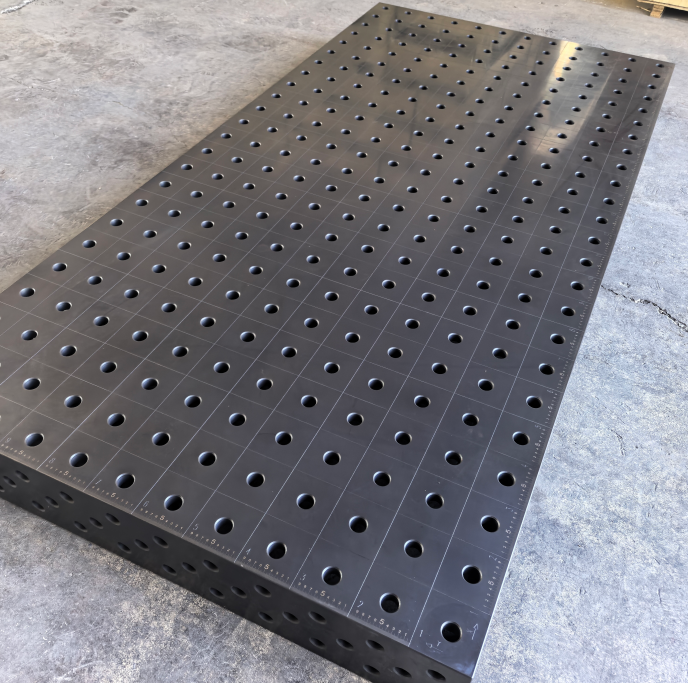
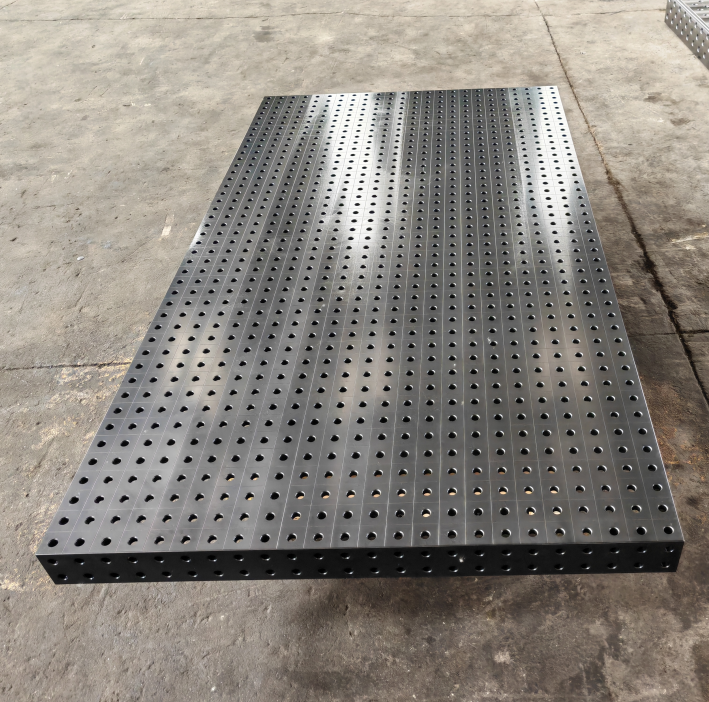
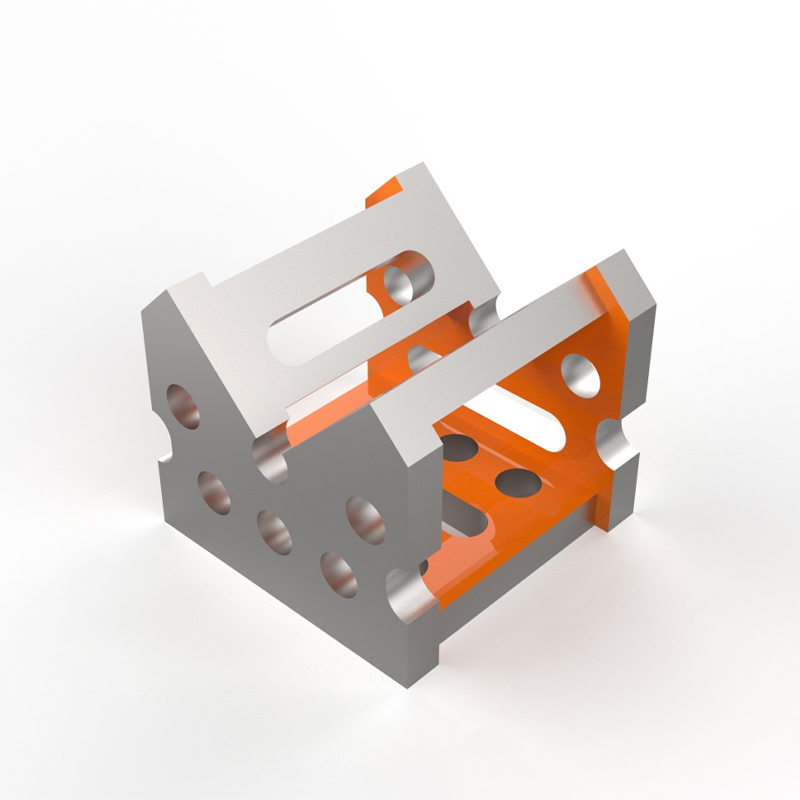
Their core product line features renowned 2D and 3D flexible welding platforms, which have become the preferred jigging equipment for machining, automotive, and aerospace industries. These platforms offer exceptional versatility, allowing manufacturers to rapidly adapt to the diverse geometries of cast aluminum parts—from intricate electronics housings to large structural chassis components. By integrating seamlessly with complementary accessories such as U-shaped and L-shaped multi-purpose square boxes, 200-series support angle irons, and 0-225° universal angle gauges, these systems enable rapid workpiece positioning and clamping with minimal setup time.
Furthermore, recognizing the need for stability in heavy-duty applications, the company manufactures professional cast iron 3D welding platforms and angle connection blocks. These robust tools ensure that even the largest cast aluminum assemblies maintain exceptional durability and stability during welding and inspection. With years of industry experience, Botou Haijun Metal Products Co., Ltd. has established itself as a trusted supplier domestically and internationally, continuously delivering high-quality production machinery tool series that complement the advanced capabilities of cast aluminum manufacturing.
Frequently Asked Questions (FAQ)
What is the difference between cast aluminum and machined aluminum?
Cast aluminum is formed by pouring molten metal into a mold, allowing for complex shapes and high-volume production at lower costs. Machined aluminum starts as a solid block (billet) and is cut away to shape, offering superior mechanical properties and tighter tolerances but at a higher material and labor cost. Casting is generally preferred for complex, high-volume parts, while machining suits low-volume, high-strength requirements.
Can cast aluminum parts be welded?
Yes, cast aluminum parts can be welded, but it requires specific techniques and filler materials. The presence of silicon in many casting alloys can make welding challenging due to cracking susceptibility. Pre-heating the part and using appropriate shielding gases are often necessary. TIG (Tungsten Inert Gas) welding is commonly used for repair and assembly of cast components.
How long do cast aluminum parts last?
The lifespan of cast aluminum parts depends on the operating environment and load conditions. Due to their excellent corrosion resistance, they can last for decades in atmospheric conditions. In high-stress or high-temperature applications, proper alloy selection and heat treatment ensure longevity. Regular inspection for fatigue cracks is recommended for safety-critical applications.
Are cast aluminum parts recyclable?
Absolutely. Aluminum is one of the most recyclable materials on earth. Cast aluminum parts can be melted down and re-cast repeatedly without losing their inherent properties. Recycling aluminum requires only a fraction of the energy needed to produce primary aluminum, making it an environmentally responsible choice for manufacturing.
What causes porosity in cast aluminum?
Porosity is primarily caused by gas entrapment during the filling phase or shrinkage during solidification. Turbulent flow introduces air into the molten metal, while inadequate feeding in thick sections leads to shrinkage voids. Optimizing gating systems, controlling pouring temperatures, and applying proper pressure during casting are effective strategies to minimize porosity.
Future Trends in Aluminum Casting
The landscape of cast aluminum parts is evolving with advancements in materials science and manufacturing technology. The industry is moving towards smarter, more efficient, and sustainable practices.
Vacuum-Assisted Die Casting
To address porosity issues, vacuum-assisted high-pressure die casting is gaining traction. By evacuating air from the mold cavity before injection, this technique significantly reduces gas entrapment. The result is denser parts with improved mechanical properties, enabling their use in structural safety applications previously reserved for steel or forged aluminum.
Advanced Alloy Development
Research is focused on developing new aluminum alloys that offer higher strength and better elongation. These “super-alloys” aim to bridge the gap between cast and wrought materials. Enhanced ductility will allow for more aggressive lightweighting strategies in electric vehicle platforms and aerospace structures.
Sustainability and Circular Economy
There is a growing emphasis on using secondary (recycled) aluminum in casting processes. Improvements in melt purification technologies allow foundries to incorporate higher percentages of scrap metal without compromising quality. This shift supports global carbon reduction targets and reduces reliance on raw bauxite mining.
Conclusion and Selection Guide
Cast aluminum parts represent a critical solution for modern engineering challenges, balancing weight, strength, and cost-effectiveness. From the intricate details of die-cast electronics housings to the robust structures of sand-cast industrial valves, the versatility of this manufacturing method is unmatched.
When selecting cast aluminum components, consider the production volume, required mechanical properties, and geometric complexity. High-volume needs favor die casting, while large or low-volume parts suit sand casting. For a balance of strength and volume, permanent mold casting is often the ideal middle ground.
Who should use cast aluminum parts? Automotive engineers seeking weight reduction, product designers needing complex integrated features, and industrial manufacturers requiring corrosion-resistant components will find immense value in this technology. If your project demands a blend of durability, lightness, and economic scalability, cast aluminum is likely the optimal choice.
To proceed, evaluate your specific design requirements against the capabilities of different casting processes. Engage with experienced foundries early in the design phase to optimize part geometry for manufacturability. Equally important is partnering with reliable tooling suppliers, such as Botou Haijun Metal Products, to ensure that your casting workflows are supported by precise, flexible, and durable fixation systems. This collaborative approach ensures high-quality outcomes and maximizes the benefits of cast aluminum technology for your application.