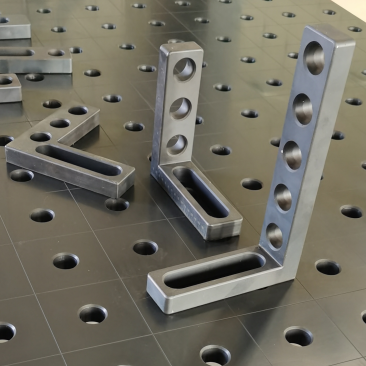
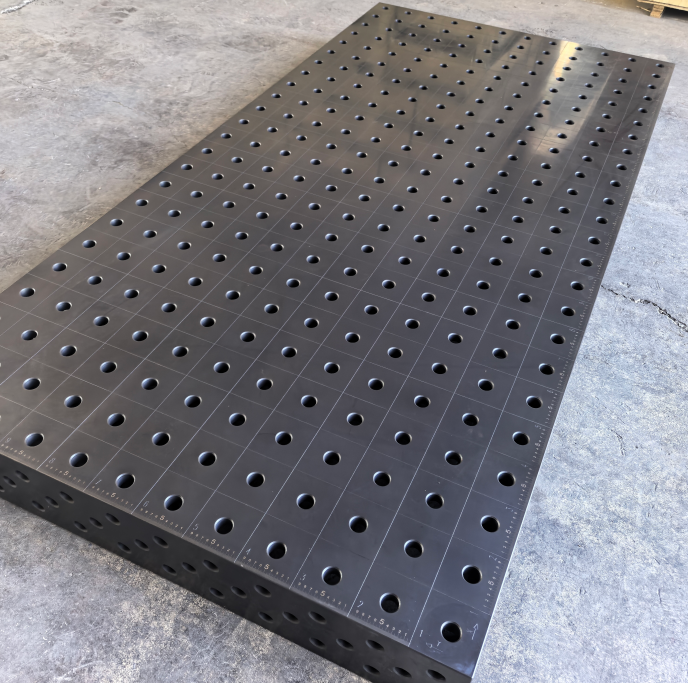
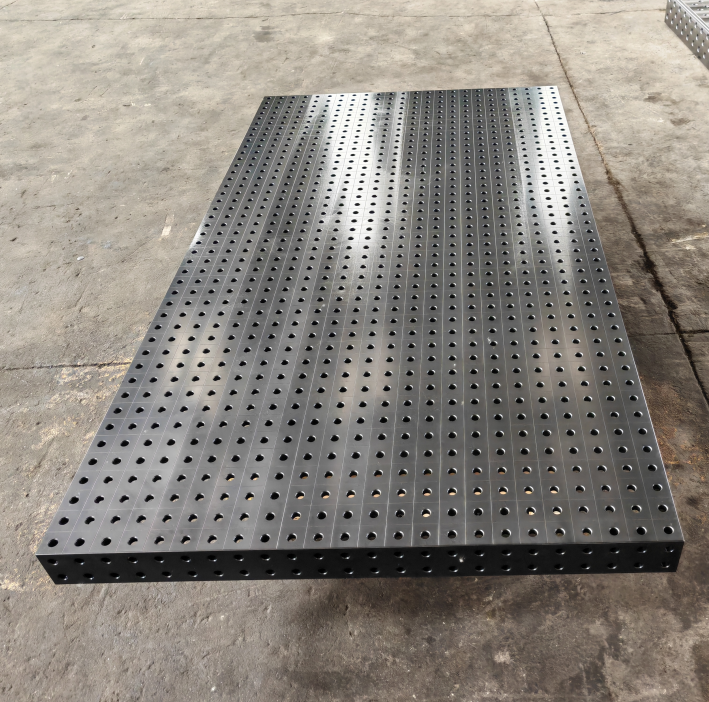
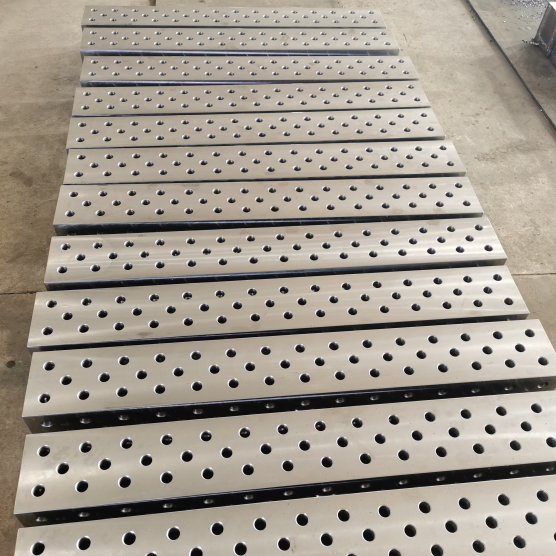
A rolling welding table is a mobile workbench equipped with casters, designed for flexible metal fabrication and precise 3D positioning. In 2026, prices for high-quality units from Chinese manufacturers typically range from $485 to $1,500, depending on load capacity, hole patterns, and material grade. These tables combine the precision of fixed 3D fixtures with the mobility required for dynamic workshop environments.
Understanding the 2026 Rolling Welding Table Market
The global landscape for industrial fabrication has shifted significantly by 2026. China remains the undisputed epicenter for producing these specialized workbenches, offering unmatched scale and cost efficiency. Industrial clusters in Hebei Province, particularly Botou City, have refined their expertise in cast iron processing and precision machining over decades.
Buyers today are not just looking for a flat surface; they demand modular versatility. The modern rolling welding table integrates D16 or D28 hole patterns, allowing for infinite clamping configurations. This evolution supports everything from heavy steel fabrication to delicate aerospace component assembly.
Recent market data indicates a surge in demand for units that balance rigidity with portability. Manufacturers in Jiangsu and Shanghai are leading this charge by incorporating advanced heat-treatment processes to ensure table surfaces remain flat under extreme thermal stress. This regional specialization allows for reduced lead times and lower logistics costs for international B2B buyers.
Key Features Defining Modern Mobility
Mobility in 2026 is no longer an afterthought; it is a core engineering constraint. A true rolling solution must maintain structural integrity while moving. The latest models feature reinforced joints and heavy-duty locking mechanisms on every caster.
- Heavy-Duty Casters: Designed to support loads exceeding 1,000 kg without deformation.
- Locking Systems: Dual-lock brakes prevent both wheel rotation and swivel movement during welding.
- Modular Compatibility: Seamless integration with standard 3D clamping tools and fixtures.
- Surface Precision: Machined tolerances ensure accuracy even after frequent relocation.
The integration of these features addresses a common pain point: the loss of precision when moving equipment. High-end suppliers now guarantee that their rolling tables retain their flatness specifications regardless of how often they are repositioned within a facility.
Technical Specifications and Material Grades
Selecting the right rolling welding table requires a deep understanding of material science. The base material determines the table’s lifespan, resistance to warping, and ability to withstand spatter. In 2026, the industry standard has solidified around specific grades of steel and cast iron.
Most premium tables utilize Q345B or equivalent high-strength low-alloy steel. This material offers superior yield strength compared to traditional mild steel, ensuring the table does not bend under heavy asymmetric loads. For applications requiring extreme vibration damping, cast iron remains the preferred choice due to its inherent microstructure.
Surface Treatments and Durability
The surface finish is critical for both functionality and longevity. Nitriding and galvanization are the two dominant treatments in the current market. Each serves a distinct purpose depending on the workshop environment.
- Nitrided Surfaces: Provide exceptional hardness and resistance to wear. Ideal for high-volume production where fixtures are constantly slid across the table.
- Galvanized Coatings: Offer robust corrosion protection, making them suitable for outdoor use or humid environments where rust is a concern.
- Black Oxide Finishes: A cost-effective option that reduces glare and provides moderate rust resistance for indoor shops.
It is crucial to note that while coatings protect the base metal, they can affect electrical grounding. Welders must ensure proper ground clamp connections are made to bare metal points if the entire surface is coated. Leading manufacturers now include designated grounding studs to mitigate this issue.
Price Analysis: What to Expect in 2026
Pricing for rolling welding table units varies widely based on size, thickness, and included accessories. Based on current listings from major Chinese exporters, buyers can expect a clear tiered structure. Understanding these tiers helps in budgeting for both small workshops and large industrial facilities.
Entry-level models, often featuring thinner gauge steel and simpler caster arrangements, start around $485 for smaller dimensions. These are perfect for hobbyists or light-duty repair work. Mid-range options, which include hardened surfaces and better locking casters, typically fall between $800 and $1,200.
Cost Breakdown by Configuration
The final price is heavily influenced by customization. A standard 1200x2400mm table with a D16 hole pattern represents the most common purchase. However, adding CNC-drilled holes, specific fixture kits, or custom cutting increases the cost.
| Configuration Tier | Estimated Price Range (USD) | Primary Use Case |
| Basic Mobile Unit | $485 – $700 | Hobbyists, Light Repair, Training Centers |
| Standard Industrial | $800 – $1,200 | General Fabrication, Automotive Shops |
| Heavy-Duty Precision | $1,300 – $1,500+ | Aerospace, Heavy Steel Structure, Mass Production |
Bulk purchasing remains a viable strategy for cost reduction. Suppliers often offer significant discounts for orders exceeding ten units. For instance, prices can drop by approximately 2-3% per unit when ordering in batches of 10 or more. This makes outfitting an entire production line more financially feasible for growing businesses.
Folding vs. Rolling: Choosing the Right Mobility Solution
While this guide focuses on rolling tables, many buyers face a choice between wheeled mobility and foldable designs. Both solutions address space constraints but serve different operational needs. Understanding the distinction is vital for optimizing workshop layout.
A folding welding table is engineered for maximum space efficiency. It folds down for storage, making it ideal for mobile welding services or environments with extremely limited floor space. However, folding mechanisms can introduce slight flexibility compared to a rigid rolling frame.
Comparative Advantages
Rolling tables excel in scenarios where the workstation needs to be moved frequently but set up permanently at various locations. They offer superior rigidity and higher weight capacities. Folding tables, conversely, are best for temporary setups or when the table must be stored away completely after use.
- Rolling Table Strengths: Higher load capacity, no moving joints on the surface, faster deployment, better stability for heavy hammering.
- Folding Table Strengths: Minimal footprint when stored, easier transport in small vehicles, ideal for field service technicians.
For permanent workshop installations where flexibility is key, the rolling option is generally preferred. The absence of folding hinges on the work surface ensures a perfectly flat plane, which is critical for high-precision 3D welding tasks. The trade-off is the permanent floor space occupied by the unit, even when not in active use.
How to Select a High-Quality Supplier
Navigating the sea of manufacturers requires a strategic approach. Not all suppliers claiming to produce “heavy-duty” tables adhere to the same standards. Verifying the credibility and capability of a supplier is the most important step in the procurement process.
Focus on regions with established industrial clusters. As noted, Hebei Province, specifically Botou City, hosts a dense concentration of metalworking manufacturers. These factories benefit from local access to raw materials and skilled labor, translating to better quality control and competitive pricing.
Verification Checklist for Buyers
Before placing an order, buyers should request specific documentation. This includes material certification, load test reports, and details on the casting or welding processes used. Reputable suppliers will readily provide these documents to prove their compliance with international standards.
- Check Manufacturing Origin: Prefer suppliers from known hubs like Hebei, Jiangsu, or Wuhan.
- Request Sample Photos: Ask for real-time photos of the production line, not just catalog images.
- Verify Payment Security: Ensure transactions are processed through secure platforms that offer refund policies for non-shipment or product issues.
- Assess Lead Times: Established clusters usually offer shorter lead times due to streamlined supply chains.
Secure payment platforms are essential for international trade. Many reputable B2B marketplaces now offer protection where buyers can claim refunds if orders do not ship or arrive with defects. This layer of security is indispensable when dealing with overseas manufacturers.
Installation and Setup Best Practices
Once your rolling welding table arrives, proper installation is key to unlocking its full potential. Even the highest quality table can underperform if not leveled and grounded correctly. Following a systematic setup process ensures longevity and precision.
The first step is always leveling. Despite heavy-duty casters, factory floors are rarely perfectly flat. Use adjustable feet or shims under the caster mounts if available, or adjust the caster height mechanisms to ensure the table surface is perfectly horizontal.
Step-by-Step Setup Guide
Proper grounding is often overlooked but is critical for safety and weld quality. A floating table can lead to erratic arc behavior and potential shock hazards. Ensure a dedicated ground cable connects the table frame directly to the welding power source ground terminal.
- Step 1: Unpack and inspect the table for any shipping damage or missing components.
- Step 2: Position the table in the desired location and engage all caster locks immediately.
- Step 3: Use a precision level to check the surface in multiple directions; adjust as necessary.
- Step 4: Attach the welding ground clamp to a designated bare metal stud on the frame.
- Step 5: Perform a test weld on a scrap piece to verify stability and electrical continuity.
Regular maintenance extends the life of the equipment. Periodically check the caster wheels for debris and lubricate the locking mechanisms. Inspect the surface for deep gouges that might affect clamping accuracy, and dress the surface if necessary using a grinder or file.
Applications Across Industries
The versatility of the modern rolling welding table makes it applicable across a vast array of industries. From small job shops to massive automotive assembly lines, the need for flexible, precise fixturing is universal.
In the automotive sector, these tables are used for jigging complex frame components. The ability to roll the assembly to different stations without unclamping saves significant time. Similarly, in aerospace manufacturing, the precision hole patterns allow for the creation of intricate fixtures for thin-walled structures.
Specific Use Cases
Training centers also benefit immensely from mobile tables. Instructors can rearrange the classroom layout quickly for different lessons or group exercises. The durability of these tables withstands the rigorous use typical in educational environments.
- Mobile Repair Services: Technicians can load a table onto a truck and have a fully functional workshop at any client site.
- Prototyping Labs: Engineers can rapidly reconfigure workspaces for different project phases without permanent installation.
- Heavy Fabrication: Large tables with high load ratings support the assembly of locomotive frames and heavy machinery parts.
The adaptability of these systems supports the trend towards lean manufacturing. By reducing the time spent setting up and tearing down jigs, companies can increase their overall equipment effectiveness (OEE). The rolling table is not just a piece of furniture; it is a productivity multiplier.
Common Mistakes to Avoid When Buying
Even experienced buyers can make errors when sourcing industrial equipment. Being aware of common pitfalls can save money and prevent operational headaches. The market is filled with options, but not all are created equal.
One frequent mistake is prioritizing price over load capacity. A table that looks sturdy might sag under the weight of a heavy workpiece, ruining the precision of the weld. Always verify the rated load capacity and compare it against your heaviest typical project.
Pitfalls in Specification and Sourcing
Another error is ignoring the hole pattern compatibility. Buying a table with a non-standard hole spacing can render existing clamping tools useless. Stick to industry-standard D16 or D28 patterns unless you have a very specific, custom requirement.
- Underestimating Weight: Failing to account for the weight of the table itself plus the workload can lead to floor damage or caster failure.
- Ignoring Caster Quality: Cheap plastic wheels may crack under heavy loads; always opt for polyurethane or steel-core casters.
- Overlooking Surface Treatment: Choosing the wrong finish for the environment can lead to rapid corrosion or excessive spatter adhesion.
Finally, neglecting to check the refund and warranty policy is risky. International shipping can result in damages. Ensure the supplier has a clear policy for claims regarding missing parts or transit damage. Secure payment platforms often facilitate these claims more effectively than direct bank transfers.
Future Trends in Welding Workholding
Looking beyond 2026, the evolution of welding tables continues. The integration of smart technology and advanced materials is on the horizon. We are seeing early adoption of sensors that monitor load distribution and table flatness in real-time.
Sustainability is also becoming a driving factor. Manufacturers are exploring eco-friendly coating processes and recycling programs for old tables. The shift towards energy-efficient production methods aligns with global carbon reduction goals.
Emerging Technologies
Automation integration is perhaps the most significant trend. Future rolling tables may feature built-in tracks for robotic welding arms or automated guided vehicles (AGVs). This would allow for seamless transitions between manual and automated welding processes.
- Smart Fixturing: Clamps with digital force feedback to ensure consistent pressure.
- Modular Robotics: Tables designed with mounting points specifically for collaborative robots (cobots).
- Advanced Alloys: New steel blends offering higher strength-to-weight ratios for easier mobility without sacrificing rigidity.
As these technologies mature, the definition of a “standard” welding table will expand. Buyers investing today should consider future-proofing their purchases by selecting systems with high modularity and compatibility with emerging accessory standards.
Conclusion: Making the Right Investment
Investing in a rolling welding table is a strategic decision that impacts workflow efficiency, weld quality, and overall shop safety. The 2026 market offers a diverse range of options, from cost-effective entry-level models to high-precision industrial-grade systems.
By focusing on reputable manufacturing hubs like Hebei and Jiangsu, verifying technical specifications, and understanding the specific needs of your application, you can secure a table that delivers long-term value. Remember to prioritize load capacity, surface quality, and caster reliability over initial cost savings.
The right mobile workbench transforms a static workshop into a dynamic production environment. Whether for heavy steel fabrication, precise aerospace assembly, or mobile field services, a high-quality rolling welding table is an indispensable asset for the modern fabricator. Make your selection based on data, verified supplier capabilities, and a clear understanding of your operational requirements.