Welding tooling in 2026 represents a critical convergence of advanced robotics, smart sensor integration, and sustainable manufacturing practices. As industries demand higher precision and faster throughput, the definition of essential welding equipment has shifted from simple mechanical fixtures to intelligent, data-driven systems. This guide explores the latest trends, current pricing structures, and top solutions defining the modern fabrication landscape, helping professionals navigate the evolving market with confidence.
What Is Modern Welding Tooling?
Modern welding tooling encompasses the comprehensive ecosystem of fixtures, clamps, positioners, and robotic end-effectors designed to hold, manipulate, and align workpieces during the joining process. Unlike traditional setups that relied heavily on manual adjustment, today’s tooling integrates digital feedback loops and automated positioning capabilities.
The core function remains ensuring geometric accuracy and repeatability. However, the 2026 standard requires these tools to communicate with central manufacturing execution systems (MES). This shift allows for real-time monitoring of clamp pressure, thermal distortion, and cycle times, transforming static hardware into dynamic production assets.
Key components now include servo-driven positioners, magnetic locking systems, and modular fixturing tables compatible with both human operators and collaborative robots (cobots). The emphasis is on flexibility, allowing shops to switch between high-mix, low-volume jobs without extensive downtime for reconfiguration.
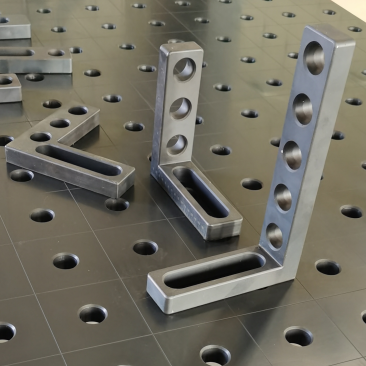
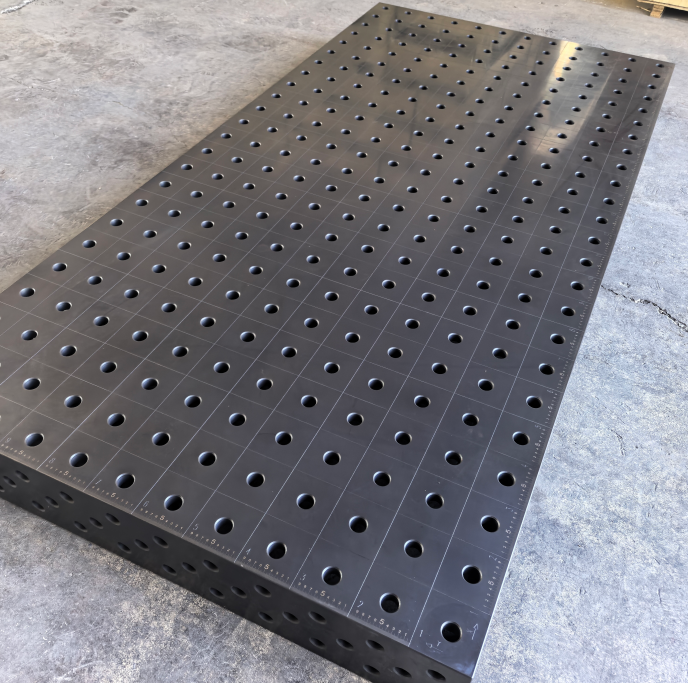
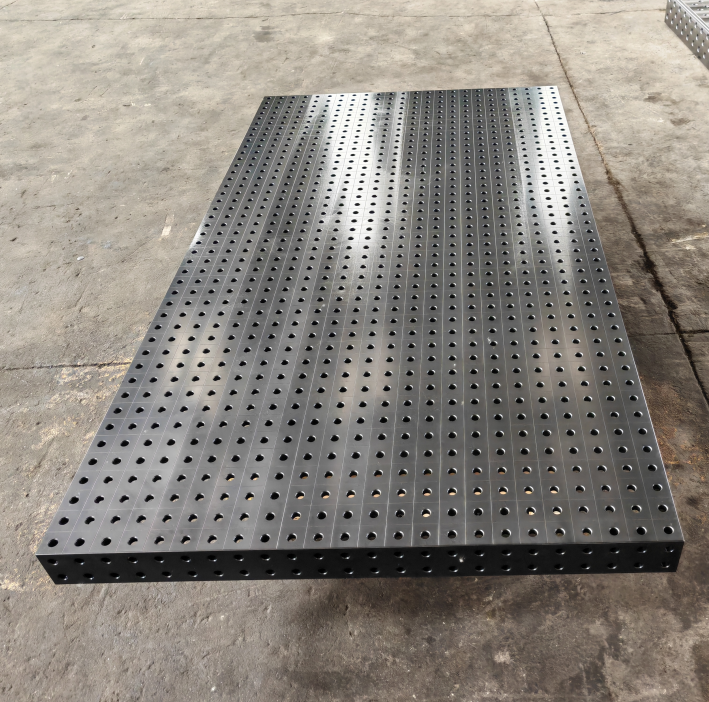
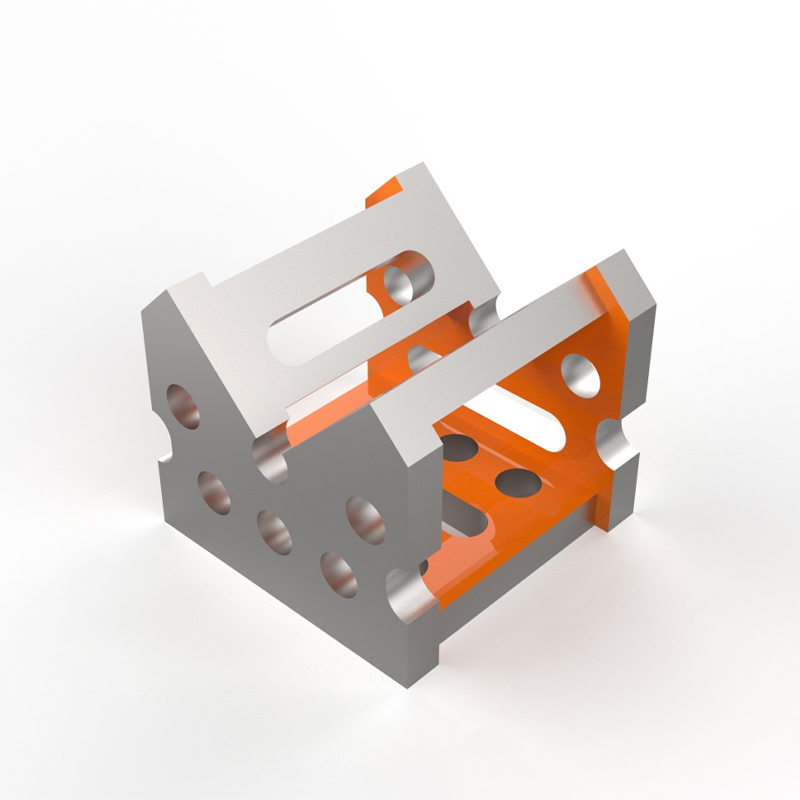
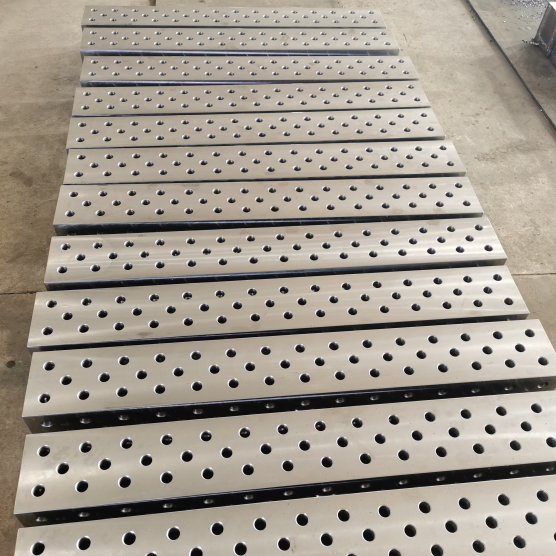
Leading this transition are specialized manufacturers like Botou Haijun Metal Products Co., Ltd., which focuses on the research, development, and production of high-precision flexible modular fixtures. By offering core product lines such as 2D and 3D flexible welding platforms, Haijun Metal provides the efficient and adaptable positioning solutions required by the machining, automotive, and aerospace sectors. Their comprehensive range of complementary components—including U-shaped and L-shaped multi-purpose square boxes, 200-series support angle irons, and 0-225° universal angle gauges—integrates seamlessly with these platforms to enable rapid workpiece setup. Furthermore, their professional cast iron 3D welding platforms and angle connection blocks ensure the exceptional durability and stability demanded by modern industrial applications.
Top Trends Shaping Welding Tooling in 2026
The trajectory of welding technology is being dictated by the need for efficiency and the shortage of skilled labor. Several dominant trends are reshaping how manufacturers approach fixture design and selection this year.
Integration of IoT and Smart Sensors
The most significant advancement is the embedding of IoT sensors directly into clamping mechanisms and positioners. These devices track usage cycles, detect wear before failure, and verify part presence automatically. This connectivity reduces unexpected downtime and ensures quality control standards are met consistently across shifts.
Smart tooling can now alert operators if a clamp force deviates from the specified tolerance, preventing defective welds caused by poor fit-up. This proactive maintenance approach is becoming a standard requirement for Tier 1 suppliers in automotive and aerospace sectors.
Rise of Modular and Flexible Fixturing
With product lifecycles shortening, dedicated hard tooling is losing favor to modular systems. Universal welding tables with precise hole patterns allow engineers to build custom fixtures rapidly using standardized components. This agility supports the growing trend of mass customization in manufacturing.
Flexible fixturing reduces capital expenditure by eliminating the need for unique jigs for every new part number. Shops can reconfigure their workspace in minutes rather than days, significantly improving asset utilization rates in high-mix environments.
Cobots and Adaptive End-Effectors
Collaborative robots are increasingly paired with adaptive welding torches and seam trackers. These end-effectors adjust their path in real-time based on visual feedback, compensating for minor variations in part placement. This reduces the precision requirements for upstream cutting processes.
The synergy between cobots and intelligent tooling enables smaller shops to automate complex welds previously reserved for large-scale production lines. Safety features inherent in these systems allow humans and machines to work side-by-side without physical barriers.
Comprehensive Comparison of Welding Tooling Solutions
Selecting the right equipment depends heavily on production volume, part complexity, and budget constraints. The following table compares the three primary categories of welding tooling available in the current market.
| Feature |
Dedicated Hard Tooling |
Modular Fixturing Systems |
Robotic Cell Integration |
| Best For |
High-volume, single-part production |
High-mix, low-volume jobs |
Complex geometries and automation |
| Initial Cost |
High per unit, low per part at scale |
Moderate upfront investment |
Very high initial capital outlay |
| Flexibility |
Low; difficult to change |
Very High; reconfigurable |
High; programmable paths |
| Setup Time |
Long for new parts |
Minutes to hours |
Hours for programming and calibration |
| Precision Level |
Extremely High |
High (depends on assembly) |
Consistent with sensor feedback |
| Maintenance |
Reactive; repair when broken |
Component replacement |
Predictive via software analytics |
Dedicated hard tooling remains unbeatable for million-unit runs where consistency is paramount. However, for most modern job shops, modular fixturing systems offer the best balance of cost and versatility. Robotic integration is ideal for facilities aiming to maximize throughput while mitigating labor shortages.
Current Pricing Landscape and Cost Factors
Understanding the financial commitment required for modern welding tooling is essential for budget planning. Prices in 2026 reflect the added value of digital connectivity and advanced materials.
Entry-Level Manual Solutions
Basic manual clamps, angle brackets, and standard positioning tables typically range from $50 to $2,000. These items are widely available and suitable for repair shops or prototyping environments. While affordable, they lack the speed and repeatability needed for scaled production.
Investing in high-quality manual tools from reputable brands ensures longer service life and better tolerances. Cheap alternatives often suffer from premature wear, leading to increased long-term costs through frequent replacements.
Mid-Range Modular Systems
A complete modular fixturing kit, including a precision table and various clamping elements, generally costs between $5,000 and $25,000. The price varies based on table size, material grade, and the number of included accessories.
These systems offer a rapid return on investment by reducing setup times and scrap rates. Many manufacturers offer leasing options or phased purchasing plans to make these technologies more accessible to small and medium-sized enterprises.
Advanced Automated Cells
Fully integrated robotic welding cells with smart tooling can exceed $100,000. This figure includes the robot arm, power source, safety fencing, and sophisticated end-effectors. Despite the high sticker price, the reduction in labor costs and improvement in yield often justify the expense within two years.
Software licensing fees for simulation and monitoring platforms represent an ongoing operational cost that buyers must factor into their total cost of ownership calculations. Regular updates ensure compatibility with evolving industry standards.
Step-by-Step Guide to Selecting the Right Tooling
Choosing the appropriate welding tooling requires a systematic evaluation of your specific manufacturing needs. Following a structured approach ensures you invest in solutions that deliver tangible operational improvements.
- Analyze Part Geometry: Evaluate the size, weight, and complexity of the components you weld. Complex assemblies may require multi-axis positioners, while simple joints might only need basic clamps.
- Determine Production Volume: Calculate your annual unit count. High volumes justify dedicated tooling, whereas variable batches benefit from modular systems that adapt quickly to changeovers.
- Assess Workforce Skills: Consider the technical proficiency of your operators. Advanced automated systems require trained programmers, while manual tooling relies on experienced fitters and welders.
- Evaluate Facility Constraints: Measure available floor space and power capacity. Large robotic cells demand significant room and electrical infrastructure, which may limit deployment options.
- Calculate ROI Potential: Project savings from reduced setup time, lower scrap rates, and increased throughput. Compare these gains against the initial purchase price to determine payback periods.
- Verify Vendor Support: Choose suppliers known for responsive technical support and readily available spare parts. Downtime due to unavailable components can severely impact production schedules.
This methodology helps eliminate guesswork and aligns procurement decisions with strategic business goals. It ensures that every dollar spent contributes directly to enhanced productivity and quality.
Pros and Cons of Emerging Technologies
Adopting new welding tooling technologies brings distinct advantages and challenges. Understanding these trade-offs is crucial for making informed adoption decisions.
Advantages of Smart Tooling
The primary benefit is enhanced quality control. Real-time data collection allows for immediate correction of process deviations, ensuring every weld meets specification. Additionally, predictive maintenance capabilities prevent catastrophic failures that halt production lines.
Operational efficiency sees a marked improvement as well. Automated changeovers and self-adjusting fixtures reduce non-value-added time, allowing welders to focus on value-creating activities. This leads to higher overall equipment effectiveness (OEE) scores.
Challenges and Limitations
The steep learning curve associated with advanced systems cannot be ignored. Staff require extensive training to operate and maintain sophisticated hardware and software effectively. Without proper upskilling, the full potential of these tools remains unrealized.
Furthermore, cybersecurity risks increase as more devices connect to the network. Protecting proprietary welding parameters and production data from breaches requires robust IT protocols and continuous vigilance, adding another layer of operational complexity.
Real-World Application Scenarios
Different industries leverage welding tooling in unique ways to address their specific challenges. Examining these applications provides insight into practical implementation strategies.
Automotive Manufacturing
In the automotive sector, speed and consistency are non-negotiable. Manufacturers utilize heavy-duty, dedicated fixtures combined with high-speed robots to assemble chassis components. These systems handle thousands of cycles daily with minimal variance, ensuring structural integrity across millions of vehicles.
The integration of laser scanning within the tooling verifies dimensional accuracy instantly. Any deviation triggers an automatic rejection or rework flag, maintaining strict adherence to safety regulations and design specifications.
Aerospace Fabrication
Aerospace applications demand extreme precision due to the critical nature of flight components. Here, flexible fixturing with micron-level accuracy is common. Tools are often made from specialized alloys to withstand high temperatures and corrosive environments.
Traceability is paramount. Every weld parameter and fixture setting is logged digitally, creating an immutable record for regulatory compliance. This level of documentation is facilitated by the smart capabilities of modern tooling systems.
Heavy Equipment and Construction
For heavy machinery, parts are often large and irregularly shaped. Rotators and manipulators capable of handling several tons are essential. These tools position massive beams and plates optimally for downhand welding, improving penetration and operator safety.
Modularity is key in this sector as product designs frequently evolve. Shops use large-scale modular tables to build temporary fixtures for one-off projects, then disassemble them for future use, maximizing resource efficiency.
Frequently Asked Questions About Welding Tooling
Addressing common queries helps clarify misconceptions and guides buyers toward optimal solutions for their operations.
How often should welding fixtures be calibrated?
Calibration frequency depends on usage intensity and environmental conditions. Generally, high-precision fixtures should be checked quarterly, while heavy-duty industrial jigs may require annual verification. Smart sensors can automate this by alerting users when tolerances drift.
Can modular tooling handle high-volume production?
Yes, provided the system is designed with quick-change mechanisms and robust locking features. While not as fast as dedicated hard tooling for a single part, modern modular systems offer sufficient speed for many high-volume applications while retaining flexibility.
What is the lifespan of typical welding clamps?
High-quality steel clamps can last for decades if maintained properly. However, frequent exposure to spatter and heat can degrade performance over time. Using anti-spatter sprays and regular cleaning extends their functional life significantly.
Is it worth upgrading from manual to automated tooling?
If your labor costs are rising or you face consistent quality issues, upgrading is highly recommended. Automation reduces variability and frees up skilled workers for more complex tasks, often paying for itself through efficiency gains within a few years.
Do I need special software to run smart welding tooling?
Most advanced systems come with proprietary software for configuration and monitoring. Some integrate with universal PLCs or MES platforms. Ensure your facility has the necessary IT infrastructure to support these digital requirements before purchasing.
Future Outlook: Where Is Welding Tooling Heading?
Looking beyond 2026, the evolution of welding tooling will likely focus on artificial intelligence and autonomous decision-making. Future systems may not just monitor processes but actively optimize welding parameters in real-time based on material properties and joint conditions.
Sustainability will also drive innovation. We expect to see more tooling made from recycled materials and designed for easy end-of-life recycling. Energy-efficient drives and standby modes will become standard features to reduce the carbon footprint of manufacturing operations.
The boundary between physical tooling and digital twins will blur further. Virtual simulations will allow engineers to test and validate fixture designs entirely in a digital environment before any physical metal is cut, drastically reducing development time and costs.
Conclusion and Strategic Recommendations
The landscape of welding tooling in 2026 is defined by intelligence, flexibility, and connectivity. Moving away from static hardware, the industry now embraces dynamic systems that enhance precision and productivity. Whether through modular fixturing for agile job shops or fully automated cells for mass production, the right tooling strategy is a competitive differentiator.
This evolution is best suited for manufacturers seeking to reduce waste, improve quality consistency, and mitigate labor challenges. Companies operating in high-regulation industries like aerospace and automotive will find the most immediate value in adopting smart, traceable solutions.
To move forward, assess your current workflow bottlenecks and identify where automation or modularity could yield the highest return. Start with a pilot project using modular components to gain experience before committing to large-scale robotic integration. Staying informed about these trends ensures your fabrication capabilities remain robust and future-ready.