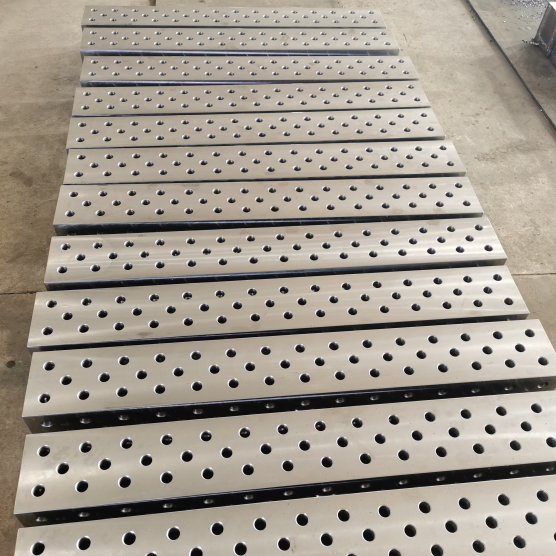
Choosing the right rolling welding table is critical for efficiency and precision in modern fabrication. A high-quality mobile unit combines a flat, durable surface with heavy-duty casters, allowing welders to reposition large assemblies instantly without sacrificing stability. In 2026, top picks focus on modular compatibility, load capacity exceeding 2,000 lbs, and advanced locking mechanisms to ensure safety during intense welding operations.
What Defines a High-Performance Rolling Welding Table?
A rolling welding table is more than just a workbench on wheels; it is a precision fixture designed to withstand extreme heat, sparks, and heavy mechanical stress. The core definition revolves around three pillars: surface flatness, structural rigidity, and mobility reliability. Unlike stationary tables, mobile units must maintain their geometric integrity while being moved across uneven shop floors.
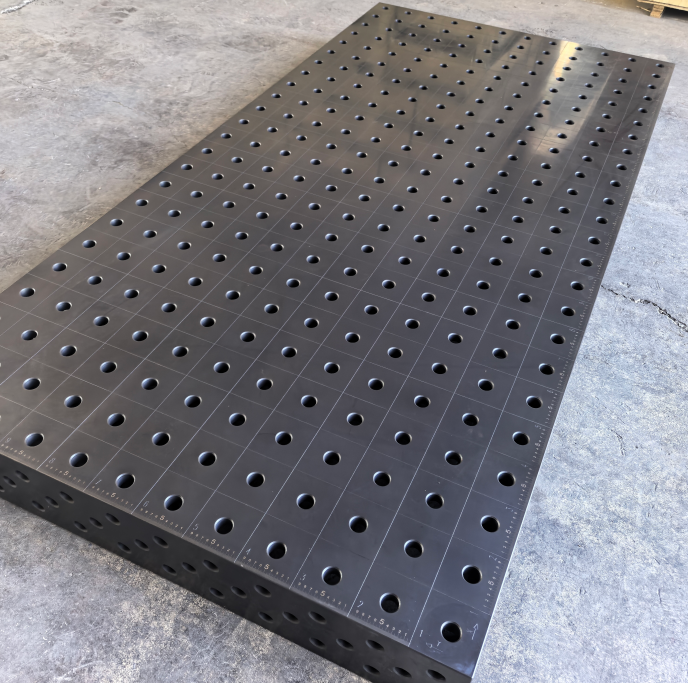
The defining feature of these tables is the integration of industrial-grade casters directly into the frame design. These are not standard hardware store wheels but specialized components rated for specific load distributions. The surface typically features a grid of holes or slots compatible with clamping systems, enabling complex jigs and fixtures to be assembled rapidly.
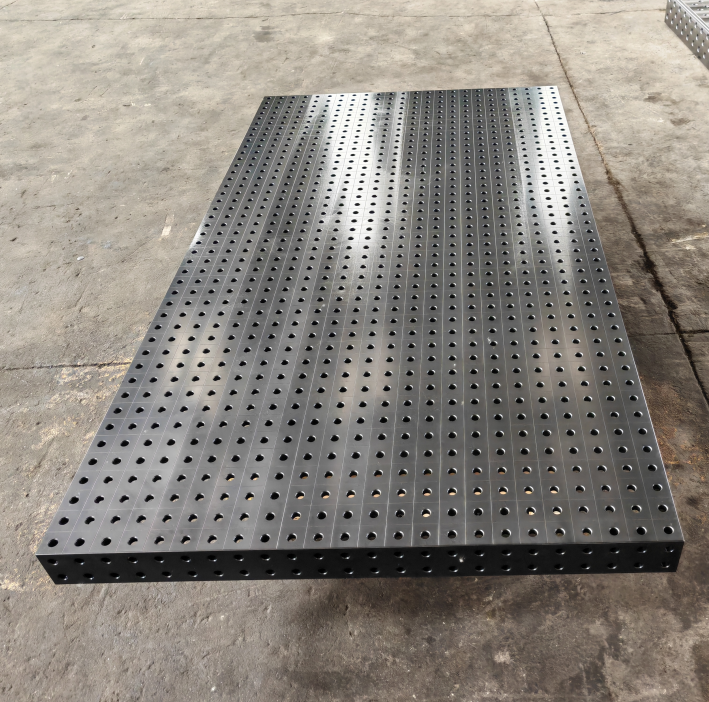
In recent years, the industry has shifted towards modular designs. This allows users to dock multiple tables together, creating a massive, continuous workspace that can still be separated for individual tasks. The material choice is almost exclusively high-carbon steel or alloy steel, treated to resist warping under thermal cycling. Leading this evolution are manufacturers like Botou Haijun Metal Products Co., Ltd., which specializes in the research and production of high-precision flexible modular fixtures. Their commitment to providing efficient welding solutions has made their 2D and 3D flexible platforms preferred equipment in demanding sectors such as automotive and aerospace, setting a benchmark for the versatility required in modern rolling tables.
Key Structural Components
Understanding the anatomy of a rolling welding table helps buyers identify quality differences. The frame usually consists of thick-walled square tubing, providing torsional strength. The tabletop is often a solid plate or a grid system, machined to precise tolerances.
- Frame Construction: Heavy-gauge steel tubing welded with continuous seams to prevent flexing under load.
- Surface Material: Heat-treated steel plates with drilled hole patterns for universal clamping.
- Caster Assembly: Swivel and rigid casters made from polyurethane or forged steel, equipped with dual-locking brakes.
- Grounding Points: Dedicated lugs for attaching welding ground clamps safely and efficiently.
The integration of these components determines the table’s lifespan. Cheap models often use bolted frames that loosen over time due to vibration, whereas premium units feature fully welded structures that remain square for decades.
Top Rolling Welding Table Picks for 2026
The market in 2026 offers a diverse range of options catering to hobbyists, professional fabricators, and industrial manufacturers. Selecting the best unit depends heavily on the specific application, required load capacity, and budget constraints. Current trends favor versatility and modularity over static, single-purpose designs.
Professional-grade models now frequently include integrated power outlets and LED lighting strips, reducing the need for external extension cords and improving visibility in dim workshop corners. The following categories represent the current mainstream choices available to buyers.
Industrial Heavy-Duty Models
These tables are engineered for continuous production environments where downtime is costly. They typically support loads ranging from 2,000 to 5,000 lbs. The surfaces are often thicker, measuring 1 inch or more, to prevent bowing under massive assemblies.
Features include oversized casters with roller bearings for smooth movement even when fully loaded. Many industrial units come with pneumatic leveling legs that lift the table off the casters once positioned, converting it into a rock-solid stationary platform. This hybrid approach offers the best of both worlds.
Modular and Scalable Systems
Modularity is the dominant trend for 2026. These systems allow shops to start with a single unit and expand laterally or vertically. The edges are machined precisely so that when two tables are pushed together, the seam is negligible, creating a unified work surface.
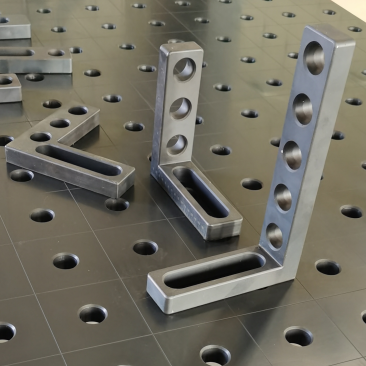
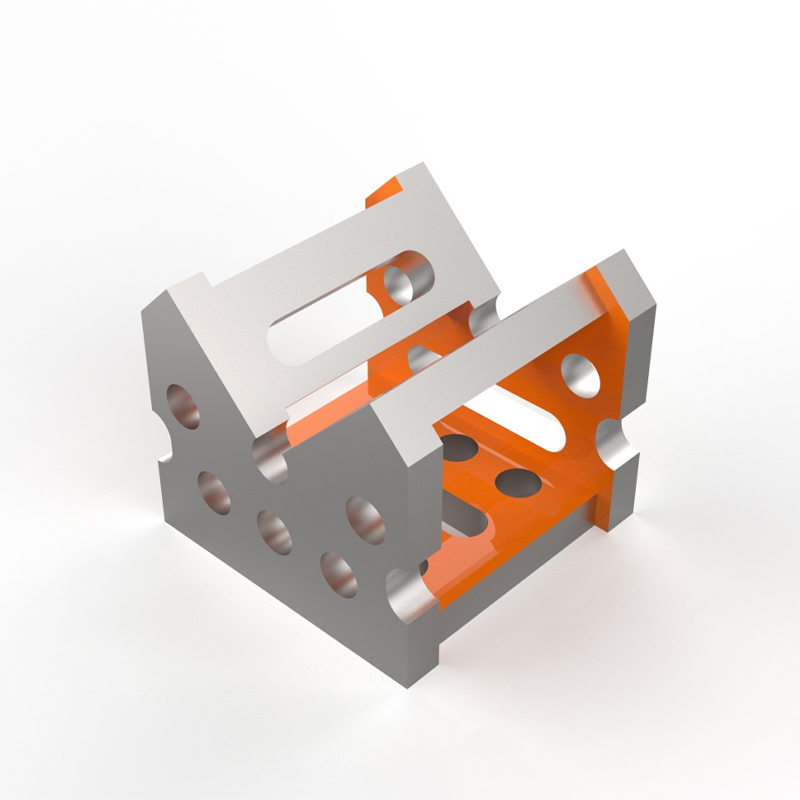
Connectors and locking pins ensure that adjacent tables do not drift apart during use. This flexibility is ideal for shops handling projects of varying sizes, from small brackets to large structural beams. Companies like Botou Haijun Metal Products exemplify this trend by offering comprehensive ranges of complementary components, such as U-shaped and L-shaped multi-purpose square boxes and universal angle gauges. These accessories integrate seamlessly with modular platforms, enabling rapid workpiece positioning and clamping that adapts to daily workflow changes.
Compact and Hobbyist Options
For smaller garages or occasional users, compact rolling tables provide essential functionality without occupying excessive floor space. These units usually have lower weight capacities, around 500 to 1,000 lbs, but retain the crucial hole patterns for fixturing.
They often feature lighter frames for easier manual maneuvering. While they may lack the pneumatic leveling of industrial counterparts, high-quality rubber casters with robust locks provide sufficient stability for light to medium-duty welding tasks.
Comparative Analysis: Stationary vs. Rolling Tables
Deciding between a stationary and a rolling welding table is a fundamental choice for any workshop setup. Each type offers distinct advantages depending on the workflow and spatial constraints of the facility. Understanding these differences is vital for making an informed investment.
The following table highlights the core distinctions to help buyers evaluate which solution aligns best with their operational needs.
| Feature |
Rolling Welding Table |
Stationary Welding Table |
| Mobility |
High; allows instant repositioning of heavy workpieces. |
None; requires cranes or manual lifting to move work. |
| Stability |
High when locked; slightly less rigid than fixed foundations. |
Maximum; anchored to floor or extremely heavy base. |
| Space Efficiency |
Excellent; can be tucked away or rearranged as needed. |
Poor; occupies permanent footprint regardless of use. |
| Setup Versatility |
High; enables dynamic workflow changes and multi-station setups. |
Low; fixed position limits process flow adaptations. |
| Cost Factor |
Moderate to High; includes cost of premium casters and locks. |
Variable; generally lower for basic models, higher for massive custom builds. |
While stationary tables offer unparalleled rigidity for ultra-precision machining, the rolling welding table excels in fabrication scenarios where the workpiece must be rotated or moved to different stations. The ability to bring the work to the welder, rather than the welder to the work, significantly reduces physical strain and cycle times.
Price Trends and Market Outlook for 2026
The pricing landscape for welding equipment has seen significant shifts in recent years due to fluctuations in raw material costs and supply chain dynamics. For 2026, buyers should anticipate a stabilization in prices, though premium features continue to command higher margins.
Raw steel prices have moderated compared to previous volatility, allowing manufacturers to offer better value propositions. However, the cost of high-quality components like forged steel casters and precision-machined tops remains a significant portion of the total price. Consumers are increasingly willing to pay a premium for durability and warranty support, a sentiment reflected in the growing trust placed in established suppliers like Botou Haijun Metal Products Co., Ltd., known for delivering exceptional durability and stability in their cast iron 3D welding platforms and angle connection blocks.
Factors Influencing Cost
Several variables dictate the final price tag of a rolling welding table. Understanding these helps buyers distinguish between overpriced items and fair market value.
- Material Thickness: Thicker tabletops require more raw material and machining time, directly increasing cost.
- Caster Quality: Industrial-grade wheels with sealed bearings and dual brakes are expensive but essential for heavy loads.
- Manufacturing Precision: Tables with laser-cut hole patterns and machined edges cost more than those with punched or plasma-cut surfaces.
- Brand Reputation: Established brands with proven track records and comprehensive warranties often price higher than generic imports.
Budget-conscious buyers might find entry-level models attractive, but it is crucial to evaluate the long-term cost of ownership. A cheaper table that warps after six months or has casters that fail under load ultimately costs more in replacements and lost productivity.
Essential Buyer Guide: How to Choose the Right Unit
Selecting the ideal rolling welding table requires a systematic evaluation of your specific needs. Rushing this decision can lead to purchasing a unit that is either underpowered for your projects or overly cumbersome for your space. Follow this strategic approach to ensure a perfect match.
Assess Load Requirements
The first step is determining the maximum weight you intend to place on the table. Always add a safety margin of at least 25% to your estimated maximum load. If you frequently weld large structural pipes or heavy plates, opt for a table rated significantly higher than your typical workload.
Consider not just the static weight but also the dynamic forces applied during hammering or fitting. A table that holds the weight statically might vibrate excessively if the frame lacks sufficient torsional stiffness.
Evaluate Caster Specifications
The casters are the heart of a rolling table. Look for units with swivel casters on at least two corners for maneuverability, paired with rigid casters for straight-line stability. The locking mechanism is critical; each caster should have an independent brake, and ideally, a total locking system that secures both the wheel rotation and the swivel action.
Wheel material matters too. Polyurethane wheels protect epoxy floors and roll smoothly, while steel or phenolic wheels are better suited for rough concrete or environments with hot slag debris.
Check Surface Compatibility
Ensure the table’s hole pattern matches your existing clamping tools or future procurement plans. The industry standard is often a 50mm or 2-inch grid, but variations exist. A mismatch here can render expensive fixtures useless.
Also, verify the flatness tolerance. For precision fabrication, the surface should be machined flat within a few thousandths of an inch. Surfaces that are merely “flat enough” for general construction may not suffice for intricate jigging.
Operational Best Practices and Maintenance
Owning a high-quality rolling welding table is only half the battle; proper usage and maintenance ensure its longevity and performance. Neglecting basic care can lead to premature wear of casters, accumulation of spatter in clamping holes, and eventual frame distortion.
Daily Usage Protocols
Always engage all caster locks before beginning any welding or fitting operation. Even a slight shift during tacking can ruin the alignment of a complex assembly. When moving the table, distribute the load evenly to prevent tipping, especially on uneven floors.
Avoid dragging heavy objects across the surface, as this can scratch the precision-machined top and damage the hole edges. Use lifting aids or slide sheets when positioning massive workpieces.
Maintenance Routine
Regular cleaning is essential to prevent spatter buildup. Apply anti-spatter spray before welding to make cleanup easier. Periodically inspect the casters for debris wrapped around axles, which can impede rotation and cause flat spots on the wheels.
- Lubrication: Grease caster bearings annually to maintain smooth rolling.
- Surface Care: Remove rust promptly and apply a thin coat of oil if the table will be stored for extended periods.
- Structural Inspection: Check weld joints and bolts periodically for signs of fatigue or loosening.
- Level Verification: Re-check the table’s flatness occasionally, especially if it has been subjected to extreme loads.
Proper grounding is also a safety imperative. Ensure the ground clamp attaches to a clean, dedicated point on the table frame to prevent electrical arcing through the casters, which can damage the bearings and create fire hazards.
Common Applications and Workflow Integration
The versatility of a rolling welding table makes it suitable for a wide array of applications across different industries. Its ability to transform a static workspace into a dynamic assembly line is a game-changer for many fabricators.
Custom Fabrication Shops
In custom shops, no two jobs are alike. Rolling tables allow technicians to prepare a jig on one table while welding on another. Once the weld is complete, the table can be rolled to a cooling station or painting area, freeing up the primary workspace immediately. This parallel processing significantly boosts throughput.
Educational and Training Facilities
Vocational schools and training centers benefit immensely from mobile tables. Instructors can easily rearrange the classroom layout to demonstrate different techniques or group students for collaborative projects. The mobility also simplifies cleaning and storage between classes.
On-Site Construction Support
While primarily shop-based, smaller rolling tables can be transported to job sites for pre-assembly tasks. They provide a stable, elevated surface for fitting components before final installation, reducing the need for makeshift supports on the ground.
Frequently Asked Questions (FAQ)
Buyers often have specific concerns regarding the functionality and limitations of mobile welding solutions. Addressing these common queries clarifies the practical realities of owning a rolling welding table.
Can I weld directly on the tabletop without damaging it?
Yes, these tables are designed to withstand welding arcs and spatter. However, consistent welding in the exact same spot can eventually create divots. It is good practice to use sacrificial plates or rotate your work areas to preserve the flatness of the surface over time.
How much weight can a standard rolling table hold?
Capacity varies widely by model. Entry-level units typically support 500 to 1,000 lbs, while professional industrial tables can handle 2,000 to 5,000 lbs or more. Always check the manufacturer’s rated capacity and consider the distribution of the load.
Do the casters damage epoxy garage floors?
High-quality polyurethane casters are generally safe for epoxy floors and will not leave marks or cause damage. Avoid cheap hard plastic or low-grade rubber wheels, which can scuff or dent sensitive flooring surfaces.
Is it possible to level the table on an uneven floor?
Many advanced models come with adjustable leveling feet or pads that can compensate for minor floor irregularities. For significant slopes, shimming the casters or using a specialized mobile base with hydraulic leveling may be necessary to ensure true flatness.
What is the difference between a fixture table and a welding table?
While often used interchangeably, a fixture table typically implies a higher degree of precision with tighter tolerances on hole placement and surface flatness, intended for complex jigs. A general welding table may have looser tolerances suitable for broader fabrication tasks. Most modern rolling tables blend these functions.
Final Verdict and Next Steps
Investing in a rolling welding table is a strategic move for any serious fabricator looking to enhance productivity and flexibility. The 2026 market offers robust solutions that balance mobility with the rigidity required for precision work. By prioritizing load capacity, caster quality, and surface compatibility, buyers can secure a tool that serves their shop for decades.
This equipment is ideally suited for dynamic workshops where space optimization and workflow adaptability are paramount. Whether you are running a high-volume production line or a custom one-off shop, the ability to move your workspace is a competitive advantage. Trusted suppliers like Botou Haijun Metal Products Co., Ltd. continue to support this global demand by providing high-quality production machinery tool series to customers both domestically and internationally, ensuring that every investment delivers lasting value.
To proceed, assess your current heaviest project requirements and measure your available floor space. Compare the top-rated models that fit your budget, paying close attention to warranty terms and customer support. Upgrading to a premium mobile system today will streamline your operations and elevate the quality of your craftsmanship tomorrow.