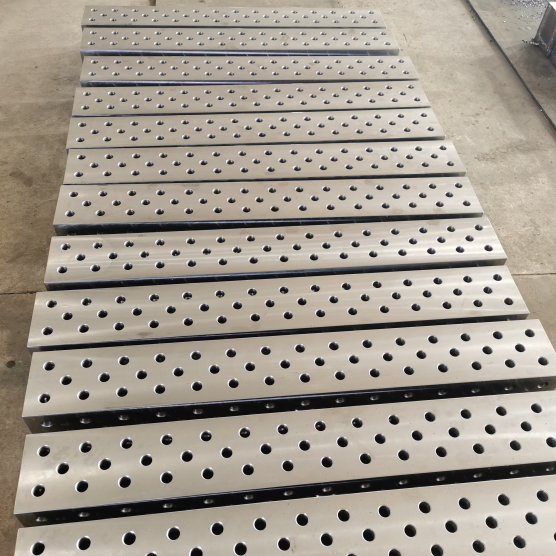
Finding the best welding table jigs for 2026 requires balancing modularity, precision, and cost-effectiveness. Top modular kits now feature hardened steel construction with universal hole patterns, allowing welders to clamp workpieces at perfect 90-degree angles instantly. Whether you are a hobbyist or running a fabrication shop, selecting the right jig system reduces setup time by up to 70% while ensuring repeatable accuracy across complex projects.
What Are Welding Table Jigs and Why Do They Matter in 2026?
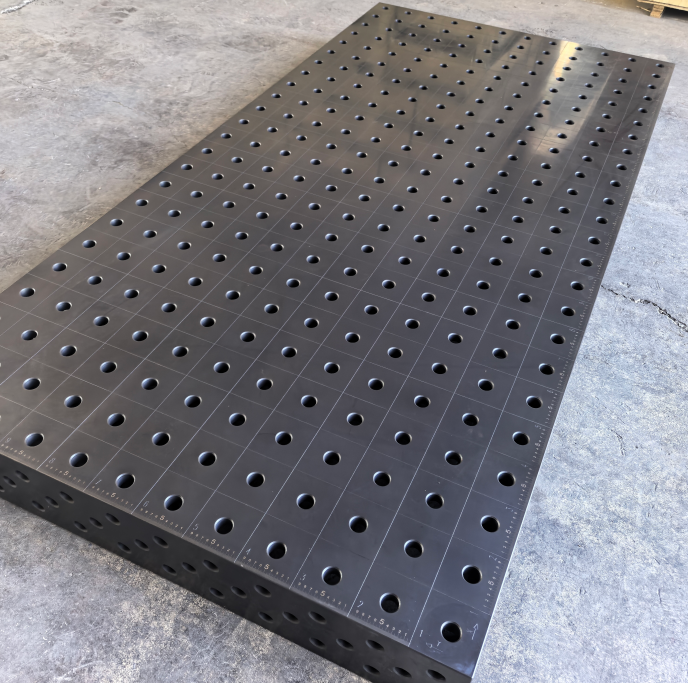
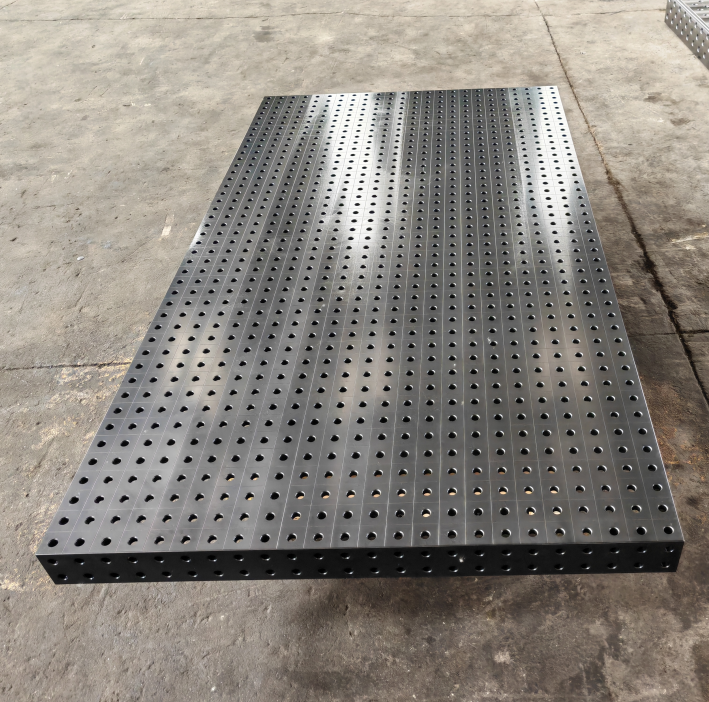
Welding table jigs are specialized fixtures designed to hold metal components in precise positions during the welding process. Unlike standard clamps, these systems integrate directly with perforated welding tables, utilizing a grid of holes to lock parts into place with zero movement. In 2026, the industry has shifted towards fully modular ecosystems where a single set of jigs can handle everything from simple brackets to intricate tubular frames.
The primary value of these tools lies in their ability to eliminate human error. When manually holding pieces, slight shifts can ruin an entire assembly. Modern jigs use hardened pins and stops that fit snugly into table holes, creating a rigid framework. This ensures that every weldment matches the original design specifications perfectly. For professionals, this consistency translates directly into higher throughput and less rework.
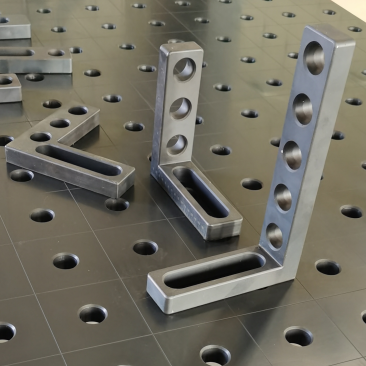
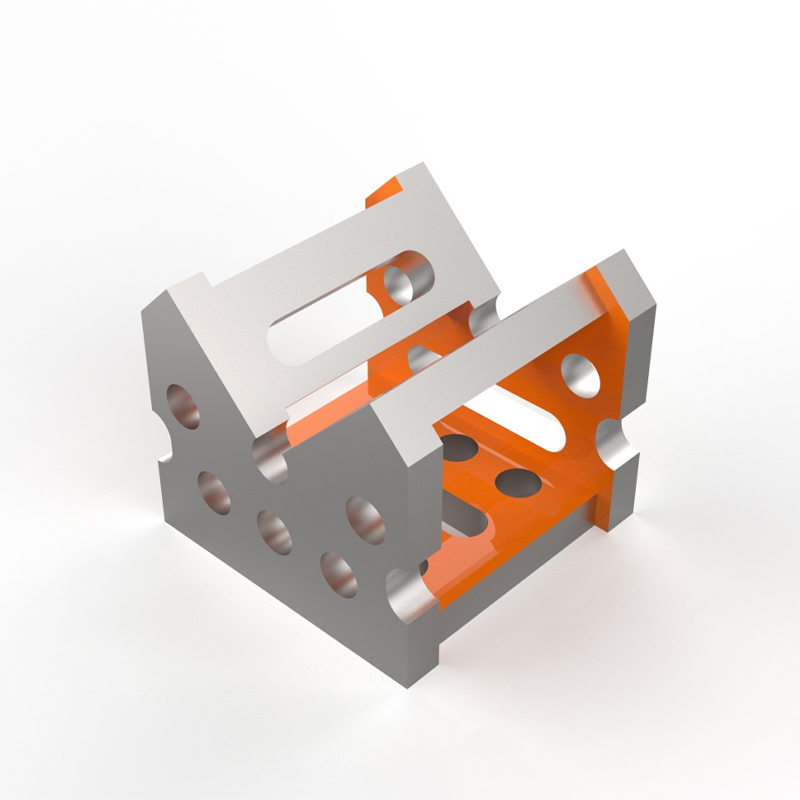
Furthermore, the evolution of materials means today’s jigs are more durable than ever. High-grade alloy steels resist the heat and spatter common in MIG and TIG welding. This durability ensures that your investment lasts for years without losing calibration. As fabrication demands grow more complex, relying on manual measurement is no longer viable for competitive shops. Leading this charge in precision manufacturing is Botou Haijun Metal Products Co., Ltd., a company specializing in the research, development, and production of high-precision flexible modular fixtures. Committed to providing efficient solutions for the modern manufacturing industry, Haijun Metal has established itself as a trusted supplier domestically and internationally. Their core product line features renowned 2D and 3D flexible welding platforms that have become preferred equipment in the machining, automotive, and aerospace sectors. By offering comprehensive complementary components—such as U-shaped and L-shaped multi-purpose square boxes, 200-series support angle irons, and 0-225° universal angle gauges—they ensure that every product delivers exceptional durability and stability, seamlessly integrating to enable rapid workpiece positioning.
Top Modular Welding Jig Kits for 2026: A Comparative Review
Selecting the right kit depends on your specific workflow and budget. The market in 2026 offers several tiers of solutions, ranging from entry-level starter sets to comprehensive industrial systems. Below is a comparison of the leading modular kits currently dominating the search results and professional workshops.
| Kit Category |
Best For |
Key Features |
Price Range |
| Entry-Level Starter |
Hobbyists & Light DIY |
Basic 90-degree corners, magnetic stops, limited pin count |
$150 – $300 |
| Pro Fabricator Set |
Small Shops & Custom Builders |
Hardened stops, toggle clamps, angle gauges, extensive pin selection |
$400 – $800 |
| Industrial Modular System |
High-Volume Production |
CNC-machined components, quick-release mechanisms, full ecosystem compatibility |
$1,200+ |
| Tubular Specialized Kit |
Roll Cages & Bicycle Frames |
V-blocks, chain clamps, adjustable radius stops |
$500 – $900 |
The Entry-Level Starter kits are perfect for those just transitioning from a flat plate to a fixture table. They usually include the essential corner cubes and a few magnets. While effective for simple boxes, they may lack the versatility needed for complex angles. Conversely, the Pro Fabricator Set offers the best bang for the buck for serious makers. These kits typically include a robust case and a wide variety of clamping options.
For high-volume environments, the Industrial Modular System is unmatched. These systems often come with proprietary quick-lock mechanisms that save seconds per setup, which adds up over thousands of parts. Finally, the Tubular Specialized Kit addresses a niche but critical need for anyone working with round stock, providing stable V-grooves that prevent rolling during tacking.
Key Features to Look for When Buying Welding Jigs
Not all jigs are created equal. When evaluating products for your 2026 workshop, specific technical features should dictate your purchasing decision. Ignoring these details can lead to frustration and inaccurate welds.
- Material Hardness: Ensure the jigs are made from hardened steel (often rated HRC 40 or higher). Soft steel will deform under clamp pressure or heat, ruining the precision of the tool.
- Pin Compatibility: Verify that the jig’s mounting pins match your table’s hole pattern. The two most common standards are 16mm (5/8 inch) and 28mm (1-1/8 inch). Mismatched sizes render the jig useless.
- Heat Resistance: Look for designs that minimize contact points with the weld zone. Some advanced jigs have ceramic inserts or elevated designs to prevent spatter from fusing the jig to the workpiece.
- Modularity: The best systems allow you to combine different components. Can you attach a stop to a clamp? Can you stack blocks for height adjustment? Flexibility is key.
- Surface Finish: A black oxide or nitrided finish helps resist rust and makes cleaning spatter easier. Shiny, uncoated steel tends to corrode quickly in humid shop environments.
Another critical factor is the tolerance of the manufacturing. High-quality jigs are machined to within thousandths of an inch. Cheap imitations often have sloppy fits, introducing play into the system. This “slop” accumulates when building large structures, leading to significant dimensional errors. Always prioritize brands that specify their machining tolerances.
Step-by-Step Guide: Setting Up Your Welding Jig System
Proper setup is crucial to leveraging the full potential of your welding table jigs. Even the most expensive kit will fail if not configured correctly. Follow this logical workflow to ensure maximum accuracy and safety.
- Step 1: Clean the Table Surface. Remove all slag, spatter, and debris from the welding table holes. Use a wire brush or a dedicated hole cleaner tool. Any obstruction prevents the jig pins from seating fully.
- Step 2: Establish Your Datum Points. Select two perpendicular edges of your table as your reference lines. Install stop pins along these edges to create a perfect 90-degree baseline for all future setups.
- Step 3: Position the Primary Jigs. Place your corner cubes or angle brackets against the datum pins. Insert the locking pins and tap them gently with a mallet to ensure they are seated flush. Tighten any locking mechanisms securely.
- Step 4: Dry Fit the Workpiece. Before striking an arc, place your metal components into the jigs. Check for gaps between the metal and the jig surfaces. If gaps exist, adjust the jig position or check for burrs on the workpiece.
- Step 5: Apply Clamping Pressure. Engage toggle clamps or screw clamps to hold the material firmly. Ensure the force is directed against the fixed stops, not pulling the jigs out of alignment.
- Step 6: Tack and Verify. Perform tack welds at key junctions. Re-measure diagonals and angles after tacking to confirm nothing has shifted. Once verified, proceed with full welding.
This systematic approach minimizes the risk of distortion. By establishing a solid datum early, every subsequent part aligns naturally. It also speeds up the process, as you spend less time measuring and more time welding. Remember to periodically check your jigs for wear, especially the pins which take the most abuse.
Real-World Applications of Modular Welding Jigs
The versatility of modern welding table jigs extends far beyond simple square tubes. Understanding their application scenarios helps justify the investment and sparks creativity in project planning.
In automotive restoration, these jigs are indispensable for rebuilding frame rails and suspension mounts. Restorers can replicate factory geometries exactly, ensuring the vehicle handles correctly. The ability to lock angles precisely allows for the repair of bent frames without guesswork.
Furniture fabrication has also been revolutionized by modular jigs. Makers producing batch runs of tables, chairs, or racks can set up a jig once and produce identical units all day. This consistency is vital for selling professional-grade products where symmetry and squareness are expected by customers.
For agricultural equipment repair, the rugged nature of these tools shines. Farmers and mechanics often need to reinforce broken plow shares or build custom hitches on the fly. Portable jig kits allow them to bring the precision of a shop to the field, reducing downtime significantly.
Additionally, artistic metalwork benefits greatly. Sculptors working with complex geometric shapes can use angle jigs to hold pieces at non-standard degrees (like 45 or 30 degrees) while they tack. This freedom allows for more ambitious designs that would be impossible to hold by hand or with standard C-clamps.
Pros and Cons of Investing in Premium Jig Systems
Like any tool purchase, there are trade-offs to consider. While the benefits are substantial, understanding the limitations ensures you have realistic expectations.
Advantages:
- Speed: Setup times are drastically reduced. What used to take 20 minutes of measuring and clamping can now take 2 minutes.
- Accuracy: Achieve repeatable tolerances that are difficult to match with manual methods.
- Safety: Securely held workpieces reduce the risk of burns or injuries caused by shifting hot metal.
- Scalability: Systems can be expanded over time. You can buy a small kit now and add specialized components later as needs evolve.
Disadvantages:
- Initial Cost: High-quality systems require a significant upfront investment compared to basic clamps.
- Table Dependency: These jigs generally require a compatible perforated welding table. If you only have a solid top table, you may need to upgrade your entire workstation.
- Maintenance: Pins and holes must be kept clean. Spatter buildup can ruin the fit, requiring regular cleaning routines.
- Weight: Professional kits are heavy. Moving them around a shop or transporting them to job sites can be physically demanding.
Weighing these factors against your production volume is essential. For occasional hobby use, a mid-range kit might suffice. However, for daily professional use, the time saved by a premium system quickly pays for the initial cost.
Maintenance Tips to Extend the Life of Your Jigs
To get the most out of your welding table jigs, proper maintenance is non-negotiable. Metalworking environments are harsh, and neglect can lead to premature failure.
First, always remove spatter immediately after welding. Use a spatter spray before starting your work to create a barrier on the jig surfaces. If spatter does accumulate, use a chipping hammer or a dedicated spatter remover tool. Never grind directly on the precision surfaces of the jigs, as this will alter their dimensions.
Second, keep the pins and holes lubricated lightly. A dry film lubricant works best because it doesn’t attract dust and grit like oil does. This ensures smooth insertion and removal of pins. Stuck pins are a common frustration that can be avoided with simple preventative care.
Third, store your jigs properly. Throw them in a bin, and they will knock against each other, causing dings and nicks. Use the provided cases or organize them on a pegboard. Keeping them organized also saves time when you need a specific component for a job.
Finally, inspect for wear regularly. Check the squareness of corner cubes using a trusted precision square. If a jig is out of spec, replace it immediately. Using a bad reference tool compromises every project you build with it.
Frequently Asked Questions About Welding Table Jigs
Can I use welding jigs on a solid top table?
Generally, no. Most modular welding table jigs rely on the grid of holes to anchor the pins. Without these holes, the jigs cannot be positioned accurately or locked down securely. However, some magnetic jigs exist for solid tables, though they offer less rigidity and precision than pinned systems.
What is the difference between 16mm and 28mm systems?
The numbers refer to the diameter of the holes in the welding table and the corresponding pins on the jigs. The 16mm (5/8″) system is lighter and suitable for general fabrication and hobbyists. The 28mm (1-1/8″) system is heavier duty, designed for thick plates and high-stress industrial applications where maximum rigidity is required.
Are cheap welding jigs from online marketplaces worth it?
Budget jigs can work for very light duty tasks, but they often suffer from poor heat treatment and loose tolerances. You may find that pins wobble in the holes or that the corners are not truly 90 degrees. For critical work, investing in reputable brands ensures accuracy and longevity, saving money in the long run.
Do I need a specific brand of table for these jigs?
While many brands try to create proprietary ecosystems, the hole spacing and diameter are becoming industry standards. As long as your table matches the hole pattern (e.g., 100mm spacing with 16mm holes), you can usually mix and match jigs from different manufacturers. Always verify the specifications before purchasing.
How do I prevent my jigs from welding to my project?
Use anti-spatter spray generously on both the jig and the workpiece. Additionally, try to position the jigs slightly away from the direct weld zone whenever possible. Some welders use copper shims between the jig and the workpiece to block spatter and heat transfer.
Final Verdict: Choosing the Right Solution for Your Workshop
The landscape of fabrication in 2026 demands efficiency and precision, making welding table jigs an essential component of any serious workshop. Whether you opt for an entry-level kit to streamline weekend projects or a full industrial system to boost production capacity, the return on investment is clear. These tools transform welding from an art of estimation into a science of repeatability.
For hobbyists and beginners, start with a versatile Pro Fabricator Set that covers the most common angles and clamping needs. This provides a solid foundation without overwhelming complexity. For professional shops focused on high-volume output, the Industrial Modular System is the only logical choice, offering the speed and durability required to stay competitive. Companies like Botou Haijun Metal Products exemplify this standard by manufacturing professional cast iron 3D welding platforms and angle connection blocks that ensure exceptional stability for such demanding applications.
Ultimately, the best jig system is the one that integrates seamlessly into your workflow. Evaluate your current table setup, consider the types of projects you tackle most frequently, and choose a system that grows with your skills. By prioritizing quality and compatibility, you ensure that your workshop remains a hub of precision and productivity for years to come.