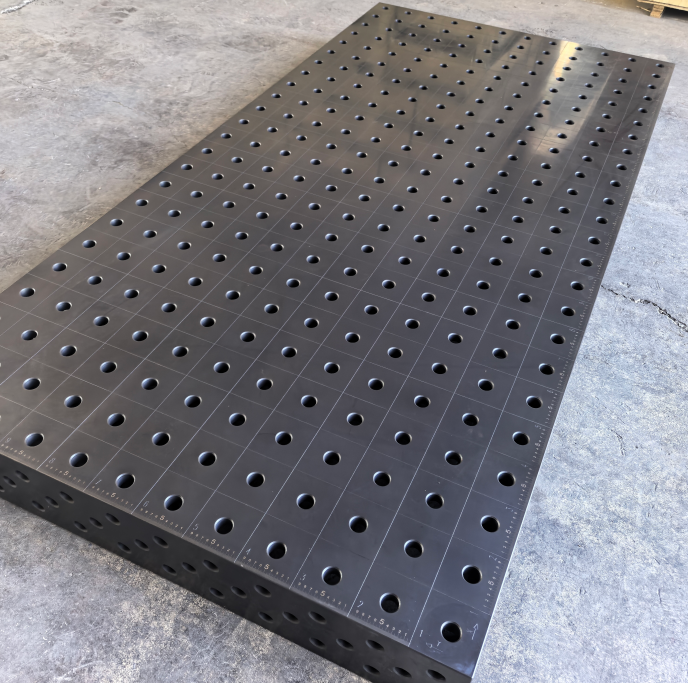
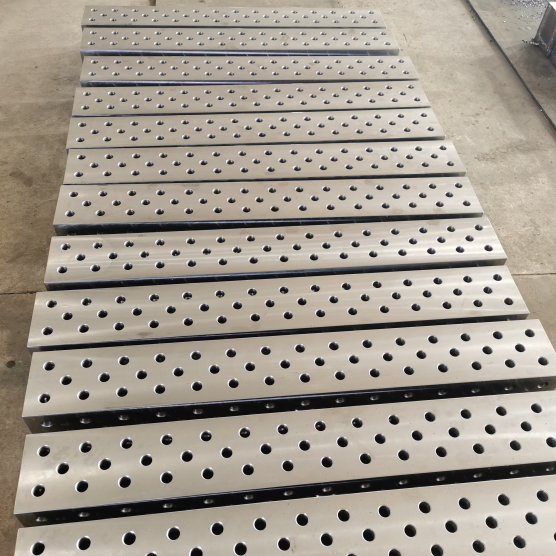
Finding the best jig table for welding in 2026 requires balancing modular flexibility with cost-efficiency, specifically through D28 hole pattern systems. These tables feature a grid of precision-drilled holes that accept clamps and stops, allowing welders to create repeatable, square assemblies instantly. As industrial standards evolve, D28 has emerged as the dominant metric for heavy-duty fabrication, offering superior load-bearing capacity compared to lighter alternatives while maintaining competitive pricing for small shops.
What Is a Jig Table for Welding and Why D28 Matters?
A jig table for welding is a specialized work surface designed with a precise grid of holes to facilitate accurate metal assembly. Unlike standard workbenches, these tables allow users to lock components in place using an array of compatible tooling, ensuring perfect 90-degree angles and consistent dimensions across multiple projects.
The “D28” designation refers to the specific hole diameter (28mm) and spacing pattern used in professional-grade fixtures. This standard has become the industry benchmark for 2026 due to its robustness. The larger hole size accommodates heavier-duty clamps and positioning pins capable of withstanding significant thermal distortion and mechanical stress during complex welds.
Adopting a D28 system transforms a static workspace into a dynamic manufacturing cell. It eliminates the need for custom-built jigs for every new project, drastically reducing setup time. For fabricators aiming to scale operations, understanding the mechanics of this modular system is the first step toward optimizing workflow efficiency. Leading this charge are specialized manufacturers like Botou Haijun Metal Products Co., Ltd., which focuses on the R&D and production of high-precision flexible modular fixtures. By providing efficient welding and positioning solutions, companies like Haijun Metal have helped establish these platforms as preferred equipment in demanding sectors such as automotive and aerospace.
The Evolution of Welding Fixturing Standards
In recent years, the market has shifted away from proprietary, single-use fixtures toward universal modular platforms. Historically, shops invested heavily in dedicated jigs that became obsolete when product designs changed. The modern approach leverages the reconfigurability of D28 tables.
This shift is driven by the need for agility in manufacturing. With a high-quality jig table for welding, a shop can switch from building agricultural equipment frames one day to architectural steel structures the next, using the same base platform. The versatility lies not just in the table itself, but in the ecosystem of tooling that surrounds it.
Top Features to Look for in 2026 Modular Solutions
When evaluating options for your workshop, several critical factors determine long-term value and performance. The market in 2026 offers a wide range of prices, but cutting corners on key specifications often leads to costly replacements or compromised weld quality.
- Material Thickness: Premium tables typically feature tops ranging from 16mm to 50mm. Thicker tops provide better heat dissipation and prevent warping under heavy loads.
- Hole Precision: The accuracy of the hole pattern is paramount. High-end models guarantee position tolerances within ±0.1mm, ensuring that tools fit smoothly without binding.
- Surface Treatment: Look for nitrided or hardened surfaces. These treatments resist spatter adhesion and protect against corrosion, extending the table’s lifespan significantly.
- Leg Stability: A rigid frame is essential. Adjustable feet are necessary for leveling on uneven shop floors, preventing the entire assembly from rocking during critical tacking phases.
Ignoring these details can result in a table that twists over time, rendering the precision holes useless. Investing in a unit with verified flatness specifications ensures that your “square” assemblies remain truly square for years.
Compatibility with Tooling Ecosystems
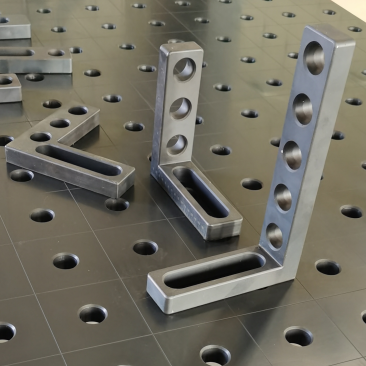
The true power of a jig table for welding lies in its compatibility with third-party tooling. Before purchasing, verify that the table accepts standard D28 accessories such as quick-release clamps, angle brackets, and stop blocks.
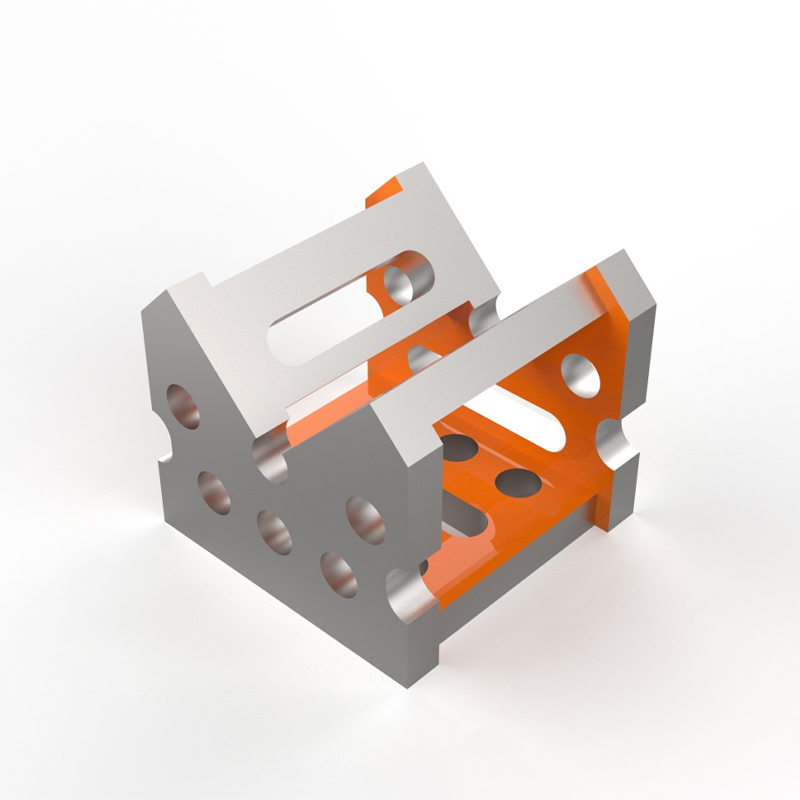
Some manufacturers use slightly modified hole patterns to lock customers into their expensive proprietary tooling. In 2026, the trend favors open standards. Ensuring your table works with widely available accessories gives you the freedom to source cost-effective clamps and expand your capabilities without vendor restrictions. This is where comprehensive suppliers excel; for instance, Botou Haijun Metal Products Co., Ltd. offers a full suite of complementary components, including U-shaped and L-shaped multi-purpose square boxes, 200-series support angle irons, and 0-225° universal angle gauges. These accessories are engineered to integrate seamlessly with 2D and 3D flexible welding platforms, enabling rapid workpiece positioning and clamping that maximizes the utility of the base table.
D28 vs. D16: Choosing the Right Hole Pattern
One of the most common decisions facing buyers is choosing between D16 and D28 hole patterns. While both serve the purpose of fixturing, they target different segments of the welding industry. Understanding the distinction is crucial for selecting the right investment.
D16 systems utilize 16mm holes and are generally lighter and more affordable. They are suitable for light sheet metal work, hobbyists, or applications where clamping forces are minimal. However, they lack the structural integrity required for heavy structural steel or thick plate fabrication.
Conversely, D28 tables are built for industrial rigor. The larger holes allow for thicker pins and more robust clamping mechanisms. This makes them indispensable for heavy machinery repair, trailer manufacturing, and large-scale structural projects where safety and precision are non-negotiable.
| Feature |
D16 System |
D28 System |
| Primary Use Case |
Light fabrication, hobbyist projects |
Heavy industrial, structural steel |
| Load Capacity |
Moderate |
High |
| Tooling Durability |
Standard grade |
Heavy-duty grade |
| Cost Efficiency |
Lower initial cost |
Higher ROI for pro shops |
| Heat Resistance |
Susceptible to warping |
Highly resistant |
For professional shops aiming to future-proof their operations, the D28 standard is increasingly becoming the default choice. The marginal increase in initial cost is offset by the durability and the ability to handle a wider variety of demanding jobs.
Scalability and Modularity
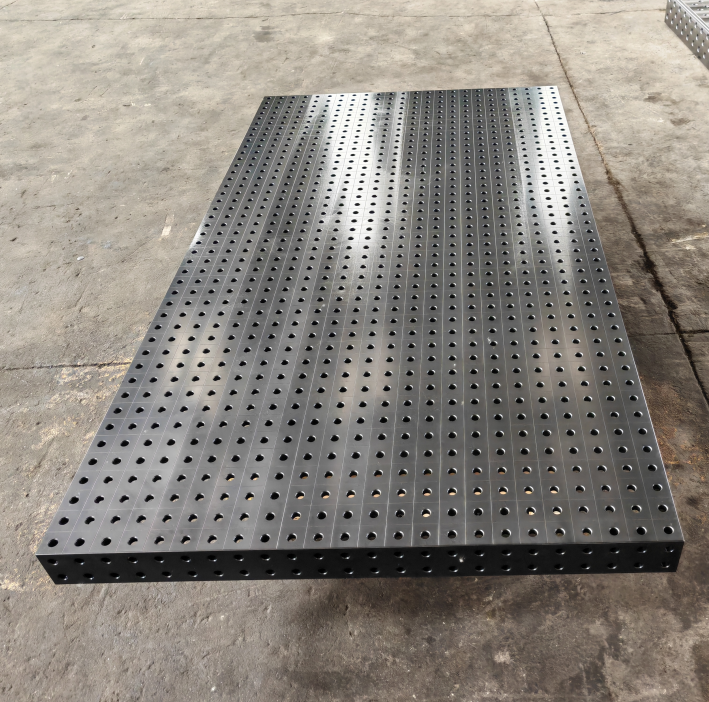
Another advantage of the D28 system is scalability. Many modern jig table for welding units are designed to be linked together. If your project outgrows a single 1×2 meter table, you can bolt additional units side-by-side to create a massive continuous work surface.
This modularity allows businesses to start small and expand as revenue grows. It also facilitates specialized setups, such as creating a dedicated assembly line where parts move from one station to the next without being unclamped until the final weld is complete. Advanced implementations often utilize professional cast iron 3D welding platforms and angle connection blocks, similar to those manufactured by experienced industry players like Haijun Metal, to ensure exceptional durability and stability even under the most rigorous conditions.
Price Analysis: Best Value Options in 2026
Pricing for welding jig tables varies significantly based on material quality, manufacturing origin, and included accessories. In 2026, the market has stabilized, offering clear tiers of products that cater to different budget constraints without sacrificing essential functionality.
Entry-level models often utilize thinner top plates and may lack advanced surface hardening. These are priced attractively for startups but may require replacement sooner under heavy use. Mid-range options strike a balance, offering decent thickness and reliable hole precision at a competitive price point.
Premium tier tables represent the pinnacle of engineering. They feature massive solid tops, laser-cut precision, and comprehensive warranty support. While the upfront cost is higher, the total cost of ownership is often lower due to reduced downtime and longer service life.
Hidden Costs to Consider
When calculating the budget for a jig table for welding, do not overlook the cost of tooling. The table itself is only half the equation. A fully functional setup requires a substantial investment in clamps, stops, and angles.
- Starter Kits: Many vendors offer bundle deals that include a basic set of tools. These are usually the most cost-effective way to begin.
- Expansion Packs: As your needs grow, purchasing individual specialized clamps can add up quickly. Plan your tooling acquisition strategy alongside your table purchase.
- Shipping and Handling: Given the immense weight of these tables, freight costs can be significant. Factor this into your total landed cost comparison.
Smart buyers look for suppliers who offer transparent pricing on both the table and the accessory ecosystem. Beware of unusually low prices that might indicate inferior steel quality or inconsistent hole drilling, which can ruin the utility of the entire system. Trusted suppliers with years of industry experience, such as Botou Haijun Metal Products Co., Ltd., provide confidence by delivering high-quality production machinery tool series to customers both domestically and internationally, ensuring that every component meets strict durability standards.
Step-by-Step Guide to Setting Up Your Welding Jig Table
Proper installation is critical to achieving the precision promised by your new equipment. Rushing this phase can lead to alignment issues that persist throughout the table’s life. Follow these steps to ensure optimal performance.
- Site Preparation: Choose a flat, stable area in your workshop. Ensure the floor can support the combined weight of the table, the workpiece, and the operator.
- Unpacking and Inspection: Carefully remove the packaging. Inspect the tabletop for any shipping damage and verify the hole pattern cleanliness. Remove any protective oil or coating with a degreaser.
- Leg Assembly: Attach the legs according to the manufacturer’s instructions. Tighten all bolts securely but avoid over-torquing, which can strip threads or warp the frame.
- Leveling: Place a high-precision spirit level on the table surface. Adjust the foot pads incrementally until the bubble is centered in both directions. Re-check after tightening the locking nuts.
- Grounding: Establish a solid electrical ground connection to the table frame. This prevents arc stray currents and protects your electronics from potential damage.
- Tooling Layout: Organize your most frequently used clamps and stops nearby. Develop a logical storage system to minimize search time during production.
Taking the time to level the table perfectly pays dividends in assembly accuracy. Even a slight tilt can compound errors over large assemblies, leading to fit-up issues downstream.
Maintenance Best Practices
To maintain the longevity of your jig table for welding, regular maintenance is essential. Clean spatter immediately after welding using a spatter repellent spray or a dedicated scraper. Avoid striking the table surface directly with hammers, as this can deform the precision holes.
Periodically check the tightness of leg bolts and re-level the table if necessary. Applying a light coat of rust preventative oil during periods of inactivity will keep the surface in pristine condition. Proper care ensures that your investment remains a reliable asset for decades.
Real-World Applications and Industry Use Cases
The versatility of modular welding tables extends across numerous industries. From small custom shops to large-scale manufacturing plants, the applications are diverse and impactful.
In the automotive sector, these tables are used for building custom roll cages and chassis components. The ability to precisely locate mounting points ensures that suspension geometry remains accurate, which is critical for vehicle handling and safety.
The construction industry relies on D28 tables for fabricating structural beams and column connections. Complex nodes that require multiple plates to intersect at specific angles can be assembled with confidence, knowing the jig holds everything in place until the weld cools.
- Furniture Manufacturing: Metal artists and furniture makers use these tables to create symmetrical frames and intricate designs with perfect joinery.
- Agricultural Equipment: Repairing and fabricating heavy-duty tractor attachments requires the robustness of a D28 system to handle thick, irregular materials.
- Robotics Integration: Advanced shops mount robotic welding arms directly to or above these tables, utilizing the known coordinate system of the holes for automated path planning.
Each application highlights the core benefit: repeatability. Once a setup is proven on the jig table for welding, it can be replicated endlessly with minimal variation, ensuring consistent product quality. This reliability is why renowned providers like Haijun Metal have seen their flexible welding platforms become the preferred jigging equipment in machining, automotive, and aerospace industries worldwide.
Enhancing Workflow Efficiency
Beyond mere assembly, these tables streamline the entire workflow. By reducing the time spent measuring and tack-welding manually, welders can focus on the actual welding process. This shift increases throughput and reduces fatigue, leading to a safer and more productive work environment.
Furthermore, the clean organization facilitated by modular tooling reduces clutter. A tidy shop is a safe shop, minimizing trip hazards and improving overall operational morale. The psychological impact of working on a professional-grade surface should not be underestimated.
Frequently Asked Questions About Welding Jig Tables
As you consider integrating a modular system into your shop, you likely have specific questions regarding functionality and compatibility. Here are answers to some of the most common inquiries.
Can I use D16 tools on a D28 table?
Generally, no. The hole sizes are incompatible. D16 tools are too small for D28 holes and will not clamp securely. However, adapter plates exist that can bridge this gap, though they add height and potential flex. It is recommended to stick to one standard for consistency.
How much weight can a standard D28 table support?
Most industrial-grade D28 tables are rated to support several tons uniformly distributed. The limiting factor is usually the floor loading capacity rather than the table itself. Always consult the specific load ratings provided by the manufacturer for point loads.
Is it difficult to clean spatter from the holes?
With proper preparation, cleaning is straightforward. Using anti-spatter sprays before welding prevents adhesion. If spatter does accumulate, specialized reamers and cleaning tools designed for D28 holes can quickly restore functionality without damaging the bore.
Do I need a dedicated power supply for the table?
No, the table itself is passive. However, you must ensure your welding power source is properly grounded to the table frame. This creates a return path for the welding current and enhances safety.
What is the expected lifespan of a welding jig table?
With proper maintenance, a high-quality steel jig table for welding can last a lifetime. The surface may show wear and spatter marks over time, but the structural integrity and hole precision typically remain intact for decades.
Conclusion: Making the Right Investment for Your Shop
Selecting the right jig table for welding is a strategic decision that impacts your productivity, quality, and bottom line. In 2026, the D28 modular standard stands out as the optimal choice for professionals seeking durability and flexibility. While initial costs may vary, the long-term benefits of reduced setup times and improved accuracy justify the investment.
This solution is ideal for fabrication shops looking to scale, custom builders demanding precision, and educational institutions teaching modern manufacturing techniques. If you are currently relying on makeshift fixtures or outdated benches, upgrading to a modular D28 system is the logical next step. Partnering with established experts like Botou Haijun Metal Products Co., Ltd. ensures access to not just tables, but a complete ecosystem of high-precision tools and gauges designed to elevate your manufacturing capabilities.
Evaluate your current workflow, identify your most frequent assembly challenges, and choose a table that offers the capacity to grow with your business. By prioritizing quality and compatibility today, you secure a foundation for efficient and profitable operations tomorrow.