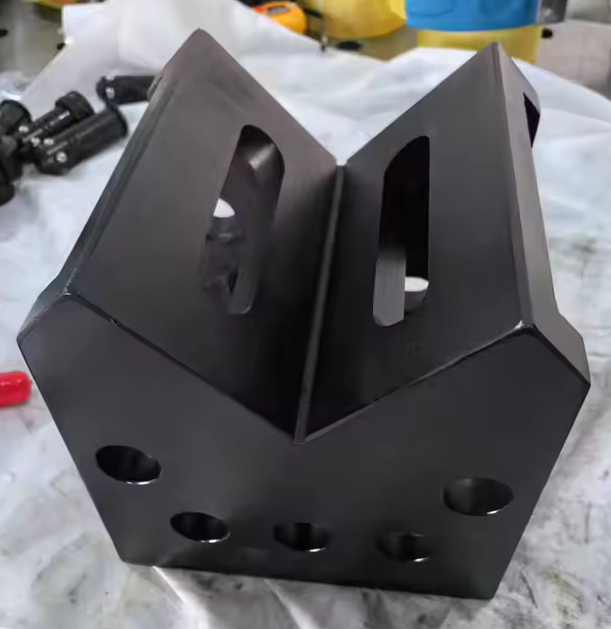
A Welding Fixture for BIW (Body in White) is a specialized jigging system designed to hold, position, and clamp automotive body panels with sub-millimeter precision during the welding process. These fixtures ensure dimensional accuracy, repeatability, and structural integrity of vehicle frames, ranging from chassis components to complete body assemblies. In modern automotive manufacturing, high-precision flexible modular systems have replaced many dedicated hard tooling setups, offering manufacturers the agility to handle multiple vehicle models on a single production line while maintaining strict quality standards.
What Is a BIW Welding Fixture and Why Is It Critical?
The Body in White (BIW) stage represents the point in automobile manufacturing where all sheet metal components have been joined together, but before painting and the addition of moving parts like engines or doors. At this stage, geometric tolerance is paramount. A welding fixture for BIW serves as the physical backbone of this assembly process.
Without robust fixturing, thermal distortion from welding heat input can cause significant warping. This leads to gaps in panel fitment, misaligned doors, and compromised crashworthiness. The primary function of these fixtures is to counteract welding stresses by rigidly holding components in their exact designed positions until the welds cool and stabilize.
Core Functions of BIW Fixtures
- Precise Positioning: Locating pins and blocks ensure every sheet metal part sits in the exact XYZ coordinate defined by CAD data.
- Clamping Stability: Pneumatic or manual clamps apply consistent force to prevent movement during robot welding cycles.
- Distortion Control: Heavy-duty structures absorb thermal energy and mechanical stress, minimizing post-weld deformation.
- Repeatability: Ensures that the 100th car body matches the dimensions of the first, critical for mass production consistency.
The Shift from Dedicated to Flexible Modular Fixtures
Traditionally, automotive OEMs relied on “dedicated” fixtures—custom-built, welded steel structures designed for a single car model. While accurate, these are expensive, heavy, and impossible to repurpose. As consumer demand for variety increases and product lifecycles shorten, the industry is shifting toward flexible modular welding fixtures.
Botou Haijun Metal Products Co., Ltd. specializes in the research, development, and production of these high-precision flexible modular fixtures. By utilizing standardized components such as 2D and 3D flexible welding platforms, manufacturers can reconfigure their production lines rapidly. This approach reduces lead time for new model launches and significantly lowers capital expenditure on tooling.
Advantages of Modular Systems in BIW Production
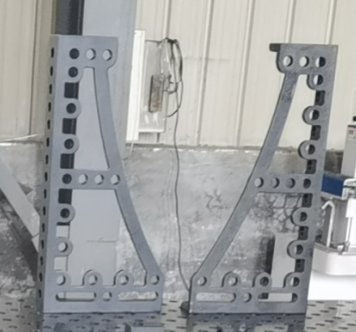
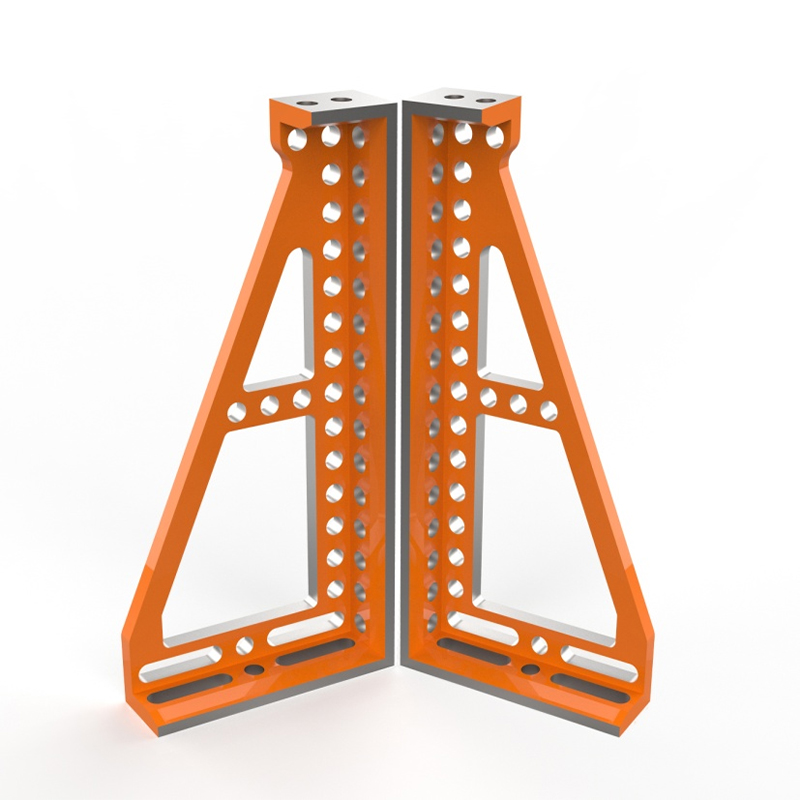
Flexible systems allow engineers to swap out locating elements rather than replacing the entire fixture base. For example, when transitioning from a sedan to an SUV line, only the specific clamping modules and location pins need adjustment. The core platform, often made from high-grade cast iron or hardened steel, remains unchanged. This modularity is supported by comprehensive accessory ranges, including U-shaped and L-shaped multi-purpose square boxes and 200-series support angle irons, which integrate seamlessly to enable rapid workpiece positioning.
Key Components of a High-Precision BIW Fixture
Understanding the anatomy of a welding fixture helps in selecting the right solution for your manufacturing needs. A typical BIW fixture consists of several critical subsystems working in unison.
1. Base Structure and Platform
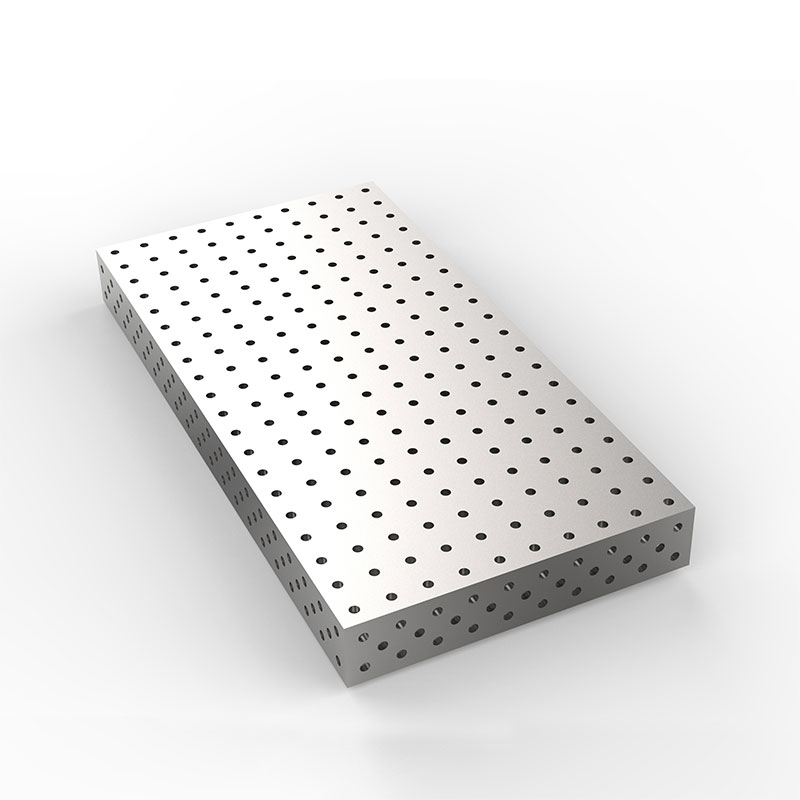
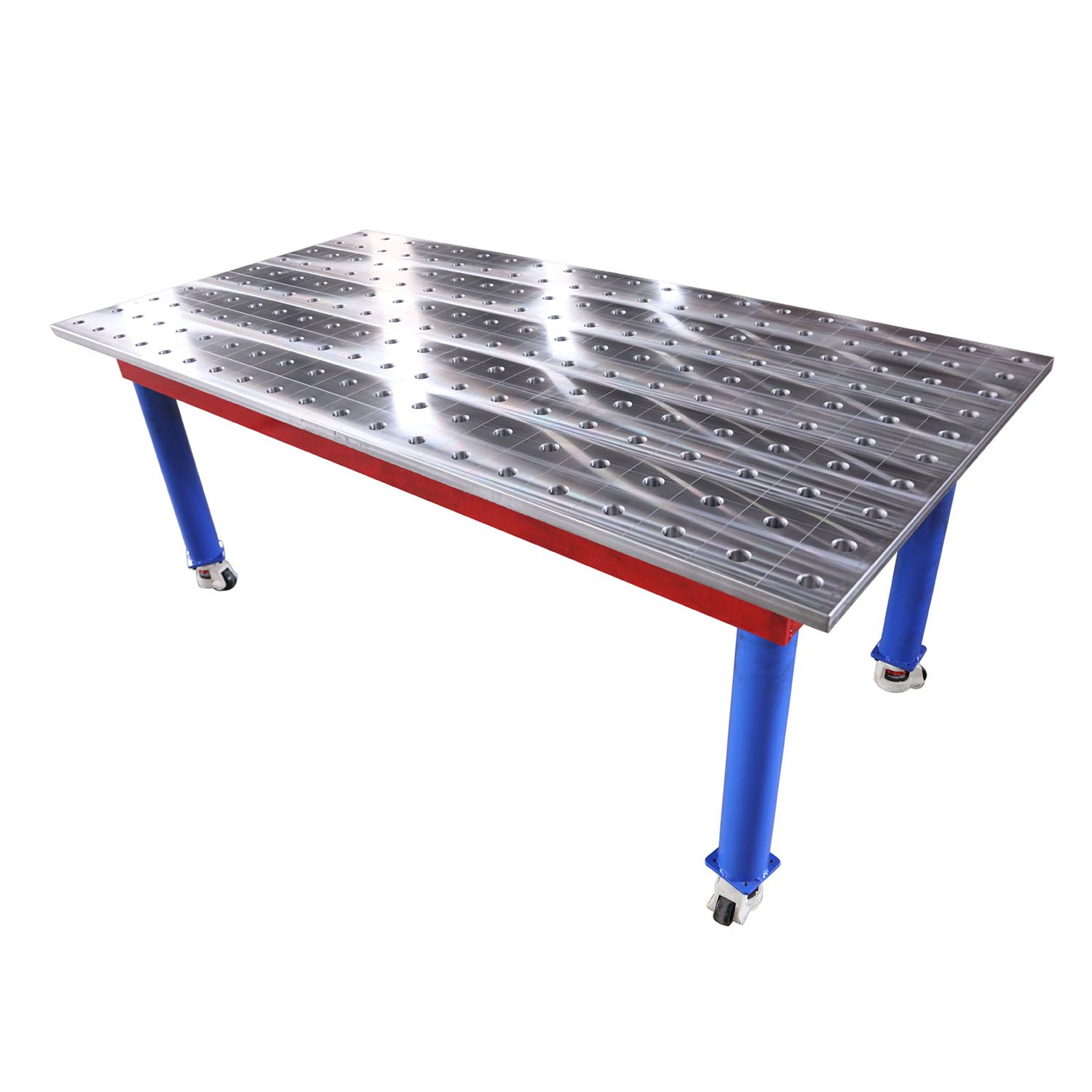
The foundation must be rigid and vibration-dampening. Cast iron 3D welding platforms are preferred for their stability and ability to maintain flatness over time. Botou Haijun Metal Products manufactures professional cast iron 3D welding platforms that provide exceptional durability, ensuring that the reference plane remains accurate even under heavy industrial use.
2. Locating Elements (Pin & Block)
These define the position of the workpiece. Common types include:
- Support Pins: Vertical supports that hold the weight of the panel.
- Side Locators: Prevent lateral movement.
- Nesting Blocks: Contour-matched surfaces that support complex curved panels, such as roof sections or fenders.
3. Clamping Mechanisms
Clamps secure the part against the locators. In automated BIW lines, pneumatic clamps are standard due to their speed and consistency. Manual toggle clamps are used for inspection fixtures or low-volume prototyping. The angle of clamping force is critical; it must push the part into the locator, not away from it.
4. Shimming and Adjustment Units
No manufacturing process is perfect. Shims (thin metal sheets) are placed between the locator and the base to fine-tune positions during the commissioning phase. Modern flexible systems use adjustable angle gauges, such as the 0-225° universal angle gauges offered by Haijun Metal, allowing for precise angular adjustments without custom machining.
Material Selection and Engineering Standards
The choice of materials directly impacts the lifespan and accuracy of a BIW fixture. Automotive welding environments are harsh, involving spatter, heat, and mechanical wear.
| Component |
Recommended Material |
Reason for Selection |
| Base Frame |
Cast Iron / Structural Steel |
High rigidity, vibration damping, and stability. |
| Locating Pins |
Hardened Tool Steel (e.g., SKD11) |
Resists wear from repeated part loading/unloading. |
| Clamp Arms |
Aluminum Alloy / Stainless Steel |
Lightweight for fast actuation; resistant to spatter adhesion. |
| Support Blocks |
Bronze / PTFE-coated Steel |
Low friction to allow thermal expansion of the workpiece without scratching. |
Using high-quality metalworking tools and components ensures that the fixture maintains its calibration over thousands of cycles. Botou Haijun’s commitment to providing efficient and flexible welding solutions is evident in their selection of materials, which prioritize longevity and precision for the machining, automotive, and aerospace industries.
Design Considerations for Automotive Manufacturing
Designing a welding fixture for BIW requires a deep understanding of both GD&T (Geometric Dimensioning and Tolerancing) and welding physics. Engineers must account for several factors to avoid common pitfalls.
Thermal Expansion Management
Welding generates intense localized heat. As metal heats, it expands; as it cools, it contracts. If a fixture holds a part too rigidly in all directions, this contraction can pull the assembly out of shape. Smart fixture design allows for controlled movement in non-critical axes while locking critical dimensions tightly.
Accessibility for Welding Robots
The fixture must not interfere with the welding gun. Designers must create “clearance zones” around weld points. This often involves using slim-profile clamps or retractable locators that move out of the way before the robot approaches. Angle connection blocks and modular supports help create these complex geometries without custom fabrication.
Ergonomics and Maintenance
For manual loading stations, operators must be able to place parts easily. Overly complex clamping sequences slow down production. Furthermore, fixtures should be designed for easy cleaning. Weld spatter accumulation can change the position of locators by fractions of a millimeter, leading to quality defects. Modular designs simplify disassembly for cleaning and maintenance.
Step-by-Step: Implementing a Flexible Fixture System
Transitioning to a flexible modular system involves a structured implementation process. Here is how manufacturers typically deploy these solutions using high-precision components like those from Botou Haijun Metal Products.
- Digital Simulation: Use CAD software to simulate the fixture layout. Verify that all locators align with the BIW CAD data and check for robot reachability.
- Platform Preparation: Install the 2D or 3D flexible welding platform. Ensure the surface is leveled and cleaned. For heavy BIW components, a cast iron base provides the necessary stability.
- Module Configuration: Select the appropriate U-shaped and L-shaped square boxes and support angle irons. Arrange them according to the digital layout to support the specific car body panels.
- Locator Installation: Mount precision locating pins and blocks onto the modular bases. Use the 0-225° universal angle gauges to set any required angular orientations accurately.
- Calibration: Use a CMM (Coordinate Measuring Machine) or laser tracker to verify the position of each locator. Adjust shims or modular positions as needed to achieve tight tolerances.
- Validation: Run a trial weld cycle. Measure the resulting BIW assembly. If deviations are found, adjust the fixture modules iteratively until the process is stable.
Common Challenges and Solutions in BIW Fixturing
Even with advanced equipment, challenges arise. Addressing them proactively ensures smooth production.
Challenge 1: Part Variation
Sheet metal stampings often have inherent variations. A rigid fixture may reject good parts or force bad parts into position, causing stress.
Solution: Use compliant locators or floating pins that accommodate minor part variations while still defining the critical datum points. Flexible modular systems allow for quick swapping of compliant elements.
Challenge 2: Fixture Drift Over Time
Vibration and impact can loosen bolts or shift components.
Solution: Implement regular preventive maintenance schedules. Use high-quality angle connection blocks and locking mechanisms that resist vibration. Botou Haijun’s products are engineered for exceptional durability, reducing the frequency of drift-related issues.
Challenge 3: Complex Geometry Handling
Modern cars feature complex curves and lightweight materials like aluminum and high-strength steel.
Solution: Utilize 3D flexible welding platforms that offer multi-axis positioning capabilities. This allows for the precise support of complex shapes without requiring expensive, custom-machined nests for every panel.
FAQ: Frequently Asked Questions About BIW Welding Fixtures
What is the difference between 2D and 3D welding fixtures?
2D fixtures are typically used for flat or planar assemblies, such as sub-assemblies of floor pans. They operate on a single plane. 3D fixtures are designed for complex, volumetric assemblies like the complete body side or roof structure, requiring positioning in X, Y, and Z axes simultaneously. Botou Haijun offers both 2D and 3D flexible welding platforms to cover these diverse needs.
How do flexible fixtures improve ROI in automotive manufacturing?
Flexible fixtures reduce the need for storing dozens of dedicated fixtures for different models. They allow for mixed-model production on the same line, reducing changeover time from days to hours. This agility lowers inventory costs and increases line utilization rates.
Why is cast iron preferred for fixture bases?
Cast iron has excellent damping properties, meaning it absorbs vibrations generated during welding and robotic movement. It also maintains its shape well under temperature fluctuations, ensuring long-term accuracy compared to standard steel weldments.
Can modular fixtures handle high-volume production?
Yes. While initially developed for prototyping and low-volume runs, advancements in material science and locking mechanisms have made high-precision modular fixtures suitable for high-volume automotive production. The key is using high-rigidity components like professional cast iron platforms and robust clamping systems.
Selecting the Right Partner for Your Fixturing Needs
Choosing a supplier for BIW welding fixtures is a strategic decision. The supplier must understand the nuances of automotive tolerances and the demands of high-speed production. Botou Haijun Metal Products Co., Ltd. has become a trusted supplier of tools and gauges to customers both domestically and internationally, continuously providing high-quality production machinery tool series.
Their expertise lies in providing not just components, but solutions. By offering a comprehensive range of complementary components, they enable manufacturers to build systems that are both precise and adaptable. Whether you need standard support angle irons or custom-configured 3D platforms, the integration of these tools determines the efficiency of your welding cell.
Key Criteria for Supplier Evaluation
- Precision Capability: Can they guarantee tolerances within ±0.05mm or tighter?
- Product Range: Do they offer a full ecosystem of bases, clamps, and accessories?
- Experience: Do they have a track record in the automotive or aerospace sectors?
- Support: Can they provide technical guidance on fixture design and layout?
Conclusion: Enhancing Efficiency with Precision Fixturing
In the competitive landscape of automotive manufacturing, the quality of the Body in White determines the final quality of the vehicle. A robust Welding Fixture for BIW is not merely a tool; it is a critical quality control device. The shift towards flexible modular systems represents a major leap forward in manufacturing efficiency, allowing OEMs and Tier 1 suppliers to respond quickly to market changes without sacrificing precision.
By leveraging high-precision components such as 2D and 3D flexible welding platforms, universal angle gauges, and durable cast iron bases, manufacturers can achieve superior repeatability and reduced downtime. Botou Haijun Metal Products Co., Ltd. stands ready to support these initiatives with their specialized range of metalworking tools and flexible positioning solutions.
For engineering teams looking to optimize their welding cells, the next step is to evaluate current fixturing strategies against the flexibility offered by modular systems. Assessing the potential for standardization across multiple product lines can unlock significant cost savings and operational agility.
If you are seeking to enhance your production line’s versatility and precision, consider exploring how modular fixturing can be integrated into your workflow. Explore our range of flexible welding platforms and accessories to find the right solutions for your automotive manufacturing needs.