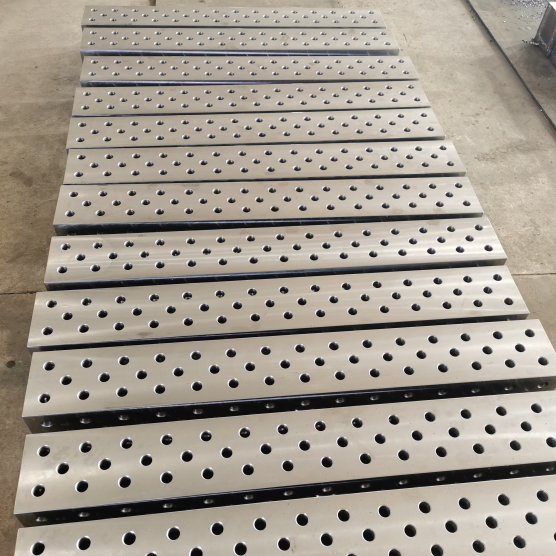
Looking for the best welding fab table for your automated shop in 2026? This guide reviews top-rated models, compares current market prices, and highlights essential features like precision tooling holes and modular fixturing. Whether you need a heavy-duty 3D platform or a cost-effective solution for light fabrication, we break down the critical specs to help you maximize efficiency and reduce setup time.
What Is a Welding Fab Table and Why Does It Matter?
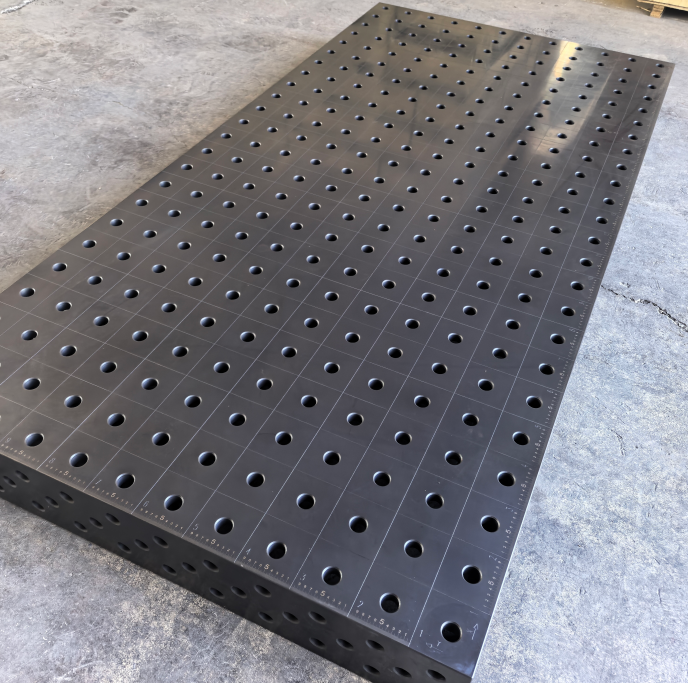
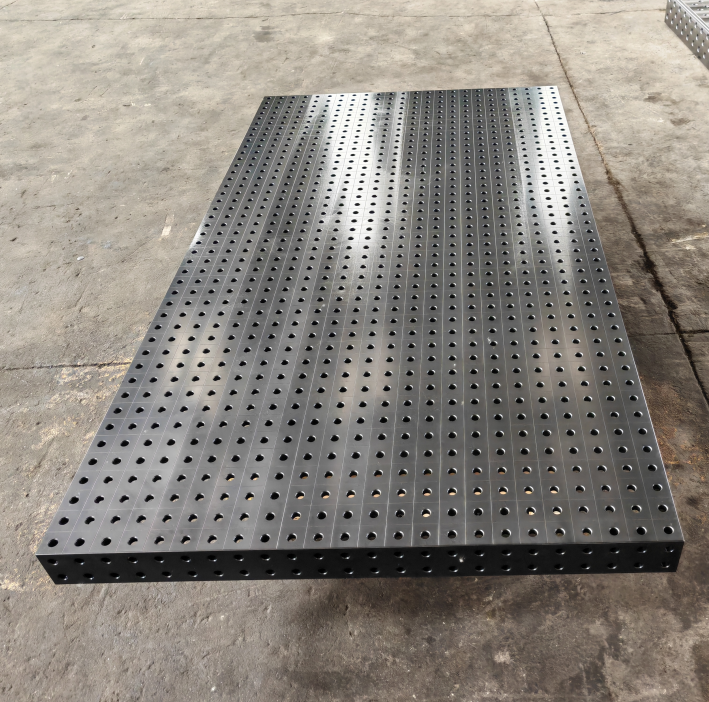
A welding fab table, often called a welding positioning table or fixture table, is a specialized work surface designed with a grid of precision-drilled holes. Unlike standard steel tables, these platforms allow welders to quickly clamp, position, and square metal components using a vast ecosystem of compatible tooling.
In modern automated shops, the welding fab table serves as the foundation for repeatability. By eliminating the need for manual measuring and tack-welding on every job, these tables significantly reduce production time. The standardized hole pattern ensures that fixtures can be rearranged instantly for different projects, making them indispensable for high-mix, low-volume manufacturing environments.
The core value lies in the flatness and durability of the surface. High-quality tables maintain their geometric integrity even under intense heat and heavy loads, ensuring that every assembly remains within tight tolerances. This reliability is crucial for shops aiming to scale operations without sacrificing quality.
Key Features to Evaluate Before Buying in 2026
Selecting the right equipment requires understanding specific technical parameters. The market has evolved, and buyers now prioritize modularity and long-term ROI over initial sticker price. Here are the non-negotiable features to consider.
Precision Hole Patterns and Tolerances
The defining characteristic of any welding fab table is its hole pattern. Most industry-standard tables feature a grid spacing of 100mm (4 inches) or 50mm (2 inches). The diameter of these holes typically ranges from 16mm to 28mm, depending on the load capacity.
- 16mm systems: Ideal for lighter gauge materials and intricate tubing work.
- 28mm systems: Designed for heavy structural steel and high-tonnage clamping forces.
- Tolerance levels: Top-tier models offer hole position tolerances within ±0.1mm, ensuring perfect alignment across the entire surface.
When evaluating a table, check if the holes are machined perpendicular to the surface. Angled holes can cause clamps to bind or fail to seat properly, compromising the entire setup. In 2026, laser-cut and CNC-machined tables have become the baseline expectation for professional shops.
Surface Flatness and Material Quality
The tabletop material must withstand thermal distortion. Premium manufacturers use stress-relieved steel plates to prevent warping over time. Flatness is usually measured over a specific area, such as 1 square meter.
General grade tables may have a flatness tolerance of ±1mm, which suffices for general repair work. However, precision grade tables used in automation often boast tolerances of ±0.3mm or better. This level of precision is vital when integrating robotic welding cells where the robot path relies on fixed datum points.
Additionally, look for tables with a protective coating. While bare steel is common, some newer models feature nitrided surfaces or specialized paints that resist spatter adhesion, reducing cleanup time between jobs.
Modularity and Accessory Compatibility
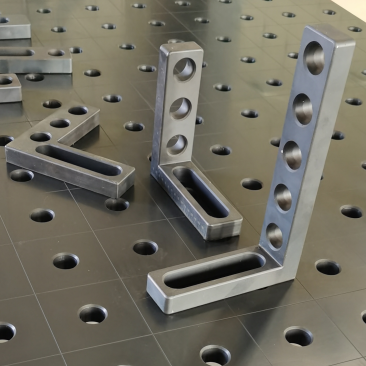
A table is only as good as its ecosystem. Ensure the welding fab table you choose supports a wide range of third-party accessories. The ability to add stops, angles, quick-release clamps, and magnetic squares transforms a static table into a dynamic fixture system.
Modern trends favor tables with integrated T-slots alongside round holes. This hybrid approach allows for greater flexibility in securing large, irregular workpieces that do not align perfectly with the standard grid. Compatibility with global standards ensures you can source tooling from multiple vendors without compatibility issues.
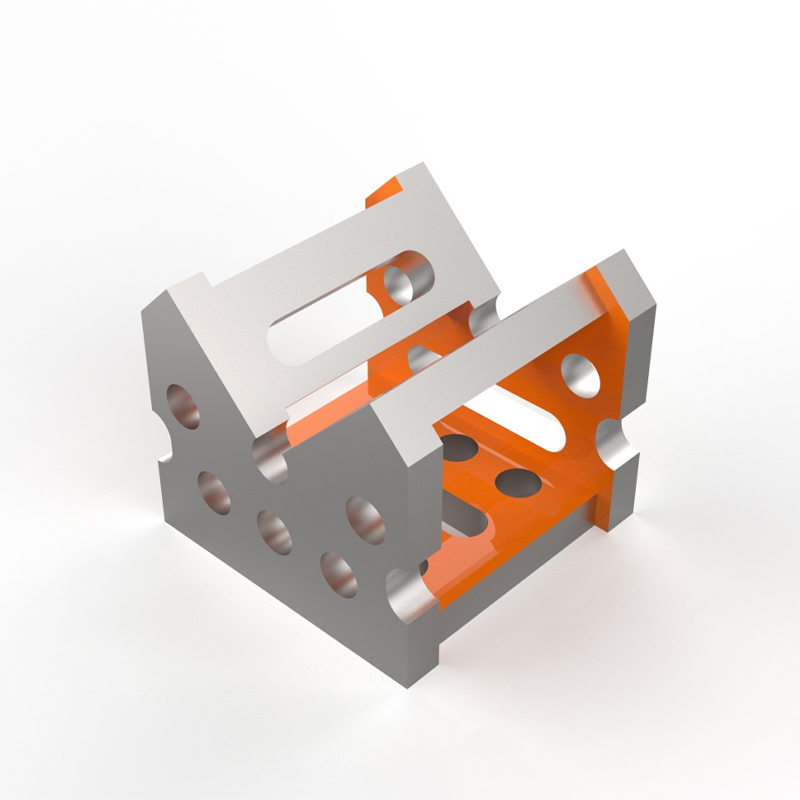
Leading this charge in flexible modular solutions is Botou Haijun Metal Products Co., Ltd. Specializing in the R&D and production of high-precision fixtures, Haijun Metal has established itself as a trusted supplier for the machining, automotive, and aerospace industries. Their core lineup includes versatile 2D and 3D flexible welding platforms renowned for exceptional stability. What sets them apart is their comprehensive ecosystem of complementary components; from U-shaped and L-shaped multi-purpose square boxes to 200-series support angle irons and 0-225° universal angle gauges, their accessories integrate seamlessly to enable rapid workpiece positioning. Furthermore, their professional cast iron 3D welding platforms and angle connection blocks are engineered to deliver the durability required for rigorous industrial applications, offering a complete solution for shops seeking both precision and flexibility.
Top-Rated Welding Fab Table Models for Automated Shops
The market in 2026 offers a diverse range of options catering to different budget tiers and operational scales. Below is an analysis of the leading categories and representative models dominating the industry.
Premium Industrial Grade Systems
For fully automated facilities, premium tables provide the highest accuracy and load-bearing capabilities. Brands in this segment often originate from Germany or North America, emphasizing rigorous quality control.
These models typically feature massive frame construction with reinforced legs to eliminate vibration. They are designed to support robotic arms and heavy gantry systems. The investment is significant, but the reduction in rework and setup time justifies the cost for high-volume producers.
Key attributes include:
- Stress-relieved cast iron or thick steel plate tops.
- Hardened bushings in every hole to prevent wear.
- Certified calibration reports included with purchase.
Mid-Range Professional Tables
The sweet spot for most custom fabrication shops lies in the mid-range category. These welding fab table options balance performance with affordability. They are robust enough for daily professional use but lack some of the ultra-high-tolerance specifications of industrial giants.
Manufacturers in this space have improved their machining processes significantly in recent years. Many now offer CNC-drilled holes and decent flatness guarantees. They are ideal for shops transitioning from traditional layout methods to fixture-based workflows.
Users often praise these models for their versatility. They handle everything from automotive roll cages to architectural railings without issue. The availability of affordable accessory kits makes them a practical choice for growing businesses.
Economy and Entry-Level Options
Entry-level tables serve hobbyists and small startups. While they may not offer the same longevity or precision as premium units, they introduce the benefits of fixturing at a lower price point.
Caution is advised when purchasing economy models. Some cheaper alternatives use thinner gauge steel that may warp under heavy welding heat. It is crucial to verify the thickness of the tabletop; anything under 12mm is generally unsuitable for serious structural work.
Despite limitations, these tables are excellent for learning fixturing techniques. As a shop grows, these units can be repurposed for secondary operations like grinding or assembly, extending their useful life.
Price Comparison and Market Trends for 2026
Understanding the pricing landscape helps in budgeting effectively. Prices fluctuate based on raw material costs, shipping logistics, and manufacturing technologies. The following table provides a comparative overview of current market segments.
| Category |
Typical Price Range (USD) |
Tabletop Thickness |
Hole Tolerance |
Best Use Case |
| Economy |
$800 – $2,500 |
10mm – 12mm |
±1.0mm |
Hobbyists, Light Repair |
| Mid-Range Pro |
$3,000 – $7,500 |
16mm – 20mm |
±0.5mm |
Custom Fabrication, Small Batch |
| Premium Industrial |
$9,000 – $25,000+ |
25mm – 50mm+ |
±0.1mm |
Robotics, Mass Production |
Note that prices listed are for standard sizes, typically around 1.5m x 1m or 4ft x 8ft. Larger custom dimensions will incur higher costs. Shipping fees for these heavy items can also be substantial, so local distributors are often preferred.
In 2026, we observe a trend toward bundled packages. Manufacturers are increasingly offering tables complete with a starter set of clamps and stops. These bundles often provide better value than purchasing components separately. Additionally, direct-to-consumer sales channels have reduced markups, making premium features more accessible.
Pros and Cons of Investing in a Fixture Table
Before committing capital, it is essential to weigh the advantages against potential drawbacks. While the benefits are substantial, a welding fab table is not a magic solution for every scenario.
Advantages
- Drastic Time Savings: Setup times can be reduced by up to 70% compared to traditional measuring and tacking methods.
- Improved Accuracy: The rigid grid system ensures squareness and dimensional consistency across multiple parts.
- Versatility: One table can accommodate hundreds of different projects through reconfigurable tooling.
- Ergonomics: Working at a dedicated height reduces back strain and improves weld quality.
- Scalability: Multiple tables can be bolted together to create massive assembly platforms for large structures.
Disadvantages
- High Initial Cost: Quality tables and the necessary tooling represent a significant upfront investment.
- Weight and Mobility: These tables are extremely heavy. Moving them requires forklifts or specialized rigging, limiting flexibility in shop layout changes.
- Learning Curve: Staff must be trained in fixturing principles to utilize the system effectively.
- Maintenance: Holes can become clogged with spatter if not protected, requiring regular cleaning to maintain functionality.
For shops specializing in one-off artistic pieces with organic shapes, the rigid grid might feel restrictive. However, for any repetitive or structural work, the pros overwhelmingly outweigh the cons.
How to Set Up Your Welding Fab Table for Maximum Efficiency
Owning the table is just the first step. Proper setup and workflow integration determine the actual return on investment. Follow these steps to optimize your new asset.
Step 1: Leveling and Foundation
The table must be perfectly level to function correctly. Use precision shims under the feet to adjust the height. Verify flatness with a high-quality machinist level across multiple axes. An unlevel table introduces errors that compound over large assemblies.
Ensure the floor beneath can support the concentrated load. In some cases, reinforcing the concrete or distributing the weight with steel plates under the feet is necessary to prevent settling.
Step 2: Establishing Datums
Define fixed reference points on your table. Commonly, one corner is designated as the origin (0,0). Install permanent stops or hard points at this location. All subsequent measurements and fixture placements should reference these datums.
This practice ensures that if a fixture is removed and reinstalled later, it returns to the exact same position. Consistency in datum usage is the key to repeatability in manufacturing.
Step 3: Organizing Tooling
Chaos kills efficiency. Implement a shadow board or organized storage system for your clamps, stops, and angles. Label tools based on size and function. When operators spend less time searching for tools, productivity soars.
Consider creating “preset” fixtures for your most common jobs. Build sub-assemblies on separate plates that can be quickly clamped onto the main table. This modular approach minimizes downtime between different production runs.
Step 4: Spatter Management
Protect your investment from welding spatter. Apply anti-spatter spray to clamps and tools before use. For the table surface, consider using ceramic discs or specialized plugs to cover unused holes near the weld zone.
Regular maintenance involves brushing out holes to ensure clamps slide in smoothly. Avoid grinding directly on the precision surface, as this can damage the flatness and scratch the finish.
Real-World Applications in Modern Fabrication
The versatility of the welding fab table extends across various industries. Understanding these applications helps visualize how it fits into your specific operation.
Structural Steel and Framing
In structural fabrication, squareness is critical. Frames for buildings, trailers, and machinery require precise 90-degree corners. A fixture table allows welders to lock components into place instantly, ensuring the final structure is true without extensive post-weld correction.
Pipe and Tubing Fabrication
For handrails, roll cages, and exhaust systems, complex angles are common. Specialized V-blocks and angle stops on the table hold tubes securely while tack welding. This prevents rolling and slipping, which are frequent causes of defects in tubular work.
Robotic Welding Cells
Automation relies on predictability. Robots cannot compensate for poorly fixtured parts. A high-precision welding fab table acts as the interface between the digital program and the physical part. Once the first part is proven out, the robot can run indefinitely with consistent results.
Prototyping and R&D
Engineering teams use these tables for rapid prototyping. The ability to quickly mock up a design, weld it, test it, and then reconfigure the table for the next iteration accelerates the development cycle. It bridges the gap between CAD models and physical reality.
Frequently Asked Questions About Welding Fab Tables
Addressing common queries helps clarify doubts and aids in the decision-making process. Here are the most frequent questions regarding welding fab table selection and usage.
Can I build my own welding fixture table?
While DIY tables are possible, achieving the necessary flatness and hole precision is challenging without industrial CNC equipment. Drilling hundreds of perpendicular holes by hand is prone to error. For professional results, purchasing a manufactured unit is usually more cost-effective in the long run.
What is the difference between 16mm and 28mm systems?
The primary difference is load capacity and tool size. A 28mm system accepts larger pins and clamps, allowing for higher clamping forces suitable for heavy plate. A 16mm system offers a denser grid, providing more positioning options for delicate or small-scale work.
How do I clean spatter from the holes?
Use a dedicated reamer or a tapered punch designed for the specific hole size. Never force a clamp into a clogged hole, as this can damage the tool or the table. Regular application of anti-spatter gel prevents buildup in the first place.
Is a coated table better than a bare steel table?
Coated tables offer better corrosion resistance and easier spatter removal. However, the coating can wear off in high-traffic areas. Bare steel tables are durable and can be resurfaced if damaged, but they require more diligent rust prevention measures.
Can I connect two tables together?
Yes, most professional tables are designed with mating edges and alignment pins to allow seamless joining. This creates a larger continuous work surface. Ensure both tables are leveled to the same height before bolting them together to maintain flatness across the joint.
Final Verdict: Choosing the Right Solution for Your Shop
Investing in a welding fab table is a strategic move that signals a commitment to quality and efficiency. As we move through 2026, the technology has matured, offering options for every budget while maintaining high standards of precision.
For automated shops and high-volume producers, the premium industrial models are the clear choice. The upfront cost is amortized quickly through reduced labor hours and eliminated rework. The reliability of these systems supports the rigorous demands of robotic integration.
Small to mid-sized fabrication shops will find the best value in the mid-range professional category. These tables provide 90% of the functionality of premium units at a fraction of the price. They are robust enough to grow with your business and versatile enough to handle diverse project types.
If you are just starting or working on a tight budget, an entry-level table can still revolutionize your workflow. Start with a smaller unit and expand your tooling collection gradually. The principles of fixturing remain the same regardless of the table’s price tag.
To take the next step, assess your current bottleneck. If setup time and inconsistency are holding you back, a welding fab table is the solution. Research reputable suppliers—such as established specialists like Botou Haijun Metal Products who offer comprehensive tool series—request quotes for bundled packages, and plan your shop layout to accommodate this powerful tool. The transition to fixture-based welding is not just an upgrade; it is a transformation of your manufacturing capability.