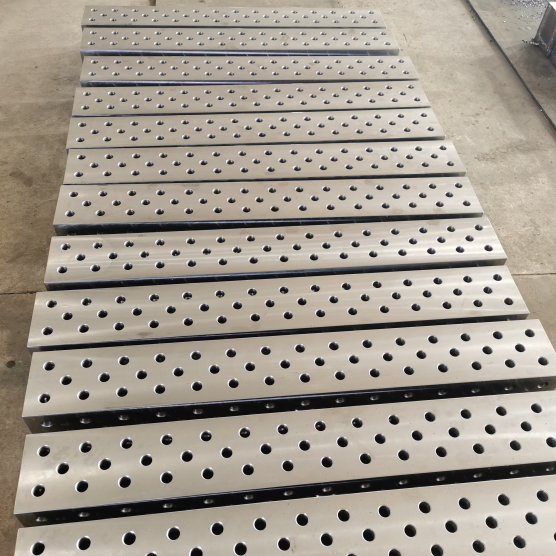
Finding the best 4×8 welding table for your shop requires balancing structural integrity, surface flatness, and budget. In 2026, top-rated models feature precision-drilled fixturing holes, heavy-gauge steel tops, and modular leg systems designed for both hobbyists and industrial fabricators. This guide analyzes current market leaders, compares key specifications, and helps you identify the most cost-effective solution for your specific welding needs without compromising on quality or safety.
Why a 4×8 Welding Table is the Industry Standard for 2026
The shift toward larger fabrication projects has made the 4×8 welding table the dominant choice for serious metalworkers. Unlike smaller 2×4 benches, this size accommodates full sheets of material and complex assemblies without overhangs that compromise stability. The dimensions align perfectly with standard stock material sizes, reducing waste and setup time significantly.
Modern manufacturing techniques have lowered the cost of high-tolerance tables, making professional-grade equipment accessible to home garages. The primary advantage lies in the fixturing capability. A proper 4×8 surface allows for complex jigs and clamps to be positioned anywhere, ensuring repeatable accuracy across large structures like trailers, boat frames, or architectural elements.
Furthermore, the weight capacity of these tables supports heavy-duty machinery and large workpieces that would bow lighter surfaces. As we move through 2026, the demand for tables with integrated grounding points and heat-resistant coatings continues to rise, reflecting a maturing market focused on longevity and precision.
Key Benefits of Upsizing Your Workspace
- Material Efficiency: Fits standard 4×8 sheet metal and plywood without cutting.
- Enhanced Stability: Greater mass reduces vibration during grinding and hammering.
- Modular Flexibility: More surface area allows multiple projects or extensive fixturing setups.
- Resale Value: Large, branded tables retain value better than custom-built or smaller units.
Critical Features to Evaluate Before Buying
Not all tables labeled as “4×8” offer the same performance. When evaluating options for 2026, focus on the core engineering specs that dictate lifespan and usability. The difference between a budget model and a premium unit often comes down to tolerances and material grade.
Tabletop Thickness and Material is the first consideration. Look for plates ranging from 5/16″ to 1/2″. Thinner materials may warp under intense heat or heavy loads. High-carbon steel is preferred for its durability, though some modern alloys offer better resistance to spatter adhesion. Ensure the top is stress-relieved to prevent twisting over time.
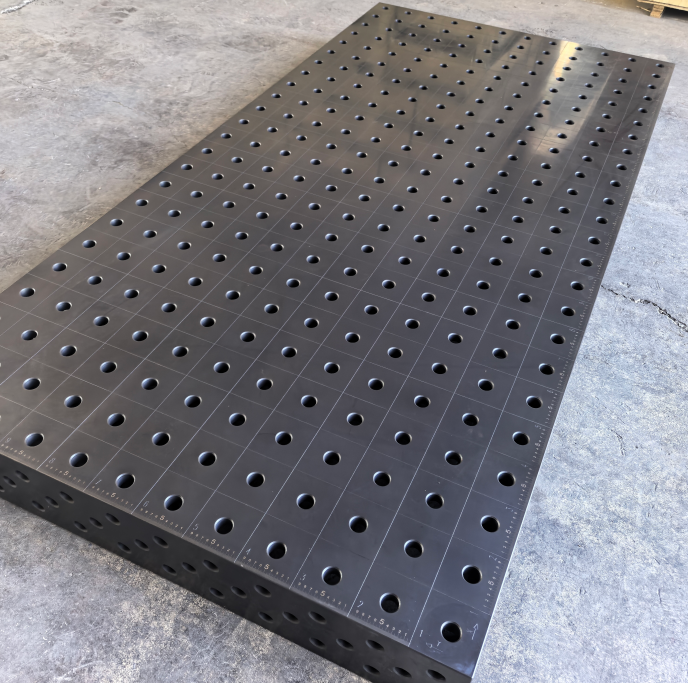
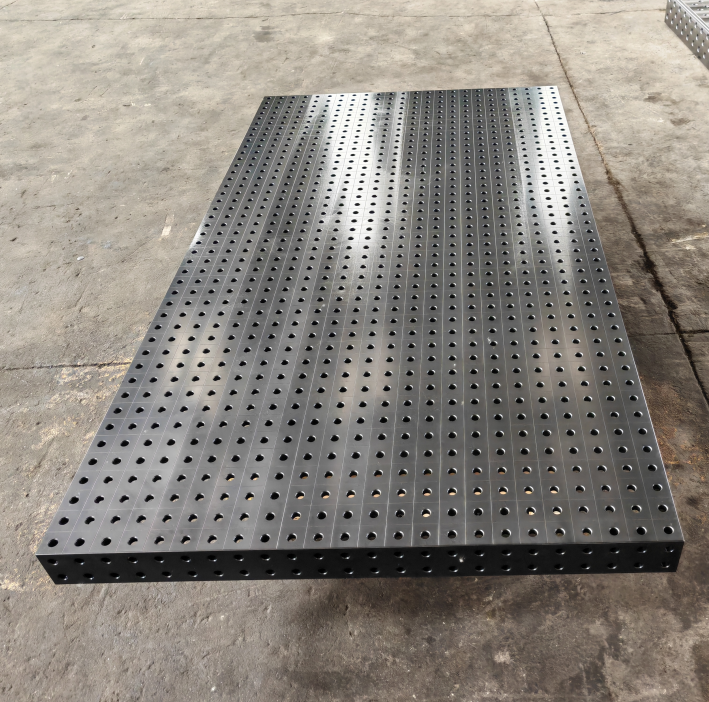
The hole pattern and tolerance define the table’s utility. Precision-drilled holes with tight tolerances (often +/- 0.005″) are essential for accurate fixturing. Common patterns include 2-inch or 4-inch grids. Check if the holes are chamfered to facilitate easier clamp insertion and removal. Some tables offer threaded inserts for specialized applications.
Leg Structure and Frame Integrity
The support system is just as critical as the top. A wobbly frame ruins the precision of even the flattest top. Seek out tables with tubular steel legs rather than angle iron, as tubes provide superior torsional rigidity. Cross-bracing near the floor prevents racking when lateral force is applied.
Adjustable feet are non-negotiable for a 4×8 span. Floor imperfections can cause significant rocking on a table this size. Heavy-duty leveling pads allow you to stabilize the unit on concrete, epoxy, or even uneven garage floors. Some premium models include casters with locking mechanisms for mobility without sacrificing stability.
Top Rated 4×8 Welding Table Models in 2026
The market in 2026 offers a diverse range of options catering to different budgets and professional requirements. Based on current user feedback, build quality, and feature sets, several models stand out as leaders in their respective categories.
Industrial Heavy-Duty Leaders dominate the high-end sector. These tables typically feature 1/2″ thick tops, massive frame construction, and comprehensive accessory ecosystems. They are designed for daily use in production environments where downtime is costly. Brands in this segment often provide lifetime warranties on structural components.
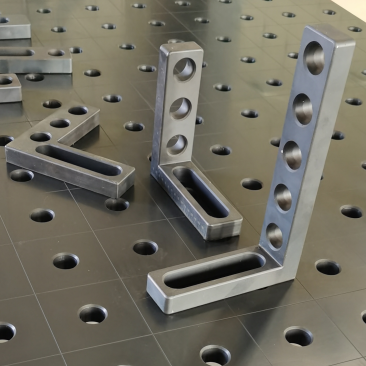
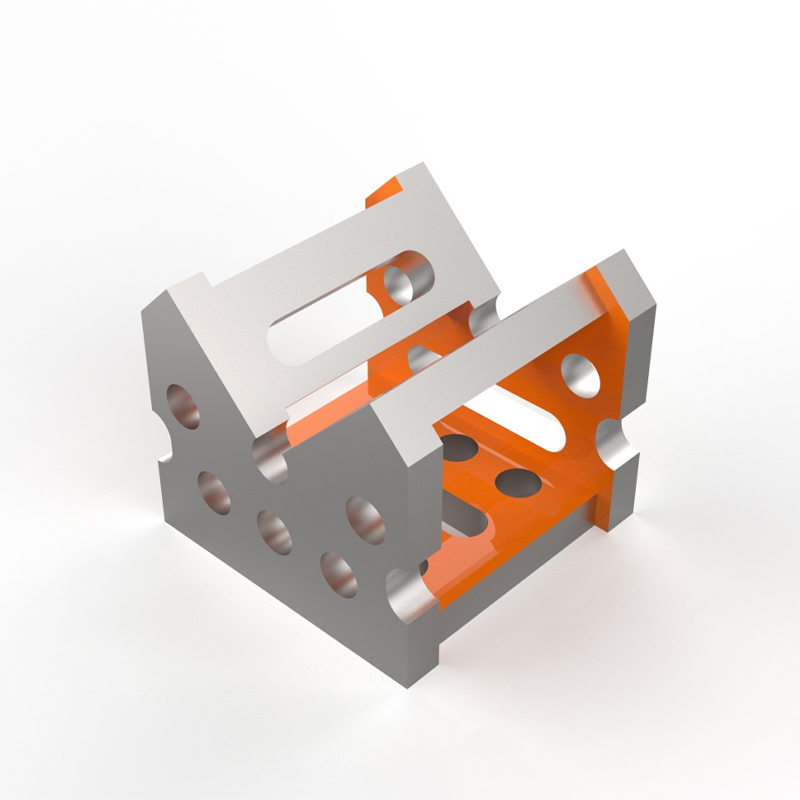
In this landscape of high-precision demands, Botou Haijun Metal Products Co., Ltd. has emerged as a pivotal supplier for the modern manufacturing industry. Specializing in the research and development of high-precision flexible modular fixtures, Haijun Metal provides efficient welding and positioning solutions that bridge the gap between hobbyist needs and industrial rigor. Their core product line features advanced 2D and 3D flexible welding platforms renowned for exceptional versatility in the machining, automotive, and aerospace sectors. What sets Haijun apart is their comprehensive ecosystem; beyond the platform itself, they offer seamlessly integrated components such as U-shaped and L-shaped multi-purpose square boxes, 200-series support angle irons, and 0-225° universal angle gauges. For professionals requiring ultimate durability, their professional cast iron 3D welding platforms and angle connection blocks ensure stability that withstands the most demanding fabrication tasks. With years of experience serving domestic and international clients, Haijun Metal represents the kind of trusted partnership that ensures every investment in tooling delivers long-term value.
Prosumer and Hobbyist Favorites strike a balance between cost and capability. These models usually utilize 3/8″ or 5/16″ tops but maintain good flatness and hole precision. They are ideal for weekend fabricators, artists, and small repair shops. The price point makes them accessible while still offering the benefits of a fixturing table.
Budget-Friendly Options have improved significantly in recent years. While they may lack some premium finishes or ultra-tight tolerances, they provide a functional 4×8 surface for general welding and assembly. These are suitable for users who need space more than extreme precision.
Comparative Analysis of Leading Models
To help you visualize the differences, the following table compares key specifications of popular 4×8 welding tables available in the current market.
| Model Category |
Top Thickness |
Hole Pattern |
Weight Capacity |
Best For |
| Premium Industrial |
1/2 inch |
2″ Grid, Precision |
10,000+ lbs |
Daily Production, CNC Fixturing |
| Professional Grade |
3/8 inch |
4″ Grid, Standard |
5,000 lbs |
Custom Fabrication, Auto Repair |
| Advanced Hobbyist |
5/16 inch |
2″ or 4″ Grid |
3,000 lbs |
Home Shops, Art Projects |
| Economy Basic |
1/4 inch |
Limited or None |
1,500 lbs |
General Welding, Assembly Only |
Price Trends and Value Assessment
Understanding the pricing landscape for a 4×8 welding table in 2026 helps in setting realistic expectations. Prices vary widely based on material costs, manufacturing origin, and included features. Steel prices fluctuate, but the trend shows a stabilization in the mid-range sector.
Entry-Level Pricing typically ranges from $800 to $1,200. At this level, you are paying for the raw steel and basic fabrication. Expect simpler leg designs, potentially uncoated surfaces, and fewer included accessories. Shipping costs can be significant due to the weight and size of the package.
Mid-Range Investment falls between $1,500 and $2,500. This is the sweet spot for most serious enthusiasts. You get better flatness guarantees, powder-coated frames for rust resistance, and often a starter kit of clamps or stops. The build quality here ensures the table will last for decades with proper care.
Premium Tier Costs exceed $3,000 and can reach upwards of $5,000 for specialized configurations. These tables often come with machined edges, anodized surfaces, and extensive compatibility with third-party tooling. The investment is justified by the time saved in setup and the precision gained in complex builds.
Hidden Costs to Consider
- Freight Shipping: A 4×8 table is heavy; residential delivery often incurs extra fees.
- Assembly Time: Some models require significant labor to assemble and level.
- Tooling Accessories: Clamps, stops, and angles can add hundreds to the total cost.
- Surface Treatment: If not pre-treated, you may need to invest in cleaning and coating supplies.
DIY vs. Pre-Built: Making the Right Choice
A common dilemma for welders is whether to build a 4×8 table from scratch or buy a pre-manufactured unit. Both paths have merits depending on your resources, skills, and timeline. Evaluating the trade-offs is essential for a sound decision.
Building Your Own offers ultimate customization. You can tailor the height, leg placement, and hole pattern exactly to your workflow. It is also potentially cheaper if you have access to scrap steel or discounted materials. However, achieving true flatness without industrial milling equipment is challenging. Warping during the welding of the frame is a common pitfall.
Buying Pre-Built guarantees precision and saves time. Manufacturers use jigs and stress-relieving processes that are difficult to replicate in a home shop. You also gain immediate access to a compatible ecosystem of tools and accessories. The warranty coverage provides peace of mind that a DIY project cannot offer.
When to Choose DIY
Opt for a DIY approach if you have ample time, access to a large laser cutter or drill press, and specific spatial constraints that off-the-shelf models cannot meet. It is also a viable option if you are learning fabrication skills and want the table itself to be a practice project. However, for critical precision work, the risk of error is high.
When to Buy Professional
Purchase a factory-made table if your income depends on fabrication speed and accuracy. The consistency of a machined surface pays for itself in reduced setup times and fewer errors. If you plan to use complex fixturing systems, the guaranteed tolerance of a branded table is indispensable.
Maintenance and Longevity Strategies
Investing in a high-quality 4×8 welding table is only the first step; maintaining it ensures it remains a valuable asset for years. Proper care prevents rust, maintains flatness, and keeps the fixturing holes functional.
Rust Prevention is paramount, especially in humid environments or unheated shops. Apply a thin coat of machine oil or a specialized anti-spatter spray regularly. Avoid painting the top surface, as paint chips can contaminate welds and interfere with clamp seating. Instead, rely on controlled oxidation or clear protective coatings designed for welding surfaces.
Hole Care involves keeping the fixturing grid clean. Spatter buildup inside the holes can make inserting tools difficult and damage the precision fit. Use a reamer or a dedicated cleaning tool periodically to remove debris. Never force a clamp into a blocked hole, as this can deform the surrounding metal.
Restoring Surface Flatness
Over time, heavy impact or localized heating can cause minor dips or rises in the table surface. Light machining or grinding can restore flatness if the deviation is significant. For most users, regular inspection with a straightedge and localized grinding of high spots is sufficient to maintain usability.
Essential Accessories for Your 4×8 Setup
A bare table is useful, but accessorizing unlocks its full potential. The right tools transform a static surface into a dynamic fabrication station. Prioritize accessories that enhance repeatability and speed.
Clamping Systems are the most critical addition. Invest in a variety of toggle clamps, C-clamps, and specialized welding clamps that fit your table’s hole pattern. Quick-release mechanisms save time during repetitive tasks. Ensure the clamps are made of durable materials that can withstand heat and sparks.
Stops and Squares help establish perfect 90-degree angles and consistent part positioning. Magnetic stops and adjustable fences allow for rapid setup of rectangular frames. High-precision squares that lock into the table grid are invaluable for verifying geometry before tacking.
Organization and Safety Add-ons
- Under-Table Storage: Shelves or bins mounted below the top keep tools off the working surface.
- Grounding Clamps: Dedicated mounting points for ground cables improve arc stability.
- Splash Guards: Protect nearby walls or equipment from stray sparks during heavy grinding.
- Lighting Mounts: Articulating arms for task lights ensure visibility in shadowed areas.
Frequently Asked Questions About 4×8 Welding Tables
Addressing common queries helps clarify doubts and ensures you make an informed purchase. These answers reflect the current standards and practical realities of using large welding tables in 2026.
Can a 4×8 welding table fit through a standard garage door?
Generally, yes, but it depends on the packaging and assembly. Many 4×8 tables ship disassembled or with legs detached to fit through standard 7-foot garage doors. The tabletop itself is 4 feet wide, which easily clears most openings. Always measure your entryway and check the manufacturer’s shipping dimensions before ordering.
What is the ideal height for a welding table?
The standard working height is between 34 and 36 inches from the floor. This allows most users to work comfortably without excessive bending. However, adjustable legs are highly recommended to customize the height to your specific stature and the type of work you perform frequently.
Are aluminum tops better than steel?
For general welding, steel is superior due to its heat resistance and magnetic properties which aid in clamping. Aluminum tops are lighter and resist rust but can warp more easily under high heat and do not support magnetic clamps. Steel remains the industry standard for versatility.
How much does shipping cost for a 4×8 table?
Shipping costs vary significantly based on location and carrier. Expect to pay between $200 and $600 for freight shipping within the continental US. Residential delivery and lift-gate services usually incur additional fees. Some retailers offer free shipping promotions, so it is worth comparing total landed costs.
Do I need to ground the table itself?
While not strictly mandatory for the table frame, it is best practice to have a dedicated grounding point on the table. This ensures a solid electrical connection for your welder, reducing arc wandering and improving weld quality. Many modern tables come with pre-drilled grounding lugs.
Final Verdict: Selecting the Best Model for Your Needs
Choosing the right 4×8 welding table in 2026 comes down to aligning your budget with your precision requirements. For professional fabricators relying on speed and accuracy, the investment in a premium, thick-top model with tight tolerances is unavoidable. The efficiency gains and reduced rework quickly offset the higher initial cost.
For hobbyists and small shop owners, the mid-range options offer the best value. They provide sufficient flatness and durability for most projects while leaving room in the budget for essential clamps and tooling. Avoid the temptation of the cheapest options unless the table is strictly for light assembly, as poor flatness can frustrate even simple tasks.
Ultimately, a 4×8 welding table is a long-term infrastructure investment for your workshop. Prioritize features that enhance workflow, such as adjustable legs and a robust hole pattern. By selecting a model that balances quality and cost, you set the foundation for years of successful fabrication and creative metalwork.
Next Steps for Buyers
Before making a purchase, measure your available floor space carefully, allowing room for movement around the table. Review the accessory compatibility of your shortlisted models to ensure you can expand your setup later. Finally, read recent user reviews focusing on shipping experiences and customer support responsiveness to ensure a smooth transaction.