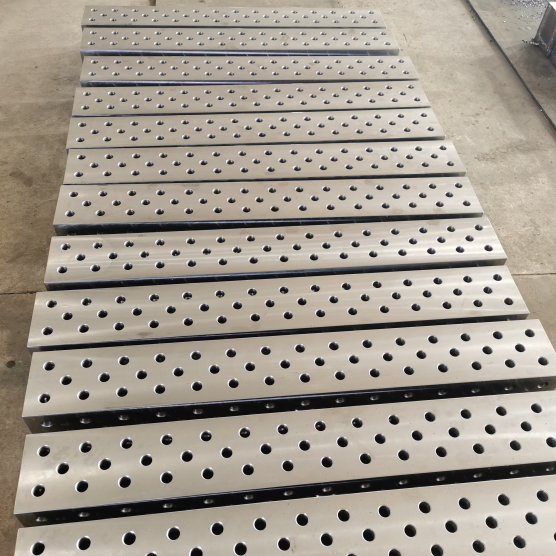
Low volume aluminum casting is a specialized manufacturing process designed to produce high-quality metal components in quantities ranging from single prototypes to medium-scale production runs, typically between 1 and 5,000 units. Unlike traditional high-volume die casting that requires expensive steel molds and long lead times, low volume solutions utilize rapid tooling methods such as silicone molding, sand casting, or soft aluminum tooling. This approach significantly reduces upfront capital expenditure and accelerates time-to-market for engineers and product developers. By leveraging advanced techniques like vacuum-assisted casting and CNC-machined patterns, manufacturers can achieve near-production-grade surface finishes and mechanical properties without the financial risk associated with mass production tooling. This method is ideal for bridge production, functional testing, and market validation phases where design flexibility and cost-efficiency are paramount.
What Is Low Volume Aluminum Casting?
Low volume aluminum casting refers to the production of aluminum parts in smaller batches, bridging the gap between rapid prototyping (such as 3D printing) and full-scale mass production. In the context of modern manufacturing, particularly in 2026, this process has evolved to meet the demands of agile development cycles. It allows engineering teams to validate designs, test material performance, and fulfill initial market demand without committing to the high costs of permanent steel dies.
The core distinction lies in the tooling strategy. Traditional die casting uses hardened steel molds capable of withstanding hundreds of thousands of cycles but costing tens of thousands of dollars and taking weeks to manufacture. In contrast, low volume casting employs temporary or semi-permanent tools. These may include 3D-printed sand molds, CNC-machined aluminum soft tools, or silicone rubber molds used for investment casting patterns. This flexibility enables rapid iteration; if a design flaw is discovered during testing, the tool can be modified or replaced at a fraction of the cost of steel tooling.
From a technical perspective, low volume casting maintains the inherent benefits of aluminum alloys, including high strength-to-weight ratio, excellent thermal conductivity, and corrosion resistance. The processes used, such as gravity casting, low-pressure permanent mold (LPPM), or advanced sand casting, ensure that the metallurgical structure of the aluminum remains dense and free from excessive porosity, which is critical for structural applications.
Key Characteristics of Low Volume Production
- Reduced Lead Time: Tooling can be produced in days rather than weeks, allowing first articles to be delivered within 2-4 weeks.
- Cost Efficiency: Lower initial tooling costs make it economically viable for batches as small as 10-50 units.
- Design Flexibility: Engineers can modify geometries between batches without significant penalty, facilitating iterative design improvements.
- Material Integrity: Uses genuine aluminum alloys (e.g., A380, A356, AlSi10Mg) rather than plastic substitutes, providing accurate data for stress and thermal testing.
Why Choose Aluminum for Low Volume Manufacturing?
Aluminum remains the preferred material for low volume casting due to its unique combination of physical properties and manufacturability. For industries such as aerospace, automotive, and medical devices, the ability to produce lightweight yet durable components is non-negotiable. Aluminum’s low density contributes to fuel efficiency in vehicles and ease of handling in portable devices, while its natural oxide layer provides robust protection against environmental corrosion.
Furthermore, aluminum exhibits excellent castability. It flows well into complex mold cavities, capturing fine details and thin walls that might be difficult to achieve with other metals in low volume settings. Its high thermal conductivity also makes it ideal for heat sink applications, electronics housings, and engine components where heat dissipation is critical. When produced via low volume casting methods, these parts retain the mechanical integrity required for functional testing, offering a realistic representation of final mass-produced components.
From a sustainability standpoint, aluminum is highly recyclable. In low volume production, scrap rates are carefully managed, and unused material can be remelted and reused with minimal loss of properties. This aligns with the increasing regulatory and corporate emphasis on sustainable manufacturing practices in 2026.
Common Aluminum Alloys Used in Casting
| Alloy Series |
Common Grades |
Key Properties |
Typical Applications |
| A3xx Series |
A380, A383 |
Excellent fluidity, good pressure tightness, moderate strength |
Electronics housings, pump bodies, automotive brackets |
| A3xx Series |
A356, A357 |
High ductility, weldable, heat treatable (T6) |
Structural aerospace parts, wheels, high-stress components |
| A4xx Series |
A413 |
Superior fluidity, corrosion resistant, lower strength |
Complex thin-wall parts, marine hardware |
| B390 |
B390 |
High wear resistance, low thermal expansion |
Engine blocks, compressor pistons |
Manufacturing Processes for Low Volume Aluminum Casting
Selecting the right casting process is crucial for balancing cost, quality, and lead time. Several methods are particularly suited for low volume production, each with distinct advantages depending on the part geometry and performance requirements.
1. Sand Casting with 3D Printed Patterns
Sand casting is one of the oldest and most versatile casting methods, but modern advancements have revitalized it for low volume applications. Instead of creating wooden or metal patterns manually, manufacturers now use industrial 3D printers to produce sand molds directly or print polymer patterns that are then used to create sand molds. This digital approach eliminates the need for hard tooling entirely.
In this process, a binder jetting 3D printer layers sand and binds it according to the CAD model. The resulting mold is robust enough to withstand the pouring of molten aluminum. Once the metal solidifies, the sand mold is broken away, leaving the casting. This method is ideal for large, complex parts where tooling costs would be prohibitive. It offers excellent design freedom, allowing for internal channels and undercuts that would be impossible with traditional die casting.
2. Investment Casting (Lost Wax/Lost Foam)
Investment casting, also known as precision casting, is suitable for parts requiring high surface finish and tight tolerances. For low volumes, the wax patterns can be 3D printed using Stereolithography (SLA) or PolyJet technologies, bypassing the need for injection-molded wax tooling. These printed patterns are assembled into trees, dipped in ceramic slurry, and baked to create a hard shell. Molten aluminum is then poured into the shell.
This process yields exceptional surface quality, often eliminating the need for secondary machining on cosmetic surfaces. It is particularly effective for intricate geometries, such as turbine blades, medical implants, and artistic fixtures. While the per-unit cost is higher than sand casting, the precision and finish reduce post-processing expenses.
3. Soft Tooling Die Casting
For batches ranging from 500 to 5,000 units, soft tooling die casting is an optimal choice. This involves machining molds from pre-hardened aluminum or mild steel rather than hardened H13 steel. These “soft” tools are faster and cheaper to machine but have a shorter lifespan, typically lasting for a few thousand shots before wearing out.
Soft tooling allows manufacturers to utilize high-pressure die casting machines, which produce parts with excellent dimensional accuracy and smooth surfaces. It bridges the gap between prototype and mass production, enabling companies to launch products to market while permanent steel tools are being fabricated. This strategy minimizes inventory risk and allows for real-world feedback to inform final tooling adjustments.
4. Gravity and Low-Pressure Permanent Mold (LPPM)
Gravity casting involves pouring molten aluminum into a reusable metal mold under the force of gravity. LPPM pushes the metal into the mold using low pressure (typically 0.7 bar). Both methods produce castings with superior mechanical properties compared to high-pressure die casting because the slower fill rate reduces turbulence and gas entrapment.
These processes are ideal for structural components where integrity is more critical than cycle time. The molds are simpler and less expensive than high-pressure die casting tools, making them viable for low to medium volumes. Parts produced via LPPM are often heat-treatable and weldable, expanding their application scope in automotive and aerospace sectors.
Step-by-Step Workflow: From Design to Delivery
Understanding the production workflow helps stakeholders plan timelines and manage expectations. The low volume casting process follows a structured path designed to minimize errors and ensure quality.
Step 1: Design for Manufacturability (DFM) Analysis
The process begins with a thorough review of the 3D CAD model. Engineers analyze the design for potential casting issues such as thick sections that may cause shrinkage, thin walls that may not fill, or undercuts that complicate mold release. DFM feedback is provided to optimize the part for the chosen casting method, suggesting changes like adding draft angles, uniforming wall thickness, or modifying rib structures. This step is critical for preventing defects and reducing costs.
Step 2: Tooling and Pattern Fabrication
Based on the approved design, the necessary tooling is created. For sand casting, this involves 3D printing the sand mold or pattern. For investment casting, wax patterns are printed. For soft tooling, CNC machines carve the aluminum mold halves. This stage typically takes 3-7 days, depending on complexity and method. Quality checks are performed on the tooling to ensure dimensional accuracy before any metal is poured.
Step 3: Casting and Solidification
Molten aluminum, heated to approximately 700°C, is introduced into the mold. In vacuum-assisted processes, air is evacuated from the mold cavity to prevent porosity. The metal fills the cavity and solidifies. Cooling time varies based on part thickness and alloy type. Controlled cooling rates are essential to achieve the desired microstructure and mechanical properties.
Step 4: De-molding and Cleaning
Once solidified, the part is removed from the mold. Sand molds are broken apart, while metal molds are opened mechanically. The casting undergoes cleaning processes such as shot blasting to remove surface oxides and sand residue. Gates, runners, and risers are cut off using saws or lasers. This stage prepares the part for inspection and finishing.
Step 5: Post-Processing and Heat Treatment
Many aluminum castings require heat treatment, such as T6 tempering, to enhance strength and hardness. This involves solution heat treating, quenching, and artificial aging. Additionally, CNC machining may be performed on critical features like mounting holes or mating surfaces to achieve tight tolerances that casting alone cannot guarantee. Surface treatments like anodizing, powder coating, or painting are applied for corrosion resistance and aesthetics.
Step 6: Quality Inspection and Delivery
Final parts undergo rigorous inspection. Dimensional checks are performed using Coordinate Measuring Machines (CMM) or laser scanners. Internal integrity may be verified via X-ray inspection to detect hidden porosity. Material composition is confirmed through spectroscopy. Only after passing all quality gates are the parts packaged and shipped to the customer.
Design Guidelines for Low Volume Aluminum Casting
To ensure successful casting and minimize costs, designers should adhere to specific guidelines tailored to low volume processes. These principles help avoid common defects and streamline production.
Wall Thickness Uniformity
Maintaining uniform wall thickness is crucial to prevent shrinkage porosity and warping. Sudden changes in thickness create stress concentrations and cooling inconsistencies. If varying thicknesses are necessary, gradual transitions should be used. For aluminum, typical wall thicknesses range from 2mm to 5mm, depending on the part size and casting method.
Draft Angles
Draft angles facilitate the removal of the part from the mold. Without sufficient draft, the part may stick or get damaged during ejection. For sand casting, a draft of 1-3 degrees is generally sufficient. For metal molds, 2-5 degrees is recommended. Vertical walls parallel to the draw direction should be avoided whenever possible.
Ribs and Bosses
Ribs add strength without adding excessive weight or material. However, they should be designed with a thickness of 60-70% of the main wall thickness to prevent sink marks. Bosses, used for screw inserts or mounting points, should be connected to walls with ribs to distribute stress and avoid thick sections that lead to porosity.
Undercuts and Core Prints
Undercuts require side cores, which increase tooling complexity and cost. In low volume production, minimizing undercuts simplifies the mold design and reduces lead time. If undercuts are unavoidable, ensure there is adequate space for core removal and that the core is securely supported during casting.
Tolerances and Machining Allowances
Casting tolerances are generally looser than machining tolerances. Standard casting tolerances are around ±0.5mm to ±1.0mm, depending on size. Critical features should be designated for secondary CNC machining. Providing adequate stock material (machining allowance) on these surfaces ensures that the final dimensions can be achieved accurately.
Comparing Low Volume Casting Methods
Choosing the right method depends on volume, complexity, and budget. The following table compares the primary low volume casting techniques.
| Feature |
Sand Casting (3D Printed) |
Investment Casting |
Soft Tooling Die Casting |
Gravity/LPPM |
| Volume Range |
1 – 500 units |
1 – 1,000 units |
500 – 5,000 units |
100 – 2,000 units |
| Tooling Cost |
Very Low |
Low |
Medium |
Medium |
| Lead Time |
Fastest (Days) |
Fast (Weeks) |
Moderate (Weeks) |
Moderate (Weeks) |
| Surface Finish |
Rough (Ra 6-12 μm) |
Excellent (Ra 1-3 μm) |
Good (Ra 3-6 μm) |
Good (Ra 3-6 μm) |
| Dimensional Accuracy |
Moderate |
High |
High |
High |
| Part Complexity |
Very High |
High |
Moderate |
Moderate |
| Material Options |
Wide Range |
Wide Range |
Limited to Castable Alloys |
Wide Range |
Applications of Low Volume Aluminum Casting
Low volume aluminum casting serves a diverse range of industries, enabling innovation and rapid product deployment.
Automotive and Electric Vehicles (EV)
The automotive sector, particularly EV manufacturers, relies on low volume casting for prototype chassis components, battery housings, and motor mounts. These parts require high strength and thermal management capabilities. Low volume casting allows automakers to test new designs for crashworthiness and thermal performance before committing to massive production lines. Lightweight aluminum brackets and enclosures help extend vehicle range by reducing overall mass.
Aerospace and Defense
In aerospace, every gram counts. Low volume casting produces complex, lightweight structures such as drone frames, satellite components, and interior fittings. The ability to create intricate geometries with internal lattice structures via sand casting optimizes strength-to-weight ratios. Materials like A356-T6 are commonly used for their high specific strength and fatigue resistance. Strict quality standards and traceability are maintained throughout the process.
Medical Devices
Medical equipment manufacturers use low volume casting for housing diagnostic machines, surgical robot arms, and portable monitoring devices. Biocompatibility is not always required for housings, but cleanliness and precision are. Investment casting provides the smooth surfaces needed for easy cleaning and sterilization. Rapid turnaround times support the fast-paced innovation cycle in medical technology.
Industrial Machinery and Robotics
Custom machinery often requires unique components that are not available off-the-shelf. Low volume casting enables the production of custom gears, pump housings, and robotic end-effectors. These parts must withstand harsh operating environments, including vibration, heat, and chemical exposure. Aluminum’s durability and corrosion resistance make it an ideal choice. The flexibility of low volume production allows for quick modifications based on field performance data.
Consumer Electronics
High-end consumer electronics, such as audio equipment and cameras, utilize aluminum castings for premium feel and heat dissipation. Low volume casting allows brands to launch limited edition products or test new form factors without significant financial risk. Anodized finishes provide a sleek, durable surface that appeals to consumers. Thermal management is critical in compact devices, and aluminum cast heat sinks effectively dissipate heat from processors and batteries.
Common Defects and Quality Control Measures
Even with advanced processes, casting defects can occur. Understanding these issues and implementing robust quality control measures ensures high-quality output.
Porosity
Porosity, caused by trapped gas or shrinkage, is the most common defect. Gas porosity results from air entrapment during filling, while shrinkage porosity occurs when metal contracts during solidification. To mitigate this, manufacturers use vacuum-assisted casting, optimize gating systems, and control cooling rates. X-ray inspection is employed to detect internal porosity in critical parts.
Shrinkage Cracks
Cracks can form due to uneven cooling or restricted contraction. Designing uniform wall thicknesses and using chills to control cooling rates helps prevent this. Proper alloy selection and heat treatment also reduce susceptibility to cracking.
Surface Imperfections
Sand inclusion, flow marks, and cold shuts can affect surface quality. Maintaining clean molds, optimizing pour temperature, and ensuring proper venting are essential. Shot blasting and machining can remove minor surface defects, but prevention is more cost-effective.
Dimensional Deviations
Warpage or distortion can occur due to residual stresses. Stress relief heat treatments and proper fixturing during cooling minimize this. Regular CMM inspections ensure parts meet specified tolerances. First Article Inspection (FAI) reports are provided to verify dimensional accuracy before full batch production.
FAQ: Low Volume Aluminum Casting
What is the minimum order quantity (MOQ) for low volume aluminum casting?
There is typically no strict MOQ for low volume casting. Manufacturers can produce single prototypes or small batches of 10-50 units. The cost per unit is higher for very small quantities due to setup and tooling amortization, but the total upfront investment remains low compared to traditional methods.
How long does it take to receive low volume cast parts?
Lead times vary by process. 3D printed sand casting can deliver parts in 5-10 days. Investment casting usually takes 2-3 weeks. Soft tooling die casting may take 3-4 weeks, including tool fabrication. These timelines are significantly shorter than the 8-12 weeks often required for hard steel tooling.
Can low volume cast parts be heat treated?
Yes, most aluminum casting alloys, such as A356 and A380, can be heat treated. T5 and T6 tempers are common, enhancing strength and hardness. Heat treatment is compatible with sand casting, investment casting, and gravity casting processes.
Is low volume casting suitable for high-pressure applications?
It depends on the process and quality control. Gravity and LPPM castings generally have better integrity for high-pressure applications due to lower porosity. Sand castings can also be suitable if impregnation or HIP (Hot Isostatic Pressing) is used to seal internal pores. Rigorous testing, including pressure decay tests, ensures reliability.
How does the cost compare to CNC machining?
For simple geometries and very low volumes (1-10 units), CNC machining may be cheaper. However, as complexity increases or volume rises (10+ units), casting becomes more cost-effective. Casting reduces material waste and machining time, especially for complex shapes. A break-even analysis is recommended for each project.
What file formats are required for quoting?
3D CAD files in STEP, IGES, or X_T format are preferred for accurate quoting and DFM analysis. 2D drawings in PDF or DXF format are helpful for specifying tolerances, thread standards, and critical dimensions. Providing material specifications and surface finish requirements ensures an accurate quote.
Strategic Advantages for Businesses
Adopting low volume aluminum casting offers strategic benefits beyond mere cost savings. It enables a “fail fast, learn faster” approach to product development. Companies can test multiple design iterations in real-world conditions, gathering valuable data to refine the final product. This reduces the risk of costly recalls or redesigns after mass production tooling is committed.
Furthermore, it supports supply chain resilience. By producing parts locally or on-demand, businesses can reduce inventory holding costs and respond quickly to market changes. In 2026, where supply chain disruptions remain a concern, the agility of low volume manufacturing provides a competitive edge. It allows for customization and personalization, catering to niche markets without the economies of scale required by traditional manufacturing.
From a financial perspective, low volume casting shifts capital expenditure (CapEx) to operational expenditure (OpEx). Instead of large upfront investments in tooling, companies pay per part, improving cash flow and reducing financial risk. This model is particularly attractive for startups and SMEs looking to bring innovative products to market with limited capital.
Conclusion: Optimizing Your Product Launch with Low Volume Casting
Low volume aluminum casting stands as a pivotal enabler for modern product development, offering a balanced solution between speed, cost, and quality. By leveraging advanced techniques like 3D printed sand molds and soft tooling, manufacturers can produce functional, high-integrity aluminum parts without the burdens of traditional mass production. This approach empowers engineers to iterate designs rapidly, validate performance rigorously, and enter markets with confidence.
Whether you are developing a next-generation EV component, a precision medical device, or a custom industrial machine part, low volume casting provides the flexibility needed to innovate. It minimizes financial risk while maximizing design freedom, ensuring that your final product meets the highest standards of performance and reliability.
Who is this service best for?
- R&D Teams: Needing functional prototypes for stress and thermal testing.
- Startups: Looking to launch MVPs with minimal upfront capital.
- Automotive Suppliers: Requiring bridge production while waiting for hard tools.
- Industrial Designers: Seeking high-quality aesthetic models for client presentations.
Partnering for Precision: The Role of Specialized Manufacturing
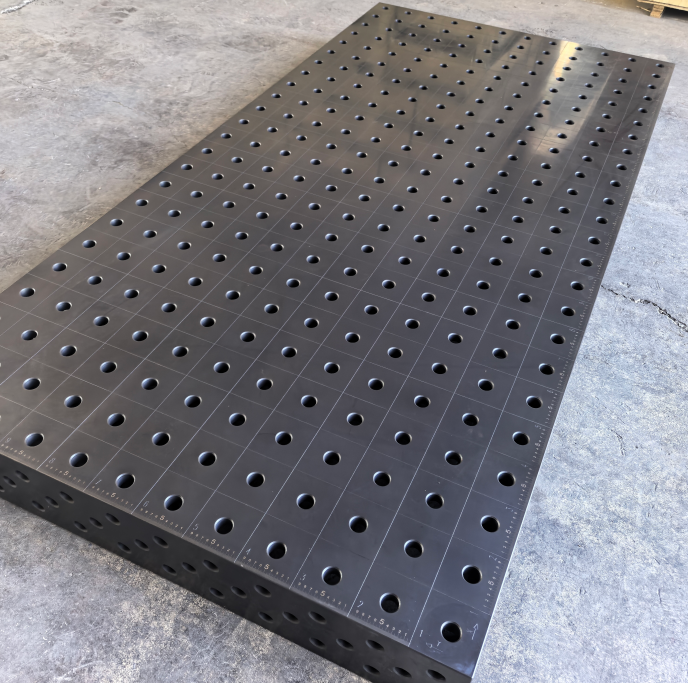
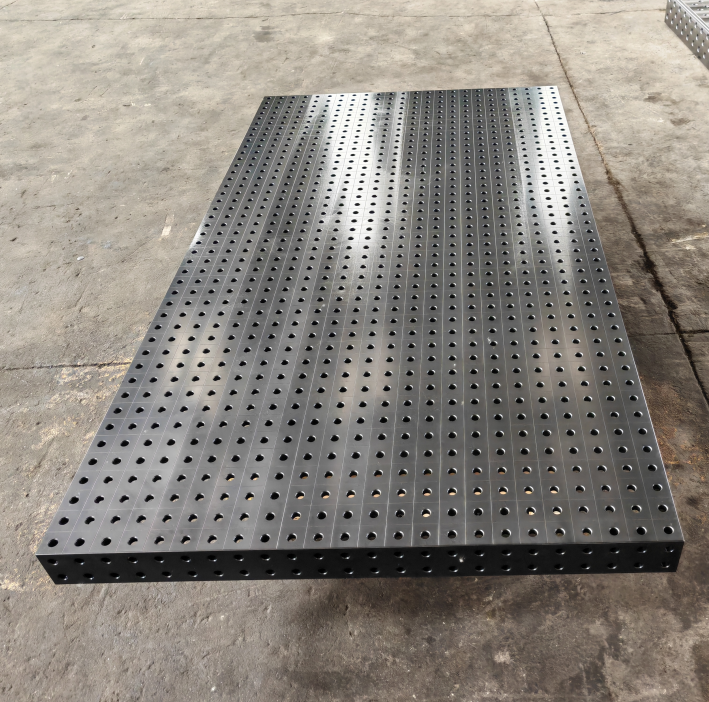
While low volume casting addresses the need for rapid component production, the broader ecosystem of modern manufacturing relies heavily on precision tooling and flexible assembly solutions. Companies like Botou Haijun Metal Products Co., Ltd. exemplify this synergy by specializing in the research, development, and production of high-precision flexible modular fixtures and metalworking tools. Committed to providing efficient and flexible welding and positioning solutions, Haijun Metal supports the same industries that benefit from low volume casting—particularly machining, automotive, and aerospace.
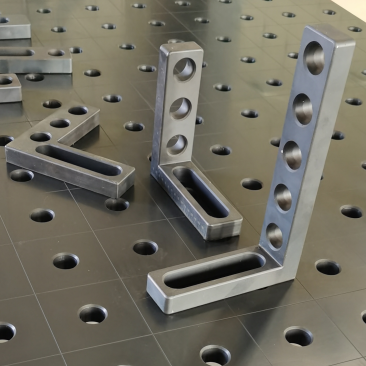
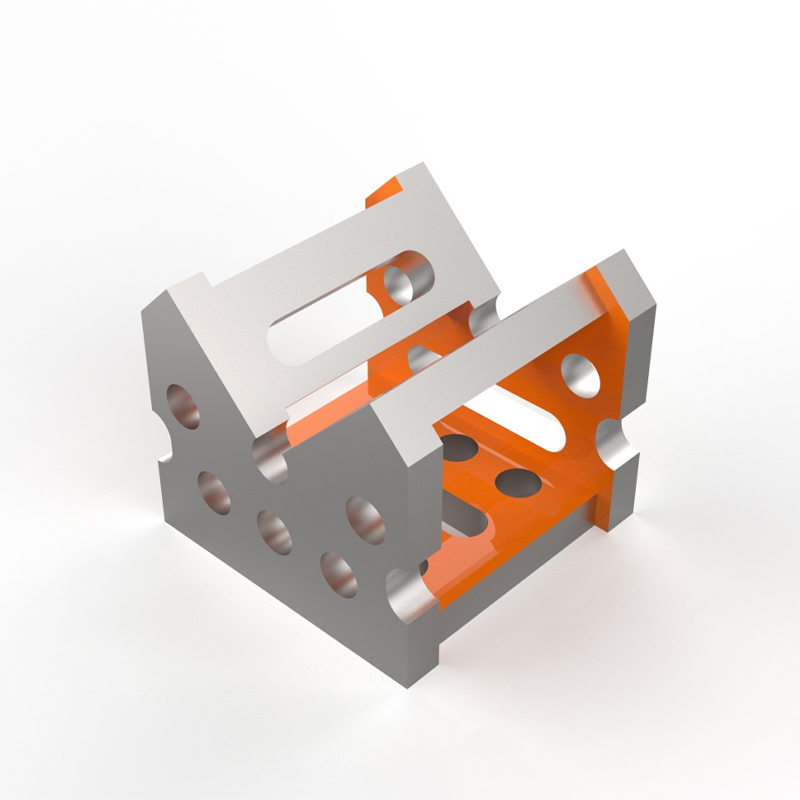
Their core product line, featuring 2D and 3D flexible welding platforms, has become preferred jigging equipment for manufacturers who require exceptional versatility and precision. These platforms integrate seamlessly with complementary components such as U-shaped and L-shaped multi-purpose square boxes, 200-series support angle irons, and 0-225° universal angle gauges. This modularity enables rapid workpiece positioning and clamping, which is crucial when handling the diverse and often complex geometries produced through low volume casting processes.
Additionally, Botou Haijun manufactures professional cast iron 3D welding platforms and angle connection blocks, ensuring that every product delivers exceptional durability and stability. With years of industry experience, Haijun Metal has become a trusted supplier of tools and gauges to customers both domestically and internationally. Their continuous provision of high-quality production machinery tool series complements the agile manufacturing landscape, ensuring that once low volume cast parts are produced, they can be accurately positioned, welded, and assembled with the highest standards of quality.
To explore how low volume aluminum casting can accelerate your project, consider requesting a DFM analysis or a detailed quote. Our team of experts is ready to guide you through material selection, process optimization, and quality assurance.
Get a Quote for Low Volume Aluminum Casting | View Technical Specifications