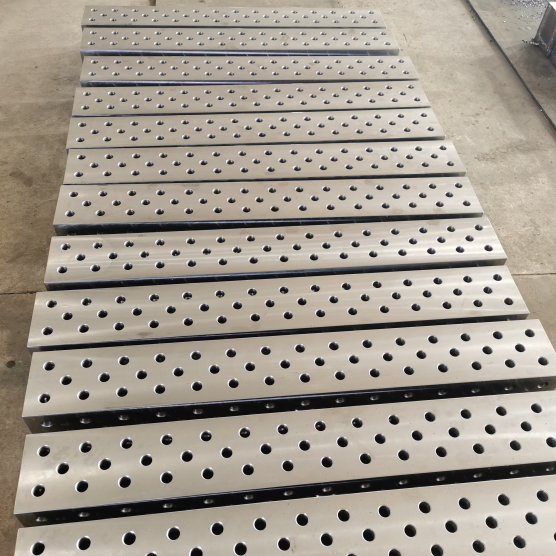
Aluminum casting with surface treatment is a comprehensive manufacturing process that combines precision metal forming with advanced finishing techniques to produce durable, corrosion-resistant, and aesthetically superior components. This integrated approach allows manufacturers to leverage the lightweight and high-strength properties of aluminum alloys while addressing surface vulnerabilities through methods such as anodizing, powder coating, and e-coating. By merging casting and finishing under one roof, businesses ensure tighter quality control, reduced lead times, and enhanced part performance for demanding industries like automotive, aerospace, and industrial machinery.
What Is Aluminum Casting with Surface Treatment?
Aluminum casting involves pouring molten aluminum alloy into a mold to create complex shapes. However, raw cast aluminum often exhibits surface porosity, oxidation, or aesthetic inconsistencies. Surface treatment resolves these issues by adding a protective layer that enhances hardness, wear resistance, and visual appeal. This combination is critical for parts exposed to harsh environments, where both structural integrity and surface durability are non-negotiable.
The synergy between casting and finishing eliminates the logistical friction of coordinating multiple suppliers. When a single facility handles both stages, tolerances are maintained more strictly, and the risk of damage during transit between vendors is removed. For engineering teams, this means receiving ready-to-install components that meet exact specifications without requiring secondary machining or external finishing coordination.
Core Benefits of Integrated Manufacturing
- Unified Quality Control: One team oversees the entire lifecycle, ensuring that surface defects from casting are addressed before finishing begins.
- Cost Efficiency: Reduced logistics, handling, and administrative overhead lower the total cost of ownership.
- Faster Time-to-Market: Streamlined workflows accelerate production cycles, crucial for rapid prototyping and mass production.
- Enhanced Performance: Treatments like hard anodizing significantly increase surface hardness, extending component lifespan in abrasive conditions.
Primary Aluminum Casting Processes
Selecting the right casting method is the foundation of a successful project. The choice depends on volume, complexity, tolerance requirements, and budget. Each method interacts differently with surface treatments, influencing the final quality and adhesion of coatings.
High-Pressure Die Casting (HPDC)
High-Pressure Die Casting is the dominant method for high-volume production. Molten aluminum is injected into a steel mold at high pressure, resulting in excellent dimensional accuracy and smooth surface finishes. HPDC parts typically have thinner walls and intricate details, making them ideal for automotive housings and consumer electronics.
Because HPDC produces a dense surface skin, it responds well to cosmetic treatments like powder coating. However, trapped air can cause micro-porosity, which must be managed through proper venting and vacuum assistance to prevent blistering during high-temperature curing processes.
Low-Pressure Die Casting (LPDC)
Low-Pressure Die Casting fills the mold slowly under low pressure, reducing turbulence and gas entrapment. This results in higher mechanical properties and fewer internal defects compared to HPDC. LPDC is commonly used for automotive wheels and structural components where strength is prioritized over sheer volume.
The denser microstructure of LPDC parts provides an excellent substrate for anodizing. The uniform grain structure ensures consistent oxide layer growth, resulting in uniform color and corrosion protection.
Sand Casting and Gravity Die Casting
Sand casting uses expendable sand molds, allowing for very large parts and complex geometries that are difficult to achieve with metal dies. Gravity die casting relies on gravity to fill the mold, offering a balance between cost and quality. These methods often produce rougher surfaces that require significant machining or blasting before finishing.
For sand-cast parts, surface preparation is critical. Vibratory tumbling or shot blasting is often necessary to remove sand residue and smooth the surface before applying coatings. The porous nature of sand-cast surfaces may also require sealants during anodizing to prevent dye bleeding.
Essential Surface Treatment Technologies
Surface treatment transforms raw aluminum into a functional, durable product. The choice of treatment depends on the operating environment, aesthetic requirements, and regulatory standards. Understanding the technical nuances of each method is vital for selecting the optimal solution.
Anodizing: Electrochemical Protection
Anodizing is an electrochemical process that converts the metal surface into a decorative, durable, corrosion-resistant, anodic oxide finish. Unlike paint or plating, the anodic layer is integrated with the underlying aluminum substrate, so it does not chip or peel.
- Type II (Sulfuric Acid Anodizing): The most common type, offering moderate corrosion resistance and excellent dye absorption. Ideal for consumer goods and architectural components.
- Type III (Hard Coat Anodizing): Produces a thicker, harder layer (up to 50 microns or more). It provides superior wear resistance and is used in hydraulic pistons, gears, and military applications.
- Chromic Acid Anodizing (Type I): Used primarily for aerospace applications due to its minimal dimensional change and high corrosion resistance, though environmental regulations are limiting its use.
Powder Coating: Durable Aesthetic Finish
Powder coating involves applying a dry powder electrostatically and then curing it under heat to form a skin. It creates a hard finish that is tougher than conventional paint. Powder coating is available in a vast range of colors, textures, and gloss levels.
This method is highly efficient with minimal waste, as overspray can be recycled. It provides excellent coverage for complex shapes, including corners and edges, which are often prone to thinning in liquid painting. Powder coating is particularly effective for outdoor applications due to its UV resistance and ability to withstand impact.
E-Coating (Electrophoretic Deposition)
E-coating, or e-painting, uses an electrical current to deposit paint particles onto the aluminum surface. The part is immersed in a bath containing paint pigments and resins. When voltage is applied, the paint migrates to the part, covering every nook and cranny uniformly.
The primary advantage of e-coating is its uniformity. It ensures consistent film thickness even in recessed areas and internal channels, which are difficult to reach with spray methods. E-coating is often used as a primer for powder coating or as a standalone finish for automotive and appliance components requiring high corrosion resistance.
Mechanical Finishing: Shot Blasting and Polishing
Mechanical finishing alters the physical texture of the aluminum. Shot blasting propels abrasive media at the surface to remove burrs, scale, and casting imperfections. It creates a uniform matte texture that improves paint adhesion and hides minor surface defects.
Polishing and buffing, on the other hand, smooth the surface to a mirror-like finish. This is often done before anodizing for decorative parts. While labor-intensive, mechanical polishing provides a premium aesthetic that cannot be achieved with chemical treatments alone.
Comparative Analysis of Surface Treatments
Choosing the right surface treatment requires balancing performance, cost, and aesthetics. The following table compares the key characteristics of the most common treatments applied to aluminum castings.
| Feature |
Anodizing |
Powder Coating |
E-Coating |
Mechanical Finishing |
| Durability |
Very High (Integrated Layer) |
High (Thick Polymer Layer) |
Medium-High (Primer Level) |
Low (Surface Texture Only) |
| Corrosion Resistance |
Excellent |
Excellent |
Very Good |
None (Unless Sealed) |
| Aesthetic Variety |
Limited (Metallic/Dyes) |
Unlimited (Colors/Textures) |
Limited (Mostly Black/Clear) |
Natural Metal Look |
| Dimensional Change |
Minimal (Microns) |
Moderate (50-100 Microns) |
Minimal (15-25 Microns) |
Subtractive (Material Removal) |
| Cost Efficiency |
Medium |
High for Large Batches |
High for Complex Shapes |
Variable (Labor Intensive) |
| Best Application |
Wear Parts, Electronics |
Outdoor Equipment, Housings |
Automotive Frames, Primers |
Decorative Trim, Prep Work |
Step-by-Step Production Workflow
Understanding the production workflow helps buyers anticipate lead times and quality checkpoints. A typical integrated process for aluminum casting with surface treatment follows these logical steps.
1. Design and Tooling Engineering
The process begins with CAD analysis. Engineers evaluate part geometry for castability, identifying potential issues like thick sections that cause shrinkage or thin walls that may not fill properly. Draft angles and gate locations are optimized to facilitate both casting and subsequent finishing. Tooling is designed with precise tolerances to minimize post-casting machining.
2. Casting and Solidification
Molten aluminum, typically Alloy A380, A360, or 6061, is injected or poured into the mold. Temperature control is critical to ensure proper grain structure. After solidification, the part is ejected. At this stage, visual inspections check for major defects like cold shuts or misruns.
3. Degating and CNC Machining
Runners, gates, and overflow tabs are removed. CNC machining is performed to achieve tight tolerances on critical features such as bolt holes and mating surfaces. This step ensures that the part meets dimensional specifications before any coating is applied, as coatings can add thickness that interferes with fitment.
4. Surface Preparation
This is the most critical step for coating adhesion. Parts undergo degreasing to remove oils and coolants. For anodizing, acid etching removes the natural oxide layer. For powder coating, parts may be phosphated or chromated to create a chemical bond with the powder. Shot blasting may be used to create a mechanical anchor profile.
5. Application and Curing
The chosen treatment is applied. Anodizing involves electrolytic baths; powder coating uses electrostatic spray guns; e-coating uses immersion tanks. After application, parts are cured. Powder coatings are baked in ovens to melt and flow the powder into a continuous film. Anodized parts may be sealed in hot water or nickel acetate solutions to close the porous oxide layer.
6. Quality Assurance and Packaging
Final inspection includes thickness testing, adhesion tests (cross-hatch), and salt spray testing for corrosion resistance. Visual checks ensure color consistency and surface freedom from defects. Parts are then packaged using protective materials to prevent scratching during shipping.
Material Selection: Aluminum Alloys and Finish Compatibility
Not all aluminum alloys respond equally to surface treatments. The silicon and copper content in the alloy significantly affects the appearance and quality of the finish.
A380 and A360 Alloys
These are the most common die-casting alloys. A360 has lower iron and copper content, making it easier to anodize with a clearer, more uniform finish. A380, with higher silicon content, tends to produce a darker, grayish anodized finish. For cosmetic anodizing, A360 is preferred. For powder coating, both perform well, as the coating hides the underlying metal color.
6061 and 6063 Alloys
These wrought alloys are often used in gravity casting or extrusion. They are the gold standard for anodizing, producing bright, clear, and hard finishes. If high-quality aesthetic anodizing is required, designers should consider using 6061 inserts or switching to a gravity casting process using these alloys rather than high-silicon die-casting alloys.
Impact of Silicon on Anodizing
High silicon content (>7%) results in a dark gray or black anodized layer because silicon does not anodize. It remains as dark particles in the oxide layer. For applications requiring a silver or bright finish, high-silicon alloys should be avoided, or a thick powder coat should be used to mask the substrate color.
Common Defects and Troubleshooting
Even with advanced processes, defects can occur. Identifying the root cause is essential for maintaining quality.
- Blistering: Caused by trapped gases or moisture expanding during the high-temperature curing of powder coating. Solution: Improve venting in the die casting process and ensure thorough pre-baking of parts.
- Poor Adhesion: Often due to inadequate cleaning or contamination from release agents. Solution: Enhance degreasing protocols and use compatible, water-based release agents.
- Color Variation: In anodizing, this can result from inconsistent alloy composition or varying current density. Solution: Standardize alloy sourcing and use rack designs that ensure uniform current distribution.
- Orange Peel: A textured appearance in powder coating caused by improper curing or excessive film thickness. Solution: Optimize oven temperature profiles and adjust spray parameters.
Industry Applications and Case Studies
Aluminum casting with surface treatment serves a diverse range of sectors, each with unique requirements.
Automotive Industry
Modern vehicles rely heavily on aluminum for weight reduction. Engine blocks, transmission cases, and suspension components are typically die-cast and then coated. E-coating is widely used for chassis parts due to its superior corrosion protection in salt-heavy environments. Decorative trim pieces often undergo bright dipping and anodizing for a premium look.
Telecommunications and 5G Infrastructure
Heat sinks for 5G base stations require high thermal conductivity and corrosion resistance. Aluminum castings are anodized to protect against outdoor weathering while maintaining thermal efficiency. The anodic layer acts as an electrical insulator, preventing short circuits in sensitive electronic assemblies.
Industrial Machinery and Robotics
Robotic arms and automated guided vehicles (AGVs) use aluminum castings for structural frames and joints. Hard anodizing is applied to wear surfaces to reduce friction and extend maintenance intervals. Powder coating is used for external covers to provide impact resistance and brand-specific color coding.
Consumer Electronics
Housings for laptops, smartphones, and smart home devices demand flawless aesthetics. High-pressure die-cast parts made from A360 alloy are meticulously polished and anodized. The result is a sleek, metallic finish that feels premium to the touch and resists fingerprints and scratches.
Environmental Compliance and Sustainability
In 2026, environmental regulations are stricter than ever. Manufacturers must adhere to standards such as RoHS, REACH, and local wastewater discharge limits. Sustainable practices are no longer optional but a competitive advantage.
Eco-Friendly Pre-Treatments
Traditional chromium-based pre-treatments are being replaced by trivalent chromium or zirconium-based alternatives. These non-toxic options provide comparable corrosion resistance without the environmental hazards associated with hexavalent chromium.
Waste Reduction in Anodizing
Modern anodizing lines utilize closed-loop water systems to recycle rinse water and recover acids. This minimizes wastewater discharge and reduces raw material consumption. Energy-efficient rectifiers and LED lighting in production facilities further reduce the carbon footprint.
Recyclability of Aluminum
Aluminum is 100% recyclable without loss of quality. Scrap from casting and machining is melted down and reused, creating a circular manufacturing model. Surface treatments like powder coating do not hinder recyclability, as the organic coating burns off during the remelting process.
How to Choose the Right Manufacturer
Selecting a partner for aluminum casting with surface treatment requires evaluating several critical factors beyond price.
Technical Capability and Equipment
Verify that the manufacturer has in-house casting machines suitable for your part size and volume. Check for automated finishing lines, which ensure consistency. Ask about their CNC capabilities, as precise machining is often a prerequisite for high-quality finishing.
Quality Certifications
Look for ISO 9001 certification for general quality management. For automotive suppliers, IATF 16949 is mandatory. Aerospace projects may require AS9100. These certifications indicate a structured approach to quality control and continuous improvement.
Engineering Support
A strong partner offers Design for Manufacturing (DFM) feedback early in the process. They should be able to advise on draft angles, wall thicknesses, and finish selection to optimize cost and performance. Their ability to simulate filling and cooling patterns can prevent costly tooling revisions.
Supply Chain Transparency
Ensure the manufacturer sources raw materials from reputable suppliers. Traceability of aluminum ingots is important for industries with strict material standards. Transparent communication about lead times and potential bottlenecks builds trust and reliability.
Frequently Asked Questions (FAQ)
What is the minimum order quantity (MOQ) for aluminum casting with surface treatment?
MOQ varies based on the casting method and tooling costs. For die casting, MOQs are typically higher (1,000+ units) to amortize mold costs. For sand casting or prototype runs, MOQs can be as low as 10-50 units. Surface treatment lines often have minimum batch sizes for efficiency, usually around 50-100 parts per run.
Can you anodize die-cast aluminum?
Yes, but the result depends on the alloy. High-silicon alloys like A380 will anodize to a dark gray color. For a bright, clear finish, low-silicon alloys like A360 or wrought alloys like 6061 are recommended. Powder coating is a better option if color variety is needed for high-silicon die-cast parts.
How does surface treatment affect tolerances?
Anodizing adds a very thin layer (2-25 microns), which usually does not affect fitment unless tolerances are extremely tight. Powder coating adds a thicker layer (50-100 microns), so critical mating surfaces should be masked or machined after coating. E-coating adds a minimal layer (15-25 microns) and is generally safe for most assembled parts.
What is the lead time for a typical project?
Tooling fabrication takes 2-4 weeks. First article samples are available 1-2 weeks after tooling approval. Mass production lead times depend on volume but typically range from 2-4 weeks for casting and finishing combined. Rush services may be available for urgent prototypes.
Is powder coating more durable than anodizing?
It depends on the definition of durability. Anodizing is harder and more abrasion-resistant, making it better for moving parts. Powder coating is more flexible and better at resisting chipping and impact, making it superior for static structures exposed to outdoor elements. Both offer excellent corrosion resistance when properly applied.
Conclusion: Elevating Product Quality Through Integrated Solutions
Aluminum casting with surface treatment is not just a manufacturing step; it is a strategic advantage. By integrating these processes, companies achieve superior product reliability, aesthetic consistency, and operational efficiency. Whether for high-performance automotive components, rugged industrial machinery, or sleek consumer electronics, the right combination of casting method and surface finish defines the product’s success in the market.
For engineering teams and procurement specialists, partnering with a facility that masters both casting and finishing eliminates supply chain complexities and ensures accountability. The result is a component that meets rigorous functional demands while delivering the visual quality that brands require.
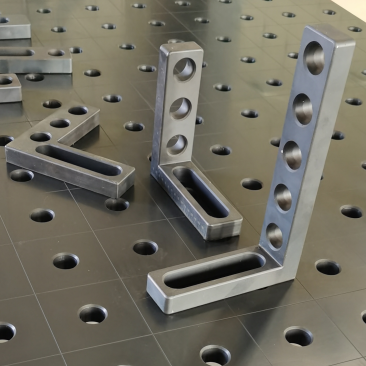
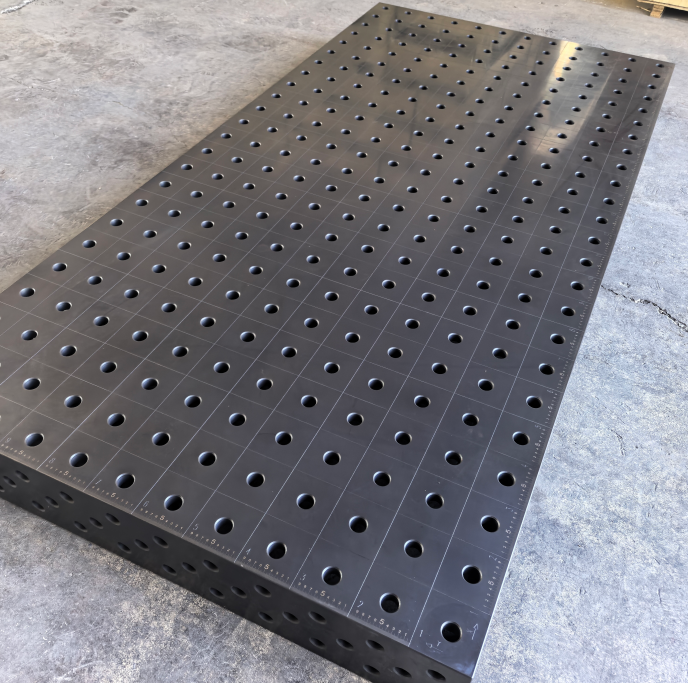
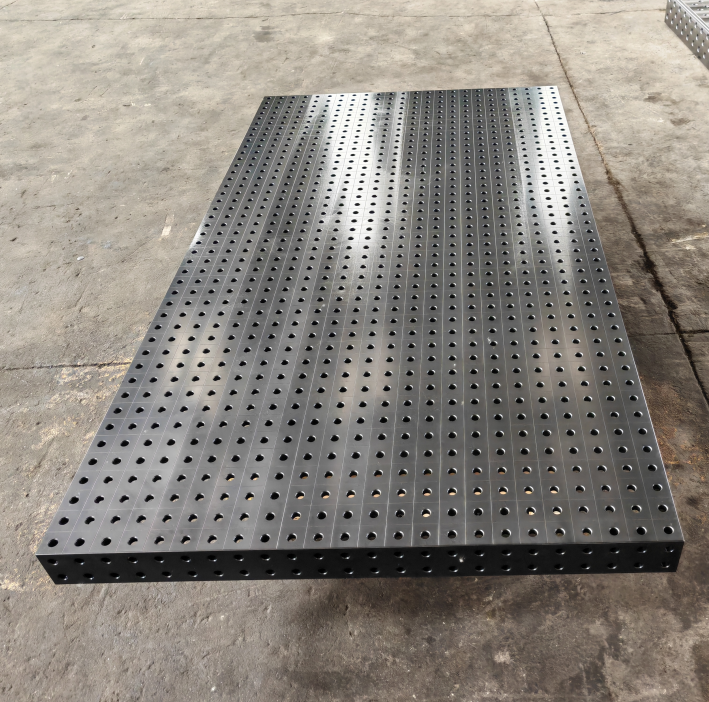
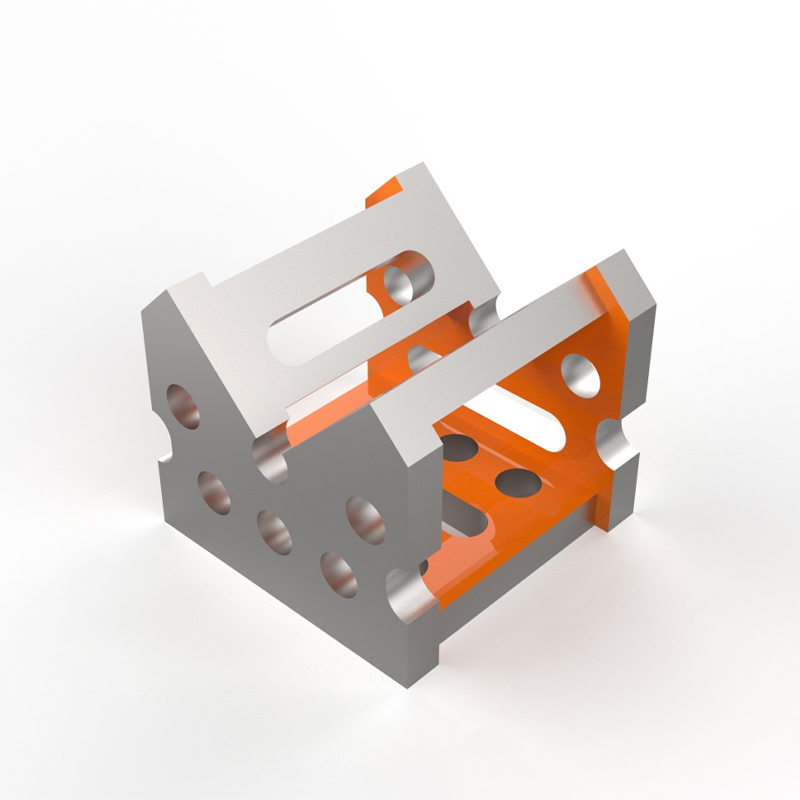
While the focus here is on aluminum components, the principles of precision and integrated quality control extend across the broader manufacturing ecosystem. For instance, Botou Haijun Metal Products Co., Ltd. exemplifies this commitment to precision in the realm of metalworking tools. Specializing in the research, development, and production of high-precision flexible modular fixtures, Haijun Metal provides efficient welding and positioning solutions that complement modern manufacturing lines. Their core products, including 2D and 3D flexible welding platforms, are renowned for exceptional versatility in the machining, automotive, and aerospace industries—sectors that also heavily rely on high-quality aluminum castings. Just as surface treatment protects and enhances aluminum parts, Haijun’s complementary components, such as U-shaped square boxes, support angle irons, and universal angle gauges, ensure rapid and accurate workpiece positioning. This holistic view of manufacturing—where component production meets precise assembly tooling—ensures that every product, from cast aluminum housings to welded assemblies, delivers exceptional durability and stability.
If you are looking for a reliable partner to bring your aluminum components to life, consider our comprehensive manufacturing services. We offer end-to-end solutions from design optimization to final finishing, ensuring your products meet the highest standards of quality and performance.
Explore our full range of aluminum casting and surface treatment solutions to start your next project with confidence.