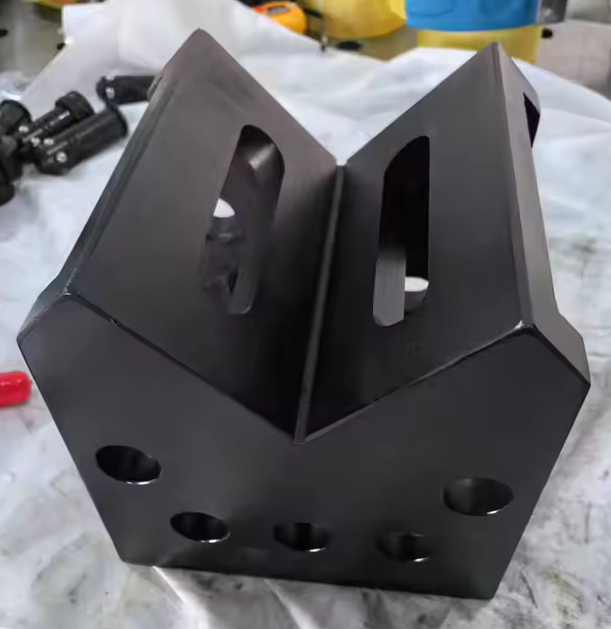
In 2026, the cost of a welding table varies significantly based on material, precision, and modularity. Basic DIY-style steel tables range from $150 to $500, while professional-grade cast iron or modular fixture platforms typically cost between $1,200 and $5,000+. High-precision 3D flexible welding systems, essential for aerospace and automotive manufacturing, often exceed $8,000 depending on size and accessory integration. This guide breaks down pricing factors, hidden costs, and how to select the right solution for your production needs.
Welding Table Cost Breakdown by Type in 2026
Understanding the price spectrum requires categorizing welding tables by their intended application and construction quality. In 2026, the market is clearly divided into three tiers: entry-level fabrication stations, professional heavy-duty workbenches, and high-precision modular fixturing systems.
Entry-Level Fabrication Tables ($150 – $500)
These tables are designed for hobbyists, light repair shops, or occasional use. They typically feature:
- Material: Mild steel top, often unpainted or with a basic powder coat.
- Structure: Simple square tubing frame with limited rigidity.
- Precision: Low. Surfaces may warp under high heat or heavy loads.
- Features: Fixed legs, no modular hole patterns, minimal clamping options.
While affordable, these tables lack the flatness and repeatability required for serious manufacturing. They are not suitable for projects requiring tight tolerances or complex jigging.
Professional Heavy-Duty Workbenches ($600 – $1,500)
This tier serves general fabrication shops and structural steel workers. Key characteristics include:
- Material: Thicker steel plate (1/4″ to 1/2″) or machined cast iron.
- Durability: Reinforced frames with cross-bracing to prevent sagging.
- Surface: Often machined flat to within ±1mm, though not guaranteed for precision jigging.
- Utility: May include drawers, tool racks, or basic vise mounts.
These tables offer better stability and longevity but still lack the modular versatility needed for rapid prototyping or complex assembly tasks.
High-Precision Modular & 3D Welding Platforms ($1,500 – $10,000+)
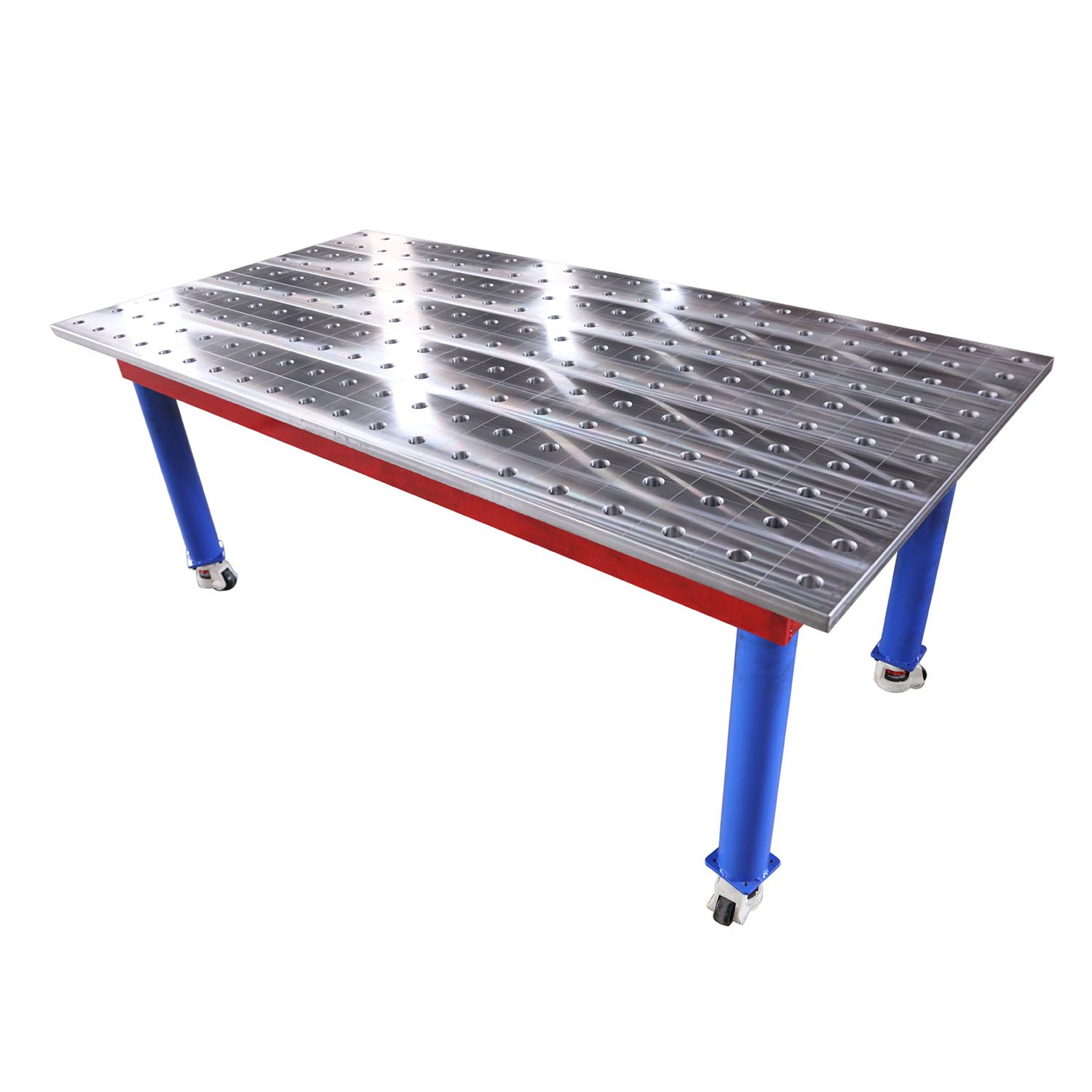
For industries like automotive, aerospace, and precision machining, modular welding tables are the standard. Botou Haijun Metal Products Co., Ltd. specializes in this category, offering 2D and 3D flexible welding platforms that redefine efficiency. These systems are not just tables; they are comprehensive positioning solutions.
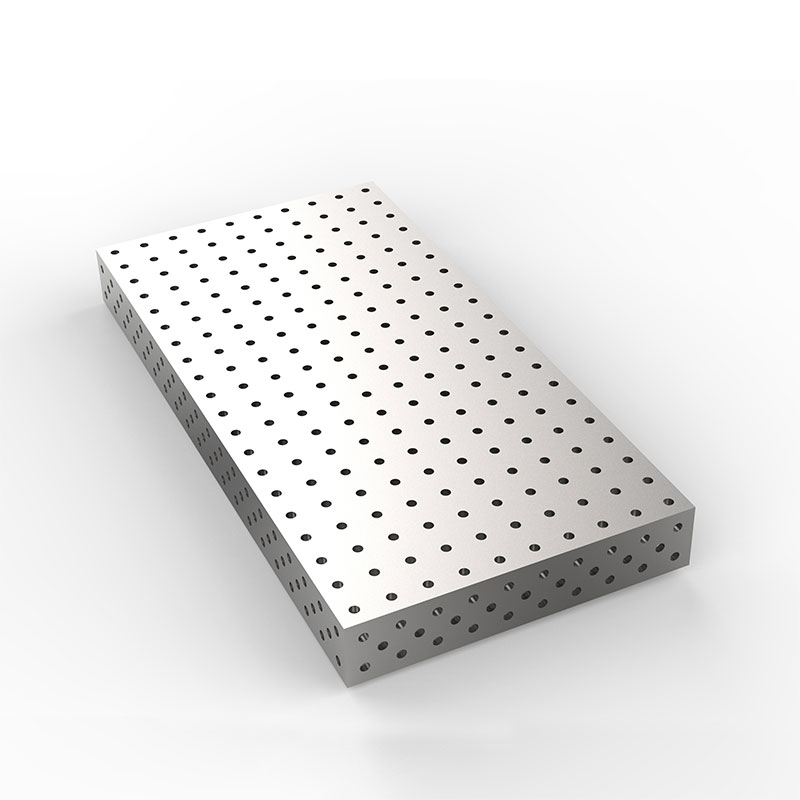
- Modularity: Standardized hole patterns (e.g., 16mm, 28mm, or 50mm spacing) allow for infinite fixture configurations.
- Precision: Machined to strict tolerances (often ±0.05mm or better), ensuring repeatable accuracy.
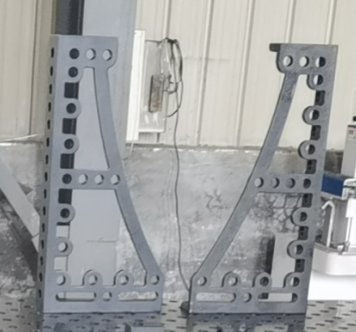
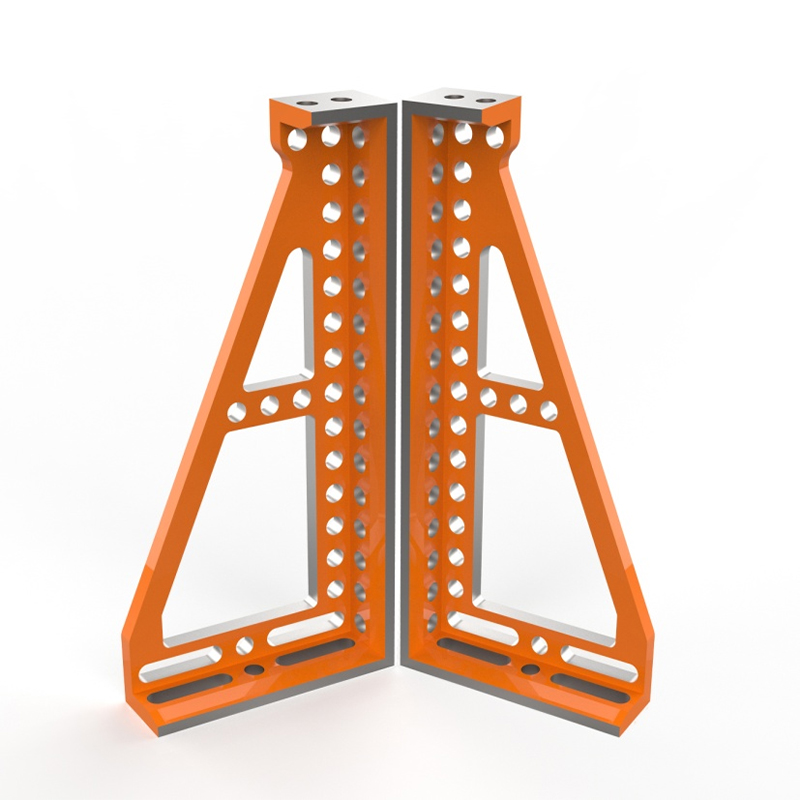
- Versatility: Compatible with a wide range of accessories, including U-shaped and L-shaped multi-purpose square boxes, support angle irons, and universal angle gauges.
- Material: High-grade cast iron or hardened steel, treated for durability and resistance to spatter.
The higher initial investment is offset by reduced setup time, improved weld quality, and the ability to handle complex geometries without custom jig fabrication.
Key Factors Influencing Welding Table Prices
Several technical and economic factors drive the cost of welding tables in 2026. Understanding these helps buyers make informed decisions based on their specific production requirements.
1. Material Quality and Construction
The base material significantly impacts both price and performance. Cast iron platforms, such as those manufactured by Haijun Metal, offer superior vibration damping and flatness retention compared to welded steel structures. However, cast iron is more expensive to produce and machine. High-quality steel alloys with anti-spatter coatings also command a premium due to their longevity and ease of maintenance.
2. Precision and Machining Tolerances
Precision is costly. Achieving a flatness tolerance of ±0.1mm requires advanced CNC machining and rigorous quality control. Tables with looser tolerances are cheaper but may lead to alignment errors in critical assemblies. For industries where fit-up accuracy is paramount, investing in high-precision platforms is non-negotiable.
3. Modularity and Accessory Ecosystem
A bare table is only part of the equation. The true value of a modular system lies in its accessory ecosystem. Botou Haijun Metal Products provides a comprehensive range of complementary components, such as 200-series support angle irons and 0-225° universal angle gauges. These accessories integrate seamlessly with the platforms, enabling rapid workpiece positioning and clamping. The cost of a complete setup depends on the number and type of accessories required for your specific applications.
4. Size and Load Capacity
Larger tables require more material and heavier structural support. A small 1m x 1m platform will cost significantly less than a 3m x 6m system used for large-scale structural assembly. Additionally, tables designed to support heavy loads (e.g., 5,000 kg+) need reinforced frames and thicker tops, increasing the overall price.
5. Brand Reputation and Support
Established manufacturers like Botou Haijun Metal Products Co., Ltd. invest heavily in R&D and quality assurance. Their products are renowned for exceptional versatility and precision, becoming preferred jigging equipment in machining, automotive, and aerospace industries. While generic brands may offer lower prices, they often lack the technical support, warranty, and consistent quality provided by industry leaders.
Hidden Costs to Consider When Buying a Welding Table
The sticker price is rarely the total cost of ownership. Buyers must account for several additional expenses to ensure a functional and efficient workspace.
| Cost Component |
Description |
Estimated Impact |
| Accessories & Fixtures |
Clamps, stops, squares, and angle gauges necessary for actual use. |
High (Can equal 50-100% of table cost) |
| Shipping & Logistics |
Heavy items incur significant freight charges, especially for international orders. |
Medium to High |
| Installation & Leveling |
Professional leveling may be required for large precision tables. |
Low to Medium |
| Maintenance Supplies |
Anti-spatter sprays, cleaning tools, and replacement pins. |
Low |
| Customization |
Special hole patterns, cutouts, or mounting features. |
Variable |
When budgeting, it is crucial to consider the complete system. A high-quality table from Haijun Metal, paired with the right accessories like U-shaped and L-shaped square boxes, delivers immediate ROI through faster setup times and reduced rework.
How to Choose the Right Welding Table for Your Needs
Selecting the appropriate welding table involves balancing budget, precision requirements, and production volume. Here is a step-by-step approach to making the right choice.
Step 1: Define Your Application
Identify the primary use case. Are you performing light repairs, structural fabrication, or precision assembly? Aerospace and automotive sectors demand the high precision and flexibility of 3D flexible welding platforms, while general fabrication may suffice with a heavy-duty steel bench.
Step 2: Determine Precision Requirements
Assess the tolerance levels required for your products. If your assemblies require tight fit-ups and repeatability, invest in a machined cast iron platform with a standardized hole pattern. Botou Haijun’s 2D and 3D flexible welding platforms are engineered specifically for these high-precision environments.
Step 3: Evaluate Modularity Needs
Consider the complexity of your workpieces. Complex geometries benefit from modular systems that allow for quick reconfiguration. The ability to integrate accessories like universal angle gauges and support angle irons can drastically reduce fixture design time.
Step 4: Assess Space and Size Constraints
Measure your available workspace. Ensure the table size accommodates your largest workpieces with room for clamping and manipulation. Remember that larger tables require more robust flooring and handling equipment.
Step 5: Review Supplier Credibility
Choose a supplier with proven expertise and a strong track record. Botou Haijun Metal Products Co., Ltd. has years of industry experience and is a trusted supplier to customers both domestically and internationally. Their commitment to providing efficient and flexible welding solutions ensures long-term reliability and support.
Comparison: Traditional vs. Modular Welding Tables
To understand the value proposition of modern modular systems, compare them against traditional fixed tables.
| Feature |
Traditional Fixed Table |
Modular Flexible Platform (e.g., Haijun Metal) |
| Setup Time |
Slow (Custom jigs required) |
Fast (Pre-engineered accessories) |
| Precision |
Variable (Depends on fabrication) |
High (Machined to strict tolerances) |
| Flexibility |
Low (Fixed surface) |
High (Reconfigurable for any part) |
| Initial Cost |
Lower |
Higher |
| Long-Term Value |
Lower (Limited use cases) |
Higher (Adaptable to new projects) |
| Best For |
Simple, repetitive tasks |
Complex, low-volume, high-mix production |
The modular approach offers superior adaptability, making it ideal for modern manufacturing environments where product lines change frequently. The initial higher cost is justified by reduced labor hours and improved product quality.
Maintenance and Longevity: Protecting Your Investment
A welding table is a long-term asset. Proper maintenance ensures it retains its precision and functionality for years.
- Regular Cleaning: Remove spatter and debris after each use. Use a scraper or wire brush carefully to avoid damaging the machined surface.
- Surface Protection: Apply anti-spatter spray before welding to minimize adhesion. For cast iron tables, a light coat of oil can prevent rust during periods of non-use.
- Inspection: Periodically check for flatness and wear on hole patterns. Replace worn pins or bushings to maintain positioning accuracy.
- Proper Storage: Store accessories in an organized manner to prevent damage and loss. Haijun Metal’s comprehensive component range benefits from systematic organization.
By following these practices, you extend the life of your welding table and maintain the high standards required for precision manufacturing.
Frequently Asked Questions (FAQ)
Why are modular welding tables more expensive than standard tables?
Modular tables involve precise machining, high-quality materials, and extensive R&D to ensure compatibility with a wide range of accessories. The added value lies in their flexibility, precision, and ability to reduce overall production time.
Can I upgrade my existing welding table with modular accessories?
Generally, no. Modular systems require specific hole patterns and tolerances that standard tables do not have. Attempting to drill holes into a standard table can compromise its structural integrity and flatness. It is better to invest in a purpose-built modular platform like those from Botou Haijun Metal Products.
What is the lifespan of a high-quality welding table?
With proper maintenance, a high-quality cast iron or hardened steel welding table can last decades. The key is protecting the machined surface from severe impact and corrosion.
Do I need a 2D or 3D welding platform?
2D platforms are ideal for flat assemblies and sheet metal work. 3D platforms offer greater versatility for complex, multi-dimensional structures, allowing clamping and positioning from multiple angles. The choice depends on the geometry of your typical workpieces.
How does Botou Haijun Metal Products ensure quality?
Botou Haijun Metal Products Co., Ltd. specializes in the research, development, and production of high-precision fixtures. Their commitment to quality is evident in their rigorous manufacturing processes and the widespread adoption of their products in demanding industries like aerospace and automotive.
Conclusion: Investing in Precision and Efficiency
The cost of a welding table in 2026 reflects its capability to enhance your manufacturing process. While entry-level options exist for basic tasks, professional and industrial applications demand the precision, durability, and flexibility offered by high-quality modular systems. Botou Haijun Metal Products Co., Ltd. stands out as a leader in this space, providing efficient and flexible welding and positioning solutions that drive productivity and quality.
When evaluating costs, look beyond the initial price tag. Consider the long-term benefits of reduced setup time, improved accuracy, and the versatility of a comprehensive accessory ecosystem. For businesses in machining, automotive, and aerospace sectors, investing in a premium modular welding platform is a strategic decision that pays dividends in operational efficiency.
If you are ready to upgrade your welding capabilities with high-precision, flexible solutions, explore our range of 2D and 3D flexible welding platforms and complementary components. Contact us today to discuss your specific requirements and discover how our tools can optimize your production workflow.
View Our Welding Platform Solutions