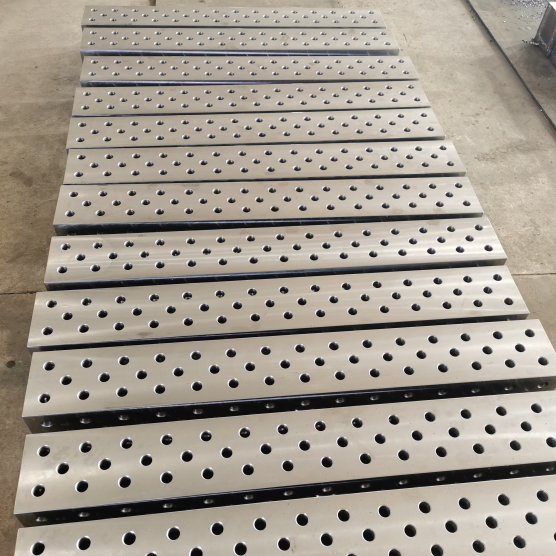
Valve aluminum castings are precision-engineered components manufactured using advanced casting techniques to ensure durability, corrosion resistance, and precise fluid control in industrial systems. As a specialized manufacturer, we provide custom OEM solutions for gate, globe, ball, and butterfly valves, utilizing high-grade aluminum alloys such as A356 and A380. Our processes, including high-pressure die casting and sand casting, meet rigorous international standards like ISO 9001 and ANSI, delivering leak-proof performance for water treatment, oil and gas, and HVAC applications.
Precision Engineering in Valve Aluminum Castings
The integrity of any fluid control system relies heavily on the quality of its valve bodies and internal components. Valve aluminum castings serve as the structural backbone for these critical devices, determining their pressure ratings, thermal stability, and lifespan. Unlike generic metal parts, aluminum valve components require specific metallurgical properties to withstand dynamic stress cycles and corrosive environments.
In modern industrial manufacturing, the shift toward aluminum alloys is driven by the need for lightweight yet robust solutions. Aluminum offers an exceptional strength-to-weight ratio, reducing the overall load on piping systems and supporting structures. This is particularly vital in large-scale infrastructure projects where every kilogram counts towards installation efficiency and long-term operational costs.
Our approach to manufacturing valve aluminum castings integrates material science with precision engineering. We do not simply pour metal into molds; we engineer the microstructure of the alloy to minimize porosity and maximize tensile strength. This ensures that each casting can handle the rigorous demands of high-pressure fluids without compromising structural integrity.
Why Aluminum Alloys Dominate Valve Manufacturing
Aluminum alloys are preferred in valve manufacturing due to their unique combination of mechanical and chemical properties. The primary advantage lies in their natural resistance to oxidation. When exposed to air, aluminum forms a thin, protective oxide layer that prevents further corrosion. This passive layer is crucial for valves used in water distribution and chemical processing, where rust and degradation can lead to catastrophic failures.
- Corrosion Resistance: Ideal for handling water, steam, and mild chemicals without extensive coating requirements.
- Thermal Conductivity: Aluminum dissipates heat efficiently, preventing hot spots in high-temperature applications.
- Machinability: The material allows for tight tolerances during CNC machining, ensuring perfect seat alignment and sealing.
- Recyclability: Aluminum is 100% recyclable, aligning with sustainable manufacturing practices and reducing environmental impact.
These characteristics make aluminum the material of choice for a wide range of valve types, from simple check valves to complex control valves used in automation systems. The ability to customize alloy compositions further enhances performance, allowing engineers to tailor materials for specific operational environments.
Manufacturing Processes for High-Quality Valve Castings
The production of valve aluminum castings involves several distinct methodologies, each selected based on the complexity of the valve design, required volume, and performance specifications. Understanding these processes is essential for buyers seeking to match manufacturing capabilities with their project needs.
High-Pressure Die Casting (HPDC)
High-pressure die casting is the predominant method for mass-producing complex valve bodies with thin walls and intricate details. In this process, molten aluminum is injected into a steel mold at high speed and pressure. This technique ensures excellent surface finish and dimensional accuracy, reducing the need for secondary machining.
HPDC is particularly effective for creating net-shape or near-net-shape components. For valve manufacturers, this means reduced material waste and lower production costs per unit. The rapid cooling rate associated with HPDC also results in a fine grain structure, which enhances the mechanical properties of the final casting. However, it requires significant upfront investment in tooling, making it most suitable for high-volume orders.
Sand Casting for Large and Complex Valves
For larger valve bodies or low-volume production runs, sand casting remains the industry standard. This method uses silica sand mixed with bonding agents to create molds. While the surface finish may not be as smooth as die casting, sand casting offers unparalleled flexibility in terms part size and geometry.
Sand casting is ideal for producing heavy-duty industrial valves used in oil and gas pipelines. It allows for the use of thicker wall sections and can accommodate internal cores for complex flow paths. The process is slower than die casting but provides superior structural integrity for high-pressure applications where wall thickness is critical.
Investment Casting for Precision Components
Investment casting, or lost-wax casting, is employed when extreme precision and smooth surface finishes are required. This process involves creating a wax pattern of the valve component, coating it with ceramic, and then melting out the wax to leave a hollow mold. Molten aluminum is then poured into the ceramic shell.
This method is often used for smaller, intricate valve parts such as trim components, stems, and connectors. Investment casting minimizes machining time and produces parts with excellent dimensional stability. It is particularly valuable in industries like pharmaceuticals and food processing, where hygiene and smooth surfaces are paramount to prevent bacterial growth.
| Process | Best For | Tolerance Level | Surface Finish | Volume Suitability |
| High-Pressure Die Casting | Complex, thin-wall bodies | ±0.1 mm | Excellent | High Volume |
| Sand Casting | Large, heavy-duty valves | ±0.5 mm | Moderate | Low to Medium |
| Investment Casting | Intricate trim parts | ±0.05 mm | Superior | Medium Volume |
Material Selection: Choosing the Right Aluminum Alloy
Selecting the correct aluminum alloy is a critical decision in valve manufacturing. Different alloys offer varying levels of strength, ductility, and corrosion resistance. The two most commonly used series for valve castings are the 3xx series (Al-Si-Mg) and the 4xx series (Al-Si).
A356 Aluminum Alloy
A356 is a premium aluminum-silicon-magnesium alloy widely recognized for its excellent castability and mechanical properties. It is heat-treatable, which allows manufacturers to enhance its strength through T6 tempering. A356 is the go-to choice for high-performance valves requiring high pressure ratings and impact resistance.
This alloy exhibits low shrinkage during solidification, reducing the risk of hot tears and cracks. Its magnesium content contributes to strain hardening, making it suitable for dynamic applications where the valve undergoes frequent opening and closing cycles. A356 castings are commonly found in aerospace, automotive, and high-end industrial valve applications.
A380 Aluminum Alloy
A380 is the most popular die-casting alloy due to its superior fluidity and pressure tightness. It contains higher levels of silicon and copper, which improve its ability to fill complex mold cavities quickly. While it is not as strong as A356 after heat treatment, A380 offers excellent machinability and wear resistance.
This alloy is ideal for general-purpose valves where cost-effectiveness and production speed are priorities. It performs well in moderate pressure and temperature environments, making it a standard choice for HVAC systems, water pumps, and general plumbing fixtures. The copper content enhances hardness, providing better resistance to erosion from flowing fluids.
Comparison of Common Valve Alloys
| Alloy | Primary Elements | Tensile Strength (MPa) | Key Advantage | Typical Application |
| A356 | Si, Mg | 260-300 (T6) | High Strength & Toughness | High-pressure industrial valves |
| A380 | Si, Cu, Fe | 310-330 | Fluidity & Machinability | General purpose & HVAC valves |
| A360 | Si, Mg | 290-310 | Corrosion Resistance | Marine & chemical environments |
Quality Control and Industry Standards
In the realm of industrial valve manufacturing, quality control is non-negotiable. A single defect in a valve casting can lead to leaks, system failures, and safety hazards. Therefore, adhering to strict international standards and implementing rigorous testing protocols is essential for maintaining trust and reliability.
Adherence to International Standards
Our manufacturing processes comply with globally recognized standards such as ISO 9001 for quality management systems. Additionally, valve castings are designed to meet specific industry specifications, including:
- ANSI/ASME B16.34: Standard for flanged, threaded, and welding end steel valves.
- API 6D: Specification for pipeline valves used in the petroleum and natural gas industries.
- ASTM B26/B26M: Standard specification for aluminum-alloy sand castings.
- ISO 5208: Standard for pressure testing of metallic valves.
Compliance with these standards ensures that our valve aluminum castings are compatible with global piping systems and meet the safety requirements of various regulatory bodies. It also facilitates easier integration into international supply chains, reducing barriers for cross-border trade.
Non-Destructive Testing (NDT) Methods
To detect internal and surface defects without damaging the casting, we employ several Non-Destructive Testing (NDT) methods. These techniques provide a comprehensive assessment of the casting’s integrity.
X-Ray Inspection: This method allows us to visualize the internal structure of the casting. It is highly effective in identifying porosity, shrinkage cavities, and inclusions that may not be visible on the surface. X-ray inspection is critical for high-pressure valves where internal voids could compromise safety.
Dye Penetrant Testing (PT): Used to detect surface-breaking defects such as cracks and laps. A liquid dye is applied to the surface, which penetrates into any open flaws. After cleaning, a developer is applied to draw the dye out, making the defects visible under UV light. This is a standard procedure for all valve bodies before machining.
Pressure Testing: Every valve body undergoes hydrostatic or pneumatic pressure testing to verify its leak-tightness. The casting is subjected to pressures higher than its rated working pressure to ensure it can withstand operational stresses without failure. This step is mandatory for certifying valves for industrial use.
Custom OEM Solutions for Valve Applications
Every industrial application presents unique challenges, from extreme temperatures to aggressive chemical media. Off-the-shelf valve solutions often fail to address these specific needs effectively. Our custom OEM services allow clients to tailor valve aluminum castings to their exact specifications, ensuring optimal performance and longevity.
Design and Prototyping Support
Our engineering team works closely with clients from the conceptual stage to final production. Using advanced CAD software and simulation tools, we optimize valve designs for manufacturability and performance. Computational Fluid Dynamics (CFD) analysis helps us predict flow patterns and identify potential areas of turbulence or erosion within the valve body.
Rapid prototyping services enable clients to validate designs before committing to full-scale production. We utilize 3D printing technologies to create functional prototypes for testing fit, form, and function. This iterative process reduces development time and minimizes the risk of costly design errors during mass production.
Surface Treatment and Coatings
While aluminum naturally resists corrosion, additional surface treatments can enhance its performance in harsh environments. We offer a range of finishing options to meet specific application requirements:
- Anodizing: An electrochemical process that thickens the natural oxide layer, providing superior corrosion resistance and wear protection. It also allows for color coding of valves for easy identification.
- Powder Coating: A durable finish that provides a uniform, aesthetically pleasing surface. Powder coating is resistant to chipping, scratching, and fading, making it ideal for outdoor installations.
- Epoxy Coating: Specifically designed for water and wastewater applications, epoxy coatings provide a barrier against microbial induced corrosion and chemical attack.
These treatments not only protect the valve but also extend its service life, reducing maintenance frequency and total cost of ownership for end-users.
Key Applications of Valve Aluminum Castings
Valve aluminum castings are versatile components used across a broad spectrum of industries. Their lightweight nature, corrosion resistance, and mechanical strength make them suitable for diverse operational environments.
Water and Wastewater Treatment
In water treatment facilities, valves are constantly exposed to moisture and varying pH levels. Aluminum castings, particularly those treated with epoxy coatings, offer excellent resistance to rust and scaling. They are commonly used in gate valves and butterfly valves for controlling flow in large-diameter pipelines. The lightweight nature of aluminum simplifies installation and maintenance in underground or elevated piping systems.
Oil and Gas Industry
The oil and gas sector demands valves that can withstand high pressures and potentially corrosive substances. While steel is often used for extreme conditions, aluminum alloys like A356 are preferred for upstream and midstream applications where weight reduction is beneficial. Aluminum valve bodies are used in instrumentation lines, sampling systems, and low-to-medium pressure transport pipelines. Their non-sparking property is also a safety advantage in explosive environments.
HVAC and Refrigeration
Heating, Ventilation, and Air Conditioning (HVAC) systems rely on precise flow control to maintain comfortable indoor environments. Aluminum’s high thermal conductivity makes it an ideal material for valves in refrigeration cycles. Ball valves and check valves made from aluminum castings are standard in chillers, heat exchangers, and air handling units. Their ability to resist condensation-induced corrosion ensures reliable operation over many years.
Automotive and Transportation
In the automotive industry, weight reduction is a key driver for fuel efficiency and electric vehicle range. Aluminum valve castings are used in engine cooling systems, fuel lines, and air conditioning units. The precision of die-cast aluminum allows for compact, integrated valve designs that save space and reduce assembly complexity. As the transportation sector evolves, the demand for high-quality aluminum valve components continues to grow.
Common Challenges and Solutions in Aluminum Casting
Despite its advantages, aluminum casting presents certain challenges that must be managed to ensure product quality. Understanding these issues helps in selecting the right manufacturing partner and specifying appropriate quality controls.
Porosity and Gas Entrapment
Porosity is one of the most common defects in aluminum castings, caused by trapped gas or shrinkage during solidification. Gas porosity occurs when hydrogen dissolved in the molten aluminum forms bubbles as the metal cools. Shrinkage porosity happens when the metal contracts unevenly, creating voids.
Solution: Proper degassing of molten aluminum and optimized gating systems are essential to minimize gas entrapment. Using vacuum-assisted die casting can significantly reduce porosity levels. Additionally, designing uniform wall thicknesses helps prevent shrinkage defects by ensuring even cooling rates.
Hot Tearing and Cracking
Hot tearing occurs when the casting is constrained during solidification, leading to stress concentrations that exceed the material’s strength at high temperatures. This is more prevalent in alloys with wide freezing ranges.
Solution: Modifying the alloy composition with grain refiners can improve hot strength. Designing molds with adequate flexibility and using proper riser placement allows the casting to shrink freely without developing cracks. Controlled cooling rates also help mitigate thermal stresses.
Machining Difficulties
While aluminum is generally easy to machine, certain alloys can be gummy or abrasive, leading to tool wear and poor surface finishes. Incorrect machining parameters can also cause deformation in thin-walled valve bodies.
Solution: Selecting the right cutting tools and speeds is crucial. Using sharp, coated carbide tools and appropriate coolants ensures clean cuts and extends tool life. Fixturing strategies that support the valve body during machining prevent distortion and maintain dimensional accuracy.
How to Choose the Right Valve Aluminum Casting Manufacturer
Selecting a reliable manufacturer is critical to the success of your project. With numerous suppliers available, distinguishing between capable partners and mediocre ones requires careful evaluation. Here are key factors to consider when choosing a supplier for valve aluminum castings.
Technical Capability and Equipment
Assess the manufacturer’s technical infrastructure. Do they have modern die-casting machines with real-time monitoring capabilities? Is their machining center equipped with multi-axis CNC machines for complex geometries? A manufacturer with advanced equipment is better positioned to deliver consistent quality and handle complex OEM requirements.
Quality Assurance Systems
Inquire about their quality control processes. A reputable manufacturer will have a dedicated QA department and established protocols for incoming material inspection, in-process monitoring, and final product testing. Look for certifications such as ISO 9001 and evidence of regular audits. Ask for sample inspection reports to verify their attention to detail.
Engineering Support and Communication
Effective communication is vital for custom projects. The manufacturer should have engineering staff who can speak your language, both literally and technically. They should be able to provide Design for Manufacturability (DFM) feedback, suggesting improvements to reduce costs and enhance performance. Responsive customer service ensures that issues are addressed promptly, keeping your project on schedule.
Supply Chain Stability
Evaluate the manufacturer’s supply chain resilience. Do they source raw materials from reputable suppliers? Do they have contingency plans for material shortages or logistical disruptions? A stable supply chain ensures consistent delivery times and protects your production schedule from external shocks.
Frequently Asked Questions (FAQ)
What is the difference between A356 and A380 aluminum alloys for valves?
A356 offers higher tensile strength and better impact resistance after heat treatment, making it suitable for high-pressure applications. A380 has better fluidity and machinability, making it ideal for complex, thin-walled designs and high-volume production where extreme strength is not the primary concern.
Can aluminum valve castings handle high temperatures?
Aluminum alloys generally retain their strength up to approximately 200°C (392°F). For applications exceeding this temperature, special heat-resistant alloys or alternative materials like stainless steel may be required. However, for most HVAC and water applications, aluminum performs excellently within its thermal limits.
How do you prevent corrosion in aluminum valves used in seawater?
Standard aluminum alloys are not recommended for direct seawater exposure due to galvanic corrosion. For marine environments, we recommend using specialized marine-grade alloys like A360 or applying robust protective coatings such as heavy-duty epoxy or anodizing. Isolating the aluminum from other metals with dielectric unions is also crucial.
What is the typical lead time for custom OEM valve castings?
Lead times vary based on complexity and volume. Prototype samples can typically be produced within 2-4 weeks. Full production runs usually take 4-8 weeks after tooling approval. Rush orders may be accommodated depending on current capacity and material availability.
Do you provide material certification for your castings?
Yes, we provide comprehensive Material Test Reports (MTRs) for every batch. These documents include chemical composition analysis and mechanical property test results, ensuring compliance with specified standards such as ASTM or ISO.
About Botou Haijun Metal Products Co., Ltd.
At Botou Haijun Metal Products Co., Ltd., our commitment to precision extends beyond valve castings to encompass a broader spectrum of high-precision manufacturing solutions. While we specialize in delivering top-tier aluminum valve components, we are also renowned experts in the research, development, and production of high-precision flexible modular fixtures and metalworking tools.
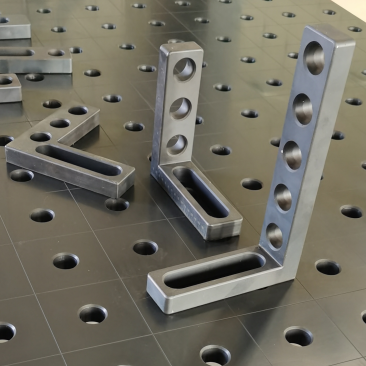
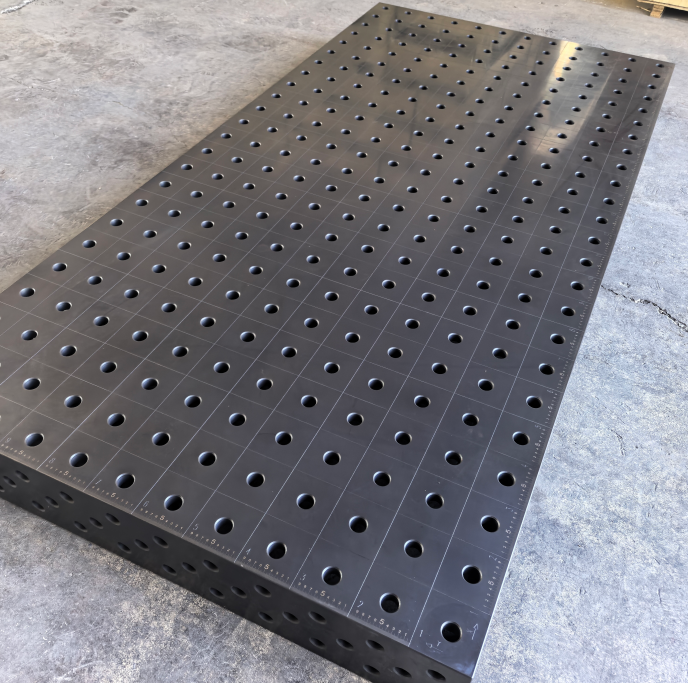
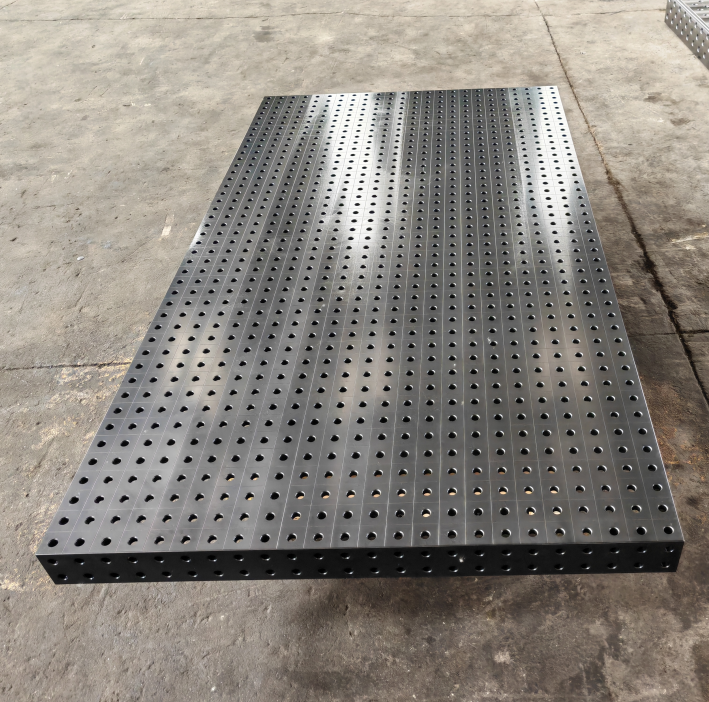
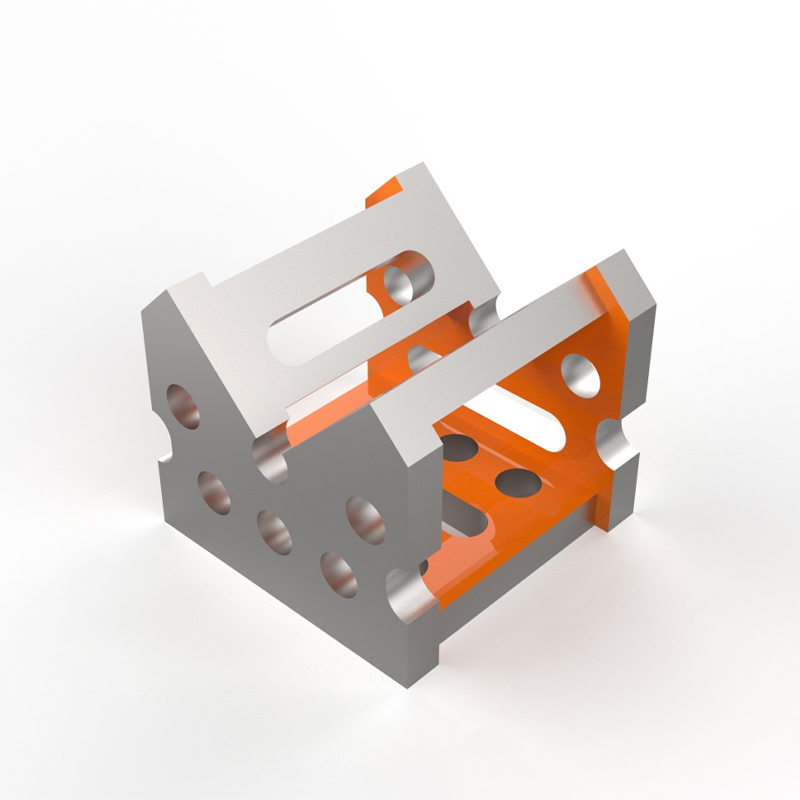
We are dedicated to providing efficient and flexible welding and positioning solutions for the modern manufacturing industry. Our core product line includes state-of-the-art 2D and 3D flexible welding platforms, which have become the preferred jigging equipment in the machining, automotive, and aerospace industries due to their exceptional versatility and precision. To complement these platforms, we offer a comprehensive range of accessories, such as U-shaped and L-shaped multi-purpose square boxes, 200-series support angle irons, and 0-225° universal angle gauges. These components integrate seamlessly to enable rapid workpiece positioning and clamping.
Additionally, Haijun Metal manufactures professional cast iron 3D welding platforms and angle connection blocks, ensuring that every product delivers exceptional durability and stability. With years of industry experience, we have become a trusted supplier of tools and gauges to customers both domestically and internationally. This dual expertise in precision casting and advanced fixture manufacturing allows us to offer holistic solutions that optimize not just the component quality, but the entire production workflow for our clients.
Conclusion: Partnering for Precision and Performance
Valve aluminum castings are more than just metal components; they are critical elements that ensure the safety, efficiency, and reliability of fluid control systems. By leveraging advanced manufacturing techniques, rigorous quality control, and deep material expertise, we deliver OEM solutions that meet the highest industry standards.
Whether you require high-volume die-cast bodies for HVAC systems or precision sand-cast valves for industrial processing, our commitment to excellence ensures that your projects succeed. We understand the nuances of aluminum metallurgy and the specific demands of valve applications, allowing us to provide tailored solutions that optimize performance and cost.
Choosing the right manufacturing partner involves looking beyond price to consider technical capability, quality assurance, and collaborative support. Our team is ready to assist you in navigating the complexities of custom valve production, from initial design consultation to final delivery.
For businesses seeking reliable, high-quality valve aluminum castings, we invite you to discuss your specific requirements. Let us help you engineer superior fluid control solutions that stand the test of time.
Explore our full range of custom valve casting solutions and request a quote today.