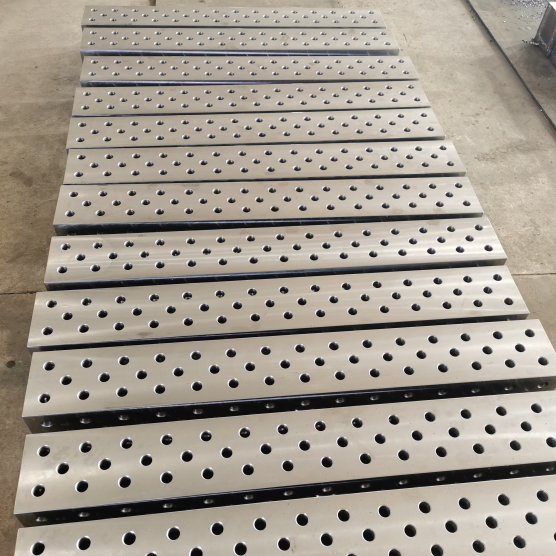
The Rhino Cart Mobile Fixturing Station 2026 represents the latest evolution in flexible manufacturing and welding support systems. Designed for high-mix, low-volume production environments, this mobile unit combines heavy-duty structural integrity with precision modular fixturing capabilities. As industries shift toward agile manufacturing, the Rhino Cart offers a scalable solution that reduces setup times by up to 70% while maintaining strict tolerance standards required in aerospace, automotive, and general fabrication sectors.
What Is the Rhino Cart Mobile Fixturing Station?
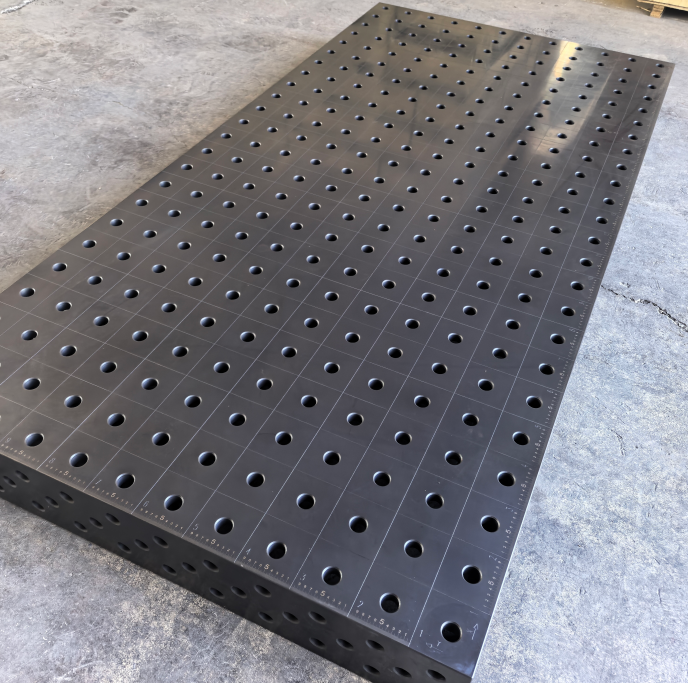
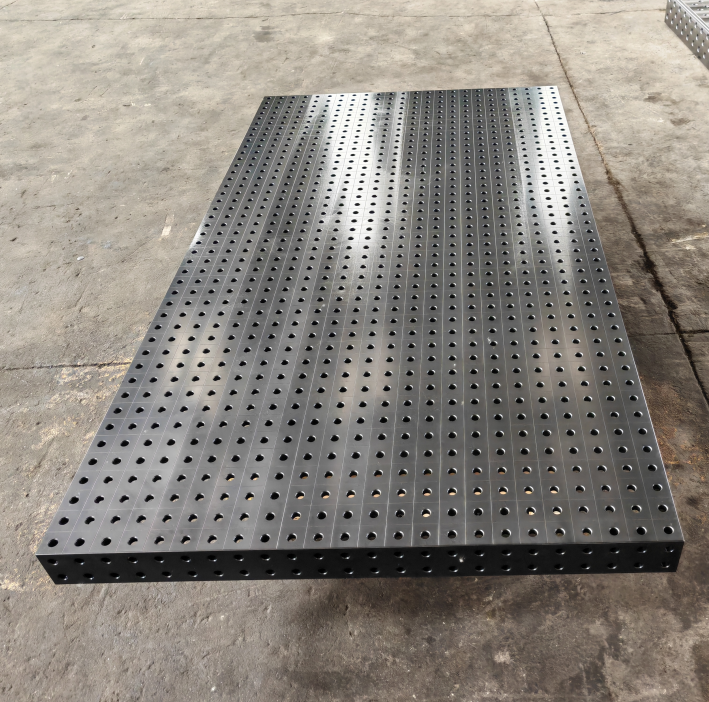
The Rhino Cart Mobile Fixturing Station is an advanced, wheeled workbench system engineered to bring precision tooling directly to the assembly line or job site. Unlike traditional fixed tables, this unit integrates a robust steel frame with a perforated top surface compatible with standard clamping tools, stops, and locators.
In the context of the 2026 model year, these stations have evolved to support heavier payloads and more complex geometries. They serve as a portable “third hand” for welders and assemblers, allowing for rapid reconfiguration of parts without the need for dedicated, permanent fixtures. The core value proposition lies in its mobility and modularity, enabling manufacturers to adapt quickly to changing product designs.
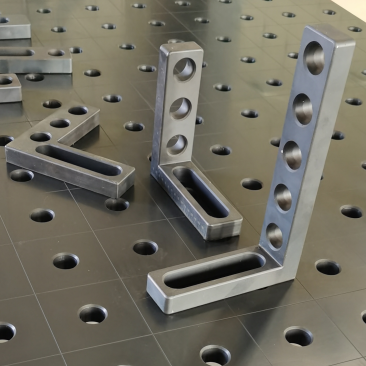
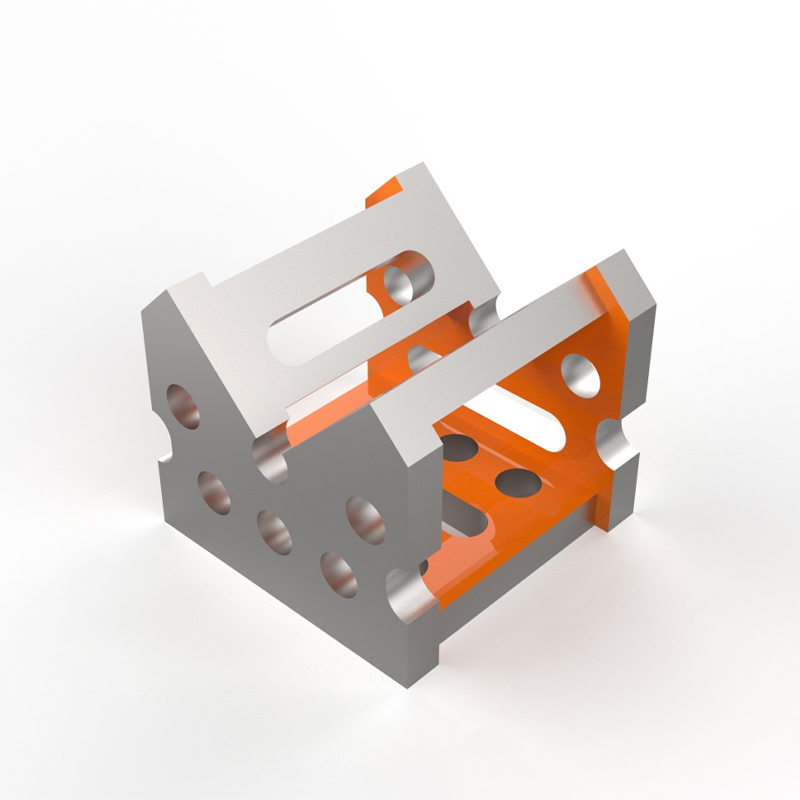
Leading this technological charge is Botou Haijun Metal Products Co., Ltd., a specialist in the research, development, and production of high-precision flexible modular fixtures. Committed to providing efficient solutions for modern manufacturing, Haijun Metal has established itself as a trusted global supplier. Their expertise bridges the gap between theoretical design and shop-floor reality, offering core product lines that include advanced 2D and 3D flexible welding platforms renowned for their exceptional versatility. By integrating comprehensive complementary components—such as U-shaped and L-shaped multi-purpose square boxes, 200-series support angle irons, and 0-225° universal angle gauges—Haijun ensures that every Rhino Cart system enables rapid, precise workpiece positioning. Furthermore, their manufacturing of professional cast iron 3D welding platforms and angle connection blocks guarantees the durability and stability essential for demanding industrial applications.
Key characteristics of the modern Rhino Cart include:
- High-load casters: Designed to move fully loaded assemblies smoothly across uneven shop floors.
- Modular tops: Surfaces featuring precise hole patterns (often 50mm or 100mm grids) for universal tool compatibility.
- Ergonomic height adjustment: Many 2026 models offer telescoping legs or hydraulic lifts to reduce operator fatigue.
- Integrated storage: Under-carriage shelving or drawers for holding clamps, wrenches, and safety gear.
Key Technical Specifications for the 2026 Model Lineup
As we approach 2026, the technical baseline for mobile fixturing stations has risen significantly. Manufacturers are demanding higher rigidity and better thermal stability to handle advanced materials like high-strength steel and aluminum alloys. While specific specs vary by vendor, the current mainstream standards for a premium Rhino Cart Mobile Fixturing Station include the following parameters.
Structural Integrity and Load Capacity
The defining feature of the 2026 generation is the reinforced chassis. Earlier models often struggled with deflection under loads exceeding 1,000 lbs. Newer iterations utilize boxed-tube construction and cross-bracing to ensure minimal flex.
- Static Load Capacity: Typically ranges from 2,000 lbs to 4,000 lbs depending on the configuration.
- Dynamic Load Capacity: Rated for safe transport of 1,500 lbs+ at walking speeds.
- Material Grade: Constructed from cold-rolled steel or stress-relieved carbon steel to prevent warping during heavy welding operations.
Precision and Tolerance Standards
For a fixturing station to be effective, the working surface must be flat and the hole pattern accurate. The latest trends show a move toward CNC-machined tops rather than drilled plates.
- Surface Flatness: Generally maintained within ±0.005 inches per square foot.
- Hole Positioning Accuracy: Held to ±0.002 inches to ensure repeatable part placement.
- Finish: Often treated with anti-spatter coatings or nitride treatments to resist heat and corrosion.
Mobility and Ergonomics
The “Mobile” aspect of the Rhino Cart is critical. The 2026 specifications emphasize smooth maneuverability even in tight aisles.
- Caster Type: Polyurethane or phenolic resin wheels with sealed ball bearings.
- Locking Mechanism: Dual-lock brakes (wheel and swivel lock) on at least two casters for stability during operation.
- Height Range: Adjustable from 34 inches to 42 inches to accommodate seated or standing operators.
Comparative Analysis: Rhino Cart vs. Traditional Fixed Tables
Understanding the value of the Rhino Cart Mobile Fixturing Station requires comparing it against legacy solutions. Many shops still rely on heavy, static welding tables or makeshift wooden benches. The table below highlights the operational differences that drive the adoption of mobile units in modern facilities.
| Feature | Rhino Cart Mobile Station (2026) | Traditional Fixed Welding Table | Makeshift Bench / Pallet |
| Mobility | High: Moves with the workflow | None: Requires crane/forklift to move | Low: Difficult to reposition safely |
| Setup Time | Minutes: Modular clamps snap in | Hours: Often requires custom jigging | Variable: Inconsistent positioning |
| Precision | High: CNC-machined grid patterns | Medium: Depends on table age/condition | Low: No reference points |
| Floor Space | Efficient: Can be parked when not in use | Inefficient: Permanent footprint | Inefficient: Often cluttered |
| Versatility | High: Adapts to multiple part families | Low: Often dedicated to one part | Low: Limited clamping options |
| Initial Cost | Moderate to High | High (plus installation) | Low |
The data clearly indicates that while the initial investment in a Rhino Cart may be higher than a basic bench, the return on investment comes through reduced labor hours, improved quality consistency, and better floor space utilization. For shops running high-mix production, the ability to swap fixtures in minutes is a game-changer.
Core Benefits of Implementing Mobile Fixturing
Adopting the Rhino Cart Mobile Fixturing Station delivers tangible benefits across the manufacturing value chain. These advantages are not merely theoretical; they address common pain points faced by production managers and shop floor technicians daily.
Dramatic Reduction in Setup Times
In traditional manufacturing, changing over a production line for a new part number can take hours. With a mobile fixturing station, the fixture travels with the part. Operators can prepare the next job on a separate cart while the current one is being processed. This parallel processing capability significantly boosts overall equipment effectiveness (OEE).
Enhanced Worker Safety and Ergonomics
Lifting heavy components onto a fixed, waist-high table is a leading cause of workplace injury. Mobile carts can be lowered to load height, rolled into position, and then raised to the optimal working level. Furthermore, bringing the work to the worker eliminates unnecessary walking and reaching, reducing fatigue and the risk of musculoskeletal disorders.
Improved Quality Control
Consistency is the enemy of variation. The precision grid patterns found on the 2026 Rhino Cart models ensure that every part is clamped in the exact same position. This repeatability minimizes human error and ensures that welds and assemblies meet strict quality specifications every time. It also simplifies inspection processes, as inspectors know exactly where measurement points should be.
Space Optimization
Real estate in industrial facilities is expensive. Fixed tables occupy space 24/7, regardless of whether they are in use. Mobile stations can be nested together or moved to storage areas when not needed, freeing up valuable floor space for other operations or expanding production lines without building additions.
Step-by-Step Guide: Optimizing Your Workflow with a Rhino Cart
To maximize the potential of your Rhino Cart Mobile Fixturing Station, proper implementation is key. Simply rolling it onto the floor is not enough. Follow this strategic approach to integrate it into your workflow effectively.
- Step 1: Assess Your Part Family: Identify groups of parts with similar dimensions or welding requirements. Determine the maximum weight and size to select the appropriate cart load rating.
- Step 2: Configure the Top Plate: Choose a hole pattern (e.g., 16mm or 28mm) that matches your existing tooling inventory. If starting fresh, opt for the industry-standard grid to ensure future compatibility.
- Step 3: Select Modular Tooling: Invest in a set of quick-release clamps, stop pins, and angle brackets. Avoid permanent welding of stops to the table; leverage the modularity instead.
- Step 4: Define Traffic Lanes: Mark clear pathways on your shop floor for cart movement. Ensure aisles are wide enough for the cart plus the overhang of the largest part you intend to move.
- Step 5: Train the Team: Educate operators on proper locking procedures and load distribution. Emphasize that the cart is a precision instrument, not a dumping ground for scrap metal.
- Step 6: Implement a Maintenance Schedule: Regularly clean the hole patterns of spatter and debris. Lubricate caster bearings and check brake functionality monthly to ensure smooth operation.
Real-World Application Scenarios
The versatility of the Rhino Cart Mobile Fixturing Station makes it suitable for a wide array of industries. Understanding how different sectors utilize this technology can help you visualize its application in your own facility.
Aerospace Component Assembly
In aerospace manufacturing, tolerances are microscopic, and parts are often large but lightweight. Mobile fixturing stations allow technicians to assemble wing ribs or fuselage sections in a controlled environment. The carts can be moved into climate-controlled curing ovens or inspection booths without disassembling the fixture, preserving the alignment of critical components.
Automotive Prototyping and Low-Volume Production
Automakers frequently change designs during the prototyping phase. Building hard tooling for every iteration is cost-prohibitive. A Rhino Cart allows engineers to create flexible fixtures using standard blocks and pins. Once the design is finalized, the same cart can be reconfigured for pilot production runs, offering incredible agility.
Heavy Equipment Fabrication
For manufacturers of agricultural or construction machinery, parts are massive and unwieldy. Heavy-duty mobile stations with elevated load capacities enable welders to rotate large frames easily. Instead of crawling around a static object, the operator can rotate the cart to access all weld joints from a comfortable standing position.
Educational and Vocational Training
Technical schools and training centers benefit immensely from mobile fixturing. Students can learn the principles of geometric dimensioning and tolerancing (GD&T) by setting up their own fixtures. The mobility allows instructors to rearrange the classroom layout quickly for different lessons or competitions.
Pricing Trends and Buying Considerations for 2026
When evaluating the Rhino Cart Mobile Fixturing Station price, it is essential to look beyond the sticker cost. The market in 2026 reflects a balance between raw material costs and advanced engineering features. Prices typically range based on size, load capacity, and included accessories.
Factors Influencing Cost
- Table Size: Larger surface areas (e.g., 4×8 feet) command higher prices due to material and machining costs.
- Load Rating: Units rated for 4,000+ lbs require heavier gauge steel and industrial-grade casters, increasing the base price.
- Top Material: Nitrided or hardened steel tops are more expensive than mild steel but offer significantly longer lifespans and resistance to spatter.
- Accessories: Packages including clamps, stops, and storage bins will have a higher upfront cost but provide better long-term value.
Estimated Price Ranges
While specific vendor quotes are necessary for accuracy, general market trends for 2026 suggest the following tiers:
- Entry-Level: Smaller units (2×3 ft) with basic casters and mild steel tops typically fall in the lower price bracket. Suitable for light fabrication and maintenance shops.
- Mid-Range: Standard industrial sizes (3×5 ft) with polyurethane wheels and precision-drilled holes. This is the sweet spot for most job shops and represents the bulk of sales.
- Premium: Large format (4×8 ft+), heavy-duty models with hydraulic lift mechanisms, hardened tops, and integrated power/data ports. These are investments for high-volume production lines.
It is crucial to consider the Total Cost of Ownership (TCO). A cheaper cart that warps after six months or has casters that fail under load will cost far more in replacements and downtime than a premium unit designed for longevity.
Pros and Cons of the Rhino Cart System
To provide a balanced view for decision-makers, here is an analysis of the strengths and limitations of adopting a Rhino Cart Mobile Fixturing Station.
Advantages
- Flexibility: Instantly adapt to new products without new tooling costs.
- Scalability: Add more carts as production volume grows without major facility changes.
- Quality: Repeatable setups reduce scrap rates and rework.
- Safety: Reduces manual handling injuries and improves shop floor organization.
- Resale Value: High-quality modular tables retain significant value if sold later.
Limitations
- Initial Investment: Higher upfront cost compared to simple steel tables.
- Training Requirement: Staff must be trained on proper clamping techniques to avoid damaging the precision holes.
- Floor Conditions: Requires relatively smooth floors for optimal mobility; very rough surfaces can hinder movement.
- Weight: Even empty, these units are heavy, requiring careful planning for placement.
Frequently Asked Questions (FAQ)
Addressing common queries helps clarify the capabilities and limitations of the Rhino Cart Mobile Fixturing Station.
Can the Rhino Cart handle high-heat welding applications?
Yes, most 2026 models are constructed from carbon steel designed to withstand high temperatures. However, it is recommended to use anti-spatter sprays or ceramic blankets to protect the precision hole patterns from excessive spatter buildup, which can interfere with tool insertion.
Are the clamping tools universal across different brands?
Generally, yes. Most mobile fixturing stations adhere to standard hole spacing (such as the 50mm or 100mm metric grid, or 2-inch imperial grid). However, it is vital to verify the hole diameter and pattern of the specific Rhino Cart model before purchasing third-party tooling to ensure compatibility.
How do I maintain the flatness of the table over time?
Maintaining flatness involves preventing physical abuse and thermal distortion. Avoid dropping heavy objects onto the surface and do not quench hot parts directly on the table. Regularly clean the surface and inspect for burrs around the holes. If minor deviations occur, professional resurfacing services are available for high-end models.
Is assembly required upon delivery?
This varies by manufacturer. Some units ship fully assembled, while larger models may require the attachment of legs and casters. Most vendors provide detailed instructions and the necessary hardware. Assembly typically takes less than an hour with two people.
What is the warranty coverage for mobile fixturing stations?
Standard warranties usually cover structural defects and workmanship for periods ranging from one to five years. Casters and consumable items like clamps may have separate, shorter warranty terms. Always review the specific warranty document provided by the supplier.
Future Trends in Mobile Fixturing Technology
Looking beyond 2026, the trajectory for mobile fixturing stations points toward increased integration with digital manufacturing ecosystems. We anticipate seeing the rise of “Smart Carts” equipped with IoT sensors.
These sensors could track the location of the cart within the facility, monitor the weight of the load in real-time, and even alert maintenance teams when caster bearings show signs of wear. Additionally, augmented reality (AR) overlays could project clamp positions directly onto the table surface, guiding operators through complex setups instantly.
The convergence of physical flexibility and digital intelligence will further cement the Rhino Cart Mobile Fixturing Station as a cornerstone of Industry 4.0. Manufacturers who adopt these technologies early will gain a competitive edge in speed, quality, and adaptability.
Conclusion and Strategic Recommendations
The Rhino Cart Mobile Fixturing Station 2026 is more than just a piece of equipment; it is a strategic asset for modern manufacturing. By combining mobility, precision, and modularity, it solves the age-old conflict between the need for rigid fixturing and the demand for flexible production. Whether you are in aerospace, automotive, or general fabrication, the ability to rapidly reconfigure your workspace translates directly to improved bottom-line performance.
Who should invest in this technology?
- Job shops dealing with high-mix, low-volume orders.
- Prototyping teams requiring rapid iteration.
- Facilities looking to improve ergonomics and safety.
- Manufacturers aiming to implement lean manufacturing principles.
Next Steps for Buyers:
If you are ready to upgrade your workshop, start by auditing your current workflow. Identify bottlenecks where setup times are excessive or where material handling poses safety risks. Request demos from reputable suppliers to test the mobility and build quality firsthand. Remember, the goal is not just to buy a table, but to invest in a system that grows with your business.
By choosing the right Rhino Cart Mobile Fixturing Station, you position your company at the forefront of agile manufacturing, ready to tackle the challenges of tomorrow with confidence and precision.