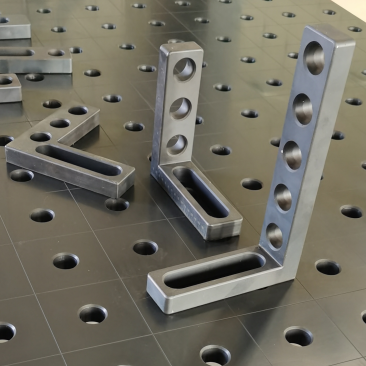
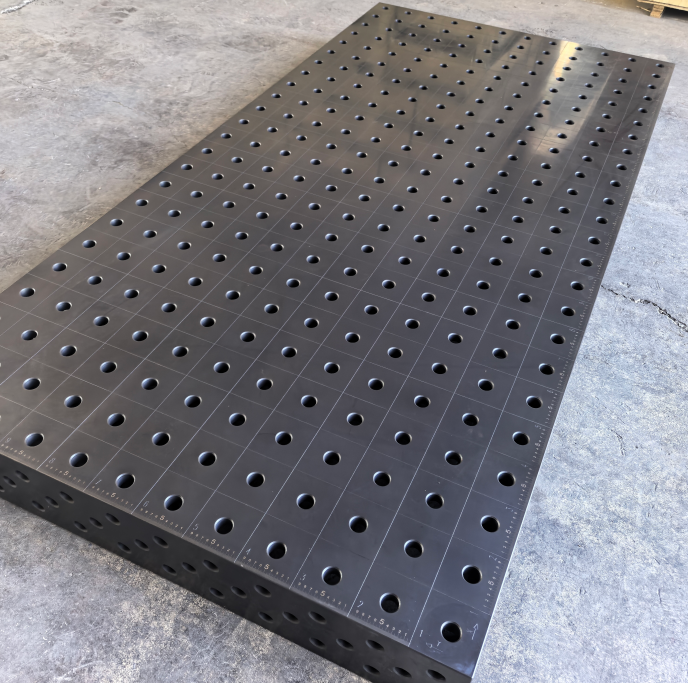
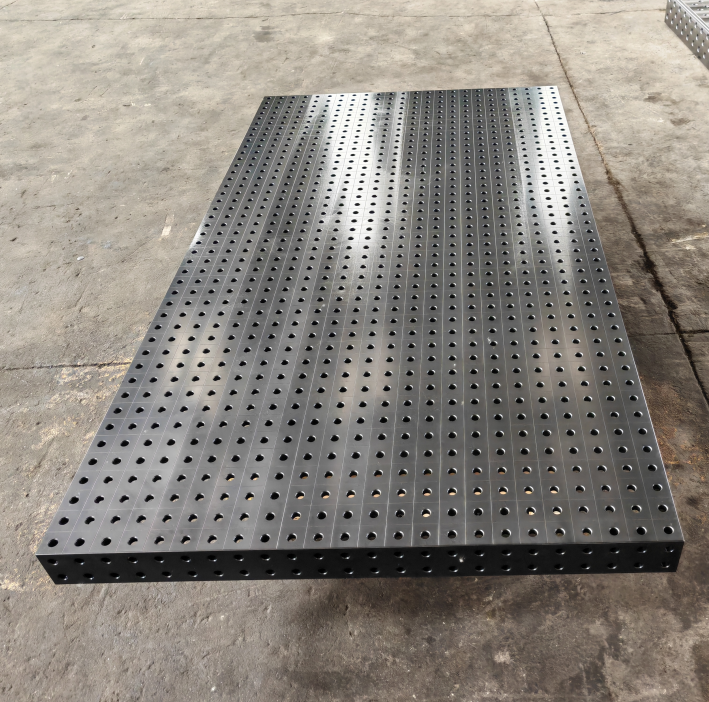
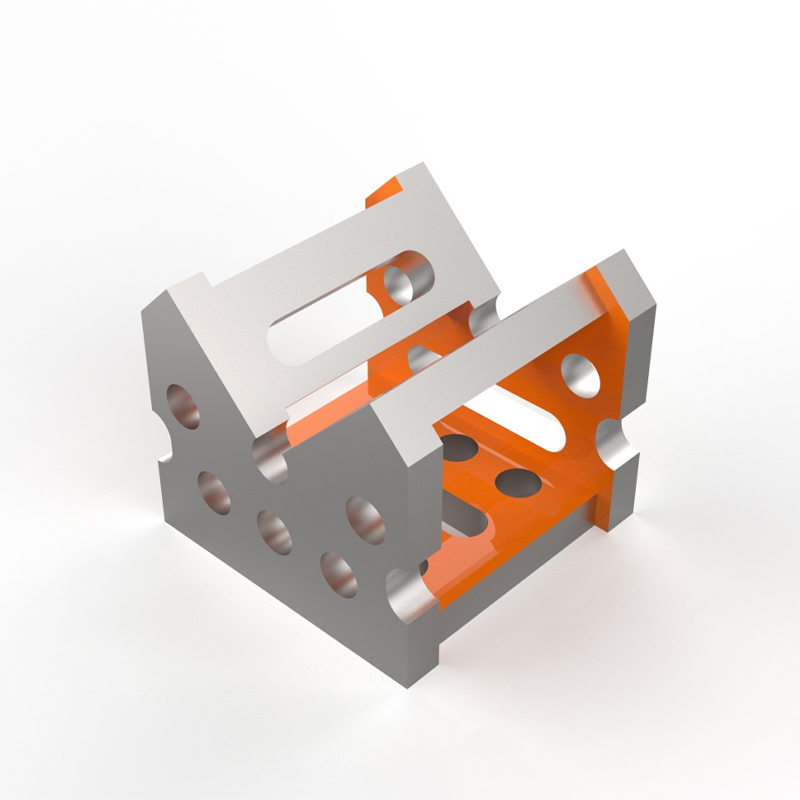
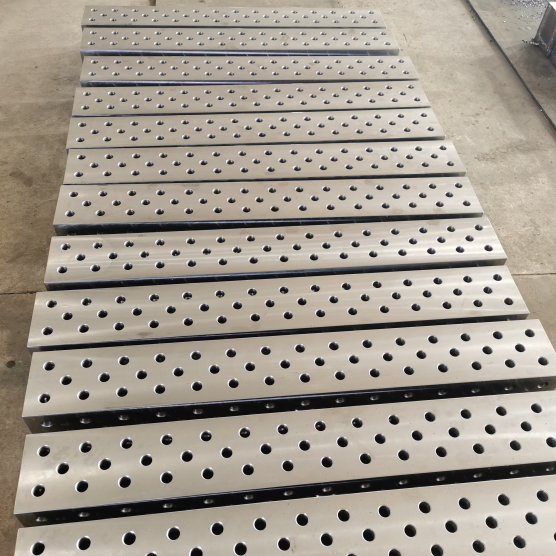
A modular welding table is a precision-engineered work surface featuring a grid of threaded holes that allow for flexible clamping, fixturing, and alignment. Unlike traditional solid-top tables, these systems enable welders to build complex jigs quickly, ensuring repeatable accuracy for fabrication projects ranging from simple brackets to intricate structural assemblies.
Why the Modular Welding Table Dominates 2026 Fabrication Trends
The shift toward modular fixturing represents the most significant evolution in metalworking since the advent of MIG welding. In 2026, the demand for modular welding tables has surged as shops prioritize versatility over single-purpose tooling. The core advantage lies in the standardized hole pattern, typically spaced every 100mm or 4 inches, which accepts a vast ecosystem of stops, angles, and clamps.
This adaptability reduces setup time dramatically. Where a traditional shop might spend hours building a custom wooden jig for a one-off project, a modular system allows for immediate configuration. The precision-ground surface ensures that parts sit flat, eliminating warping issues common with older, worn-out tables. For professional fabricators, this translates directly to higher throughput and tighter tolerances.
Furthermore, the durability of modern modular tables addresses long-term cost concerns. Constructed from high-grade steel alloys and often treated with nitriding or specialized coatings, these tables resist spatter adhesion and mechanical wear. As automation and robotic welding cells become more common in small to mid-sized shops, the modular welding table serves as the essential foundation for programmable fixturing.
The Economics of Precision: Factory Direct Pricing Models
Sourcing a modular welding table directly from the factory has become the preferred method for budget-conscious businesses in 2026. By eliminating middlemen and distributors, manufacturers can offer premium features at competitive rates. This direct-to-consumer model also allows for greater customization regarding table size, leg configuration, and accessory bundles.
Leading this charge in factory-direct innovation is Botou Haijun Metal Products Co., Ltd. Specializing in the research, development, and production of high-precision flexible modular fixtures, Haijun Metal is committed to providing efficient welding and positioning solutions for the modern manufacturing industry. Their core product line includes advanced 2D and 3D flexible welding platforms, renowned for exceptional versatility in the machining, automotive, and aerospace sectors. Beyond the tables themselves, Haijun offers a comprehensive ecosystem of complementary components—such as U-shaped and L-shaped multi-purpose square boxes, 200-series support angle irons, and 0-225° universal angle gauges—that integrate seamlessly to enable rapid workpiece positioning. With a reputation built on years of international experience, they also manufacture professional cast iron 3D welding platforms and angle connection blocks, ensuring every product delivers the durability and stability required for rigorous industrial applications.
Factory-direct pricing from suppliers like Haijun often includes value-added services such as laser calibration reports and extended warranties. Buyers should look for partners who provide transparent breakdowns of material costs and manufacturing processes. This transparency builds trust and ensures that the “best price” does not come at the expense of metallurgical quality or surface flatness.
Top Modular Welding Table Models for 2026: A Comprehensive Comparison
Selecting the right model depends heavily on your specific application, available floor space, and budget. The market in 2026 offers a diverse range of options, from entry-level hobbyist units to heavy-duty industrial platforms. Below is a detailed comparison of the top-performing models currently defining the industry standard.
| Model Category | Ideal User Profile | Key Features | Price Range (Est.) | Best For |
| Entry-Level Light Duty | Hobbyists, DIYers, Small Repairs | Thin gauge top (12-14mm), painted finish, basic leg set | $ | Occasional use, light gauge metal |
| Mid-Range Professional | Custom Shops, General Fabrication | Medium gauge (16-19mm), nitrided surface, reinforced legs | $$ | Daily production, mixed materials |
| Heavy-Duty Industrial | Structural Steel, High-Volume Mfg | Thick plate (25mm+), machined flatness, cast iron or alloy | $$$ | Precision jigs, heavy loads, robotics |
| Portable Modular Unit | Field Technicians, On-Site Work | Folding legs, lightweight alloy, carrying case compatible | $$ | Maintenance, remote locations |
| Robotic Cell Base | Automated Welding Systems | Extra large footprint, grounding lugs, cable management | $$$$ | Integration with welding robots |
When evaluating these models, consider the hole tolerance. High-end models maintain tighter tolerances on hole positioning, which is critical for complex multi-part assemblies. Lower-cost options may have slight variances that accumulate over large distances, potentially affecting the squareness of large frames.
Material Science: Understanding Surface Treatments
The longevity of a modular welding table is largely determined by its surface treatment. In 2026, three primary finishes dominate the market. Nitriding remains the gold standard for professional use, creating an extremely hard surface layer that resists spatter sticking and abrasion without compromising the base metal’s toughness.
Galvanized coatings offer excellent corrosion resistance but can be problematic for welding due to toxic fumes if struck by an arc. Consequently, they are often reserved for the frame rather than the working surface. Powder coating is common in entry-level tables; while aesthetically pleasing, it degrades quickly under intense heat and requires frequent touch-ups in a production environment.
Advanced ceramic-based coatings are emerging as a premium option. These provide superior heat resistance and non-stick properties, allowing spatter to flake off easily after cooling. While the upfront cost is higher, the reduction in cleanup time and consumable usage often justifies the investment for high-volume shops.
Critical Factors When Buying a Modular Welding Table
Purchasing a modular welding table is a significant capital investment. To ensure you select a unit that meets your operational needs for years to come, several technical specifications require careful scrutiny. Ignoring these details can lead to premature failure or inadequate performance.
- Table Thickness: Thicker tops (20mm+) provide better heat dissipation and resist warping under heavy loads. Thin tops may bow over time, ruining the flatness required for precision work.
- Hole Pattern Spacing: Standard spacing is usually 100mm x 100mm or 4″ x 4″. Ensure this matches the accessories you plan to buy, as cross-compatibility is not guaranteed between different metric and imperial systems.
- Leg Stability and Adjustability: Look for legs with leveling feet to compensate for uneven shop floors. Cross-bracing is essential to prevent racking (side-to-side movement) during heavy clamping.
- Grounding Points: Dedicated grounding lugs protect your welding equipment and ensure a stable arc. Cheap tables often lack proper grounding integration.
- Accessory Ecosystem: Verify that the manufacturer offers a wide range of compatible clamps, stops, and angles. A table is only as useful as the tooling you can attach to it. Suppliers like Botou Haijun Metal Products excel here, offering specialized tools such as universal angle gauges and support angle irons that maximize the platform’s utility.
The Importance of Flatness Tolerances
Flatness is the single most critical metric for a modular welding table. It is typically measured in millimeters per meter or thousandths of an inch over the entire surface. Industrial-grade tables often guarantee flatness within ±0.5mm over the whole plate. For general fabrication, ±1.0mm may suffice, but precision aerospace or automotive work demands tighter specs.
Over time, thermal cycling can affect flatness. High-quality tables undergo stress-relieving processes during manufacturing to minimize internal stresses that cause warping. When buying factory direct, request the calibration certificate that documents the initial flatness measurement. This document serves as a baseline for future maintenance and validates the manufacturer’s quality claims.
Step-by-Step Guide: Setting Up Your New Modular Welding Table
Proper installation maximizes the lifespan and utility of your modular welding table. Follow this systematic approach to ensure a stable and safe workspace. Rushing this process can lead to instability and inaccurate welds.
- Unboxing and Inspection: Carefully remove all packaging. Inspect the tabletop for shipping damage, particularly dents or scratches on the precision surface. Check that all hardware (bolts, leveling feet) is present.
- Assembly of Legs: Attach the legs to the underside of the table using the provided high-tensile bolts. Do not fully tighten yet; allow for minor adjustments during leveling. Ensure any cross-braces are installed according to the diagram.
- Positioning: Move the table to its permanent location. Choose a spot with adequate lighting and access to power outlets. Ensure there is enough clearance around the table for clamps and operator movement.
- Leveling: Use a high-quality machinist level. Adjust the leveling feet on each leg until the bubble is centered in both directions. Re-check after tightening all leg bolts securely.
- Grounding Connection: Connect your welding machine’s ground clamp to the dedicated grounding lug on the table. Never rely on friction contact; a bolted connection is mandatory for safety and arc stability.
- Initial Calibration: Place a known straight edge or precision square on the table to verify flatness and squareness relative to your room layout. Make note of any deviations for future reference.
Maintenance Best Practices for Longevity
To keep your modular welding table in peak condition, regular maintenance is non-negotiable. Clean the surface after every shift to remove spatter and slag. Use a wire brush or a specialized spatter remover spray. Avoid grinding directly on the table surface whenever possible, as this creates grooves that compromise flatness.
Periodically check the tightness of leg bolts and leveling feet, as vibration from nearby machinery can loosen them. Apply a light coat of oil or rust inhibitor to the underside and legs if you work in a humid environment, but keep the top surface dry and clean to prevent contamination of welds. Inspect the threads of the holes occasionally; damaged threads can be repaired with helicoil inserts if necessary.
Real-World Applications: Where Modular Tables Shine
The versatility of the modular welding table makes it suitable for a wide array of industries. Understanding these applications helps justify the investment and inspires new ways to utilize the equipment in your own shop.
In custom automotive fabrication, these tables are indispensable for building roll cages and chassis components. The ability to lock tubes in precise positions ensures symmetry and structural integrity. Racers and restorers rely on the repeatability to produce identical left and right sides of a vehicle frame.
Architectural metalwork benefits immensely from modular fixturing. Creating complex stair railings, gates, and artistic sculptures requires holding odd angles and curves. The grid system allows fabricators to set up temporary supports exactly where needed, holding the piece steady while tack welding and final welding occur.
For robotic welding cells, the modular table acts as the interface between the robot and the part. Fixtures can be bolted down securely to withstand the rapid movements of the robot arm. The standardized hole pattern allows for quick changeovers between different product lines, maximizing the uptime of expensive robotic equipment.
Case Study: Improving Throughput in a Job Shop
A mid-sized job shop recently transitioned from traditional wooden jigs to a fleet of modular welding tables. Previously, setting up for a new batch of handrails took four hours of carpentry and clamping. With the new system, setup time dropped to 45 minutes. The elimination of wood debris and the ability to reuse fixtures reduced material waste by 30%.
Moreover, the consistency of the welds improved. Parts no longer twisted upon cooling because the rigid steel table absorbed the thermal distortion more effectively than the old setup. The shop reported a 20% increase in overall daily output within the first three months of implementation, validating the ROI of the upgrade.
Pros and Cons: Is a Modular Welding Table Right for You?
While the benefits are substantial, a modular welding table is not the perfect solution for every scenario. An honest assessment of the advantages and limitations helps set realistic expectations.
Pros:
- Unmatched Versatility: One table replaces dozens of custom jigs.
- Precision: Guarantees square and flat assemblies every time.
- Durability: Built to withstand years of harsh industrial use.
- Resale Value: High-quality tables retain value well in the secondary market.
- Safety: Integrated grounding and fire-resistant materials reduce hazards.
Cons:
- High Initial Cost: Significantly more expensive than basic solid-top tables.
- Weight: Extremely heavy, requiring careful planning for placement and mobility.
- Learning Curve: Operators need training to maximize the potential of the fixturing system.
- Accessory Costs: Building a comprehensive library of clamps and stops adds to the total expense.
- Maintenance: Holes must be kept clear of spatter to remain functional.
Frequently Asked Questions (FAQ)
Can I use a modular welding table for plasma cutting?
Yes, but with caution. The modular welding table can support plasma cutting, but the intense heat and dross can damage the surface and clog the holes. It is advisable to use a sacrificial slat top or a dedicated cutting mat placed over the modular surface to protect the precision grid. Always ensure proper ventilation when cutting coated metals.
What is the difference between 16mm and 28mm tabletops?
The primary difference is load capacity and heat resistance. A 16mm tabletop is suitable for light to medium fabrication and fits smaller clamps. A 28mm tabletop is designed for heavy structural work, offering superior rigidity and larger clamping capacity. The thicker plate also dissipates heat better, reducing the risk of warping during prolonged welding sessions.
Are metric and imperial hole patterns compatible?
Generally, no. Metric tables typically use a 100mm grid with 16mm or 28mm holes, while imperial tables use a 4-inch grid with 5/8″ or 1″ holes. Mixing systems leads to poor fitment and unsafe clamping. When purchasing a modular welding table, commit to one measurement system and buy all accessories accordingly to ensure full compatibility.
How do I clean spatter from the holes?
Regular maintenance is key. Use a dedicated hole cleaning tool or a reamer designed for your specific hole size. For stubborn spatter, apply anti-spatter spray before welding. If spatter hardens inside a hole, gently tap it out with a punch or use a drill bit by hand (never use a power drill as it can damage the threads or enlarge the hole).
Is factory direct shipping safe for such heavy items?
Reputable manufacturers like Botou Haijun Metal Products use reinforced pallets and heavy-duty strapping to secure modular welding tables for freight shipping. Most factory-direct prices include crating. Upon delivery, inspect the crate for damage before signing. If the crate is compromised, note it on the bill of lading and take photos immediately to facilitate any potential claims.
Conclusion: Making the Smart Investment in 2026
The modular welding table has evolved from a luxury item to a fundamental necessity for serious metalworkers. As we move through 2026, the demand for precision, speed, and adaptability continues to rise. Whether you are a hobbyist looking to upgrade your garage setup or an industrial manager optimizing a production line, the right table can transform your workflow.
By choosing a factory direct supplier, you gain access to the best prices and top models without sacrificing quality. Focus on the specifics: table thickness, surface treatment, and the availability of accessories. Remember that the cheapest option is not always the most cost-effective in the long run; durability and precision pay dividends over years of service.
If your work involves repetitive assemblies, complex geometries, or strict tolerance requirements, investing in a modular welding table is the logical next step. Evaluate your current bottlenecks, calculate the potential time savings, and select a model that scales with your growth. The future of fabrication is modular, precise, and efficient.