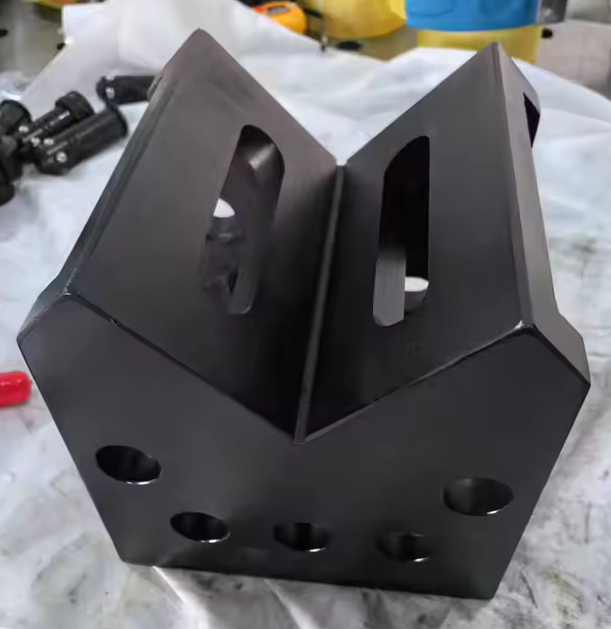
High volume aluminum casting is a specialized manufacturing process designed to produce large quantities of complex, lightweight, and durable metal components with tight tolerances. By leveraging advanced die casting or permanent mold techniques, manufacturers achieve consistent dimensional accuracy and superior surface finishes essential for automotive, aerospace, and consumer electronics industries. This method significantly reduces per-unit costs through economies of scale while maintaining the structural integrity required for high-stress applications. For engineering teams and procurement specialists, selecting a partner capable of high-volume production ensures supply chain stability, rapid turnaround times, and adherence to strict international quality standards such as IATF 16949 and ISO 9001.
Understanding High Volume Aluminum Casting Capabilities
Aluminum casting has evolved from a simple shaping technique into a precision engineering discipline. When we discuss high volume aluminum casting, we refer to production runs that typically exceed tens of thousands to millions of units annually. The core objective is not just quantity, but repeatability. Every part produced in the thousandth cycle must match the specifications of the first part within microns.
The dominance of aluminum in high-volume manufacturing stems from its unique material properties. It offers an exceptional strength-to-weight ratio, excellent thermal conductivity, and natural corrosion resistance. These attributes make it the preferred choice for industries where performance efficiency and durability are non-negotiable. However, achieving high volume without compromising quality requires sophisticated machinery, real-time process monitoring, and deep metallurgical expertise.
The Engineering Behind Mass Production
Producing aluminum parts at scale involves more than just pouring molten metal into a mold. It requires a synchronized ecosystem of design optimization, tooling precision, and process control. In high-volume scenarios, even minor deviations in temperature or injection speed can lead to significant scrap rates. Therefore, modern foundries utilize closed-loop systems that adjust parameters in real-time.
Key engineering considerations include:
- Thermal Management: Maintaining consistent mold temperatures to prevent warping and ensure uniform cooling rates across complex geometries.
- Gate and Runner Design: Optimizing the flow of molten aluminum to minimize turbulence, reduce air entrapment, and prevent porosity.
- Alloy Selection: Choosing the right aluminum-silicon-magnesium blend to balance fluidity during casting with mechanical strength in the final part.
For buyers and engineers, understanding these underlying mechanisms is crucial. It helps in setting realistic expectations for lead times, tolerances, and post-processing requirements. A manufacturer that transparently explains these processes demonstrates the technical expertise necessary for reliable partnership.
Primary Casting Methods for High Volume Production
Not all casting methods are suitable for high-volume production. The choice of technique depends on part complexity, required tolerance, surface finish needs, and annual volume. The two most prevalent methods for high-volume aluminum casting are High-Pressure Die Casting (HPDC) and Permanent Mold Casting (Gravity or Low-Pressure).
High-Pressure Die Casting (HPDC)
HPDC is the industry standard for mass-producing complex, thin-walled aluminum components. In this process, molten aluminum is injected into a steel mold (die) under high pressure, typically ranging from 10,000 to 25,000 psi. The high pressure forces the metal into every intricate detail of the mold cavity before it solidifies.
Advantages of HPDC for High Volume:
- Speed: Cycle times can be as short as 15 to 30 seconds, enabling the production of hundreds of parts per hour.
- Precision: Achieves tight tolerances, often within ±0.1mm, reducing the need for secondary machining.
- Surface Finish: Produces smooth surfaces directly out of the mold, ideal for cosmetic parts or those requiring minimal painting.
- Complexity: Capable of forming complex internal features, threads, and undercuts that would be impossible or too expensive to machine.
HPDC is particularly dominant in the automotive sector for components like engine blocks, transmission cases, and structural body parts. The ability to integrate multiple functions into a single cast component reduces assembly time and overall vehicle weight.
Permanent Mold Casting (Gravity and Low-Pressure)
While HPDC excels in speed and complexity, Permanent Mold Casting offers superior mechanical properties. In this method, molten aluminum is poured or pumped into a reusable metal mold under gravity or low pressure. The slower fill rate results in less turbulence and lower gas entrapment.
When to Choose Permanent Mold:
- Structural Integrity: Parts require higher tensile strength and ductility due to reduced porosity.
- Heat Treatment: Components intended for T6 heat treatment benefit from the denser microstructure of gravity-cast parts.
- Medium to High Volume: While slower than HPDC, it is still viable for volumes in the tens of thousands, especially for larger, thicker-walled components.
This method is frequently used for automotive wheels, suspension components, and industrial pump housings where fatigue resistance is critical. The trade-off is a slightly higher cost per unit compared to HPDC, but the enhanced material performance often justifies the expense in safety-critical applications.
Comparative Analysis: Casting Methods for Decision Making
Selecting the right casting method is a strategic decision that impacts cost, quality, and timeline. The following table provides a direct comparison to aid in technical evaluation.
| Feature | High-Pressure Die Casting (HPDC) | Permanent Mold (Gravity/Low-Pressure) | Sand Casting (Low Volume Reference) |
| Production Volume | Very High (10,000 – 1,000,000+) | Medium to High (1,000 – 50,000) | Low to Medium (1 – 1,000) |
| Tooling Cost | High (Complex Steel Dies) | Medium (Reusable Metal Molds) | Low (Disposable Sand Molds) |
| Cycle Time | Fast (Seconds) | Moderate (Minutes) | Slow (Hours including setup) |
| Tolerance Precision | Very High (±0.1mm) | High (±0.25mm) | Moderate (±0.5mm or more) |
| Surface Finish | Excellent (Smooth) | Good (Slightly textured) | Rough (Requires finishing) |
| Porosity Level | Moderate (Air entrapment risk) | Low (Denser structure) | Variable (Depends on technique) |
| Part Complexity | Very High (Thin walls, details) | Moderate (Uniform walls) | High (No draft angle needed) |
For high volume aluminum casting projects, HPDC is generally the default choice unless specific mechanical properties dictate otherwise. The high initial tooling cost is amortized over the large production run, resulting in the lowest per-part cost. However, for components subjected to high dynamic loads, the superior integrity of permanent mold casting may offer better long-term reliability.
Material Science: Aluminum Alloys for Casting
The performance of a cast aluminum part is fundamentally determined by the alloy used. Not all aluminum alloys are created equal. In high-volume manufacturing, consistency in chemical composition is vital. Variations in silicon, magnesium, or copper content can drastically alter fluidity, strength, and corrosion resistance.
Common Casting Alloys and Their Applications
A380 (Al-Si-Cu): This is the most widely used aluminum die casting alloy. It offers an excellent combination of casting fluidity, mechanical properties, and dimensional stability. A380 is ideal for complex shapes with thin walls, such as electronic housings, power tool bodies, and automotive brackets. Its high silicon content improves fluidity, allowing it to fill intricate mold cavities easily.
A360 (Al-Si-Mg): Known for superior corrosion resistance and high ductility, A360 is often chosen for parts exposed to harsh environments. It is more difficult to cast than A380 due to lower fluidity, requiring precise process control. Applications include marine components, chemical processing equipment, and outdoor lighting fixtures.
A356 (Al-Si-Mg): Primarily used in permanent mold and sand casting, A356 is heat-treatable to T6 condition, significantly enhancing its strength. It is the standard for automotive wheels and suspension components where high strength-to-weight ratio and fatigue resistance are critical. Its low iron content ensures good mechanical properties after heat treatment.
B390 (Al-Si-Cu-Ni): This hypereutectic alloy offers exceptional wear resistance and low thermal expansion. It is commonly used for engine blocks, piston housings, and compressor parts where dimensional stability under high heat is essential. The high silicon content makes it harder to machine but provides superior durability in sliding contact applications.
Impact of Alloy Selection on Manufacturing
Choosing the right alloy affects not only the final product performance but also the manufacturing process itself. Alloys with higher silicon content flow better but may be more brittle. Alloys with higher magnesium content offer better strength but are more prone to oxidation during melting. A knowledgeable manufacturer will guide clients in selecting the optimal alloy based on the part’s functional requirements, ensuring a balance between castability and performance.
For instance, if a part requires extensive secondary machining, an alloy with good machinability ratings should be selected to reduce tool wear and cycle time. Conversely, if the part is used as-cast, surface finish and corrosion resistance become the primary drivers for alloy selection.
Design for Manufacturability (DFM) in High Volume Casting
Successful high-volume aluminum casting begins with smart design. Design for Manufacturability (DFM) involves optimizing the part geometry to suit the casting process, thereby reducing defects, minimizing material usage, and lowering production costs. Ignoring DFM principles often leads to costly redesigns, delayed launches, and inconsistent quality.
Key DFM Principles for Aluminum Casting
- Uniform Wall Thickness: Maintaining consistent wall thickness prevents uneven cooling, which causes warping, shrinkage, and internal stresses. Sudden changes in thickness should be avoided or gradually transitioned using ribs or fillets.
- Draft Angles: Vertical walls must have a slight taper (draft) to allow the part to be ejected from the mold without damage. Typical draft angles range from 1 to 3 degrees, depending on the depth of the feature and the surface finish.
- Ribs and Bosses: Instead of thickening walls for strength, use ribs and bosses. This approach maintains structural integrity while reducing weight and material cost. Ribs should be designed with adequate thickness to prevent sink marks on the opposite surface.
- Undercuts and Core Slides: Internal features or undercuts require movable cores in the die, which increase tooling complexity and cost. Designers should minimize undercuts or reorient the part to eliminate them where possible.
- Parting Lines: The line where the two halves of the mold meet leaves a visible seam. Designers should position parting lines in non-critical areas to minimize aesthetic impact and simplify post-processing.
The Role of Simulation in DFM
In modern high-volume manufacturing, physical prototyping is often preceded by virtual simulation. Using Computer-Aided Engineering (CAE) software, engineers simulate the filling, cooling, and solidification processes. This allows them to identify potential issues such as air traps, cold shuts, or hot spots before cutting steel.
Simulation-driven DFM reduces development time and ensures that the final tooling is optimized for production. It provides data-backed confidence in the design, reducing the risk of costly errors during mass production. For clients, this means a smoother transition from concept to full-scale manufacturing.
Quality Assurance and Control Standards
In high-volume production, quality cannot be inspected into the product; it must be built into the process. Rigorous Quality Assurance (QA) and Quality Control (QC) systems are essential to maintain consistency across millions of parts. Manufacturers adhering to international standards demonstrate their commitment to reliability and continuous improvement.
Essential Quality Certifications
IATF 16949: This is the global technical specification and quality management standard for the automotive industry. It emphasizes defect prevention, reduction of variation, and waste in the supply chain. Compliance with IATF 16949 is often a mandatory requirement for suppliers to major automotive OEMs.
ISO 9001: The foundational standard for quality management systems. It ensures that the manufacturer has documented processes for consistent product delivery, customer satisfaction, and continuous improvement. While less specific than IATF 16949, it is a baseline indicator of operational maturity.
NADCAP: For aerospace applications, the National Aerospace and Defense Contractors Accreditation Program (NADCAP) sets stringent standards for chemical processing, heat treating, and testing. Accreditation indicates that the manufacturer meets the rigorous requirements of the aerospace industry.
Advanced Inspection Techniques
High-volume casting relies on a mix of automated and manual inspection methods to detect defects early.
- X-Ray Inspection: Used to detect internal porosities, voids, and inclusions that are not visible on the surface. Critical for safety-related components like engine blocks or structural brackets.
- Coordinate Measuring Machine (CMM): Provides precise dimensional verification of complex geometries. Automated CMM stations can check critical dimensions on every batch, ensuring compliance with tight tolerances.
- Leak Testing: Essential for parts that contain fluids or gases, such as pump housings or HVAC components. Pressure decay or mass flow leak tests ensure hermetic sealing.
- Visual and Surface Inspection: Automated optical inspection (AOI) systems can rapidly scan parts for surface defects like cracks, scratches, or incomplete fills, sorting out non-conforming parts at high speed.
Implementing Statistical Process Control (SPC) allows manufacturers to monitor process stability over time. By tracking key parameters such as injection pressure, temperature, and cycle time, trends can be identified and corrected before they result in defective parts. This proactive approach minimizes scrap and ensures consistent quality throughout the production run.
Post-Processing and Secondary Operations
As-cast aluminum parts often require secondary operations to meet final functional and aesthetic specifications. The choice of post-processing depends on the application requirements, such as corrosion resistance, electrical conductivity, or paint adhesion.
Common Secondary Operations
CNC Machining: While die casting achieves high precision, critical interfaces such as mounting holes, sealing surfaces, or threaded ports often require CNC machining to achieve ultra-tight tolerances. High-volume manufacturers integrate automated CNC cells to handle these operations efficiently.
Surface Finishing:
- Powder Coating: Provides a durable, decorative finish with excellent corrosion resistance. Available in a wide range of colors and textures.
- Anodizing: Creates a hard, wear-resistant oxide layer on the surface. Type II anodizing offers corrosion protection, while Type III (hard coat) provides enhanced wear resistance for moving parts.
- E-Coating: An electrostatic painting process that ensures uniform coverage, even in complex recesses. Often used as a primer for subsequent powder coating or painting.
- Shot Blasting: Cleans the surface and improves paint adhesion by creating a uniform texture. It also relieves surface stresses.
Heat Treatment: Processes like T5 (artificial aging) or T6 (solution heat treatment and artificial aging) enhance the mechanical properties of the aluminum. T6 treatment significantly increases yield strength and hardness, making it suitable for high-stress applications.
Assembly: Some manufacturers offer value-added services such as press-fitting inserts, welding, or sub-assembly. Integrating these steps into the supply chain reduces logistics complexity and accelerates time to market.
Applications of High Volume Aluminum Casting
The versatility of aluminum casting makes it indispensable across various industries. Each sector has unique requirements that drive specific design and manufacturing choices.
Automotive Industry
The push for electric vehicles (EVs) and fuel efficiency has accelerated the adoption of high-volume aluminum casting. Lightweighting is critical for extending EV range and improving fuel economy in traditional vehicles.
- Powertrain Components: Engine blocks, cylinder heads, transmission cases, and oil pans.
- Structural Parts: Shock towers, cross-car beams, and battery housings for EVs.
- Interior and Exterior: Door handles, mirror housings, and dashboard supports.
Large-scale “Giga-casting” techniques are emerging, where entire rear or front underbodies are cast as single pieces, replacing dozens of stamped and welded parts. This innovation reduces weight, cost, and assembly time significantly.
Consumer Electronics
Aluminum’s aesthetic appeal, thermal conductivity, and EMI shielding properties make it ideal for consumer electronics.
- Housings: Laptop chassis, smartphone frames, and tablet backs.
- Heat Sinks: Complex fin structures for cooling CPUs and GPUs in computers and gaming consoles.
- Internal Brackets: Precision mounts for cameras, sensors, and circuit boards.
In this sector, surface finish is paramount. High-pressure die casting provides the smooth surface required for anodizing or painting, ensuring a premium look and feel.
Industrial and Energy Sector
Durability and corrosion resistance are key drivers in industrial applications.
- Pump and Valve Bodies: Components for water treatment, oil and gas, and chemical processing.
- Motor Housings: Enclosures for electric motors and generators.
- Renewable Energy: Inverter housings for solar panels and structural components for wind turbines.
These applications often require alloys with high corrosion resistance and the ability to withstand harsh environmental conditions. Permanent mold casting is frequently used here for its superior mechanical properties.
Common Challenges and Solutions in High Volume Casting
Even with advanced technology, high-volume aluminum casting presents challenges. Understanding these issues and their solutions helps in setting realistic project expectations.
Porosity
Challenge: Air entrapment or shrinkage during solidification creates voids within the part, weakening its structure.
Solution: Optimize gate and vent design to allow air escape. Use vacuum-assisted die casting to remove air from the cavity. Implement slow-shot phase control to reduce turbulence during filling.
Hot Tears and Cracking
Challenge: Stress concentrations during cooling cause cracks, especially in complex geometries.
Solution: Ensure uniform wall thickness and add fillets to sharp corners. Optimize ejection timing and use appropriate release agents to reduce sticking.
Dimensional Instability
Challenge: Parts warp or shrink inconsistently, failing to meet tolerance requirements.
Solution: Maintain consistent mold temperature using conformal cooling channels. Perform stress-relief heat treatments if necessary. Design fixtures that support the part during cooling.
Tooling Wear
Challenge: High-pressure injection and thermal cycling degrade the steel die over time, affecting part quality.
Solution: Use high-quality hot-work tool steels. Implement regular maintenance schedules for polishing and repairing dies. Monitor production counts to predict tool life and schedule replacements proactively.
Frequently Asked Questions (FAQ)
What is the minimum order quantity (MOQ) for high volume aluminum casting?
While “high volume” typically implies runs of 10,000 units or more, the specific MOQ depends on the complexity of the part and the tooling investment. Many manufacturers can accommodate pilot runs of 500-1,000 units to validate the process before scaling up. However, the economic benefits of high-volume casting are realized at higher quantities where tooling costs are fully amortized.
How long does it take to create tooling for die casting?
Tooling lead times vary based on complexity, typically ranging from 4 to 8 weeks. This includes design, machining, assembly, and trial runs (T1 samples). Complex molds with multiple slides or intricate cooling channels may take longer. Early engagement with the manufacturer can help streamline this process through concurrent engineering.
Can aluminum cast parts be welded?
Yes, aluminum cast parts can be welded, but it requires careful selection of filler materials and welding techniques. Alloys like A356 and A360 are more weldable than high-silicon alloys like A380. TIG (Tungsten Inert Gas) and MIG (Metal Inert Gas) welding are common methods. However, welding can affect the heat-treated properties of the part, so post-weld heat treatment may be necessary.
What is the typical tolerance achievable in high-pressure die casting?
Standard tolerances for HPDC are approximately ±0.1mm to ±0.2mm for dimensions up to 50mm. For larger parts, tolerances may widen slightly due to thermal expansion. Tighter tolerances can be achieved but usually require secondary machining, which adds cost. It is best to specify critical tolerances only where functionally necessary.
How does high volume casting compare to CNC machining for mass production?
For high volumes, casting is significantly more cost-effective than CNC machining. While CNC offers superior precision and flexibility, it is subtractive and wasteful, leading to high material costs and longer cycle times. Casting is additive/near-net-shape, minimizing waste and enabling rapid production. CNC is typically reserved for low-volume prototypes or high-precision secondary operations on cast parts.
Strategic Sourcing: Choosing the Right Manufacturing Partner
Selecting a partner for high volume aluminum casting is a strategic decision that impacts your product’s success. Beyond price, consider the following factors to ensure a reliable and productive relationship.
Technical Expertise and Engineering Support
Look for a manufacturer with a strong engineering team capable of providing DFM feedback. They should proactively identify potential issues in your design and suggest optimizations for cost and quality. Access to simulation tools and experienced process engineers is a strong indicator of technical capability.
Production Capacity and Scalability
Ensure the manufacturer has the machine tonnage and floor space to handle your volume requirements. Ask about their capacity utilization and ability to scale up production if demand increases. A partner with excess capacity can offer faster lead times and flexibility during peak periods.
Quality Systems and Traceability
Verify their quality certifications (IATF 16949, ISO 9001) and inspect their QC processes. Ask about their traceability systems—can they track a specific batch of parts back to the raw material lot and process parameters? This level of traceability is crucial for resolving quality issues quickly.
Supply Chain Stability
Inquire about their raw material sourcing strategies. Do they have long-term contracts with reputable aluminum suppliers? How do they manage inventory to mitigate supply chain disruptions? A resilient supply chain ensures consistent production and on-time delivery.
The Importance of Precision Tooling and Fixturing
A critical yet often overlooked aspect of high-volume manufacturing is the precision of the tooling and fixturing used during secondary operations, such as welding and assembly. Even the most perfectly cast component can fail quality checks if it is not held securely and accurately during subsequent processing. This is where specialized partners like Botou Haijun Metal Products Co., Ltd. play a pivotal role in the manufacturing ecosystem.
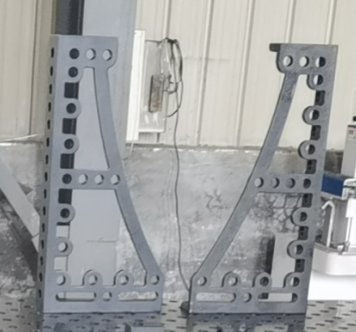
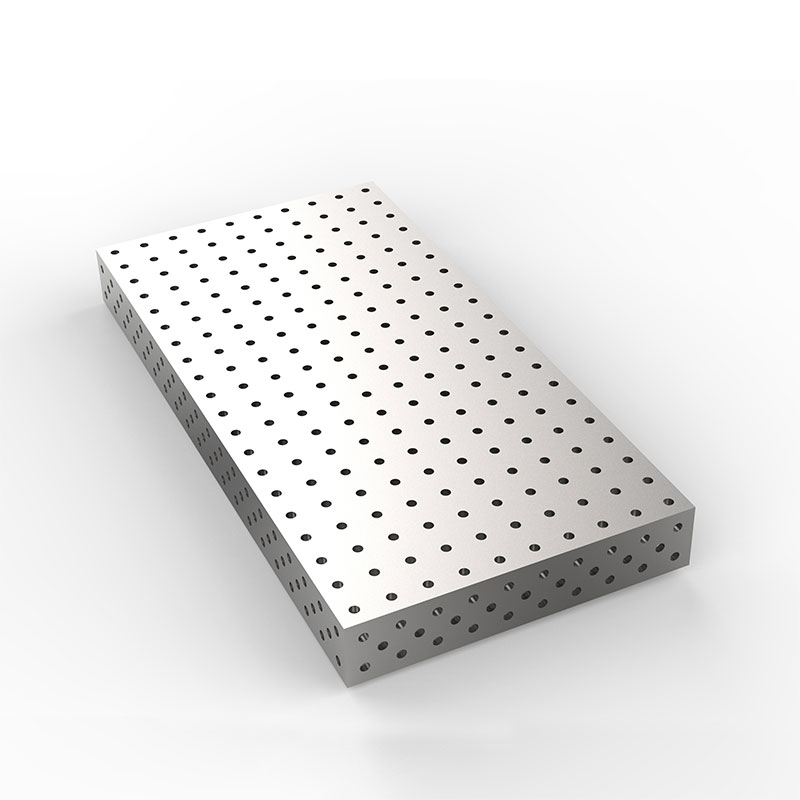
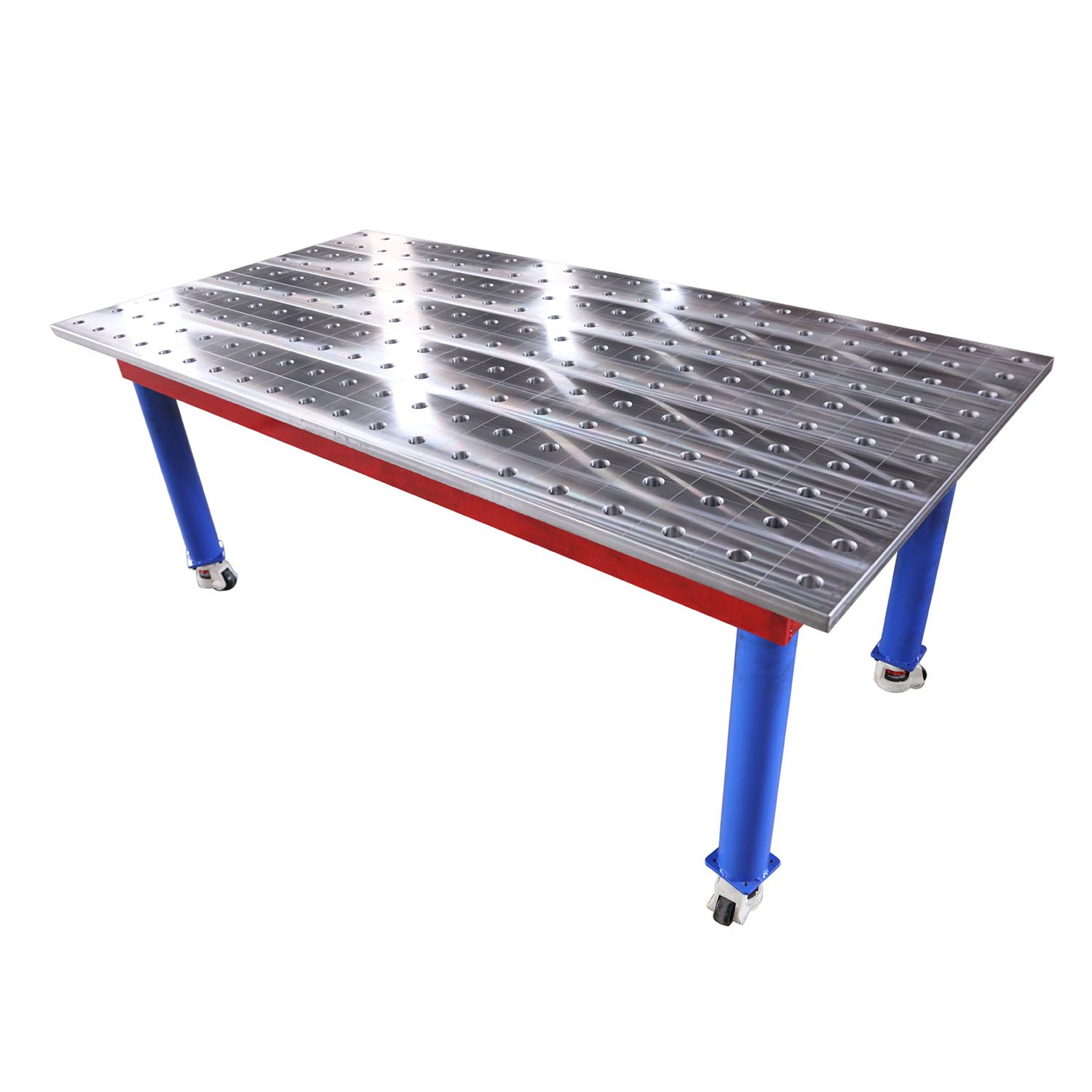
Specializing in the research, development, and production of high-precision flexible modular fixtures and metalworking tools, Botou Haijun provides efficient and flexible welding and positioning solutions that complement high-volume casting workflows. Their core product line, featuring 2D and 3D flexible welding platforms, has become preferred jigging equipment in the machining, automotive, and aerospace industries—sectors that heavily rely on aluminum casting.
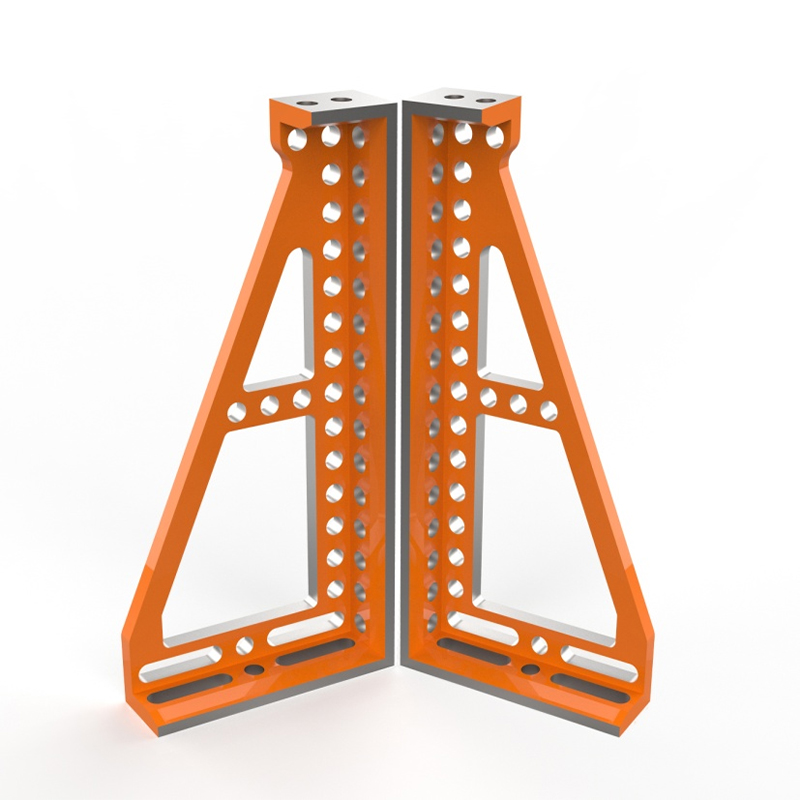
These platforms, renowned for their exceptional versatility and precision, integrate seamlessly with complementary components such as U-shaped and L-shaped multi-purpose square boxes, 200-series support angle irons, and 0-225° universal angle gauges. This modularity enables rapid workpiece positioning and clamping, significantly reducing setup times for secondary operations on cast parts. Additionally, Botou Haijun manufactures professional cast iron 3D welding platforms and angle connection blocks, ensuring exceptional durability and stability. With years of industry experience, Haijun Metal has become a trusted supplier of tools and gauges to customers both domestically and internationally, continuously providing high-quality production machinery tool series that support the rigorous demands of modern manufacturing.
Future Trends in Aluminum Casting Technology
The landscape of high-volume aluminum casting is evolving with technological advancements. Staying informed about these trends can provide a competitive edge.
Vacuum-Assisted Die Casting
This technique removes air from the mold cavity before injection, significantly reducing porosity. It enables the production of higher-integrity parts suitable for structural applications and heat treatment, bridging the gap between traditional die casting and permanent mold quality.
Integrated Gigacasting
Pioneered by leading EV manufacturers, gigacasting involves casting large vehicle sections as single pieces. This trend is driving the development of massive die-casting machines (6,000+ tons) and new alloy formulations that offer high ductility and strength. It promises drastic reductions in vehicle weight and manufacturing complexity.
Sustainable Manufacturing
Sustainability is becoming a key differentiator. Manufacturers are increasingly using recycled aluminum, which requires significantly less energy to produce than primary aluminum. Advances in melting technology and fluxing agents allow for high-quality casts from recycled feedstock, supporting circular economy goals.
Digital Twins and Industry 4.0
The integration of IoT sensors and AI analytics allows for real-time monitoring of casting processes. Digital twins simulate the entire production line, predicting maintenance needs and optimizing parameters automatically. This data-driven approach enhances efficiency, reduces downtime, and ensures consistent quality.
Conclusion: Maximizing Value with High Volume Aluminum Casting
High volume aluminum casting is a cornerstone of modern manufacturing, offering an unparalleled combination of lightweight performance, design flexibility, and cost efficiency. By leveraging advanced techniques like High-Pressure Die Casting and adhering to rigorous quality standards, manufacturers can deliver precision parts that meet the demanding requirements of automotive, electronics, and industrial sectors.
Success in high-volume production hinges on three pillars: intelligent Design for Manufacturability, robust process control, and a strategic partnership with an experienced manufacturer. Engineers and procurement leaders who prioritize these elements will secure a reliable supply chain, reduce total cost of ownership, and accelerate time to market.
Whether you are developing a new EV component, a consumer electronic housing, or an industrial pump body, understanding the nuances of aluminum casting empowers you to make informed decisions. Focus on early collaboration with your manufacturing partner, optimize your design for the process, and insist on transparent quality metrics.
Ready to optimize your production strategy? Evaluate your current designs against DFM principles and consider the long-term benefits of tooling investment for high-volume runs. For detailed technical specifications, material recommendations, or a customized quote for your next project, explore our comprehensive related products and technical solutions to connect with our engineering team.