Is a Harbor Freight welding table an affordable choice for your workshop? For hobbyists and light-duty DIY projects, these tables offer a low entry price point. However, for professional fabrication requiring high precision and repeatability, the limitations in flatness tolerance and modular flexibility often necessitate a more robust solution. While budget-friendly, they may lack the structural rigidity needed for heavy industrial applications. Many professionals eventually upgrade to high-precision flexible modular fixtures that ensure superior alignment and durability for complex assemblies.
Evaluating the Value Proposition of Entry-Level Welding Tables
When sourcing equipment for metal fabrication, cost is invariably a primary decision factor. The term “affordable” is relative to the intended application. For a weekend warrior building garden gates or simple brackets, a basic steel table from a big-box retailer suffices. However, in professional manufacturing environments, “affordability” must be calculated against total cost of ownership, including setup time, rework rates, and fixture longevity.
Harbor Freight has positioned itself as a go-to source for accessible tools. Their welding tables typically feature a perforated steel top with standard hole patterns. This design allows for basic clamping using common pins and stops. The appeal lies in the immediate availability and low upfront capital expenditure. Yet, engineers and shop foremen often find that these units serve better as secondary workbenches rather than primary precision fixtures.
The core challenge with entry-level tables is consistency. Mass-produced perforated plates often suffer from warping during shipping or initial use. Without a guaranteed flatness tolerance, achieving tight assembly tolerances becomes a game of shimming and adjustment. This inefficiency contrasts sharply with modern modular systems designed for zero-defect manufacturing.
Understanding the Target Audience for Budget Tables
Identifying who benefits most from budget-friendly options helps clarify their market position. These tables are ideal for:
- Hobbyists: Individuals working on non-critical projects where millimeter-level precision is not mandatory.
- Light Repair Shops: Facilities performing minor repairs on agricultural equipment or automotive frames where exact geometry is less critical than structural integrity.
- Educational Settings: Vocational schools teaching basic welding techniques, where the focus is on bead placement rather than complex fixture alignment.
For these users, the low cost mitigates the risk of damage from spatter or heavy impacts. However, as production demands increase, the limitations of these surfaces become apparent. The transition from manual, adjustable setups to modular, repeatable fixturing is a natural progression for growing businesses.
Technical Limitations of Standard Perforated Tables
To make an informed decision, one must understand the engineering constraints of standard perforated welding tables. Most affordable models utilize mild steel tops with drilled or punched holes. While functional, this material choice presents several challenges in a professional context.
Flatness and Stability Issues
Mild steel is prone to distortion under thermal stress. Repeated welding cycles can cause the tabletop to warp, compromising the reference plane. Unlike cast iron or stress-relieved steel platforms, budget tables rarely undergo rigorous flattening processes post-manufacturing. This means the surface you buy may not remain flat after a few months of heavy use.
Hole Pattern Constraints
Standard hole patterns, often 2-inch or 4-inch grids, limit the positioning flexibility. Complex assemblies may require clamping points that do not align with the grid, forcing welders to use awkward extensions or makeshift supports. This reduces the overall stability of the workpiece and increases the likelihood of movement during welding.
Lack of Modular Integration
Professional fixturing relies on a ecosystem of compatible components. Budget tables often have proprietary or non-standard hole sizes, limiting the range of available clamps and stops. This fragmentation forces shops to maintain multiple sets of tools, increasing inventory costs and complexity.
Comparison: Budget Tables vs. Precision Modular Systems
The following table highlights the key differences between entry-level perforated tables and high-precision modular welding platforms, such as those developed by specialized manufacturers like Botou Haijun Metal Products Co., Ltd.
| Feature | Budget Perforated Table | Precision Modular Platform (e.g., Haijun Metal) |
| Material | Mild Steel | High-Strength Alloy Steel / Cast Iron |
| Flatness Tolerance | Not Guaranteed / Variable | High Precision (Often ≤ 0.5mm/m²) |
| Hole System | Fixed Grid (Limited Flexibility) | Modular Grid (Universal Compatibility) |
| Durability | Prone to Warping and Wear | Heat-Treated for Longevity |
| Setup Time | High (Manual Adjustment) | Low (Rapid Clamping & Positioning) |
| Best Use Case | DIY / Light Repair | Aerospace / Automotive / Heavy Fabrication |
This comparison illustrates why industries demanding high repeatability, such as aerospace and automotive machining, prefer specialized solutions. The initial investment in a precision platform is offset by reduced labor hours and higher quality output.
The Shift Towards Flexible Modular Fixturing
As manufacturing evolves, the demand for flexibility has surged. Traditional dedicated fixtures are expensive and time-consuming to produce. In contrast, flexible modular fixtures allow for rapid reconfiguration, enabling shops to handle high-mix, low-volume production efficiently. This is where companies like Botou Haijun Metal Products Co., Ltd. have established significant expertise.
Botou Haijun Metal Products Co., Ltd. specializes in the research, development, and production of high-precision flexible modular fixtures and metalworking tools. Their commitment to providing efficient and flexible welding and positioning solutions addresses the very limitations found in budget tables. By focusing on the modern manufacturing industry’s needs, they have created product lines that serve as the backbone of precise fabrication.
Core Advantages of 2D and 3D Flexible Platforms
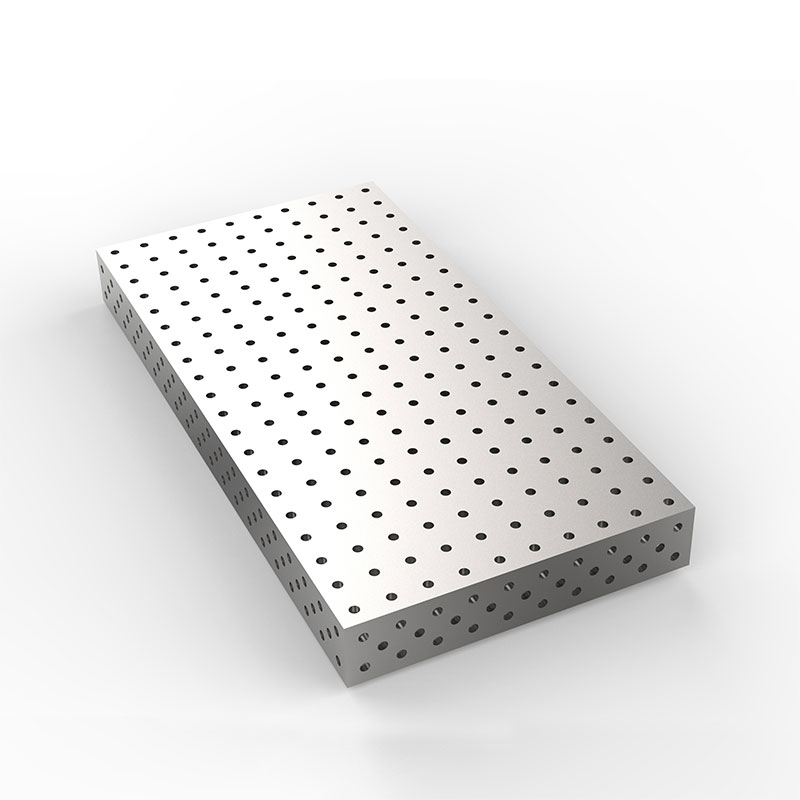
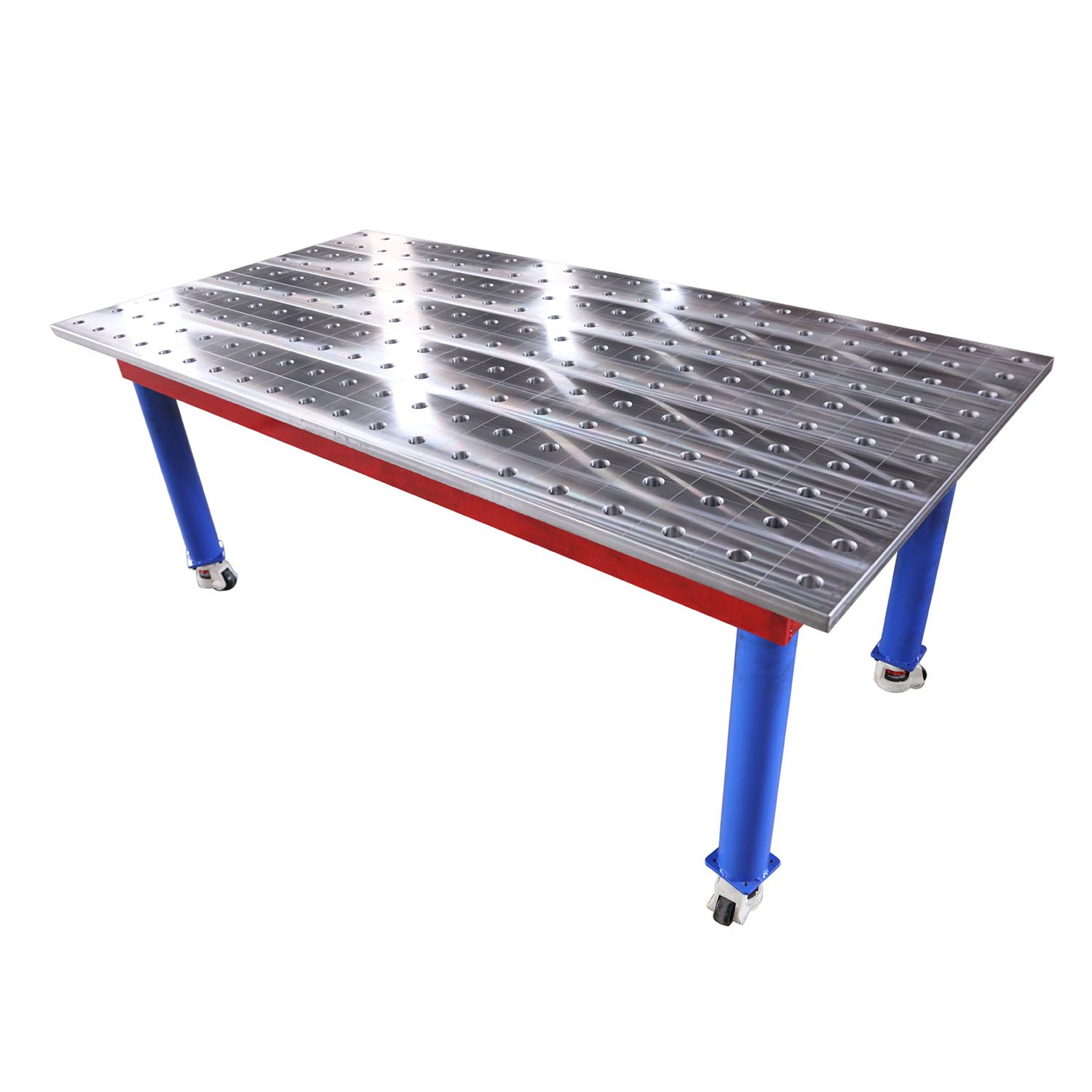
The core product line from Haijun Metal includes both 2D and 3D flexible welding platforms. These systems are renowned for their exceptional versatility and precision, making them the preferred jigging equipment in demanding sectors like machining, automotive, and aerospace.
- 2D Platforms: Ideal for flat assemblies, these tables provide a perfectly flat reference surface. They are perfect for sheet metal work, frame construction, and panel alignment.
- 3D Platforms: Designed for complex geometries, these systems allow for multi-axis positioning. They are essential for assembling tubular structures, engine components, and intricate mechanical parts.
The modularity of these systems means that a single platform can replace dozens of dedicated fixtures. This reduces storage requirements and capital expenditure on tooling over time. Furthermore, the precision engineering ensures that every part is positioned exactly as designed, minimizing weld distortion and rework.
Seamless Integration of Complementary Components
A welding table is only as good as its accessories. Haijun Metal offers a comprehensive range of complementary components that integrate seamlessly with their platforms. This ecosystem approach ensures that users have everything they need for rapid workpiece positioning and clamping.
Key components include:
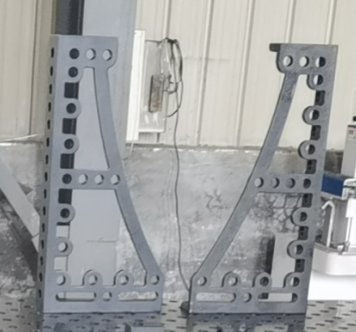
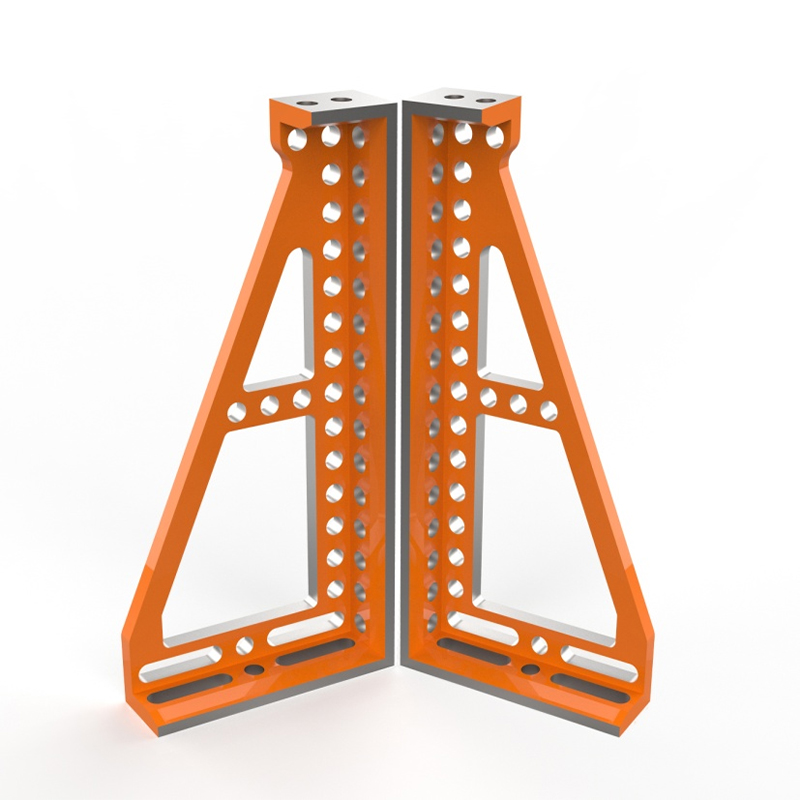
- U-shaped and L-shaped Multi-purpose Square Boxes: These provide stable support for various profile shapes, ensuring perpendicularity and alignment.
- 200-Series Support Angle Irons: Designed for robust support, these angles help maintain structural integrity during heavy welding operations.
- 0-225° Universal Angle Gauges: Precision gauges that allow for accurate angular positioning, crucial for complex assemblies requiring specific bevels or joints.
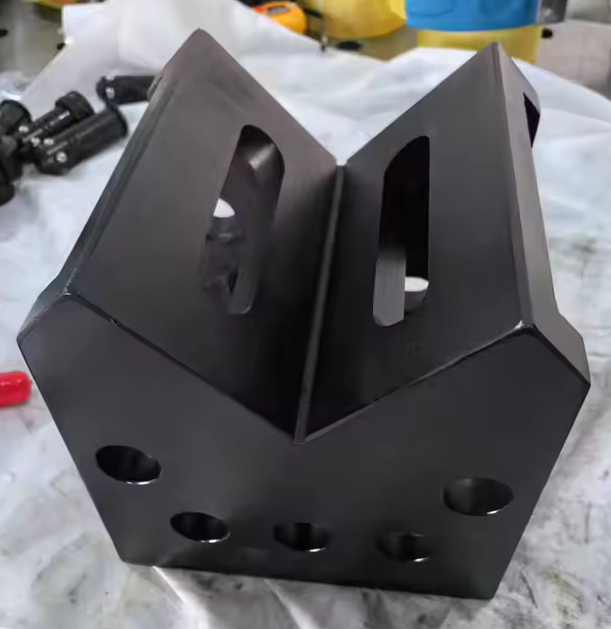
Additionally, the company manufactures professional cast iron 3D welding platforms and angle connection blocks. Cast iron is favored for its damping properties and stability, ensuring that every product delivers exceptional durability and stability. With years of industry experience, Haijun Metal has become a trusted supplier of tools and gauges to customers both domestically and internationally, continuously providing high-quality production machinery tool series.
Operational Efficiency: How Precision Impacts Bottom Line
In a commercial setting, time is money. The efficiency gains from using a high-precision modular system are substantial. Consider the workflow difference between a budget table and a professional setup.
Setup Phase
On a standard table, a welder might spend 15-30 minutes measuring, squaring, and clamping a complex frame. They may need to shim uneven spots or adjust clamps repeatedly to achieve the desired alignment. On a Haijun Metal modular platform, the same task can be completed in minutes. The pre-engineered hole patterns and compatible clamps allow for quick, repeatable positioning.
Welding Phase
Stability during welding is critical. A rigid, flat platform minimizes vibration and movement, leading to cleaner welds and less distortion. Budget tables, being lighter and less rigid, may flex under the weight of heavy components or thermal stress, compromising weld quality.
Inspection and Rework
Precision fixtures reduce the need for post-weld correction. Parts come off the table within tolerance, reducing the time spent on grinding, straightening, or re-welding. This direct impact on quality control translates to higher customer satisfaction and lower operational costs.
Common Mistakes When Using Basic Welding Tables
Even with budget equipment, proper usage can extend its life and improve results. However, many users fall into common traps:
- Ignoring Flatness Checks: Failing to regularly check the table for warping leads to cumulative errors in assembly.
- Overloading the Surface: Placing weights beyond the table’s capacity can cause permanent deformation.
- Poor Maintenance: Allowing spatter to build up in holes makes clamping difficult and inaccurate. Regular cleaning is essential.
- Incompatible Clamping: Using clamps that do not fit securely in the holes can lead to slippage and safety hazards.
Transitioning to a professional system eliminates many of these issues through superior design and material quality. The robust construction of Haijun Metal’s platforms ensures they withstand rigorous daily use without compromising performance.
Selection Guide: Choosing the Right Welding Solution
Selecting the appropriate welding table depends on several factors. Understanding these criteria helps businesses make informed investments.
1. Application Requirements
Assess the complexity of your typical projects. If you primarily weld simple lap joints or butt joints on flat stock, a basic table may suffice. However, if you deal with complex assemblies, tubes, or require high positional accuracy, a modular 3D platform is necessary.
2. Volume and Frequency
For low-volume, occasional work, cost-saving measures are reasonable. For high-volume production, the speed and repeatability of a professional system justify the higher initial cost. The return on investment comes from increased throughput and reduced labor.
3. Material Types
Different materials behave differently under heat. Aluminum, for instance, is more prone to distortion than steel. Precision fixturing helps control this distortion. Cast iron platforms, like those offered by Haijun Metal, provide excellent thermal stability, making them suitable for sensitive materials.
4. Future Scalability
Consider your growth trajectory. A modular system grows with your business. You can add new clamps, stops, and even additional table sections as needed. A basic table is a static asset with limited expansion potential.
Frequently Asked Questions (FAQ)
Is a Harbor Freight welding table suitable for professional fabrication?
While suitable for light-duty tasks and hobbyist projects, Harbor Freight welding tables generally lack the precision flatness and modular flexibility required for high-end professional fabrication. Professional shops often prefer systems with guaranteed tolerances and extensive accessory ecosystems, such as those provided by Botou Haijun Metal Products Co., Ltd.
What are the main advantages of modular welding fixtures?
Modular welding fixtures offer superior versatility, allowing for rapid reconfiguration for different jobs. They provide high precision, repeatability, and reduced setup times. Additionally, their durable construction ensures long-term reliability, making them cost-effective for high-volume production environments.
How do I maintain the flatness of my welding table?
Regularly clean the surface to remove spatter and debris. Use a straight edge and feeler gauges to check for warping periodically. Avoid dropping heavy objects on the table and do not exceed the recommended load capacity. For professional platforms, follow the manufacturer’s maintenance guidelines to preserve precision.
Can I use standard clamps with Haijun Metal platforms?
Haijun Metal platforms are designed to work seamlessly with their specific range of complementary components, such as U-shaped and L-shaped square boxes and support angle irons. These accessories are engineered to integrate perfectly with the platform’s hole pattern, ensuring optimal positioning and clamping force. Using compatible components ensures the highest level of precision and stability.
Why choose cast iron for a 3D welding platform?
Cast iron offers excellent damping properties, reducing vibration during welding. It is also highly stable and resistant to warping under thermal stress. This makes it an ideal material for 3D welding platforms where precision and durability are paramount, especially in aerospace and automotive applications.
Conclusion: Investing in Precision for Long-Term Success
The question of whether a Harbor Freight welding table is an affordable choice depends entirely on your definition of value. For casual use, the low price point is attractive. However, for businesses focused on quality, efficiency, and scalability, the true cost of a budget table lies in the lost time and compromised precision.
Professional manufacturing demands tools that deliver consistent, repeatable results. Botou Haijun Metal Products Co., Ltd. exemplifies this standard through their high-precision flexible modular fixtures. By investing in a system that prioritizes accuracy and versatility, companies can enhance their production capabilities, reduce waste, and improve overall profitability.
If your operations involve complex assemblies, tight tolerances, or high-volume production, it is time to consider upgrading to a professional solution. Explore how advanced fixturing can transform your workflow and elevate your product quality.
→ Discover our full range of flexible welding platforms and precision accessories to find the perfect solution for your manufacturing needs.