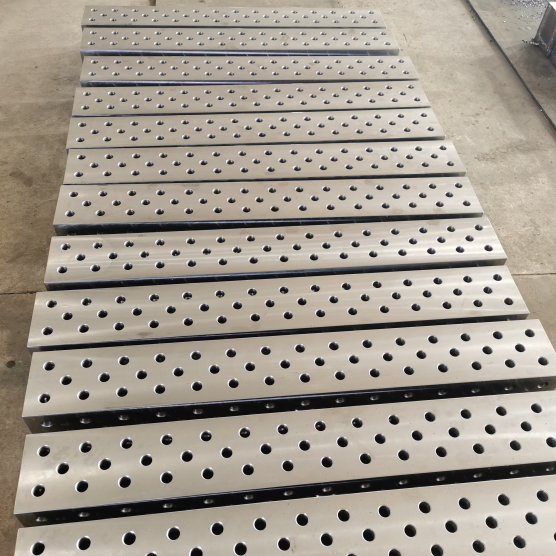
Custom aluminum casting service is a specialized manufacturing process that transforms molten aluminum alloys into precise, complex geometries tailored to specific engineering requirements. As a premier China manufacturer, we provide end-to-end solutions including design optimization, mold development, casting, and CNC machining. Our services support high-volume production for automotive, aerospace, and industrial sectors, ensuring tight tolerances, superior surface finishes, and cost-effective scalability. By leveraging advanced die casting and sand casting technologies, we deliver components that meet rigorous international quality standards while reducing lead times and material waste.
What Is Custom Aluminum Casting Service?
Custom aluminum casting involves pouring or forcing molten aluminum into a pre-designed mold cavity to create parts with specific shapes and dimensions. Unlike off-the-shelf components, custom casting allows engineers to define exact parameters such as wall thickness, internal channels, mounting points, and aesthetic finishes. This flexibility is critical for industries requiring lightweight yet durable materials.
The process begins with a digital model, typically created in CAD software. This model is used to design the tooling or mold. Once the mold is prepared, aluminum alloy—selected based on mechanical properties like tensile strength and corrosion resistance—is melted and introduced into the mold. After cooling and solidification, the part is ejected, trimmed, and often undergoes secondary processing such as heat treatment or surface finishing.
For B2B buyers, understanding the nuances of this service is essential. It is not merely about shaping metal; it is about integrating material science with manufacturing precision. A reliable China manufacturer offers more than just production capacity; they provide technical consultation to optimize designs for manufacturability (DFM), ensuring that the final product is both functional and economical to produce.
Key Characteristics of High-Quality Custom Casting
- Precision Tolerances: Advanced die casting can achieve tolerances as tight as ±0.1mm, crucial for assembly-fit components.
- Complex Geometries: Ability to cast intricate internal structures, thin walls, and undercuts that are difficult or impossible to machine from solid stock.
- Material Versatility: Use of various aluminum alloys (e.g., A380, A360, A383) to balance fluidity, strength, and corrosion resistance.
- Surface Integrity: Minimal porosity and smooth surface finishes reduce the need for extensive post-processing.
Why Choose Aluminum for Custom Casting?
Aluminum is the preferred material for many industrial applications due to its unique combination of physical and chemical properties. When evaluating materials for custom components, engineers often compare aluminum against steel, zinc, and magnesium. Aluminum stands out for its lightweight nature, which is approximately one-third the density of steel, without compromising significantly on structural integrity.
In the context of custom aluminum casting service, the material’s low melting point is a significant advantage. It requires less energy to melt compared to steel or iron, reducing production costs and environmental impact. Furthermore, aluminum exhibits excellent thermal and electrical conductivity, making it ideal for heat sinks, electronic housings, and engine components.
Comparative Analysis: Aluminum vs. Other Casting Materials
| Property | Aluminum Alloy | Zinc Alloy | Steel/Iron | Magnesium |
| Density | Low (2.7 g/cm³) | High (6.6 g/cm³) | Very High (7.8 g/cm³) | Very Low (1.7 g/cm³) |
| Strength-to-Weight Ratio | Excellent | Good | Moderate | Best |
| Corrosion Resistance | High (Natural Oxide Layer) | Moderate | Low (Requires Coating) | Low |
| Castability | Excellent Fluidity | Excellent | Poor (High Melting Point) | Good (Flammable Risk) |
| Cost Efficiency | High | Moderate | Low | High |
This comparison highlights why aluminum is the dominant choice for automotive and consumer electronics. While magnesium is lighter, it poses safety challenges during melting. Zinc is denser, adding unnecessary weight to moving parts. Steel offers strength but lacks the corrosion resistance and ease of casting found in aluminum. Therefore, for most custom applications requiring a balance of performance and cost, aluminum is the optimal solution.
Core Casting Processes We Offer
As a comprehensive China manufacturer, we utilize multiple casting techniques to match the specific needs of each project. The choice of process depends on factors such as production volume, part complexity, required tolerance, and budget. Understanding these processes helps buyers make informed decisions when requesting quotes.
1. High-Pressure Die Casting (HPDC)
Die casting is the most common method for high-volume production. In this process, molten aluminum is injected into a steel mold (die) under high pressure. This ensures rapid filling of the mold cavity, resulting in fine surface details and tight dimensional accuracy.
- Best For: Mass production (1,000+ units), thin-walled parts, complex shapes.
- Advantages: High repeatability, minimal machining required, fast cycle times.
- Limitations: High initial tooling cost; not suitable for very large parts.
Our facility employs modern HPDC machines ranging from 180T to 800T, allowing us to handle parts from small electronic enclosures to larger automotive structural components. The high pressure ensures that the metal fills every corner of the mold, reducing the risk of incomplete casting.
2. Gravity Sand Casting
Sand casting uses reusable patterns to create sand molds. Molten aluminum is poured into the mold using gravity. This method is ideal for larger parts and lower production volumes where the high cost of steel dies is not justified.
- Best For: Large components, low to medium volume, prototyping.
- Advantages: Lower tooling cost, flexible design changes, capable of casting very large parts.
- Limitations: Rougher surface finish, wider tolerances, slower production rate.
We use high-quality silica sand binders to ensure mold stability and surface finish. Post-casting, parts undergo thorough cleaning and shot blasting to remove sand residue and improve surface texture. This process is particularly popular in the machinery and heavy equipment sectors.
3. Low-Pressure Permanent Mold Casting
This process combines elements of die casting and gravity casting. Molten aluminum is introduced into a metal mold under low pressure. This results in denser castings with fewer gas pores compared to gravity casting, and better mechanical properties than high-pressure die casting.
- Best For: Parts requiring high structural integrity, such as wheels and hydraulic components.
- Advantages: Reduced porosity, improved mechanical properties, moderate tooling cost.
- Limitations: Slower cycle time than HPDC.
Step-by-Step Workflow: From Concept to Delivery
Engaging a custom aluminum casting service involves a structured workflow designed to minimize risks and ensure quality. Our process as a China manufacturer is transparent and collaborative, keeping clients informed at every stage.
Step 1: Design Consultation and DFM Analysis
The process begins with your 3D CAD files (STEP, IGES, or X_T formats). Our engineering team conducts a Design for Manufacturability (DFM) analysis. We evaluate wall thickness uniformity, draft angles, and potential shrinkage areas. If design features are likely to cause defects such as warping or voids, we provide recommendations for modification. This step is crucial for preventing costly errors later in production.
Step 2: Tooling Design and Fabrication
Once the design is optimized, we proceed to tooling. For die casting, this involves machining high-grade steel molds. We use CNC milling and EDM (Electrical Discharge Machining) to create precise cavities. Tooling life is a key consideration; we use H13 steel for hot-work applications to ensure durability over hundreds of thousands of cycles. Clients receive tooling drawings for approval before machining begins.
Step 3: Sample Production and Validation
Initial samples, often called “T1 samples,” are produced using the new tooling. These parts undergo rigorous inspection, including dimensional checks with CMM (Coordinate Measuring Machines) and visual inspections for surface defects. If necessary, minor adjustments are made to the mold. We provide full inspection reports, including material certification and mechanical test results, to validate compliance with specifications.
Step 4: Mass Production and Quality Control
Upon sample approval, mass production commences. Our production lines are equipped with automated monitoring systems to track temperature, pressure, and cycle time. In-process quality control (IPQC) ensures consistency. Every batch undergoes final inspection before packaging. We adhere to ISO 9001 standards, ensuring traceability and consistent quality management.
Step 5: Surface Finishing and Assembly
Depending on the application, cast parts may require secondary operations. Common finishes include powder coating, anodizing, polishing, and painting. We also offer CNC machining for critical features that require tighter tolerances than casting alone can provide. Finally, parts are packaged securely to prevent damage during international shipping.
Industries and Applications
Custom aluminum casting serves a diverse range of industries. The versatility of aluminum allows it to meet the specific demands of each sector, from weight reduction in transportation to heat dissipation in electronics.
Automotive and Electric Vehicles (EV)
The automotive industry is the largest consumer of aluminum castings. With the rise of EVs, the demand for lightweight components has surged to extend battery range. Common applications include:
- Engine Blocks and Cylinder Heads: Leveraging aluminum’s thermal conductivity for efficient heat management.
- Transmission Housings: Complex geometries that protect internal gears while minimizing weight.
- Battery Trays and Motor Housings: Structural components that require high strength and electromagnetic shielding properties.
- Suspension Components: Control arms and knuckles that benefit from reduced unsprung mass.
Aerospace and Defense
In aerospace, every gram counts. Aluminum castings are used in non-critical structural parts, interior components, and housing for avionics. The material’s resistance to corrosion and ability to withstand varying temperatures makes it suitable for aircraft environments. Strict adherence to aerospace standards (such as AS9100) is mandatory for suppliers in this sector.
Consumer Electronics
Premium laptops, smartphones, and cameras often feature aluminum unibodies. Die casting allows for sleek, seamless designs with excellent heat dissipation properties. The aesthetic appeal of aluminum, combined with its durability, makes it a favorite for consumer-facing products. Anodizing provides a wide range of color options and enhanced scratch resistance.
Industrial Machinery and Robotics
Heavy machinery requires robust components that can withstand vibration and load. Aluminum castings are used for pump housings, valve bodies, and robotic arm joints. The ability to integrate complex internal cooling channels directly into the casting improves the efficiency of hydraulic and pneumatic systems.
Telecommunications
5G infrastructure relies heavily on aluminum heat sinks and antenna housings. These components must dissipate heat effectively to maintain signal integrity. Custom casting allows for intricate fin designs that maximize surface area for cooling, integrated directly into the housing structure.
Technical Specifications and Material Selection
Selecting the right aluminum alloy is critical for the performance of the final part. Different alloys offer varying levels of fluidity, strength, and corrosion resistance. Our custom aluminum casting service supports a wide range of standard and custom alloys.
Common Aluminum Alloys for Casting
| Alloy Series | Common Grades | Key Properties | Typical Applications |
| A380 (Al-Si-Cu) | A380, ADC12 | Excellent fluidity, good strength, moderate corrosion resistance. | Automotive parts, electronic housings, power tool bodies. |
| A360 (Al-Si-Mg) | A360, ADC10 | Superior corrosion resistance, high ductility, good pressure tightness. | Marine components, outdoor equipment, medical devices. |
| A383 (Al-Si-Cu) | A383, ADC12Z | Improved castability over A380, reduced tendency to crack. | Complex thin-walled parts, intricate geometric shapes. |
| A413 (Al-Si) | A413, ADC14 | Highest fluidity, excellent pressure tightness, lower strength. | Hydraulic components, pump housings, intricate valves. |
Tolerance Standards
Tolerances depend on the casting process and part size. Generally, die casting can achieve:
- Linear Dimensions: ±0.1mm to ±0.3mm for small to medium parts.
- Hole Diameters: ±0.05mm to ±0.1mm (often requires reaming for precision).
- Flatness: 0.2mm per 100mm length.
For tighter tolerances, secondary CNC machining is recommended. We specify datum points clearly in our drawings to ensure consistent measurement during inspection.
Quality Assurance and Certifications
Trustworthiness is the cornerstone of our manufacturing philosophy. As a leading China manufacturer, we implement a multi-layered quality assurance system to ensure every part meets client expectations.
In-House Testing Capabilities
Our laboratory is equipped with advanced testing instruments:
- Spectrometer: For real-time analysis of alloy composition to ensure material purity.
- CMM (Coordinate Measuring Machine): For precise 3D dimensional inspection against CAD models.
- X-Ray Inspection: To detect internal voids, porosity, and inclusions without destroying the part.
- Tensile Testing Machine: To verify mechanical properties such as yield strength and elongation.
- Hardness Tester: To ensure proper heat treatment and material hardness.
Certifications and Compliance
We maintain strict compliance with international standards. Our facility is ISO 9001 certified, demonstrating our commitment to quality management systems. For automotive clients, we adhere to IATF 16949 standards, which require rigorous process control and continuous improvement. Environmental compliance is ensured through ISO 14001 certification, reflecting our responsible approach to waste management and energy usage.
Common Defects and How We Prevent Them
Understanding potential casting defects helps in designing better parts and setting realistic expectations. Here are common issues and our mitigation strategies:
Porosity
Porosity occurs when gas bubbles are trapped in the metal during solidification. This can weaken the part and cause leaks in pressure-tight applications.
Prevention: We optimize gate and runner designs to ensure smooth metal flow. Vacuum-assisted die casting is used for critical parts to remove air from the cavity. Proper venting and overflow wells are incorporated into the mold design.
Shrinkage Cracks
As aluminum cools, it shrinks. If the cooling is uneven, internal stresses can cause cracks.
Prevention: Uniform wall thickness is key. We use DFM analysis to identify thick sections that may cool slowly. Cooling channels in the mold are strategically placed to ensure even heat extraction.
Cold Shuts
Cold shuts happen when two streams of molten metal meet but do not fuse properly, often due to low temperature or slow injection speed.
Prevention: Precise control of melt temperature and injection speed. Regular maintenance of heating systems in the die casting machine ensures consistent thermal conditions.
Ejector Marks
These are impressions left by the pins that push the part out of the mold.
Prevention: Optimizing ejector pin placement and force. Polishing the mold surface and using appropriate release agents minimize visible marks. For cosmetic parts, ejector pins are placed in non-visible areas.
How to Choose the Right Custom Aluminum Casting Manufacturer
Selecting a partner for custom aluminum casting service is a strategic decision. Here are key factors to consider when evaluating suppliers, particularly those based in China:
1. Technical Expertise and Engineering Support
Look for a manufacturer that offers DFM feedback. A supplier who simply follows drawings without questioning feasibility may lead to production issues. The best partners act as extensions of your engineering team, suggesting improvements to reduce cost and enhance quality.
2. Production Capacity and Scalability
Ensure the manufacturer has the capacity to handle your volume requirements, both for prototypes and mass production. Ask about their machine tonnage range and number of production lines. Scalability is crucial if your product gains market traction quickly.
3. Quality Control Systems
Request details about their QC process. Do they have in-house testing labs? What is their defect rate? Can they provide detailed inspection reports? A transparent QC process is a sign of a trustworthy manufacturer.
4. Communication and Responsiveness
Effective communication is vital for international collaborations. Evaluate their responsiveness during the inquiry phase. Do they understand your technical requirements? Are they proactive in addressing concerns? Clear communication reduces the risk of misunderstandings and delays.
5. Supply Chain Integration
A manufacturer that offers secondary services like CNC machining, surface finishing, and assembly can simplify your supply chain. This reduces logistics costs and coordination efforts, ensuring faster time-to-market.
Frequently Asked Questions (FAQ)
What is the minimum order quantity (MOQ) for custom aluminum casting?
MOQ varies depending on the process. For die casting, due to high tooling costs, MOQs typically start at 500-1,000 units to amortize the mold cost. However, for sand casting or prototype projects using soft tooling, we can accommodate lower quantities, sometimes as low as 50-100 pieces. We work with clients to find the most cost-effective solution for their stage of development.
How long does it take to produce custom aluminum castings?
Lead times depend on complexity and volume. Tooling fabrication usually takes 2-4 weeks. Sample production and validation add another 1-2 weeks. Once approved, mass production lead times range from 2-4 weeks depending on order size. We offer expedited services for urgent projects, though this may incur additional costs.
Can you assist with mold design and optimization?
Yes, our in-house engineering team specializes in mold flow analysis and design. We use simulation software to predict filling patterns and identify potential defects before cutting steel. This proactive approach saves time and money by reducing trial-and-error iterations.
What file formats do you accept for quotations?
We prefer 3D CAD files in STEP (.stp), IGES (.igs), or X_T formats. These formats preserve geometric accuracy. 2D drawings in PDF or DWG format are also required to specify tolerances, thread standards, and surface finish requirements. If you only have conceptual sketches, our engineers can help create the necessary 3D models.
How do you handle intellectual property (IP) protection?
We take IP protection seriously. We are willing to sign Non-Disclosure Agreements (NDAs) before reviewing any design files. Our internal security protocols restrict access to client designs to authorized personnel only. We do not share client designs with third parties or use them for other purposes.
What surface finishing options are available?
We offer a wide range of finishes including bead blasting, polishing, powder coating, anodizing (clear, black, colored), painting, and plating. The choice depends on the desired aesthetic and functional requirements, such as corrosion resistance or electrical insulation.
About Botou Haijun Metal Products Co., Ltd.
While our primary focus is delivering exceptional custom aluminum casting services, our expertise extends deeply into the realm of precision manufacturing tooling. Botou Haijun Metal Products Co., Ltd. specializes in the research, development, and production of high-precision flexible modular fixtures and metalworking tools. We are committed to providing efficient and flexible welding and positioning solutions for the modern manufacturing industry.
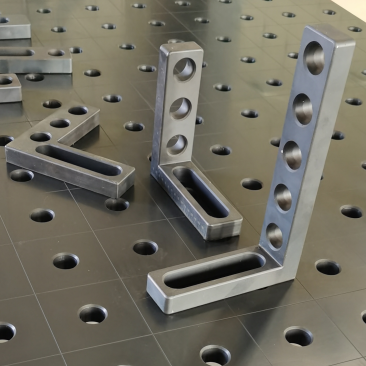
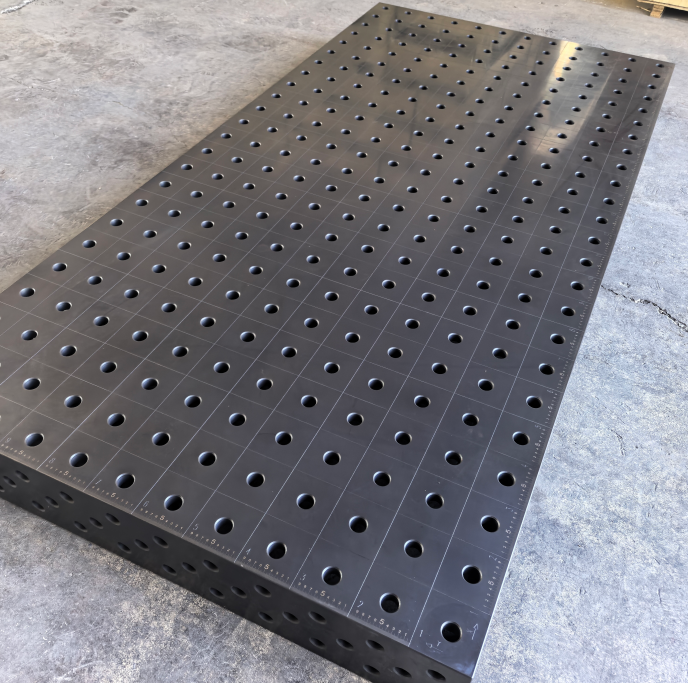
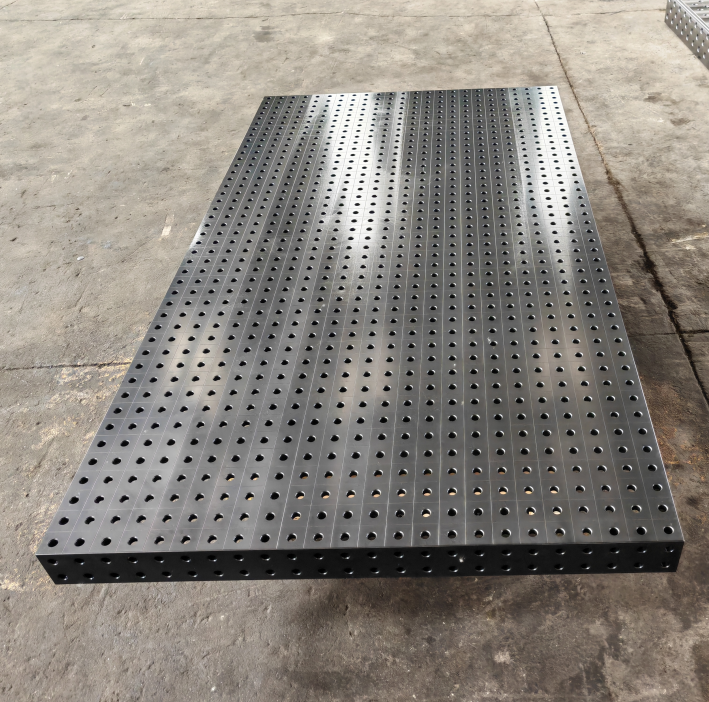
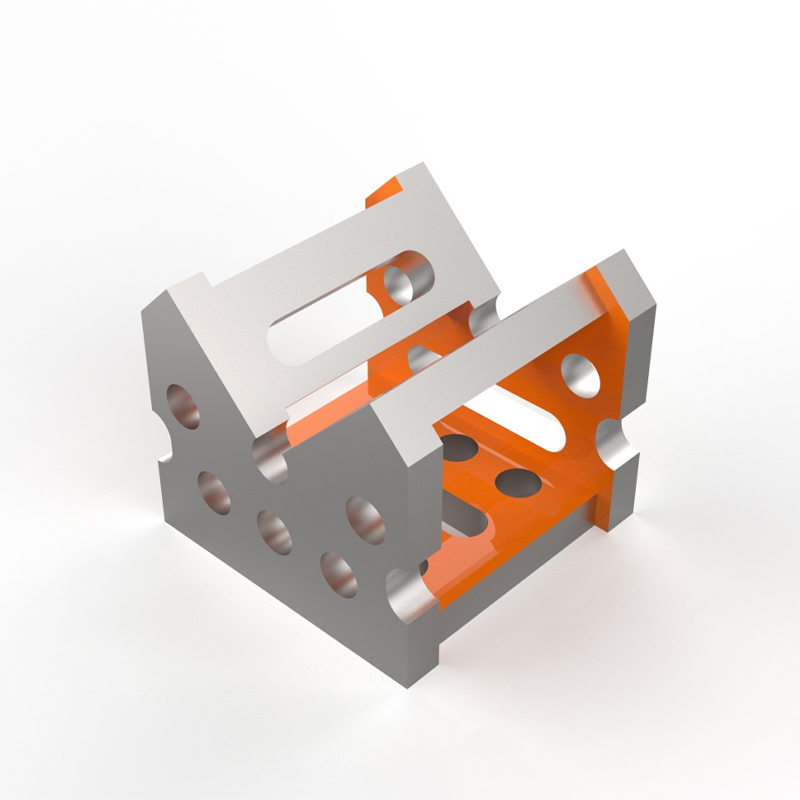
Our core product line includes 2D and 3D flexible welding platforms, renowned for their exceptional versatility and precision. These products have become the preferred jigging equipment in the machining, automotive, and aerospace industries—sectors that also heavily rely on our aluminum casting capabilities. Additionally, we offer a comprehensive range of complementary components, such as U-shaped and L-shaped multi-purpose square boxes, 200-series support angle irons, and 0-225° universal angle gauges. These accessories integrate seamlessly with the platforms to enable rapid workpiece positioning and clamping.
The company also manufactures professional cast iron 3D welding platforms and angle connection blocks, ensuring that every product delivers exceptional durability and stability. With years of industry experience, Haijun Metal has become a trusted supplier of tools and gauges to customers both domestically and internationally. This dual capability in both component manufacturing (casting) and production tooling (fixtures) allows us to offer a truly holistic solution to our clients, supporting them from prototype development to full-scale assembly.
Conclusion: Partnering for Precision and Performance
Custom aluminum casting is a pivotal process for creating high-performance, lightweight, and durable components across various industries. By choosing a reliable custom aluminum casting service from a reputable China manufacturer, businesses can leverage advanced manufacturing technologies, cost efficiencies, and scalable production capabilities.
Our commitment to quality, transparency, and technical expertise ensures that your projects are delivered on time and to specification. Whether you are developing a prototype for a new EV component or scaling up production for consumer electronics, we provide the support and precision needed to succeed.
Ready to start your project?
Contact our engineering team today for a free DFM analysis and competitive quote. Let us help you transform your design into a high-quality aluminum component.
Explore Our Custom Aluminum Casting Solutions