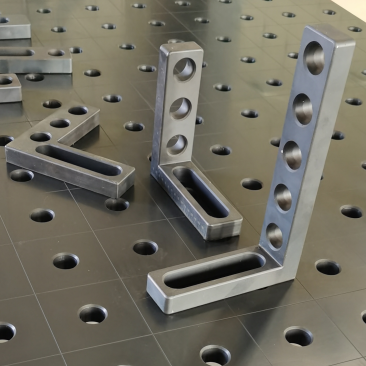
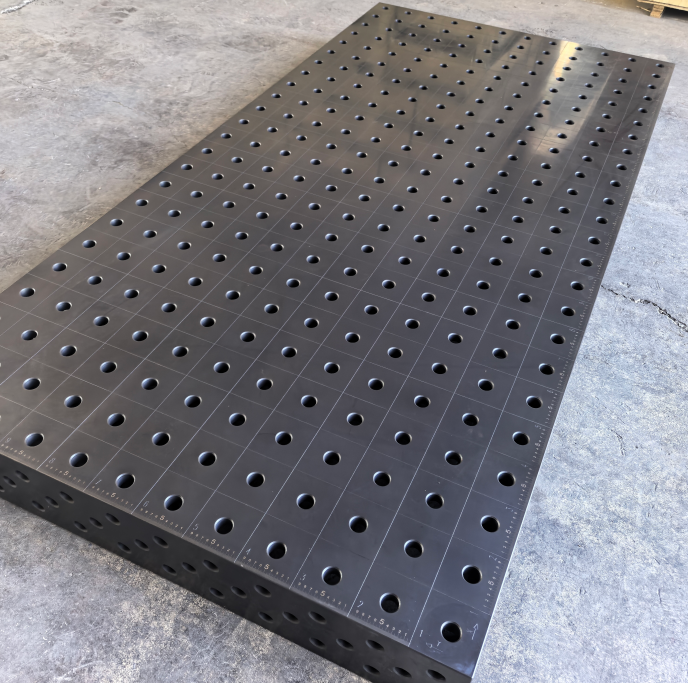
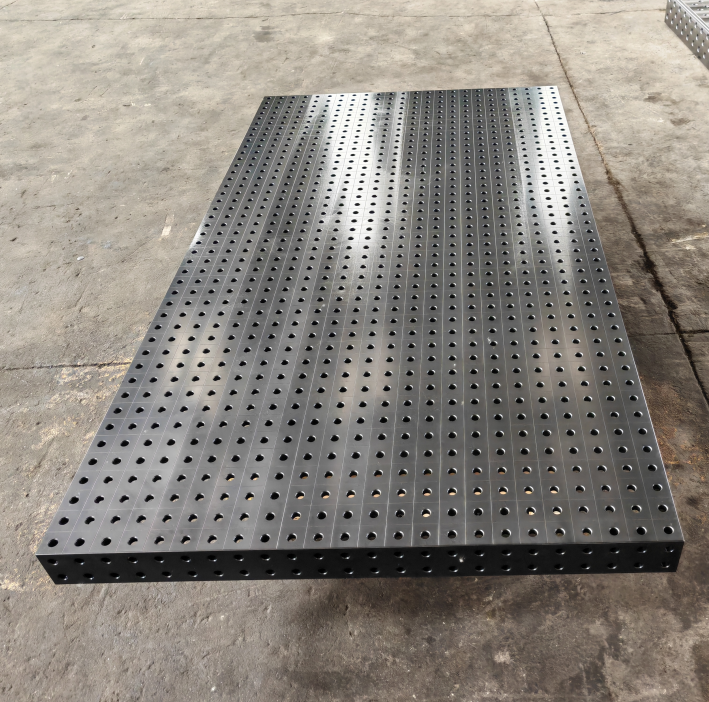
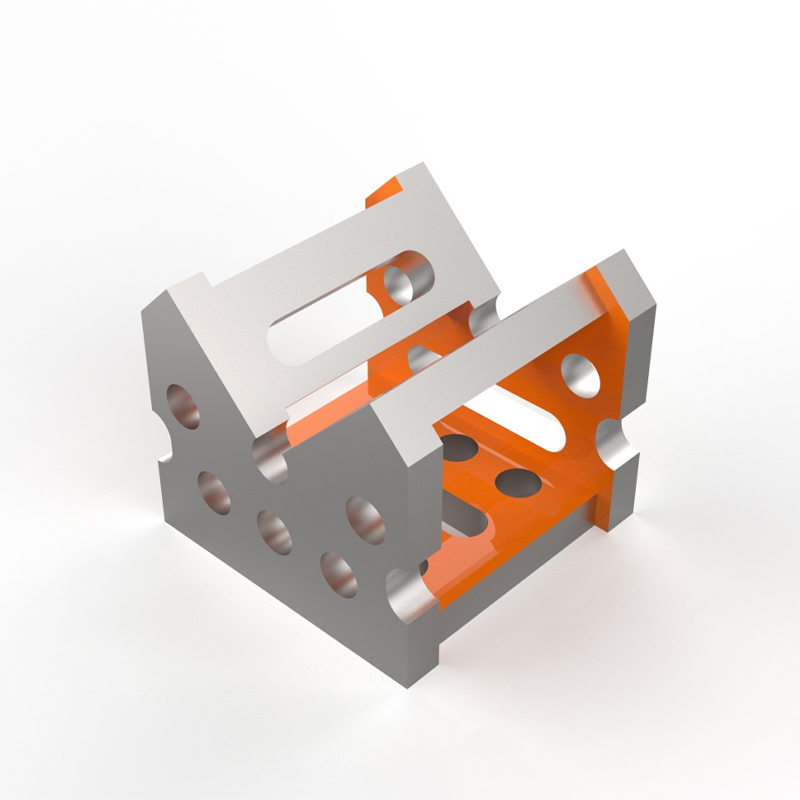
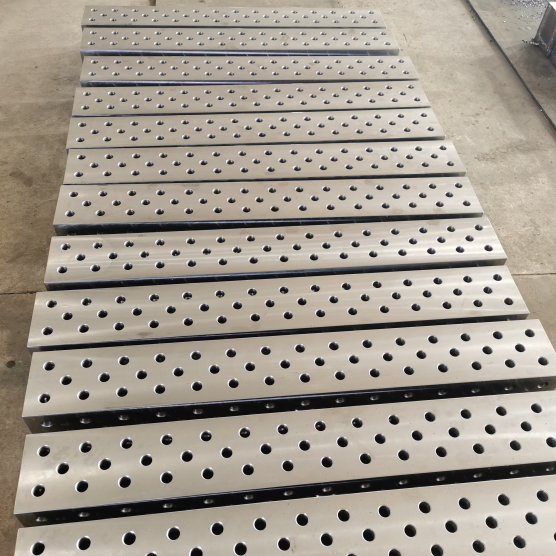
An assembly workbench is a specialized workstation designed for precision manufacturing, electronics assembly, and semiconductor packaging, featuring anti-static surfaces, modular tooling, and ergonomic layouts. In 2026, buying the right assembly workbench from a China manufacturer means accessing cutting-edge technology tailored for AI chip production, advanced packaging, and high-volume storage device assembly.
Why Buy an Assembly Workbench in 2026?
The global semiconductor industry is experiencing unprecedented growth, with market values approaching $1 trillion in 2026. This surge is driven by AI computing demands, advanced packaging technologies, and memory chip shortages. As a result, the need for high-precision assembly workbenches has never been greater.
Modern assembly workbenches are no longer simple tables. They are integrated systems designed to support:
- Advanced Packaging: Supporting 2.5D/3D packaging, hybrid bonding, and panel-level packaging (PLP).
- AI Chip Production: Enabling precise handling of high-performance computing chips.
- Memory Device Assembly: Facilitating the production of HBM (High Bandwidth Memory) and DRAM modules.
- Optical Interconnects: Supporting CPO (Co-Packaged Optics) and silicon photonics integration.
China-based manufacturers have emerged as global leaders, offering cost-effective yet technologically advanced solutions that meet international standards.
Key Features of 2026 Assembly Workbenches
When evaluating an assembly workbench for purchase, consider these critical features that define the latest generation of equipment:
Anti-Static and ESD-Safe Surfaces
Electrostatic discharge (ESD) remains a major threat to sensitive semiconductor components. Modern workbenches feature:
- Conductive or dissipative surface materials.
- Integrated grounding points.
- Real-time ESD monitoring systems.
Modular Tooling and Flexibility
Flexibility is key in today’s fast-evolving production environments. Look for:
- Adjustable shelving and drawer systems.
- Swappable tool holders and power strips.
- Compatibility with automated guided vehicles (AGVs).
Ergonomic Design for Operator Efficiency
Human factors play a crucial role in productivity and quality control. Top-tier workbenches include:
- Height-adjustable frames.
- Tilted monitor arms and document holders.
- Anti-fatigue mats and wrist rests.
Integration with MES and IoT Systems
Smart manufacturing requires seamless data flow. Leading models now offer:
- Built-in sensors for temperature, humidity, and vibration.
- Wi-Fi/Bluetooth connectivity for real-time monitoring.
- APIs for integration with Manufacturing Execution Systems (MES).
Assembly Workbench Applications in Semiconductor Manufacturing
The role of the assembly workbench has expanded beyond traditional electronics assembly. It now supports some of the most advanced processes in the semiconductor industry:
Advanced Packaging for AI Chips
With AI driving demand for high-performance computing, advanced packaging techniques like CoWoS and hybrid bonding require ultra-precise workstations. These benches must support:
- Micron-level alignment tools.
- Cleanroom-compatible materials.
- Vibration damping systems.
HBM and DRAM Module Assembly
As memory prices surge and capacity becomes scarce, manufacturers are scaling up HBM and DRAM production. Assembly workbenches in this sector focus on:
- High-throughput manual and semi-automated stations.
- Precision soldering and wire bonding setups.
- Thermal management for heat-sensitive components.
CPO and Silicon Photonics Integration
The shift toward optical interconnects demands new types of workbenches capable of handling delicate fiber optics and photonic chips. Key requirements include:
- Dust-free environments.
- Laser safety enclosures.
- Micro-positioning stages.
Comparison: Traditional vs. 2026 Smart Assembly Workbenches
| Feature | Traditional Workbench | 2026 Smart Workbench |
| Surface Material | Standard laminate or metal | ESD-safe, conductive composites |
| Tool Integration | Manual tool placement | Modular, RFID-tagged tool systems |
| Data Connectivity | None or basic USB | IoT-enabled, cloud-connected |
| Ergonomics | Fixed height, minimal adjustment | Fully adjustable, motorized frames |
| Cleanroom Compatibility | Limited | ISO Class 5+ certified options |
| Cost Efficiency | Lower upfront cost | Higher ROI through productivity gains |
How to Choose the Right Assembly Workbench Manufacturer in China
China has become a hub for high-quality, affordable assembly workbenches. However, not all manufacturers are created equal. Here’s how to identify the best partners:
Look for ISO and Industry Certifications
Reputable manufacturers hold certifications such as:
- ISO 9001 for quality management.
- ISO 14001 for environmental compliance.
- SEMII or SEMI standards for semiconductor equipment.
Evaluate R&D Capabilities
Top-tier companies invest heavily in research and development. Ask about:
- In-house engineering teams.
- Patents related to workstation design.
- Collaborations with universities or research institutes.
Check Global Clientele and Case Studies
A strong track record with international clients indicates reliability. Request:
- Client testimonials.
- Case studies from similar industries.
- References from existing customers.
Assess After-Sales Support
Long-term success depends on ongoing support. Ensure the supplier offers:
- On-site installation and training.
- Spare parts availability.
- Remote diagnostics and firmware updates.
Step-by-Step Guide to Setting Up Your Assembly Workbench
Once you’ve purchased your assembly workbench, proper setup is essential for optimal performance:
- Step 1: Unpack and inspect all components for damage.
- Step 2: Assemble the frame according to manufacturer instructions.
- Step 3: Install ESD grounding points and verify continuity.
- Step 4: Mount tools, monitors, and accessories using modular rails.
- Step 5: Connect to power and network sources.
- Step 6: Calibrate sensors and test IoT connectivity.
- Step 7: Train operators on safe and efficient usage protocols.
Pros and Cons of Buying from Chinese Manufacturers
While China offers many advantages, it’s important to weigh both sides before making a decision:
- Advantages:
- Competitive pricing due to economies of scale.
- Rapid innovation cycles and customization options.
- Strong supply chain integration for raw materials.
- Growing expertise in semiconductor-grade equipment.
- Disadvantages:
- Potential language and cultural barriers.
- Variable quality among smaller suppliers.
- Longer lead times for custom orders.
- Intellectual property concerns in some cases.
Real-World Use Cases: Success Stories from 2026
Several leading semiconductor firms have already upgraded their facilities with next-gen assembly workbenches:
Case Study 1: AI Chip Producer in Shanghai
A major fabless company replaced its legacy workstations with smart benches equipped with IoT sensors. Results included:
- 20% increase in throughput.
- 30% reduction in ESD-related defects.
- Improved operator comfort and reduced fatigue.
Case Study 2: Memory Module Assembler in Shenzhen
To meet rising HBM demand, a contract manufacturer deployed modular workbenches with rapid reconfiguration capabilities. Benefits observed:
- Faster changeover between product lines.
- Better space utilization in cleanrooms.
- Enhanced traceability via MES integration.
Case Study 3: Optical Interconnect Startup in Wuhan
A startup focusing on CPO technology chose vibration-damped, cleanroom-rated benches. Outcomes:
- Successful prototyping of sub-micron aligned modules.
- Reduced contamination rates during assembly.
- Accelerated time-to-market for new products.
Future Trends in Assembly Workbench Technology
Looking ahead, several trends will shape the evolution of assembly workbenches:
Increased Automation and Robotics Integration
Expect more workbenches to feature collaborative robots (cobots) for repetitive tasks, enhancing speed and consistency.
AI-Powered Quality Control
Embedded cameras and machine learning algorithms will enable real-time defect detection and process optimization.
Sustainable Materials and Energy Efficiency
Manufacturers are increasingly adopting eco-friendly materials and energy-saving designs to align with global sustainability goals.
Digital Twins and Virtual Commissioning
Virtual modeling of workbenches will allow for simulation-based testing before physical deployment, reducing downtime and errors.
Final Thoughts: Is Now the Time to Buy?
Given the explosive growth in semiconductor demand, especially in AI and memory sectors, investing in a modern assembly workbench is a strategic move. Chinese manufacturers offer compelling value propositions, combining affordability with technological sophistication.
Whether you’re scaling up production, entering new markets, or upgrading existing facilities, the right workbench can significantly boost efficiency, quality, and competitiveness in 2026 and beyond.