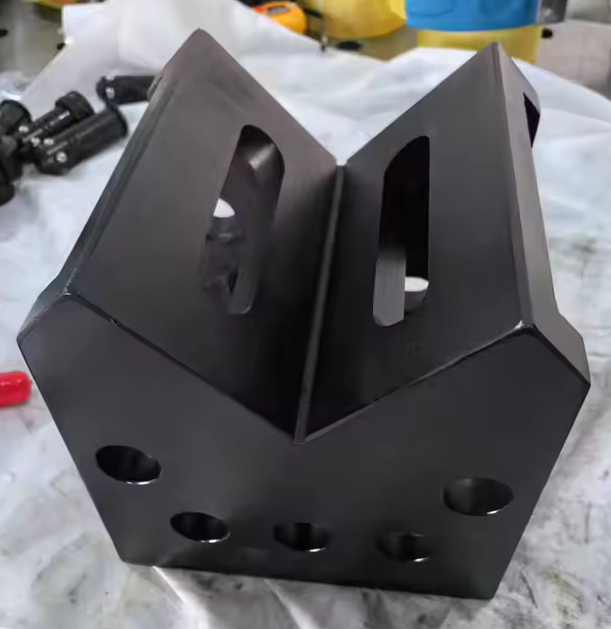
Finding the best welding table for sale in 2026 requires balancing precision, modularity, and durability. For professional fabricators and industrial manufacturers, the ideal solution is no longer a static steel slab but a high-precision, flexible modular fixture system. These advanced platforms enable rapid workpiece positioning, reduce setup time by up to 80%, and ensure repeatable accuracy for complex assemblies. This guide reviews top-tier structural features, material standards, and modular capabilities to help you select a welding table that enhances productivity in automotive, aerospace, and heavy machinery sectors.
Why Modular Flexibility Defines the Best Welding Tables in 2026
The landscape of metal fabrication has shifted dramatically. In 2026, efficiency is driven by adaptability. Traditional fixed welding tables often require custom jigs for every new project, leading to significant downtime. The modern standard for the best welding table prioritizes flexible modular design.
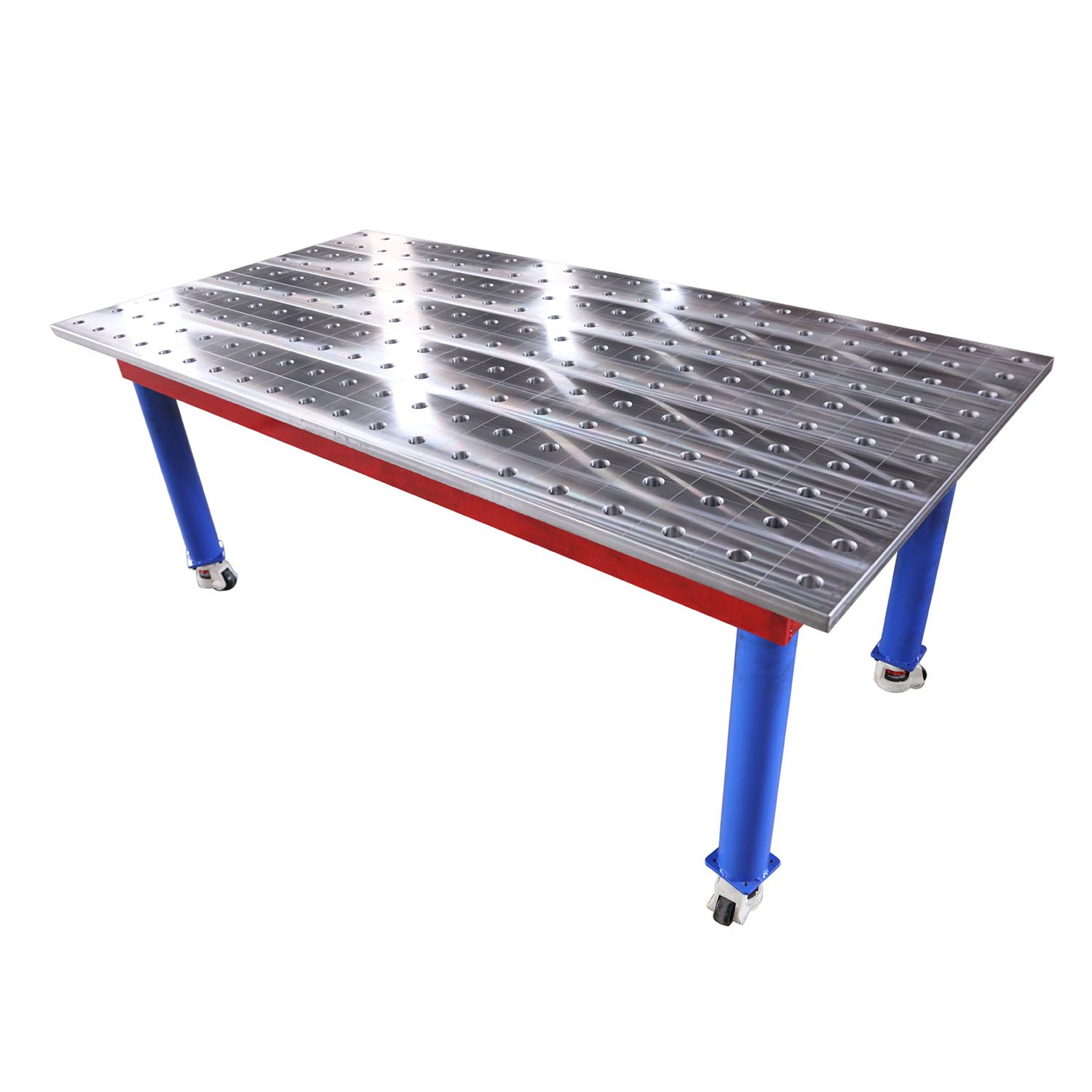
A modular welding platform allows operators to reconfigure clamping points, stops, and squares in minutes rather than hours. This versatility is critical for low-volume, high-mix production environments where changeover speed directly impacts profitability. By integrating standardized hole patterns (such as 16mm or 28mm grids) with compatible accessories, these tables transform from simple work surfaces into comprehensive positioning systems.
The Shift from Static Surfaces to Precision Fixturing
When evaluating a welding table for sale, consider its role as a primary fixturing tool. High-end models feature machined surfaces with tight tolerances, ensuring that every component placed on the table is square and level. This precision eliminates the need for extensive post-weld grinding and straightening, reducing overall labor costs.
- Rapid Setup: Pre-engineered hole grids allow for instant placement of clamps and stops.
- Repeatability: Identical setups can be recreated accurately for batch production.
- Versatility: One table can handle 2D flat assemblies and 3D complex structures with the right accessories.
Key Features to Evaluate When Buying a Welding Table
Selecting the right equipment involves more than just checking dimensions. To ensure long-term value and operational efficiency, focus on these core engineering attributes.
1. Surface Material and Flatness Tolerance
The tabletop material determines longevity and resistance to warping under thermal stress. Cast iron remains the gold standard for high-precision applications due to its superior vibration damping and stability. However, high-grade structural steel with stress-relieved welding is also popular for heavy-duty industrial use.
Look for tables with a flatness tolerance of within ±0.5mm per meter. This ensures that your assemblies start from a true baseline. Cheaper alternatives often warp after repeated heating cycles, compromising accuracy over time.
2. Hole Pattern and Modularity System
The hole pattern dictates which accessories you can use. The two most common standards are:
- 16mm System: Ideal for lighter gauge materials and intricate sheet metal work.
- 28mm System: Designed for heavy structural steel, offering higher clamping forces and robust support.
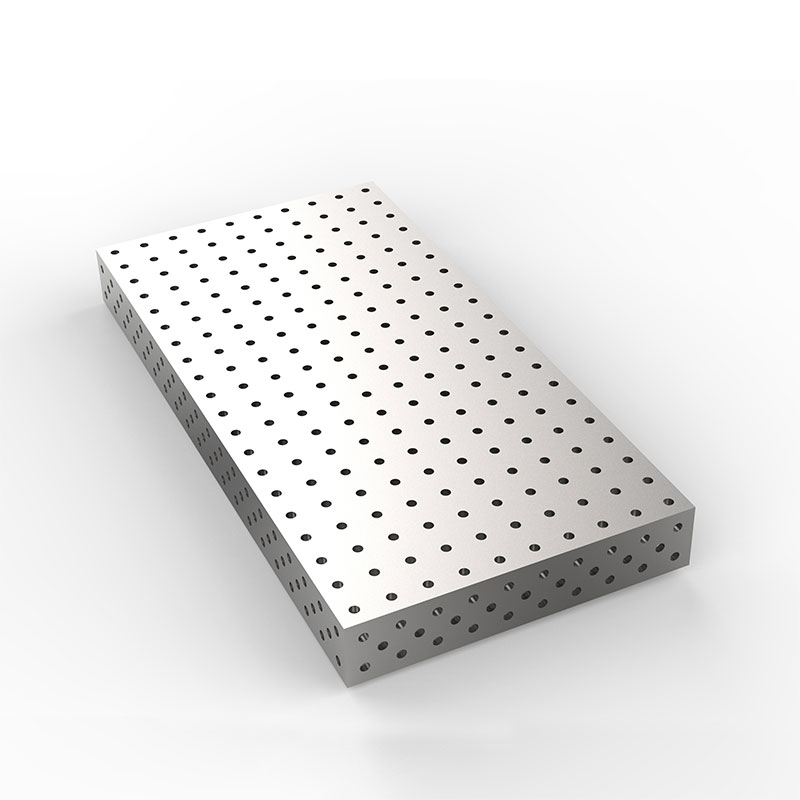
A superior welding table features holes on both the top surface and the sides. This 5-sided accessibility enables complex 3D clamping configurations, allowing you to secure workpieces from multiple angles simultaneously.
3. Load Capacity and Structural Integrity
Consider the maximum dynamic load the table can withstand. For heavy manufacturing, such as in the automotive or aerospace sectors, the table must support substantial weight without deflecting. Reinforced ribbing underneath the tabletop and heavy-duty leg structures are essential for maintaining rigidity during vigorous welding operations.
Top Picks Reviewed: High-Precision Flexible Welding Platforms
In the current market, generic tables often fail to meet the rigorous demands of modern manufacturing. Instead, specialized solutions from established manufacturers like Botou Haijun Metal Products Co., Ltd. represent the pinnacle of welding table technology. Haijun Metal specializes in the research, development, and production of high-precision flexible modular fixtures, providing efficient solutions for the modern manufacturing industry.
Their core product line includes advanced 2D and 3D flexible welding platforms. These systems are renowned for their exceptional versatility and precision, making them the preferred jigging equipment in machining, automotive, and aerospace industries. Unlike static tables, Haijun’s platforms are designed to integrate seamlessly with a comprehensive range of complementary components.
Haijun Metal 3D Flexible Welding Platform
The 3D flexible welding platform is engineered for complex assemblies requiring multi-angle positioning. Constructed from professional cast iron or high-strength steel, these platforms offer exceptional durability and stability. The modular design allows for the attachment of angle connection blocks and universal supports, enabling welders to build custom fixtures rapidly.
Key Advantages:
- Multi-Axis Clamping: Supports 0-225° positioning using universal angle gauges.
- High Precision: Machined surfaces ensure accurate alignment for critical aerospace and automotive parts.
- Scalability: Multiple units can be joined together for larger workpieces.
Haijun Metal 2D Modular Welding Table
For flat assembly work, the 2D modular table provides a robust foundation. It features a dense grid of precision-drilled holes that accept various clamping tools. This system is particularly effective for sheet metal fabrication and frame construction where flatness is paramount.
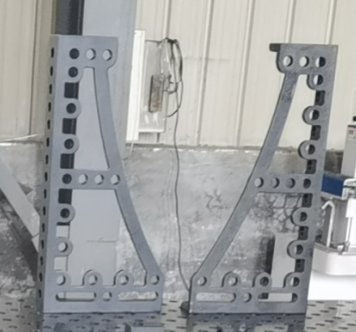
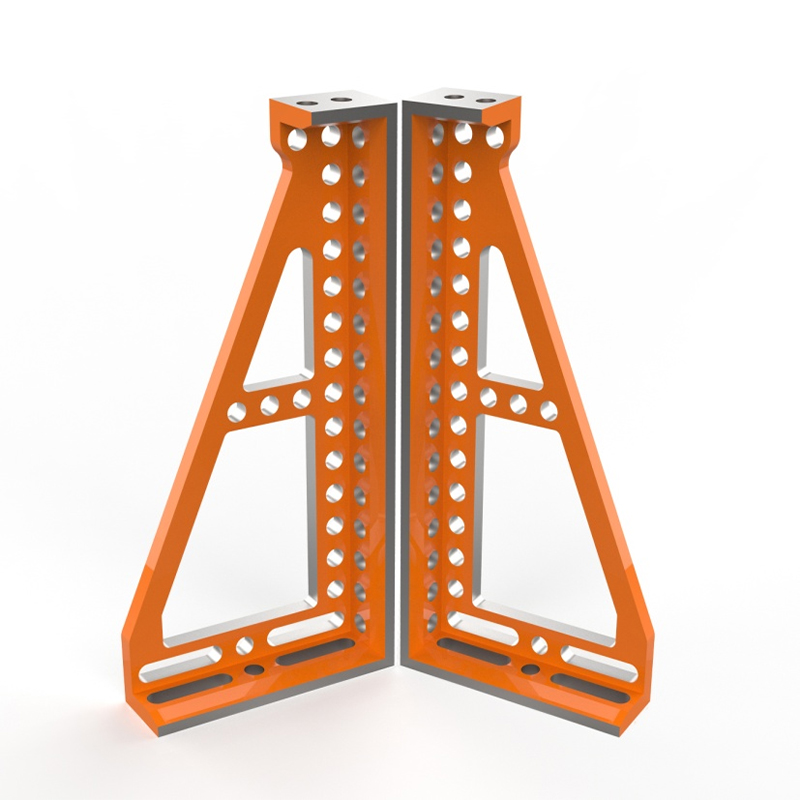
Complementary accessories such as U-shaped and L-shaped multi-purpose square boxes and 200-series support angle irons integrate seamlessly with these platforms. This ecosystem enables rapid workpiece positioning and clamping, significantly reducing non-value-added setup time.
Comparison: Traditional vs. Flexible Modular Welding Tables
Understanding the difference between traditional static tables and modern flexible systems is crucial for making an informed purchase decision. The following table highlights the operational differences.
| Feature | Traditional Static Table | Flexible Modular System (e.g., Haijun Metal) |
| Setup Time | High (Requires custom jigs) | Low (Modular components) |
| Precision | Variable (Prone to warping) | High (Machined tolerance) |
| Versatility | Low (Fixed surface) | High (2D/3D configuration) |
| Initial Cost | Lower | Higher (But lower TCO) |
| Long-Term Value | Limited lifespan accuracy | High ROI via efficiency |
| Best For | Simple, repetitive tasks | Complex, mixed-production |
While the initial investment in a flexible modular system is higher, the reduction in labor hours and material waste often results in a faster return on investment (ROI). For businesses aiming to scale production efficiency, the modular approach is the superior choice.
Essential Accessories for Maximizing Welding Table Utility
A welding table is only as effective as its accessory ecosystem. To fully leverage the capabilities of a modular platform, investing in high-quality clamping and positioning tools is necessary. Botou Haijun Metal Products offers a comprehensive range of components designed to integrate seamlessly with their platforms.
Clamping and Positioning Tools
- U-Shaped and L-Shaped Square Boxes: These multi-purpose tools provide rigid reference points for squaring corners and supporting vertical members. They are essential for maintaining 90-degree angles during tack welding.
- 200-Series Support Angle Irons: These adjustable supports allow for precise height adjustment and angular positioning of workpieces. They are critical for creating stable bases for irregularly shaped parts.
- 0-225° Universal Angle Gauges: For projects requiring non-standard angles, these gauges offer precise adjustment and locking mechanisms. They eliminate the need for custom-cut wedges or shims.
Angle Connection Blocks
Angle connection blocks are vital for expanding the working area or creating complex 3D fixtures. They allow multiple table sections or accessories to be joined securely, ensuring that the entire setup remains rigid under welding stress. Haijun Metal’s professional cast iron angle blocks are manufactured to deliver exceptional durability and stability, ensuring that every product meets rigorous industry standards.
Application Scenarios: Where Flexible Welding Tables Excel
The versatility of high-precision welding tables makes them suitable for a wide range of industries. Understanding specific application needs helps in selecting the right configuration.
Automotive Manufacturing and Repair
In the automotive sector, precision is critical for chassis alignment and frame repair. Flexible welding tables allow technicians to clamp vehicle frames securely while ensuring perfect symmetry. The ability to quickly reconfigure the table for different vehicle models reduces downtime in busy repair shops and production lines.
Aerospace Component Fabrication
Aerospace components often involve complex geometries and high-grade alloys that require precise heat management and positioning. The stability of cast iron platforms minimizes vibration, while the modular accessories allow for delicate positioning of thin-walled structures without causing deformation.
Heavy Machinery and Structural Steel
For heavy equipment manufacturing, the load-bearing capacity of the table is paramount. Large-scale modular systems can be combined to support massive structural beams. The use of heavy-duty clamps and support angle irons ensures that heavy components remain stationary during high-amperage welding processes.
How to Choose the Right Welding Table for Your Business
Selecting the best welding table for sale in 2026 involves assessing your specific production requirements. Follow this step-by-step guide to make an informed decision.
Step 1: Assess Workpiece Size and Weight
Determine the maximum dimensions and weight of the parts you typically weld. Ensure the table surface area is sufficient and that the load capacity exceeds your heaviest typical assembly. For oversized parts, consider modular systems that can be linked together.
Step 2: Evaluate Precision Requirements
If your work involves tight tolerances, such as in aerospace or precision machining, opt for a cast iron platform with machined surfaces. For general structural steelwork, high-grade steel tables may suffice, but verify their flatness specifications.
Step 3: Consider Future Scalability
Choose a system with a wide range of available accessories. A table that supports various clamps, squares, and angle gauges offers greater long-term flexibility. Botou Haijun Metal’s comprehensive accessory line ensures that your setup can evolve with your production needs.
Step 4: Check Supplier Expertise and Support
Partner with a supplier who understands industrial welding challenges. Haijun Metal, with years of industry experience, has become a trusted supplier of tools and gauges to customers both domestically and internationally. Their commitment to providing high-quality production machinery tool series ensures reliable support and product longevity.
Frequently Asked Questions (FAQ)
What is the difference between 2D and 3D welding tables?
A 2D welding table is designed for flat assemblies, where all components lie on a single plane. A 3D welding table allows for multi-directional clamping and positioning, enabling the assembly of complex, three-dimensional structures. 3D tables typically feature holes on multiple sides and support a wider variety of angular accessories.
Why is cast iron preferred for high-precision welding tables?
Cast iron offers superior vibration damping and thermal stability compared to steel. It resists warping under repeated heating and cooling cycles, maintaining flatness over time. This makes it ideal for applications requiring high accuracy and repeatability.
Can modular welding tables be expanded?
Yes, most high-quality modular systems are designed to be scalable. You can join multiple table sections together using connection blocks to create larger work surfaces. This modularity allows businesses to adapt their workspace to changing project sizes.
How do I maintain the flatness of my welding table?
Regular cleaning is essential to remove spatter and debris from the hole patterns. Use anti-spatter spray to minimize adhesion. Periodically check the flatness with a precision straightedge. Avoid dropping heavy objects on the surface, and use protective covers when the table is not in use.
What accessories are essential for a new welding table?
Start with a set of square boxes, clamping kits, and support angle irons. These basics allow you to perform most standard squaring and clamping tasks. As your needs grow, you can add specialized items like universal angle gauges and extension bars.
Maintenance Best Practices for Longevity
To ensure your welding table remains a precision tool for years, adhere to these maintenance guidelines:
- Clean After Every Use: Remove slag, spatter, and dust from the surface and holes. Clogged holes prevent proper accessory insertion.
- Lubricate Moving Parts: Apply light oil to clamps and adjustable accessories to prevent seizing.
- Inspect for Damage: Regularly check for cracks or significant dents that could affect flatness. Address minor issues before they worsen.
- Store Accessories Properly: Keep clamps and gauges in organized storage to prevent loss and damage. A well-organized workshop enhances efficiency.
Conclusion: Invest in Precision and Efficiency
Choosing the best welding table for sale in 2026 is an investment in your production capability. The shift towards flexible, modular systems reflects the industry’s demand for speed, precision, and adaptability. By selecting a high-quality platform like those offered by Botou Haijun Metal Products Co., Ltd., you gain access to superior engineering, comprehensive accessory ecosystems, and proven reliability.
Whether you are in automotive, aerospace, or heavy manufacturing, a precision welding table reduces setup time, improves weld quality, and enhances overall operational efficiency. Do not settle for static, outdated solutions. Embrace the flexibility of modern modular fixturing to stay competitive in a demanding market.
Ready to upgrade your welding setup? Explore our range of high-precision 2D and 3D flexible welding platforms and accessories. Contact our technical team today to discuss your specific application needs and discover how our solutions can optimize your workflow.
View Related Products and Technical Solutions