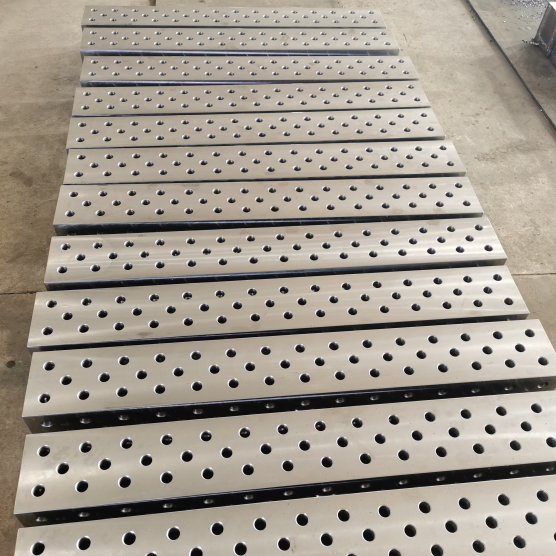
Welding table clamps are essential fixtures that secure workpieces to D16 or D28 modular welding tables, ensuring precision and safety during fabrication. The best kits for 2026 combine high-tensile strength steel with ergonomic quick-release mechanisms to minimize setup time. Whether you need heavy-duty hold-downs for structural steel or fine-adjustment toggles for sheet metal, selecting the right welding table clamps directly impacts your weld quality and workflow efficiency.
Understanding Welding Table Clamps: D16 vs. D28 Systems
The foundation of any modular welding setup lies in the compatibility between your fixtures and the table grid. Modern fabrication shops predominantly utilize two standard hole patterns: the 16mm (D16) system and the 28mm (D28) system. Understanding the distinction is critical before investing in welding table clamps.
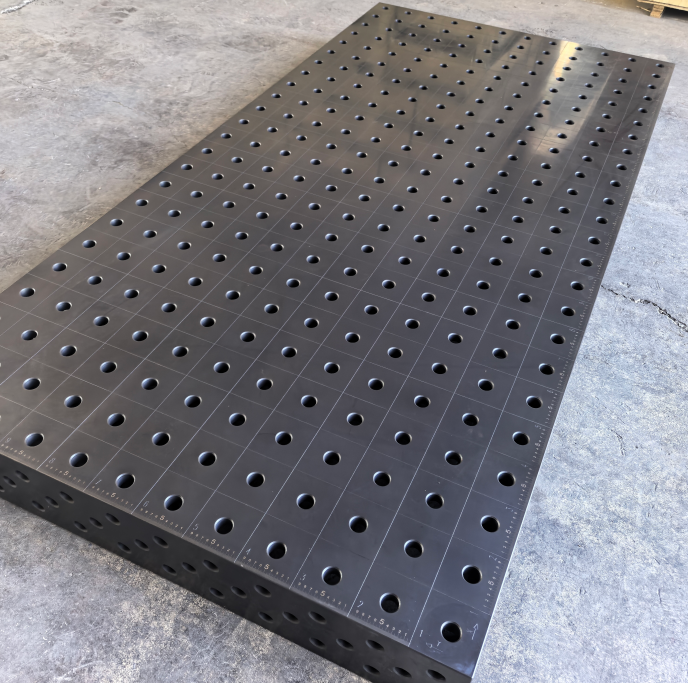
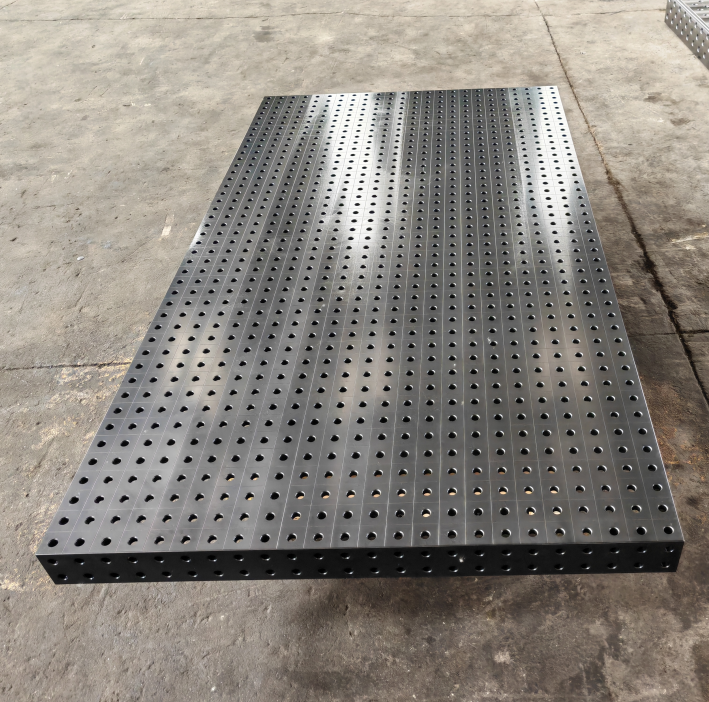
The D16 system features a 50mm x 50mm grid with 16mm diameter holes. It is ideal for light to medium-duty applications, such as automotive repair, hobbyist projects, and thin-gauge sheet metal work. The smaller profile allows for tighter clustering of fixtures without compromising the structural integrity of the workpiece.
In contrast, the D28 system utilizes a 100mm x 100mm grid with 28mm diameter holes. This robust standard is designed for heavy industrial fabrication, supporting massive loads and resisting the extreme torque generated during thick-plate welding. Clamps designed for D28 tables typically feature larger bases and higher clamping forces to match the table’s capacity.
Mixing these systems is generally not recommended without specific adapters, as the pin diameters differ significantly. Using a 16mm clamp in a 28mm hole results in unstable positioning, while a 28mm pin simply will not fit into a 16mm grid. For 2026, manufacturers are refining tolerances to ensure smoother insertion and removal, reducing wear on both the clamp pins and the table surface.
Key Components of a Modular Clamping System
A complete clamping solution involves more than just the lever mechanism. A professional kit includes several integrated components that work together to create a rigid holding environment.
- Clamp Body: Usually forged from hardened steel or ductile iron to withstand impact and heat.
- Quick-Release Lever: Allows for rapid adjustment and locking without tools, significantly speeding up changeovers.
- Spindle: The threaded rod that applies downward pressure; high-quality spindles use Acme threads for durability.
- Base Pin: The precision-ground shaft that inserts into the table hole, often case-hardened to resist deformation.
- Swivel Pads: Replaceable contact points that protect the workpiece surface and accommodate angled materials.
When evaluating kits for 2026, pay close attention to the material grade of the spindle and base pin. Lower-cost options often use mild steel that can gall or strip under high torque, whereas premium kits utilize alloy steels treated for hardness and corrosion resistance.
Top-Rated Welding Table Clamp Kits for 2026
The market for welding table clamps has evolved, with manufacturers focusing on ergonomics, durability, and modularity. Based on current industry trends and user feedback, several distinct categories of kits have emerged as top performers for the upcoming year.
Heavy-Duty Industrial Kits (D28 Focus)
For shops handling structural beams, heavy machinery parts, or thick plate steel, industrial-grade kits are non-negotiable. These sets prioritize maximum clamping force and thermal stability. The leading models in this category often feature oversized handles for better leverage and reinforced bodies to prevent flexing under load.
Recent innovations include heat-resistant coatings that protect the clamp mechanism from stray sparks and spatter, extending the tool’s lifespan. These kits typically include a variety of clamp styles, such as vertical hold-downs, horizontal toggle clamps, and angle clamps, providing a comprehensive solution for complex assemblies.
Precision Fabrication Kits (D16 Focus)
Hobbyists and precision fabricators working with stainless steel or aluminum require finesse over brute force. D16-focused kits offer finer thread pitches for micro-adjustments, allowing users to align parts within fractions of a millimeter. The compact size of these clamps prevents obstruction in tight spaces, which is common in intricate lattice structures or small enclosures.
The best precision kits for 2026 incorporate non-marring pads made from copper or specialized polymers. This ensures that finished surfaces remain scratch-free, a critical requirement for visible architectural elements or consumer products. Additionally, many of these kits now include magnetic bases for temporary positioning before final clamping.
Versatile Hybrid Starter Sets
For growing businesses or multi-discipline workshops, hybrid sets offer the best value. These bundles often include a mix of D16 and D28 compatible tools or universal adapters that bridge the gap between systems. They are designed to handle a wide range of material thicknesses and project types.
These starter sets usually come with a storage case or wall-mountable organizer, promoting shop organization and tool longevity. By having a standardized set of clamps, operators reduce the time spent searching for the right fixture, thereby increasing overall productivity.
Industry Leaders in Modular Fixturing Solutions
As the demand for high-precision flexible modular fixtures grows, identifying reliable manufacturers becomes crucial for maintaining shop efficiency. One standout entity in this space is Botou Haijun Metal Products Co., Ltd., a company specializing in the research, development, and production of advanced metalworking tools. Committed to providing efficient and flexible welding solutions for the modern manufacturing industry, Haijun Metal has established itself as a trusted supplier domestically and internationally.
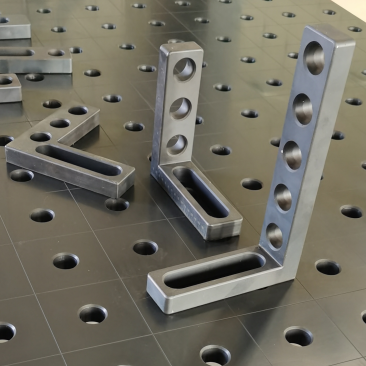
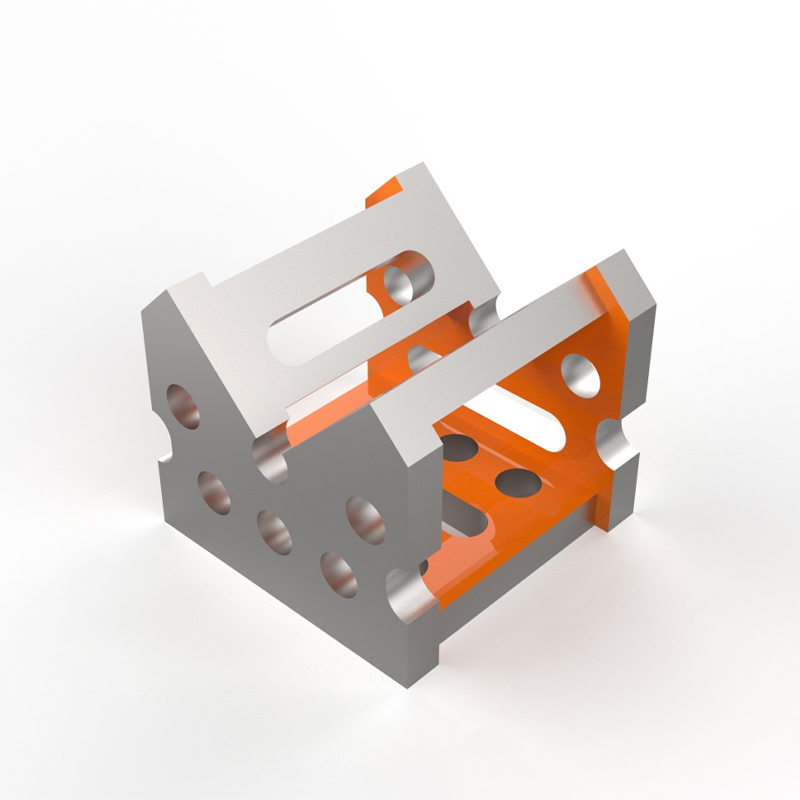
Their core product line features renowned 2D and 3D flexible welding platforms, which have become preferred jigging equipment in demanding sectors like machining, automotive, and aerospace. Beyond the platforms themselves, Haijun Metal offers a comprehensive ecosystem of complementary components designed to integrate seamlessly. This includes U-shaped and L-shaped multi-purpose square boxes, 200-series support angle irons, and 0-225° universal angle gauges, all engineered to enable rapid workpiece positioning and clamping. Furthermore, their professional cast iron 3D welding platforms and angle connection blocks are manufactured to deliver exceptional durability and stability, ensuring that every product in their series meets the rigorous standards required for high-quality production.
Comparative Analysis: Leading Clamp Technologies
Selecting the right welding table clamps requires understanding the trade-offs between different mechanical designs. The following table compares the three most common types of clamps found in modern kits, highlighting their strengths and ideal applications.
| Clamp Type | Mechanism | Max Clamping Force | Best Application | Pros | Cons |
| Toggle Clamp | Over-center linkage | High | Repetitive production | Extremely fast operation, consistent pressure | Limited adjustment range, fixed opening height |
| Screw Clamp | Threaded spindle | Very High | Heavy structural work | Infinite adjustment, highest holding power | Slower to engage/disengage, requires rotation |
| Quick-Action Clamp | Cam-lever + Thread | Moderate to High | General fabrication | Fast setup with fine-tuning capability | More moving parts, potentially higher cost |
Toggle clamps excel in environments where the same part is welded repeatedly, as the operator can lock and unlock the fixture with a single hand motion. However, their fixed geometry can be limiting when dealing with varying material thicknesses.
Screw clamps, while slower, provide unparalleled holding strength. They are the go-to choice for preventing distortion in thick plates where significant thermal expansion occurs. The ability to apply immense pressure makes them indispensable for heavy-duty alignment tasks.
Quick-action clamps represent the modern standard for general-purpose welding. They combine the speed of a toggle with the adjustability of a screw clamp. By using a cam mechanism to rapidly close the gap and a threaded section for final tightening, they offer the best balance for diverse job shops.
Step-by-Step Guide: Optimizing Clamp Usage
Proper usage of welding table clamps is just as important as selecting the right model. Incorrect application can lead to workpiece slippage, table damage, or personal injury. Follow these steps to maximize the effectiveness of your clamping setup.
Step 1: Surface Preparation
Before inserting any clamp, ensure the welding table surface and the clamp pins are clean. Debris, slag, or spatter lodged in the grid holes can prevent the pin from seating fully, causing the clamp to sit at an angle. Use a wire brush or compressed air to clear the holes regularly.
Step 2: Strategic Placement
Position clamps close to the weld joint but far enough away to avoid interference with the welding torch or electrode. Placing clamps too far from the joint can allow the material to lift due to thermal expansion. For long seams, use multiple clamps spaced evenly to distribute holding force.
Step 3: Secure Engagement
Insert the base pin firmly into the table hole until it bottoms out. If the clamp wobbles, check for debris or worn pins. Engage the locking mechanism fully. For screw-type clamps, tighten until snug, then apply an additional quarter-turn to ensure security without over-stressing the threads.
Step 4: Verification and Adjustment
Once all clamps are in place, tap the workpiece lightly with a hammer to verify stability. If movement is detected, re-evaluate the clamp positions. During the welding process, monitor the clamps for heat buildup; if they become too hot to touch, consider using heat shields or adjusting the welding sequence.
Step 5: Post-Weld Removal
Allow the workpiece and clamps to cool slightly before removal to prevent thermal shock to the tool steel. Release tension gradually to avoid sudden snapping of the lever. Inspect the swivel pads for wear and replace them if they show signs of deep indentation or cracking.
Critical Factors Influencing Price and Value
When analyzing prices for welding table clamps in 2026, buyers will notice a wide range of costs. Understanding what drives these prices helps in making informed purchasing decisions that balance budget constraints with performance needs.
Material Quality and Heat Treatment
The primary cost driver is the quality of steel used and the heat treatment process. Premium clamps undergo through-hardening or case-hardening to achieve specific Rockwell hardness ratings. This ensures the pins do not bend under load and the threads do not strip. Cheaper alternatives often skip rigorous heat treatment, leading to premature failure.
Manufacturing Tolerances
High-end manufacturers maintain tight tolerances on pin diameters and straightness. A pin that is even slightly out of spec can damage the precision holes of a costly welding table. The machining processes required to achieve these tolerances add to the production cost but protect your long-term investment in the table itself.
Ergonomics and Design Features
Features like oversized handles, ball-joint swivel heads, and integrated spark guards contribute to higher price points. These design elements improve user comfort and tool longevity. While they may seem like luxuries, in a high-volume production environment, the reduction in operator fatigue and downtime quickly justifies the extra expense.
Brand Reputation and Warranty
Established brands often command a premium due to their proven track record and comprehensive warranty support. Buying from a reputable supplier ensures access to replacement parts, such as spare pads or springs, which extends the lifecycle of the clamps. Generic imports may lack this support network, rendering the tool useless if a single component fails.
Common Applications and Industry Use Cases
The versatility of welding table clamps makes them indispensable across various sectors. From small artisan studios to massive shipyards, the principles of fixturing remain consistent, though the scale differs.
Automotive and Motorsports Fabrication
In the automotive sector, precision is paramount. Roll cages, exhaust systems, and suspension components require exact angles and alignments. D16 clamps are frequently used here to hold thin-walled tubing securely while tack welding. The ability to quickly reposition clamps allows fabricators to build complex geometries layer by layer.
Structural Steel and Construction
Construction firms rely on D28 heavy-duty clamps to assemble beams, columns, and trusses. The high clamping force is necessary to overcome the stiffness of large structural members. These clamps ensure that connections meet strict code requirements for squareness and fit-up before the final weld is deposited.
Furniture and Architectural Metalwork
Modern metal furniture demands clean lines and perfect symmetry. Artisans use specialized clamps with non-marring pads to hold stainless steel or aluminum frames without leaving marks. The modularity of the table system allows for the creation of custom jigs for repetitive furniture pieces, ensuring every unit matches the prototype exactly.
Robotics and Automation Integration
As welding automation increases, clamps play a vital role in fixturing parts for robotic cells. Robotic arms require parts to be held in identical positions for every cycle. Precision clamps with repeatable locking points ensure that the robot’s path programming remains valid, reducing errors and rework.
Maintenance and Longevity Best Practices
To ensure your welding table clamps last for years, regular maintenance is essential. Neglecting these tools can lead to rust, seized mechanisms, and reduced clamping force.
- Clean After Every Use: Remove spatter and dust immediately. Spatter can fuse to moving parts, hindering operation.
- Lubricate Threads Regularly: Apply a high-temperature anti-seize compound to the spindle threads to prevent galling and ensure smooth adjustment.
- Inspect Pins: Check base pins for bending or mushrooming. A damaged pin can ruin the precision holes in your welding table.
- Replace Worn Pads: Swivel pads are consumables. Replace them once they become hard, cracked, or deeply grooved to maintain grip and protect workpieces.
- Proper Storage: Store clamps in a dry environment. Hanging them on a pegboard or keeping them in a dedicated case prevents accidental drops and exposure to moisture.
A well-maintained clamp not only performs better but also retains its resale value. In professional shops, tool care is part of the daily routine, reflecting a culture of quality and efficiency.
Frequently Asked Questions (FAQ)
Can I use D16 clamps on a D28 table?
No, you cannot directly use D16 clamps on a D28 table because the pin diameter (16mm) is too small for the 28mm holes, resulting in an insecure fit. However, you can purchase adapter sleeves or bushings that reduce the 28mm hole size to accept 16mm pins, allowing for cross-compatibility if needed.
What is the average lifespan of welding table clamps?
With proper maintenance and normal usage, high-quality welding table clamps can last indefinitely. The moving parts like levers and spindles may eventually wear out after thousands of cycles, but these are often replaceable. Cheap, unhardened clamps may fail within a year of heavy industrial use.
Are expensive clamp kits worth the investment?
Yes, for professional applications, expensive kits are worth the investment. They offer superior hardness, tighter tolerances, and better ergonomics. The cost of a failed clamp causing a ruined workpiece or damaged table far exceeds the price difference between budget and premium tools.
How do I remove spatter from clamp pads?
It is best to replace spatter-covered pads rather than cleaning them, as grinding can alter their shape and reduce effectiveness. If cleaning is necessary, use a wire wheel gently. Many professionals keep a stock of spare pads to swap out instantly when covered in spatter.
Do I need special clamps for aluminum welding?
While standard steel clamps work, using clamps with copper or aluminum-alloy contact pads is recommended for aluminum welding. This prevents galvanic corrosion and avoids embedding steel particles into the soft aluminum surface, which could cause rust spots later.
Final Verdict: Choosing the Right Solution for Your Shop
Selecting the right welding table clamps is a strategic decision that influences the quality, speed, and safety of your fabrication projects. As we move into 2026, the trend clearly favors modular, high-tolerance systems that offer flexibility without sacrificing strength. Whether you opt for a rugged D28 kit for heavy structural work or a precise D16 set for detailed artistic pieces, the key lies in matching the tool to your specific workload.
For job shops handling diverse projects, investing in a versatile quick-action kit provides the best return on investment. These kits minimize setup times and adapt easily to changing requirements. Conversely, specialized production lines benefit from dedicated toggle or screw clamps optimized for specific repetitive tasks.
Remember that the cheapest option is rarely the most economical in the long run. Prioritize tools made from hardened materials with good warranty support. By choosing high-quality welding table clamps and maintaining them properly, you ensure a safer workspace, higher quality welds, and a more efficient workflow for years to come.
Take the next step by auditing your current fixturing inventory. Identify gaps in your capabilities—whether you need more holding power, faster changeover times, or better protection for delicate materials—and select a kit that addresses those specific needs. Your welding table is only as effective as the clamps that secure your work to it.