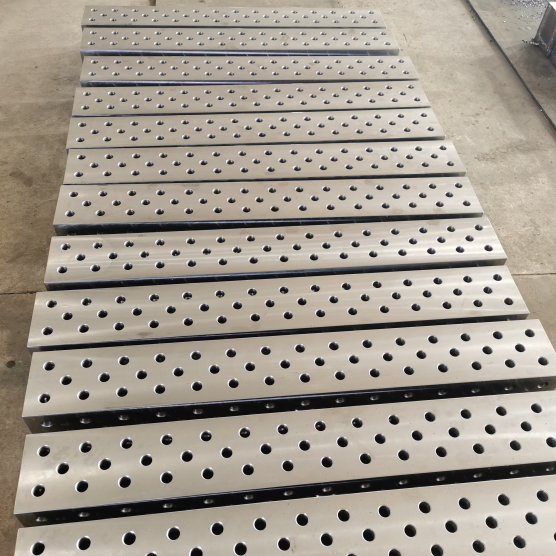
Looking for the best welded machine table in 2026? Factory-direct pricing now offers professional-grade fixtures at competitive rates, combining high-tensile steel durability with precision-ground surfaces. This guide analyzes top models, compares features, and helps you select the optimal welding platform for your workshop needs without middleman markups.
What Is a Welded Machine Table and Why It Matters in 2026
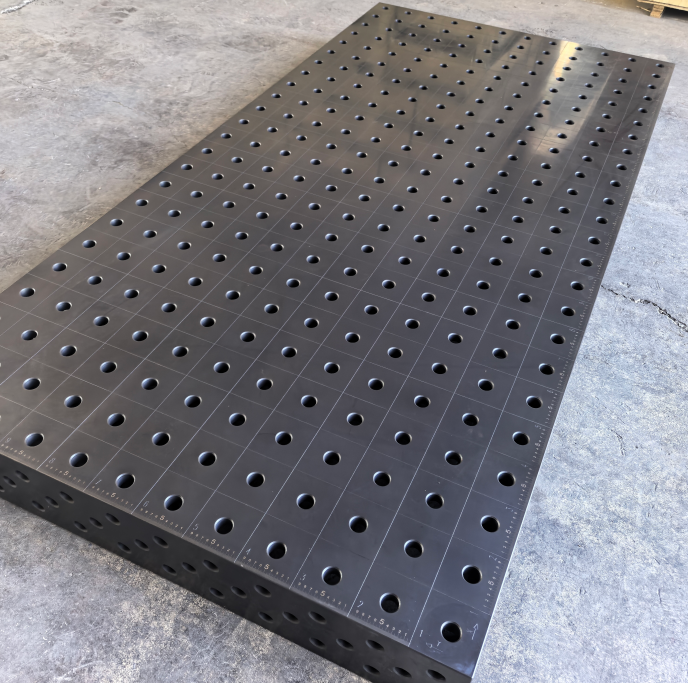
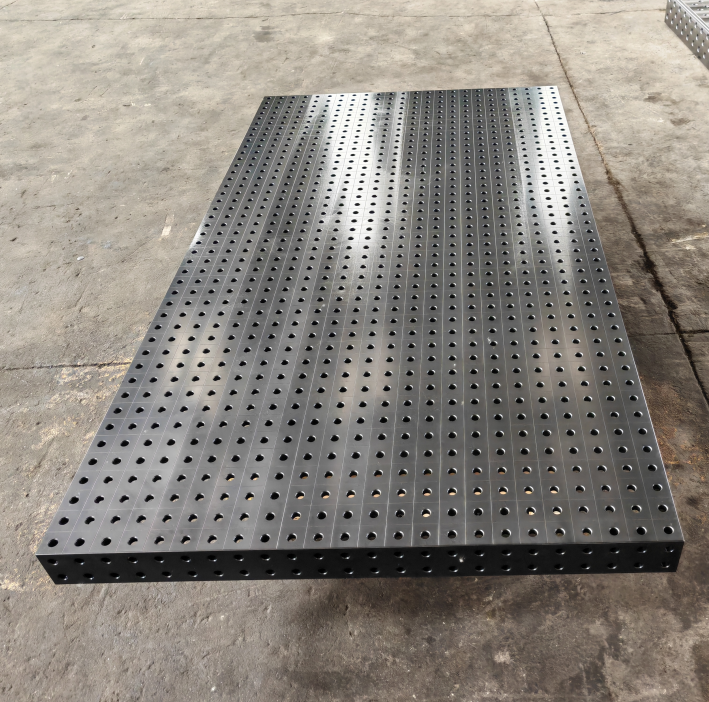
A welded machine table, often called a welding fixture table or 3D welding platform, is a specialized work surface designed with a grid of precisely spaced holes. These holes allow welders to clamp, position, and secure metal components with extreme accuracy before joining them.
Unlike standard workbenches, these tables are engineered from heat-treated steel to resist warping under intense thermal stress. In 2026, the demand for these units has surged as fabrication shops prioritize repeatability and speed over traditional manual measuring.
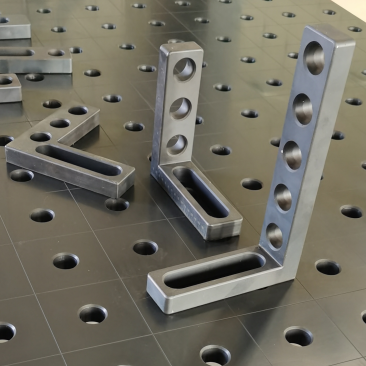
The core value lies in the modular fixturing system. By using stops, angles, and clamps that lock into the table’s hole pattern, operators can create complex jigs in minutes. This reduces setup time by up to 70% compared to conventional methods.
Modern manufacturing requires tight tolerances. A high-quality welded machine table ensures that every part produced matches the digital blueprint, minimizing rework and material waste. This shift represents a move from artisanal guessing to engineered precision.
Key Features Defining Top Models in 2026
When evaluating factory-direct options, specific technical specifications determine long-term value. The market has standardized around several critical features that separate professional tools from hobby-grade imitations.
Material Composition and Heat Treatment
The backbone of any durable table is its steel grade. Leading manufacturers in 2026 utilize S355J2 or equivalent high-tensile structural steel. This material offers superior yield strength, preventing the table legs from buckling under heavy loads.
More importantly, the tabletop undergoes a specialized heat treatment process. This hardening ensures the surface resists indentation from stray arcs and heavy hammering. Soft steel tables deform quickly, ruining the flatness required for precision work.
Surface Flatness and Finish
Precision is measured in millimeters per square meter. Top-tier models guarantee a flatness tolerance of ±0.1mm to ±0.3mm across the entire surface. This level of accuracy is essential for aerospace and automotive applications where alignment is critical.
The surface finish also matters. A nitrided or black oxide coating provides corrosion resistance while reducing glare. Some premium tables feature a machined top that remains bare steel, offering the highest friction for holding parts without slipping.
Hole Pattern and Compatibility
The industry standard has largely converged on a 100mm x 100mm (4″ x 4″) grid pattern with 28mm or 16mm diameter holes. This universality ensures compatibility with thousands of existing clamps and fixtures from global suppliers.
Advanced models now include threaded inserts alongside through-holes. This dual-option design allows users to bolt down heavy fixtures securely or use quick-release pins for rapid reconfiguration. Flexibility in mounting options defines the versatility of the workspace.
Factory Direct vs. Retail: Price and Value Analysis
Purchasing a welded machine table directly from the factory has become the dominant trend in 2026. This shift eliminates distributor markups, often reducing costs by 30% to 50% while maintaining identical quality standards.
Retailers typically add significant overhead for warehousing, marketing, and local support. While this offers immediate availability, the price premium is substantial. Factory-direct buyers trade immediate pickup for customized production and direct shipping.
Direct manufacturers often provide customization options unavailable in retail catalogs. You can specify table height, leg reinforcement, hole sizes, and even cutouts for specific machinery integration. This tailored approach maximizes workflow efficiency.
However, buyers must verify the manufacturer’s credibility. Look for ISO certifications and customer reviews regarding packaging and shipping damage. A good factory will use reinforced wooden crates and foam protection to ensure the table arrives undamaged.
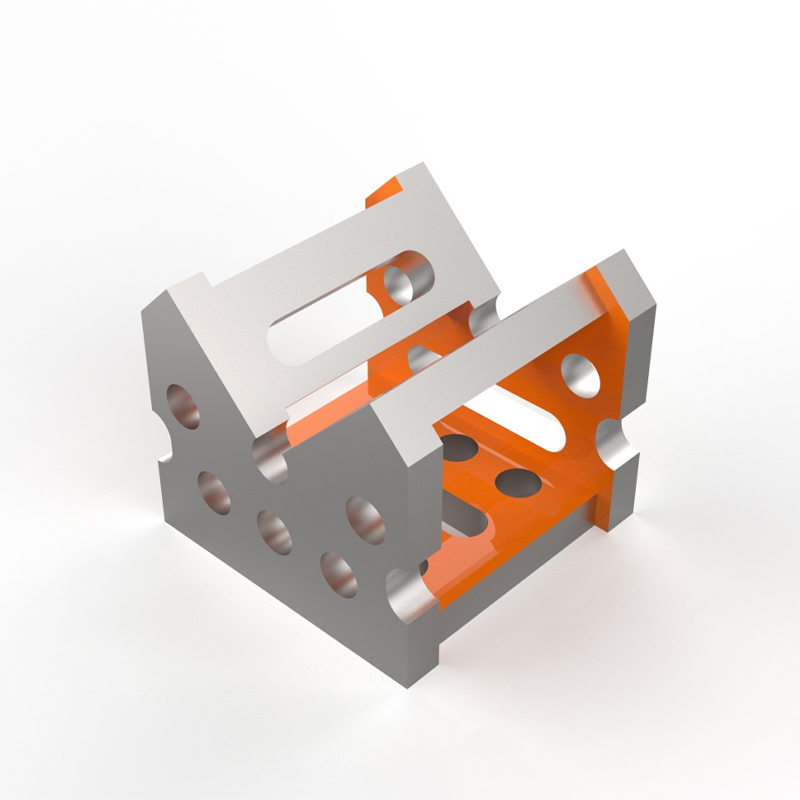
For instance, Botou Haijun Metal Products Co., Ltd. exemplifies this direct-to-consumer model. Specializing in the R&D and production of high-precision flexible modular fixtures, Haijun Metal is committed to providing efficient welding and positioning solutions for the modern manufacturing industry. Their core product line features both 2D and 3D flexible welding platforms renowned for exceptional versatility in the machining, automotive, and aerospace sectors. Beyond the tables themselves, they offer a comprehensive ecosystem of complementary components—including U-shaped and L-shaped multi-purpose square boxes, 200-series support angle irons, and 0-225° universal angle gauges—that integrate seamlessly for rapid workpiece positioning. Additionally, their professional cast iron 3D welding platforms and angle connection blocks ensure every product delivers the durability and stability required for demanding industrial applications.
Comparison of Top Welded Machine Table Models
Selecting the right model depends on your specific application, load requirements, and budget. The following table compares the leading categories available for factory direct purchase in 2026.
| Feature | Entry-Level Hobbyist | Professional Standard | Heavy-Duty Industrial |
| Table Thickness | 10mm – 12mm | 16mm – 20mm | 25mm – 30mm+ |
| Flatness Tolerance | ±0.5mm | ±0.2mm | ±0.1mm |
| Material Grade | Mild Steel (Q235) | Structural Steel (S355) | Alloy Steel (Heat Treated) |
| Hole Pattern | 100mm Grid | 100mm Grid | 100mm or 50mm Grid |
| Load Capacity | Up to 500kg | Up to 2000kg | 5000kg+ |
| Best Use Case | DIY, Light Fabrication | Job Shops, General Mfg | Heavy Machinery, Aerospace |
| Price Range (Est.) | $ | $$ | $$$ |
The Entry-Level option suits home garages where occasional welding occurs. These tables are lighter and easier to move but lack the rigidity for daily industrial use. They are cost-effective for learning fixturing techniques.
The Professional Standard represents the sweet spot for most businesses. With 16mm thickness and S355 steel, these tables handle 90% of commercial fabrication tasks. They offer the best balance of durability and affordability.
Heavy-Duty Industrial tables are engineered for extreme environments. Featuring massive thickness and alloy treatments, they support robotic welding cells and heavy assembly lines. The investment pays off through decades of service life.
Step-by-Step Guide to Setting Up Your New Table
Proper installation is crucial to maintain the precision of your welded machine table. Follow these steps to ensure optimal performance and longevity immediately after delivery.
- Inspect Upon Arrival: Before unpacking, check the crate for shipping damage. Once open, inspect the tabletop for dents or rust. Verify flatness with a straightedge if possible.
- Choose a Level Foundation: Place the table on a concrete floor capable of supporting the weight. Avoid uneven ground which can twist the frame and compromise surface flatness.
- Level the Legs: Most factory tables come with adjustable feet. Use a precision spirit level to adjust each leg until the surface is perfectly horizontal in both X and Y axes.
- Clean the Surface: Remove any protective oil or shipping debris using a degreaser. Apply a thin coat of rust preventative oil if the table is not coated, especially in humid environments.
- Organize Tooling: Arrange your clamps, stops, and angles nearby. Consider installing magnetic holders or tool racks on the table legs for efficient access during operations.
Regular maintenance involves keeping the holes clear of spatter. Use anti-spatter spray before welding near the surface. Periodically check the leveling feet, as heavy usage can cause slight shifts over time.
Applications Across Industries
The versatility of a welded machine table extends far beyond simple tacking. Various industries leverage these platforms to solve complex manufacturing challenges.
Custom Automotive and Motorcycle Fabrication
Builders use these tables to construct roll cages, exhaust systems, and chassis frames. The ability to clamp tubes at precise angles ensures symmetry and structural integrity. Repeatability allows for producing multiple identical units efficiently.
Architectural Metalwork
For gates, railings, and structural beams, alignment is aesthetic and functional. Welders can assemble large sections on the table, ensuring corners are square and joints fit perfectly before final welding. This reduces on-site fitting errors.
Robotics and Automation Integration
In automated cells, the welded machine table serves as the base for robot fixtures. The precise hole pattern allows robots to locate parts accurately every cycle. This consistency is vital for high-volume production lines.
Prototyping and R&D
Engineering teams use modular tables to rapidly iterate designs. Fixtures can be built, tested, and dismantled in hours rather than days. This agility accelerates the product development lifecycle significantly.
Pros and Cons of Investing in a Modular System
Before committing to a factory-direct purchase, it is essential to weigh the advantages against potential limitations. Understanding these factors ensures the investment aligns with your operational goals.
Advantages:
- Increased Speed: Drastically reduces measurement and setup time, allowing more time for actual welding.
- Improved Quality: Ensures consistent dimensions and squareness, reducing scrap rates and rework.
- Versatility: One table can handle countless different projects through interchangeable tooling.
- Ergonomics: Working at waist height reduces back strain and improves visibility of the weld joint.
Disadvantages:
- Initial Cost: High-quality tables and the necessary clamping accessories require a significant upfront investment.
- Weight: These tables are extremely heavy, making relocation difficult without a forklift or pallet jack.
- Learning Curve: Operators need training to effectively design and build efficient fixtures.
- Maintenance: Holes must be kept clean of spatter to ensure tools insert smoothly.
How to Choose the Right Size and Configuration
Selecting the correct dimensions is a strategic decision. Buying too small limits future growth, while buying too large wastes valuable floor space and budget.
Consider your maximum workpiece size. A good rule of thumb is to choose a table at least 20% larger than your typical project. This provides adequate overhang for clamping without obstructing the weld zone.
Evaluate your shop layout. Ensure there is enough clearance around the table for workers to walk on all sides. Access from four sides maximizes the utility of the modular hole pattern.
Think about future scalability. Many manufacturers offer linking mechanisms to connect multiple tables side-by-side. Starting with a standard size and expanding later is often a smarter financial strategy.
Don’t forget the accessory ecosystem. Ensure the table model you choose has a wide range of available clamps and fixtures. Proprietary hole patterns with limited tooling support can render the table less useful over time.
Frequently Asked Questions (FAQ)
Can I weld directly on the surface of the table?
Yes, but with caution. While the steel is heat-treated, frequent direct arcing can damage the surface finish and affect flatness over time. It is best practice to use copper backing plates or fire-resistant blankets to protect the table during heavy welding.
What is the difference between 16mm and 28mm holes?
The 16mm system is lighter and suitable for general fabrication and thinner materials. The 28mm system accommodates larger, heavier-duty clamps and is designed for thick plates and structural steel work. Choose based on your primary material thickness.
How do I remove welding spatter from the holes?
Prevention is key; use anti-spatter spray regularly. If spatter accumulates, use a dedicated reamer tool designed for the specific hole size. Never force a clamp into a blocked hole, as this can damage both the tool and the table.
Is factory direct shipping safe for such heavy items?
Reputable factories use reinforced wooden crates and internal bracing to secure the table. Freight shipping is standard. Always inspect the shipment before signing the bill of lading and document any visible damage immediately.
Do these tables come with a warranty?
Most factory-direct suppliers offer a warranty ranging from 1 to 5 years, primarily covering defects in material and workmanship. Surface wear from normal use is typically excluded. Always confirm warranty terms before purchasing.
Conclusion: Making the Smart Investment for 2026
The transition to a welded machine table is more than a equipment upgrade; it is a strategic shift towards precision manufacturing. As we move through 2026, the competitive advantage belongs to shops that can produce high-quality work faster and with less waste.
Factory-direct purchasing models have democratized access to these professional tools. By cutting out intermediaries, businesses of all sizes can now afford the same high-tensile, precision-ground tables used by industry leaders.
Who should buy now? If you are running a job shop, custom fabrication business, or serious hobbyist looking to scale, the ROI is immediate. The time saved on setup alone often justifies the cost within the first few months of operation.
For those ready to upgrade, the next step is to audit your current workflow. Identify bottlenecks in your fixing process and calculate the potential time savings. Then, reach out to reputable factory suppliers like Botou Haijun Metal Products Co., Ltd. to request quotes and lead times.
Investing in a high-quality welded machine table sets the foundation for years of accurate, efficient, and profitable welding. Don’t let outdated methods hold back your potential in the evolving landscape of metal fabrication.