A rotary welding fixture is a precision device designed to rotate workpieces during the welding process, ensuring consistent seam quality and improved operator ergonomics. In 2026, factory-direct models offer advanced variable speed controls, higher load capacities, and integrated safety features at competitive prices. This guide covers the latest top models, pricing trends, and technical specifications to help manufacturers select the optimal equipment for their production lines.
What Is a Rotary Welding Fixture and How Does It Work?
A rotary welding fixture, often called a welding positioner or turning roll, mechanically rotates a component to keep the weld joint in the ideal “downhand” position. This allows the welder or robotic arm to maintain a constant travel speed and angle, significantly reducing defects like undercut or incomplete fusion.
The core mechanism involves a motor-driven chuck or faceplate that grips the workpiece. Modern units utilize servo motors or high-torque AC drives to ensure smooth rotation even under heavy loads. The primary goal is to eliminate the need for the operator to move around the part, thereby increasing throughput and reducing fatigue.
Key components typically include a robust base frame, a drive unit with gear reduction, a control panel for speed adjustment, and a mounting interface. In 2026, the integration of digital interfaces allows for precise synchronization with automated welding power sources.
Understanding the mechanics is crucial for selection. Unlike simple turntables, industrial-grade fixtures are engineered to handle dynamic loads where the center of gravity shifts as the part rotates. This requires sophisticated braking systems and overload protection to ensure safety and longevity.
Top Rotary Welding Fixture Models in 2026
The market in 2026 has shifted towards modular designs that accommodate both manual and robotic applications. Manufacturers are prioritizing versatility, allowing a single unit to handle a wide range of part diameters and weights without extensive retooling.
Leading factories now produce models with enhanced connectivity, featuring IoT sensors that monitor torque, temperature, and runtime. These data points help predictive maintenance schedules, minimizing unexpected downtime in high-volume production environments.
When evaluating top models, buyers should look for units with dual-drive capabilities for long cylindrical parts. This prevents slippage and ensures uniform rotation speed along the entire length of the weld seam. The trend is moving away from fixed-speed units toward fully programmable logic controller (PLC) compatible systems.
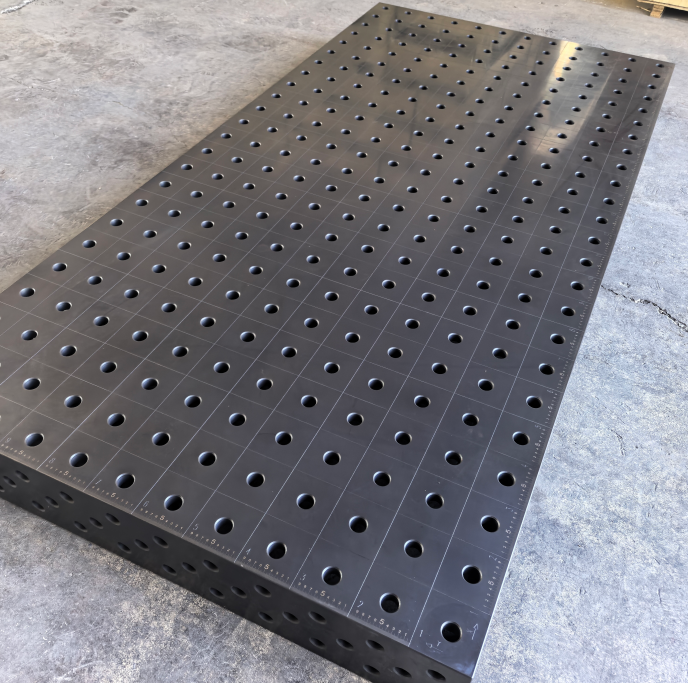
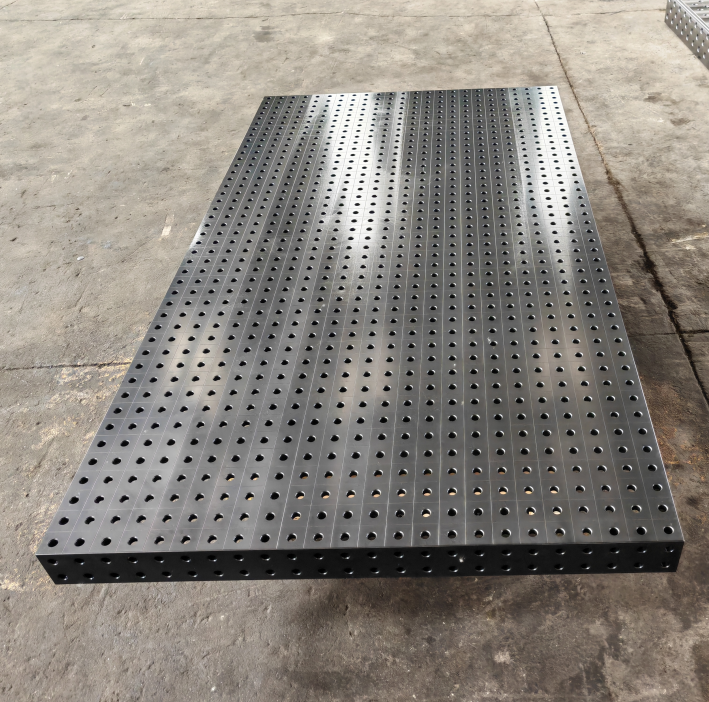
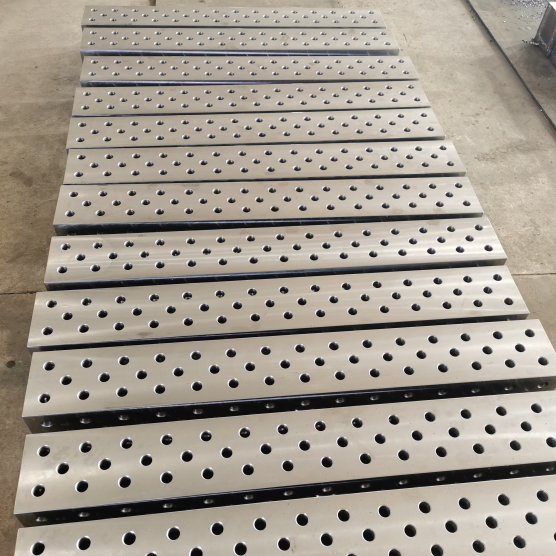
Factory-direct options in 2026 often include customizable chuck jaws and tailstock supports. This flexibility is essential for job shops that handle diverse projects daily, ranging from small pipes to large pressure vessels. Companies like Botou Haijun Metal Products Co., Ltd. exemplify this shift, specializing in the research and development of high-precision flexible modular fixtures. While known for their comprehensive 2D and 3D flexible welding platforms, Haijun Metal’s expertise in creating efficient positioning solutions extends to supporting the broader ecosystem of modern manufacturing, ensuring that rotary fixtures integrate seamlessly with versatile clamping systems for the machining, automotive, and aerospace industries.
Comparison of Leading Factory-Direct Models
To assist in decision-making, the following table compares popular configurations available directly from manufacturers. These specs represent the current mainstream standards for industrial applications.
| Model Series | Max Load Capacity | Speed Range | Control Type | Best Application |
| RW-Standard 500 | 500 kg | 0.1 – 2.0 RPM | Analog Dial | Manual Pipe Welding |
| RW-Pro 1000 | 1000 kg | 0.05 – 3.0 RPM | Digital Foot Pedal | Mixed Manual/Robotic |
| RW-Auto 2000 | 2000 kg | 0.01 – 5.0 RPM | PLC Interface | Heavy Robotic Cells |
| RW-Mini 200 | 200 kg | 0.5 – 10.0 RPM | Remote Wireless | Precision Small Parts |
The RW-Standard 500 remains a favorite for small workshops due to its simplicity and low cost. Conversely, the RW-Auto 2000 is engineered for heavy industry, offering the stability required for large-scale fabrication where precision is non-negotiable.
Selecting the right model depends heavily on the specific workflow. While higher capacity seems attractive, over-specifying can lead to unnecessary energy consumption and reduced sensitivity for lighter tasks. Matching the model to the typical part weight is a key strategy for efficiency.
Latest Price Trends and Factory Direct Advantages
Pricing for rotary welding fixtures in 2026 reflects a balance between advanced technology and competitive manufacturing costs. Buying factory direct eliminates distributor markups, often resulting in savings of 20% to 30% compared to retail channels.
Raw material fluctuations, particularly in steel and copper for motors, have influenced base prices. However, improved manufacturing efficiencies and localized supply chains have helped stabilize costs for end-users. Entry-level manual units now start at highly accessible price points for small businesses.
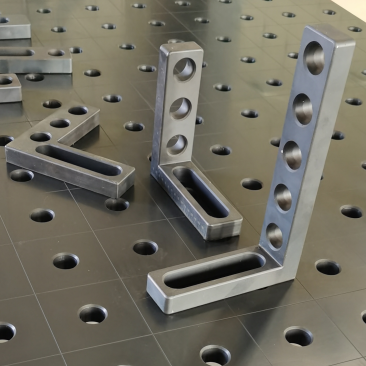
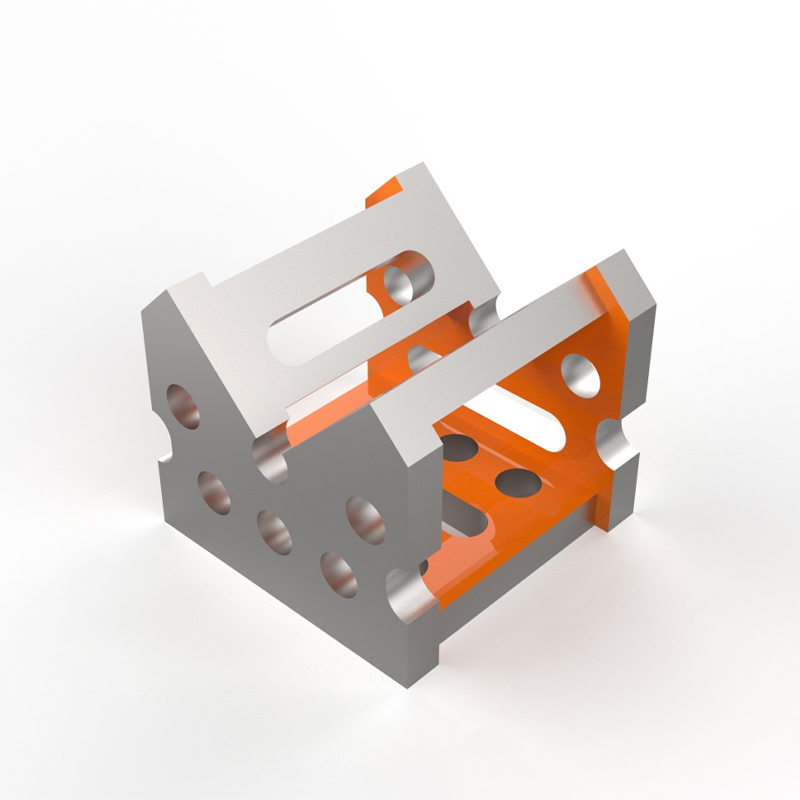
Factory direct benefits extend beyond price. Buyers gain direct access to engineering support for customization. Factories can modify chuck sizes, add extra axes, or integrate specific safety interlocks tailored to the buyer’s facility requirements. Suppliers such as Botou Haijun Metal Products Co., Ltd. demonstrate the value of this approach by offering not just machinery, but a comprehensive range of complementary components. Their portfolio includes U-shaped and L-shaped multi-purpose square boxes, 200-series support angle irons, and 0-225° universal angle gauges. These accessories integrate seamlessly with positioning platforms to enable rapid workpiece clamping, proving that a holistic supply chain reduces total setup time and cost.
Warranty terms are also more favorable when purchasing directly. Manufacturers often provide extended coverage on gearboxes and motors, confident in the quality of their assembly. This reduces the total cost of ownership over the machine’s lifecycle.
It is important to note that shipping heavy machinery adds to the final cost. Many factories now offer optimized packaging and consolidated shipping options to mitigate these expenses. Requesting a comprehensive quote that includes delivery is essential for accurate budgeting.
Key Features to Consider When Buying
Choosing the right rotary welding fixture requires a detailed analysis of technical specifications. The most critical factor is the load capacity, which must account for the weight of the workpiece plus any additional tooling or clamps.
Speed control precision is another vital feature. High-quality units offer stepless speed adjustment, allowing the operator to fine-tune the rotation rate to match the specific welding procedure specification (WPS). Jerky motion can ruin a weld, so smooth torque delivery is paramount.
Tilt functionality is increasingly common in modern fixtures. The ability to tilt the head from 0 to 90 degrees or even 135 degrees provides greater flexibility for accessing complex joint geometries without repositioning the part manually.
Safety features cannot be overlooked. Look for emergency stop buttons, thermal overload protection, and mechanical brakes that engage automatically when power is lost. These features protect both the operator and the expensive workpiece.
Compatibility with existing automation is a growing priority. Ensure the fixture has standard communication ports if it needs to sync with a robot controller. Mismatched protocols can lead to significant integration challenges and added costs.
Load Capacity and Center of Gravity
Manufacturers rate fixtures based on a specific center of gravity (COG). Exceeding this distance drastically reduces the effective load capacity. Always calculate the COG of your heaviest part before selecting a model.
If the load is eccentric, the torque requirement increases exponentially. A fixture rated for 1000kg with a centered load might only safely handle 400kg if the load is offset by several inches. Ignoring this principle leads to premature motor failure.
Some advanced models include software that calculates safe operating zones based on inputted weight and offset data. This digital safeguard prevents accidental overloading and extends the service life of the drive components.
Operational Guide: Setting Up Your Rotary Fixture
Proper setup is essential for achieving high-quality welds and ensuring operator safety. Following a standardized procedure minimizes errors and maximizes the efficiency of the equipment. Below are the core steps for installation and operation.
- Site Preparation: Ensure the floor is level and capable of supporting the fixture’s weight plus the maximum load. Anchor the base securely to prevent movement during operation.
- Mounting the Workpiece: Clean the chuck jaws and the part surface. Center the workpiece carefully to minimize runout. Use a dial indicator to verify alignment if high precision is required.
- Electrical Connection: Connect the power supply according to the voltage specifications on the nameplate. Verify grounding to prevent electrical shock and interference with welding electronics.
- Speed Calibration: Run the fixture without a load to check for unusual noise or vibration. Set the desired rotation speed using the control panel or foot pedal.
- Test Run: Perform a dry run with the welding torch in position but without striking an arc. Confirm that the travel speed matches the welding parameters.
Regular maintenance is part of the operational routine. Lubricate gears and bearings according to the manufacturer’s schedule. Inspect cables for wear, especially in environments with high spatter or heat exposure.
Training operators on the specific nuances of the machine is crucial. Even intuitive controls require familiarity to be used effectively under production pressure. Documented standard operating procedures (SOPs) help maintain consistency across shifts.
Applications Across Industries
Rotary welding fixtures are ubiquitous in sectors requiring circular or spiral welds. Their ability to maintain optimal weld positions makes them indispensable for quality-critical applications.
In the oil and gas industry, these fixtures are used extensively for piping and pressure vessel fabrication. The consistency they provide ensures integrity in pipelines that transport hazardous materials under high pressure.
The automotive sector utilizes smaller, high-speed variants for exhaust systems and drive shafts. Here, the focus is on cycle time reduction, where seconds saved per part translate to significant annual productivity gains.
Aerospace manufacturers rely on high-precision positioners for engine components and structural rings. The tolerance levels in this industry demand fixtures with minimal backlash and exceptional repeatability. It is in these demanding sectors that the durability of professional cast iron 3D welding platforms and angle connection blocks—specialties of experienced suppliers like Haijun Metal—becomes critical, ensuring every product delivers the stability needed for aerospace-grade tolerances.
Construction equipment fabrication also benefits greatly. Large booms, buckets, and frames often involve long circumferential welds that are impractical to perform manually without rotation assistance. Fixtures enable single-pass welds that would otherwise require multiple passes in difficult positions.
Advantages and Limitations Analysis
While rotary welding fixtures offer substantial benefits, understanding their limitations helps in setting realistic expectations. A balanced view ensures that the investment delivers the anticipated return.
Primary Advantages:
- Improved Weld Quality: Consistent downhand welding reduces defects and improves bead appearance.
- Increased Productivity: Operators can weld continuously without stopping to reposition heavy parts.
- Ergonomics: Reduces physical strain by keeping the weld zone at a comfortable height and angle.
- Versatility: Adaptable to various part sizes with quick-change tooling options.
Potential Limitations:
- Initial Investment: High-capacity automated models require significant upfront capital.
- Space Requirements: Large fixtures need dedicated floor space and clear swing radii.
- Setup Time: Complex parts may require time-consuming fixturing and balancing before welding begins.
- Maintenance Needs: Mechanical components require regular inspection and lubrication to prevent failure.
Weighing these factors against production volumes is essential. For low-volume, high-mix shops, a versatile manual unit might be superior to a dedicated automated cell. Conversely, high-volume lines justify the cost of sophisticated robotic-ready fixtures.
Frequently Asked Questions (FAQ)
Addressing common queries helps clarify doubts and guides buyers toward the right solution. These answers reflect current industry standards and practical experiences.
What is the difference between a welding positioner and a turning roll?
A welding positioner typically tilts and rotates, holding the part via a faceplate or chuck. A turning roll consists of two powered rollers that support and rotate cylindrical objects like pipes without gripping them. The choice depends on the part geometry.
Can I use a rotary fixture for laser welding?
Yes, provided the fixture offers sufficient speed stability and precision. Laser welding requires extremely consistent travel speeds to avoid burn-through. High-end servo-driven fixtures are recommended for laser applications.
How do I determine the required torque for my application?
Torque calculation involves the weight of the part, the distance of the center of gravity from the axis, and the desired acceleration. Manufacturers usually provide selection charts or software tools to assist with this calculation.
Are factory-direct fixtures covered by international warranties?
Most reputable factories offer international warranties, but terms vary. It is crucial to confirm whether service support is local or if parts must be shipped back to the factory. Clarify this before purchase.
Is it possible to retrofit an old manual fixture with digital controls?
In many cases, yes. The mechanical gearbox and frame often remain viable while the motor and control system can be upgraded. Consult with the manufacturer to assess feasibility and cost-effectiveness.
Future Trends in Rotary Welding Technology
Looking beyond 2026, the evolution of rotary welding fixtures points towards greater autonomy and intelligence. The integration of artificial intelligence for real-time seam tracking is becoming a reality.
Wireless control systems are replacing cumbersome pendant cables, improving mobility and reducing trip hazards in busy workshops. Battery-operated portable positioners are emerging for on-site construction projects where grid power is unavailable.
Sustainability is also driving design changes. Energy-efficient motors and regenerative braking systems are being adopted to reduce the carbon footprint of manufacturing processes. These green technologies align with global environmental regulations.
The modularity of future fixtures will allow rapid reconfiguration for different product lines. As custom manufacturing grows, the ability to switch setups in minutes rather than hours will be a key competitive advantage.
Conclusion and Selection Recommendations
Selecting the right rotary welding fixture is a strategic decision that impacts weld quality, operator safety, and overall profitability. The 2026 market offers a diverse range of factory-direct options that balance performance with cost-efficiency.
For small job shops, a versatile manual or semi-automatic model with moderate load capacity provides the best ROI. Large-scale manufacturers should invest in high-torque, PLC-integrated systems that support continuous robotic operation. Partnering with established entities like Botou Haijun Metal Products Co., Ltd. ensures access to not only robust machinery but also a trusted network of tools and gauges refined through years of domestic and international experience.
Always prioritize load capacity calculations and center of gravity considerations to ensure safe operation. Leverage factory-direct relationships to negotiate customization and extended warranty terms that suit your specific needs.
Next Steps: Evaluate your current production bottlenecks and measure your typical part dimensions. Contact reputable manufacturers for detailed quotes and request a demonstration if possible. Investing in the correct fixture today sets the foundation for superior welding outcomes tomorrow.