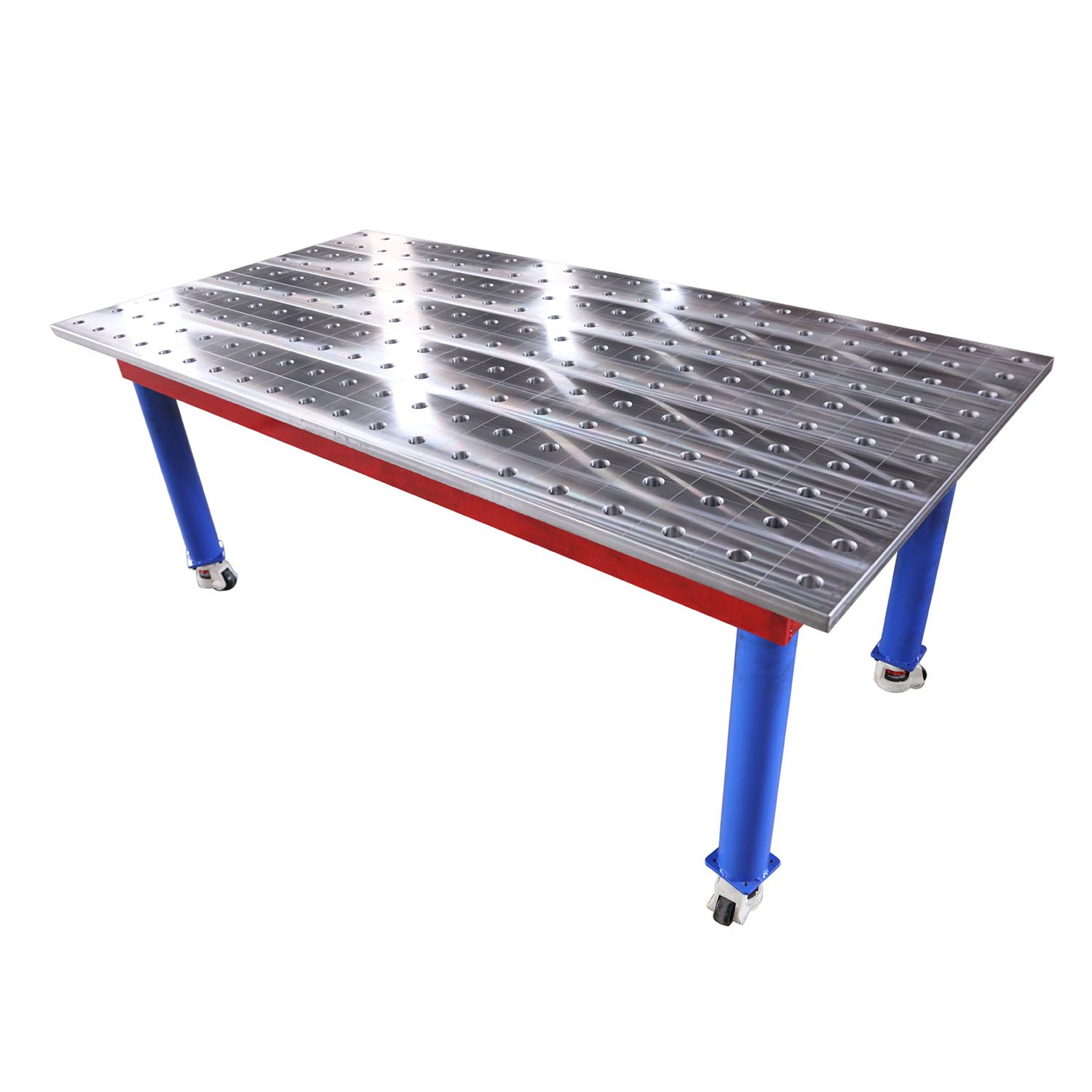
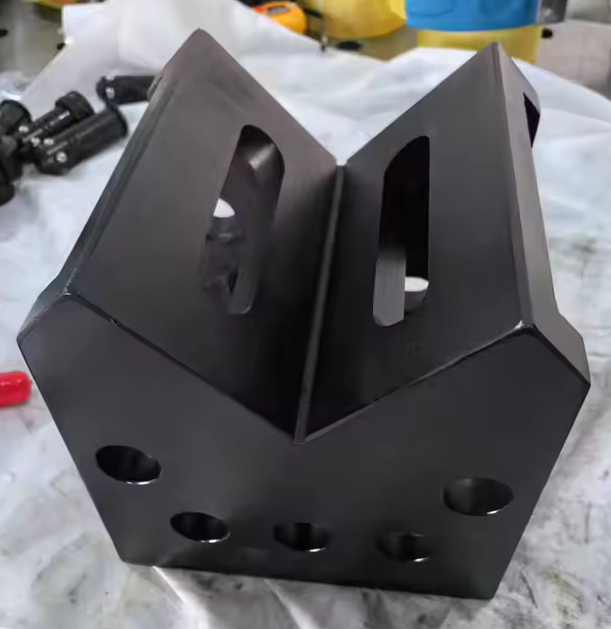
A rolling welding table is a mobile workbench equipped with heavy-duty casters, designed to enhance workflow flexibility in fabrication shops. Its primary mobility advantages include rapid reconfiguration of workspace layouts, improved material handling efficiency, and the ability to bring the workstation directly to large or immovable assemblies. By integrating precision modular fixtures with mobile bases, manufacturers can significantly reduce non-value-added movement time, optimize floor space utilization, and adapt quickly to varying production demands without sacrificing positional accuracy or structural stability.
What Is a Rolling Welding Table and Why Does Mobility Matter?
In modern manufacturing environments, static workstations often create bottlenecks. A rolling welding table solves this by combining the rigid, flat surface required for precise welding with the agility of industrial-grade mobility. Unlike traditional fixed benches, these units allow welders and fabricators to move heavy jigs, fixtures, and partially completed assemblies across the shop floor with minimal effort.
The core value proposition lies in operational agility. In high-mix, low-volume production scenarios—common in aerospace, automotive prototyping, and custom machinery manufacturing—the ability to reposition welding stations instantly is critical. It eliminates the need for cranes or forklifts to move minor assemblies, reducing safety risks and speeding up turnaround times.
For companies like Botou Haijun Metal Products Co., Ltd., which specializes in high-precision flexible modular fixtures, the integration of mobility into 2D and 3D welding platforms represents a significant evolution in workshop ergonomics. Their solutions ensure that while the table moves, the precision of the clamping system remains uncompromised, offering a seamless blend of flexibility and accuracy.
Key Components of a Mobile Welding Station
To understand the mobility advantages, one must first recognize the engineering behind these units. A high-quality rolling welding table is not merely a table on wheels; it is a engineered system comprising:
- Heavy-Duty Casters: Typically featuring two locking swivel casters and two rigid casters, rated for loads exceeding 1,000 kg to ensure stability during vigorous welding activities.
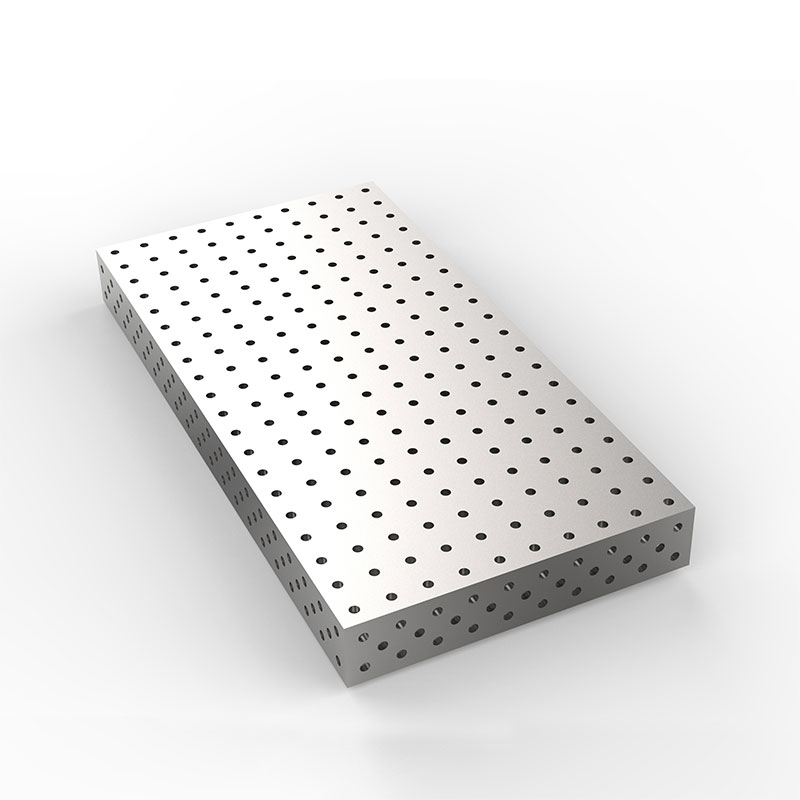
- Precision Tabletop: Often made from hardened steel or cast iron, featuring a grid of holes for modular clamping. This surface must remain flat even when the unit is in motion.
- Locking Mechanisms: High-friction foot pads or mechanical locks that stabilize the table completely during welding operations, preventing any drift or vibration.
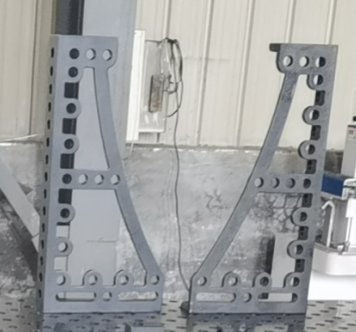
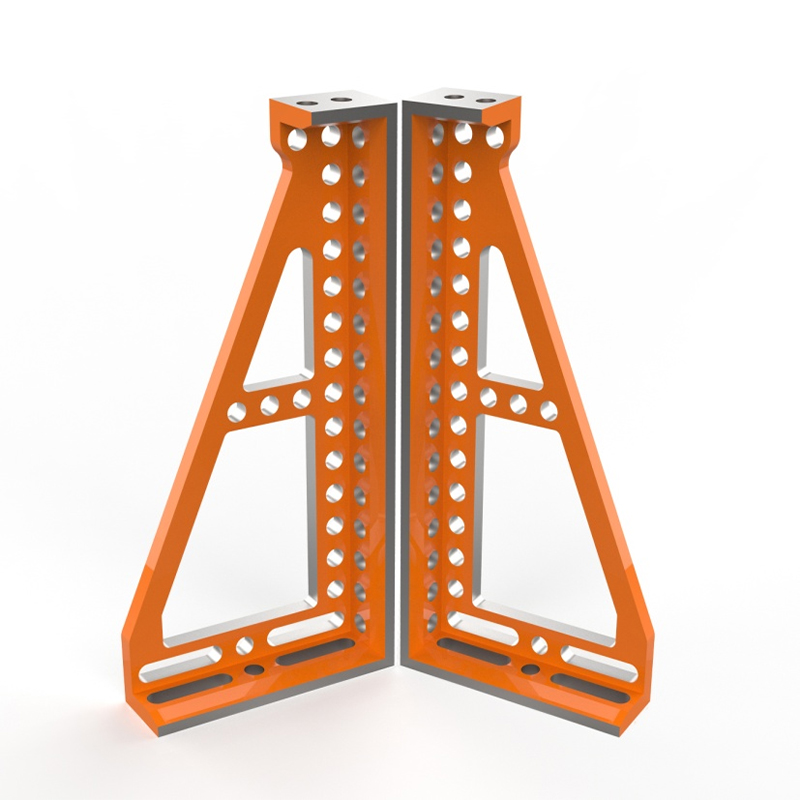
- Modular Fixture Compatibility: The ability to integrate with U-shaped square boxes, angle irons, and universal gauges, allowing for complex setups that can be moved as a single unit.
Core Mobility Advantages Explained
The decision to invest in rolling welding tables is driven by several tangible benefits that impact both productivity and workplace safety. These advantages are particularly pronounced in facilities where space is at a premium or where product dimensions vary significantly.
1. Dynamic Workspace Reconfiguration
Static welding cells require dedicated floor space that remains unused when not in active use. Rolling tables enable a dynamic layout strategy. During peak hours, tables can be clustered together to form a large assembly area for big structures. During off-peak or maintenance periods, they can be tucked against walls or into compact storage zones, freeing up valuable floor space for material staging or other processes.
This flexibility is essential for job shops that handle diverse projects. One day, the floor plan may need to accommodate long structural beams; the next, it may need multiple small stations for bracket fabrication. Rolling tables allow this transition to happen in minutes rather than days.
2. Enhanced Material Handling and Ergonomics
Moving heavy workpieces to a fixed table is physically demanding and hazardous. With a rolling welding table, the workstation comes to the material. This “bring the tool to the part” approach reduces the need for overhead cranes for lighter to medium-weight assemblies.
From an ergonomic perspective, this reduces worker fatigue and the risk of musculoskeletal injuries. Welders can position the table at the optimal height and location relative to the power source and gas supply, minimizing cable drag and tripping hazards. When integrated with Botou Haijun’s comprehensive range of complementary components, such as 200-series support angle irons, the setup process becomes faster, further reducing physical strain during fixture assembly.
3. Improved Workflow Continuity
In a linear production flow, a stationary table can become a bottleneck if the next stage of production is located far away. Rolling tables facilitate a continuous flow. Once welding is complete, the entire fixture—with the part still clamped—can be rolled directly to the grinding, inspection, or painting station.
This minimizes the unclamping and reclamping process, which is a common source of positional error. By keeping the part secured in its modular fixture throughout the transition, manufacturers maintain higher dimensional accuracy. This is particularly relevant for industries using 3D flexible welding platforms, where precise spatial positioning is critical for complex geometries.
4. Space Optimization in Small Shops
For smaller fabrication shops or R&D labs, floor space is a costly resource. A rolling welding table acts as a multi-purpose station. It can serve as a welding bench, an assembly table, and even a temporary storage rack when equipped with lower shelves. At the end of the shift, it can be moved to clear aisles, ensuring compliance with safety regulations regarding emergency exits and walkways.
Technical Considerations for Mobile Welding Tables
While mobility offers clear advantages, it introduces engineering challenges related to stability and precision. A welding table must be absolutely rigid during the welding process to prevent seam defects caused by vibration or movement. Therefore, the design of the mobility system is paramount.
Stability vs. Mobility: The Engineering Balance
The primary concern with any mobile workstation is rigidity. Welding generates heat, spatter, and mechanical stress. If the table shifts even slightly during a critical tack weld, the entire assembly may be compromised. High-quality rolling tables address this through:
- Wide Wheelbase: A broader stance lowers the center of gravity and increases resistance to tipping.
- Heavy-Gauge Steel Construction: The frame must be robust enough to dampen vibrations from grinding or hammering.
- Effective Locking Systems: Simple wheel brakes are often insufficient for heavy welding. Premium tables feature screw-down leveling feet or hydraulic locks that lift the wheels slightly off the ground or press firmly against the floor, transferring the load directly to the foundation.
Botou Haijun Metal Products Co., Ltd. addresses these challenges by manufacturing professional cast iron 3D welding platforms and angle connection blocks that ensure exceptional durability and stability. When these precision surfaces are mounted on a properly engineered mobile base, the result is a workstation that offers the best of both worlds: the portability of a cart and the rigidity of a fixed bench.
Load Capacity and Weight Distribution
When selecting a rolling welding table, understanding the dynamic load capacity is crucial. The weight of the table itself, plus the fixtures, plus the workpiece, must not exceed the caster ratings. Moreover, the distribution of weight matters. An unevenly loaded table can be difficult to maneuver and may wear out casters prematurely.
Industry standards suggest a safety margin of at least 25% above the maximum expected load. For heavy industrial applications, tables equipped with polyurethane or forged steel casters are preferred over standard rubber wheels, as they offer better load-bearing capabilities and resistance to metal spatter.
Comparison: Rolling Welding Tables vs. Fixed Stations
To help decision-makers evaluate the right solution for their facility, the following table contrasts the key attributes of rolling welding tables against traditional fixed stations.
| Feature | Rolling Welding Table | Fixed Welding Station |
| Mobility | High; easily repositioned within the shop. | None; permanently anchored to the floor. |
| Space Efficiency | Excellent; can be stored or reconfigured as needed. | Low; requires dedicated permanent footprint. |
| Setup Flexibility | High; ideal for high-mix, low-volume production. | Low; best for high-volume, repetitive tasks. |
| Initial Cost | Moderate; includes cost of heavy-duty casters and locking mechanisms. | Variable; often lower base cost but higher installation requirements. |
| Stability | High (when locked); dependent on quality of locking mechanism. | Very High; inherently stable due to fixed mounting. |
| Material Handling | Reduces need for cranes; brings table to part. | Requires moving parts to the table via crane/forklift. |
| Best Application | Prototyping, repair shops, custom fabrication, aerospace. | Mass production lines, automated welding cells. |
Integration with Modular Fixturing Systems
The true potential of a rolling welding table is realized when it is integrated with a modular fixturing system. Standalone tables provide a flat surface, but they lack the versatility to hold complex parts securely. Modular systems transform the table into a universal jigging platform.
The Role of Precision Accessories
Modular fixtures rely on a grid of precision holes to accept various clamping and positioning elements. When these systems are mounted on a rolling table, the entire assembly becomes a portable, repeatable manufacturing cell. Key accessories include:
- U-shaped and L-shaped Multi-purpose Square Boxes: These provide vertical and horizontal referencing points, essential for squaring up frames and structures.
- Universal Angle Gauges (0-225°): Allow for precise angular positioning of components, critical for tubular structures and angled joints.
- Support Angle Irons: Provide sturdy support for heavy plates or beams, preventing sagging during welding.
Botou Haijun Metal Products Co., Ltd. excels in this domain by offering a comprehensive range of these complementary components. Their 2D and 3D flexible welding platforms are renowned for exceptional versatility and precision. By combining these high-precision fixtures with mobile bases, users can create custom jigs for specific jobs, roll them to the welding area, perform the work, and then store the entire setup for future repeat orders. This capability drastically reduces setup time for recurring projects, a key metric in lean manufacturing.
Applications in Key Industries
The synergy of mobility and modular fixturing is particularly valuable in several sectors:
Aerospace: Where large, lightweight structures require precise alignment and frequent reconfiguration of tooling. Rolling tables allow for easy access to all sides of an assembly without complex rotating fixtures.
Automotive: In prototype development, where chassis and body panels change frequently. Mobile stations enable engineers to test fitments and make adjustments rapidly.
General Machining: For job shops handling diverse customer orders. The ability to switch from welding aluminum brackets one day to steel frames the next, without dedicating permanent floor space to each, maximizes ROI on equipment.
How to Choose the Right Rolling Welding Table
Selecting the appropriate mobile welding solution requires careful consideration of several factors. Making the wrong choice can lead to instability, premature wear, or insufficient workspace.
1. Assess Your Load Requirements
Calculate the maximum weight of your typical workpiece plus the weight of the fixtures. Add a 25-30% safety margin. Ensure the casters are rated for this total load. For heavy industrial use, look for tables with a load capacity of at least 1,000 to 2,000 kg.
2. Evaluate Caster Quality and Type
Not all wheels are created equal. Look for:
- Material: Polyurethane is ideal for indoor shops as it protects floors and resists spatter. Steel wheels are better for extremely heavy loads but can damage concrete floors.
- Bearing Type: Precision ball bearings ensure smooth movement even under heavy loads.
- Locking Mechanism: Verify that the locking system provides both wheel braking and directional locking (for swivel casters).
3. Check Tabletop Precision and Compatibility
If you plan to use modular fixtures, the tabletop must have a precise hole pattern (e.g., 16mm or 28mm holes). The flatness of the table is critical. Botou Haijun’s cast iron 3D welding platforms are known for their stability and precision, making them an excellent choice for those requiring high-tolerance work. Ensure the mobile base does not compromise the flatness of the tabletop under load.
4. Consider Future Scalability
Choose a system that allows for expansion. Can you add extensions? Can you connect multiple tables together? Modular systems from reputable suppliers like Botou Haijun are designed with interoperability in mind, allowing you to build a scalable welding infrastructure that grows with your business.
Frequently Asked Questions (FAQ)
Are rolling welding tables stable enough for precision TIG welding?
Yes, provided they are equipped with high-quality locking mechanisms. When the leveling feet or locks are engaged, a well-designed rolling table transfers the load directly to the floor, eliminating movement. The rigidity of the frame and the quality of the tabletop (such as cast iron or thick steel plate) determine the vibration dampening, which is crucial for TIG welding.
Can I use modular fixtures on any rolling table?
No. Modular fixtures require a tabletop with a specific grid of tapped or through-holes. Standard flat-top tables will not accommodate these systems. You must select a table specifically designed for modular fixturing, such as the 2D/3D flexible welding platforms offered by Botou Haijun Metal Products Co., Ltd., which are engineered to integrate seamlessly with accessories like square boxes and angle gauges.
How do I maintain the casters on a welding table?
Regular maintenance is essential. Keep the wheels clean of metal shavings, spatter, and dust, which can jam bearings. Periodically check the locking mechanisms for wear. If the table is used in a high-spatter environment, consider using caster covers or shields to protect the wheels from heat and debris.
What is the difference between 2D and 3D flexible welding platforms?
2D platforms are designed for flat assemblies, allowing positioning in the X and Y axes. 3D platforms support complex, multi-dimensional assemblies, allowing positioning in X, Y, and Z axes, as well as rotational angles. 3D systems are more versatile for complex structures like automotive frames or aerospace components but may require more setup time. Both can be mounted on rolling bases for enhanced mobility.
Conclusion: Enhancing Efficiency Through Mobile Precision
The adoption of rolling welding tables represents a strategic shift towards more agile and efficient manufacturing practices. By decoupling the workstation from a fixed location, manufacturers gain the freedom to optimize their floor space, improve material handling, and respond rapidly to changing production needs. However, mobility must not come at the expense of precision. The integration of high-quality modular fixtures and robust locking mechanisms is essential to maintain the integrity of the welding process.
Botou Haijun Metal Products Co., Ltd. stands at the forefront of this innovation, providing high-precision flexible modular fixtures and metalworking tools that empower modern manufacturing. Their commitment to delivering efficient and flexible welding solutions, combined with a comprehensive range of accessories like U-shaped square boxes and universal angle gauges, ensures that every mobile workstation delivers exceptional durability and stability.
For businesses looking to upgrade their fabrication capabilities, investing in a mobile modular welding system is a step towards greater operational excellence. Whether you are in the aerospace, automotive, or general machining sector, the right combination of mobility and precision can significantly boost your productivity and competitiveness.
To explore how our 2D and 3D flexible welding platforms can transform your workflow, or to discuss custom modular solutions tailored to your specific needs, please contact our technical team. We are ready to provide detailed specifications and expert guidance to help you select the ideal configuration for your facility.
View Our Full Range of Flexible Welding Solutions