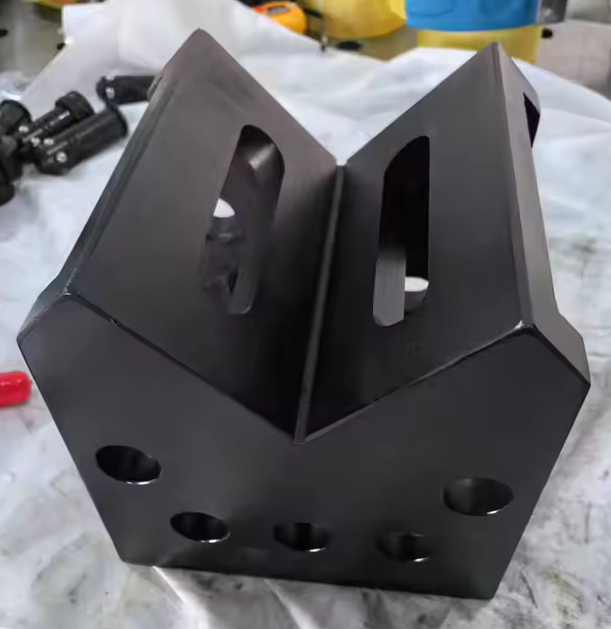
Prototype aluminum casting is a specialized manufacturing process designed to produce high-fidelity metal parts rapidly for design validation, functional testing, and low-volume production. Unlike traditional mass-production methods that require expensive, long-lead-time steel molds, prototype casting utilizes soft tooling, 3D-printed patterns, or direct machining to create aluminum components in days rather than weeks. This approach allows engineers and product developers to verify form, fit, and function before committing to high-cost permanent tooling, significantly reducing time-to-market and financial risk.
Why Choose Prototype Aluminum Casting for Product Development?
In the fast-paced landscape of industrial design and engineering, speed and accuracy are paramount. Prototype aluminum casting bridges the gap between digital CAD models and physical reality. Aluminum is the material of choice for many industries due to its excellent strength-to-weight ratio, corrosion resistance, and thermal conductivity. However, casting aluminum traditionally involves complex metallurgy and tooling.
For startups, automotive innovators, and aerospace engineers, waiting 8–12 weeks for a production mold is often unacceptable. Prototype casting solutions deliver functional aluminum parts in as little as 5–10 days. This rapid turnaround enables iterative design cycles, allowing teams to identify flaws early and optimize performance without the prohibitive costs associated with hard tooling modifications.
Key Advantages Over CNC Machining for Complex Geometries
While CNC machining is a common prototyping method, it has limitations when dealing with complex internal structures, undercuts, or hollow sections. Casting, by contrast, creates near-net-shape parts that closely mimic final production quality.
- Design Freedom: Casting allows for intricate internal channels, ribbed structures, and organic shapes that are difficult or impossible to machine from a solid block.
- Material Integrity: Cast aluminum retains the grain structure and mechanical properties of the final production part, providing more accurate data for stress testing and thermal analysis.
- Cost Efficiency for Low Volumes: For batches of 1–50 units, prototype casting avoids the high hourly rates of 5-axis CNC machining while eliminating the $10,000+ cost of production molds.
- Surface Finish Options: Modern prototype casting techniques can achieve surface finishes comparable to production parts, reducing the need for extensive post-processing.
Core Technologies in Rapid Aluminum Prototyping
Not all prototype casting methods are created equal. The choice of technology depends on the required precision, volume, and geometric complexity. Understanding the distinct processes helps in selecting the right partner for your specific project needs.
Silicone Mold Vacuum Casting (Urethane Tooling)
Vacuum casting is ideal for very low volumes (typically 1–20 parts) where speed is critical. Although traditionally used for plastics, advanced techniques now allow for aluminum-filled resins or hybrid processes that simulate aluminum properties. However, for true metal prototypes, this method is often a precursor to discussing sand or investment casting.
Rapid Sand Casting
Sand casting is one of the oldest and most versatile metal casting processes. In a prototype context, rapid sand casting uses 3D-printed sand molds or binder-jet printing technology to create the mold cavity directly from CAD data.
- Process: A digital model is sliced, and a printer deposits binder onto sand layers to form the mold core and cavity.
- Lead Time: Molds can be printed in hours, allowing for casting within 2–3 days.
- Best For: Large parts, complex internal geometries, and alloys like A356 or A380.
- Limitations: Surface finish is rougher than investment casting, requiring machining for critical interfaces.
Investment Casting (Lost-Wax Process) for Prototypes
Investment casting offers superior surface finish and dimensional accuracy. For prototyping, the wax pattern is often 3D printed using Stereolithography (SLA) or PolyJet technology instead of being injected into a metal die.
- Process: A 3D-printed resin pattern is coated with ceramic slurry to create a shell. The resin is burned out, and molten aluminum is poured into the ceramic mold.
- Lead Time: Typically 7–14 days due to the curing and dewaxing steps.
- Best For: Small, intricate parts with thin walls and high surface quality requirements.
- Advantage: Near-net-shape accuracy reduces secondary machining costs.
Direct Metal Laser Sintering (DMLS) vs. Casting
While DMLS (3D printing metal) is a competitor to casting, it is not casting. However, many clients confuse the two. DMLS builds parts layer-by-layer, which can result in anisotropic properties (different strengths in different directions). Casting produces isotropic parts with uniform mechanical properties, making it preferable for structural components subjected to multi-directional loads.
Step-by-Step: The Prototype Aluminum Casting Workflow
Understanding the workflow helps project managers anticipate timelines and potential bottlenecks. A streamlined process ensures that your prototype aluminum casting project stays on schedule.
Step 1: Design for Manufacturability (DFM) Analysis
The process begins with a thorough review of your CAD files. Our engineering team analyzes the design for castability. Key factors include:
- Wall Thickness: Ensuring uniformity to prevent shrinkage defects.
- Draft Angles: Adding slight tapers to facilitate part ejection from the mold.
- Undercuts: Identifying features that may require complex core pulls or redesign.
- Parting Lines: Determining optimal split lines to minimize visible seams.
We provide a detailed DFM report within 24 hours, highlighting any features that may increase cost or lead time, along with suggestions for optimization.
Step 2: Pattern or Mold Creation
Based on the selected technology, the tooling is created. For investment casting, high-resolution SLA printers produce the sacrificial patterns. For sand casting, large-format 3D printers create the sand molds directly. This digital-to-physical transition eliminates the need for manual pattern making, which is the primary source of delay in traditional foundries.
Step 3: Casting and Solidification
Molten aluminum alloy (commonly A356, A380, or AlSi10Mg) is poured into the prepared mold. Temperature control is critical during this phase to ensure proper fluidity and minimize porosity. Vacuum assistance is often used in investment casting to pull air out of the mold cavity, ensuring the metal fills every detail.
Step 4: Post-Processing and Finishing
Once cooled, the parts are removed from the molds. The gates and runners are cut off. Depending on the application, parts undergo:
- Shot Blasting: To remove ceramic residue and improve surface texture.
- CNC Machining: For critical tolerances on mounting holes or mating surfaces.
- Heat Treatment: T5 or T6 tempering to enhance mechanical strength.
- Surface Coating: Anodizing, powder coating, or painting for corrosion resistance and aesthetics.
Step 5: Quality Inspection and Delivery
Every prototype undergoes rigorous inspection. We use Coordinate Measuring Machines (CMM) to verify dimensions against the original CAD model. First Article Inspection (FAI) reports are provided to confirm compliance with specified tolerances. Parts are then carefully packaged and shipped via express courier to meet tight development schedules.
Material Selection Guide for Aluminum Prototypes
Choosing the right aluminum alloy is crucial for the performance of your prototype. Different alloys offer varying levels of castability, strength, and corrosion resistance.
| Alloy Series | Common Grades | Key Characteristics | Typical Applications |
| A356 / AlSi7Mg | A356.0, 356.0 | Excellent castability, good strength after heat treatment, high corrosion resistance. | Aerospace components, automotive wheels, pump housings. |
| A380 / AlSi9Cu3 | A380.0 | High fluidity, good pressure tightness, moderate strength. Most common die-casting alloy. | Engine blocks, transmission cases, electronic housings. |
| A360 / AlSi10Fe | A360.0 | Superior fluidity and corrosion resistance, lower strength than A380. | Complex thin-walled parts, marine applications. |
| AlSi10Mg | AlSi10Mg | Standard alloy for laser sintering and some sand casting applications. Good dynamic strength. | Structural brackets, lightweight frames. |
Expert Note: For prototypes intended for functional stress testing, A356 with T6 heat treatment is often recommended due to its balanced mechanical properties. For cosmetic prototypes or fit-checks, A380 may be more cost-effective due to its ease of casting.
Comparison: Prototype Casting vs. Production Die Casting
Many clients ask why they shouldn’t just go straight to production die casting. The answer lies in risk management and cost structure.
| Feature | Prototype Casting | Production Die Casting |
| Tooling Cost | Low to None (uses 3D printed patterns/molds) | High ($10,000 – $50,000+ for steel molds) |
| Lead Time | 5–15 Days | 8–12 Weeks (for mold fabrication) |
| Volume Suitability | 1–100 Units | 1,000+ Units |
| Design Changes | Easy and inexpensive (update CAD and reprint) | Difficult and expensive (welding/modifying steel) |
| Surface Finish | Good (may require minor machining) | Excellent (direct from mold) |
| Unit Cost | Higher per unit | Very low per unit at scale |
This comparison highlights why prototype aluminum casting is an essential step for any new product introduction. It allows you to validate the design economically before investing in permanent tooling.
Industries Benefiting from Rapid Aluminum Prototyping
The versatility of aluminum casting makes it indispensable across various high-tech sectors. Each industry has unique requirements that prototype casting addresses effectively.
Automotive and Electric Vehicles (EV)
The shift towards electric vehicles has increased the demand for lightweight components to extend battery range. Engineers use prototype casting to test battery housings, motor mounts, and structural brackets. The ability to rapidly iterate designs helps automotive companies meet aggressive launch deadlines.
Aerospace and Defense
In aerospace, weight savings translate directly to fuel efficiency. Prototype casting allows for the creation of complex, topology-optimized structures that reduce mass without compromising strength. Rigorous testing of these prototypes ensures they meet strict FAA and military standards before certification.
Consumer Electronics
Premium electronics often feature aluminum enclosures for their aesthetic appeal and heat dissipation properties. Prototype casting enables designers to evaluate the look and feel of handheld devices, laptops, and smart home products. It also allows for thermal testing to ensure components do not overheat during operation.
Industrial Machinery and Robotics
Robotic arms and automated machinery require durable, precise joints and housings. Prototype casting provides functional parts that can withstand the rigors of real-world testing environments. This reduces the risk of failure when the final product is deployed in factories or field operations.
Common Challenges and How to Overcome Them
Even with advanced technology, casting presents certain challenges. Being aware of these issues helps in designing better prototypes.
Porosity and Air Traps
Porosity occurs when air gets trapped in the molten metal during pouring. This can weaken the part. Solution: Use vacuum-assisted casting techniques and optimize gate design to ensure smooth metal flow. DFM analysis can predict potential air traps.
Shrinkage Defects
Aluminum shrinks as it cools. If not accounted for, this can lead to dimensional inaccuracies or internal voids. Solution: Apply appropriate shrinkage allowances in the pattern design. Use chills or cooling ribs to control solidification rates.
Surface Roughness
Sand casting, in particular, can leave a rough surface. Solution: Specify secondary machining for critical surfaces. For better as-cast finish, consider investment casting or use finer sand grains in the printing process.
Dimensional Accuracy
Prototypes may not always match the tight tolerances of production die-cast parts. Solution: Identify critical features early and allocate budget for CNC post-machining. Non-critical areas can remain as-cast to save costs.
FAQ: Frequently Asked Questions About Prototype Aluminum Casting
What is the minimum order quantity for prototype casting?
There is typically no minimum order quantity. You can order a single unit for visual verification or a small batch of 10–50 units for functional testing. This flexibility is one of the primary benefits of rapid prototyping services.
How accurate are prototype cast aluminum parts?
Accuracy depends on the method. Investment casting can achieve tolerances of ±0.1mm to ±0.2mm. Sand casting typically holds ±0.5mm to ±1.0mm. For tighter tolerances, CNC machining is recommended for critical features after casting.
Can I get heat-treated prototype parts?
Yes. Heat treatment (such as T5 or T6) is commonly applied to aluminum castings to improve hardness and tensile strength. This is especially important for prototypes used in structural or load-bearing applications.
What file formats do you accept for casting quotes?
We accept standard 3D CAD formats such as STEP (.stp), IGES (.igs), and Parasolid (.x_t). For 2D drawings, PDF or DWG formats are preferred to specify tolerances and surface finish requirements.
How does the cost of prototype casting compare to 3D printing metal?
For single units, metal 3D printing (DMLS) may be competitive. However, for batches of 5–50 parts, prototype casting is generally more cost-effective. Additionally, cast parts have isotropic mechanical properties, whereas 3D printed parts may have directional weaknesses.
Is it possible to change the design between prototype runs?
Absolutely. Since prototype casting often uses disposable patterns or 3D-printed molds, design changes are easy to implement. You simply update the CAD file and generate a new pattern. This contrasts sharply with production die casting, where mold modifications are costly and time-consuming.
Design Guidelines for Successful Aluminum Prototypes
To ensure the best results from your prototype aluminum casting project, follow these engineering best practices.
Maintain Uniform Wall Thickness
Varying wall thicknesses can lead to uneven cooling and shrinkage, causing warping or cracks. Aim for consistent wall thickness throughout the part. If variations are necessary, use gradual transitions to minimize stress concentrations.
Add Draft Angles
Draft angles help release the part from the mold. Even for soft tooling or sand molds, a draft angle of 1–2 degrees is recommended. This prevents damage to the part and the mold during extraction.
Use Fillets Instead of Sharp Corners
Sharp corners create stress points and can hinder metal flow. Adding fillets (rounded corners) improves structural integrity and facilitates smoother casting. Internal radii should be larger than external radii.
Consider Parting Lines Early
The parting line is where the two halves of the mold meet. Place parting lines in non-critical areas to minimize visible seams. Discuss parting line placement with your manufacturing partner during the DFM phase.
Quality Assurance and Testing Standards
Trustworthiness in manufacturing is built on rigorous quality control. Our prototype casting process adheres to strict quality standards to ensure that every part meets your specifications.
- Visual Inspection: Every part is checked for surface defects, such as cracks, cold shuts, or incomplete filling.
- Dimensional Verification: CMM (Coordinate Measuring Machine) scans compare the physical part against the digital CAD model to ensure geometric accuracy.
- X-Ray Inspection: For critical internal structures, X-ray imaging detects internal porosity or voids that are not visible on the surface.
- Material Certification: Spectrometry analysis confirms the chemical composition of the aluminum alloy, ensuring it meets industry standards (e.g., ASTM, ISO).
This comprehensive QA process ensures that your prototypes are not just visual models, but functional representations of your final product.
Why Partner with Us for Your Prototype Needs?
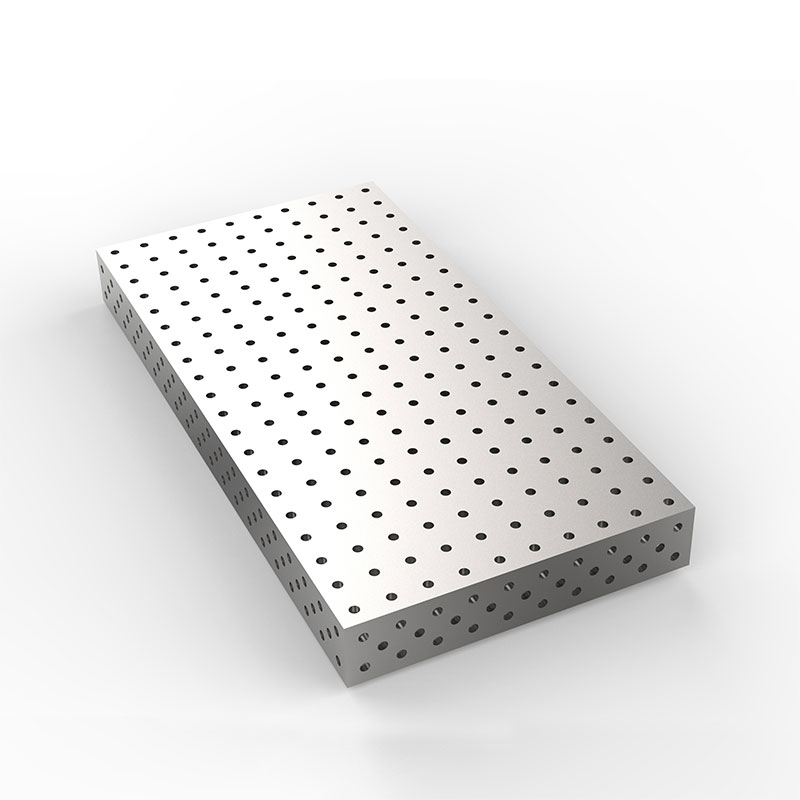
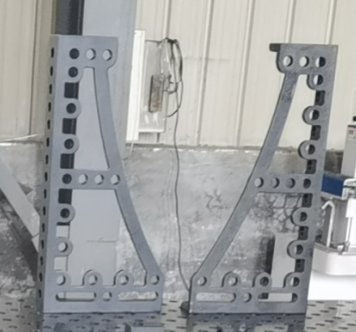
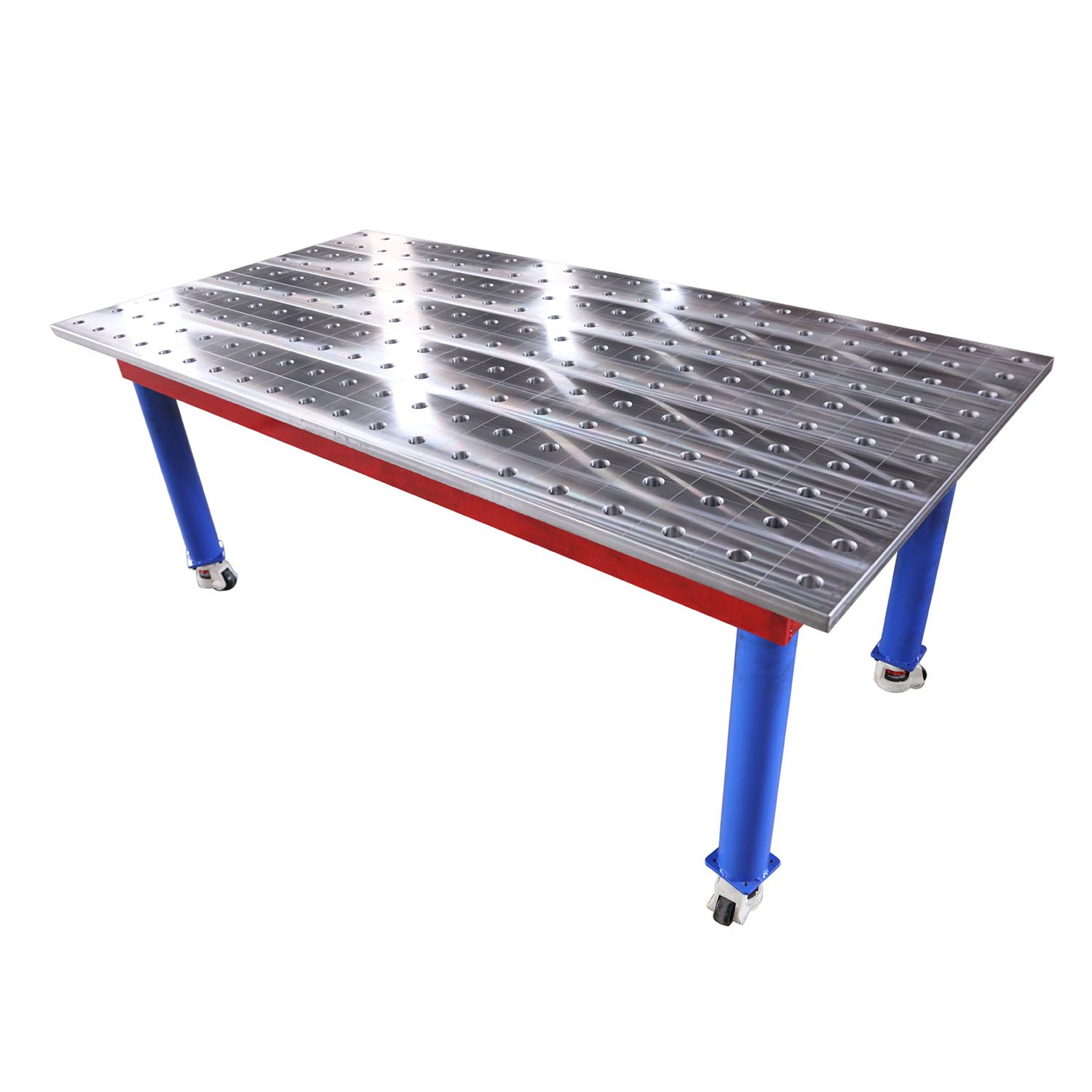
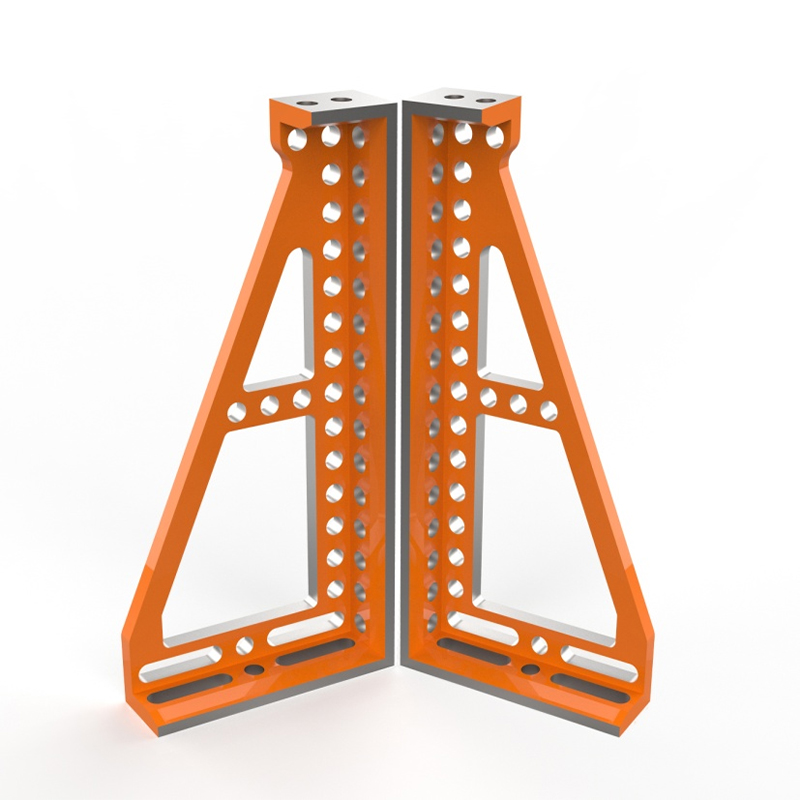
Choosing the right manufacturing partner is as critical as the design itself. With years of experience in prototype aluminum casting, we offer a blend of technical expertise, rapid turnaround, and customer-centric service. At Botou Haijun Metal Products Co., Ltd., our commitment to precision extends beyond casting; we specialize in the research, development, and production of high-precision flexible modular fixtures and metalworking tools. While our core expertise lies in providing efficient welding and positioning solutions—such as our renowned 2D and 3D flexible welding platforms, universal angle gauges, and cast iron connection blocks—this deep background in high-tolerance metalwork informs our approach to prototyping.
Our experience serving the machining, automotive, and aerospace industries with durable, stable tooling ensures that we understand the exacting standards required for functional prototypes. Whether you need complex aluminum castings for validation or the complementary fixturing solutions to test them, Haijun Metal provides a holistic manufacturing partnership. We leverage our industry knowledge to ensure that every prototype not only meets dimensional specs but is also designed for seamless integration into your broader production ecosystem.
Engineering-Led Approach
We are not just a job shop; we are engineering partners. Our team reviews every design for manufacturability, offering proactive suggestions to improve performance and reduce cost. This collaborative approach minimizes errors and accelerates development.
Advanced Technology Stack
We utilize state-of-the-art 3D printing, CNC machining, and casting equipment. This integration allows us to handle complex projects that require hybrid manufacturing methods, ensuring the highest quality outcomes.
Transparent Communication
We believe in full transparency. From initial quote to final delivery, you receive regular updates on your project status. Any issues are communicated immediately, along with proposed solutions, ensuring no surprises.
Scalable Solutions
As your product moves from prototype to production, we can seamlessly transition your project to low-volume bridge tooling or high-volume die casting. This continuity simplifies supply chain management and maintains quality consistency.
Conclusion: Accelerate Innovation with Rapid Aluminum Casting
In today’s competitive market, speed and precision define success. Prototype aluminum casting empowers engineers and product developers to validate designs quickly, test functionality rigorously, and bring innovative products to market faster. By leveraging rapid tooling technologies and expert engineering support, you can reduce development costs and mitigate risks associated with new product introductions.
Whether you need a single visual model or a batch of functional test parts, our comprehensive casting services provide the quality and reliability you need. Don’t let traditional manufacturing delays stall your innovation.
Ready to Start Your Project?
If you have a CAD file ready or need guidance on design for manufacturability, our team is here to help. We offer free DFM analysis and quick quotes to get your project moving.
Contact us today to discuss your prototype aluminum casting requirements and discover how we can support your product development journey.
Get a Free Quote & Technical Consultation