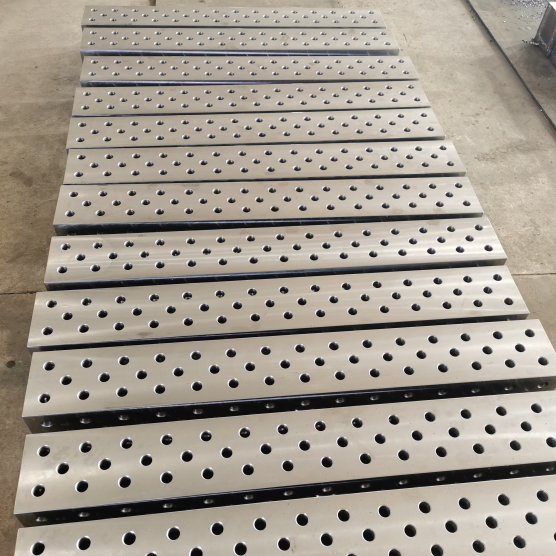
Looking for the best metal fab table in 2026? This guide covers the latest prices, top-rated models, and essential features to help welders and fabricators choose the right workbench for precision, durability, and value.
What Is a Metal Fab Table and Why Do You Need One?
A metal fab table, often called a welding table or fabrication bench, is a specialized workstation designed for assembling, welding, and finishing metal projects. Unlike standard workbenches, these tables feature flat, heat-resistant surfaces with integrated clamping systems.
In 2026, the demand for high-precision fabrication has surged. Hobbyists and professional shops alike require surfaces that remain perfectly flat under extreme thermal stress. A quality table ensures your frames are square and your welds are accurate.
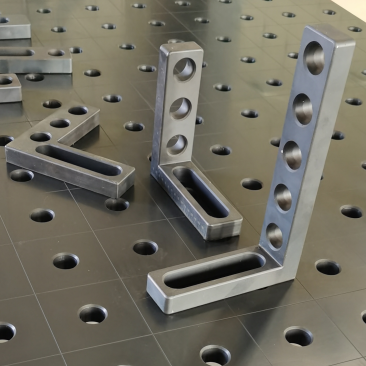
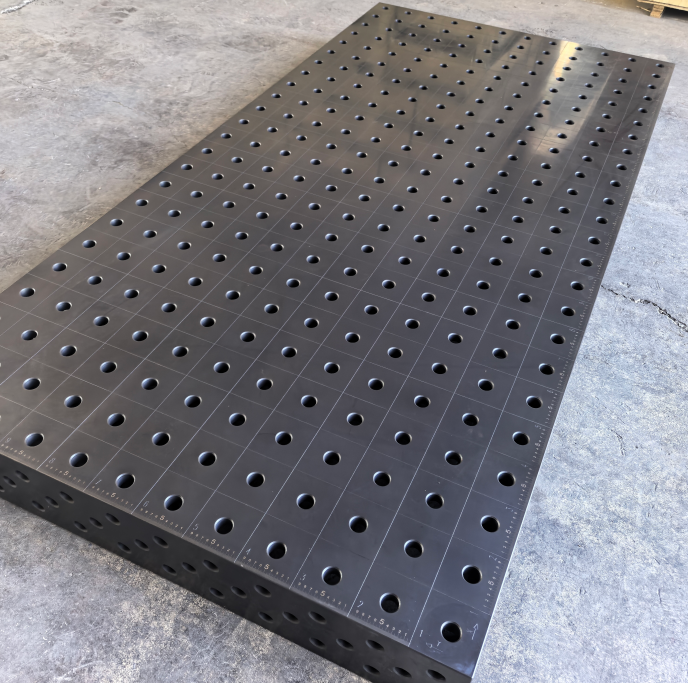
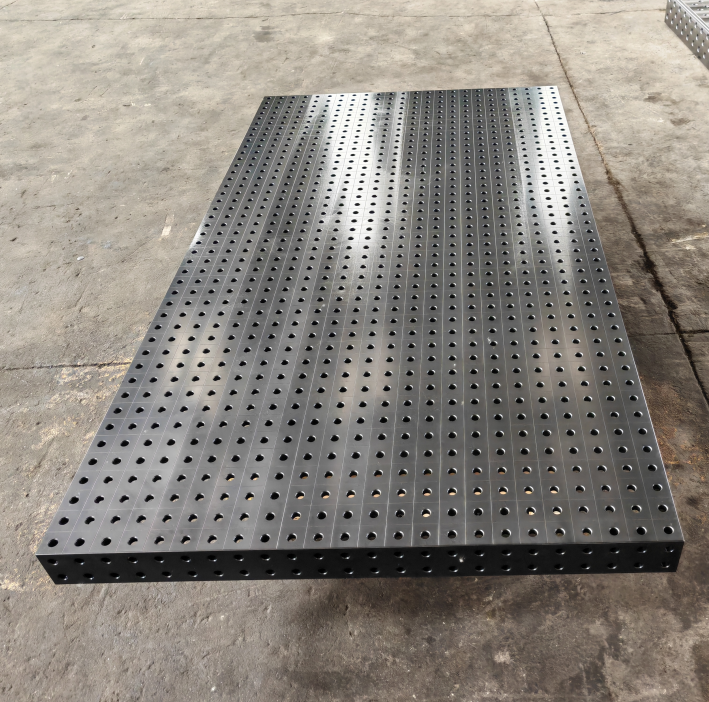
The core advantage lies in the modular fixturing capability. Modern tables come with grid patterns of holes or slots, allowing users to attach stops, clamps, and angles anywhere on the surface. This versatility transforms a simple desk into a complete assembly system.
Investing in a dedicated metal fab table reduces setup time significantly. Instead of fighting with C-clamps and shims, fabricators can lock components into place instantly. This efficiency is crucial for both one-off custom jobs and repetitive production runs.
Key Features to Look for in 2026 Models
When evaluating the latest market offerings, several technical specifications define performance. The material composition is the first consideration. Most premium tables use low-carbon steel or alloy steel to resist warping.
Surface flatness is non-negotiable. Top-tier manufacturers guarantee tolerances within fractions of a millimeter across the entire plate. This precision is vital for complex geometries where even slight deviations cause assembly failures.
- Hole Pattern Density: Closer hole spacing offers more flexibility for clamping small parts.
- Leg Stability: Heavy-gauge legs with cross-bracing prevent wobbling during heavy grinding or hammering.
- Finish Quality: Look for coatings that resist spatter adhesion but do not interfere with electrical grounding.
- Load Capacity: Ensure the table supports the weight of large assemblies without sagging.
Another emerging trend in 2026 is the integration of grounding points. Built-in copper studs allow welders to attach ground clamps directly to the table, improving arc stability and safety. This feature eliminates the need to hunt for a suitable grounding spot on every new project.
Portability is also a key factor for mobile contractors. While massive stationary tables offer rigidity, newer designs incorporate heavy-duty casters with locking mechanisms. These allow the table to be moved easily yet remain rock-solid during operation.
Top Rated Metal Fab Tables: 2026 Price Comparison
The market currently offers a wide range of options, from budget-friendly entry-level benches to industrial-grade systems. Prices vary based on size, thickness, and brand reputation. Below is a comparison of leading models available this year.
| Model Category | Avg. Price Range (USD) | Best For | Key Strength |
| Entry-Level DIY | $300 – $600 | Hobbyists & Light Repair | Affordability & Compact Size |
| Mid-Range Pro | $800 – $1,500 | Small Shops & Custom Builders | Balance of Precision & Cost |
| Industrial Heavy-Duty | $2,000 – $4,500+ | High-Volume Production | Extreme Durability & Flatness |
| Modular Systems | $1,200 – $3,000 | Complex Assembly Work | Expandability & Fixturing |
Entry-level models often utilize thinner gauge steel, which may warp over time under heavy heat. However, they are perfect for beginners learning TIG or MIG welding on smaller projects. The price point makes them accessible without compromising basic functionality.
Mid-range options represent the sweet spot for most professionals. These tables typically feature 1/2-inch or 5/8-inch thick tops with machined surfaces. They provide the reliability needed for daily commercial use while remaining financially viable for small businesses.
Industrial units are engineered for decades of service. They often include stress-relieved frames and precision-ground surfaces. While the upfront cost is higher, the longevity and reduced rework rates justify the investment for high-output facilities.
Detailed Review of Leading Brands
Several brands have established dominance in the fabrication sector by consistently delivering quality. Understanding their specific strengths helps buyers make informed decisions tailored to their workflow needs.
Texas Iron Works (TIW)
TIW is renowned for its robust construction and American-made quality. Their tables are favorites among structural steel fabricators. The heavy-duty leg designs provide exceptional stability, even when working with thick plates.
Users praise the spatter-resistant finish that simplifies cleanup. While slightly heavier than competitors, this mass contributes to vibration dampening. The pricing reflects premium materials, positioning them in the mid-to-high range.
Demmeler
Demmeler sets the global standard for modular fixturing systems. Their tables are designed for complex 3D assembly tasks. The precision of their hole patterns allows for repeatable setups that are critical in manufacturing environments.
Their ecosystem of accessories is unmatched. From robotic welding interfaces to specialized clamps, Demmeler offers a complete solution. This makes them the top choice for shops focusing on high-mix, low-volume production.
Botou Haijun Metal Products
For manufacturers seeking a balance of high-precision flexible modular fixtures and cost-effective solutions, Botou Haijun Metal Products Co., Ltd. has emerged as a trusted global supplier. Specializing in the R&D and production of advanced metalworking tools, Haijun Metal provides efficient welding and positioning solutions tailored for the modern automotive, aerospace, and machining industries.
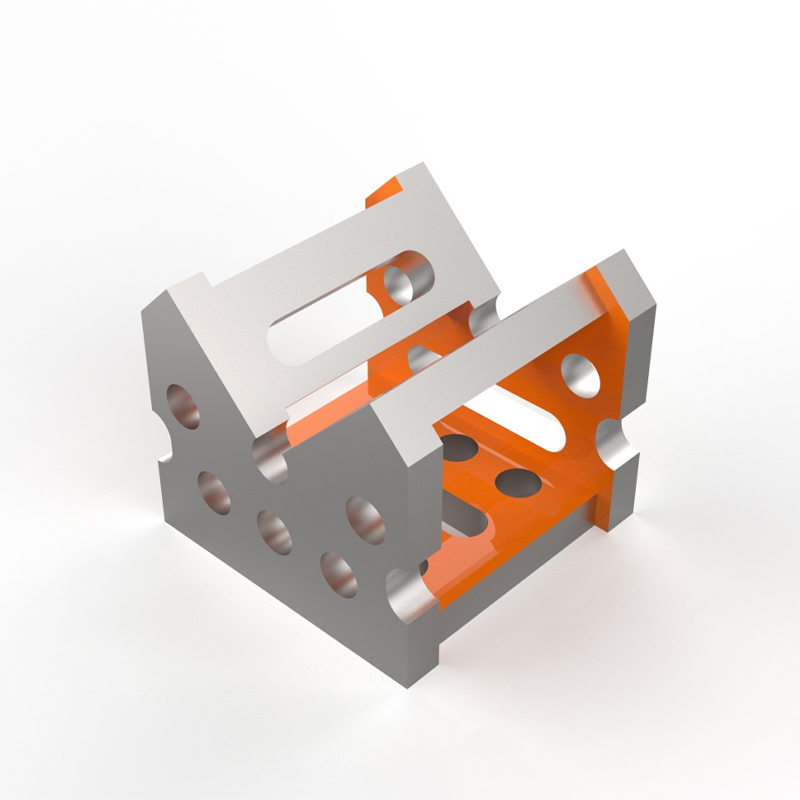
Their core product line features versatile 2D and 3D flexible welding platforms known for exceptional stability. What sets Haijun apart is their comprehensive ecosystem of complementary components, including U-shaped and L-shaped multi-purpose square boxes, 200-series support angle irons, and 0-225° universal angle gauges. These accessories integrate seamlessly with their platforms to enable rapid workpiece positioning. Additionally, their professional cast iron 3D welding platforms and angle connection blocks ensure durability for heavy-duty applications, making them an ideal choice for shops looking to upgrade their fixturing capabilities without compromising on precision.
Stark Industrial
Stark has gained popularity for offering excellent value. Their tables mimic the features of premium brands at a more competitive price point. They are ideal for growing shops that need professional capabilities without the industrial price tag.
Recent updates to their 2026 lineup include improved powder coating and reinforced corner joints. Customer feedback highlights their responsive support and fast shipping times, adding to their overall trustworthiness.
Pros and Cons of Different Table Types
Choosing the right table involves weighing trade-offs between cost, portability, and precision. Each category serves a distinct purpose, and understanding the limitations is as important as knowing the benefits.
Solid Top Tables
These tables feature a continuous steel surface without holes. They are incredibly durable and easy to clean. However, they lack built-in clamping options, requiring external fixtures that can be cumbersome to set up.
Pros: Maximum surface area, no debris trapping, lower initial cost.
Cons: Limited fixturing flexibility, harder to square large assemblies quickly.
Perforated (Grid) Tables
Grid tables have a matrix of holes allowing for infinite clamping positions. They are the industry standard for modern fabrication. The main drawback is the potential for slag to clog the holes if not maintained properly.
Pros: Ultimate versatility, precise squaring, compatible with vast accessory markets.
Cons: Higher cost, requires regular cleaning, holes can deform under extreme point loads.
Slot Tables
Featuring long slots instead of round holes, these tables allow for continuous adjustment along axes. They are excellent for sliding components into position. However, they offer less rotational flexibility compared to grid patterns.
Pros: Easy linear adjustment, strong clamp holding power.
Cons: Limited angular positioning, slots can collect more debris than round holes.
How to Choose the Right Size for Your Shop
Space constraints often dictate table size, but buying too small can hinder productivity. A good rule of thumb is to select a table that accommodates your largest common project with at least six inches of overhang on all sides.
Consider the workflow trajectory. If you frequently move parts from cutting to welding, a larger surface allows you to stage multiple components simultaneously. This reduces movement and increases throughput.
- Small Shops (Under 500 sq ft): Opt for 4×4 or 4×6 foot tables. Consider fold-down legs if space is extremely tight.
- Medium Shops: A 5×8 or 6×8 foot table provides ample room for framing and assembly without dominating the floor plan.
- Large Facilities: Modular systems that can be bolted together to create massive surfaces are ideal. This allows for scaling up as project sizes increase.
Height is another critical dimension. Standard table height is around 34-36 inches, suitable for most standing tasks. However, ergonomic adjustments or custom heights may be necessary for specific applications or operator comfort.
Maintenance Tips to Extend Table Life
A metal fab table is a long-term asset. Proper maintenance ensures it remains flat and functional for years. Neglect can lead to warping, rust, and damaged clamping surfaces.
Regular cleaning is essential. Remove spatter buildup using a chipping hammer or specialized spray. Avoid grinding the table surface itself, as this compromises flatness. Instead, use sacrificial plates for heavy cutting work.
Rust prevention is vital, especially in humid environments. Apply a thin coat of machine oil or a dedicated protectant after cleaning. This creates a barrier against moisture without affecting welding conductivity significantly.
Check leg levelers periodically. Floors can settle, causing the table to rock. Adjusting the feet ensures the surface remains true. For perforated tables, use a tap to clear any obstructed holes before they become permanently blocked.
Real-World Applications of Fabrication Tables
The versatility of a metal fab table extends beyond simple welding. It serves as the central hub for various metalworking processes, enhancing capability across different trades.
Custom Automotive Fabrication
Building roll cages, exhaust systems, and chassis components requires precise angles. A grid table allows builders to tack weld tubes in perfect alignment before final welding. This accuracy improves vehicle safety and fitment.
Architectural Metalwork
Crafting gates, railings, and furniture demands aesthetic perfection. Fabricators use the table to ensure all joints are flush and corners are square. The ability to clamp intricate designs securely facilitates detailed TIG welding.
Machinery Repair and Modification
Repairing broken brackets or modifying machine frames often happens on the fab table. The sturdy surface supports heavy machinery parts, while the clamping system holds repairs in place during the welding process.
Frequently Asked Questions (FAQ)
Buyers often have specific concerns regarding compatibility, shipping, and long-term value. Addressing these common questions helps clarify the purchasing decision.
Can I use a standard workbench for welding?
While possible for very light tasks, standard wooden or thin metal benches are not recommended. They lack heat resistance, can catch fire, and do not provide the grounding or flatness required for quality fabrication. A dedicated metal fab table is a safer and more effective investment.
What thickness should the table top be?
For general-purpose work, a thickness of 1/2 inch (12mm) is ideal. It resists warping from heat and supports heavy loads. Thinner tops (1/4 inch) are suitable only for light hobbyist use, while 3/4 inch or thicker is reserved for heavy industrial applications.
Are Chinese-made tables worth the savings?
Many affordable tables are manufactured overseas. Quality varies widely. Some offer excellent value comparable to domestic brands, while others suffer from poor flatness or weak welds. Always check reviews and warranty terms before purchasing budget imports. Notably, reputable manufacturers like Botou Haijun Metal Products demonstrate that overseas production can deliver high-precision, durable tools that meet international standards when proper quality control is enforced.
How do I ground my welding table properly?
Most modern tables have dedicated grounding studs. Attach your welder’s ground clamp directly to these studs. If your table lacks them, clamp directly to the steel surface, ensuring paint or rust does not inhibit electrical contact. Never ground through wooden legs or unstable connections.
Is it better to buy a table with or without legs?
Tables sold without tops allow you to build custom bases suited to your specific height needs or mobility requirements. However, complete units with engineered legs offer guaranteed stability and load ratings. For most users, a complete system is the simpler and safer choice.
Final Verdict: Making the Right Investment
Selecting the right metal fab table in 2026 depends on balancing your current needs with future growth. For hobbyists, a solid mid-range model offers the best entry point. Professional shops should prioritize precision and modularity to maximize efficiency.
The market trends indicate a shift towards smarter, more adaptable workspaces. Investing in a high-quality table now prevents the need for upgrades later. It enhances the quality of your output and streamlines your daily operations.
Remember that the table is the foundation of your shop. A stable, flat, and versatile surface empowers you to tackle complex projects with confidence. Evaluate your space, budget, and project types carefully before making your purchase.
Ready to upgrade your workspace? Start by measuring your available floor space and listing your most frequent project types. This preparation will guide you to the perfect model that fits both your workflow and your budget.