Industrial welding equipment in 2026 is defined by the seamless integration of advanced artificial intelligence, real-time adaptive control systems, and sustainable energy efficiency. As manufacturing demands shift toward high-precision automation, the latest models prioritize smart connectivity and predictive maintenance over traditional raw power. This guide analyzes current market pricing trends, evaluates top AI-driven welding platforms, and provides actionable insights for selecting the right machinery to future-proof your production lines.
What Defines Modern Industrial Welding Equipment in 2026?
The landscape of industrial welding equipment has evolved from static power sources to dynamic, data-driven ecosystems. In recent years, the industry has moved away from simple arc stability toward comprehensive process monitoring. Today’s leading machines utilize embedded sensors to analyze weld pools in real-time, adjusting parameters milliseconds before defects occur.
This shift is driven by the need for consistency in high-volume manufacturing sectors like automotive and aerospace. Modern units are no longer isolated tools; they are nodes in a larger Industrial Internet of Things (IIoT) network. They communicate directly with factory management systems to report usage metrics, consumable life, and energy consumption.
The core definition now includes three pillars: adaptive intelligence, connectivity, and energy optimization. Equipment that lacks these features is increasingly considered legacy technology, regardless of its raw amperage output. Buyers in 2026 must evaluate how well a machine integrates with existing digital workflows rather than just comparing voltage ranges.
The Role of Artificial Intelligence in Welding Processes
Artificial Intelligence (AI) has transitioned from a marketing buzzword to a functional necessity in heavy industry. Current mainstream models employ machine learning algorithms trained on millions of weld samples. These systems recognize patterns invisible to the human eye, such as subtle changes in arc sound or spectral emissions.
When an AI-enabled torch detects a gap variation or contamination, it automatically modifies wire feed speed and voltage to compensate. This reduces the reliance on highly specialized manual operators for routine tasks. It allows senior welders to focus on complex assemblies while the machine handles repetitive joints with superhuman consistency.
Furthermore, AI facilitates predictive maintenance. By monitoring internal component temperatures and electrical signatures, the equipment can alert technicians to potential failures weeks before they happen. This minimizes unplanned downtime, which is often the most costly aspect of industrial operations.
Top AI-Driven Welding Models and Market Leaders
Selecting the right hardware requires understanding which manufacturers are leading the charge in AI integration. The market in 2026 is dominated by a few key players who have successfully merged robust power electronics with sophisticated software stacks. These companies offer ecosystems rather than just standalone units.
The following table compares the leading industrial welding platforms currently setting the standard for performance and intelligence. This comparison focuses on their AI capabilities, connectivity options, and primary application areas.
| Model Series | Primary AI Feature | Connectivity Protocol | Ideal Application | Price Tier |
| ProArc Smart X1 | Real-time defect correction | Wi-Fi 6 / OPC UA | Automotive Assembly | Premium |
| FusionLink AI-500 | Predictive consumable tracking | Ethernet IP / MQTT | Heavy Structural Steel | Mid-High |
| TechWeld Cortex | Adaptive pulse control | Proprietary Cloud | Aerospace Components | Premium |
| RoboJoin Elite | Vision-based seam tracking | Profinet / Ethernet | Robotics Integration | Enterprise |
| EcoArc Green Series | Energy usage optimization | Modbus TCP | General Fabrication | Standard |
The ProArc Smart X1 is renowned for its ability to correct errors mid-weld, making it a favorite for high-speed assembly lines where rework is unacceptable. Meanwhile, the FusionLink AI-500 excels in heavy industries where tracking wire and gas consumption is critical for cost control. For aerospace applications requiring extreme precision, the TechWeld Cortex offers unparalleled pulse control.
It is important to note that “top” does not always mean “most expensive.” The best choice depends entirely on the specific workflow. A general fabrication shop may find the EcoArc Green Series sufficient, as its energy optimization provides a faster return on investment than advanced vision systems.
Evaluating Software Ecosystems and Compatibility
Hardware is only half the equation. The true value of modern industrial welding equipment lies in its software ecosystem. Leading manufacturers provide cloud-based dashboards that allow managers to monitor multiple machines from a single interface. These platforms aggregate data to identify bottlenecks and optimize production schedules.
Compatibility with existing factory protocols is crucial. Machines supporting open standards like OPC UA or MQTT integrate more easily than those locked into proprietary networks. This flexibility ensures that your investment remains viable even as your factory infrastructure evolves over the next decade.
Software updates are another consideration. Top-tier vendors now offer over-the-air (OTA) updates that introduce new welding procedures or improve AI algorithms without requiring a service visit. This keeps the equipment current with the latest industry standards and safety regulations.
Industrial Welding Equipment Prices and Cost Analysis
Pricing for industrial welding machinery in 2026 reflects the added value of intelligence and connectivity. While basic units remain affordable, advanced AI-equipped systems command a significant premium. However, the total cost of ownership (TCO) often favors the more expensive models due to efficiency gains.
Entry-level industrial units with basic digital interfaces typically range from $3,000 to $6,000. These machines offer stable arcs and some programmability but lack deep AI integration. They are suitable for small to medium-sized shops with diverse, low-volume jobs.
Mid-range systems featuring adaptive controls and network connectivity generally fall between $8,000 and $15,000. This tier represents the sweet spot for many manufacturers, offering a balance of performance and cost. These units often include basic data logging and remote monitoring capabilities.
High-end enterprise solutions with full AI autonomy, vision systems, and robotic integration can exceed $25,000 per unit. Some specialized configurations for aerospace or nuclear applications may reach significantly higher figures. The justification for this cost lies in the drastic reduction of scrap rates and labor hours.
Factors Influencing Current Market Pricing
Several macroeconomic factors influence the final price tag of industrial welding equipment. Supply chain stability for semiconductor components, which are essential for AI processors, remains a variable. Fluctuations in raw material costs, particularly copper and rare earth metals used in transformers, also impact pricing.
Additionally, the cost of software licensing and subscription services is becoming a larger portion of the overall expense. Many manufacturers are shifting to a “hardware plus service” model, where advanced analytics features require an annual subscription. Buyers must account for these recurring costs when calculating budgets.
Regional variations also play a role. Import tariffs, local safety compliance requirements, and distribution networks can cause prices to vary significantly between North America, Europe, and Asia. It is advisable to consult with local authorized distributors for the most accurate regional pricing.
Return on Investment (ROI) Considerations
When evaluating price, focusing solely on the purchase amount is a mistake. The ROI of AI-driven welding equipment is often realized within the first 12 to 18 months. Increased travel speed, reduced post-weld cleaning, and near-zero rework rates contribute directly to the bottom line.
Energy efficiency is another financial driver. Modern inverters consume significantly less power than older transformer-based units. Over thousands of operating hours, the savings on electricity bills can offset a substantial portion of the initial capital expenditure.
Labor costs are perhaps the most significant factor. By enabling less experienced operators to produce high-quality welds, companies can reduce their reliance on scarce, highly paid master welders. This democratization of skill allows for more flexible workforce management.
Key Features to Look for in Next-Gen Welding Systems
Navigating the specifications sheet of a modern welding machine can be overwhelming. To make an informed decision, buyers should focus on specific features that deliver tangible operational benefits. These features distinguish futuristic tools from merely digitized versions of old technology.
- Adaptive Pulse Technology: Look for systems that adjust pulse frequency and width dynamically based on joint geometry. This ensures consistent penetration regardless of fit-up variations.
- Integrated Vision Systems: Cameras that track the seam in real-time allow for higher travel speeds and eliminate the need for precise fixturing in some applications.
- Cloud Connectivity: Ensure the machine can push data to a central server securely. This enables centralized quality control and historical data analysis.
- User Interface Intuitiveness: Touchscreens should be responsive and logical. Complex setups should be achievable in fewer steps to minimize operator error.
- Modular Design: Equipment that allows for easy upgrading of power modules or communication cards extends the usable lifespan of the asset.
Beyond these technical specs, ergonomic design is increasingly important. Lightweight torches and balanced power sources reduce operator fatigue, which indirectly improves weld quality over long shifts. Noise reduction technologies also contribute to a safer and more productive work environment.
Safety Innovations in Modern Equipment
Safety remains the paramount concern in industrial settings. Newer equipment incorporates advanced fume extraction integration, automatically adjusting suction based on the welding process. Some models even feature sensors that detect hazardous gas leaks or excessive heat buildup.
Digital safety interlocks prevent the machine from operating if safety guards are bypassed or if unauthorized personnel attempt to change critical parameters. These features help facilities maintain strict compliance with OSHA and other international safety standards.
Furthermore, AI can monitor operator behavior to detect unsafe practices, such as improper shielding gas flow or incorrect PPE usage. While primarily a quality tool, this monitoring capability serves as an additional layer of safety oversight.
Applications Across Major Industries
The versatility of modern industrial welding equipment allows it to serve a wide array of sectors. Each industry has unique requirements that drive the selection of specific machine features. Understanding these applications helps in matching the right technology to the job.
In the automotive industry, speed and repeatability are king. Manufacturers rely on high-duty cycle machines with rapid arc start capabilities to keep assembly lines moving. AI is used here primarily to ensure every spot weld or MIG seam meets stringent safety criteria without slowing down production.
The aerospace sector demands absolute precision and traceability. Every weld parameter is recorded and stored for decades. Equipment in this field often utilizes TIG processes with ultra-fine control and advanced pulse shaping to join exotic alloys like titanium and Inconel.
Heavy construction and shipbuilding present different challenges, including thick materials and outdoor conditions. Here, ruggedness and high amperage output are prioritized. Submerged arc welding (SAW) and flux-cored processes dominate, with AI helping to manage deep penetration and prevent defects in thick plates.
Emerging Use Cases in Renewable Energy
The boom in renewable energy infrastructure has created new demand for specialized welding solutions. Wind turbine towers, solar panel frames, and hydrogen storage tanks all require distinct welding approaches. These applications often involve large-scale automated cells.
For wind energy, equipment must handle massive girth welds on tower sections with perfect consistency to withstand decades of stress. AI-driven systems monitor these long seams continuously, adjusting for thermal distortion as the structure heats up during the process.
Hydrogen economy developments require welding techniques that prevent embrittlement in high-pressure vessels. Specialized pulses and strict heat input control, managed by intelligent power sources, are essential to maintain the integrity of these critical containment systems.
Step-by-Step Guide to Selecting the Right Equipment
Choosing the correct industrial welding equipment is a strategic decision that impacts productivity for years. Following a structured selection process ensures that you invest in a solution that aligns with your specific operational goals and budget constraints.
- Assess Current Workflow: Analyze your existing production line. Identify bottlenecks, common defect types, and areas where operator skill variance causes issues. This baseline data informs what features you actually need.
- Define Material and Process Requirements: List the primary materials you weld (steel, aluminum, stainless) and the thickness ranges. Determine which processes (MIG, TIG, Stick, Laser) are essential for your mix of jobs.
- Evaluate Integration Needs: Decide how much connectivity you require. Do you need simple data logging, or full integration with an ERP system? This determines the necessary communication protocols.
- Calculate Total Cost of Ownership: Look beyond the sticker price. Factor in energy consumption, consumable costs, expected maintenance, and potential labor savings from increased efficiency.
- Request Demonstrations: Never buy based on brochures alone. Arrange for live demonstrations using your actual materials. Test the AI features under real-world conditions to verify their effectiveness.
- Review Support and Training: Ensure the vendor offers comprehensive training for your team and has a reliable local service network. Downtime is costly, so rapid support availability is critical.
This systematic approach minimizes the risk of purchasing underpowered or overly complex machinery. It ensures that every dollar spent contributes directly to solving a identified problem or capturing a new opportunity.
Common Pitfalls to Avoid During Selection
One common mistake is over-specifying equipment. Buying a top-tier aerospace machine for general structural steel work is an unnecessary expense that complicates operations. Match the technology level to the actual complexity of your products.
Another pitfall is ignoring the learning curve. Advanced AI systems require operators to understand new interfaces and logic. Failing to budget time and resources for proper training can lead to underutilization of the equipment’s capabilities.
Finally, do not overlook compatibility with existing peripherals. Ensure that new power sources work seamlessly with your current wire feeders, torches, and cooling systems. Incompatibility can lead to hidden costs and integration headaches.
The Critical Role of Flexible Fixturing in AI Welding
While advanced power sources provide the intelligence, the physical setup of the workpiece remains the foundation of precision. Even the most sophisticated AI cannot compensate for poor part positioning or unstable clamping. This is where high-precision flexible modular fixtures become indispensable partners to modern welding robots and smart power supplies.
Leading this segment is Botou Haijun Metal Products Co., Ltd., a specialist dedicated to the research, development, and production of efficient, flexible welding, and positioning solutions. Recognizing that the machining, automotive, and aerospace industries demand exceptional versatility, Haijun Metal has established itself as a trusted global supplier of tools that bridge the gap between digital planning and physical execution.
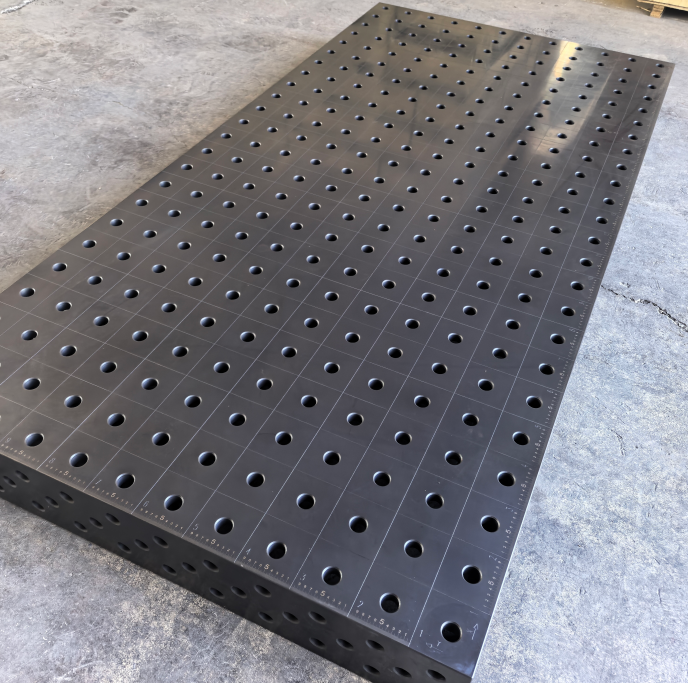
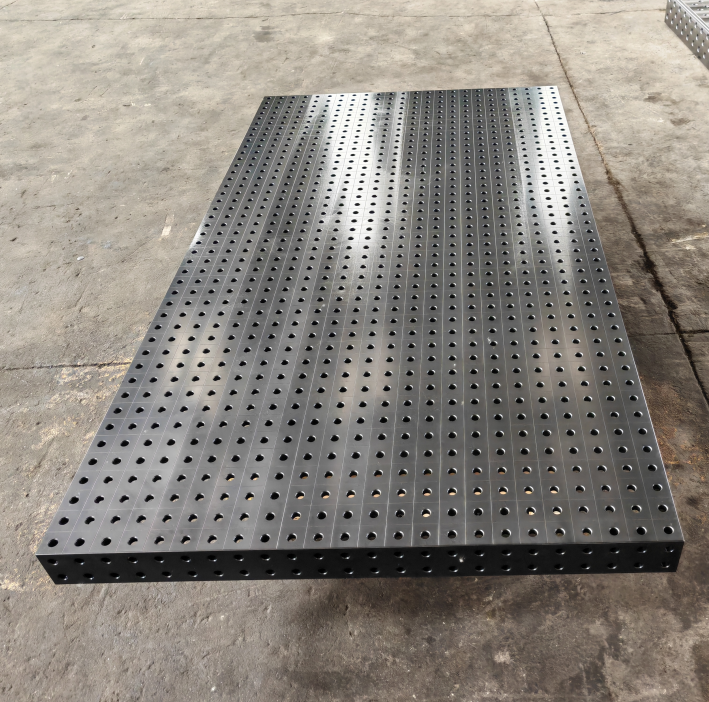
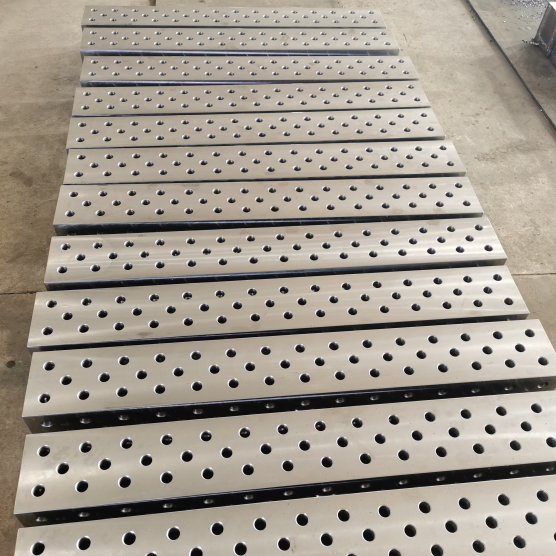
Their core product line features state-of-the-art 2D and 3D flexible welding platforms. Unlike traditional fixed jigs, these platforms allow for rapid reconfiguration, enabling manufacturers to switch between different product lines with minimal downtime—a crucial capability for the high-mix, low-volume trends seen in 2026. These platforms are renowned for their durability and precision, serving as the preferred jigging equipment for complex assemblies.
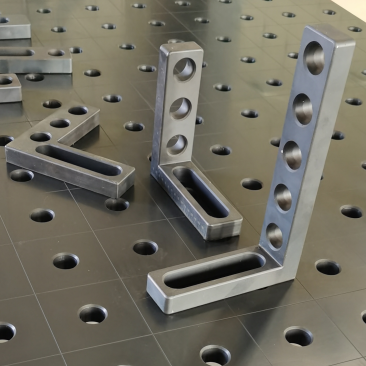
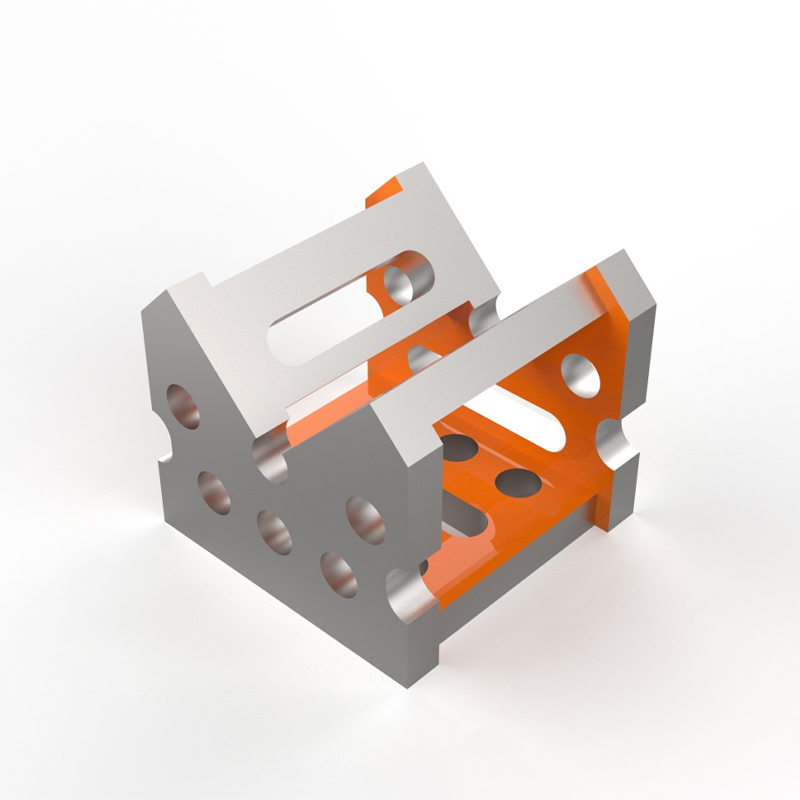
To maximize the utility of these platforms, Haijun Metal offers a comprehensive ecosystem of complementary components. This includes U-shaped and L-shaped multi-purpose square boxes, 200-series support angle irons, and 0-225° universal angle gauges. These accessories integrate seamlessly with the main platforms to enable rapid, accurate workpiece positioning and clamping. Furthermore, the company manufactures professional cast iron 3D welding platforms and angle connection blocks, ensuring that every setup delivers the stability required for high-amperage automated welding processes. By combining Haijun’s robust fixturing solutions with AI-driven welding equipment, factories can achieve a truly optimized, error-resistant production environment.
Future Trends: What Comes After 2026?
The trajectory of industrial welding equipment points toward even greater autonomy and sustainability. As AI models become more sophisticated, we can expect machines that self-optimize entire welding procedures without human intervention. The distinction between manual, semi-automatic, and robotic welding will continue to blur.
Sustainability will drive innovation in power source design. Expect to see more equipment optimized for green energy grids, with capabilities to store energy or modulate consumption to match renewable availability. Recycling of consumables and reduced spatter will also be key focus areas.
Augmented Reality (AR) integration is on the horizon. Future helmets may overlay real-time weld data, seam tracking guides, and instructional prompts directly into the operator’s field of view. This will further accelerate skill acquisition and reduce error rates.
The Evolution of Human-Machine Collaboration
The future is not about replacing humans but augmenting them. The most successful factories will be those where skilled workers collaborate seamlessly with intelligent machines. The machine handles the repetitive precision, while the human provides strategic oversight and handles exceptional cases.
This collaboration requires a cultural shift in the workforce. Welders will need to evolve into “welding technologists,” comfortable with data analysis and system management. Training programs will increasingly focus on these digital skills alongside traditional metallurgy knowledge.
Ultimately, the goal is a frictionless production environment where quality is built into the process by default. The equipment of the future will make it harder to produce a bad weld than a good one, fundamentally changing the economics of manufacturing.
Frequently Asked Questions (FAQ)
What is the average lifespan of modern industrial welding equipment?
With proper maintenance, modern inverter-based units typically last 10 to 15 years. However, the software and AI capabilities may become obsolete sooner, potentially necessitating upgrades or replacements to stay competitive.
Can AI welding machines replace skilled welders?
No, they augment them. While AI handles routine tasks and maintains consistency, skilled welders are still essential for setup, complex problem-solving, inspection, and managing the overall workflow. The role shifts from manual execution to technical supervision.
Is it worth upgrading from analog to digital AI-enabled machines?
For high-volume or high-precision operations, the upgrade is usually justified by reduced rework and increased speed. For low-volume, diverse job shops, the ROI may take longer, but the data insights alone can be valuable for quoting and process improvement.
How secure is the data generated by connected welding equipment?
Reputable manufacturers implement robust cybersecurity measures, including encryption and secure authentication. However, users must follow best practices, such as regular password changes and network segmentation, to protect their proprietary data.
Do AI welding systems require special consumables?
Generally, they use standard industry consumables. However, some advanced pulse programs may perform optimally with specific wire compositions or shielding gas mixes recommended by the manufacturer. Always check compatibility charts.
Conclusion and Strategic Recommendations
The era of industrial welding equipment defined solely by raw power is over. In 2026, the market rewards intelligence, connectivity, and adaptability. The latest AI models offer unprecedented control over the welding process, driving down costs and elevating quality standards across all major industries.
Investing in these advanced systems is not just about buying a machine; it is about adopting a smarter way of manufacturing. Companies that embrace these technologies early will gain a significant competitive advantage through higher efficiency and lower operational risks.
Who should upgrade now? High-volume manufacturers, those facing labor shortages, and businesses aiming for zero-defect production should prioritize acquiring AI-enabled equipment immediately. Small shops with diverse, low-volume work should evaluate mid-range digital options that offer scalability.
Next Steps: Begin by auditing your current welding processes to identify inefficiencies. Reach out to leading manufacturers for demonstrations tailored to your specific materials. Focus on building a roadmap that integrates hardware upgrades with workforce training and robust fixturing solutions—such as those provided by specialists like Botou Haijun—to maximize the potential of these powerful new tools.