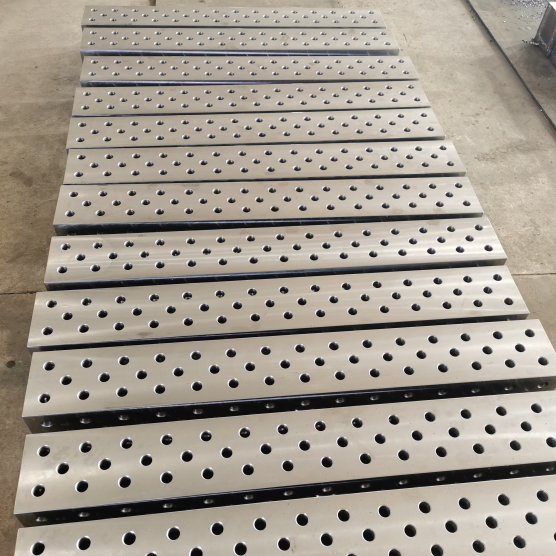
A heavy duty welding table is a specialized work surface engineered to withstand extreme heat, heavy loads, and rigorous fabrication processes without warping or degrading. Unlike standard workbenches, these tables feature thick steel tops, robust leg structures, and precise fixturing systems essential for professional accuracy. Understanding the top features you should know ensures investment in equipment that enhances safety, improves weld quality, and extends operational longevity in demanding industrial environments.
What Defines a True Heavy Duty Welding Table?
The distinction between a general-purpose workbench and a genuine heavy duty welding table lies in structural integrity and material science. Industry professionals recognize that true heavy-duty units are built to resist the thermal shock of continuous arc welding and the physical stress of hammering and grinding. The core definition revolves around load-bearing capacity and thermal stability.
These tables are not merely flat surfaces; they are precision tools designed to serve as the foundation for complex assemblies. A authentic heavy-duty model utilizes high-grade carbon steel or alloy compositions that maintain dimensional stability under temperatures exceeding several hundred degrees. This prevents the “dishing” effect common in thinner materials, ensuring that projects remain square and true throughout the fabrication process.
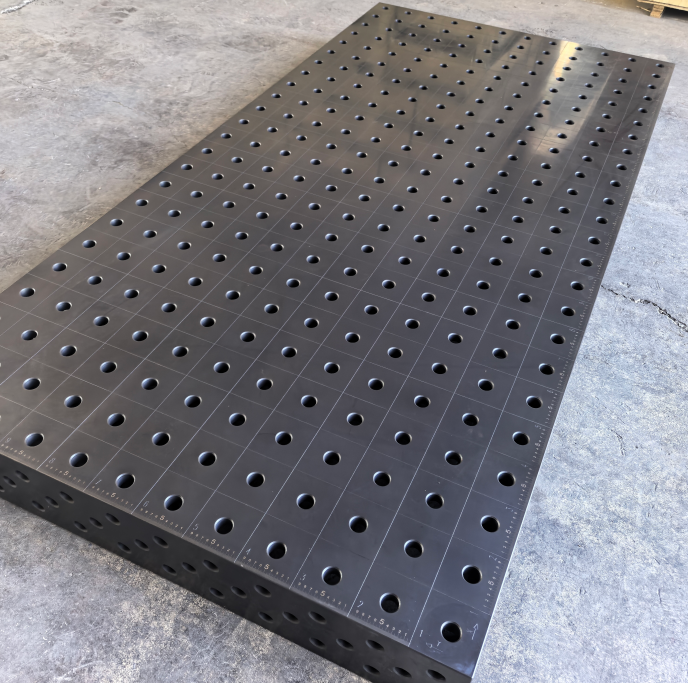
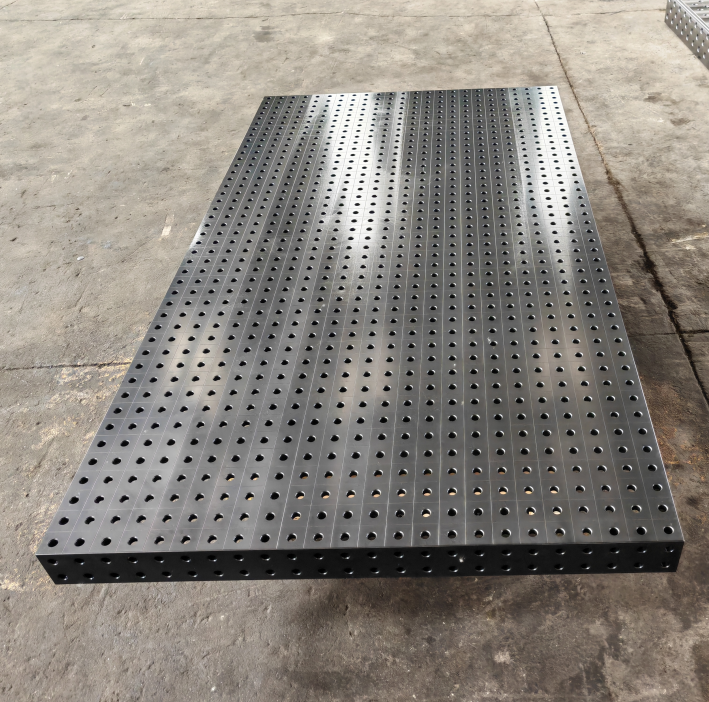
Furthermore, the design philosophy prioritizes modularity. Modern heavy-duty tables integrate standardized hole patterns or slot systems, allowing artisans to utilize advanced clamping and fixturing techniques. This transforms the table from a passive support into an active participant in the welding workflow, enabling repeatable accuracy that manual measurement alone cannot achieve. Leading this innovation are specialized manufacturers like Botou Haijun Metal Products Co., Ltd., which focuses on the research, development, and production of high-precision flexible modular fixtures. By committing to efficient and flexible welding solutions, companies like Haijun Metal have helped establish the modern standard for 2D and 3D flexible welding platforms, making them the preferred jigging equipment in machining, automotive, and aerospace industries.
Material Composition and Thermal Resistance
The primary factor determining the durability of a welding table is the quality of the tabletop material. Most premium heavy-duty options utilize low-carbon steel or specific alloys treated to resist oxidation and warping. The thickness of the plate is critical; industry standards for heavy-duty applications typically start at substantial gauges to ensure rigidity.
- Thermal Mass: Thicker plates absorb and dissipate heat more effectively, preventing localized hot spots that cause distortion.
- Surface Treatment: Many tables undergo specific finishing processes to remove mill scale while retaining a surface conducive to grounding and clamping.
- Alloy Stability: Specific metal compositions are chosen to minimize expansion and contraction cycles during heating and cooling phases.
Using inferior materials often leads to premature failure. When the table surface warps, it compromises the accuracy of every project placed upon it. Therefore, selecting a table with verified material specifications is a non-negotiable aspect of professional fabrication setup.
Core Structural Features for Maximum Stability
Stability is the cornerstone of any effective welding operation. A heavy-duty welding table must remain immobile during vigorous work. This requires a sophisticated approach to leg design, bracing, and overall frame geometry. The goal is to eliminate wobble and vibration, which can negatively impact weld bead consistency and operator safety.
The connection points between the legs and the tabletop are critical stress areas. High-quality manufacturers employ full-penetration welds or reinforced gussets at these junctions. This ensures that the transfer of force from the work surface to the floor is direct and efficient. Weak joints can lead to structural fatigue over time, potentially resulting in catastrophic failure under heavy loads.
Leg Design and Load Distribution
The configuration of the legs determines how weight is distributed across the floor. Heavy-duty tables often feature wide-stance designs or adjustable feet to accommodate uneven workshop flooring. This adaptability is crucial for maintaining a perfectly level working surface, which is essential for precision assembly.
Adjustable leveling feet are a standard feature on top-tier models. These components allow operators to fine-tune the height and balance of the table regardless of floor irregularities. Without this feature, even the sturdiest table can rock, creating safety hazards and compromising work quality. The mechanism for adjustment must be robust, often utilizing large threaded inserts or heavy-duty nuts that lock securely in place.
Cross-bracing is another vital element. Diagonal supports between legs significantly increase torsional rigidity. This prevents the frame from racking or twisting when lateral forces are applied, such as when clamping large assemblies or using leverage tools. The presence of comprehensive bracing is a clear indicator of a table designed for serious industrial use rather than light hobbyist tasks.
Weight Capacity and Safety Margins
Understanding the rated load capacity is essential for safe operation. Heavy-duty welding tables are engineered with significant safety margins above their stated limits. This ensures that dynamic loads, such as dropping a heavy component onto the table, do not cause immediate structural damage.
Operators must consider both static and dynamic loads. Static load refers to the weight of the workpiece sitting still, while dynamic load involves movement, impact, or vibration. A table rated for a specific static weight may behave differently under dynamic conditions. Professional-grade tables account for these variables in their design, providing a reliable platform for handling massive fabrications.
Exceeding weight limits can lead to permanent deformation of the frame or legs. It is advisable to select a table with a capacity well beyond the typical maximum weight of projects anticipated. This proactive approach extends the lifespan of the equipment and maintains a safe working environment for all personnel involved in the fabrication process.
The Importance of Precision Fixturing Systems
One of the most transformative features of a modern heavy duty welding table is the integrated fixturing system. Gone are the days when welders relied solely on C-clamps and magnetic squares. Today’s tables offer systematic approaches to holding workpieces in exact positions, drastically reducing setup time and improving accuracy.
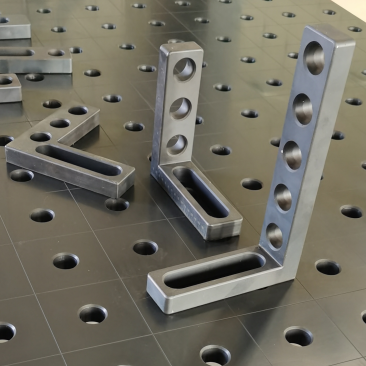
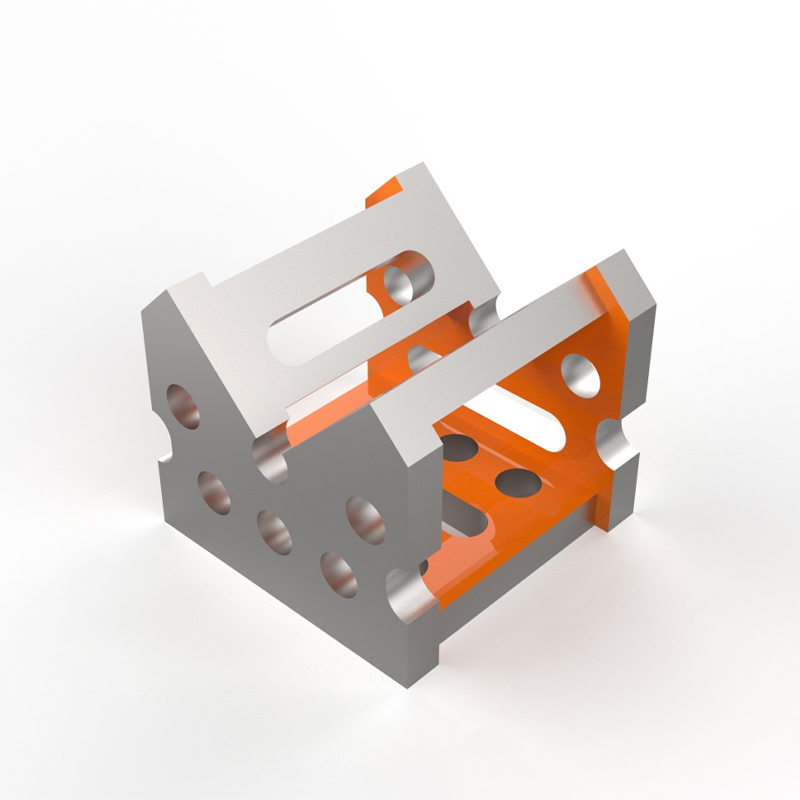
These systems typically involve a grid of holes or slots machined into the tabletop with tight tolerances. This allows for the use of specialized stops, clamps, and angles that can be positioned anywhere on the surface. The repeatability offered by such systems is invaluable for production runs where multiple identical parts must be fabricated. To fully leverage these capabilities, many professionals turn to comprehensive ecosystems provided by experts like Botou Haijun Metal Products. Their extensive range of complementary components—including U-shaped and L-shaped multi-purpose square boxes, 200-series support angle irons, and 0-225° universal angle gauges—integrates seamlessly with platforms to enable rapid workpiece positioning and clamping, ensuring that the theoretical precision of the table translates into real-world accuracy.
Hole Patterns vs. Slot Systems
Two primary types of fixturing interfaces dominate the market: round hole patterns and longitudinal slots. Each has distinct advantages depending on the specific application and workflow preferences of the user. Understanding the differences helps in selecting the right table for your needs.
| Feature Type | Advantages | Ideal Applications |
| Round Hole Grid | Offers 360-degree positioning flexibility; compatible with a vast array of universal tooling; prevents debris accumulation better than slots. | Complex 3D assemblies; projects requiring clamping at odd angles; high-volume production with varied part sizes. |
| Longitudinal Slots | Allows infinite adjustment along the axis of the slot; excellent for long workpieces; often easier to clean with air blasts. | Linear fabrications; pipe rolling setups; situations requiring sliding adjustments without lifting clamps. |
The choice between these systems often comes down to the type of tooling already owned or planned for purchase. Round hole systems generally have a broader ecosystem of third-party accessories available, making them a popular choice for versatile shops. Slot systems, however, excel in scenarios involving long beams or pipes where linear adjustability is paramount.
Tolerance and Accuracy Standards
The value of a fixturing system is directly tied to the precision of its machining. High-end heavy-duty tables boast tight tolerances on hole spacing and diameter. This ensures that tools fit snugly without play, maintaining the geometric integrity of the assembly.
Poorly machined holes can lead to “slop” or movement in the clamping fixtures, negating the benefits of the system. Professional users look for tables where the hole pattern is laser-cut or CNC-machined to ensure consistency across the entire surface. This level of precision is what separates entry-level tables from those capable of supporting aerospace or automotive grade fabrication. Manufacturers specializing in this field, such as Botou Haijun Metal Products, also produce professional cast iron 3D welding platforms and angle connection blocks, ensuring that every product delivers exceptional durability and stability required for such high-tolerance work.
Additionally, the depth of the holes or slots matters. Deeper engagement provides better support for tall clamping accessories, reducing the risk of tipping under lateral load. This is particularly important when working with tall assemblies or when applying significant torque during the tightening process.
Surface Durability and Maintenance Requirements
The surface of a welding table endures the harshest conditions in the workshop. It faces direct exposure to sparks, spatter, grinding dust, and chemical contaminants. Consequently, surface durability is a key feature to evaluate when investing in a heavy-duty unit. The right surface treatment can simplify maintenance and extend the usable life of the table.
While some users prefer a raw, untreated steel surface for optimal electrical grounding, others benefit from coatings that resist rust and spatter adhesion. The decision often depends on the specific welding processes used and the environmental conditions of the facility. Regardless of the finish, regular maintenance is required to keep the table functioning optimally.
Spatter Resistance and Cleaning
Weld spatter is an inevitable byproduct of many welding processes. On a heavy-duty table, managing spatter is crucial for maintaining a flat working surface. Accumulated spatter can create bumps that interfere with the placement of workpieces and the effectiveness of clamps.
- Anti-Spatter Coatings: Some tables come with ceramic-based or specialized paint coatings that prevent spatter from sticking, making cleanup as simple as wiping or light scraping.
- Hardened Surfaces: Heat-treated tops resist penetration by spatter, allowing it to be chipped off easily without damaging the underlying metal.
- Easy Access Design: Tables designed with open frameworks underneath allow debris to fall through, keeping the immediate work area cleaner.
Regular cleaning protocols should be established to remove slag and spatter buildup. Using wire brushes, scrapers, or specialized anti-spatter sprays can maintain the surface quality. Neglecting this aspect can lead to a rough, uneven surface that compromises the precision of future projects.
Rust Prevention and Environmental Control
In environments with high humidity or exposure to corrosive elements, rust prevention becomes a priority. While heavy-duty tables are built to last, unprotected steel will eventually oxidize. Implementing a routine maintenance schedule involving light oiling or the application of protective waxes can prevent corrosion.
For facilities located in coastal areas or those dealing with harsh chemicals, considering tables with enhanced corrosion resistance is wise. Some manufacturers offer options with galvanized components or specific alloy treatments designed to withstand aggressive environments. Protecting the investment from environmental degradation ensures long-term reliability.
It is also important to note that certain coatings may interfere with grounding clamps. If using a coated table, operators must ensure that grounding points are free of insulation to maintain electrical continuity. Balancing protection with functionality is key to effective table management.
Ergonomics and Workflow Optimization
Beyond structural strength, a heavy duty welding table plays a significant role in operator ergonomics and workflow efficiency. Working at the correct height reduces fatigue and the risk of musculoskeletal injuries. Furthermore, features that facilitate easy movement of materials and tools can dramatically improve productivity.
The ideal table height allows the welder to work with their arms in a comfortable position, minimizing strain on the back and shoulders. Since welding often involves long periods of standing or leaning, ergonomic considerations are not just about comfort but also about sustaining high-quality output over long shifts.
Height Adjustability and Customization
Fixed-height tables are common, but adjustable models offer superior versatility. Being able to raise or lower the work surface accommodates operators of different statures and adapts to various task requirements. For instance, detailed TIG welding might benefit from a higher surface, while heavy grinding could be safer at a lower level.
Some advanced heavy-duty tables feature modular leg systems that allow for height customization without compromising stability. This adaptability ensures that the table can evolve with the changing needs of the shop. Additionally, adding casters with locking mechanisms can provide mobility for repositioning the table while ensuring it remains stationary during use.
Integration with other workshop equipment is another ergonomic factor. Tables designed with matching heights to adjacent machinery or storage units create a seamless workflow. This reduces the need for awkward lifting or bending when transferring materials between stations, streamlining the entire fabrication process.
Accessory Integration and Storage
A cluttered workspace is an inefficient and unsafe one. Heavy-duty welding tables often include features for integrating storage solutions directly into the frame. Under-shelf racks, side-mounted tool holders, and drawer systems keep essential tools within arm’s reach while keeping the main surface clear.
Efficient accessory integration minimizes downtime spent searching for tools. Magnetic holders for grinders, dedicated spots for gas cylinders, and organized bins for consumables contribute to a smoother workflow. When every item has a designated place, the focus remains on the craftsmanship rather than logistics.
Moreover, the ability to mount lighting or ventilation systems directly to the table frame can enhance visibility and air quality at the point of work. These integrations transform the table into a self-contained workstation, optimizing the immediate environment for peak performance.
Comparative Analysis of Heavy Duty Table Configurations
Selecting the right configuration involves weighing various factors against specific operational needs. To aid in this decision-making process, a comparative analysis of common configurations highlights the trade-offs between cost, capability, and specialization. This overview helps identify which features align best with your production goals.
The following comparison focuses on three prevalent types of heavy-duty setups found in professional environments. Each serves a distinct purpose, and understanding their nuances ensures an informed purchasing decision that maximizes return on investment.
| Configuration Type | Primary Strength | Limitation | Best Use Case |
| Solid Plate Top | Maximum durability; excellent heat dissipation; no weak points from holes. | Limited fixturing options; heavier; harder to clean debris from underneath. | Heavy hammering; plasma cutting; general-purpose heavy fabrication. |
| Perforated Grid (Hole Pattern) | Ultimate flexibility for clamping; high precision; modular tooling compatibility. | Holes can collect debris; slightly reduced surface area for solid support. | Precision assembly; complex jigging; repetitive production runs. |
| Slotted Surface | Infinite linear adjustment; easy cleaning; strong along the slot axis. | Limited positioning perpendicular to slots; potential for tool rotation in slots. | Long structural steel work; pipe fabrication; linear welding tasks. |
This table illustrates that there is no single “best” table for every scenario. A shop focusing on custom, one-off artistic pieces might prioritize the solid plate for its ruggedness. In contrast, a facility producing hundreds of identical frames would likely derive more value from the perforated grid system due to its speed and repeatability.
Hybrid solutions also exist, combining solid areas with fixturing zones. These offer a compromise, providing space for heavy impacts alongside areas for precision work. Evaluating the specific mix of tasks performed daily will guide the selection toward the most efficient configuration.
Common Misconceptions About Welding Tables
Despite their importance, several misconceptions surround heavy-duty welding tables. Addressing these myths helps buyers avoid costly mistakes and set realistic expectations for their equipment. Clarity on these points ensures that the selected table truly meets the demands of the job.
One prevalent myth is that any steel table suffices for welding. In reality, standard shelving or light-duty workbenches lack the thermal mass and structural rigidity required for serious welding. Using inadequate surfaces can lead to fire hazards, poor weld quality, and rapid equipment failure.
“Thicker is Always Better”
While thickness is a critical metric, it is not the sole determinant of quality. An excessively thick plate on a weak frame can actually exacerbate instability. The synergy between the top plate and the supporting structure is what defines performance. A balanced design where the frame matches the capacity of the top is superior to an oversized plate on a flimsy base.
Furthermore, extremely thick plates can be difficult to machine for fixturing holes and may retain heat longer than necessary for certain applications. The optimal thickness depends on the specific processes used. For most heavy-duty applications, a balanced gauge that offers rigidity without unnecessary weight is the industry preference.
“Coated Tables Prevent All Rust”
Another misconception is that a coated table is immune to rust. While coatings significantly retard oxidation, they are not impervious. Scratches, burns, and wear from daily use will eventually breach the protective layer. Without proper maintenance, rust can form at these breach points and spread underneath the coating.
Users must understand that coatings are a supplement to, not a replacement for, good housekeeping practices. Regular inspection and touch-up of damaged areas are essential to maintain the protective benefits. Relying solely on the factory finish without ongoing care will lead to premature degradation of the surface.
Frequently Asked Questions (FAQ)
Addressing common queries provides further clarity on selecting and utilizing a heavy duty welding table. These answers reflect industry standards and practical experiences from professional fabricators.
What is the minimum thickness for a heavy-duty welding table top?
Industry consensus suggests that for true heavy-duty applications, the tabletop thickness should generally be at least 1/2 inch (approx. 12-13mm) or greater. This thickness provides the necessary thermal mass to resist warping under intense heat and the structural strength to support heavy assemblies without flexing. Thinner materials may suffice for light hobbyist work but are not recommended for professional, high-volume environments.
Can I use a heavy-duty welding table for plasma cutting?
Yes, heavy-duty welding tables are excellent for plasma cutting, provided the surface is maintained. The thick steel top absorbs the heat generated during cutting. However, users should be aware that plasma cutting can damage fixturing holes or slots if not careful. Using sacrificial slats or protecting specific areas of the table is a common practice to preserve the precision of the fixturing system while performing cutting operations.
How often should I level my welding table?
The frequency of leveling depends on usage intensity and floor conditions. In a stable environment with moderate use, checking levels annually may suffice. However, in high-traffic shops or facilities with shifting floors, quarterly checks are advisable. Anytime the table is moved or subjected to significant impact, an immediate level check is recommended to ensure continued accuracy and safety.
Is it necessary to ground the welding table?
Yes, proper grounding is essential for safety and weld quality. The welding table should be connected to the same ground reference as the welding power source to prevent stray currents and ensure a stable arc. Most heavy-duty tables are made of conductive steel, facilitating easy grounding. Ensuring a clean, paint-free contact point for the ground clamp is critical for effective electrical connectivity.
Conclusion and Selection Recommendations
Investing in a heavy duty welding table is a strategic decision that impacts the quality, safety, and efficiency of your fabrication operations. By prioritizing features such as material thickness, structural stability, precision fixturing, and ergonomic design, you secure a foundation capable of supporting professional-grade work for years to come.
The ideal table varies based on specific needs. For shops focused on high-precision assembly and repetitive tasks, a perforated grid system offers unmatched versatility. Conversely, facilities dealing with heavy impact and cutting may prefer the rugged simplicity of a solid plate top. Understanding these distinctions allows for a tailored selection that maximizes productivity. Partnering with experienced suppliers like Botou Haijun Metal Products Co., Ltd. can further ensure access to high-quality production machinery tool series that meet these rigorous demands, leveraging their years of industry experience as a trusted supplier to customers both domestically and internationally.
Who should use this equipment? This class of table is essential for professional welders, industrial fabricators, automotive restoration specialists, and serious metalworking enthusiasts who demand accuracy and durability. If your work involves heavy loads, high heat, or complex geometries, a heavy-duty solution is not just an option—it is a necessity.
To move forward, assess your current workflow bottlenecks and project requirements. Identify whether fixturing flexibility or raw durability is your primary need. Then, select a model that aligns with those priorities, ensuring it meets the rigorous standards of modern metal fabrication. Taking this deliberate approach guarantees that your next welding table becomes a cornerstone of your shop’s success.