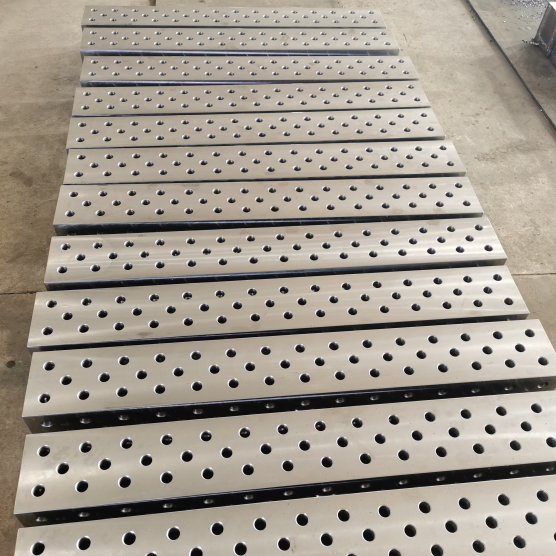
Custom cast aluminum parts are engineered metal components produced by pouring molten aluminum alloy into a mold to create complex geometries with high precision. As a specialized manufacturer, we integrate advanced CNC machining with casting processes—such as die casting, sand casting, and investment casting—to deliver net-shape or near-net-shape solutions. These parts are critical for industries requiring lightweight, corrosion-resistant, and thermally conductive components, including automotive, aerospace, and industrial machinery. Our manufacturing approach ensures tight tolerances, superior surface finishes, and structural integrity, reducing secondary processing costs while accelerating time-to-market for B2B clients.
What Are Custom Cast Aluminum Parts?
Custom cast aluminum parts refer to components manufactured specifically according to a client’s unique design specifications, rather than off-the-shelf standard items. The process involves transforming aluminum alloys from a liquid state into a solid shape within a mold cavity. Unlike generic casting, custom production allows for precise control over wall thickness, internal structures, mounting points, and aesthetic finishes.
The term “custom” implies a collaborative engineering phase where manufacturers optimize the part design for manufacturability (DFM). This ensures that the final component not only meets functional requirements but also minimizes material waste and production cycle time. Aluminum is the preferred material due to its exceptional strength-to-weight ratio, making it ideal for applications where mass reduction is crucial without sacrificing durability.
Key Characteristics of Aluminum Casting
- Lightweight Structure: Aluminum has a density approximately one-third that of steel, significantly reducing the overall weight of assemblies.
- Corrosion Resistance: Natural oxide layers protect aluminum parts from environmental degradation, extending service life in harsh conditions.
- High Thermal Conductivity: Ideal for heat sinks and housing units where heat dissipation is critical.
- Electromagnetic Shielding: Aluminum provides effective shielding against EMI/RFI interference, essential for electronic enclosures.
- Recyclability: Aluminum is 100% recyclable without loss of quality, supporting sustainable manufacturing goals.
Manufacturing Processes for Custom Aluminum Components
Selecting the right casting method is pivotal to the success of your project. Each process offers distinct advantages regarding tolerance, surface finish, production volume, and cost. Understanding these differences helps engineers and procurement specialists make informed decisions aligned with their project constraints.
Aluminum Die Casting: High Volume & Precision
Die casting is the most common method for producing large volumes of custom aluminum parts with high dimensional accuracy. In this process, molten aluminum is injected under high pressure into a steel mold, known as a die. The high pressure ensures that the metal fills intricate details and thin walls rapidly.
Advantages:
- Excellent dimensional stability and repeatability.
- Smooth surface finish requiring minimal post-processing.
- High production speed suitable for mass manufacturing.
- Ability to produce complex shapes with integrated features like bosses and ribs.
Limitations:
- Higher initial tooling costs due to complex steel dies.
- Not ideal for very low-volume prototypes due to setup expenses.
- Potential for porosity if process parameters are not strictly controlled.
Sand Casting: Flexibility for Large Parts
Sand casting uses expendable sand molds to form the component. It is particularly suited for larger, heavier aluminum parts where die casting tools would be prohibitively expensive or physically impractical. This method offers greater flexibility in design changes since sand molds are easier and cheaper to produce than steel dies.
Applications:
- Large engine blocks and transmission housings.
- Industrial pump bodies and valve components.
- Structural frames for heavy machinery.
While sand casting provides design freedom, the surface finish is generally rougher than die casting, often requiring additional machining or finishing operations to meet strict aesthetic or functional standards.
Investment Casting (Lost Wax): Complex Geometries
Also known as precision casting, this process uses a wax pattern coated with ceramic slurry. Once the ceramic hardens, the wax is melted out, leaving a hollow mold. Molten aluminum is then poured into the ceramic shell. This method is ideal for parts with extremely complex internal passages or intricate external details that cannot be achieved with die or sand casting.
Key Benefits:
- Superior surface finish and tight tolerances.
- No parting lines, resulting in aesthetically pleasing components.
- Suitable for small to medium batch sizes.
CNC Machining After Casting: Achieving Net Shape
While casting creates the basic shape, CNC machining is often required to achieve critical tolerances on mating surfaces, threads, and mounting holes. Our integrated manufacturing approach combines casting with 5-axis CNC machining to ensure that every custom cast aluminum part meets exact engineering specifications. This hybrid approach eliminates the need for multiple vendors, streamlining quality control and logistics.
Material Selection: Choosing the Right Aluminum Alloy
The performance of custom cast aluminum parts is heavily influenced by the alloy selected. Different alloys offer varying levels of fluidity, strength, corrosion resistance, and machinability. Selecting the appropriate alloy is a critical step in the design-for-manufacturability process.
| Alloy Series | Common Grades | Key Properties | Typical Applications |
| A380 | Al-Si-Cu | Excellent fluidity, good mechanical properties, easy to cast. | Automotive engine parts, power tool housings, appliance components. |
| A360 | Al-Si-Mg | Superior corrosion resistance, high strength, moderate fluidity. | Marine hardware, chemical equipment, outdoor telecommunications boxes. |
| A356 | Al-Si-Mg | High ductility, excellent for heat treatment, good weldability. | Aerospace structures, wheels, high-stress structural components. |
| A413 | Al-Si | Highest fluidity, pressure tightness, lower strength. | Complex thin-walled parts, hydraulic components, pump housings. |
Factors Influencing Alloy Choice
Fluidity: For parts with thin walls or intricate details, alloys with high fluidity like A380 or A413 are preferred to ensure complete mold filling without defects.
Strength Requirements: Structural components subject to high loads may require heat-treatable alloys like A356, which can be strengthened through T6 tempering.
Environmental Exposure: Parts exposed to saltwater or corrosive chemicals benefit from alloys with higher magnesium content, such as A360, which enhances corrosion resistance.
Machinability: If extensive post-casting machining is required, alloys with specific silicon and copper balances are chosen to reduce tool wear and improve surface finish during cutting.
Design Guidelines for Custom Cast Aluminum Parts
Optimizing your design for casting can significantly reduce costs and improve part quality. Adhering to established design principles helps prevent common defects such as shrinkage, warping, and porosity.
Wall Thickness Uniformity
Maintaining uniform wall thickness is crucial for consistent cooling rates. Variations in thickness can lead to differential shrinkage, causing internal stresses and distortions. Where thickness changes are necessary, gradual transitions using fillets and radii should be employed to minimize stress concentrations.
Draft Angles
Draft angles are tapered surfaces added to vertical walls to facilitate the ejection of the part from the mold. Without adequate draft, parts can stick to the mold, leading to damage during ejection. Typically, a draft angle of 1-3 degrees is recommended for external surfaces, while internal cores may require slightly higher angles.
Ribs and Bosses
Ribs are used to strengthen thin-walled sections without adding excessive weight. Bosses serve as mounting points for screws or pins. To avoid sink marks and porosity, ribs should be designed with a thickness of 50-60% of the adjacent wall thickness. Bosses should be connected to walls with gussets or ribs to distribute stress effectively.
Parting Lines and Gates
The location of parting lines and gate entries affects the visual appearance and structural integrity of the part. Strategic placement ensures that any remaining marks are in non-critical areas. Our engineering team works closely with clients to optimize gate locations for balanced filling and minimal turbulence.
Quality Control and Standards Compliance
In B2B industrial manufacturing, consistency and reliability are paramount. Our quality assurance protocols adhere to international standards, ensuring that every custom cast aluminum part meets rigorous performance criteria.
Dimensional Inspection
We utilize Coordinate Measuring Machines (CMM) and optical scanning technologies to verify dimensional accuracy against CAD models. First Article Inspection (FAI) reports are generated for new tools to validate that the initial production run meets all specified tolerances.
Material Certification
Spectroscopic analysis is performed on each batch of molten aluminum to confirm chemical composition. Material Certificates of Conformance (CoC) are provided to customers, tracing the alloy back to its source and verifying compliance with ASTM or ISO standards.
Non-Destructive Testing (NDT)
For critical applications, we employ Non-Destructive Testing methods such as X-ray inspection and dye penetrant testing. These techniques detect internal voids, cracks, or surface defects that could compromise part integrity. X-ray imaging allows us to visualize internal structures without damaging the component, ensuring hidden defects are identified before shipment.
Surface Finish Standards
Surface quality is evaluated according to industry standards such as NADCA (North American Die Casting Association) guidelines. We offer various finishing options, including bead blasting, powder coating, anodizing, and painting, to meet specific aesthetic and functional requirements.
Industries Served by Custom Aluminum Casting
Custom cast aluminum parts are versatile and serve a wide range of industries. Their combination of light weight, strength, and thermal properties makes them indispensable in modern engineering.
Automotive and Electric Vehicles (EV)
The automotive sector is a major consumer of aluminum castings, driven by the need for fuel efficiency and extended EV range. Components include engine blocks, cylinder heads, transmission cases, and structural battery enclosures. The shift towards electric vehicles has increased demand for large, integrated die-cast structures that reduce assembly complexity and vehicle weight.
Aerospace and Defense
In aerospace, weight savings directly translate to fuel efficiency and payload capacity. Aluminum castings are used for avionics housings, seat frames, and structural brackets. The high strength-to-weight ratio of alloys like A356-T6 makes them suitable for flight-critical applications where reliability is non-negotiable.
Telecommunications and Electronics
5G infrastructure and data centers require robust enclosures that provide electromagnetic shielding and heat dissipation. Custom aluminum castings are ideal for router housings, base station components, and heat sinks. The material’s natural conductivity helps manage thermal loads in high-power electronic devices.
Industrial Machinery and Robotics
Heavy-duty machinery relies on aluminum castings for pump housings, motor end bells, and robotic arm components. The corrosion resistance of aluminum ensures longevity in harsh industrial environments, while its machinability allows for precise fitting of bearings and seals.
Medical Equipment
Medical devices demand high precision and cleanliness. Aluminum castings are used for imaging equipment frames, surgical tool handles, and diagnostic device housings. The ability to apply sterile, durable finishes makes aluminum a preferred choice for medical manufacturing.
Cost Drivers in Custom Aluminum Casting
Understanding the factors that influence cost helps businesses budget effectively and optimize designs for economic production. While aluminum casting is generally cost-effective for medium to high volumes, several variables impact the final price per unit.
Tooling Complexity and Cost
The design and fabrication of molds represent a significant upfront investment. Complex geometries with multiple slides, cores, and tight tolerances require more sophisticated tooling, increasing initial costs. However, this cost is amortized over the production run, making unit prices competitive for larger volumes.
Part Weight and Material Usage
Material cost is directly proportional to the weight of the part. Optimizing wall thickness and removing unnecessary material through simulation software can reduce raw material usage and lower costs. Additionally, efficient gating systems minimize scrap material, further enhancing cost-efficiency.
Production Volume
Economies of scale play a crucial role. Higher production volumes spread fixed costs such as tooling and setup across more units, reducing the per-part price. For low-volume projects, alternative methods like sand casting or rapid prototyping may be more economical.
Secondary Operations
Post-casting processes such as CNC machining, heat treatment, and surface finishing add to the total cost. Designing parts to minimize the need for extensive machining or selecting alloys that require less finishing can help control expenses.
Step-by-Step Guide to Ordering Custom Cast Aluminum Parts
Navigating the procurement process for custom components can be streamlined by following a structured approach. This ensures clarity, reduces lead times, and guarantees that the final product meets expectations.
- Step 1: Submit Design Files: Provide 3D CAD files (STEP, IGES, or SolidWorks formats) and 2D drawings with critical dimensions and tolerances clearly marked.
- Step 2: Engineering Review (DFM): Our engineers analyze the design for manufacturability, suggesting optimizations for wall thickness, draft angles, and material selection to enhance quality and reduce cost.
- Step 3: Quotation and Tooling Plan: Receive a detailed quote including tooling costs, unit prices, and lead times. Approve the tooling design and production schedule.
- Step 4: Prototype and Validation: Initial samples are produced and inspected. FAI reports are shared for approval. Adjustments are made if necessary.
- Step 5: Mass Production: Once samples are approved, full-scale production begins. Real-time quality monitoring ensures consistency throughout the run.
- Step 6: Final Inspection and Shipping: Completed parts undergo final quality checks. Packaging is customized to protect components during transit. Documentation including CoCs and inspection reports is included.
Common Defects and How We Prevent Them
Even with advanced technology, casting defects can occur if processes are not meticulously controlled. Understanding these potential issues highlights the importance of partnering with an experienced manufacturer.
Porosity
Porosity refers to small voids or air pockets trapped within the metal. It can weaken the part and affect pressure tightness. We prevent porosity by optimizing gate design, controlling injection speed, and using vacuum-assisted casting techniques to remove air from the mold cavity.
Cold Shuts
Cold shuts occur when two streams of molten metal meet but fail to fuse properly, often due to low temperature or slow filling. Maintaining optimal melt temperature and ensuring rapid, turbulent-free filling prevents this defect.
Shrinkage Cracks
As aluminum cools, it shrinks. If certain sections cool faster than others, internal stresses can cause cracking. Uniform wall thickness and proper riser design help distribute cooling evenly, minimizing shrinkage risks.
Ejector Marks
Improper ejection can leave marks or deform the part. Precise mold maintenance and optimized ejector pin placement ensure smooth removal without damaging the component’s surface or geometry.
FAQ: Frequently Asked Questions About Custom Cast Aluminum Parts
What is the minimum order quantity (MOQ) for custom cast aluminum parts?
MOQ varies depending on the casting method. For die casting, MOQs are typically higher due to tooling costs, often starting at 500-1,000 units. Sand casting and investment casting offer lower MOQs, suitable for prototypes or small batches. We work with clients to find the most cost-effective solution for their volume needs.
How long does it take to produce custom aluminum castings?
Lead times depend on tooling complexity and production volume. Tooling fabrication usually takes 3-6 weeks. Once tools are ready, sample production takes 1-2 weeks. Mass production lead times vary based on order size but typically range from 2-4 weeks for standard orders.
Can you assemble multiple cast components?
Yes, we offer value-added services including assembly. We can integrate inserts, fasteners, and other components during or after the casting process. This reduces assembly time for our clients and ensures better fit and function of the final assembly.
What file formats do you accept for quotations?
We accept standard 3D CAD formats such as STEP (.stp), IGES (.igs), and native files from SolidWorks, CATIA, or Pro/E. 2D drawings in PDF or DWG format are also required to specify tolerances, surface finishes, and critical features.
Is aluminum casting environmentally friendly?
Aluminum is highly sustainable. It is infinitely recyclable, and recycling aluminum requires only 5% of the energy needed to produce primary aluminum. Our manufacturing processes adhere to environmental regulations, and we actively participate in recycling programs to minimize waste.
What is the typical tolerance for die-cast aluminum parts?
Standard tolerances for die casting are approximately ±0.005 inches (±0.127 mm) for the first inch and ±0.002 inches (±0.05 mm) for each additional inch. Tighter tolerances can be achieved with secondary CNC machining, depending on the part geometry and feature size.
Why Choose Us as Your Custom Cast Aluminum Parts Manufacturer?
In a competitive market, selecting the right manufacturing partner is critical to your product’s success. Our commitment to quality, innovation, and customer service sets us apart.
Integrated Manufacturing Capabilities
We offer a one-stop solution from design optimization to final assembly. By combining casting, CNC machining, and surface finishing under one roof, we reduce supply chain complexities, shorten lead times, and ensure consistent quality control.
Advanced Technology and Equipment
Our facility is equipped with state-of-the-art die casting machines, 5-axis CNC centers, and automated inspection systems. This technological infrastructure allows us to handle complex projects with precision and efficiency, meeting the demanding standards of industries like aerospace and automotive.
Engineering Expertise and Support
Our team of experienced engineers provides comprehensive DFM support. We don’t just manufacture parts; we collaborate with you to optimize designs for performance and cost. Our proactive approach helps identify potential issues early, saving time and resources.
Commitment to Quality and Compliance
We adhere to strict quality management systems, including ISO 9001 certification. Every part undergoes rigorous inspection to ensure it meets your specifications. Our transparency in reporting and documentation builds trust and confidence in our partnership.
Broad Industry Application Experience
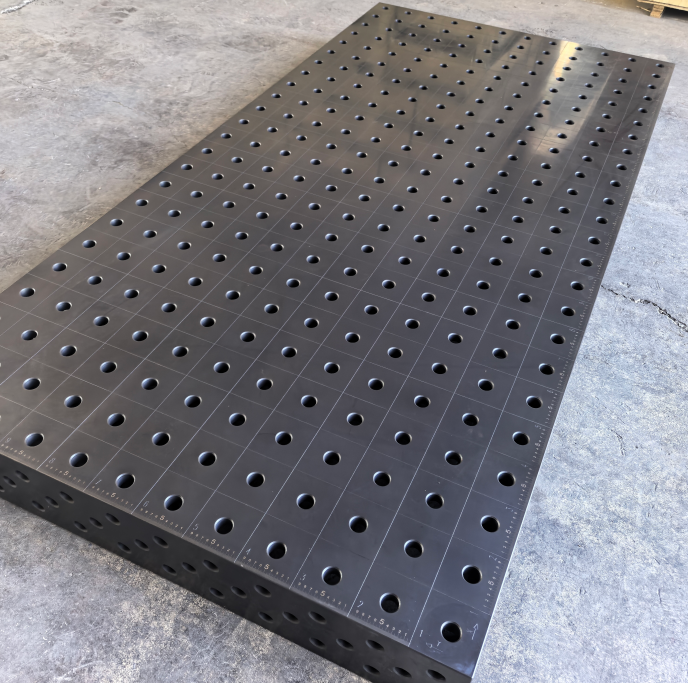
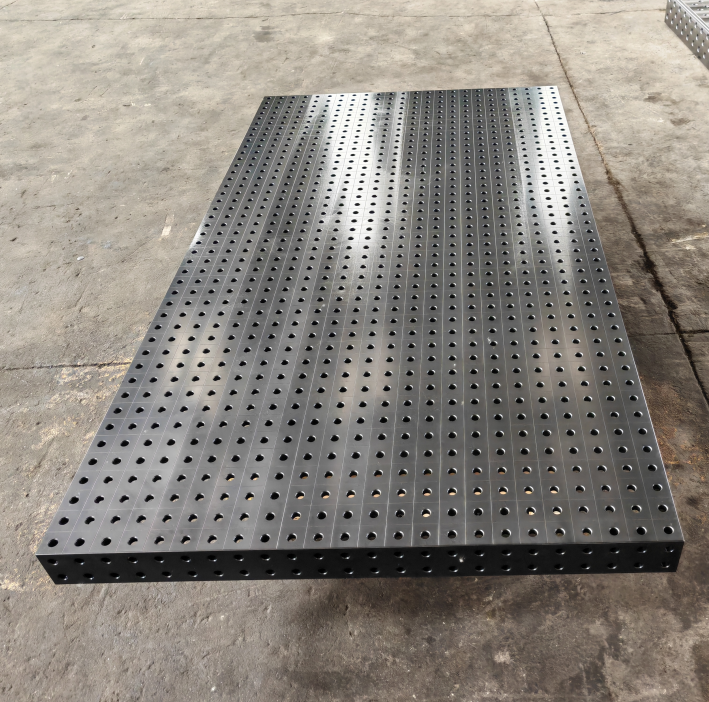
At Botou Haijun Metal Products Co., Ltd., our expertise extends beyond casting into the realm of high-precision manufacturing support. We specialize in the research, development, and production of flexible modular fixtures and metalworking tools, providing efficient welding and positioning solutions for the modern manufacturing industry. Our core product line includes renowned 2D and 3D flexible welding platforms, which have become the preferred jigging equipment in the machining, automotive, and aerospace sectors—the very industries we serve with our custom aluminum castings.
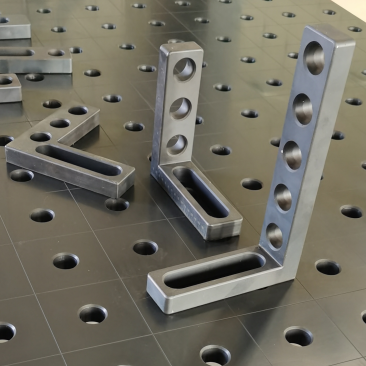
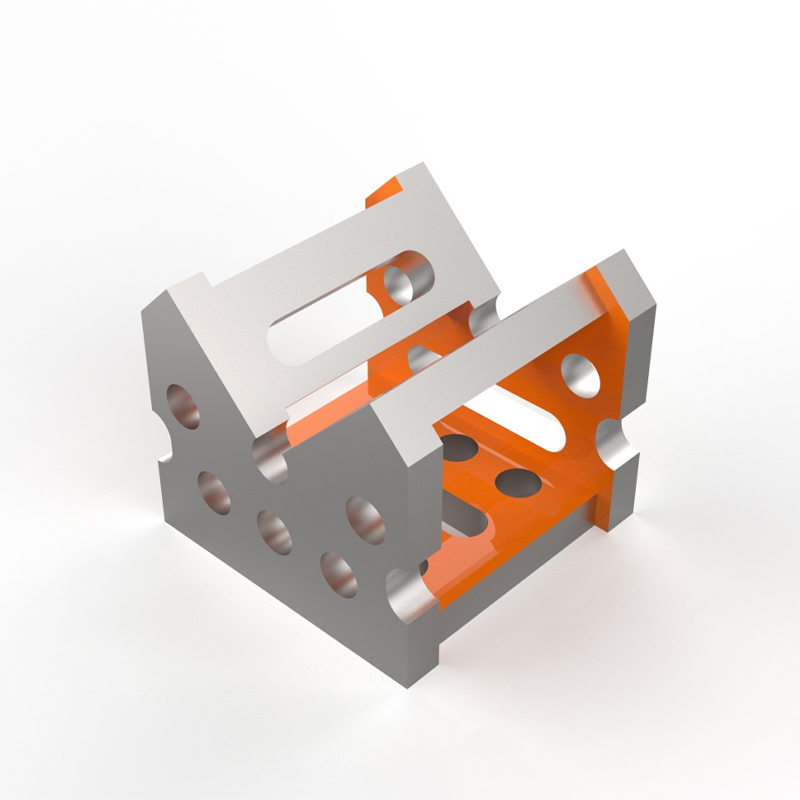
This dual capability gives us a unique perspective on how cast components interact with assembly and fabrication processes. We understand the critical importance of precise positioning and clamping, which is why we also offer a comprehensive range of complementary components, such as U-shaped and L-shaped multi-purpose square boxes, 200-series support angle irons, and 0-225° universal angle gauges. These accessories integrate seamlessly with our platforms to enable rapid workpiece positioning. Furthermore, our experience in manufacturing professional cast iron 3D welding platforms and angle connection blocks ensures that we appreciate the nuances of durability and stability in metal products. With years of industry experience, Haijun Metal has become a trusted supplier to customers both domestically and internationally, continuously providing high-quality production machinery tool series alongside our premium casting solutions.
Conclusion: Elevate Your Product with Precision Aluminum Casting
Custom cast aluminum parts offer a compelling combination of lightweight performance, durability, and design flexibility. Whether you are developing next-generation electric vehicles, advanced telecommunications infrastructure, or robust industrial machinery, the right casting solution can significantly enhance your product’s value proposition.
By partnering with a manufacturer that integrates advanced casting technologies with precision CNC machining and rigorous quality control, you ensure that your components meet the highest standards of excellence. From initial design consultation to final delivery, our expertise supports your journey from concept to market leadership.
Ready to start your project?
Contact our engineering team today to discuss your custom cast aluminum parts requirements. Upload your CAD files for a free DFM analysis and competitive quotation. Let us help you achieve precision, efficiency, and quality in your manufacturing process.
Explore Our Full Range of Casting Solutions and Technical Resources