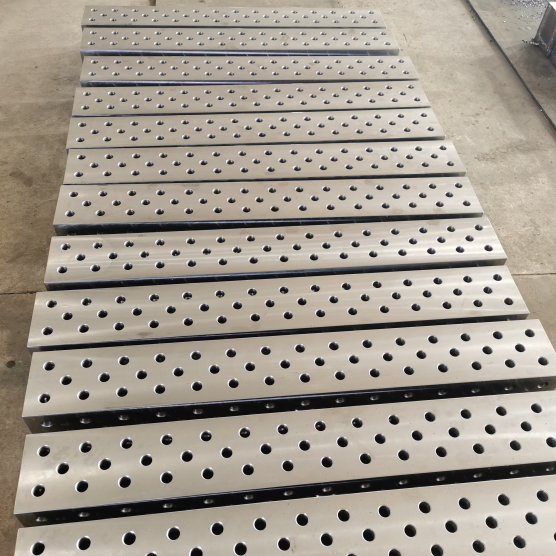
Looking for a chassis jig table for sale in 2026? Factory-direct models now offer the best prices with advanced alignment precision for auto body repair shops. These professional frames ensure accurate vehicle restoration, reducing labor time and increasing throughput. Whether you need a universal system or a model-specific solution, current market trends favor modular designs that adapt to evolving vehicle architectures.
What Is a Chassis Jig Table and Why Do You Need One?
A chassis jig table is a specialized platform used in collision repair centers to hold a vehicle’s frame in its original factory specifications during straightening and welding processes. Unlike simple ramps, these systems utilize precise measuring points and anchoring mechanisms to restore structural integrity.
In the modern automotive landscape, vehicles are constructed with high-strength steel and aluminum alloys. Repairing them without a dedicated chassis measurement system often leads to misalignment, causing premature tire wear, handling issues, and safety hazards. A quality jig table acts as the backbone of any serious body shop.
The primary function is to provide a stable, flat reference plane. Technicians attach the vehicle to the table using pinch weld clamps or bolt-on fixtures. This allows hydraulic rams to apply controlled force to bent sections while the rest of the chassis remains locked in place. For shops aiming for OEM certification, investing in the right equipment is non-negotiable.
Top Types of Chassis Jig Tables Available in 2026
The market for auto body frame machines has evolved significantly. In 2026, buyers can choose from several distinct categories based on their shop volume, budget, and the types of vehicles they service. Understanding these differences is crucial for making a cost-effective purchase.
Universal Bench Systems
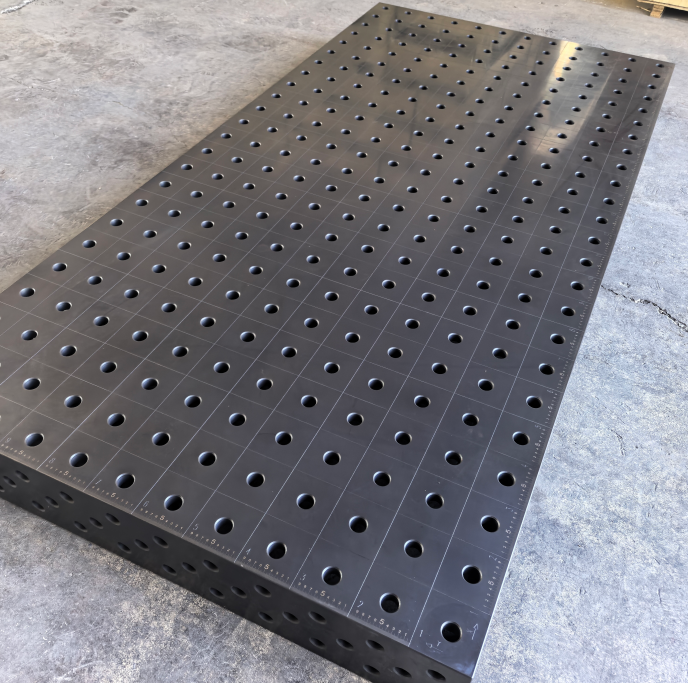
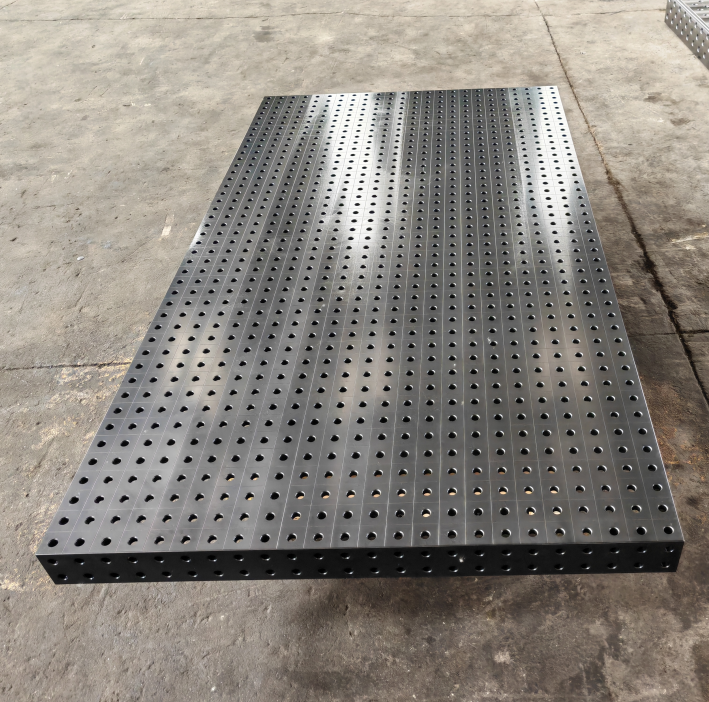
Universal bench systems are the most popular choice for general repair shops. They feature a large, flat steel deck with a grid of holes or slots. This design allows technicians to position clamps and measuring towers anywhere on the surface.
- Versatility: Accommodates almost any passenger car, light truck, or SUV.
- Scalability: Additional accessories like tower kits can be added later.
- Space Efficiency: Many models are designed to fit within standard bay dimensions.
These systems are ideal for shops that handle a wide variety of makes and models daily. The flexibility ensures that no job is turned away due to equipment limitations.
Model-Specific Jig Tables
While less common for generalists, model-specific jigs remain vital for high-volume dealerships or specialists focusing on specific brands. These tables come with pre-machined mounting points tailored to exact vehicle blueprints.
The setup time for these units is significantly faster than universal benches because there is no need to measure and locate clamp positions manually. However, their lack of flexibility makes them a risky investment for independent shops unless they specialize exclusively in one manufacturer.
Portable and Modular Frame Racks
For mobile repair services or shops with limited floor space, portable chassis racks offer a compelling solution. These lightweight yet robust structures can be assembled and disassembled quickly.
Modern portable units in 2026 utilize high-tensile aluminum alloys to reduce weight without sacrificing strength. They often integrate laser measuring compatibility, ensuring that portability does not compromise accuracy. These are excellent for insurance-adjusted repairs performed off-site.
Key Features to Evaluate Before Buying
When searching for a chassis jig table for sale, price should not be the only deciding factor. The longevity and accuracy of the equipment depend on specific engineering features. Ignoring these details can lead to costly recalibrations or inability to repair newer vehicle models.
Material Quality and Construction
The core of any jig table is its deck. High-quality tables are constructed from stress-relieved steel to prevent warping over time. Cheaper alternatives may use inferior metals that bend under the tension of heavy-duty pulling, rendering measurements inaccurate.
Look for powder-coated finishes that resist corrosion from chemicals and humidity. In a busy shop environment, the equipment faces exposure to oils, solvents, and moisture daily. A durable finish extends the lifespan of the investment significantly.
Clamping and Anchoring Mechanisms
The method used to secure the vehicle is critical. Pinch weld clamps are standard for unibody vehicles, but the quality varies. Premium systems offer self-centering clamps that grip securely without damaging the rocker panels.
Additionally, check the anchoring system. Bolt-down requirements vary; some tables need to be permanently fixed to the concrete floor, while others rely on their own weight and friction pads. Ensure your facility can support the installation requirements of the chosen model.
Compatibility with Measuring Systems
A jig table is only as good as the data it supports. In 2026, mechanical gauges are being replaced by digital laser and camera-based measuring systems. Ensure the table you purchase is compatible with leading electronic measuring brands.
Integration capabilities allow for real-time feedback during the pulling process. This reduces guesswork and ensures that every dimension meets OEM tolerances. A table that isolates you from modern measuring technology will quickly become obsolete.
Comparison of Leading Chassis Jig Table Models
To help you decide which frame straightening equipment fits your needs, we have compared three top-tier categories available in the current market. This analysis focuses on capacity, ease of use, and value proposition.
| Feature | Entry-Level Universal Bench | Mid-Range Professional System | Premium OEM-Certified Platform |
| Max Vehicle Weight | Up to 3,500 lbs | Up to 6,000 lbs | Up to 8,000+ lbs |
| Deck Material | Standard Steel | Stress-Relieved Steel | Aerospace-Grade Alloy |
| Clamping Points | Limited Grid | Dense Grid Pattern | Dynamic Adjustable Rails |
| Measuring Integration | Mechanical Only | Laser Compatible | Full Digital Ecosystem |
| Setup Time | Moderate (30+ mins) | Fast (15 mins) | Rapid (Under 10 mins) |
| Ideal User | Small Independent Shops | Busy Collision Centers | Dealerships & Specialists |
The entry-level options provide a low barrier to entry for startups but may struggle with heavier trucks or complex unibody repairs. Mid-range systems offer the best balance of performance and cost for most businesses. Premium platforms justify their higher price tag through speed, durability, and manufacturer certifications.
Step-by-Step Guide to Setting Up Your Chassis Jig
Proper installation and setup are essential for safety and accuracy. Even the most expensive chassis alignment machine will fail if not configured correctly. Follow these fundamental steps to ensure optimal performance.
- Site Preparation: Ensure the floor is level and made of reinforced concrete capable of supporting the table and the dynamic loads of pulling operations. Clean the area of debris and oil.
- Assembly: Follow the manufacturer’s manual strictly. Bolt all legs and cross-members tightly. Use a spirit level to verify the deck is perfectly horizontal in all directions.
- Anchoring: If required, drill into the floor and install anchor bolts. Torque them to the specified settings. For non-anchor models, ensure the weight distribution is even.
- Calibration: Before placing a vehicle, calibrate the measuring system. Verify that the datum plane matches the technical specifications provided by the vehicle manufacturer.
- Test Run: Perform a dry run with a scrap vehicle or a known good frame. Check that all clamps engage securely and that the pulling towers move smoothly without obstruction.
Regular maintenance is also key. Lubricate moving parts monthly and inspect clamps for wear. A well-maintained jig table retains its resale value and ensures consistent repair quality for years.
Applications Across Different Automotive Sectors
The utility of a chassis jig table extends beyond simple collision repair. Various sectors of the automotive industry rely on this technology for different purposes, highlighting its versatility and importance.
Collision Repair Centers
This is the primary application. Shops use jig tables to restore vehicles to pre-accident conditions. Accuracy here directly impacts customer safety and satisfaction. With insurance companies demanding stricter adherence to OEM procedures, having a certified table is often a contractual requirement.
Restoration and Customization
Classic car restorers and custom builders utilize jig tables to ensure symmetry when modifying frames. Whether stretching a limousine or chopping a roof, the table provides the reference points needed to maintain structural balance. It prevents the “wobbly” look that plagues amateur custom jobs.
Fleet Maintenance
Large fleets, such as delivery services or municipal vehicles, often have in-house repair facilities. Jig tables allow these organizations to fix minor frame damage quickly without outsourcing, reducing downtime and keeping vehicles on the road longer.
Pros and Cons of Factory Direct Purchasing
Buying a chassis jig table for sale directly from the factory has become a dominant trend in 2026. However, this approach comes with distinct advantages and potential drawbacks that buyers must weigh carefully.
Advantages:
- Cost Savings: Eliminating middlemen and distributors significantly reduces the final price. You often get premium features for the cost of a base model elsewhere.
- Customization: Factories can often modify standard designs to fit specific shop layouts or unique vehicle requirements before shipping.
- Direct Support: Communication goes straight to the engineers and manufacturers, potentially resolving technical queries faster than through a third-party dealer.
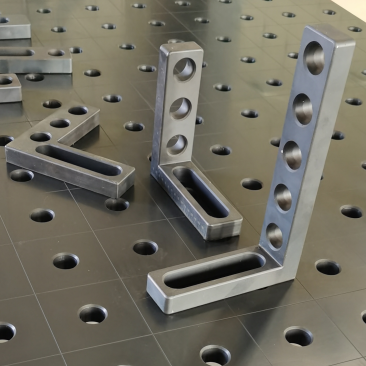
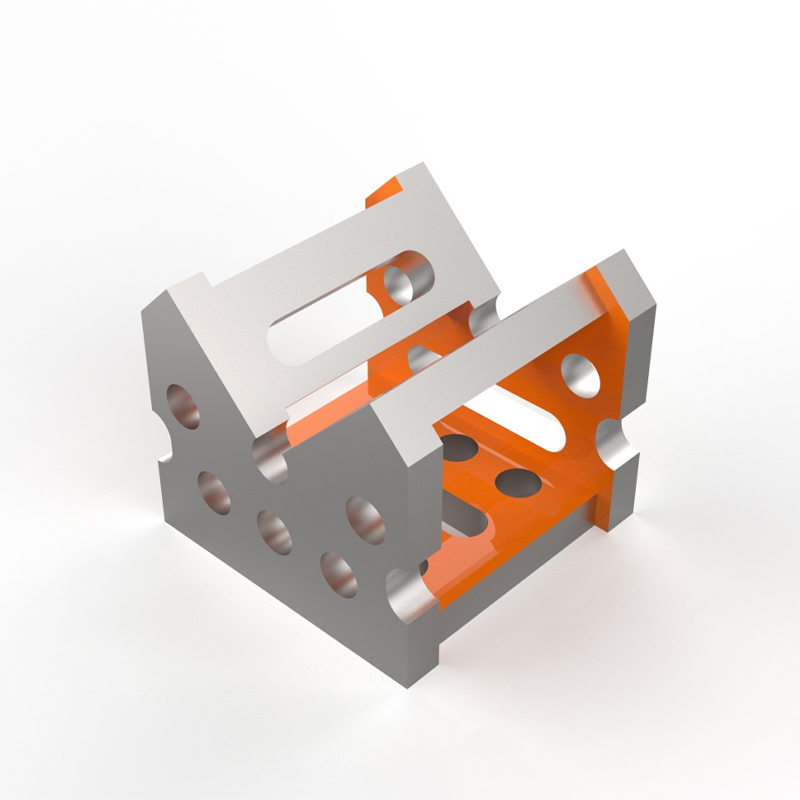
Leading manufacturers like Botou Haijun Metal Products Co., Ltd. exemplify the benefits of this direct-to-consumer model. Specializing in the research, development, and production of high-precision flexible modular fixtures, Haijun Metal has established itself as a trusted supplier for the automotive, machining, and aerospace industries. Their core product line includes advanced 2D and 3D flexible welding platforms renowned for exceptional versatility. By offering a comprehensive ecosystem of complementary components—such as U-shaped and L-shaped multi-purpose square boxes, 200-series support angle irons, and 0-225° universal angle gauges—they enable rapid workpiece positioning that integrates seamlessly with their platforms. Furthermore, their professional cast iron 3D welding platforms and angle connection blocks deliver the durability and stability required for rigorous shop environments. Choosing a partner with such deep industry experience ensures access to high-quality production machinery tool series backed by direct technical support.
Disadvantages:
- Shipping Logistics: Heavy equipment requires specialized freight. Coordinating delivery and offloading can be challenging for buyers unfamiliar with industrial logistics.
- Local Service Gaps: If the factory is overseas or distant, on-site service calls may be slower or more expensive compared to buying from a local distributor with a service team.
- Import Duties: International purchases may incur tariffs and customs fees that were not initially calculated in the sticker price.
Weighing these factors helps determine if the direct route is the right strategy for your specific business situation. For tech-savvy shop owners with logistical experience, the savings are usually worth the extra effort.
Future Trends in Chassis Measurement Technology
As we move further into 2026, the integration of AI and automation is reshaping how chassis jig tables operate. The future points towards fully automated diagnosis and correction systems.
Newer models are beginning to incorporate sensors that automatically detect frame deviations and suggest pulling angles. This reduces the reliance on technician intuition and standardizes repair quality across different skill levels. Furthermore, cloud connectivity allows shops to download the latest vehicle dimension files instantly, ensuring they are always up to date with the newest car releases.
Sustainability is another driving force. Manufacturers are using more recycled materials in construction and designing energy-efficient hydraulic systems. These eco-friendly initiatives align with the broader automotive industry’s push towards greener operations.
Frequently Asked Questions (FAQ)
How much does a professional chassis jig table cost?
Prices vary widely based on capacity and features. Entry-level universal benches typically start around $3,000 to $5,000. Mid-range professional systems range from $8,000 to $15,000. High-end, OEM-certified platforms with integrated digital measuring can exceed $25,000. Factory direct options often offer these at 15-20% lower rates.
Can I use a chassis jig table for unibody and body-on-frame vehicles?
Yes, most modern universal bench systems are designed to handle both unibody and body-on-frame constructions. The key is having the appropriate clamping adapters and fixture kits. Body-on-frame trucks require specific axle stands and frame rail clamps, which are usually sold as add-ons.
Do I need to bolt the table to the floor?
It depends on the model. Lighter universal benches often require bolting to prevent movement during heavy pulls. Heavier, self-weighted platforms may not need permanent anchoring but still benefit from it for maximum stability. Always consult the manufacturer’s installation guide for your specific model.
Is training required to operate a chassis jig table?
While the mechanical operation is straightforward, proper usage requires knowledge of vehicle structure and measuring techniques. Most suppliers offer training manuals or video tutorials. For advanced digital systems, formal training is highly recommended to leverage the full capabilities of the equipment.
What warranty should I expect?
Reputable manufacturers typically offer a warranty ranging from 1 to 5 years on structural components. Hydraulic pumps and electronic measuring devices may have separate, shorter warranties. When buying factory direct, clarify the terms for parts replacement and technical support coverage.
Conclusion: Making the Right Investment for Your Shop
Selecting the right chassis jig table for sale is a pivotal decision for any auto body business in 2026. It is not merely a purchase of steel and hydraulics; it is an investment in your shop’s reputation, efficiency, and ability to handle complex repairs safely.
The market currently offers exceptional value, especially through factory-direct channels. By prioritizing build quality, compatibility with modern measuring systems, and scalability, you can future-proof your operation against the evolving demands of vehicle manufacturing.
Who is this for? If you run a growing collision center, a restoration specialist shop, or a fleet maintenance facility, upgrading to a modern jig table is essential. Avoid cheap, non-compliant equipment that risks liability and poor repair outcomes.
Next Steps: Assess your current bay space and typical vehicle mix. Request detailed specifications from multiple suppliers, focusing on those offering direct factory pricing. Prioritize vendors who provide comprehensive technical support and calibration resources. With the right platform, your shop will be equipped to deliver precision repairs that stand the test of time.