Cast aluminum parts are metal components formed by pouring molten aluminum into a mold to create complex, durable shapes for industrial and consumer applications. This process combines lightweight properties with high strength-to-weight ratios, making it the preferred choice for automotive, aerospace, and machinery sectors. Engineers and buyers select these parts for their ability to reduce overall system weight while maintaining structural integrity under stress.
What Are Cast Aluminum Parts and How Do They Work?
Cast aluminum parts originate from a manufacturing process where liquid aluminum alloy is introduced into a pre-designed cavity. Once cooled and solidified, the material takes the shape of the mold. This method allows for the creation of geometries that would be impossible or prohibitively expensive to achieve through machining or fabrication.
The fundamental principle relies on the fluidity of molten aluminum and its rapid solidification characteristics. Modern foundries utilize advanced alloys to enhance specific properties like corrosion resistance or thermal conductivity. The result is a component that offers excellent dimensional stability and consistent performance across varying environmental conditions.
Industry professionals recognize this technique as a cornerstone of modern mass production. It bridges the gap between raw material potential and functional engineering requirements. By controlling cooling rates and mold materials, manufacturers can fine-tune the grain structure of the metal for optimal mechanical behavior.
The Role of Aluminum Alloys in Casting
Not all aluminum is suitable for casting. Specific alloys are engineered to lower melting points and improve flow characteristics. Silicon is frequently added to enhance fluidity, while magnesium improves strength after heat treatment. Copper additions can increase hardness but may reduce corrosion resistance if not managed correctly.
- Silicon-based alloys: Most common for general-purpose casting due to excellent castability.
- Magnesium-enhanced mixes: Preferred when higher tensile strength is required without significant weight gain.
- Copper-containing variants: Used in high-temperature applications where thermal stability is critical.
Selecting the right alloy is a critical decision point for engineers. The chemical composition directly influences the final part’s ability to withstand load, heat, and environmental exposure. Current mainstream practices favor A356 and A380 series alloys for their balanced performance profiles.
Primary Casting Methods for Aluminum Components
Choosing the correct casting method is essential for balancing cost, precision, and production volume. Each technique offers distinct advantages depending on the project requirements. Understanding these differences helps buyers make informed decisions about manufacturing partners and process selection.
Die Casting: High Volume and Precision
Die casting involves forcing molten aluminum into a steel mold under high pressure. This method is ideal for producing large quantities of parts with tight tolerances and smooth surface finishes. The high pressure ensures the metal fills every detail of the mold cavity rapidly.
This process is widely adopted in the automotive industry for engine blocks and transmission cases. The speed of production makes it cost-effective for runs exceeding thousands of units. However, the initial cost of creating hardened steel dies can be significant for low-volume projects.
Recent advancements have improved the reliability of die-cast parts by reducing porosity. Vacuum-assisted systems remove air from the mold before injection, resulting in denser, stronger components. This evolution has expanded the application scope to include safety-critical structural elements.
Sand Casting: Flexibility for Large Parts
Sand casting uses a mold made from compacted sand mixed with a binding agent. It is highly versatile and capable of producing very large components that other methods cannot accommodate. The tooling costs are relatively low, making it suitable for prototyping and small batch production.
The surface finish of sand-cast parts is generally rougher than die-cast equivalents. Post-processing operations like machining or blasting are often required to meet aesthetic or functional specifications. Despite this, its ability to handle complex internal geometries remains unmatched.
- Low tooling investment: Ideal for custom orders and limited runs.
- Size versatility: Capable of producing parts ranging from a few grams to several tons.
- Material flexibility: Accommodates a wide range of aluminum alloys without modification.
Permanent Mold Casting: Balanced Quality and Cost
Permanent mold casting utilizes reusable metal molds, typically made from steel or iron. Gravity fills the mold, though some variations use low pressure. This method produces parts with better mechanical properties than sand casting due to faster cooling rates.
The grain structure of permanent mold castings is finer, leading to improved strength and ductility. It serves as a middle ground between the high cost of die casting and the lower precision of sand casting. Many consumer electronics housings utilize this technique for its balance of quality and economics.
Comparison of Aluminum Casting Processes
Selecting the right manufacturing route requires a clear understanding of trade-offs. The following table compares the three primary methods based on key engineering and commercial factors. This overview assists in aligning project needs with the most appropriate technology.
| Feature | Die Casting | Sand Casting | Permanent Mold |
| Production Volume | High (Mass Production) | Low to Medium | Medium to High |
| Dimensional Accuracy | Very High | Moderate | High |
| Surface Finish | Smooth (Minimal finishing) | Rough (Requires machining) | Good |
| Tooling Cost | High | Low | Moderate |
| Part Size Limit | Small to Medium | Unlimited (Very Large) | Small to Medium |
| Mechanical Properties | Good (with vacuum assist) | Moderate | Excellent |
This comparison highlights that no single method is superior in all aspects. Die casting excels in speed and precision for small parts. Sand casting dominates when size or tooling budget is the primary constraint. Permanent mold casting offers a compelling alternative for mid-range volumes requiring enhanced material properties.
Key Advantages of Using Cast Aluminum
Engineers specify cast aluminum parts for a combination of physical and economic benefits. The material’s inherent characteristics solve many design challenges faced in modern product development. These advantages drive its widespread adoption across diverse industries.
Superior Strength-to-Weight Ratio
Aluminum provides significant weight reduction compared to steel or iron while maintaining comparable strength levels. This attribute is crucial for applications where mobility and fuel efficiency are priorities. Reducing unsprung mass in vehicles, for example, directly improves handling and ride comfort.
The lightweight nature also simplifies assembly and logistics. Heavier components require more robust support structures and expensive shipping solutions. By switching to cast aluminum, manufacturers can optimize their entire supply chain efficiency without compromising structural performance.
Excellent Corrosion Resistance
Natural oxide layers form on aluminum surfaces, providing inherent protection against rust and environmental degradation. This makes cast aluminum parts ideal for outdoor applications, marine environments, and chemical processing equipment. Unlike ferrous metals, they do not require heavy galvanization or painting for basic protection.
In harsh conditions, additional anodizing or powder coating can further extend service life. The base material’s resistance ensures that even if the surface coating is damaged, the underlying metal remains stable. This reliability reduces maintenance costs and extends the operational lifespan of the end product.
Thermal and Electrical Conductivity
Aluminum is an efficient conductor of heat and electricity. Cast components are frequently used in heat sinks, engine cylinder heads, and electrical enclosures. The ability to dissipate heat rapidly prevents overheating in high-performance electronic devices and power systems.
Designers can integrate cooling fins directly into the cast geometry, eliminating the need for secondary assembly steps. This integration enhances thermal management efficiency and reduces the overall footprint of the system. Such capabilities are increasingly vital as electronic components become more powerful and compact.
Common Applications Across Industries
The versatility of cast aluminum allows it to serve critical roles in multiple sectors. From transportation to consumer goods, these parts enable innovation and efficiency. Understanding specific use cases helps buyers identify opportunities for optimization in their own projects.
Automotive and Transportation
The automotive sector is the largest consumer of cast aluminum parts. Engine blocks, cylinder heads, and transmission housings rely on the material’s ability to withstand high temperatures and mechanical stress. As electric vehicles gain market share, battery housings and motor brackets are becoming new growth areas.
Weight reduction is a primary driver in this industry. Every kilogram saved contributes to extended range and reduced emissions. Suspension components and steering knuckles are increasingly being converted from steel to aluminum to achieve these goals. The trend toward electrification accelerates this shift further.
Aerospace and Defense
In aerospace, the demand for lightweight yet strong materials is paramount. Cast aluminum parts are used in aircraft structural frames, engine components, and avionics housings. The strict regulatory environment requires materials with consistent quality and traceable performance data.
Advanced casting techniques ensure that these parts meet rigorous safety standards. The ability to produce complex shapes reduces the number of fasteners and joints, which are potential failure points. This integration enhances the overall reliability of flight-critical systems.
Industrial Machinery and Equipment
Heavy machinery relies on cast aluminum for pump housings, valve bodies, and gearboxes. The material’s resistance to wear and corrosion ensures long-term durability in demanding operating conditions. Custom casting allows for the creation of specialized components tailored to specific machine functions.
- Pump components: Benefit from corrosion resistance in fluid handling.
- Valve bodies: Utilize precise casting for leak-free operation.
- Motor housings: Leverage thermal conductivity for efficient cooling.
Manufacturers in this sector value the repeatability of the casting process. Consistent part quality minimizes downtime and maintenance requirements. The adaptability of casting supports both standard off-the-shelf items and bespoke engineering solutions.
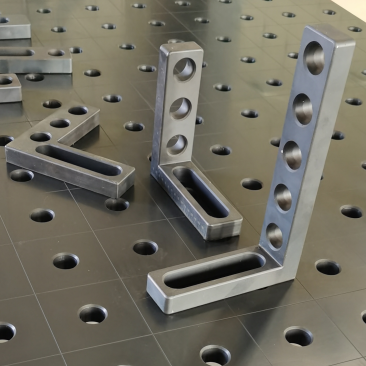
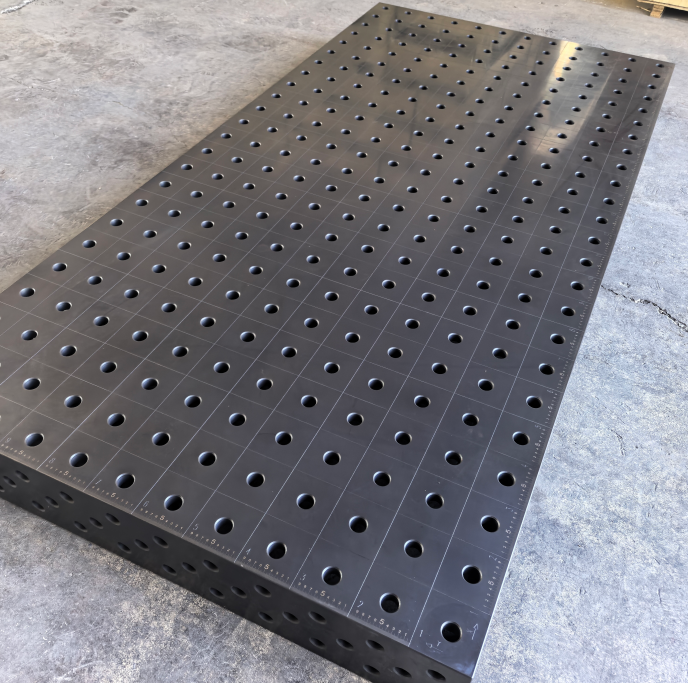
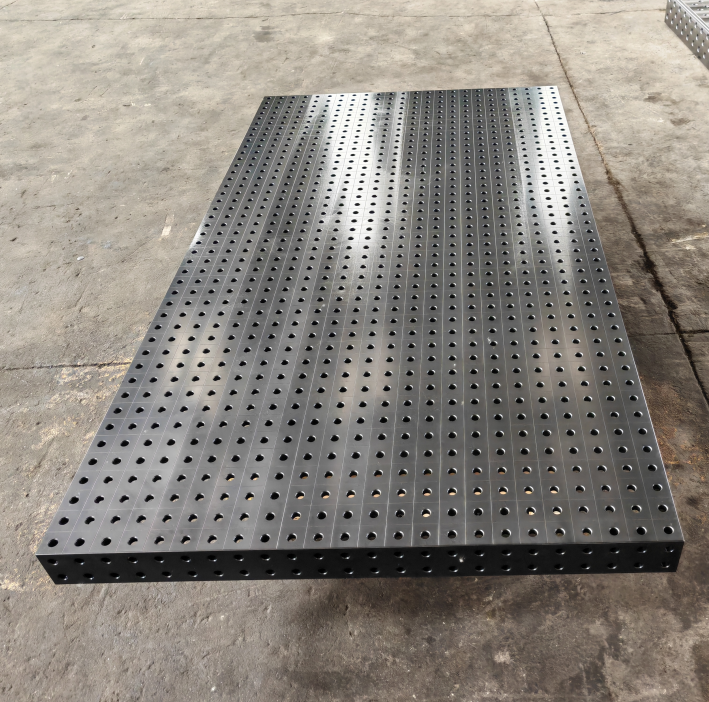
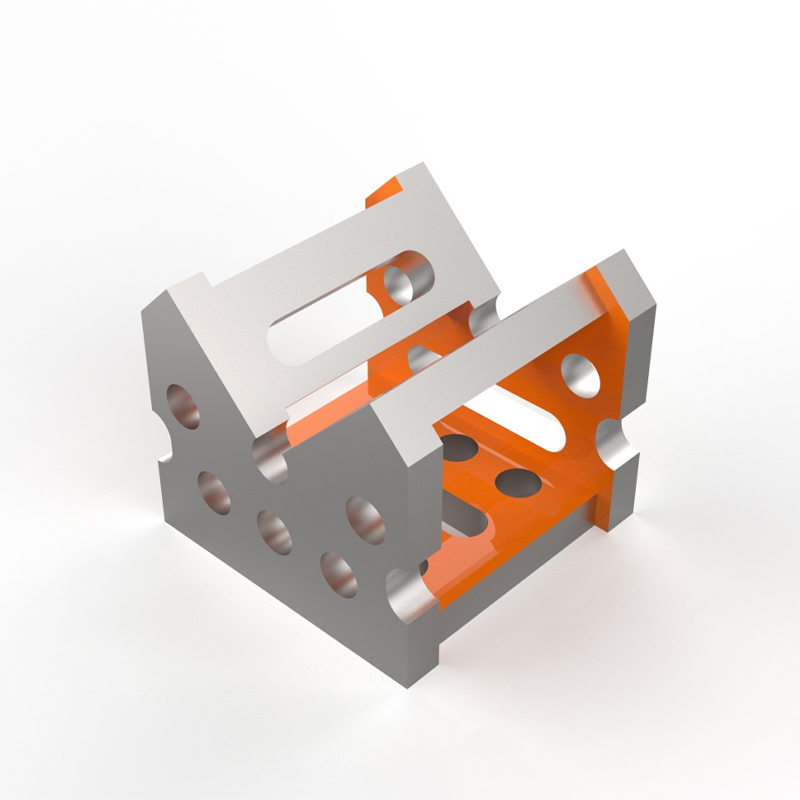
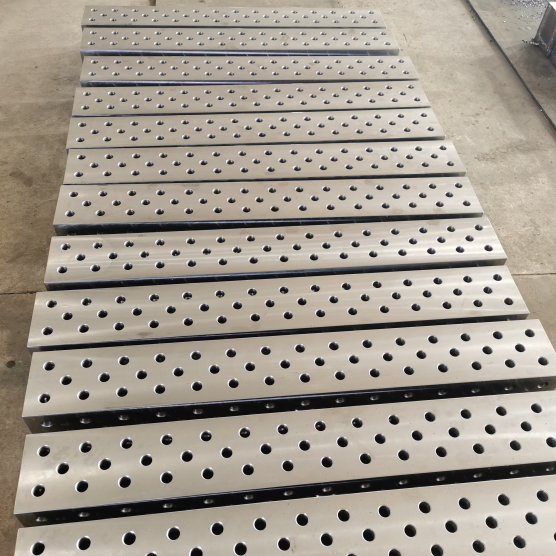
While casting creates the core components, the subsequent assembly and welding stages demand equally precise tooling to maintain the integrity of these lightweight structures. Botou Haijun Metal Products Co., Ltd. specializes in bridging this gap by providing high-precision flexible modular fixtures and metalworking tools essential for the modern manufacturing industry. Committed to delivering efficient welding and positioning solutions, Haijun Metal offers a core product line of 2D and 3D flexible welding platforms renowned for their exceptional versatility. These platforms have become the preferred jigging equipment in the machining, automotive, and aerospace sectors—industries that heavily rely on the cast aluminum parts discussed above. To complement these platforms, the company supplies a comprehensive range of accessories, including U-shaped and L-shaped multi-purpose square boxes, 200-series support angle irons, and 0-225° universal angle gauges. These components integrate seamlessly to enable rapid workpiece positioning and clamping. Furthermore, Haijun Metal manufactures professional cast iron 3D welding platforms and angle connection blocks, ensuring every product delivers the durability and stability required to handle complex aluminum assemblies. With years of industry experience, Haijun Metal has established itself as a trusted global supplier, continuously providing high-quality production machinery tool series that support the entire lifecycle of metal component manufacturing.
Design Considerations for Engineers
Successful implementation of cast aluminum parts begins at the design stage. Engineers must account for the limitations and possibilities of the casting process. Ignoring these factors can lead to defects, increased costs, or part failure during operation.
Wall Thickness and Uniformity
Maintaining uniform wall thickness is critical to prevent shrinkage cavities and warping. Sudden changes in section thickness cause uneven cooling, leading to internal stresses. Designers should aim for gradual transitions between thick and thin sections to ensure consistent solidification.
If varying thicknesses are unavoidable, strategic placement of ribs can reinforce thinner areas without adding excessive bulk. This approach maintains structural integrity while adhering to casting best practices. Simulation software is often used to predict cooling patterns and optimize geometry before tooling begins.
Draft Angles and Parting Lines
Draft angles facilitate the removal of the part from the mold. Without sufficient taper, the component may stick or get damaged during ejection. The required angle depends on the surface texture and the specific casting method employed.
Parting lines mark where the two halves of the mold meet. Their location affects the part’s appearance and dimensional accuracy. Designers should position parting lines in non-critical areas to minimize the impact of flash or mismatch. Early collaboration with foundry experts helps determine optimal line placement.
Machining Allowances
Most cast aluminum parts require some degree of post-casting machining to achieve final dimensions. Adding appropriate machining allowances ensures that enough material is present for cutting operations. Insufficient allowance can result in scrapped parts if the casting varies slightly from the nominal size.
Specifying tight tolerances only where necessary helps control costs. Non-functional surfaces can remain in the as-cast condition. This selective approach balances performance requirements with economic efficiency. Clear communication of critical features on engineering drawings is essential.
Quality Control and Testing Standards
Ensuring the reliability of cast aluminum parts requires rigorous quality control measures. Reputable manufacturers implement multi-stage inspection protocols to detect defects early. Adherence to industry standards guarantees that components perform as expected in real-world applications.
Non-Destructive Testing Methods
X-ray radiography is commonly used to identify internal voids, shrinkage, or inclusions. This technique provides a detailed view of the part’s internal structure without damaging it. Ultrasonic testing is another effective method for detecting subsurface flaws in critical components.
Dye penetrant inspection reveals surface cracks or porosity that might be invisible to the naked eye. These non-destructive tests are vital for safety-critical applications in aerospace and automotive sectors. Regular calibration of testing equipment ensures accurate and reliable results.
Mechanical Property Verification
Tensile testing, hardness measurement, and impact testing verify that the material meets specified mechanical properties. Samples are often taken from the actual casting or from test bars poured alongside the production run. This data confirms that the heat treatment and alloy composition are correct.
Certification documents accompany shipments to provide traceability. Buyers should request mill certificates or third-party inspection reports to validate quality claims. Transparency in testing procedures builds trust between suppliers and purchasers.
Frequently Asked Questions (FAQ)
Addressing common queries helps clarify uncertainties regarding cast aluminum parts. These answers reflect current industry practices and technical realities.
What is the typical lifespan of cast aluminum parts?
The lifespan varies significantly based on the application environment and load conditions. In protected indoor settings, these parts can last decades without degradation. In corrosive or high-stress environments, proper alloy selection and protective coatings are essential to maximize longevity.
Can cast aluminum be welded or repaired?
Yes, cast aluminum can be welded using specialized techniques like TIG or MIG welding with compatible filler materials. However, the weldability depends on the specific alloy. Some high-silicon alloys are more prone to cracking during welding. Repair feasibility should be evaluated on a case-by-case basis.
How does casting compare to CNC machining for aluminum?
Casting is generally more cost-effective for complex shapes and high volumes. CNC machining removes material from a solid block, which can be wasteful and time-consuming for intricate geometries. For simple shapes or very low volumes, machining might be more economical. The break-even point depends on part complexity and quantity.
Are there environmental benefits to using cast aluminum?
Aluminum is highly recyclable without losing its properties. Recycled aluminum requires significantly less energy to melt than primary production. Many foundries incorporate a high percentage of recycled content in their melts, reducing the overall carbon footprint of the manufacturing process.
Conclusion and Strategic Recommendations
Cast aluminum parts represent a vital solution for modern engineering challenges, offering an unparalleled blend of lightness, strength, and versatility. From high-volume automotive components to specialized industrial machinery, the casting process enables designs that are both efficient and durable. Understanding the nuances of different casting methods and alloy choices is key to leveraging these benefits fully.
This guide is particularly valuable for product designers seeking to optimize weight, procurement managers evaluating cost-efficiency, and engineers specifying materials for demanding applications. If your project requires complex geometries, thermal management, or corrosion resistance, cast aluminum is likely the optimal choice.
To move forward, evaluate your specific volume requirements and tolerance needs against the casting methods discussed. Engage with experienced foundry partners who can provide technical guidance on design for manufacturability. Prioritizing early collaboration will ensure your cast aluminum parts meet performance goals while remaining cost-effective.