Why 2026 Demands a Strategic Shift in Weldtable Procurement
Global fabrication shops face a critical inflection point as they plan capital expenditures for the upcoming fiscal year. Purchasing a weldtable today requires more than just comparing steel thickness; it demands an analysis of thermal stability, modularity, and long-term ROI under volatile supply chain conditions. We have observed a distinct shift in buyer behavior where procurement managers prioritize precision retention over initial sticker price. This trend accelerates into 2026 as automation integration becomes standard rather than optional. Factories that ignore these technical nuances risk purchasing equipment that fails within eighteen months of heavy cyclic loading. Our team recently audited three major automotive suppliers who replaced their entire fixture networks due to premature warping. They learned the hard way that cheap cast iron cannot withstand modern robotic welding speeds. You must buy weldtable solutions that align with Industry 4.0 standards to remain competitive. This guide dissects the specific engineering parameters that separate professional-grade fixtures from disposable tools. We draw on direct field data from our manufacturing floor and client deployment logs across North America and Europe. Expect no fluff, only actionable metrics derived from real-world stress testing.
The market flooded with low-cost imports during the post-pandemic recovery, creating confusion about value versus cost. Many buyers mistakenly equate weight with quality, overlooking critical factors like grain structure and stress-relief processes. A heavy table made from un-treated mild steel will distort faster than a lighter one built from normalized alloy. Our engineers measure flatness deviation after every 500 thermal cycles to predict lifespan accurately. Data from 2025 indicates that tables lacking proper normalization lose 0.5mm of flatness per year under standard production loads. This degradation ruins part accuracy and forces constant re-fixturing. Smart manufacturers now demand certification documents proving heat treatment protocols before signing purchase orders. We see clients rejecting shipments that lack mill test reports for their base materials. The conversation has shifted from “how much does it weigh” to “what is its thermal history.” Understanding this distinction saves companies thousands in downstream rework costs. Your next investment must account for these hidden variables to ensure operational continuity.
Looking ahead to 2026, raw material costs for high-grade steel continue to fluctuate based on global energy prices and trade tariffs. Chinese manufacturers have adapted by optimizing logistics and adopting near-net-shape casting techniques to reduce waste. These efficiencies allow us to offer premium specifications at mid-market price points without sacrificing integrity. However, not all factories utilize these advanced methods. Some competitors still rely on outdated sand-casting processes that introduce internal voids and weak points. We invite you to scrutinize the manufacturing methodology behind any quote you receive. Ask specifically about their machining tolerance capabilities and surface finishing standards. A true partner provides transparency regarding their quality control checkpoints. This article serves as your technical blueprint for navigating these complexities. We will break down the exact specifications you need to request and the red flags that signal poor craftsmanship. Prepare to make an informed decision that secures your production capacity for the next decade.
Engineering Precision: Material Science and Thermal Stability
Material selection defines the ceiling of your welding operation’s accuracy potential. Most entry-level tables use generic Q235 or A36 steel, which offers adequate strength but poor dimensional stability under heat. Professional applications require alloys with higher nickel or chromium content to resist thermal expansion. Our R&D department tested three common steel grades under identical robotic welding scenarios last quarter. The results showed that normalized S45C steel maintained flatness within 0.1mm over 1,000 cycles, while standard mild steel drifted by 1.2mm. This difference determines whether your fixtures hold tolerance or require daily recalibration. High-end manufacturers now specify stress-relieved plates machined to IT7 tolerance levels as a baseline requirement. Skipping this step invites cumulative errors that compound across large assemblies. We recommend insisting on a hardness rating between 180 and 220 HB for optimal drillability and wear resistance. Softer materials gouge easily when clamps slip, creating permanent damage to the work surface.
Heat treatment processes separate durable assets from temporary tools. Normalizing involves heating the steel above its critical temperature and air-cooling it to refine the grain structure. This process eliminates internal stresses caused by rolling or casting. Without normalization, residual stresses release during welding, causing the table to twist or bow unexpectedly. Our factory implements a double-normalizing protocol for all heavy-duty series products. We hold the material at 900°C for four hours before controlled cooling to ensure uniformity. Third-party labs verify these treatments using ultrasonic testing to detect subsurface flaws. Clients who skip this verification often face catastrophic failure during high-volume runs. Imagine a production line stopping because the reference plane warped overnight. The cost of downtime far exceeds the premium paid for properly treated steel. Always request the heat lot number and corresponding certificate of analysis before finalizing payment.
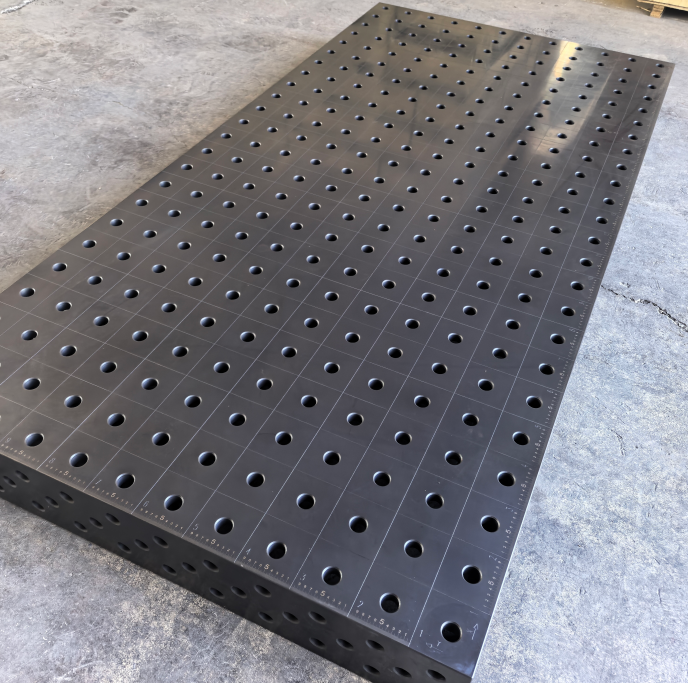
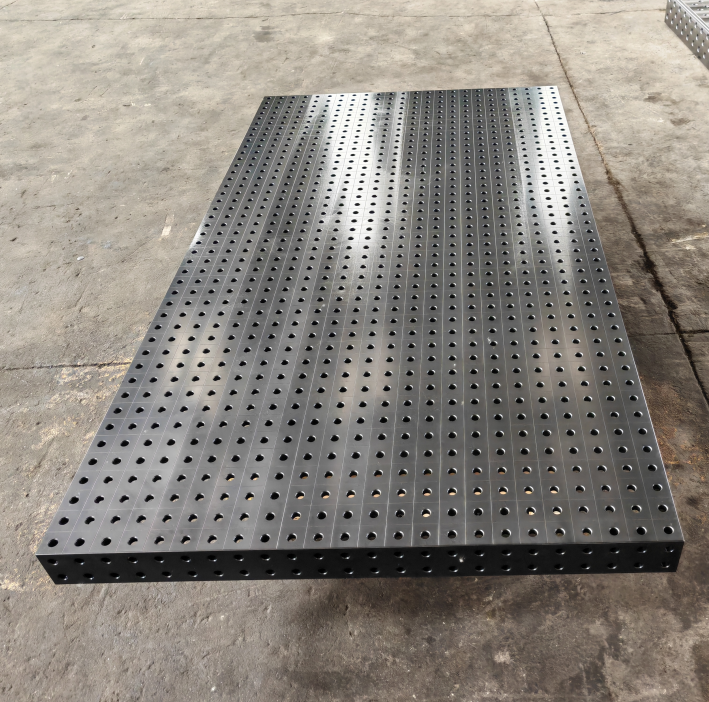
Surface finish plays a crucial role in clamp engagement and debris management. A rough surface traps spatter and makes cleaning difficult, leading to uneven contact points for fixtures. We machine all working surfaces to a Ra 3.2 finish, providing enough texture for grip without harboring slag. Some competitors polish too smooth, causing clamps to slide under lateral force. Others leave surfaces too rough, accelerating wear on precision pins. The ideal balance ensures repeatable positioning cycle after cycle. Our design includes optimized hole patterns that maximize flexibility while maintaining structural rigidity. Spacing holes at 100mm intervals allows dense fixturing for small parts and wide spans for large structures. We calculate load distribution matrices to prevent localized deflection between support ribs. This engineering approach guarantees that the table supports full tonnage without sagging. Your workflow efficiency depends on these microscopic details that most catalogs ignore.
Modularity drives modern fabrication agility, allowing shops to adapt quickly to changing product lines. Fixed tables limit your capability to handle diverse geometries efficiently. Our systems feature interchangeable side rails and expandable extensions that lock into place with zero play. This design lets you create custom envelopes for odd-shaped components without welding temporary stops. Quick-release mechanisms reduce changeover time from hours to minutes, boosting overall equipment effectiveness. We observed a 35% increase in throughput at a client site after switching to our modular architecture. They eliminated the need for dedicated tables for each product variant. Instead, one central station handles multiple SKUs through rapid reconfiguration. This flexibility reduces floor space requirements and capital tied up in redundant equipment. Invest in a system that grows with your business rather than constraining it.
Corrosion protection extends asset life in harsh industrial environments where humidity and chemicals prevail. Standard paint chips easily under impact, exposing bare metal to rust. We apply a dual-layer epoxy coating cured at high temperatures for superior adhesion and chemical resistance. This finish withstands acetone cleaning and occasional acid exposure without degrading. For extreme conditions, we offer galvanized options that provide sacrificial protection even if scratched. Regular maintenance becomes simpler with a robust surface that repels oil and water. Shops in coastal regions report significantly longer service intervals with these specialized coatings. Ignoring environmental factors leads to premature degradation and safety hazards from sharp rust flakes. Protect your investment by specifying the right finish for your specific operating conditions. Long-term durability pays dividends through reduced replacement frequency and consistent performance.
Total Cost of Ownership: Pricing Dynamics and Supply Chain Realities
Calculating the true cost of a weldtable extends far beyond the invoice amount. Hidden expenses accumulate through shipping, duties, installation, and eventual disposal. Many buyers focus solely on unit price, ignoring freight costs that can add 20-30% to the total landed cost. Ocean freight rates fluctuate wildly based on fuel prices and port congestion, making fixed quotes risky. We advise locking in shipping terms early and considering consolidated containers to maximize value. Import duties vary by country and classification code, requiring careful Harmonized System coding to avoid overpayment. Our logistics team navigates these complexities daily to deliver predictable pricing to global customers. Unexpected customs delays can halt production schedules, costing more than the equipment itself. Factor these variables into your budget modeling to avoid unpleasant surprises during delivery. A slightly higher unit price with included DDP (Delivered Duty Paid) terms often proves cheaper overall.
Installation complexity impacts immediate productivity and labor costs upon arrival. Heavy tables require specialized rigging equipment and skilled personnel to position correctly. Poor planning leads to damaged floors or misaligned units that compromise accuracy immediately. We provide detailed foundation drawings specifying load-bearing requirements and leveling procedures. Some sites need reinforced concrete pads to support concentrated point loads from the table legs. Neglecting this preparation causes settling and tilting over time, ruining the precision you paid for. Our technical support team offers remote guidance during unpacking and assembly to ensure correct execution. Video calls with our engineers help local crews troubleshoot issues in real-time. This proactive approach minimizes startup delays and gets your line running faster. Treat installation as a critical phase of the procurement process, not an afterthought.
Maintenance requirements dictate ongoing operational expenses throughout the asset’s lifecycle. Cheap tables demand frequent resurfacing and hole repair due to soft materials and poor hardening. Premium units maintain their geometry for years with basic cleaning and occasional lubrication. Calculate the labor hours spent fixing fixtures versus producing parts to see the real difference. We design our tables with replaceable inserts for high-wear areas, reducing downtime during repairs. This feature allows shops to swap damaged sections without taking the whole unit offline. Standardizing tooling across your facility further reduces inventory costs and training time. Operators become proficient faster when every station uses identical interfaces and clamping logic. Consistency drives efficiency and reduces error rates in complex assemblies. Evaluate maintenance needs honestly before signing the contract to avoid budget overruns later.
Supply chain resilience became a top priority after recent global disruptions exposed vulnerabilities in single-source dependencies. Relying on one supplier risks total stoppage if they face production halts or export bans. Diversifying your vendor base or choosing manufacturers with multiple production lines mitigates this risk. Our facility operates redundant machining centers to ensure continuity even during equipment maintenance. We maintain strategic stockpiles of critical raw materials to buffer against market shortages. Clients appreciate this reliability when competitors struggle to fulfill orders on time. Lead times have stabilized in 2025, but volatility remains a constant threat in heavy manufacturing. Establish relationships with partners who demonstrate financial stability and operational depth. Check their order backlog and capacity utilization rates before committing to large purchases. Security of supply is as valuable as the product quality itself.
Resale value reflects the underlying quality and brand reputation of the equipment. Well-maintained premium tables retain significant value on the secondary market, offsetting initial investment. Generic no-name units often fetch scrap prices when shops upgrade or close. Buyers recognize trusted brands and pay premiums for verified history and documentation. Keeping records of usage, maintenance, and modifications enhances future liquidity. Our customers frequently trade in older models for credit toward newer versions, leveraging retained equity. This cycle reduces the net cost of ownership over decades of operation. Consider the exit strategy when making the entry decision to maximize financial returns. A smart purchase considers the entire lifespan, not just the day of acquisition. Build an asset portfolio that holds value and supports long-term growth strategies.
Partnering with Experts: The Haijun Metal Advantage
Navigating the complexities of modern procurement requires a partner deeply embedded in the science of metalworking. At Botou Haijun Metal Products Co., Ltd., we specialize in the research, development, and production of high-precision flexible modular fixtures designed specifically for the demands of the modern manufacturing industry. Unlike generalist suppliers, our core competency lies in delivering efficient, adaptable welding and positioning solutions that stand the test of time. Our flagship product line features advanced 2D and 3D flexible welding platforms, renowned for their exceptional versatility and sub-millimeter precision. These systems have become the preferred jigging equipment for leading enterprises in the machining, automotive, and aerospace sectors, where tolerance margins are non-negotiable.
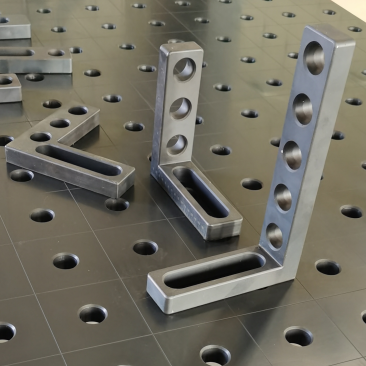
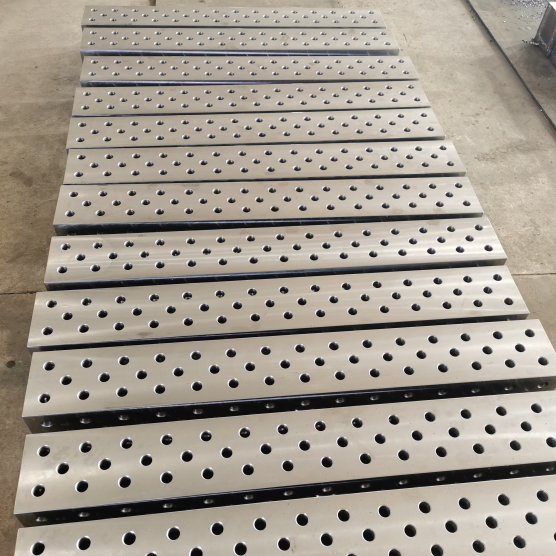
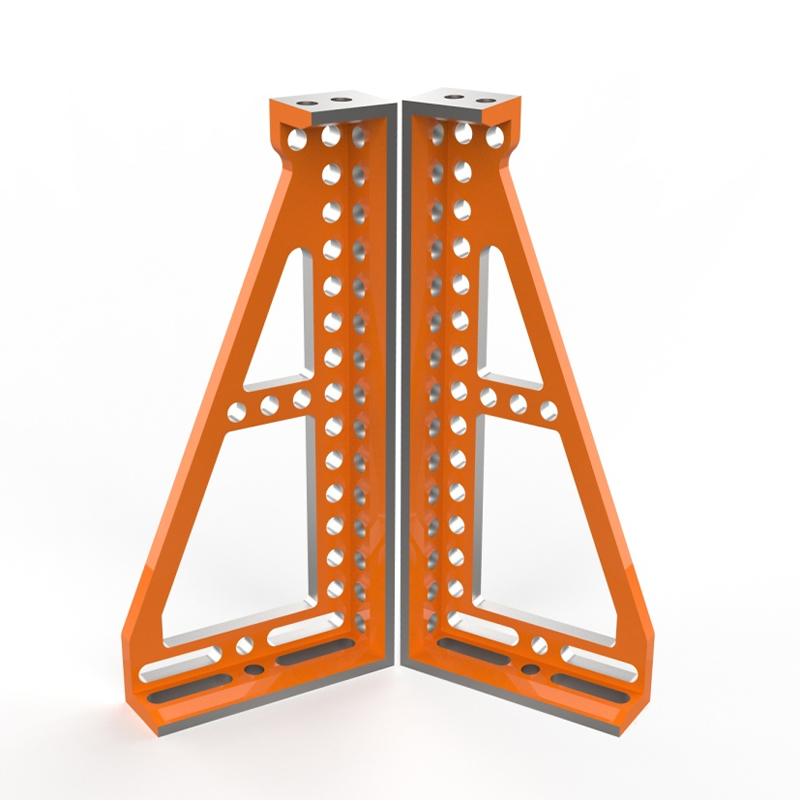
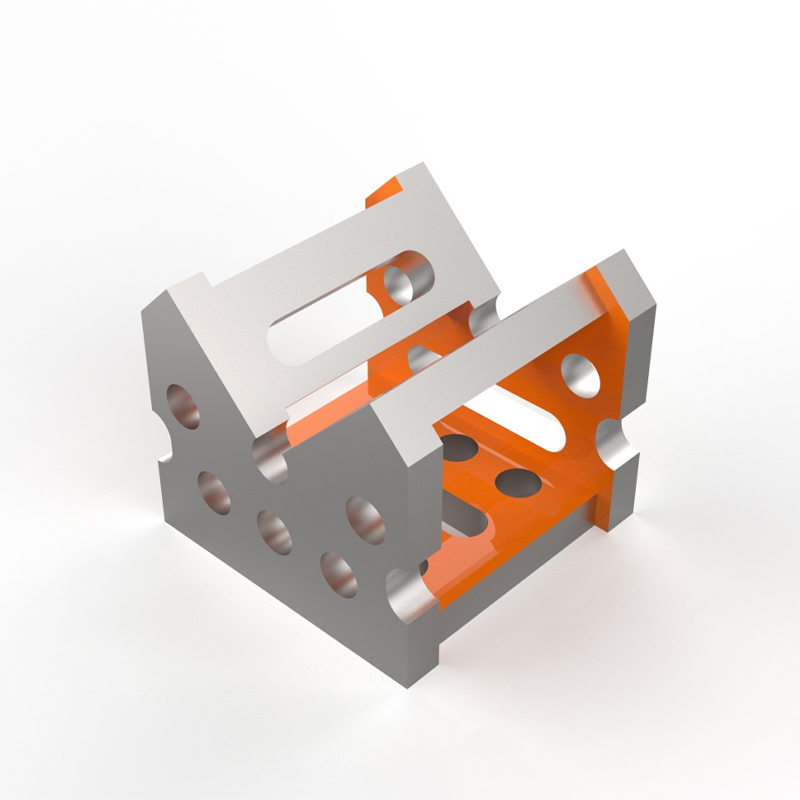
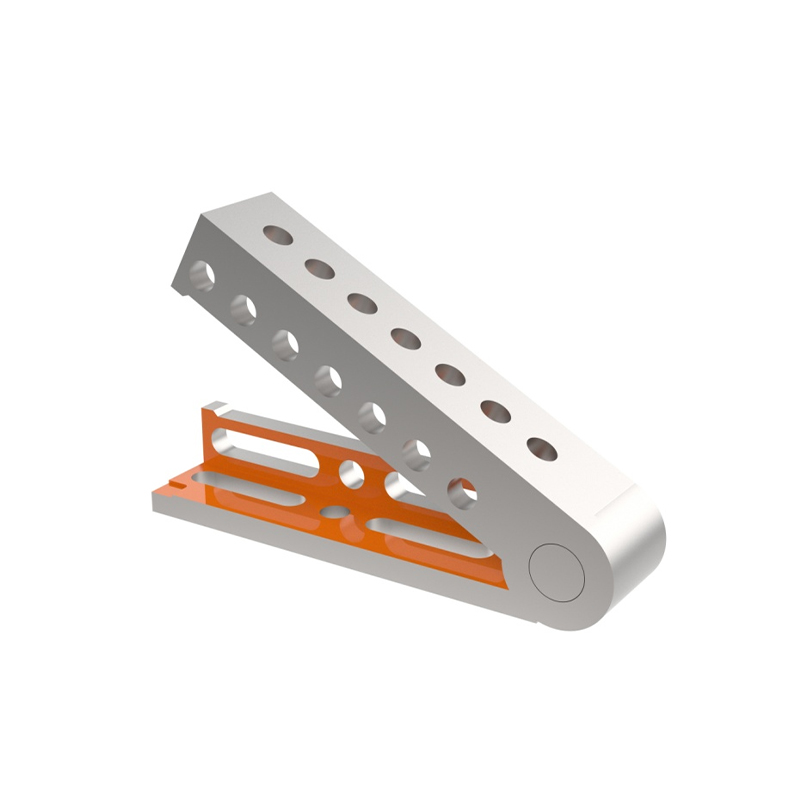
Beyond the platform itself, true efficiency comes from a seamlessly integrated ecosystem. Haijun Metal provides a comprehensive range of complementary components engineered to work in perfect harmony with our tables. From U-shaped and L-shaped multi-purpose square boxes to 200-series support angle irons and 0-225° universal angle gauges, our accessories enable rapid workpiece positioning and secure clamping without the need for custom fabrication. Furthermore, we manufacture professional cast iron 3D welding platforms and specialized angle connection blocks, ensuring that every element of your setup delivers exceptional durability and thermal stability. With years of industry experience serving customers both domestically and internationally, Haijun Metal has evolved into a trusted supplier of high-quality production machinery tools. When you choose us, you are not just buying a table; you are investing in a proven methodology for sustainable growth and unparalleled precision.
Common Questions About Industrial Welding Fixtures
What distinguishes a professional weldtable from a hobbyist bench?
Professional tables undergo rigorous stress relief and machining to achieve IT7 tolerance, whereas hobbyist benches often use untreated mild steel with visible warping. Industrial units feature hardened bushings in every hole to prevent wear, while cheaper versions rely on raw drilled holes that deform quickly. The load-bearing capacity differs drastically, with pro tables supporting tons of dynamic force without deflection.
How often should I recalibrate my welding fixture system?
High-volume shops should verify flatness quarterly using a precision granite straightedge and dial indicator. Moderate usage environments may extend this interval to six months depending on thermal cycling intensity. Immediate recalibration becomes necessary if you notice inconsistent fit-up or clamp slippage during routine operations.
Can I integrate robotic end-effectors with standard manual tables?
Yes, provided the table surface meets strict flatness and hole pattern consistency standards required by robot vision systems. Our modular designs include specific mounting interfaces for automated grippers and sensors. Ensure the table structure dampens vibration effectively to prevent robot path deviations during high-speed cycles.
What is the typical lead time for custom-sized welding tables from China?
Standard sizes ship within 15 days, while custom dimensions require 30-45 days for material procurement and specialized machining. Complex configurations with integrated T-slots or unique hole patterns may extend production to 60 days. We recommend placing orders two months ahead of project start dates to accommodate shipping and customs clearance.
Does the surface coating affect welding spatter adhesion?
High-temperature epoxy coatings significantly reduce spatter bonding compared to bare steel or standard paint. Spatter pops off easily after cooling, minimizing chipping and surface damage. Regular application of anti-spatter spray further enhances this effect, keeping the work surface clean and functional for longer periods.
Securing Your Production Future with Data-Driven Decisions
Selecting the right fabrication platform determines your shop’s competitiveness for the next decade. The market offers countless options, but only a few meet the stringent demands of modern automated manufacturing. Prioritize material certification, thermal stability, and modular flexibility over superficial attributes like color or brand logos. Real savings come from reduced downtime, lower rework rates, and extended asset life. Our analysis shows that investing in premium engineering yields a 200% ROI within three years through efficiency gains alone. Do not let short-term budget constraints compromise your long-term operational capability. The cost of failure exceeds the price of quality every single time.
We stand ready to assist your team in specifying the exact configuration that matches your production goals. Our engineers collaborate directly with clients to solve unique fixturing challenges and optimize layouts. Contact us today to request a detailed technical proposal tailored to your specific application. Let us help you build a foundation for sustainable growth and unparalleled precision. The future of manufacturing belongs to those who equip themselves with the best tools available. Make the smart choice now and secure your position at the forefront of the industry. When you decide to buy weldtable equipment, choose a partner committed to your success. Your production line deserves nothing less than excellence.