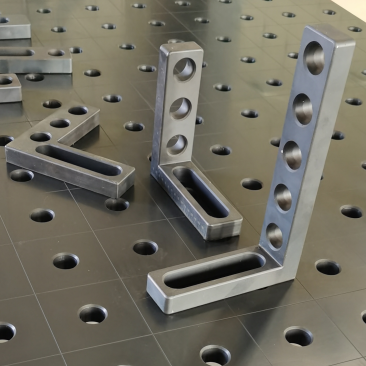
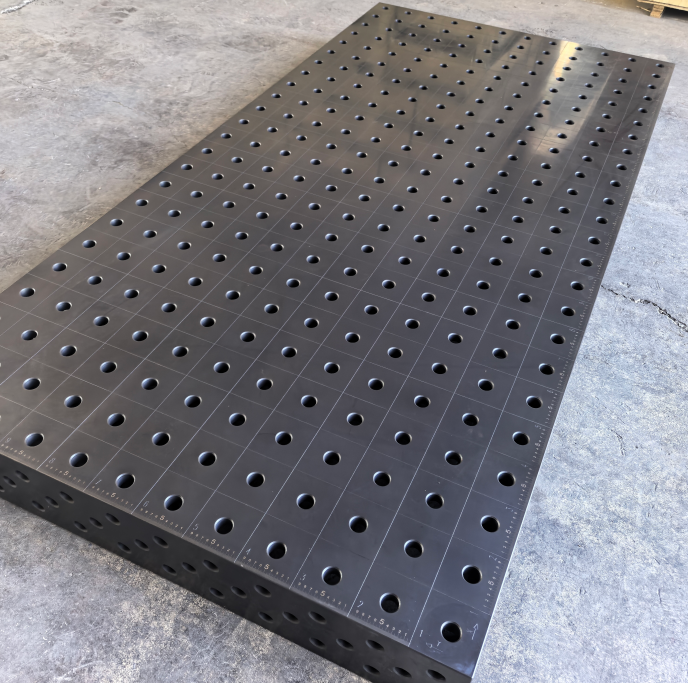
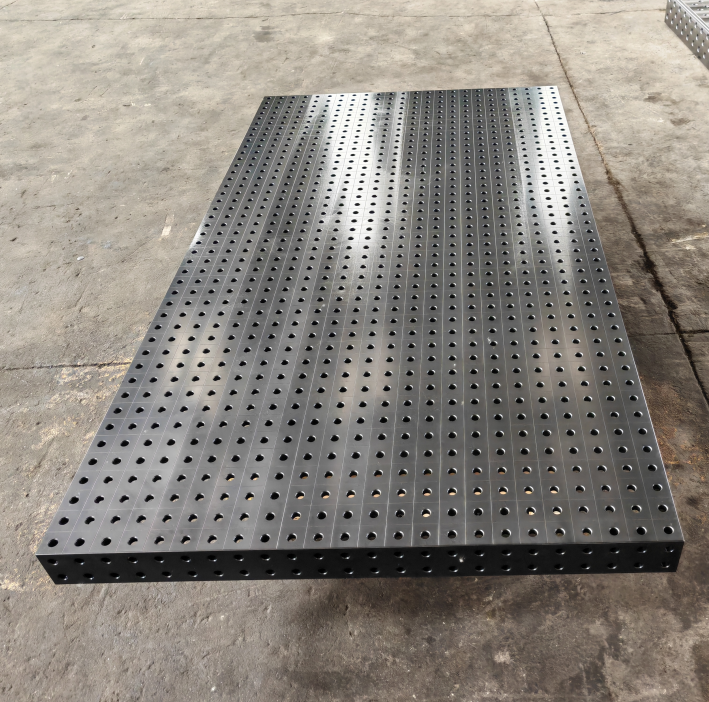
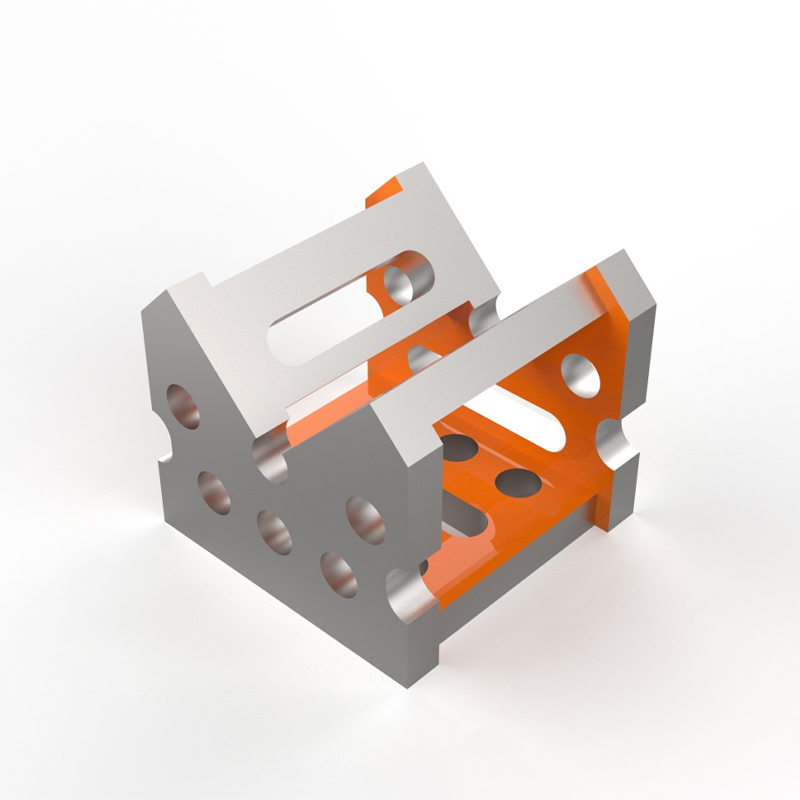
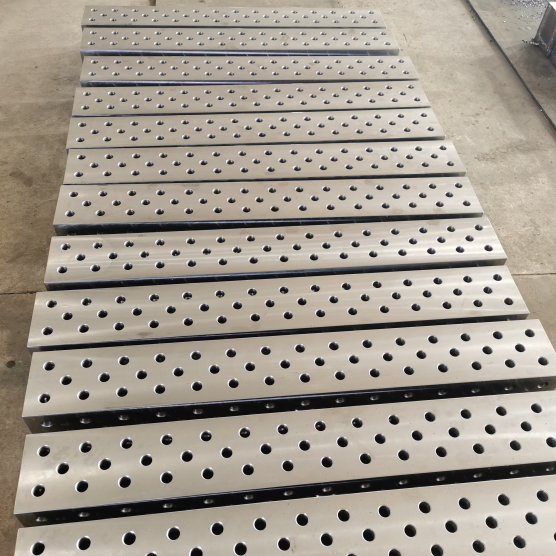
A welding working table is a specialized, flat surface designed to support metal fabrication tasks, featuring heat resistance, precise clamping systems, and grounding capabilities. In 2026, prices for professional-grade tables from China manufacturers typically range from $300 for basic portable units to over $2,500 for heavy-duty, modular 3D platforms with automated positioning. These tables are essential for ensuring weld accuracy, operator safety, and workflow efficiency in both industrial shops and DIY garages.
Understanding the 2026 Welding Working Table Market
The global landscape for fabrication equipment has shifted dramatically entering 2026. As welding technology evolves toward higher precision and automation, the demand for stable, versatile welding working table solutions has surged. Manufacturers, particularly in China, have responded by integrating advanced materials and modular designs that cater to both high-volume production lines and agile job shops.
Recent market analysis indicates a strong preference for tables that offer multi-process compatibility. Whether performing MIG, TIG, or Stick welding, modern fabricators require a single workstation that can handle diverse thermal loads and material thicknesses. This shift is driven by the need to reduce setup times and minimize the footprint of workshop floors.
China remains the dominant force in supplying these critical workstations. The country’s manufacturing sector has leveraged economies of scale to produce high-quality steel tables at competitive price points. However, the definition of “quality” has changed. It is no longer just about thick steel; it is about surface treatment, dimensional stability, and the integration of smart clamping systems.
Buyers in 2026 are more informed than ever. They scrutinize specifications regarding load-bearing capacity, flatness tolerances, and the durability of surface coatings. The era of purchasing a simple steel plate on legs is ending. Today’s procurement priority is a comprehensive welding ecosystem centered around a robust welding working table.
Supply chain resilience has also improved. Following disruptions in previous years, Chinese manufacturers have optimized logistics, ensuring faster delivery times for international buyers. This reliability, combined with competitive pricing, makes sourcing from China a strategic advantage for businesses looking to upgrade their fabrication capabilities in 2026.
Key Drivers Behind the 2026 Surge in Demand
Several factors are converging to drive the unprecedented demand for advanced welding tables this year. First, the resurgence of infrastructure projects globally requires rapid, high-quality metal assembly. Second, the rise of small-batch custom manufacturing necessitates flexible workspaces that can be reconfigured quickly.
Furthermore, safety regulations have become stricter. Occupational health standards now emphasize the importance of proper grounding and fume extraction integration, features that are standard in modern welding working table designs but absent in makeshift solutions. This regulatory push is forcing shops to replace outdated equipment.
Technological advancements in welding power sources also play a role. As machines become more compact and powerful, they generate intense heat in concentrated areas. Only tables engineered with specific heat-dissipating properties can withstand these conditions without warping, ensuring long-term accuracy.
Core Features of Modern Welding Work Tables
When evaluating a welding working table in 2026, buyers must look beyond basic dimensions. The functionality of the table is defined by a set of core features that determine its versatility and longevity. Understanding these elements is crucial for making an informed purchasing decision.
Surface Flatness and Precision: The most critical attribute is the flatness of the working surface. High-end tables undergo machining processes to ensure tolerance levels within fractions of a millimeter. This precision is vital for assembling complex structures where even minor deviations can lead to fit-up issues.
Modular Clamping Systems: Modern tables feature grids of holes or slots that accept a wide variety of clamps, stops, and angles. This modularity allows operators to secure workpieces in any orientation. The standard hole pattern, often 16mm or 28mm, has become an industry norm, ensuring compatibility with third-party accessories.
Heat Resistance and Coatings: The surface must withstand direct arc strikes and spatter without degrading. Advanced ceramic-based coatings or specialized paint formulations are now common. These coatings prevent spatter adhesion, making cleanup significantly easier and extending the life of the table.
Integrated Grounding Points: Safety and arc stability depend on a solid electrical ground. Quality tables include dedicated, threaded grounding studs located strategically around the perimeter. This eliminates the need to clamp ground cables to the workpiece itself, reducing setup time and improving arc consistency.
Load-Bearing Capacity: Industrial applications often involve heavy assemblies. A robust welding working table is constructed from thick-gauge steel with reinforced leg structures capable of supporting several tons without deflection. This structural integrity ensures the table remains flat under extreme loads.
The Evolution of Surface Treatments
Surface technology has seen significant innovation recently. Traditional painted surfaces often chip and peel under thermal stress, leading to rust and uneven surfaces. In 2026, the industry standard has shifted toward plasma-sprayed ceramic coatings and nitrided steel surfaces.
These advanced treatments offer superior resistance to heat and abrasion. They create a non-stick surface where welding spatter can be easily knocked off with a hammer, rather than grinding it away. This not only saves time but also preserves the flatness of the table over years of use.
Some premium models now feature self-healing surface technologies. While still emerging, these materials can recover from minor surface indentations caused by heavy impact, maintaining a smooth working area for precision tasks. This represents the cutting edge of welding working table engineering.
Types of Welding Tables Available in 2026
The market offers a diverse array of welding working table types, each tailored to specific applications. Choosing the right type depends on the nature of the work, the volume of production, and the available floor space. Understanding these categories helps buyers align their investment with their operational needs.
Fixed Heavy-Duty Tables: Designed for permanent installation, these tables are the workhorses of large fabrication shops. They feature massive steel tops, often exceeding 20mm in thickness, and welded frame construction. They are ideal for heavy structural work and high-volume assembly lines where stability is paramount.
Modular 3D Welding Tables: These are the most versatile options available today. Characterized by a grid of precision-drilled holes, they allow for infinite positioning of fixtures. They are perfect for complex geometries, pipe fitting, and situations requiring high repeatability. Their flexibility makes them a favorite among custom fabricators.
Portable and Folding Tables: For mobile welders or shops with limited space, portable tables offer a practical solution. Constructed from lighter materials like aluminum or thinner steel, they often feature folding legs for easy storage. While less rigid than fixed tables, modern designs have improved their stability significantly.
Specialty Tables: This category includes tables designed for specific tasks, such as pipe welding rotaries or tables with integrated fume extraction downdrafts. These niche products address unique challenges, such as managing hazardous fumes at the source or rotating heavy pipes for circumferential welds.
Selecting the Right Table for Your Workshop
Selection begins with assessing your primary welding processes. If you primarily perform light gauge MIG welding, a modular table with a finer hole grid might be optimal. For heavy stick welding on structural beams, a thick, solid top fixed table is necessary to absorb the thermal shock and physical weight.
Consider the size of your typical workpieces. A table that is too small will require constant repositioning, reducing efficiency. Conversely, an oversized table can clutter a small shop. Measuring your workspace and analyzing your largest typical assembly is a critical step in the selection process.
Budget is also a factor, but it should be viewed as an investment. A cheaper table may save money upfront but could cost more in the long run due to warping, replacement needs, or reduced productivity. Investing in a high-quality welding working table often yields a faster return on investment through improved workflow.
Price Analysis: China Manufacturer Trends 2026
Pricing for welding working table units from China in 2026 reflects a balance between raw material costs and technological value addition. While steel prices have stabilized compared to the volatility of previous years, the incorporation of advanced features has influenced the final cost structure.
Entry-level portable tables, suitable for hobbyists and light repair work, typically start around $300 to $500. These units often use thinner gauge steel and simpler leg designs. They provide a significant upgrade over makeshift surfaces but lack the precision required for professional fabrication.
Mid-range modular tables, which offer the best balance of features and cost for small to medium enterprises, generally fall between $800 and $1,500. This price point secures a table with a decent hole pattern, good flatness, and a durable coating. It is the sweet spot for most growing businesses.
High-end industrial tables, featuring extra-thick tops, precision machining, and heavy-duty frames, command prices from $2,000 to over $5,000. These are built for decades of service in demanding environments. The premium reflects the rigorous quality control and material density involved in their production.
Shipping and logistics costs remain a consideration for international buyers. However, Chinese manufacturers have optimized packaging to reduce volumetric weight, often disassembling legs or using nested designs. This strategy helps keep landed costs competitive despite global freight fluctuations.
Factors Influencing Price Variations
Material thickness is the primary driver of cost. A table with a 20mm top will cost significantly more than one with a 10mm top due to the raw steel volume and the energy required for machining. Buyers should verify the actual thickness, as some lower-cost options may use nominal rather than actual measurements.
The complexity of the hole pattern also affects price. Drilling hundreds of precision holes with tight tolerances requires advanced CNC machinery and time. Tables with standardized, widely spaced holes are cheaper than those with dense, high-precision grids designed for complex fixturing.
Surface treatment quality is another differentiator. Basic paint jobs are inexpensive but short-lived. Advanced coatings like plasma spray or specialized high-temp enamors add to the manufacturing cost but provide substantial long-term value by reducing maintenance and extending usability.
Comparative Analysis: Fixed vs. Modular vs. Portable
Choosing between fixed, modular, and portable welding working table options requires a clear understanding of their respective strengths and limitations. The following comparison highlights key differences to guide your decision-making process.
| Feature | Fixed Heavy-Duty | Modular 3D System | Portable/Folding |
| Stability | Excellent. Minimal vibration or movement. | Very Good. Stable when locked, but lighter than fixed. | Fair. Suitable for light tasks, prone to wobble under heavy load. |
| Versatility | Low. Best for linear or simple assemblies. | High. Infinite clamping positions for complex shapes. | Medium. Good for general repairs, limited fixturing options. |
| Setup Time | Permanent. No setup required once installed. | Moderate. Requires fixture arrangement for each job. | Fast. Can be deployed and stored in minutes. |
| Cost | High initial investment. | Medium to High, depending on accessories. | Low. Affordable entry point. |
| Best Use Case | Structural steel, heavy plate work. | Precision fabrication, piping, custom automotive. | Field repairs, hobbyists, small shops. |
Fixed tables excel in environments where the same type of work is repeated continuously. Their sheer mass dampens vibrations and absorbs heat effectively. However, they lack the flexibility to adapt to changing project requirements without additional tooling.
Modular systems offer the highest degree of adaptability. They are essentially a blank canvas for fabrication, allowing users to build custom jigs and fixtures directly on the table surface. This makes them indispensable for shops handling diverse, low-volume, high-mix production.
Portable tables prioritize mobility and space efficiency. They are ideal for contractors who move between job sites or for workshops that need to clear floor space regularly. While they sacrifice some rigidity, modern engineering has made them surprisingly capable for their size.
Long-Term Value Considerations
When analyzing cost, it is essential to consider the total cost of ownership. A cheap portable table might need replacement every few years, whereas a high-quality fixed or modular table can last a lifetime. The ability to resell used modular tables also retains significant value.
Productivity gains are another hidden value factor. A table that allows for quick clamping and precise alignment reduces the time spent on measurement and tack welding. Over thousands of hours of operation, these time savings translate into substantial financial returns.
Maintenance costs also vary. Tables with poor surface treatments require frequent grinding to remove spatter, which wears down the surface over time. High-quality coated tables minimize this maintenance, preserving the asset’s value and performance.
Technical Specifications to Evaluate Before Buying
Navigating the technical specifications of a welding working table can be daunting. However, focusing on a few key metrics ensures you select a unit that meets your performance requirements. These specifications serve as the benchmark for quality and capability.
Table Top Thickness: Look for a minimum thickness of 10mm for light duty and 16mm to 20mm for heavy industrial use. Thicker tops resist warping from heat and provide a more solid foundation for clamping forces.
Hole Diameter and Spacing: Standard hole sizes are 16mm (5/8 inch) and 28mm (1-1/8 inch). The spacing, or pitch, determines how closely you can position clamps. A 100mm x 100mm grid is common, but tighter grids offer more flexibility.
Flatness Tolerance: High-precision tables specify flatness in millimeters per meter. A tolerance of ±0.5mm over the entire surface is excellent for general fabrication, while ±0.1mm is required for ultra-precision work.
Leg Construction: Evaluate the cross-bracing and foot design. Legs should be made of heavy square tubing with adjustable feet to compensate for uneven floors. Cross-bracing prevents racking and ensures the table remains square.
Weight Capacity: Verify the static and dynamic load ratings. The table should support not only the weight of the workpiece but also the downward force applied during clamping and hammering without deforming.
Understanding Material Grades
The type of steel used in construction matters. Most high-quality tables use low-carbon steel (such as Q235 or A36) for the frame and top. This material offers a good balance of strength, weldability, and cost.
Some premium tables utilize alloy steels or heat-treated plates for enhanced hardness and wear resistance. While more expensive, these materials are less prone to denting and maintain their flatness longer under abusive conditions.
Coating materials are equally important. Look for descriptions like “spatter-resistant,” “high-temperature,” or “ceramic-infused.” Avoid generic “paint” descriptions unless they specify industrial-grade enamel designed for welding environments.
Installation and Maintenance Best Practices
Proper installation and maintenance are critical to maximizing the lifespan and performance of your welding working table. Even the highest quality table can fail prematurely if not set up correctly or cared for properly.
Leveling the Table: Upon arrival, the first step is to level the table using the adjustable feet. Use a precision spirit level to check both lengthwise and crosswise. An unlevel table can cause workpieces to slide and affect weld accuracy.
Grounding Setup: Connect your welding ground cable to the dedicated grounding studs on the table. Ensure the connection is tight and free of paint or rust to guarantee a low-resistance path. Never rely on friction alone for grounding.
Regular Cleaning: Remove spatter regularly using a chipping hammer or a specialized spatter scraper. Avoid using aggressive grinding on the surface unless necessary, as this can remove protective coatings and alter flatness.
Rust Prevention: Apply a thin layer of anti-spatter spray or light oil to the surface when the table is not in use, especially in humid environments. This prevents oxidation and keeps the surface smooth for future projects.
- Step 1: Unpack all components and inspect for shipping damage.
- Step 2: Assemble the leg structure on a flat floor, tightening bolts securely.
- Step 3: Mount the table top, ensuring all mounting points are aligned.
- Step 4: Adjust the leveling feet until the surface is perfectly horizontal.
- Step 5: Attach the grounding cable and perform a test weld to verify stability.
Troubleshooting Common Issues
If the table develops a wobble over time, check the leveling feet first. Floor settling or accidental impacts can knock them out of adjustment. Re-leveling usually resolves the issue immediately.
For persistent rust spots, lightly sand the area and apply a touch-up high-heat paint. Ignoring small rust patches can lead to larger corrosion problems that compromise the structural integrity of the surface.
If clamps do not fit snugly in the holes, inspect for debris or spatter buildup inside the holes. Use a drill bit of the correct size by hand to clean out any obstructions, ensuring a tight fit for your tooling.
Sourcing Strategies for International Buyers
Sourcing a welding working table from China offers significant cost advantages, but it requires a strategic approach to ensure quality and reliability. International buyers should follow specific steps to mitigate risks and secure the best possible deal.
Verify Manufacturer Credentials: Not all suppliers are manufacturers. Some are trading companies that add a markup. Request business licenses, factory photos, and videos of the production line to confirm direct manufacturing capabilities.
Request Samples or Small Orders: Before committing to a large purchase, order a single unit or a sample component. This allows you to evaluate the build quality, surface finish, and packaging firsthand.
Clarify Incoterms: Understand the shipping terms clearly. FOB (Free on Board) means you are responsible for freight from the Chinese port, while DDP (Delivered Duty Paid) includes delivery to your door. Choose the term that best fits your logistics capabilities.
Inspect Quality Control Reports: Ask for third-party inspection reports or detailed QC checklists from the manufacturer. Key areas to verify include weld integrity, hole alignment, and coating thickness.
Navigating Logistics and Customs
Welding tables are heavy and bulky, making freight costs a significant portion of the total expense. Consolidating shipments with other equipment can reduce per-unit shipping costs. Work with a freight forwarder experienced in handling industrial machinery.
Be aware of import duties and tariffs in your country. Steel products sometimes attract specific anti-dumping duties depending on the origin. Consulting with a customs broker beforehand can prevent unexpected costs upon arrival.
Packaging is crucial for ocean freight. Ensure the manufacturer uses sturdy wooden crates or pallets with adequate bracing. Poor packaging can lead to bent legs or damaged surfaces, rendering the table unusable.
Future Trends in Welding Table Technology
As we look beyond 2026, the evolution of the welding working table continues. Emerging technologies promise to make these workstations even smarter, safer, and more efficient. Staying ahead of these trends can provide a competitive edge.
Smart Integration: Future tables may include embedded sensors to monitor load distribution and temperature. This data could be fed to a central system to optimize workflow or alert operators to potential safety hazards.
Advanced Automation: We are seeing the early stages of tables with integrated robotic rails. These allow welding robots to move along the table surface, automating repetitive welds on large assemblies. This trend will likely accelerate as robotics become more affordable.
Sustainable Materials: Environmental concerns are driving research into recycled steel alloys and eco-friendly coatings. Future tables may be marketed based on their carbon footprint and recyclability, appealing to green-conscious manufacturers.
Augmented Reality (AR) Support: Tables designed with AR markers could project welding paths or assembly instructions directly onto the workpiece. This would streamline complex fabrication tasks and reduce the need for physical templates.
The Role of Modularity in Future Designs
Modularity will remain a dominant theme. The ability to expand a table by adding extensions or connecting multiple units seamlessly will be standard. This scalability allows shops to grow their capacity without replacing existing infrastructure.
Interchangeable surface panels are another emerging concept. Users might swap a solid panel for a grated one for better fume extraction, or a magnetic panel for holding ferrous materials. This adaptability ensures the table remains relevant as processes change.
The integration of utility channels within the table frame is also gaining traction. These channels can house power cables, gas lines, and data cables, keeping the workspace clutter-free and reducing trip hazards. This “clean bench” philosophy is becoming a priority in modern shop design.
Conclusion: Making the Right Investment
Investing in a high-quality welding working table is a strategic decision that impacts productivity, safety, and product quality. In 2026, the market offers a wide range of options from China manufacturers, catering to every budget and application requirement.
By understanding the core features, types, and pricing trends discussed in this guide, buyers can navigate the market with confidence. Whether choosing a rugged fixed table for heavy structural work or a versatile modular system for precision fabrication, the right table serves as the foundation of a successful welding operation.
Remember to prioritize flatness, durability, and modularity over initial cost savings. A well-chosen welding working table will serve as a reliable partner in your fabrication journey for decades, delivering consistent results and enhancing your overall operational efficiency.
As the industry moves toward greater automation and precision, the role of the welding table will only become more critical. Equip your shop with the best tools available today to stay competitive in the evolving landscape of metal fabrication.