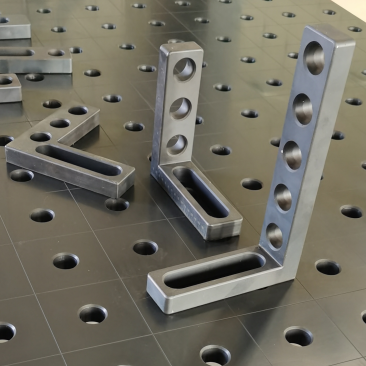
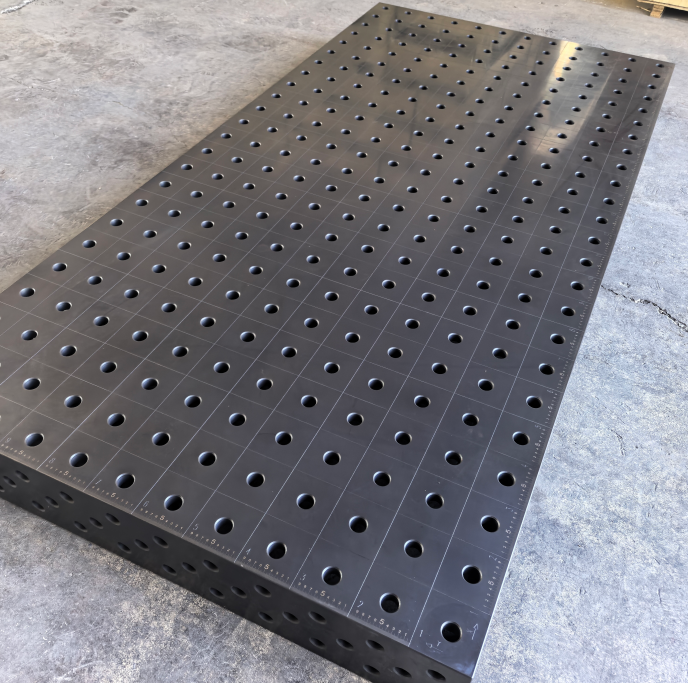
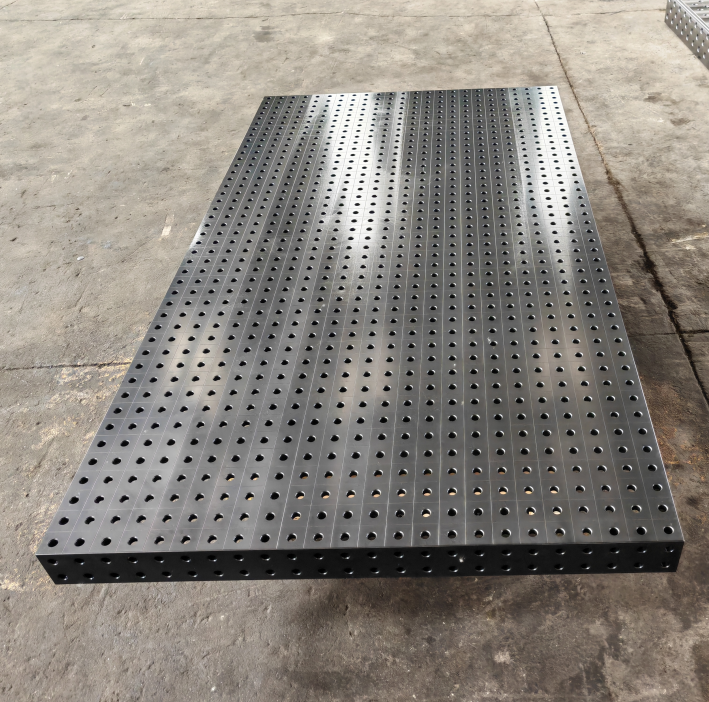
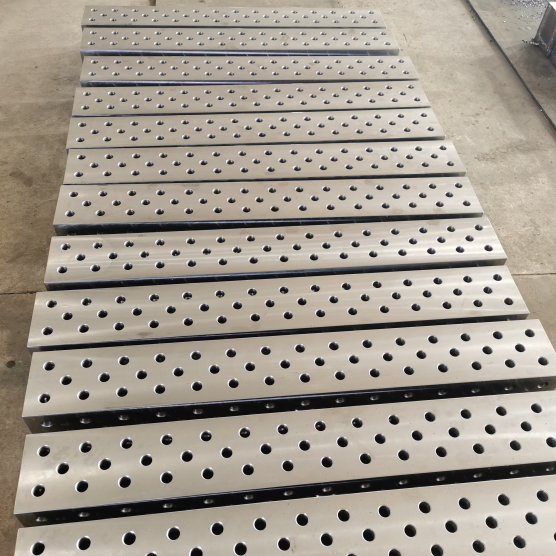
An aluminium welding table is a specialized work surface engineered for joining aluminum alloys, featuring high thermal conductivity, non-magnetic properties, and T-slot configurations for precise fixturing. In 2026, the best options combine heavy-duty extruded profiles with integrated grounding systems to manage heat dissipation and prevent warping during high-speed laser or TIG processes.
Why Aluminium Welding Tables Are Essential in 2026
The manufacturing landscape in 2026 has shifted dramatically towards lightweight structures, driven by the electric vehicle (EV) boom and aerospace advancements. Unlike traditional steel tables, an aluminium welding table offers unique advantages specifically tailored for modern fabrication needs. The primary reason for this shift is the material’s inherent ability to handle the specific thermal dynamics of aluminum welding.
Aluminum dissipates heat up to five times faster than steel. When welding on a standard carbon steel table, the heat sink effect can be inconsistent, leading to uneven cooling rates and potential distortion in thin-gauge materials. An aluminium welding table provides a uniform thermal mass that matches the workpiece, ensuring consistent cooling and reducing residual stress.
Furthermore, the rise of automated laser welding cells requires surfaces that do not interfere with sensitive optical sensors. Steel tables can sometimes cause magnetic interference or reflect stray laser beams unpredictably. Aluminum surfaces, when properly treated, offer controlled reflectivity and are non-magnetic, making them ideal for the latest robotic welding arms and vision-guided systems deployed in smart factories.
Key Technical Specifications for 2026 Models
When evaluating suppliers, particularly from major manufacturing hubs like Shenzhen, buyers should look for specific technical benchmarks that define quality in the current market. The composition of the alloy is critical; most premium tables utilize 6061-T6 aluminum due to its excellent strength-to-weight ratio and machinability.
- Alloy Grade: Must be 6061-T6 or equivalent for optimal hardness and corrosion resistance.
- T-Slot Precision: Tolerance should be within ±0.05mm to ensure clamps and fixtures lock securely without play.
- Surface Treatment: Hard-anodized finishes are now standard to resist spatter adhesion and electrical arcing.
- Flatness: High-precision tables offer flatness tolerances of less than 0.5mm per square meter for critical assembly work.
Another crucial specification emerging in 2026 is the integration of grounding points. As static electricity can damage sensitive electronic components in EV battery packs, modern aluminium welding tables come with dedicated grounding lugs and conductive coatings to safely dissipate charge during the welding process.
Types of Aluminium Welding Tables Available
The market currently offers several distinct categories of aluminium welding table designs, each serving different operational scales. Understanding these types is essential for selecting the right equipment for your workshop or production line.
Portable Folding Aluminium Workshop Tables
For field technicians and mobile repair units, portability is paramount. The folding aluminium workshop table has evolved significantly. These units feature collapsible legs and often a split or foldable top design, allowing for easy transport in standard vehicles while maintaining rigidity when deployed.
Despite their lightweight nature, 2026 models use reinforced hinge mechanisms and locking braces to ensure stability during welding operations. They are ideal for on-site repairs of aluminum trailers, boat hulls, and agricultural equipment where a permanent station is not feasible.
- Advantages: Highly portable, compact storage, quick setup time.
- Limitations: Lower load-bearing capacity compared to stationary units, smaller working surface area.
- Best For: Mobile welding services, emergency repairs, small-scale prototyping.
Heavy-Duty T-Slot Assembly Tables
In industrial settings, the heavy-duty t-slot table is the workhorse of the fabrication floor. Engineered for high-load applications, these robust tables are built with reinforced aluminum profiles and thicker plate construction to withstand intense machining forces and heavy fixture setups.
These tables are designed to resist deformation under pressure, making them suitable for milling, grinding, and drilling operations in addition to welding. The T-slot grid allows for infinite configurability, enabling engineers to create complex jigs and fixtures for large-scale assemblies like aircraft wings or bus chassis.
- Advantages: Exceptional load-bearing capacity, long-term durability, versatile fixturing options.
- Limitations: Higher weight limits portability, increased initial cost due to material volume.
- Best For: CNC machining centers, permanent fabrication cells, heavy-duty production lines.
Mobile Assembly Tables with Casters
Flexibility is a key trend in 2026 manufacturing. Mobile assembly tables equipped with locking casters or wheels allow workshops to reconfigure their layout instantly. These tables can be easily moved across the shop floor, offering maximum flexibility in workspace organization.
Many models now include integrated storage shelves or tool trays, supporting just-in-time manufacturing principles by keeping necessary tools within arm’s reach. The locking mechanisms on modern casters are designed to eliminate any sway or movement during the welding arc, ensuring precision is not compromised by mobility.
- Advantages: Enables quick reconfiguration, supports dynamic production flows, often includes storage.
- Limitations: Slightly reduced stability compared to bolted-down units if locks fail.
- Best For: Ergonomic workstations, multi-product lines, facilities with diverse user heights.
Comparative Analysis: Aluminium vs. Steel Welding Tables
Choosing between an aluminium welding table and a traditional steel table is a common dilemma. While steel has been the industry standard for decades, aluminum is rapidly gaining ground for specific applications. The following comparison highlights the critical differences to aid in decision-making.
| Feature | Aluminium Welding Table | Steel Welding Table |
| Thermal Conductivity | High (Matches aluminum workpieces) | Low (Can cause uneven cooling) |
| Weight | Lightweight (Easy to move/install) | Very Heavy (Requires crane/forklift) |
| Magnetic Properties | Non-Magnetic (Safe for electronics) | Magnetic (Interferes with some sensors) |
| Corrosion Resistance | Natural oxide layer (High resistance) | Requires painting/coating (Prone to rust) |
| Spatter Adhesion | Low (Especially with anodizing) | High (Spatter sticks firmly) |
| Cost | Higher initial material cost | Lower initial material cost |
| Lifespan | Extremely long (Does not rust) | Moderate (Depends on maintenance) |
The data suggests that while steel remains cost-effective for general-purpose heavy ironwork, the aluminium welding table is superior for industries focused on non-ferrous metals, electronics, and high-precision assembly. The long-term savings in maintenance and the reduction in part rejection due to thermal distortion often justify the higher upfront investment.
Performance Benefits in Specific Industries
The adoption of aluminium welding tables is not uniform across all sectors. Certain industries have embraced this technology more rapidly due to the specific demands of their products. Understanding these applications helps clarify where the investment yields the highest return.
In the automotive and EV sector, battery trays and motor housings require welds with minimal thermal distortion. The matching thermal expansion coefficient between the table and the workpiece ensures that as the part heats and cools, it does so uniformly, preventing warping that could compromise seal integrity.
The aerospace industry benefits from the non-magnetic nature of aluminum tables. Many aerospace components contain sensitive navigation or communication hardware that can be demagnetized or damaged by strong magnetic fields present near steel tables. Additionally, the cleanliness of an anodized aluminum surface meets strict contamination control protocols.
For marine fabrication, the corrosion resistance of aluminum tables is a game-changer. Saltwater environments wreak havoc on steel equipment. An aluminium welding table used for building boat hulls or railings resists rust, reducing downtime for cleaning and repainting, and ensuring a contaminant-free weld zone for marine-grade aluminum alloys.
Technical Considerations for Aluminium Welding Processes
Using an aluminium welding table effectively requires an understanding of the specific welding processes involved. Aluminum’s high reflectivity and thermal conductivity present unique challenges that the table design must accommodate.
Laser Welding Compatibility
Laser welding of aluminum is growing exponentially, particularly for battery manufacturing. However, aluminum reflects a significant portion of laser energy. If the table surface is too reflective, stray beams can bounce back into the laser head, causing damage. Modern aluminium welding tables designed for laser use feature specialized surface treatments or matte finishes that absorb stray energy rather than reflecting it.
Additionally, the rigidity of the table is crucial for laser welding, which often operates at high speeds. Any vibration in the table can result in waviness in the weld bead. Heavy-duty extruded profiles with internal ribbing provide the necessary damping to maintain beam stability.
TIG and MIG Welding Dynamics
For TIG (GTAW) and MIG (GMAW) processes, the electrical conductivity of the table plays a role. Proper grounding is essential to prevent arc wandering. An aluminium welding table acts as an excellent ground plane when connected correctly, ensuring a stable arc start and consistent penetration.
Spatter management is another factor. While aluminum produces less spatter than steel, what little is produced can still adhere to surfaces. The hard-anodized coating found on quality tables creates a ceramic-like barrier that prevents spatter fusion, allowing for easy cleanup with a simple brush or scraper.
- Surface Preparation: Ensure the table surface is free of oils and oxides before starting critical welds.
- Grounding Clamps: Use wide-surface clamps to maximize contact area with the aluminum table.
- Fixture Selection: Use aluminum or brass fixtures to avoid galvanic corrosion or contamination of the weld pool.
How to Choose the Right Supplier in China
China remains the global hub for manufacturing aluminium welding tables, offering a wide range of options from budget-friendly models to high-end precision systems. However, navigating the supplier landscape requires due diligence to ensure quality and reliability.
Evaluating Manufacturing Capabilities
When sourcing from China, look for suppliers who specialize in aluminum extrusion and precision machining. A reputable manufacturer will have in-house capabilities for profile extrusion, CNC machining of T-slots, and anodizing. Suppliers who outsource these steps may struggle with quality consistency.
Ask for certification documents such as ISO 9001 for quality management. Verify the alloy certification to ensure they are using genuine 6061-T6 material and not inferior substitutes. Request sample reports on flatness and T-slot tolerance testing.
Customization and OEM Services
Top-tier Chinese suppliers offer extensive customization options. Whether you need a specific table size, unique hole patterns, or integrated cable management channels, a flexible manufacturer can adapt to your requirements. Look for companies with experienced engineering teams who can provide CAD drawings and 3D renderings before production begins.
Some suppliers also offer modular systems that can be expanded later. This scalability is vital for growing businesses. Ensure the supplier uses standard metric or imperial T-slot dimensions compatible with globally available tooling and fixtures.
Logistics and After-Sales Support
Shipping heavy metal tables can be costly and complex. Evaluate the supplier’s packaging standards. High-quality tables should be packed in wooden crates with moisture barriers and foam padding to prevent damage during transit. Check if the supplier has experience exporting to your region and can handle customs documentation efficiently.
After-sales support is often overlooked but critical. Does the supplier offer warranty coverage? Can they provide replacement parts like leveling feet or T-bolts quickly? Establishing a relationship with a supplier who values long-term partnership over one-off sales is essential for ongoing operational success.
Step-by-Step Guide to Setting Up Your Aluminium Welding Table
Once you have acquired your aluminium welding table, proper setup is crucial to maximize its performance and lifespan. Follow these steps to ensure a professional installation.
- Step 1: Unboxing and Inspection: Carefully remove the table from its packaging. Inspect the surface for any shipping damage, scratches, or dents. Check all hardware, including legs, braces, and leveling feet, against the packing list.
- Step 2: Assembly of Legs and Frame: Attach the legs to the main table frame using the provided bolts. Do not fully tighten the bolts yet. Ensure the table is roughly level on the floor.
- Step 3: Leveling the Surface: Use a precision spirit level placed in multiple directions across the T-slots. Adjust the leveling feet on each leg until the bubble is centered. Once level, fully tighten all bolts and lock nuts to secure the position.
- Step 4: Grounding Connection: If your table has a grounding lug, connect a heavy-gauge copper wire from the lug to your facility’s main earth ground. This step is critical for safety and weld quality.
- Step 5: Surface Cleaning: Wipe down the entire surface with a solvent cleaner designed for aluminum to remove any protective oils or dust accumulated during shipping. Allow it to dry completely.
- Step 6: Fixture Installation: Begin installing your clamps, stops, and angles into the T-slots. Test the movement of the clamps to ensure they slide smoothly and lock tightly without slipping.
Regular maintenance involves keeping the T-slots free of debris and periodically checking the level. Avoid dragging heavy steel objects across the surface to prevent scratching the anodized layer. With proper care, an aluminium welding table can serve your workshop for decades.
Future Trends in Aluminium Workholding Technology
As we move further into 2026 and beyond, the technology surrounding aluminium welding tables continues to evolve. Several emerging trends are set to redefine how fabricators interact with their workspaces.
Smart Tables with Integrated Sensors
The integration of IoT (Internet of Things) is reaching the workshop floor. Future tables may include embedded sensors that monitor temperature distribution across the surface in real-time. This data can be fed into the welding robot’s control system to adjust parameters dynamically, compensating for heat buildup and ensuring consistent weld quality.
Load cells integrated into the legs could warn operators if the weight limit is approached, preventing structural failure. These “smart” features transform the table from a passive surface into an active participant in the manufacturing process.
Modular and Reconfigurable Systems
The demand for flexibility is driving the development of highly modular systems. Instead of a single monolithic table, future designs may consist of interlocking aluminum tiles that can be rearranged to form different shapes and sizes. This modularity allows shops to adapt their workspace instantly for different projects, from small components to large assemblies.
Magnetic locking mechanisms and quick-release clamps are being refined to make these reconfigurations faster and more secure. This agility supports the trend towards low-volume, high-mix production runs common in modern custom manufacturing.
Sustainable and Recyclable Designs
Sustainability is a core value in 2026. Aluminum is already 100% recyclable, but manufacturers are now focusing on designing tables for end-of-life disassembly. Using mechanical fasteners instead of welds for the table structure itself ensures that every component can be separated and recycled efficiently.
Suppliers are also adopting eco-friendly anodizing processes that reduce water usage and eliminate harmful chemicals. Choosing a supplier with green credentials not only helps the environment but also aligns with the corporate social responsibility goals of many large enterprises.
Frequently Asked Questions About Aluminium Welding Tables
To address common queries and provide further clarity, here are answers to frequently asked questions regarding the purchase and use of aluminium welding tables.
Can I use a steel clamp on an aluminium table?
Yes, you can use steel clamps, but it is recommended to use clamps with aluminum or brass contact pads. Direct contact between steel and aluminum can lead to galvanic corrosion over time, especially in humid environments. Additionally, steel clamps may mar the soft anodized surface of the table if not handled carefully.
How do I clean spatter from an aluminium welding table?
One of the main benefits of an anodized aluminium welding table is its resistance to spatter adhesion. Most spatter can be removed with a plastic scraper or a brass wire brush. Avoid using steel wire brushes, as they can embed steel particles into the aluminum, leading to rust spots and contamination in future welds.
Is an aluminium table suitable for plasma cutting?
While primarily designed for welding, these tables can be used for plasma cutting with caution. The high heat of plasma cutting can damage the anodized coating if the arc dwells in one spot for too long. It is advisable to use sacrificial slats or a cutting mat on top of the table when performing extensive plasma cutting operations.
What is the typical lead time for custom orders from China?
Lead times vary depending on the complexity of the customization and the supplier’s current workload. Standard models are often available for immediate shipment or within 2-4 weeks. Custom orders involving specific sizes, hole patterns, or special finishes typically take 6-8 weeks for production and quality inspection before shipping.
Conclusion: Investing in the Future of Fabrication
The decision to purchase an aluminium welding table is an investment in precision, efficiency, and longevity. As industries continue to shift towards lightweight materials and automated processes, the advantages of a dedicated aluminum work surface become increasingly clear. From superior thermal management to non-magnetic compatibility, these tables solve specific pain points that steel alternatives cannot address.
In 2026, the market offers a diverse range of options, from portable folding units for field work to heavy-duty T-slot systems for high-volume production. By carefully evaluating technical specifications, understanding the specific needs of your welding processes, and selecting a reputable supplier, you can equip your workshop with a tool that enhances productivity and weld quality.
Whether you are fabricating next-generation EV batteries, crafting custom marine vessels, or prototyping aerospace components, the right aluminium welding table provides the stable, reliable foundation necessary for success. Embrace the technological advancements of 2026 and elevate your fabrication capabilities with a workspace designed for the future.