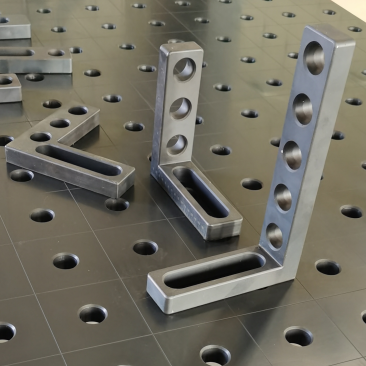
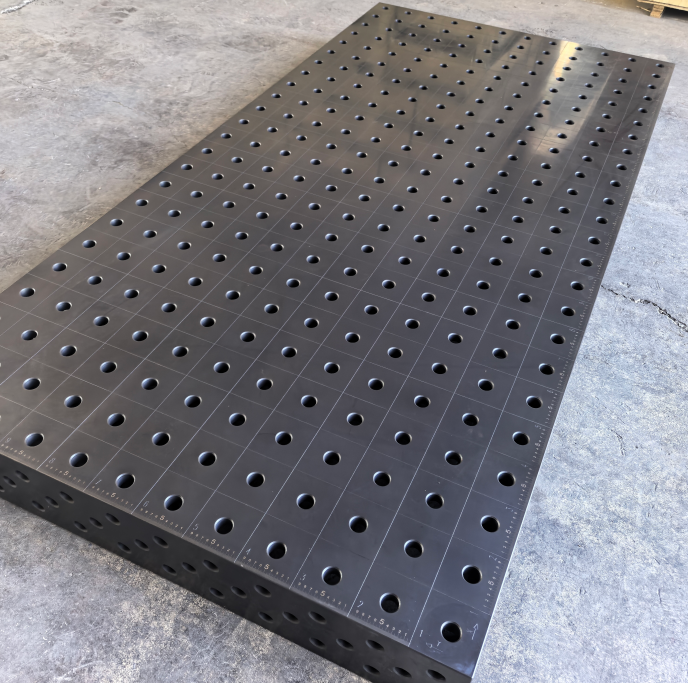
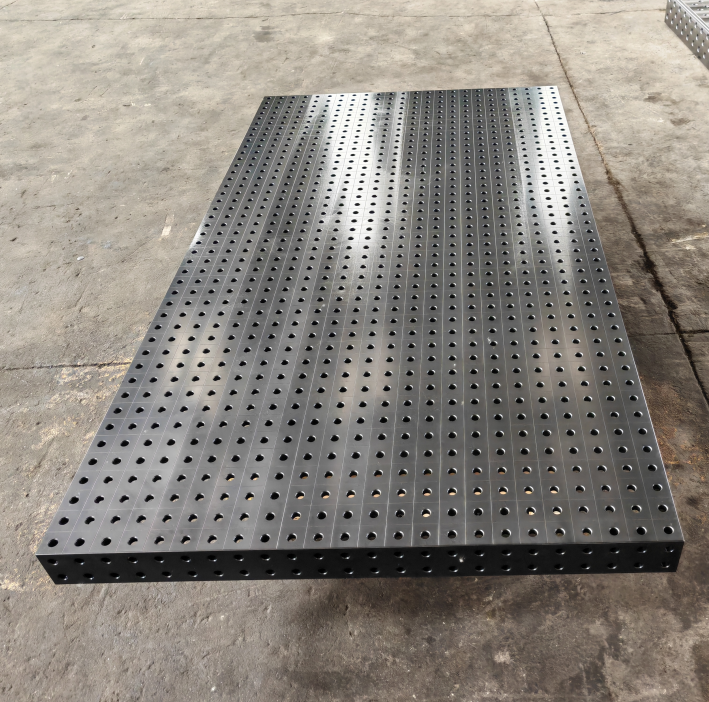
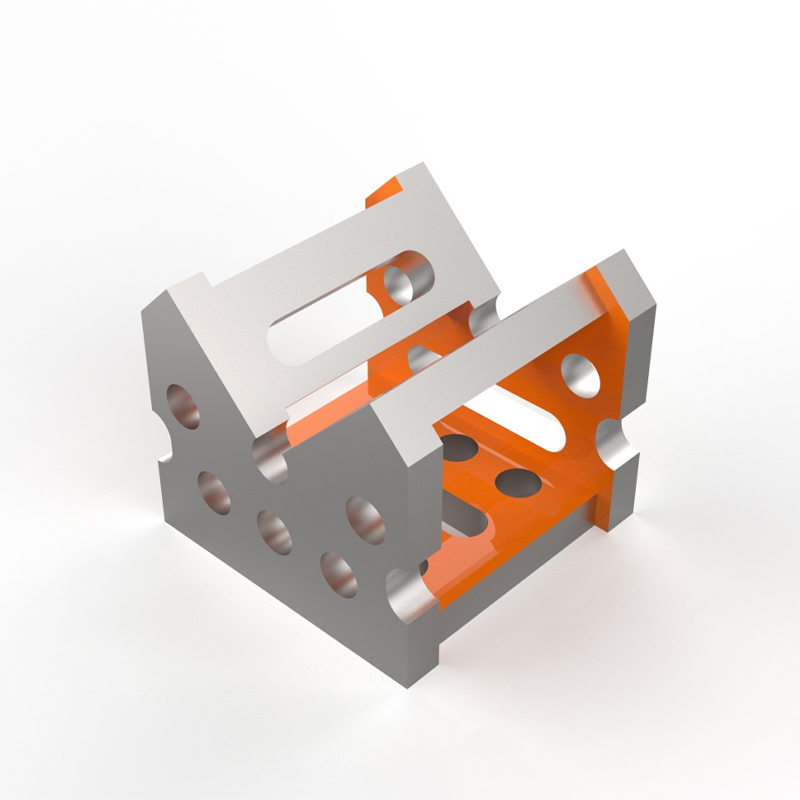
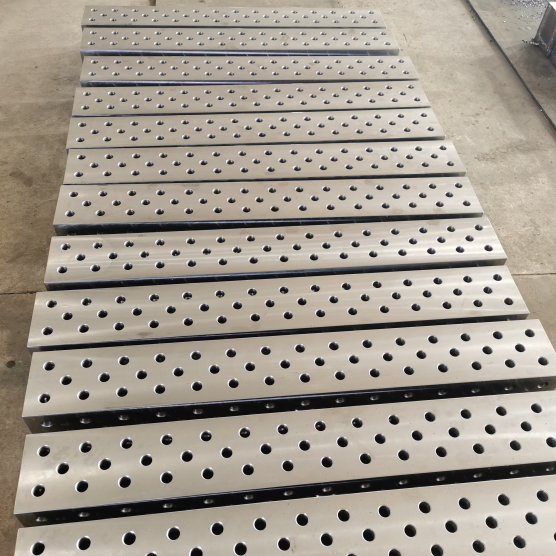
Looking to buy steel fab table equipment in 2026? A steel fabrication table is a precision-engineered work surface designed for welding, assembly, and layout tasks, featuring a flat plate with a grid of holes for versatile clamping. The latest 2026 models from Chinese manufacturers offer the lowest prices globally while integrating advanced low-carbon production technologies and AI-driven quality control to ensure superior flatness and durability.
Why Choose a Steel Fab Table from China in 2026
The global market for industrial fabrication tools has shifted significantly. When you decide to buy steel fab table units, China remains the dominant manufacturing hub. This leadership is no longer just about cost; it is about technological maturity.
In 2026, Chinese manufacturers have adopted new “green steel” protocols. These processes reduce carbon footprints while enhancing material consistency. Buyers now access tables made from steel produced via electric arc furnaces (EAF) with higher purity levels.
Key advantages include:
- Cost Efficiency: Direct factory pricing eliminates middlemen markups.
- Tech Integration: Adoption of AI-driven rolling mills ensures micron-level flatness.
- Supply Chain Speed: Streamlined logistics allow faster delivery to global ports.
- Customization: Flexible production lines accommodate bespoke hole patterns and sizes.
The combination of aggressive pricing and upgraded manufacturing standards makes 2026 an ideal year to upgrade your workshop infrastructure.
Latest Technological Breakthroughs in 2026 Fabrication Tables
The landscape of steel fabrication has evolved. Modern tables are not just passive surfaces; they are active components of a smart workshop. Recent advancements focus on material science and digital integration.
Advanced Material Grades and Low-Carbon Production
A major shift in 2025 and 2026 involves the source of the raw material. Leading manufacturers now utilize steel from facilities implementing carbon capture and utilization (CCUS) technologies. This results in “cleaner” steel with fewer impurities.
Tables produced from this material exhibit better weldability and reduced distortion under heat. The structural integrity is enhanced, making them suitable for heavy-duty industrial applications where traditional tables might warp over time.
Material improvements include:
- Reduced sulfur and phosphorus content for cleaner welds.
- Enhanced grain structure through controlled rolling temperatures.
- Improved resistance to thermal cycling and repeated heating.
AI-Driven Precision Manufacturing
Artificial Intelligence has entered the factory floor. Manufacturers now use AI systems to monitor the rolling and machining processes in real-time. These systems predict potential deviations in flatness before they occur.
By analyzing data from thousands of sensors, AI adjusts pressure and temperature instantly. This ensures that every table leaving the factory meets strict tolerance standards without manual rework. The result is a product with consistent, verified quality.
This technology also optimizes the drilling of the hole grid. Precision is critical for modular fixturing. AI-guided machines ensure hole positioning accuracy within fractions of a millimeter, guaranteeing perfect alignment for complex assemblies.
Surface Treatment Innovations
Corrosion resistance is a top priority for longevity. New coating technologies applied in 2026 go beyond standard painting. Advanced powder coatings and ceramic-infused finishes provide superior protection against sparks, spatter, and chemicals.
These surfaces are easier to clean and maintain. They resist the buildup of slag and debris, reducing downtime between jobs. Some premium models feature self-healing coatings that minor scratches do not permanently damage.
Comprehensive Guide: How to Buy Steel Fab Table Units
Purchasing the right equipment requires a strategic approach. Whether you are a small job shop or a large-scale manufacturer, understanding the specifications is vital. This guide breaks down the essential factors to consider.
Step 1: Define Your Application Requirements
Before contacting suppliers, analyze your specific needs. What type of welding will you perform? Will the table support heavy machinery or light gauge work? The answer dictates the required load capacity and table thickness.
Consider the size of your typical workpieces. A table that is too small limits versatility, while one that is too large wastes valuable floor space. Modular systems offer a solution, allowing you to expand later.
Step 2: Evaluate Flatness and Tolerance Standards
Flatness is the most critical metric. A warped table ruins assembly accuracy. Look for manufacturers who certify their flatness tolerances. In 2026, top-tier suppliers guarantee flatness within tight ranges across the entire surface.
Ask for documentation regarding:
- Overall surface flatness tolerance.
- Hole position accuracy relative to the datum edge.
- Parallelism between the top surface and the base.
Step 3: Assess Clamping System Compatibility
The value of a fabrication table lies in its fixturing capabilities. Ensure the hole pattern matches standard tooling or that the supplier offers a comprehensive clamp kit. Common patterns include 16mm or 28mm grids.
Verify the depth of the holes and the material hardness around them. Soft steel will deform quickly under clamping pressure, ruining the grid. Hardened inserts or through-hardened plates are preferred for long-term use.
Step 4: Verify Supplier Credentials and EEAT
When you buy steel fab table products internationally, trust is paramount. Check the manufacturer’s experience, expertise, and authority. Look for ISO certifications and evidence of recent technological upgrades.
Request case studies or references from existing clients. A reputable supplier will transparently share data about their production processes and quality control measures. Avoid vendors who cannot provide detailed technical specifications.
Steel Fab Table Comparison: 2026 Market Leaders
Not all tables are created equal. The market offers various tiers ranging from entry-level to professional industrial grade. Understanding the differences helps you allocate your budget effectively.
| Feature | Entry-Level Models | Professional Industrial Grade | Premium Smart Tables |
| Material Source | Standard Hot-Rolled Steel | Refined Low-Carbon Steel | CCUS Green Steel / EAF Pure |
| Flatness Tolerance | ±1.5mm per meter | ±0.5mm per meter | ±0.2mm per meter (AI Verified) |
| Hole Accuracy | Standard Drilling | CNC Machined | AI-Optimized Laser Drilled |
| Surface Coating | Basic Paint | Heavy-Duty Powder Coat | Ceramic-Infused Anti-Spatter |
| Load Capacity | Light to Medium | Heavy Duty | Extreme Heavy Duty |
| Best For | Hobbyists / Light Repair | General Fabrication Shops | Precision Assembly / Robotics |
This comparison highlights why investing in higher-grade equipment often yields better long-term ROI. Precision reduces rework, and durability minimizes replacement costs.
Understanding Pricing Dynamics in 2026
Pricing for steel fabrication tables is influenced by several macroeconomic and industry-specific factors. In 2026, the market sees a unique interplay between raw material costs and manufacturing efficiency.
Impact of Raw Material Costs
Global steel prices fluctuate based on iron ore and energy costs. Recent geopolitical events have impacted energy prices, indirectly affecting steel production costs. However, Chinese manufacturers have mitigated this through improved energy efficiency.
The shift toward electric arc furnace (EAF) production allows for more stable pricing compared to traditional blast furnaces reliant on coking coal. This stability benefits buyers looking for predictable budgeting.
Manufacturing Efficiency and Scale
Automation plays a huge role in keeping prices competitive. Factories utilizing robotic welding and automated material handling reduce labor costs. These savings are passed on to the consumer.
Large-scale production runs further drive down unit costs. Manufacturers producing thousands of tables annually can negotiate better rates for components like clamps and legs, offering complete packages at lower prices.
Logistics and Shipping Considerations
When you buy steel fab table units from overseas, shipping is a significant cost component. Steel tables are heavy and bulky. Optimizing packaging design is crucial to reduce volumetric weight.
Many 2026 models feature knock-down designs or stackable legs to maximize container utilization. Buyers should request detailed shipping quotes that include port handling and inland freight to get the true landed cost.
Application Scenarios: Where Modern Fab Tables Excel
Versatility is the hallmark of a good fabrication table. From automotive repair to aerospace assembly, these tools adapt to diverse needs. Here are key sectors benefiting from 2026 technology.
Automotive and EV Manufacturing
The rise of electric vehicles (EVs) demands high-precision battery tray assembly. Modern steel tables provide the stable, grounded surface necessary for welding aluminum and high-strength steel components.
The modular clamping systems allow rapid reconfiguration for different vehicle models. This flexibility is essential for manufacturers dealing with short product lifecycles and frequent design changes.
Heavy Machinery and Construction
Building large structures like excavator arms or crane booms requires immense stability. Heavy-duty tables with thick plates prevent deflection under massive loads. The grid system facilitates precise alignment of large plates and beams.
Construction firms use these tables for pre-assembly modules off-site. This improves quality control and speeds up on-site installation. The durability of 2026 tables withstands the harsh environment of heavy industrial yards.
Aerospace and Defense
In aerospace, tolerance is non-negotiable. Premium tables with AI-verified flatness ensure that complex airframe components fit together perfectly. The clean steel composition prevents contamination of sensitive materials.
Specialized coatings protect against the unique chemicals used in aerospace processing. The ability to ground workpieces effectively is also critical for preventing static discharge during assembly.
Pros and Cons of Sourcing from China
Making an informed decision requires weighing the benefits against potential challenges. Sourcing directly from Chinese manufacturers offers distinct advantages but requires careful management.
- Pros:
- Unbeatable Pricing: Direct factory gate prices are often 30-50% lower than Western distributors.
- Technological Parity: Top Chinese factories now match or exceed Western quality standards due to AI integration.
- Customization Speed: Rapid prototyping and modification capabilities allow for tailored solutions.
- Supply Chain Maturity: Established export channels ensure reliable delivery schedules.
- Cons:
- Shipping Complexity: Managing ocean freight and customs clearance requires expertise or a broker.
- Communication Barriers: Time zone differences and language nuances can delay clarification of specs.
- Quality Variance: The market has both top-tier and low-quality producers; vetting is essential.
- After-Sales Support: Physical service visits are difficult; reliance on remote support and spare parts shipping is necessary.
Mitigating the cons involves working with established trading partners or using inspection services. The pros generally outweigh the cons for buyers seeking volume or specialized custom builds.
Maintenance and Longevity Tips
Investing in a high-quality table is only the first step. Proper maintenance ensures it serves your business for decades. Here are expert tips to maximize the lifespan of your equipment.
Routine Cleaning Protocols
Remove spatter and slag regularly. While modern coatings resist adhesion, accumulated debris can interfere with clamping. Use wire brushes or pneumatic chisels gently to avoid damaging the surface finish.
Avoid using harsh acidic cleaners that might strip protective coatings. Mild solvents and warm water are usually sufficient for general cleaning. Dry the surface immediately to prevent rust formation.
Periodic Flatness Checks
Over time, heavy impacts can cause minor deviations. Schedule annual checks using precision straightedges or laser levels. If slight warping occurs, some tables can be resurfaced by professional machining services.
Early detection of flatness issues prevents compounding errors in your fabrication work. It also helps identify if the table legs or foundation need adjustment.
Lubrication and Moving Parts
If your table includes drawers, shelves, or adjustable legs, keep moving parts lubricated. Dust and metal filings can jam mechanisms. Regular application of appropriate grease ensures smooth operation.
Check bolt tightness periodically. Vibration from welding or nearby machinery can loosen fasteners. A simple torque check once a quarter maintains structural rigidity.
Future Trends: What to Expect Beyond 2026
The evolution of fabrication tables continues. Looking ahead, we anticipate further integration of digital technologies and sustainable practices. Staying informed prepares you for future upgrades.
Smart Connectivity and IoT
Future tables may embed sensors to monitor load distribution and temperature in real-time. Data could be fed into a central workshop management system, optimizing workflow and predicting maintenance needs.
Augmented Reality (AR) overlays might project welding paths or assembly instructions directly onto the table surface. This would revolutionize training and complex assembly tasks.
Sustainable Lifecycle Management
The industry is moving toward circular economy principles. Tables will be designed for easier disassembly and recycling at end-of-life. Manufacturers may offer buy-back programs for old units to reclaim raw materials.
Carbon labeling on products will become standard. Buyers will increasingly choose tables based on their total embodied carbon, favoring those produced with renewable energy and recycled content.
Frequently Asked Questions (FAQ)
What is the lead time for ordering a custom steel fab table?
Lead times vary by complexity. Standard models often ship within 2-4 weeks. Custom configurations with specific hole patterns or sizes may take 6-8 weeks. Always confirm current production schedules with the manufacturer.
Can I mix and match clamping systems from different brands?
Most 2026 tables adhere to industry-standard hole spacings (e.g., 100mm grids). However, hole diameters vary (16mm, 22mm, 28mm). Ensure your clamps match the table’s hole size. Adapters are available for some mismatches.
How do I verify the quality before shipment?
Request a third-party inspection report. Reputable suppliers welcome inspections by agencies like SGS or Bureau Veritas. Ask for photos or videos of the flatness test and hole pattern measurement before loading.
Is assembly required upon delivery?
Most tables ship partially assembled to save space. Legs typically need attachment, which is straightforward with provided tools. Full assembly usually takes 1-2 hours for a standard unit.
Conclusion: Making the Right Investment Decision
The decision to buy steel fab table equipment in 2026 is an investment in your operational efficiency and product quality. The market today offers unprecedented value, combining competitive pricing with cutting-edge manufacturing technologies.
Chinese manufacturers have risen to the challenge, delivering products that meet rigorous global standards. From AI-driven precision to green steel initiatives, the latest tables are built to last and perform.
By carefully evaluating your needs, understanding the technical specifications, and choosing a reputable partner, you can secure a fabrication table that serves as the backbone of your workshop for years to come. The synergy of low cost and high tech makes 2026 the optimal time to upgrade your fabrication capabilities.
Take action today to explore the latest catalogs and request quotes. The right table transforms not just your workspace, but your entire production potential.