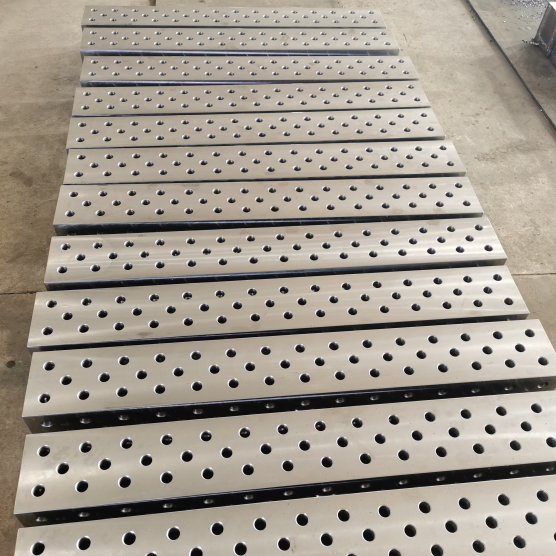
A steel fab table is a heavy-duty, precision-engineered work surface designed for welding, assembly, and fabrication tasks, featuring a perforated top for versatile clamping. In 2026, buying directly from a leading China manufacturer offers the lowest prices while integrating the latest modular technologies and high-strength alloy standards. This guide details how to select the optimal table for your workshop, balancing cost, durability, and advanced fixturing capabilities.
What Defines a Modern Steel Fab Table in 2026?
The landscape of metal fabrication has shifted dramatically with the introduction of new material standards and modular design philosophies. A modern steel fab table is no longer just a flat piece of metal; it is a comprehensive system that ensures geometric accuracy and repeatability.
In 2026, the industry standard has moved towards tables constructed from high-strength low-alloy (HSLA) steels. These materials offer superior resistance to warping under intense heat compared to traditional mild steel.
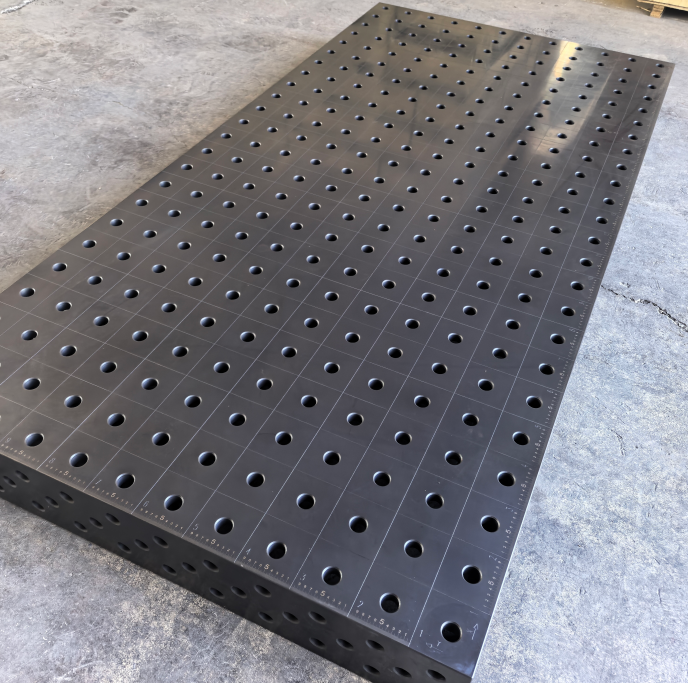
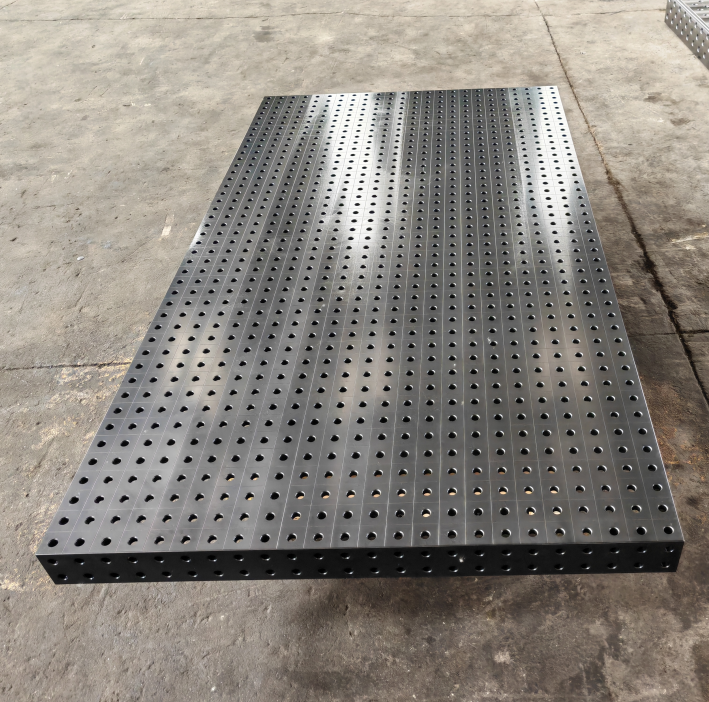
The defining feature remains the precision-drilled hole pattern. This grid allows fixtures, stops, and clamps to be positioned anywhere on the surface with millimeter accuracy. This modularity transforms a single table into multiple specialized stations.
Manufacturers in China have led this evolution by adopting automated laser cutting and robotic welding for table production. This ensures that the hole patterns are perfectly perpendicular to the surface, a critical factor for square assemblies.
Furthermore, the integration of digital twin technology in design means that 2026 models are optimized for specific load-bearing scenarios before they are even manufactured. This results in lighter yet stronger frames.
When evaluating a steel fab table, one must look beyond the price tag. The quality of the heat treatment process determines whether the table will remain flat after years of thermal cycling.
Top-tier producers now utilize stress-relieving ovens that operate at precise temperatures to eliminate internal stresses within the steel. This step is often skipped by lower-cost competitors, leading to premature distortion.
The surface finish has also evolved. Instead of basic paint, many 2026 models feature ceramic-based coatings or specialized anti-spatter treatments. These coatings prevent weld spatter from adhering to the table, reducing cleanup time significantly.
Understanding these technical nuances is essential for buyers seeking long-term value. A cheap table that warps within a year costs far more in lost productivity and ruined parts than a premium initial investment.
Key Material Innovations Driving Performance
The core of any steel fab table lies in its metallurgy. Recent advancements have focused on alloys that maintain dimensional stability at elevated temperatures.
Leading Chinese manufacturers are now sourcing steel from partners who produce custom batches with controlled carbon content. This consistency ensures uniform hardness across the entire tabletop.
Some premium lines incorporate grain-oriented steel processing. This technique aligns the metal’s crystalline structure to resist deformation along primary stress axes.
Additionally, the use of galvanized or zinc-aluminum-magnesium coated steels is rising. These materials provide inherent corrosion resistance without the need for thick paint layers that can chip off.
For heavy industrial applications, tables are increasingly being built with reinforced rib structures underneath. These ribs are welded using submerged arc welding for deep penetration and maximum rigidity.
The legs and frame components are often made from rectangular tubing with thicker wall gauges than previous generations. This enhances the overall torsional stiffness of the unit.
Buyers should inquire about the specific grade of steel used. Common designations include Q345B or equivalent international standards like ASTM A572 Grade 50.
Higher-grade materials may cost slightly more upfront but extend the service life of the equipment by decades. This is a crucial consideration for shops planning for future growth.
The combination of advanced alloys and refined manufacturing processes defines the 2026 benchmark for fabrication tables.
Why Buy Direct from a China Manufacturer?
Sourcing a steel fab table directly from a Chinese manufacturer offers distinct advantages in terms of pricing, customization, and technological access. The supply chain efficiencies in regions like Zhejiang and Jiangsu have created a competitive ecosystem.
By eliminating middlemen and distributors, buyers can secure prices that are often 30% to 50% lower than domestic retail options in North America or Europe. This cost saving does not necessarily imply a reduction in quality.
Many Chinese factories have upgraded their facilities to meet international ISO standards. They possess the same CNC machinery and quality control protocols as Western brands.
Direct communication with the engineering team allows for bespoke modifications. Whether you need a non-standard size, a specific hole pitch, or integrated T-slots, manufacturers can accommodate these requests.
The scale of production in China enables rapid prototyping and shorter lead times. Large-scale casting and machining operations run continuously, ensuring quick turnover for orders.
Furthermore, manufacturers are increasingly offering “white-label” services. This allows businesses to brand the tables as their own, adding value to their product offerings.
Logistics have also improved. Established exporters handle all aspects of shipping, including crating, customs documentation, and door-to-door delivery.
Working directly with the source provides transparency. Buyers can request video inspections of the production line or third-party quality reports before shipment.
This direct relationship fosters better after-sales support. Spare parts like clamps or replacement legs can be ordered directly from the factory at wholesale rates.
For businesses looking to equip an entire facility, bulk ordering from a China manufacturer yields the highest return on investment.
Navigating Quality Assurance and Certifications
When importing industrial equipment, verifying quality assurance measures is paramount. Reputable Chinese manufacturers hold certifications that validate their processes.
Look for ISO 9001 certification, which indicates a robust quality management system. This ensures consistent production standards and traceability of materials.
Some manufacturers also hold CE markings, demonstrating compliance with European safety and performance requirements. This is a strong indicator of build quality.
Third-party inspection services can be hired to verify dimensions, weld quality, and surface finish before the goods leave the factory. This adds a layer of security for the buyer.
Requesting material test reports (MTRs) is a standard practice. These documents confirm the chemical composition and mechanical properties of the steel used.
Top manufacturers often publish case studies or client lists from global markets. Reviewing these can provide insight into their track record with international clients.
Warranty terms should be clearly defined in the purchase agreement. Reliable suppliers offer warranties that cover structural defects and flatness deviations.
Transparency in communication is key. A trustworthy manufacturer will answer technical questions promptly and provide detailed specifications.
Building a relationship based on verified credentials minimizes the risks associated with international procurement.
Due diligence in checking certifications ensures that the steel fab table you receive meets your exacting standards.
Technical Specifications and Selection Criteria
Selecting the right steel fab table requires a deep understanding of technical specifications. The wrong choice can limit your fabrication capabilities and compromise project quality.
Table thickness is a primary consideration. For general-purpose work, a top thickness of 16mm to 20mm is common. Heavy-duty applications may require 25mm or thicker plates.
The hole diameter and spacing determine the versatility of the clamping system. Standard grids often feature 16mm or 28mm holes spaced at 100mm intervals.
Flatness tolerance is critical for precision work. High-quality tables guarantee flatness within 0.5mm over the entire surface or even tighter tolerances for metrology applications.
Load capacity must be evaluated based on the heaviest assemblies you intend to build. Consider both static loads and dynamic forces during welding.
The type of leg assembly affects stability. Adjustable feet are essential for leveling the table on uneven shop floors.
Frame construction should be robust enough to prevent racking. Cross-bracing or box-tube frames provide superior rigidity compared to simple angle iron supports.
Surface treatment options range from powder coating to oil finishes. Choose a finish that suits your environment and maintenance preferences.
Compatibility with existing tooling is another factor. Ensure the hole pattern matches your current set of clamps and fixtures to avoid unnecessary expenses.
Modularity features, such as the ability to connect multiple tables side-by-side, allow for scalable workspaces as your business grows.
Evaluating these specifications against your specific needs ensures you invest in a tool that enhances rather than hinders your workflow.
Understanding Hole Patterns and Clamping Systems
The hole pattern is the heart of a steel fab table. It dictates the flexibility and precision of your setup.
Square grids are the most common, offering symmetry and ease of calculation for positioning parts. They are ideal for rectangular assemblies.
Some specialized tables feature hexagonal or circular patterns. These provide more angular options for complex geometries but may require specific tooling.
The precision of the hole placement is achieved through CNC drilling or laser cutting. High-end tables ensure holes are perfectly perpendicular to the surface.
Burring is a crucial post-processing step. Holes must be deburred on both sides to ensure clamps sit flush and do not rock.
Clamping systems designed for these tables utilize quick-release mechanisms. This speeds up the setup and teardown process significantly.
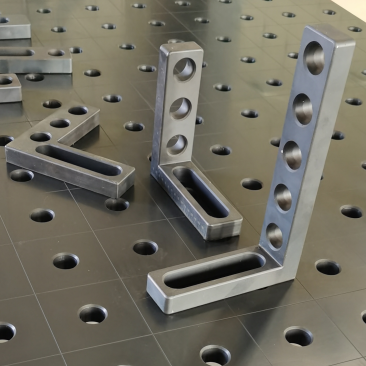
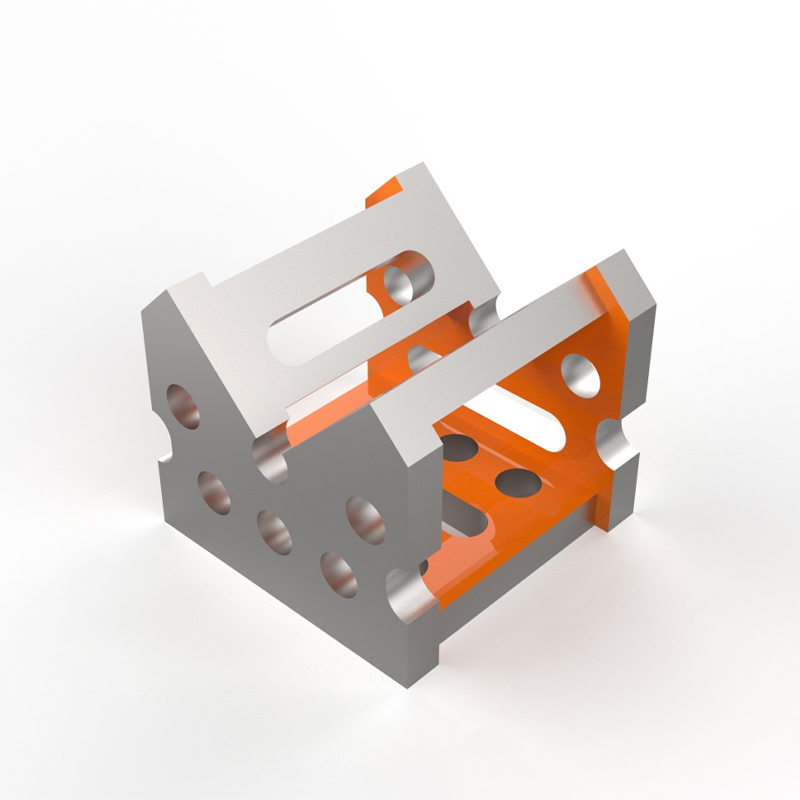
Stop pins and angle brackets slide into the holes to create rigid reference points. These accessories transform the table into a jig.
Magnetic clamps are also popular for holding ferrous materials securely without obstructing access to weld zones.
Investing in a comprehensive set of tooling alongside the table maximizes its utility. A wide variety of accessories is available from manufacturers.
Understanding the interplay between the hole pattern and available tooling is essential for efficient fabrication.
The right combination allows for rapid prototyping and consistent production runs.
Comparative Analysis of Leading Solutions
To make an informed decision, it is helpful to compare different types of steel fab table solutions available in the 2026 market. Each type caters to specific operational needs and budget constraints.
| Solution Type | Key Characteristics | Ideal Application Scenario |
| Precision Modular Table | Tight tolerance holes, HSLA steel, ceramic coating, high cost | Aerospace, automotive prototyping, high-volume precision welding |
| Heavy-Duty Industrial Table | Thick plate (25mm+), reinforced frame, oil finish, moderate cost | Heavy machinery fabrication, shipbuilding components, structural steel |
| Entry-Level Hobbyist Table | Mild steel, painted finish, standard hole spacing, low cost | DIY projects, light repair work, small batch artistic metalwork |
| Mobile Fabrication Cart | Smaller footprint, castor wheels, lightweight frame, versatile | On-site repairs, limited space workshops, multi-station workflows |
Precision modular tables represent the pinnacle of fabrication technology. They are engineered for environments where every millimeter counts.
These tables often come with calibration certificates and are used in industries requiring strict adherence to geometric dimensioning and tolerancing (GD&T).
Heavy-duty industrial tables prioritize strength and durability over extreme precision. They are built to withstand the rigors of daily heavy use.
Their robust construction makes them suitable for applications involving large, heavy components that exert significant force on the table surface.
Entry-level hobbyist tables provide an affordable entry point into modular fixturing. While they lack some advanced features, they still offer significant benefits over traditional surfaces.
These are perfect for makers, artists, and small shops that need flexibility without a massive capital outlay.
Mobile fabrication carts offer unique flexibility. Their portability allows welders to bring the workspace to the job rather than moving the workpiece.
This is particularly useful in large facilities or for field service operations where fixed stations are impractical.
Choosing the right category depends on your primary workload and long-term business goals. Assessing your specific requirements against these categories streamlines the selection process.
A well-chosen table becomes the cornerstone of an efficient and productive workshop.
Cost-Benefit Analysis of Direct Importing
Importing a steel fab table from China involves analyzing both direct costs and hidden savings. The initial purchase price is only part of the equation.
Shipping costs for heavy items can be significant. However, bulk orders or consolidated shipping can mitigate these expenses effectively.
Import duties and taxes vary by country. It is essential to calculate these beforehand to understand the total landed cost.
Despite these additional costs, the final price is often still lower than purchasing locally. The savings can be reinvested into high-quality tooling or other equipment.
Long-term savings arise from the durability of high-quality imported tables. Less frequent replacement means lower total cost of ownership.
Customization options available through direct importing can eliminate the need for secondary modifications, saving labor and material costs.
Faster access to the latest technology ensures your shop remains competitive. Being an early adopter of new features can provide a market edge.
Establishing a direct supply line creates opportunities for future purchases at favorable terms. Long-term partnerships often yield better pricing and priority service.
The potential for branding and resale adds another dimension to the cost-benefit analysis for distributors and retailers.
A thorough financial assessment reveals that direct importing is often the most economically sound strategy for serious fabricators.
The value proposition extends beyond mere price, encompassing quality, customization, and strategic advantage.
Step-by-Step Guide to Ordering and Installation
Procuring and installing a steel fab table from overseas involves a structured process to ensure success. Following these steps minimizes risks and delays.
- Step 1: Define Requirements – Clearly outline your size, load, and precision needs. Create a list of must-have features versus nice-to-haves.
- Step 2: Supplier Vetting – Research potential manufacturers. Check reviews, certifications, and request quotes from multiple sources.
- Step 3: Technical Confirmation – Engage with the supplier’s engineering team. Confirm drawings, material specs, and hole patterns before production begins.
- Step 4: Contract and Payment – Finalize the purchase agreement with clear terms on delivery, warranty, and payment milestones. Use secure payment methods.
- Step 5: Production Monitoring – Request updates or photos during the manufacturing phase. Consider hiring a third-party inspector for pre-shipment checks.
- Step 6: Logistics Coordination – Arrange shipping and handle customs clearance. Ensure proper crating is used to protect the table during transit.
- Step 7: Unpacking and Inspection – Upon arrival, inspect the table immediately for any shipping damage. Verify dimensions and flatness.
- Step 8: Leveling and Assembly – Place the table in its designated spot. Use the adjustable feet to level the surface precisely using a spirit level.
- Step 9: Tooling Integration – Install your clamps, stops, and other accessories. Test the fit and function of the modular system.
- Step 10: Operational Training – Train your team on best practices for using and maintaining the new table to maximize its lifespan.
Defining requirements accurately prevents ordering a table that does not fit your workflow. Be specific about your intended applications.
Supplier vetting is crucial for avoiding scams or low-quality products. Look for established companies with a proven export history.
Technical confirmation ensures that what you order is exactly what you get. Misunderstandings at this stage can lead to costly errors.
Secure contracts protect your interests. Clear terms regarding disputes and returns provide peace of mind.
Monitoring production gives you visibility into the process. It allows for early detection of any deviations from the agreed specifications.
Proper logistics planning ensures smooth delivery. Experienced freight forwarders can navigate complex customs regulations efficiently.
Thorough inspection upon arrival is vital. Documenting any issues immediately facilitates claims if necessary.
Precise leveling is essential for the table to perform correctly. Even a slight tilt can affect the accuracy of your assemblies.
Integrating tooling properly unlocks the table’s full potential. Familiarize yourself with the full range of compatible accessories.
Training your team ensures safe and effective usage. Proper care extends the life of your investment significantly.
Following this roadmap leads to a seamless acquisition and installation experience.
Maintenance Best Practices for Longevity
Maintaining your steel fab table is essential to preserve its precision and functionality over time. Regular care prevents degradation and ensures consistent performance.
Clean the surface regularly to remove spatter, dust, and debris. Use a wire brush or scraper gently to avoid damaging the hole edges.
Apply a thin coat of oil or rust inhibitor periodically, especially in humid environments. This prevents corrosion and keeps the surface smooth.
Check the leveling feet occasionally. Shop floors can settle or shift, causing the table to go out of level.
Inspect the holes for wear or deformation. If holes become oval-shaped, it may affect the grip of your clamps.
Avoid striking the table surface with hammers directly. Use soft-faced mallets or place sacrificial blocks when heavy impact is necessary.
Store clamps and accessories properly when not in use. Keeping them organized prevents loss and damage.
Address any rust spots immediately. Sand them down and touch up with appropriate paint or oil to prevent spread.
Do not exceed the rated load capacity. Overloading can cause permanent deformation of the table frame or top.
Regular maintenance is a small effort that yields significant returns in terms of equipment lifespan and work quality.
A well-maintained table remains a reliable asset for years, supporting high-quality fabrication output.
Real-World Applications and Success Stories
The versatility of a steel fab table is evident in its wide range of applications across various industries. From aerospace to art, these tables enable precision and efficiency.
In the automotive sector, custom chassis builders use these tables to ensure perfect symmetry and alignment. The ability to lock components in place allows for precise tack welding before final joins.
Aerospace manufacturers rely on high-precision tables for assembling complex ducting and structural frames. The repeatability offered by the hole grid is critical for meeting stringent aviation standards.
Architectural metalworkers utilize these tables for creating intricate railings and gates. The modular stops allow for rapid replication of identical sections, speeding up large installations.
Robotics integrators use fabrication tables to build custom frames and mounts. The flexibility to reconfigure the setup quickly supports rapid prototyping cycles.
Artists and sculptors appreciate the freedom to experiment. The table acts as a three-dimensional canvas where ideas can be fixed and adjusted easily.
Educational institutions employ these tables for training students in modern welding techniques. They provide a professional environment that mirrors industry standards.
Repair shops benefit from the ability to fixture damaged parts for straightening. The stable surface allows for controlled application of force to restore geometry.
Case studies show that shops switching to modular tables reduce setup times by up to 60%. This efficiency gain translates directly into higher throughput and profitability.
One notable example involves a bicycle frame manufacturer who reduced scrap rates by 40% after adopting a precision steel fab table. The improved alignment eliminated fitment issues during assembly.
Another success story comes from a custom exhaust shop that doubled its daily output. The quick-change fixturing allowed them to switch between different models rapidly.
These real-world examples highlight the transformative impact of investing in the right fabrication infrastructure.
The adaptability of these tables makes them indispensable tools in modern manufacturing and creative endeavors.
Future Trends in Fabrication Technology
Looking ahead, the evolution of the steel fab table continues with exciting developments on the horizon. Technology integration is set to redefine how we interact with these workspaces.
Smart tables with embedded sensors are emerging. These can monitor temperature, load distribution, and even detect vibrations during welding.
Augmented reality (AR) overlays may soon project welding paths and clamp positions directly onto the table surface. This would guide operators through complex assemblies visually.
Advanced materials like self-healing coatings are in development. These could automatically repair minor scratches and spatter damage, reducing maintenance needs.
Integration with robotic arms is becoming more seamless. Tables designed specifically for collaborative robots (cobots) will feature standardized mounting points for automation.
Sustainability is also a driving force. Future tables may be made from recycled high-performance alloys with lower carbon footprints.
Modular connectivity will improve, allowing tables to link wirelessly for synchronized data sharing in large-scale production lines.
Customization via 3D printing of specialized fixtures directly on-site will complement the table’s capabilities. This hybrid approach offers unparalleled flexibility.
As Industry 4.0 advances, the fabrication table will become a connected node in the smart factory ecosystem.
Staying informed about these trends ensures that your investment remains relevant and valuable in the long term.
The future of fabrication is precise, connected, and highly efficient, centered around the evolving workbench.
Final Thoughts on Securing the Best Value
Purchasing a steel fab table in 2026 is a strategic decision that impacts your operational efficiency and product quality. The market offers diverse options, but buying directly from a reputable China manufacturer stands out for value and innovation.
The convergence of advanced materials, precision engineering, and competitive pricing makes this the ideal time to upgrade your workshop. Do not let concerns about importing deter you from accessing global best-in-class equipment.
Focus on verifying credentials, understanding technical specifications, and planning for long-term maintenance. These steps ensure a successful acquisition that serves your business for years.
The right table transforms chaos into order, turning complex fabrication challenges into routine tasks. It empowers your team to achieve higher standards of craftsmanship.
Embrace the opportunities presented by the global supply chain. Leverage the expertise of leading manufacturers to equip your facility with the tools needed for success.
Whether you are a small startup or a large industrial player, the benefits of a high-quality steel fab table are universal. Invest wisely, and watch your productivity soar.
The journey to a more efficient workshop begins with the foundation you build today. Choose wisely, and the results will speak for themselves in every project you complete.