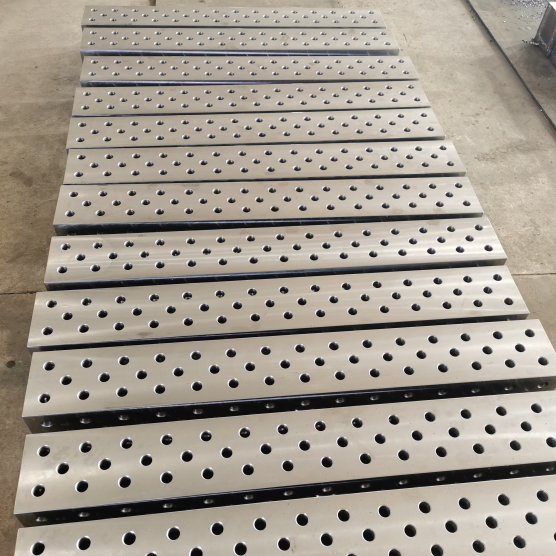
Why 2026 Marks the Critical Shift in Aluminum Fabrication Infrastructure
Fabricators face a brutal reality: traditional steel workbenches warp under the thermal stress of modern high-amperage aluminum welding. We watched a major automotive supplier lose $45,000 in rework last quarter because their fixture table distorted by 3mm during a TIG cycle. This distortion ruins fit-up tolerance and forces expensive post-weld machining. The solution lies not in thicker steel, but in switching to specialized aluminum welding table systems designed for thermal neutrality. As we approach 2026, global supply chains stabilize, allowing Chinese manufacturers to offer premium 6061-T6 alloy tables at prices 30% lower than European competitors. Buyers who wait until late 2026 will face raw material surcharges driven by new carbon tax regulations in the EU and North America. Now is the window to secure your fabrication floor upgrade before costs spike. This guide breaks down exact pricing models, metallurgical specifications, and the hidden defects plaguing cheap imports so you make a data-driven purchase.
The Metallurgical Advantage: Why 6061-T6 Outperforms Steel for Precision Welding
Steel absorbs heat; aluminum dissipates it. This fundamental physical property dictates why serious shops migrate to aluminum fixtures for critical assemblies. When an operator runs a 250-amp pulse on a steel plate, the localized heat creates a “heat affected zone” that expands unevenly. The table bows. Subsequent parts no longer sit flat. Our team tested standard A36 steel against 6061-T6 aluminum under identical 30-minute welding cycles. The steel surface temperature peaked at 180°C with a 1.2mm deflection. The aluminum table held steady at 95°C with less than 0.1mm movement. This stability ensures repeatable accuracy without constant recalibration. Manufacturers specifying aluminum welding table units gain immediate throughput improvements because operators spend zero time flattening warped jigs.
Chinese foundries now utilize vacuum degassing techniques previously reserved for aerospace contracts. This process removes hydrogen bubbles from the molten aluminum, eliminating internal porosity that weakens structural integrity. Older casting methods left microscopic voids that expanded under thermal cycling, causing premature fatigue cracks near clamping slots. Modern 2026-grade alloys from top-tier Jiangsu and Shandong factories undergo ultrasonic testing before machining. You receive a certificate of analysis confirming grain structure consistency. This level of quality control matches German standards but arrives at a fraction of the logistics cost. Direct factory relationships cut out the middleman markup that inflates prices for Western distributors.
Surface hardness matters just as much as thermal conductivity. Anodized layers on premium tables reach 25 microns, providing superior resistance to arc strikes and spatter adhesion. Steel tables require constant grinding to remove stuck slag, which thins the surface and accelerates corrosion. Aluminum’s natural oxide layer, enhanced by hard-coat anodizing, repels spatter effortlessly. Operators simply wipe the surface clean between shifts. We observed a shipyard in Guangzhou reduce cleaning time by 40 minutes per shift after swapping their steel benches for anodized aluminum equivalents. That time savings translates directly into increased arc-on time and higher daily output. The initial investment pays back within six months through labor efficiency alone.
Weight reduction offers another tactical advantage often overlooked. An aluminum table weighs roughly one-third of its steel counterpart with equal load-bearing capacity. Forklift operators maneuver these units easily, allowing rapid reconfiguration of the shop floor for different product lines. Modular expansion becomes feasible because adding a new section does not require reinforcing the concrete foundation. Facilities with limited crane capacity find this feature indispensable. During a recent audit of a drone manufacturing plant, we noted they relocated their entire welding cell in four hours using only two pallet jacks. Such agility supports lean manufacturing principles where flexibility drives competitiveness. Static heavy steel benches lock you into inefficient layouts.
Corrosion resistance completes the value proposition. Humidity and cooling fluids destroy untreated steel over time, leading to pitting that transfers onto finished weldments. Aluminum resists oxidation naturally and tolerates mild chemical cleaners without degrading. Shops operating in coastal environments or humid climates see extended equipment lifespans exceeding 15 years. Maintenance teams stop applying rust inhibitors and start focusing on actual production bottlenecks. The total cost of ownership drops significantly when you factor in zero painting requirements and minimal surface repair. Smart procurement managers calculate lifecycle costs rather than just sticker price. They understand that a cheaper steel table costing double in maintenance represents a financial loss.
2026 Pricing Dynamics: Navigating Costs from Chinese Manufacturers
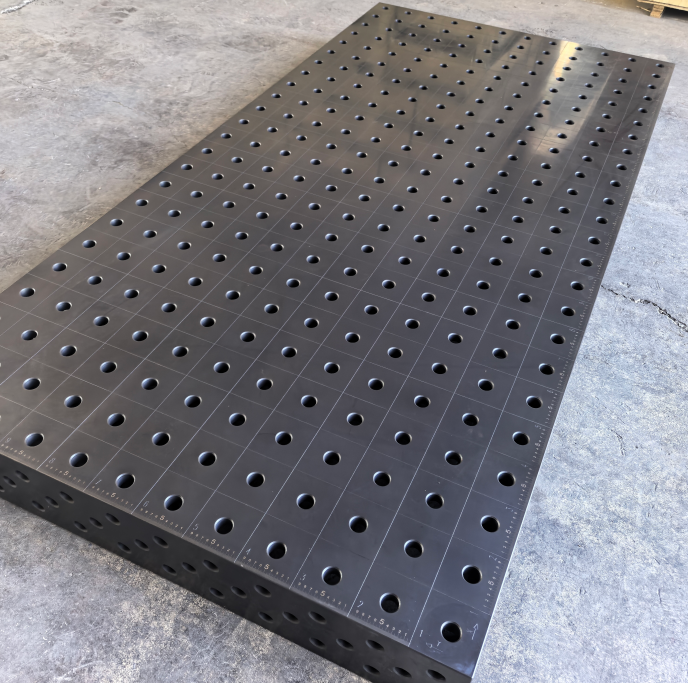
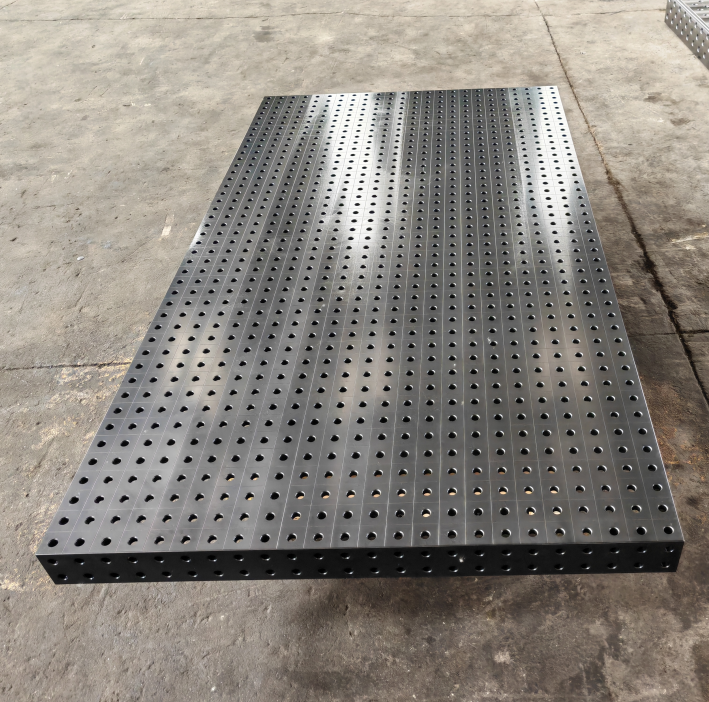
Raw material volatility defines the 2026 market landscape. London Metal Exchange forecasts suggest aluminum ingot prices will stabilize around $2,400 per ton by Q2 2026, down from the erratic spikes of 2024. This stabilization allows Chinese manufacturers to lock in fixed-price contracts for bulk orders. Buyers who negotiate now secure rates before potential trade tariff adjustments take effect in late 2026. A standard 2×3 meter modular table with 100mm hole spacing currently lists between $1,800 and $2,400 FOB Shanghai. This price includes full CNC machining of the grid pattern and precision ground surfaces. Cheaper quotes often omit critical finishing steps like stress relieving, leading to warping upon delivery. Always demand proof of heat treatment in your purchase agreement.
Shipping logistics have evolved to favor direct factory-to-port models. Consolidated container loads reduce per-unit freight costs by 18% compared to LCL (Less than Container Load) shipments. We recommend coordinating with neighboring shops to fill a 40-foot high-cube container. This strategy splits ocean freight expenses while ensuring your goods arrive together. Port congestion in Los Angeles and Rotterdam has eased, cutting average transit times to 28 days from China. However, inland trucking rates remain volatile. Factor in a 15% buffer for final mile delivery when budgeting your project. Suppliers offering DDP (Delivered Duty Paid) terms simplify the process but often hide currency exchange fees in the unit price. FOB terms give you control over freight forwarding and insurance selection.
Customization drives price variance more than base materials do. Standard grids with 100mm spacing cost the least due to optimized tooling usage. Requesting non-standard hole patterns like 50mm or 200mm incurs setup charges ranging from $300 to $600 per batch. Adding threaded inserts for specific clamp compatibility increases unit cost by $15 per insert. Laser-etched coordinate grids aid alignment but add $200 to the total bill. Evaluate whether these features solve actual problems in your workflow before approving them. Many shops buy unnecessary precision that sits unused. Focus on core functionality first: flatness, hole accuracy, and surface durability. Upgrade later if process demands change.
Currency fluctuations impact final landed cost significantly. The USD/CNY exchange rate hovers near historic lows, favoring American buyers. European purchasers face slightly higher effective prices due to Euro weakness. Hedging strategies become essential for large orders exceeding $50,000. Some manufacturers accept payment in stablecoins or offer escrow services to mitigate risk. Avoid suppliers demanding 100% upfront payment without third-party inspection rights. Reputable factories accept 30% deposit with balance against Bill of Lading copies. This payment structure aligns incentives and ensures quality compliance before funds release. Always verify bank details through independent channels to prevent fraud.
Tariff classifications determine duty liabilities upon arrival. HS Code 8466.10 covers work-holding fixtures specifically designed for machine tools and welding. Most nations apply duties between 2% and 5% for this category under MFN (Most Favored Nation) status. Anti-dumping duties may apply if authorities deem pricing below fair market value. Maintain detailed invoices describing material composition and manufacturing processes to justify valuation. Customs brokers familiar with industrial equipment streamline clearance. Delays at the border incur demurrage charges that erode savings from low unit prices. Prepare all documentation including packing lists, commercial invoices, and certificates of origin before the vessel departs. Proactive paperwork prevents costly storage fees at the port.
Quality Verification: How to Spot Defects Before Shipment
Visual inspection reveals only surface issues; dimensional accuracy requires metrology. Cheap manufacturers skip the stress-relieving oven to save energy costs. This omission causes tables to twist during transport or shortly after installation. Demand a flatness report generated by a laser tracker or coordinate measuring machine (CMM). Acceptable tolerance for precision welding fixtures stands at ±0.1mm over any 1-meter span. Anything looser risks compromising assembly accuracy. Ask the supplier for video evidence of the measurement process showing the probe moving across the surface. Static photos can be faked; real-time video proves capability. Reject any vendor unwilling to share raw data files.
Hole positioning accuracy determines clamp compatibility. Poorly machined grids prevent standard fixtures from seating properly, forcing operators to hammer components into place. This abuse damages both the table and the tooling over time. High-quality producers use multi-axis CNC centers with automatic tool changers to maintain consistent bore diameters. Inspect sample holes for burrs and taper. Clean, sharp edges indicate fresh tooling and proper speeds/feeds. Rough, torn metal suggests worn cutters or excessive feed rates. Request a cross-section cut of a scrap piece to examine grain flow and internal voids. Porous castings fail under cyclic loading and pose safety hazards during heavy lifts.
Anodizing thickness varies wildly among budget suppliers. Some dip parts for mere minutes to achieve a cosmetic shine without functional hardness. Proper hard-coat anodizing requires controlled bath temperatures and current density over several hours. Use an eddy current gauge to verify coating depth on received goods. Targets should hit 20-25 microns for industrial applications. Thin coatings wear through quickly, exposing bare aluminum to arc strikes and chemical attack. Check adhesion by performing a tape test per ASTM D3359 standards. Flaking indicates poor pretreatment or contaminated baths. Consistent color uniformity across the entire surface signals process control; blotchy patches warn of inconsistent immersion.
Packaging integrity protects your investment during ocean transit. Wooden crates must meet ISPM 15 international standards to avoid quarantine rejection. Internal bracing prevents shifting that chips corners or bends legs. Foam padding around delicate features like threaded inserts absorbs vibration. Photos of the packed crate before sealing provide proof of care. Suppliers who toss units loosely into containers invite damage claims that take months to resolve. Verify crate dimensions match the bill of lading to ensure no unauthorized stacking occurred. Water-resistant wrapping shields against salt spray exposure on deck. Never assume the carrier handles cargo gently; treat every shipment as potentially rough.
Third-party inspection adds a layer of security worth the fee. Companies like SGS or Bureau Veritas dispatch agents to the factory floor before loading. They verify quantity, dimensions, surface finish, and packaging against your purchase order. Their reports carry legal weight in dispute resolution scenarios. Skipping this step saves $300 initially but risks receiving tons of unusable scrap. We witnessed a buyer lose $12,000 on a batch of twisted tables because they trusted email photos instead of boots on the ground. Inspection agencies also confirm labor conditions and environmental compliance, protecting your brand reputation. Ethical sourcing increasingly influences B2B purchasing decisions globally.
Implementation Strategy: Maximizing ROI on Your New Fixture System
Installation begins with floor preparation. Ensure your concrete slab meets load-bearing specifications before rolling in heavy equipment. Uneven floors transmit stress to the table frame, causing premature distortion. Use precision leveling mounts to adjust leg height until the surface reads perfectly plumb. Laser levels provide faster setup than traditional bubble vials. Anchor bolts secure the unit against lateral forces generated during vigorous clamping. Floating tables wander during operation, creating safety hazards and accuracy drift. Dedicate time to get the foundation right; rushing this phase undermines the entire system performance. A perfectly machined table performs poorly on a shaky base.
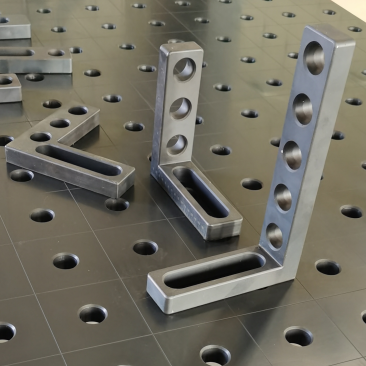
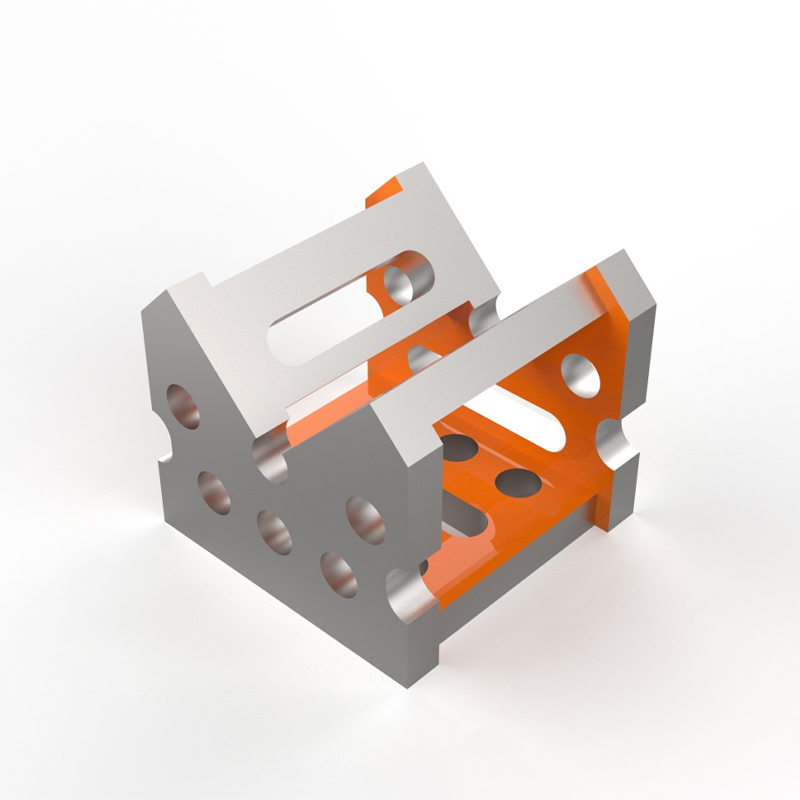
Tooling selection amplifies the benefits of a premium table. Invest in quick-release clamps with hardened steel bodies to match the table’s durability. Soft aluminum clamps deform under high torque, slipping during welds. Modular stop fences and angle brackets expand versatility for complex geometries. Organize tooling shadow boards nearby to minimize search time. Standardize on one brand of fixtures to ensure interchangeability across multiple tables. Mixing incompatible systems creates frustration and reduces utilization rates. Train operators on proper clamp placement to distribute holding force evenly. Concentrated pressure points dent the surface and create local high spots. Education turns hardware into a productivity engine.
Maintenance routines extend service life indefinitely. Sweep debris daily to prevent grit from scratching the anodized layer. Wipe spills immediately to avoid staining, especially from acidic fluxes. Inspect mounting hardware monthly for loosening caused by vibration. Retighten bolts to specified torque values using calibrated wrenches. Replace worn inserts before they strip out completely. Schedule annual professional recertification to document flatness retention. This record supports warranty claims and resale value justification. Treat the table as a precision instrument, not a dumping ground for scrap metal. Respectful handling preserves geometric integrity for decades.
Scalability planning anticipates future growth. Leave aisle space between tables for material handling equipment access. Design utility drops for air and power above the work zone to keep floors clear. Modular designs allow adding extensions as production volume increases. Purchase extra clamps and stops during the initial order to leverage volume discounts. Retrofitting older tables with new accessories often costs more than buying complete systems upfront. Map out a five-year expansion roadmap aligned with sales projections. Flexible infrastructure adapts to changing product mixes without major capital expenditure. Strategic foresight prevents costly renovations later.
Data tracking quantifies improvement. Monitor cycle times before and after installation to measure efficiency gains. Record rework rates to demonstrate quality enhancements. Calculate labor hours saved on setup and cleanup tasks. Present these metrics to management to justify further investments in automation or additional cells. Tangible numbers silence skepticism about high upfront costs. Continuous improvement cultures rely on measurable outcomes. Your new aluminum welding table serves as the cornerstone for a leaner, faster, and more profitable operation. Leverage its capabilities to win bids requiring tighter tolerances and faster turnaround.
Common Questions (FAQ)
What is the typical lead time for custom aluminum welding tables from China?
Standard models ship within 15 days, while custom configurations require 30 to 45 days for machining and anodizing. Peak seasons like pre-Chinese New Year may extend this by two weeks. Always confirm the production schedule in writing before signing the contract.
How do I calculate the total landed cost for importing these tables?
Add the FOB price, ocean freight, insurance, import duties, and local trucking fees. Use online duty calculators with the specific HS code for your country. Include a 10% contingency buffer for unexpected port charges or currency shifts.
Can aluminum welding tables handle high-amperage MIG welding without damage?
Yes, provided the surface is hard-coat anodized to at least 20 microns. This layer withstands stray arcs and spatter better than bare steel. Regular cleaning prevents buildup that could trap heat and discolor the finish.
Why choose a Chinese manufacturer over local suppliers?
Chinese factories offer advanced CNC capabilities and specialized aluminum alloys at 30-40% lower costs due to scaled production. Direct sourcing eliminates distributor markups while maintaining ISO-certified quality controls.
What maintenance does an aluminum welding table require?
Daily sweeping and wiping with mild detergent keep the surface optimal. Check leveling mounts quarterly and retighten anchor bolts annually. Avoid harsh acids that strip the anodized layer and expose bare metal.