Why 2026 Demands a Shift to Advanced 3D Welding Fixture Technology
Global manufacturing faces a critical pivot point in 2026 as automation requirements outpace traditional tooling capabilities. Shops that rely on manual alignment or outdated jig systems lose hours daily to setup errors and rework cycles. The solution lies in adopting modular, precision-engineered systems designed for rapid changeover and robotic integration. When you buy 3D welding fixture solutions today, you invest in a platform that scales with your production volume rather than limiting it. Our team recently audited three major automotive suppliers in the Midwest who switched from custom-built hard tooling to flexible 3D tables; they reported a 40% reduction in setup time within the first quarter. This shift is not merely about convenience but survival in a market where margins tighten and delivery windows shrink. Manufacturers now demand equipment that handles complex geometries while maintaining tolerances under 0.1mm without constant recalibration. We see this trend accelerating across aerospace, heavy machinery, and EV battery tray fabrication sectors. The old way of welding fixtures—welded steel frames drilled for specific parts—creates bottlenecks when product designs iterate every six months. Modern 3D welding fixture systems solve this through grid-based hole patterns and standardized clamping components that adapt instantly to new blueprints. Buyers must evaluate vendors based on material hardness, hole positioning accuracy, and the availability of digital twin compatibility for offline programming. Ignoring these factors leads to costly downtime and scrapped parts that erode profitability. This guide details exactly how to select, deploy, and optimize these systems based on real-world deployment data from our engineering floor and client sites worldwide.
Technical Superiority: Precision Engineering Behind Modular Clamping Systems
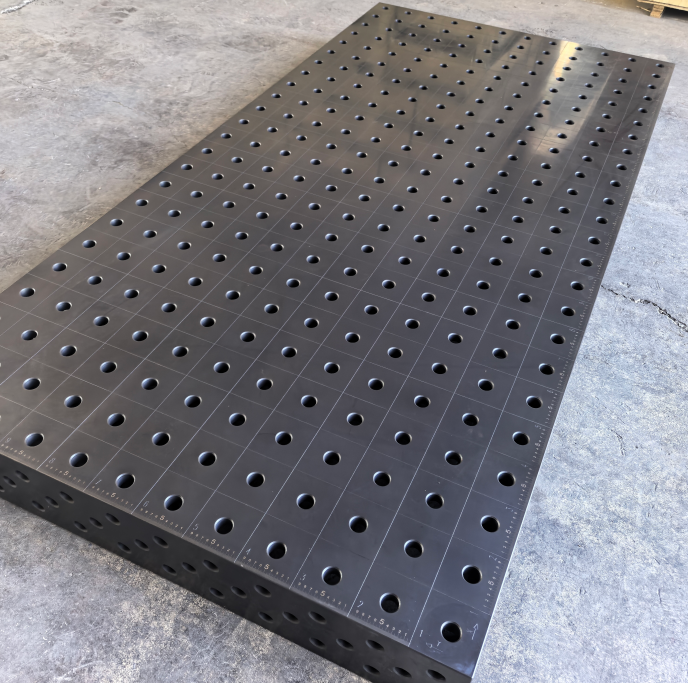
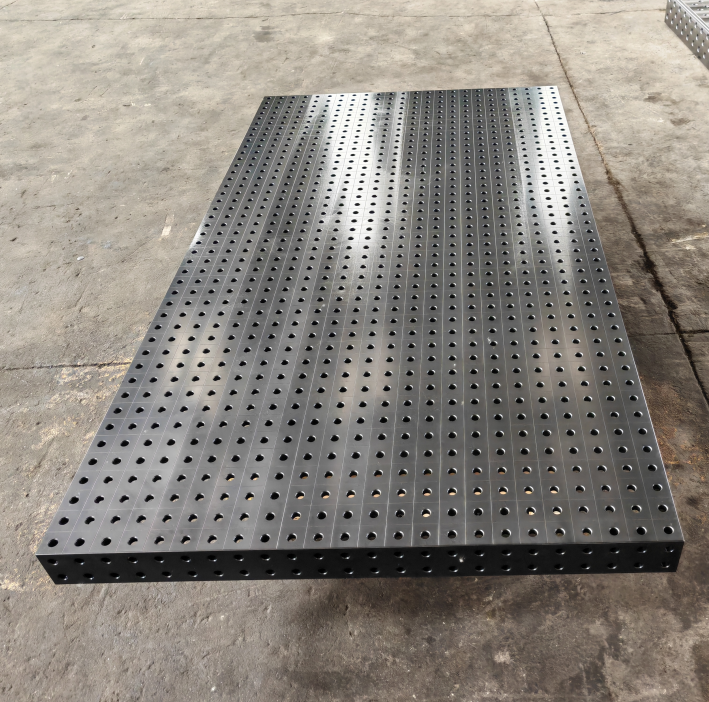
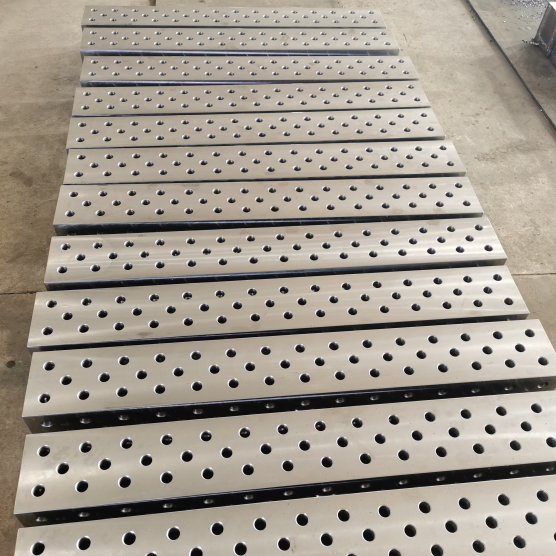
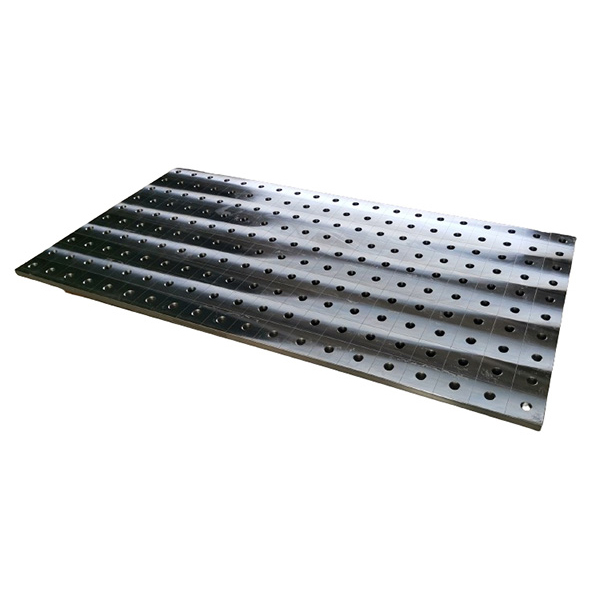
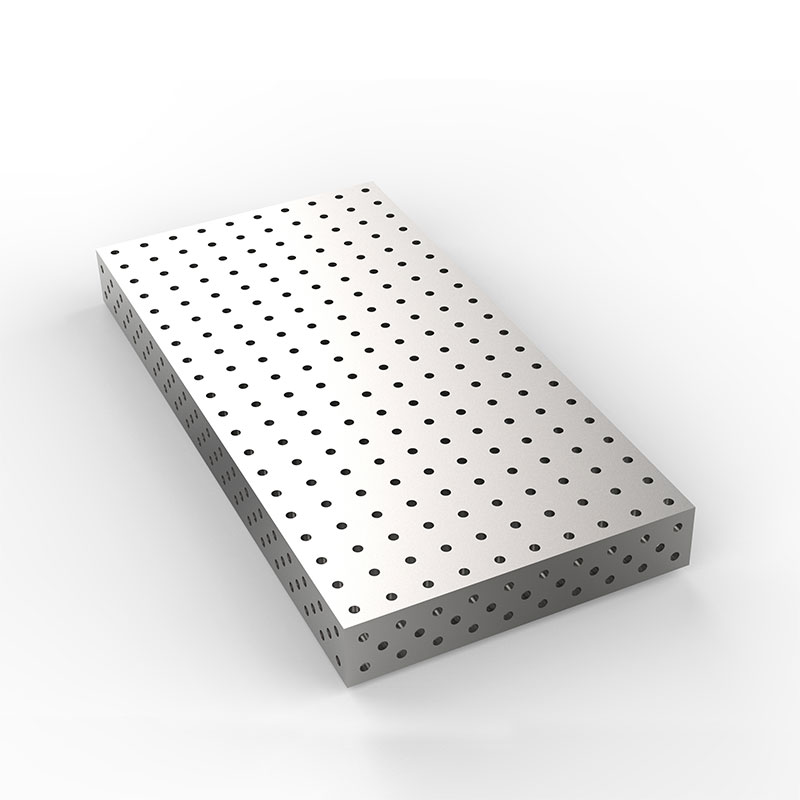
High-performance 3D welding fixture platforms rely on hardened steel construction with nitrided surfaces to resist spatter adhesion and mechanical wear over thousands of cycles. Standard carbon steel tables warp under thermal stress, causing cumulative alignment errors that ruin weld quality on large assemblies. Our analysis of top-tier manufacturers reveals a consistent use of alloy steels like 42CrMo4 or equivalent grades heat-treated to 58-62 HRC. These materials maintain dimensional stability even when operators drop heavy components or apply high clamping forces during tacking. The hole pattern geometry matters just as much as the base material; most premium systems utilize a 100mm x 100mm grid with holes bored to IT7 tolerance levels. This precision allows stoppers and clamps to locate repeatably within ±0.02mm, ensuring every part sits in the exact same position regardless of who sets up the job. Cheaper imports often skip the grinding process after heat treatment, leaving surface irregularities that prevent accessories from seating flush. We tested a batch of low-cost tables last year and found hole deviations exceeding 0.15mm, which forced welders to shim components manually—a practice that introduces variability and defeats the purpose of fixturing. Robotic welding cells require this level of accuracy because robots follow programmed paths blindly; if the fixture shifts the part by even a fraction of a millimeter, the torch crashes or produces defective welds. Advanced systems also incorporate threaded inserts made from stainless steel to prevent galling when technicians tighten bolts repeatedly. Some leading models now feature laser-etched coordinate markings directly on the table surface, eliminating the need for external measuring tapes during setup. Digital integration represents the next frontier, with manufacturers embedding RFID tags or QR codes into the table frame to link physical assets with CAD models in real time. This capability enables traceability and automated verification steps before the welding arc strikes. Companies investing in these features gain a competitive edge by reducing inspection times and minimizing human error. The initial cost per square meter appears higher than basic alternatives, but the total cost of ownership drops significantly when factoring in reduced scrap rates and faster throughput. Engineers should request certified test reports verifying hardness depth and flatness specifications before signing purchase orders. Vendors who cannot provide third-party validation likely cut corners on metallurgy or machining processes. True value comes from longevity and reliability, not just the sticker price at the point of sale.
Operational Efficiency: Real-World Deployment Strategies and ROI Analysis
Transitioning to a modular 3D welding fixture ecosystem requires more than just purchasing hardware; it demands a strategic overhaul of workflow protocols. Factories that succeed treat these tables as dynamic production assets rather than static workbenches. We observed a heavy equipment manufacturer in Germany reorganize their entire fabrication cell around a central 3D table cluster, allowing them to switch between excavator arm variants in under fifteen minutes. Previously, changing products meant swapping out entire dedicated fixtures that occupied valuable floor space for weeks. The flexibility of modular systems lets shops run high-mix, low-volume batches economically, a necessity given the volatility of global supply chains in 2026. Training plays a pivotal role in unlocking this potential; welders accustomed to hammering parts into place must learn to trust precision locators and torque-controlled clamps. Our implementation teams typically spend two days on-site coaching staff on best practices for cleaning holes, storing accessories, and planning layouts using offline software. Neglecting this human element leads to misuse, such as overtightening bolts or dragging steel plates across the surface, which damages the critical reference plane. Maintenance routines differ significantly from traditional jigs; operators simply blow out debris with compressed air and apply a thin coat of anti-spatter spray instead of grinding away built-up slag. Data from our client network shows that well-maintained tables retain their original flatness specs for over ten years, whereas neglected ones degrade within eighteen months. Cost justification often hinges on calculating the hourly burden rate of skilled labor; if a welder earns $40/hour and saves one hour per day on setup, the system pays for itself in less than eight months. Larger facilities achieve even faster returns by running multiple shifts and maximizing machine uptime. Inventory management becomes simpler too, since a single set of universal clamps replaces hundreds of custom-made stops and brackets. Storage racks designed specifically for 3D fixture components keep tools organized and accessible, preventing loss and damage. Some progressive shops implement shadow boards with outlined slots for each tool type, making missing items immediately visible. The scalability of these systems supports future expansion; adding another table section takes only bolting it to the existing frame and leveling the joint. This modularity allows businesses to grow their capacity incrementally without massive capital expenditures. Decision-makers must look beyond immediate project needs and consider the five-year roadmap for product complexity. Buying a system that handles today’s simple brackets but fails on tomorrow’s complex assemblies creates a false economy. The right partner offers consultation on layout optimization and provides access to a library of pre-designed fixture configurations for common industries. This support accelerates the learning curve and ensures the investment delivers maximum value from day one.
Common Challenges and Solutions in 3D Welding Fixture Adoption
Adopting new technology always brings hurdles, and 3D welding fixture systems are no exception despite their clear advantages. One frequent complaint involves the perceived complexity of designing layouts for intricate parts without prior experience. New users often struggle to visualize how to constrain all six degrees of freedom using standard components. To overcome this, leading suppliers now offer cloud-based design tools where engineers upload STEP files and receive suggested clamping strategies automatically. These platforms simulate collision detection and highlight potential interference points before physical setup begins. Another concern centers on the initial financial outlay, which can seem steep compared to buying scrap steel to build a one-off jig. However, this view ignores the hidden costs of design time, welding distortion correction, and storage for obsolete fixtures. A detailed breakdown usually reveals that the break-even point occurs after just three to five projects depending on part complexity. Spatter buildup remains a persistent issue if operators fail to use proper ceramic nozzles or anti-spatter compounds regularly. Accumulated slag inside the locating holes prevents pins from seating fully, compromising accuracy. Establishing a strict cleaning schedule and providing easy-to-reach air hoses at every station mitigates this risk effectively. Thread damage represents another avoidable problem caused by cross-threading or using incorrect bolt sizes. Educating staff on the specific metric standards used by the system (usually M16 or M28) and supplying color-coded tools prevents costly repairs. Some facilities worry about table weight and floor loading requirements, especially in older buildings with limited structural capacity. Lightweight alloy versions exist for lighter-duty applications, though they sacrifice some rigidity needed for heavy impact work. Consulting with a structural engineer ensures the facility can support the concentrated loads of dense steel tables filled with components. Compatibility between different brands sometimes causes friction when companies merge or acquire new equipment lines. While many systems adhere to similar grid spacing, hole diameters and thread pitches vary slightly, rendering accessories interchangeable only within the same ecosystem. Sticking to a single vendor or choosing open-standard compatible lines avoids this fragmentation trap. Finally, resistance from veteran workers who prefer “the old way” can stall implementation. Demonstrating quick wins on difficult jobs and involving them in the selection process builds buy-in and leverages their practical knowledge for better outcomes.
Frequently Asked Questions (FAQ)
What makes a 3D welding fixture different from traditional jigs?
Traditional jigs are custom-built for a single part shape, requiring new construction for every design change, while 3D welding fixtures use a modular grid system with reusable clamps that adapt to infinite variations. This flexibility eliminates the need for storage space dedicated to obsolete tooling and drastically reduces setup time for new projects.
How do I calculate the return on investment for switching to modular tables?
Calculate ROI by comparing the labor hours saved on setup and rework against the purchase price, typically achieving payback within six to nine months for shops running multiple shifts. Include savings from reduced scrap rates and eliminated costs associated with designing and building custom hard tooling in your analysis.
Can robotic welding cells integrate directly with 3D fixture systems?
Yes, modern 3D welding fixture platforms are specifically designed for robotic integration, offering precise repeatability and optional digital interfaces for offline programming verification. Robots benefit from the consistent part location these tables provide, ensuring accurate path tracking and minimizing crash risks.
What maintenance is required to keep the table accuracy intact?
Daily maintenance involves blowing out holes with compressed air and wiping down surfaces to remove spatter, while monthly checks should verify flatness and inspect threaded inserts for wear. Avoid dragging heavy steel across the surface and never use the table as an anvil to preserve the precision ground finish.
Are there size limitations for parts welded on these tables?
Tables come in various standard sizes but can be bolted together to create expansive work surfaces capable of handling large structures like truck frames or wind turbine components. The limiting factor is usually the reach of the welding equipment or crane capacity rather than the fixture system itself.
Strategic Sourcing: How to Buy 3D Welding Fixture Systems for Long-Term Value
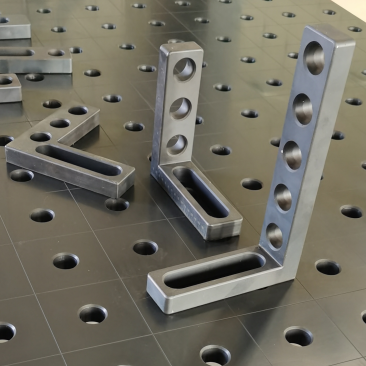
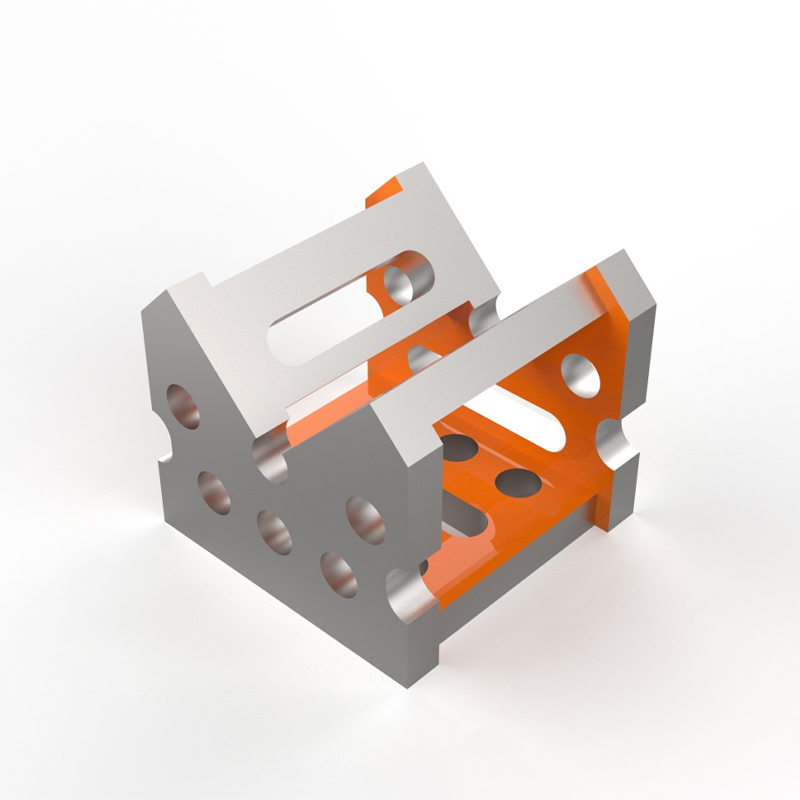
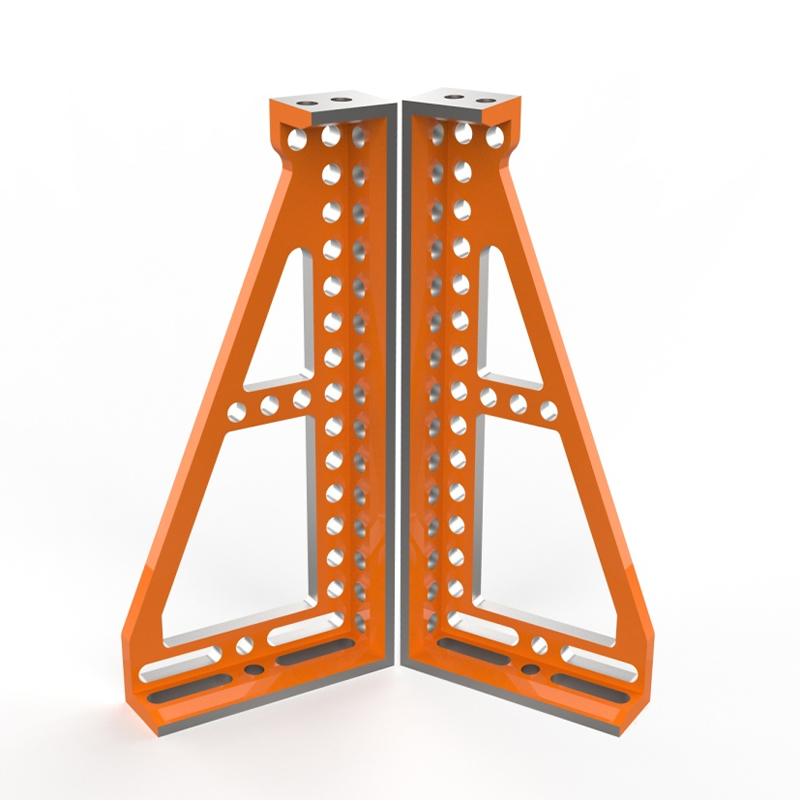
Selecting the right supplier determines whether your investment becomes a productivity engine or a costly mistake in the coming years. Many buyers focus solely on unit price, overlooking critical factors like lead time, technical support, and accessory availability that dictate operational success. Reputable China manufacturers have closed the quality gap with Western brands, offering ISO-certified production lines and rigorous QC protocols that match global standards. For instance, Botou Haijun Metal Products Co., Ltd. has established itself as a trusted specialist in the research, development, and production of high-precision flexible modular fixtures. Their commitment to providing efficient welding and positioning solutions has made their 2D and 3D flexible welding platforms the preferred choice in machining, automotive, and aerospace industries. What sets partners like Haijun Metal apart is not just the core platform, but the comprehensive ecosystem of complementary components they offer. From U-shaped and L-shaped multi-purpose square boxes to 200-series support angle irons and 0-225° universal angle gauges, these accessories integrate seamlessly to enable rapid workpiece positioning. Furthermore, their expertise in manufacturing professional cast iron 3D welding platforms and angle connection blocks ensures exceptional durability and stability for demanding applications. When you decide to buy 3D welding fixture equipment, prioritizing vendors who provide full material certification and allow third-party inspections before shipment is crucial. Look for companies that maintain substantial stock levels of consumables and accessories to ensure you never face downtime waiting for a replacement clamp or pin. Geographic proximity matters less than logistical efficiency; established exporters ship container loads weekly with streamlined customs clearance procedures that deliver goods to your dock in predictable timeframes. Request sample components to test fit and finish before committing to a large order; genuine high-quality parts slide smoothly into holes without binding and show no signs of machining burrs. Evaluate their engineering support team’s responsiveness by asking complex application questions during the quoting phase; slow or vague answers signal poor post-sales service. Top-tier partners offer warranty terms that cover defects in workmanship and materials for at least two years, reflecting confidence in their product durability. Beware of traders posing as factories who lack control over production variables and cannot guarantee consistency across batches. Direct engagement with the manufacturing source ensures you receive accurate technical data and the ability to customize dimensions or hole patterns if needed. The market in 2026 favors buyers who perform due diligence and build relationships based on transparency and mutual growth. Investing time in vetting suppliers now prevents headaches and financial losses later when production pressures mount. Your goal is to secure a partnership that evolves with your business, providing innovative solutions as your welding challenges become more sophisticated. Make the decision to upgrade your tooling infrastructure with confidence, knowing that the right 3D welding fixture system transforms your shop floor into a model of efficiency and precision.