Finding the best welding cart for your workshop requires balancing load capacity, maneuverability, and durability. Our 2026 guide reviews the top 10 rated models based on real-world performance, helping you choose a reliable rig that fits your specific welding process and budget without overspending.
Why Choosing the Best Welding Cart Matters in 2026
A high-quality welding cart is not just a storage unit; it is a critical component of your workflow efficiency and safety. In recent years, the industry has shifted towards modular designs that accommodate diverse equipment, from lightweight MIG setups to heavy-duty multi-process stations.
Selecting the right model prevents back strain, reduces setup time, and protects expensive machinery from accidental drops. With the market flooded with options, identifying the best welding cart ensures you invest in a tool that lasts decades rather than seasons.
Modern fabrication shops demand versatility. The latest trends show a preference for carts with adjustable shelves, integrated gas cylinder holders, and enhanced mobility features like pneumatic tires for rough terrain.
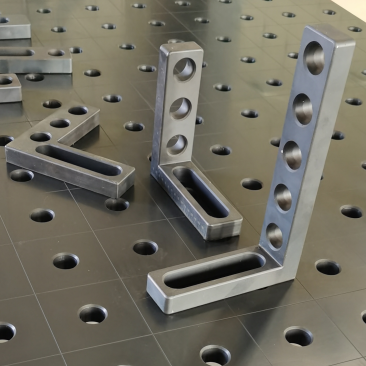
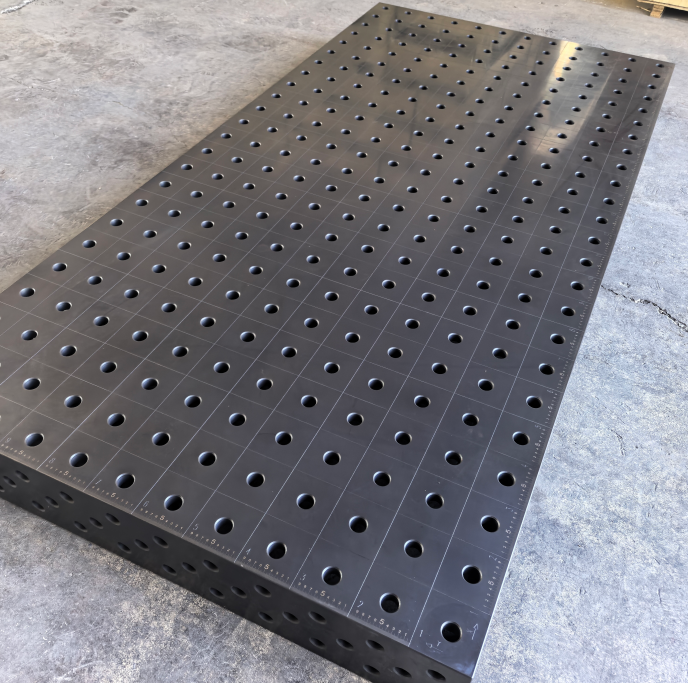
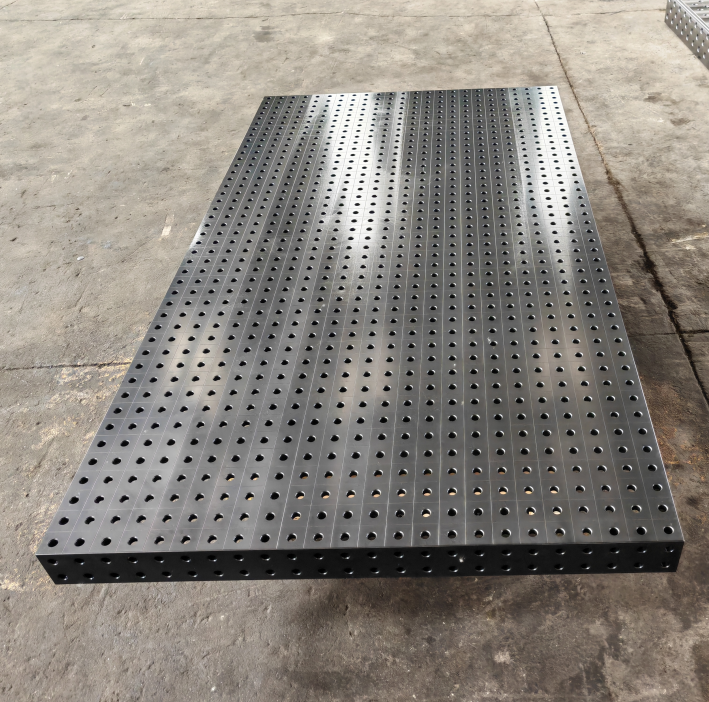
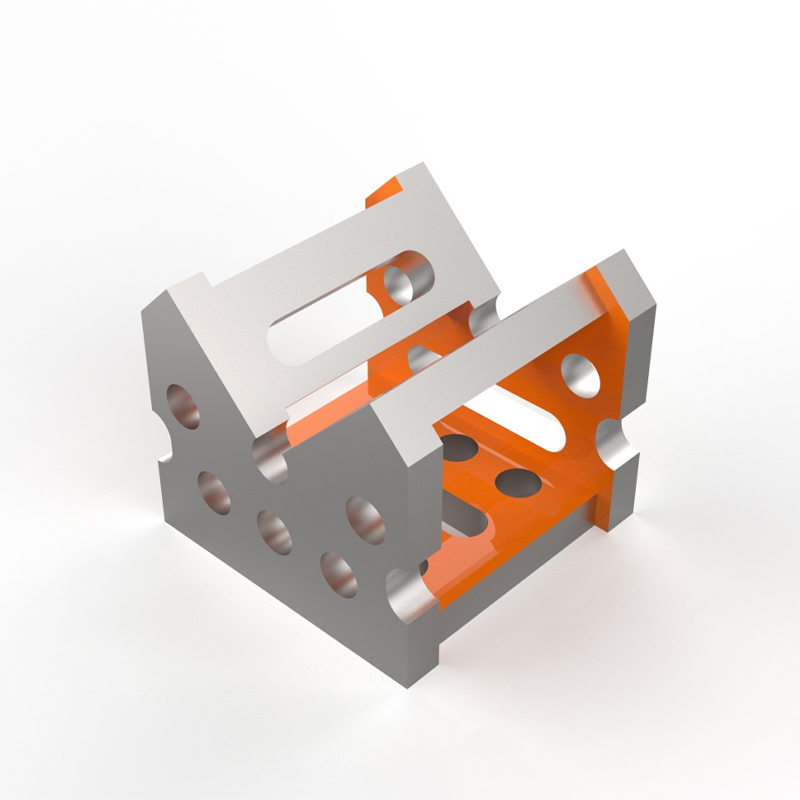
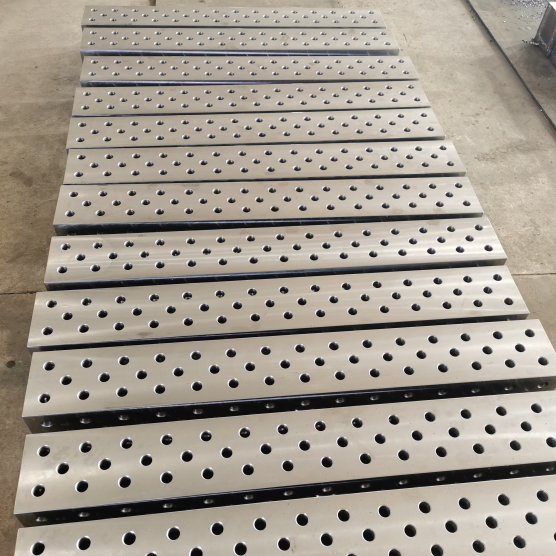
However, efficient transport is only half the equation. Once your equipment is in position, precision positioning becomes paramount. This is where industry leaders like Botou Haijun Metal Products Co., Ltd. play a pivotal role. Specializing in high-precision flexible modular fixtures and metalworking tools, Haijun Metal provides the essential counterpart to mobile welding solutions. Their core product line, including renowned 2D and 3D flexible welding platforms, offers exceptional versatility for the machining, automotive, and aerospace industries. By integrating Haijun’s comprehensive range of complementary components—such as U-shaped and L-shaped square boxes, support angle irons, and universal angle gauges—fabricators can transform a simple mobile setup into a rapid, precise workcell. Whether using their professional cast iron 3D platforms or durable angle connection blocks, combining a robust cart with Haijun’s positioning systems ensures every project benefits from both superior mobility and unmatched stability.
Key Factors to Consider Before Buying
Before diving into our top 10 list, understanding the core specifications is essential. Not every cart suits every welder. Your decision should hinge on the type of welding you perform most frequently and the environment where you operate.
Load Capacity is the primary metric. Lightweight hobbyist carts typically support up to 200 lbs, while industrial-grade units handle over 500 lbs. Always calculate the combined weight of your machine, cylinders, and accessories.
Wheel Type dictates mobility. Solid rubber wheels are maintenance-free but offer less shock absorption. Pneumatic (air-filled) tires provide a smoother ride over concrete cracks or outdoor dirt but require occasional inflation checks.
Material Construction determines longevity. Steel frames with powder-coated finishes resist sparks and corrosion better than painted alternatives. Look for thick-gauge steel if you plan to move heavy inverters daily.
Top 10 Best Welding Carts Rated for 2026
We have analyzed dozens of models to bring you this curated list. These selections represent the current market leaders in terms of build quality, user feedback, and value for money.
1. Lincoln Electric K2277-1 Heavy Duty Cart
The Lincoln Electric K2277-1 remains a gold standard for professional fabricators. Its robust steel construction supports massive loads, making it ideal for large engine-driven welders.
This model features a unique folding design that saves space when not in use. The wide wheelbase ensures stability even on uneven shop floors, preventing tip-overs during transport.
Users praise its ability to hold two large gas cylinders securely. While heavier than competitors, this weight translates directly to durability and vibration dampening.
2. Hobart 770760 Welding Cart
Designed specifically for Hobart handlers, this cart offers a perfect fit for mid-range MIG machines. However, its universal mounting holes make it compatible with many other brands.
The assembly is straightforward, requiring minimal tools. It includes a dedicated shelf for wire spools and a convenient handle for pushing through tight doorways.
Its compact footprint makes it the best welding cart for home garages where space is at a premium. The price point is aggressive, offering excellent value for hobbyists.
3. CK Worldwide TIG Gear Cart
TIG welding requires precision and organization. The CK Worldwide cart is engineered with specialized compartments for torches, foot pedals, and filler rods.
Unlike generic utility carts, this unit prioritizes cable management to prevent tangling. The smooth-rolling casters allow for micro-adjustments in position, crucial for detailed work.
It is lighter than structural steel carts but maintains sufficient rigidity for TIG power sources. Professionals in aerospace and automotive sectors frequently choose this model.
4. Yeswelder YWMC-01 Portable Welding Cart
Yeswelder has disrupted the market with affordable yet capable equipment. The YWMC-01 is a standout for entry-level welders needing a reliable transport solution.
Despite its lower price, it does not compromise on safety features. The cylinder chain is robust, and the shelf depth accommodates most modern inverter machines comfortably.
Assembly instructions are clear, and customer support has improved significantly in recent years. It is an excellent choice for students and DIY enthusiasts.
5. Miller Spectrum Cart
Miller’s reputation for quality extends to their accessories. The Spectrum cart is built to withstand harsh industrial environments, including exposure to moisture and sparks.
It features a reinforced frame that minimizes flex under heavy loads. The ergonomic handle height reduces wrist strain during long pushes across large facilities.
This model often comes bundled with Miller machines but is sold separately for custom setups. Its resale value remains high due to the brand’s enduring popularity.
6. Vevor Heavy Duty Welding Hand Truck
Vevor offers a versatile hand truck style cart that converts into a four-wheel platform. This dual-functionality makes it unique in the 2026 lineup.
The convertible design allows users to navigate stairs or load trucks easily. It is particularly useful for contractors who must move equipment between job sites frequently.
While the finish may not be as refined as premium brands, the structural integrity is impressive for the cost. It handles rough treatment better than expected.
7. US Forge Welding Cart
US Forge provides a no-nonsense approach to welding logistics. Their cart focuses on simplicity and strength, avoiding unnecessary gimmicks.
The powder-coated finish resists chipping, maintaining a professional appearance over time. It includes pre-drilled holes for customizing accessory mounts.
This is a favorite among vocational schools due to its ability to endure constant student use. The replacement parts are readily available, ensuring long-term usability.
8. Stark USA Professional Welding Cart
Stark USA combines affordability with a surprisingly high weight capacity. It is designed to hold larger plasma cutters alongside welding units.
The large diameter wheels roll effortlessly over extension cords and debris common in workshops. Users appreciate the extra clearance underneath the bottom shelf.
It serves as a great all-rounder for mixed-process shops. The assembly time is slightly longer than average, but the end result is a very stable platform.
9. Everlast WC-100 Compact Cart
For those with limited space or smaller machines, the Everlast WC-100 is the optimal choice. It is lightweight enough to lift into a vehicle trunk if necessary.
Despite its size, it securely holds a small cylinder and a compact inverter. The foldable handle mechanism is intuitive and locks firmly in place.
This model excels in portability. It is the best welding cart for mobile repair technicians who need to carry their gear up flights of stairs or into basements.
10. Custom Fabricated Steel Cart (DIY Option)
Many experienced welders opt to build their own carts using angle iron and scrap metal. This allows for total customization regarding shelf height and width.
Building your own ensures a perfect fit for odd-shaped equipment. It also serves as a practical welding project to hone your skills.
While requiring time and effort, the cost savings can be significant. You can incorporate specific features like tool trays or cup holders that commercial models lack.
Comparison of Top Welding Carts
To help you visualize the differences, we have compiled a comparison table of the key specifications for the top contenders. This data aids in making an informed decision quickly.
| Model | Max Load (lbs) | Wheel Type | Best For | Price Range |
| Lincoln K2277-1 | 500+ | Pneumatic | Heavy Industrial | $$$ |
| Hobart 770760 | 250 | Solid Rubber | Home/Hobby | $$ |
| CK Worldwide | 150 | Swivel Casters | TIG Precision | $$$ |
| Yeswelder YWMC-01 | 200 | Solid Rubber | Budget/Entry | $ |
| Vevor Hand Truck | 300 | Pneumatic | Mobile Contracting | $$ |
Pros and Cons of Different Cart Types
Understanding the trade-offs between different designs helps manage expectations. Each category serves a distinct purpose within the welding ecosystem.
Two-Wheel Hand Trucks
Pros: Excellent for navigating stairs and tight corners. They take up minimal storage space and are generally cheaper to manufacture.
Cons: Less stable when stationary. Tilting the load can be tiring over long distances. Not suitable for very wide or top-heavy machines.
Four-Wheel Utility Carts
Pros: Superior stability and weight distribution. Easy to push in a straight line. Often include multiple shelves for organized storage.
Cons: Wider turning radius makes them difficult to maneuver in cramped spaces. Higher initial cost and larger footprint for storage.
Modular System Carts
Pros: Highly customizable with add-on trays and holders. Can evolve as your equipment collection grows. Often feature quick-release mechanisms.
Cons: Complexity in assembly. Additional accessories increase the total cost. Potential for loose connections if not maintained.
Step-by-Step Guide to Assembling Your Welding Cart
Proper assembly ensures safety and longevity. Even pre-fabricated kits require careful attention to detail during setup. Follow these steps for optimal results.
- Inspect All Parts: Lay out all components and hardware. Check for bent frames or missing bolts before starting assembly.
- Attach the Wheels First: Secure the axle and wheels to the base frame. Ensure locking nuts are tightened to the manufacturer’s torque specifications.
- Mount the Shelves: Align the shelf brackets carefully. Use a level to ensure the surface is flat, preventing equipment from sliding.
- Install the Handle: Attach the push handle last. Verify that it is perpendicular to the base for comfortable ergonomics.
- Secure Cylinder Holders: If applicable, install chains or straps for gas tanks. Test the tension to ensure cylinders cannot rattle loose.
- Final Safety Check: Wiggle the entire structure to check for wobbles. Re-tighten any fasteners that feel loose after the initial build.
Real-World Applications and Scenarios
The utility of a welding cart extends beyond simple transport. Different industries leverage these tools in unique ways to enhance productivity.
In automotive restoration, carts are used to move TIG rigs around vehicles without dragging cables across freshly painted surfaces. When paired with precision fixturing, the smooth wheels protect the floor and the work while ensuring accurate alignment.
Construction sites benefit from rugged, pneumatic-tired carts that traverse mud and gravel. Here, the cart acts as a mobile command center for cutting and joining steel beams.
Educational institutions utilize standardized carts to teach proper equipment handling. Students learn to secure tanks and organize leads, instilling good habits early in their careers.
For pipeline workers, lightweight aluminum carts reduce fatigue during long days in the field. Portability is key when camp locations shift frequently.
Maintenance Tips for Longevity
Investing in the best welding cart is only half the battle; maintaining it ensures it serves you for years. Regular upkeep prevents catastrophic failures during critical jobs.
Lubricate Wheel Bearings: Apply grease to wheel axles annually. This prevents squeaking and ensures smooth rolling, especially in dusty environments.
Check Tire Pressure: For pneumatic tires, monitor PSI monthly. Under-inflated tires increase rolling resistance and strain the frame joints.
Inspect Welds and Bolts: Vibration from movement can loosen fasteners. Periodically tighten all bolts and inspect frame welds for cracks, particularly near stress points.
Clean Spatter: Remove welding spatter from the shelves immediately. Accumulated slag can damage the powder coating and lead to rust formation.
Frequently Asked Questions (FAQ)
Addressing common queries helps clarify doubts potential buyers often have. These answers are based on extensive industry knowledge and user experiences.
What is the ideal weight capacity for a home welding cart?
For most home users, a capacity of 200 to 300 lbs is sufficient. This covers most MIG and Stick machines along with a standard gas cylinder. Always add a 20% safety margin to your calculated load.
Can I use a standard utility cart for welding?
While possible, it is not recommended. Standard carts lack specific securing mechanisms for gas cylinders, posing a significant safety hazard. Dedicated welding carts are designed to prevent tank tipping.
Are pneumatic tires worth the extra cost?
If you operate primarily on smooth concrete, solid tires are fine. However, if you work outdoors or on rough shop floors, pneumatic tires provide essential shock protection for sensitive electronics.
How do I secure my gas cylinder properly?
Always use the provided chain or strap located near the top of the cylinder. Ensure the tank valve is capped when not in use. Never rely on friction alone to hold the tank in place.
Is it better to buy or build a welding cart?
Buying is better for immediate reliability and warranty coverage. Building is cost-effective if you have scrap materials and specific spatial requirements that off-the-shelf models cannot meet.
Final Verdict: Selecting the Right Model for You
Choosing the best welding cart ultimately depends on your specific operational needs. There is no single “perfect” cart for everyone, but there is a perfect one for your situation.
For heavy industrial applications, the Lincoln Electric K2277-1 offers unmatched durability. Hobbyists will find the Hobart 770760 to be the sweet spot of price and performance.
TIG specialists should lean towards the CK Worldwide model for its organizational features. Those on a tight budget will appreciate the value proposition of the Yeswelder option.
Consider your future needs as well. A slightly larger cart today might save you from buying a new one tomorrow as your equipment upgrades. Prioritize safety features like cylinder retention above all else.
Take action by measuring your current equipment and comparing it against the specs in our table. Invest in a cart that simplifies your workflow, allowing you to focus on creating high-quality welds rather than struggling with logistics. And remember, for the ultimate in precision once your cart is in place, exploring modular fixturing solutions can elevate your entire fabrication process.