Choosing the right assembly workbench is critical for maximizing productivity, ensuring safety, and maintaining ergonomic standards in modern manufacturing environments. Whether you are outfitting a small electronics lab or a large-scale automotive assembly line, the 2026 market offers specialized models designed for flexibility, durability, and smart integration. This guide analyzes top-tier options, current pricing trends, and essential features to help you make an informed investment that aligns with your operational goals.
What Is an Assembly Workbench and Why Does It Matter?
An assembly workbench is a specialized workstation engineered to support specific manufacturing tasks, ranging from delicate electronic soldering to heavy-duty mechanical assembly. Unlike standard tables, these units integrate modular components such as power strips, lighting, tool holders, and ergonomic adjustments directly into the frame.
In 2026, the definition has expanded. Modern benches are no longer static surfaces; they are dynamic hubs that adapt to lean manufacturing principles. They reduce worker fatigue through height adjustability and minimize motion waste by organizing tools within the “golden zone” of reach. Selecting the correct model directly impacts throughput rates and product quality.
The shift towards Industry 4.0 has also influenced design. Contemporary workstations often include provisions for digital monitors, tablet mounts, and cable management systems that support real-time data entry and instruction viewing. This evolution makes the choice of a workbench a strategic decision rather than a simple furniture purchase.
Key Features to Evaluate Before Buying
When sourcing equipment for your facility, understanding the technical specifications is vital. The market is saturated with options, but only those meeting rigorous industrial standards will provide long-term value. Focus on these core attributes during your evaluation process.
Ergonomics and Adjustability
Worker health is paramount. A high-quality assembly workbench should offer seamless height adjustment mechanisms. Electric sit-stand columns are becoming the industry standard, allowing operators to switch positions instantly to prevent musculoskeletal disorders.
- Range of Motion: Look for desks that accommodate the 5th percentile female to the 95th percentile male.
- Tilt Options: Some models allow the tabletop to tilt, ideal for detailed inspection or wiring tasks.
- Footrests and Knee Space: Ensure ample legroom for seated operations without obstruction from cross-bracing.
Modularity and Accessory Integration
The ability to reconfigure the station as production needs change is a hallmark of a superior system. Modular T-slots or square-tube framing allows for the easy attachment of shelves, bins, and monitor arms without drilling.
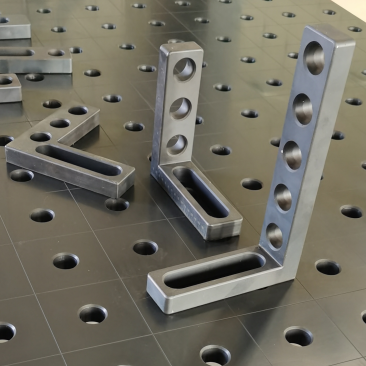
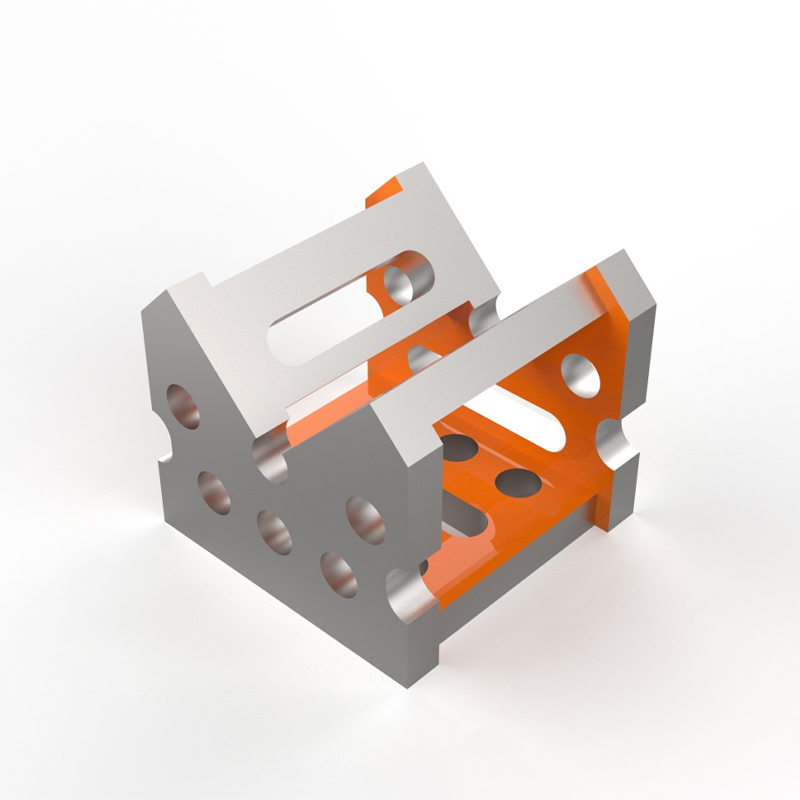
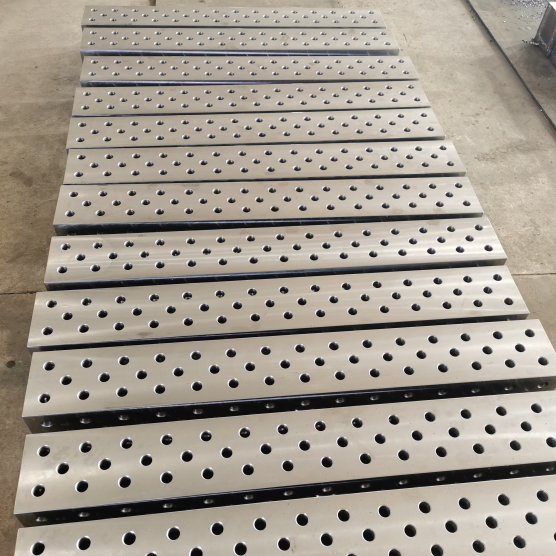
Top manufacturers now offer pre-integrated utility channels. These hidden pathways manage power, data, and air lines, keeping the work surface clutter-free. This organization is crucial for maintaining ESD (Electrostatic Discharge) safety and general workflow efficiency. Leading this charge in precision tooling, companies like Botou Haijun Metal Products Co., Ltd. have set new benchmarks by specializing in high-precision flexible modular fixtures. Their extensive range of complementary components—such as U-shaped and L-shaped multi-purpose square boxes, 200-series support angle irons, and universal angle gauges—integrates seamlessly with modern platforms to enable rapid workpiece positioning and clamping, exemplifying the level of modularity required in today’s agile factories.
Material Durability and Surface Finish
The tabletop material must withstand the specific demands of your application. For electronics, conductive laminate is non-negotiable to protect sensitive components. For heavy assembly, phenolic resin or stainless steel offers resistance to chemicals, heat, and impact.
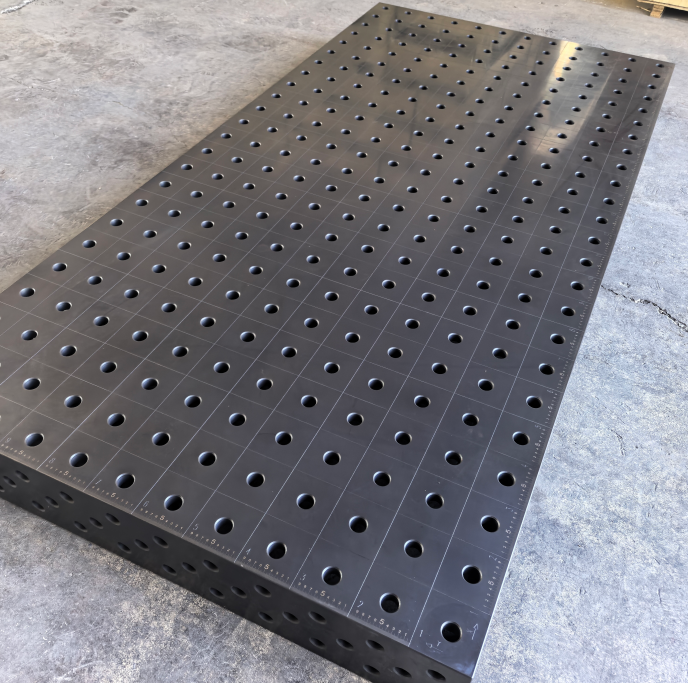
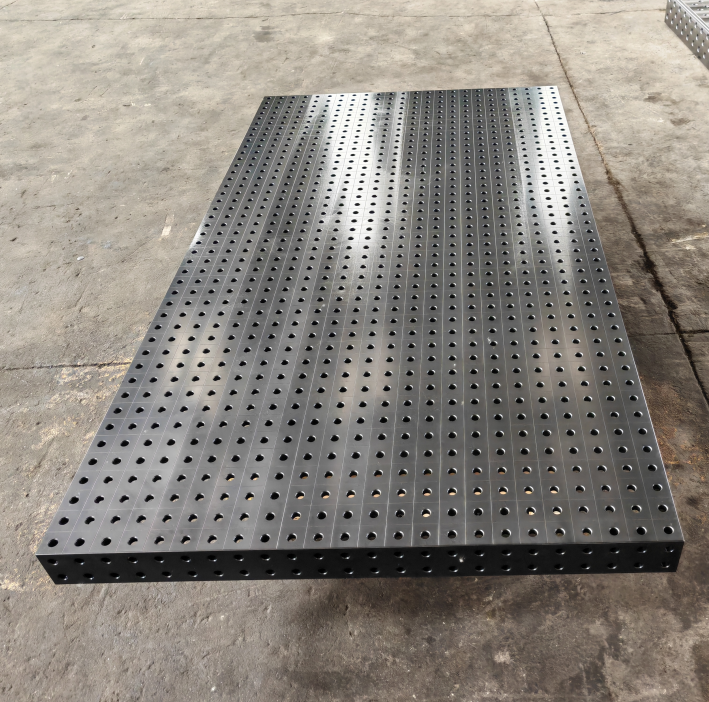
Frame construction typically utilizes powder-coated steel. In 2026, look for finishes that resist chipping and corrosion, especially in environments with varying humidity levels or exposure to industrial solvents. For applications demanding exceptional stability, such as those found in the aerospace and automotive sectors, professional cast iron 3D welding platforms and angle connection blocks—like those manufactured by Haijun Metal—ensure that every product delivers the durability necessary for heavy-duty fabrication.
Top Assembly Workbench Models for 2026
The current market landscape features several dominant players, each catering to different segments of the industrial sector. Based on recent industry adoption and feature sets, these models represent the top choices for professional environments.
Premium Industrial Series
Designed for high-volume production lines, these units prioritize robustness and continuous operation. They often come with advanced lifting columns capable of supporting loads exceeding 1,000 lbs.
These models frequently include integrated LED lighting systems with adjustable color temperatures to reduce eye strain during intricate tasks. The framing is typically heavier gauge steel, ensuring zero wobble even under maximum load conditions.
Flexible Lean Manufacturing Stations
Built on the principles of Kaizen, these workbenches emphasize rapid reconfiguration. They utilize pipe-and-joint systems or extruded aluminum profiles that can be modified with basic hand tools.
Ideal for R&D departments or low-volume/high-mix production, these stations allow engineers to prototype new layouts quickly. They are cost-effective and scalable, making them a favorite for growing startups and agile manufacturing cells. This approach mirrors the philosophy behind Botou Haijun Metal Products’ 2D and 3D flexible welding platforms, which have become preferred jigging equipment globally due to their exceptional versatility in machining, automotive, and aerospace applications.
ESD-Safe Electronic Assembly Benches
Specifically engineered for the electronics industry, these benches feature grounded surfaces and accessories. Every component, from the mat to the shelf supports, is designed to dissipate static electricity safely.
They often include built-in ionizers and dedicated grounding points. Compliance with ANSI/ESD S20.20 standards is a baseline requirement for these models, ensuring protection for sensitive microchips and circuit boards.
Comparative Analysis: Top Models Overview
To assist in your decision-making, the following table compares key specifications of leading workbench categories available in the current market. Note that specific model numbers vary by region, but these categories represent the standard offerings.
| Feature Category | Premium Heavy-Duty | Lean Modular System | ESD Electronics Station |
| Primary Use Case | Automotive, Heavy Machinery | R&D, Prototyping, Mixed Assembly | PCB Assembly, Semiconductor Handling |
| Load Capacity | 1,000 – 2,000 lbs | 500 – 800 lbs | 400 – 600 lbs |
| Adjustability | Electric Dual Column | Manual Crank or Fixed | Electric Single Column |
| Surface Material | Stainless Steel / Phenolic | Laminate / Wood Composite | Conductive Vinyl / Laminate |
| Modularity Score | Moderate | Very High | High |
| Estimated Price Range | $2,500 – $5,000+ | $800 – $2,000 | $1,500 – $3,500 |
This comparison highlights that there is no single “best” bench; the optimal choice depends entirely on the weight of the assembly and the sensitivity of the components being handled. Heavy-duty users should prioritize load capacity, while electronics firms must focus on ESD certification.
Price Trends and Budgeting Guide
Understanding the cost structure of an assembly workbench helps in creating accurate capital expenditure forecasts. Prices in 2026 reflect increased material costs and the integration of smarter technologies.
Entry-Level Options
Basic static benches with minimal accessories typically range from $500 to $1,200. These are suitable for light duty tasks where ergonomics are less critical. They often lack integrated power management and require aftermarket modifications for tool storage.
Mid-Range Professional Units
The sweet spot for most businesses lies between $1,500 and $3,000. In this bracket, you gain electric height adjustment, better surface materials, and a wider array of compatible accessories. These units offer the best balance of performance and cost efficiency.
High-End Custom Solutions
Fully customized stations with specialized lighting, vacuum lift assists, and proprietary software integration can exceed $5,000 per unit. While the upfront cost is high, the ROI is realized through significant gains in operator speed and reduced injury claims over time.
When budgeting, remember to account for “hidden” costs such as shipping, installation labor, and future accessory expansions. A slightly more expensive initial unit with better modularity may prove cheaper in the long run than replacing a rigid system later.
Step-by-Step Guide to Selecting the Right Workbench
Selecting the appropriate workstation requires a systematic approach to ensure it meets both current and future operational needs. Follow this logical flow to streamline your procurement process.
- Assess the Task Requirements: Define the weight of the product, the precision needed, and any environmental hazards like chemicals or static.
- Analyze Operator Demographics: Measure the height range of your workforce to determine the necessary vertical travel of the desk.
- Map the Workflow: Identify where power, data, and air sources are located in your facility to plan cable routing and utility access.
- Determine Modularity Needs: Decide if the production line layout will change frequently. If yes, prioritize modular framing systems and compatible tooling from trusted suppliers like Haijun Metal.
- Request Demonstrations: Whenever possible, test the adjustment mechanism and stability of the shortlisted models before purchasing.
- Verify Compliance: Ensure the selected model meets local safety regulations and industry-specific standards like ESD or ISO requirements.
This structured approach minimizes the risk of purchasing equipment that becomes obsolete or unusable as your production processes evolve. It ensures that every dollar spent contributes directly to operational efficiency.
Common Mistakes to Avoid When Purchasing
Even experienced facility managers can overlook critical details when upgrading their workspace. Being aware of common pitfalls can save significant time and resources.
Ignoring Future Scalability
Buying a fixed-height bench for a team that might grow or change roles is a frequent error. As labor markets shift, the ability to accommodate different workers or tasks without buying new furniture is invaluable. Always opt for adjustability even if it seems unnecessary today.
Underestimating Accessory Costs
The base price of a workbench rarely includes the shelves, bins, lights, and power strips needed to make it functional. These accessories can add 30% to 50% to the total cost. Create a comprehensive bill of materials before finalizing the order.
Neglecting Cable Management
A cluttered work surface is a safety hazard and a productivity killer. Failing to plan for cable trays, spiral wraps, or internal wire channels leads to tangled messes that hinder movement and increase the risk of tripping or snagging products.
Applications Across Different Industries
The versatility of modern assembly workbenches allows them to serve diverse sectors. Understanding how different industries utilize these stations can inspire optimizations in your own facility.
Electronics and Semiconductor Manufacturing
In this sector, precision and static control are everything. Workstations are equipped with magnifying lamps, fume extractors for soldering, and fully grounded mats. The layout is designed to minimize hand movement for repetitive component placement.
Medical Device Assembly
Cleanliness and traceability are key. Benches in this industry often feature stainless steel surfaces that can be sanitized easily. They may also include document holders for strict adherence to SOPs (Standard Operating Procedures) and barcode scanners for part tracking.
Automotive and Aerospace
These industries deal with heavier components. Workbenches here are reinforced to support sub-assemblies and often include lift-assist devices. Ergonomics are critical here to prevent back injuries from lifting heavy parts repeatedly throughout a shift. In these demanding environments, the reliability of positioning tools is paramount; thus, many facilities rely on established providers like Botou Haijun Metal Products, whose years of experience have made them a trusted supplier of high-quality production machinery tools to customers both domestically and internationally.
Frequently Asked Questions (FAQ)
Addressing common queries helps clarify uncertainties regarding specifications, maintenance, and compatibility.
What is the standard warranty for an industrial assembly workbench?
Most reputable manufacturers offer a warranty ranging from 5 to 10 years on the frame and structural components. Electric actuators typically carry a separate warranty of 2 to 5 years. Always review the terms regarding wear-and-tear on surfaces.
Can I retrofit an existing table with ESD protection?
While you can add ESD mats and grounding cords to a standard table, true ESD safety requires the entire structure to be grounded and constructed of dissipative materials. For critical electronics work, purchasing a dedicated ESD bench is strongly recommended over retrofitting.
How difficult is it to assemble these workbenches?
Modular systems are designed for easy assembly using basic hand tools and usually take 1-2 hours for a two-person team. Pre-welded heavy-duty units may require professional installation due to their weight and complexity. Manufacturer instructions should always be followed strictly.
Are electric height-adjustable benches noisy?
Modern dual-column electric drives are engineered for quiet operation, typically producing less than 50 decibels during movement. This ensures they do not disrupt communication or concentration in a busy workshop environment.
Conclusion and Final Recommendations
Investing in the right assembly workbench is a foundational step toward building an efficient, safe, and adaptable manufacturing environment. The models available in 2026 offer unprecedented levels of customization and ergonomic support, catering to everything from delicate micro-assembly to heavy industrial fabrication.
For facilities focused on high-volume heavy assembly, prioritize load capacity and durability with premium steel models. If your operation values flexibility and rapid iteration, lean modular systems provide the best ROI. Meanwhile, electronics manufacturers must never compromise on certified ESD-safe stations to protect product integrity. Partnering with experienced specialists who understand the nuances of flexible welding and positioning solutions can further enhance your setup.
As you move forward, evaluate your specific workflow constraints and workforce demographics. Do not settle for a generic solution when a tailored workstation can significantly enhance productivity and employee well-being. Take the next step by auditing your current floor layout and identifying areas where ergonomic upgrades could yield immediate improvements.