Aluminum casting solutions refer to the comprehensive engineering processes and manufacturing services used to transform molten aluminum alloys into precise, complex, and durable metal components. As a custom manufacturer and supplier, we provide end-to-end capabilities ranging from pattern design and mold creation to high-volume production and post-casting machining. These solutions are critical for industries requiring lightweight, high-strength parts with excellent thermal conductivity and corrosion resistance, including automotive, aerospace, electronics, and industrial machinery. By leveraging advanced techniques such as High-Pressure Die Casting (HPDC), Low-Pressure Die Casting (LPDC), and Sand Casting, manufacturers can achieve tight tolerances, superior surface finishes, and consistent mechanical properties tailored to specific application requirements.
Comprehensive Aluminum Casting Solutions for Industrial Applications
In the modern manufacturing landscape, the demand for lightweight yet robust materials has positioned aluminum as a cornerstone of industrial design. Aluminum casting solutions are not merely about pouring metal into a mold; they represent a sophisticated integration of metallurgy, thermodynamics, and precision engineering. For B2B buyers, procurement managers, and design engineers, selecting the right casting partner involves understanding the nuanced differences between various casting methods, alloy compositions, and quality assurance protocols.
Our approach to aluminum casting is rooted in technical expertise and practical experience. We do not simply supply parts; we collaborate with clients to optimize designs for manufacturability (DFM), reduce material waste, and enhance the functional performance of the final component. Whether the requirement is for a high-volume automotive bracket or a low-volume, complex aerospace housing, our customized solutions ensure that every part meets rigorous industry standards.
The versatility of aluminum allows it to be adapted to a wide array of operational environments. From components exposed to extreme temperatures in engine blocks to those requiring high electrical conductivity in telecommunications infrastructure, the adaptability of aluminum casting is unmatched. This article delves deep into the technical aspects, selection criteria, and strategic advantages of partnering with a specialized aluminum casting manufacturer.
Why Choose Aluminum for Industrial Casting?
Aluminum is favored in industrial applications due to its unique combination of physical and mechanical properties. Understanding these attributes is essential for making informed material selection decisions.
- High Strength-to-Weight Ratio: Aluminum offers significant weight reduction compared to steel or iron, which is crucial for improving fuel efficiency in automotive applications and reducing load in aerospace structures.
- Excellent Corrosion Resistance: Naturally forming oxide layers protect aluminum parts from environmental degradation, reducing the need for heavy coatings or maintenance.
- Superior Thermal and Electrical Conductivity: Ideal for heat sinks, engine components, and electronic housings where heat dissipation is critical.
- Dimensional Stability: Aluminum castings maintain their shape and size under varying temperature conditions, ensuring long-term reliability.
- Recyclability: Aluminum is 100% recyclable without loss of quality, supporting sustainability goals and circular economy initiatives.
Core Aluminum Casting Processes: Technical Overview
Selecting the appropriate casting process is the most critical decision in the manufacturing workflow. Each method offers distinct advantages regarding tolerance, surface finish, production volume, and cost. A proficient manufacturer must possess capability across multiple processes to recommend the optimal solution for each project.
High-Pressure Die Casting (HPDC)
High-Pressure Die Casting is the dominant process for high-volume production of complex, thin-walled components. In this process, molten aluminum is injected into a steel mold (die) at high pressure and speed.
Key Characteristics:
- Speed: Cycle times are extremely short, enabling the production of thousands of parts per day.
- Precision: HPDC achieves tight tolerances and excellent surface finishes, often reducing or eliminating the need for secondary machining.
- Complexity: Capable of producing intricate geometries with fine details and thin walls that other methods cannot achieve.
Typical Applications: Automotive transmission cases, engine blocks, consumer electronics housings, and power tool bodies.
Engineering Consideration: While HPDC is efficient, it can trap air within the casting, leading to porosity. Therefore, it is generally not suitable for parts that require high-pressure tightness or extensive welding unless vacuum-assisted die casting is employed.
Low-Pressure Die Casting (LPDC)
Low-Pressure Die Casting involves filling the mold cavity with molten aluminum under low pressure, typically using gravity or slight gas pressure. This slower fill rate allows for better control over the solidification process.
Key Characteristics:
- Structural Integrity: The laminar flow of metal minimizes turbulence and air entrapment, resulting in denser, stronger castings with fewer defects.
- Heat Treatment Compatibility: LPDC parts respond well to T6 heat treatment, significantly enhancing their mechanical properties.
- Wall Thickness: Suitable for thicker walls compared to HPDC, providing greater structural rigidity.
Typical Applications: Automotive wheels, cylinder heads, suspension components, and structural aerospace parts.
Sand Casting
Sand casting uses expendable sand molds to create metal parts. It is one of the oldest and most versatile casting methods, suitable for both ferrous and non-ferrous metals.
Key Characteristics:
- Flexibility: Ideal for large, complex parts and low-to-medium volume production runs.
- Cost-Effectiveness: Lower tooling costs compared to die casting, making it economical for prototypes and small batches.
- Size Capacity: Can produce very large components that are impractical for die casting machines.
Typical Applications: Pump housings, valve bodies, large machinery frames, and marine components.
Permanent Mold Casting (Gravity Die Casting)
This process uses reusable metal molds, similar to die casting, but relies on gravity to fill the mold rather than high pressure.
Key Characteristics:
- Consistency: Provides better mechanical properties than sand casting due to faster cooling rates.
- Surface Finish: Superior to sand casting, though not as smooth as HPDC.
- Volume: Best suited for medium-volume production where tooling costs for HPDC are prohibitive.
Comparative Analysis of Casting Methods
To assist in decision-making, the following table compares the primary aluminum casting solutions based on key engineering and commercial parameters.
| Feature | High-Pressure Die Casting (HPDC) | Low-Pressure Die Casting (LPDC) | Sand Casting | Permanent Mold Casting |
| Production Volume | Very High | Medium to High | Low to Medium | Medium |
| Tolerance Precision | Excellent (±0.1mm) | Good (±0.5mm) | Fair (±1.0mm+) | Good (±0.5mm) |
| Surface Finish | Smooth (Ra 1-2 μm) | Moderate | Rough (Requires machining) | Moderate |
| Wall Thickness | Thin (as low as 0.5mm) | Medium to Thick | Thick | Medium |
| Porosity Level | Higher (unless vacuum assisted) | Low | Variable | Low |
| Tooling Cost | High | Medium | Low | Medium |
| Lead Time | Long (for tooling), Short (for production) | Medium | Short | Medium |
| Best For | Complex, thin-walled, high-volume parts | Structural, safety-critical parts | Large, simple, low-volume parts | Medium volume, balanced properties |
Aluminum Alloys Selection Guide
The performance of an aluminum casting is heavily dependent on the alloy selected. Different alloys offer varying levels of strength, ductility, corrosion resistance, and castability. Our engineering team assists clients in selecting the optimal alloy based on the end-use environment.
A380: The Industry Standard
A380 is the most widely used aluminum die casting alloy. It offers an excellent balance of casting fluidity, mechanical properties, and cost-effectiveness.
- Strengths: Good pressure tightness, excellent fluidity for thin walls, and good machinability.
- Limitations: Moderate corrosion resistance and lower ductility compared to other alloys.
- Applications: Engine blocks, gearbox housings, hand tools, and appliance components.
A360: Superior Corrosion Resistance
A360 is chosen when higher corrosion resistance and strength are required, particularly in harsh environments.
- Strengths: Excellent corrosion resistance, high strength, and good pressure tightness.
- Limitations: Lower fluidity than A380, making it more challenging to cast thin walls.
- Applications: Marine hardware, chemical processing equipment, and outdoor architectural components.
A356: High Structural Integrity
A356 is a premium alloy often used in low-pressure and sand casting applications where heat treatment is required.
- Strengths: Excellent mechanical properties after T6 heat treatment, high ductility, and good weldability.
- Limitations: Not suitable for high-pressure die casting due to lower fluidity.
- Applications: Aerospace components, automotive wheels, and structural brackets.
B390: Wear Resistance Specialist
B390 contains high silicon content, providing exceptional wear resistance and hardness.
- Strengths: High hardness, excellent wear resistance, and low coefficient of thermal expansion.
- Limitations: Brittle and difficult to machine; requires specialized tooling.
- Applications: Piston cylinders, compressor parts, and high-wear industrial components.
Step-by-Step Manufacturing Workflow
Understanding the manufacturing lifecycle helps clients anticipate timelines, quality checkpoints, and collaboration points. Our standardized workflow ensures transparency and consistency.
1. Design Consultation and DFM Analysis
The process begins with a thorough review of the client’s CAD drawings. Our engineers perform Design for Manufacturability (DFM) analysis to identify potential issues such as undercuts, uneven wall thickness, or draft angles that could hinder production. We provide feedback to optimize the design for cost-efficiency and quality before any tooling is created.
2. Tooling and Mold Development
Once the design is finalized, precision molds are manufactured using high-grade steel. For die casting, this involves CNC machining of complex die sets. For sand casting, patterns are created. We utilize simulation software to predict metal flow and solidification, ensuring the mold design minimizes defects like shrinkage or cold shuts.
3. Prototype Sampling
Before full-scale production, initial samples are produced and inspected. This stage validates the dimensional accuracy and surface quality. Clients receive first-article inspection reports for approval. Any necessary adjustments to the mold or process parameters are made at this stage.
4. Mass Production
Upon sample approval, mass production commences. Automated systems monitor critical parameters such as injection pressure, temperature, and cycle time. Real-time data logging ensures traceability and consistency across every batch.
5. Post-Casting Operations
Cast parts undergo various secondary operations, including:
- Trimming: Removal of gates, runners, and flash.
- Shot Blasting: Cleaning the surface to remove residue and improve finish.
- Heat Treatment: T5 or T6 tempering to enhance mechanical properties.
- CNC Machining: Precision drilling, tapping, and milling to achieve tight tolerances on critical features.
6. Quality Assurance and Inspection
Every batch undergoes rigorous quality control. We employ Coordinate Measuring Machines (CMM), X-ray inspection for internal porosity, and spectral analysis to verify alloy composition. Only parts meeting all specified criteria are approved for shipment.
7. Surface Finishing and Packaging
Final surface treatments such as powder coating, anodizing, or plating are applied as per customer specifications. Parts are then packaged using protective materials to prevent damage during transit, ensuring they arrive in pristine condition.
Quality Assurance and Industry Certifications
In the B2B industrial sector, trust is built on verifiable quality. Our manufacturing facilities adhere to strict international standards, ensuring that every aluminum casting solution meets global regulatory and performance requirements.
ISO 9001:2015 Certification: This certification demonstrates our commitment to consistent quality management systems. It ensures that our processes are documented, monitored, and continuously improved.
IATF 16949 Compliance: For automotive clients, we adhere to IATF 16949 standards, which focus on defect prevention and reduction of variation and waste in the supply chain. This is critical for suppliers involved in the production of service parts or assembly parts for the automotive industry.
Advanced Inspection Technologies:
- Spectral Analysis: Verifies the exact chemical composition of the aluminum alloy to ensure it meets ASTM or ISO standards.
- X-Ray Inspection: Detects internal voids, porosity, and inclusions that are not visible on the surface.
- CMM (Coordinate Measuring Machine): Provides precise 3D measurements to verify geometric dimensions and tolerances.
- Leak Testing: Essential for parts containing fluids or gases, ensuring absolute tightness.
Industry-Specific Applications of Aluminum Casting
Aluminum casting solutions are ubiquitous across various sectors. Here is how different industries leverage these technologies.
Automotive and Electric Vehicles (EV)
The shift towards electric vehicles has intensified the need for lightweight components to extend battery range. Aluminum casting is used for:
- Battery Housings: Large, complex structures that protect battery packs while dissipating heat.
- Motor Housings: Precision-cast components that support electric motors.
- Structural Components: Shock towers, subframes, and cross-car beams that reduce overall vehicle weight.
Aerospace and Defense
This sector demands the highest levels of reliability and strength-to-weight ratio. Aluminum castings are used for:
- Engine Components: Compressor casings and fan blades.
- Avionics Housings: Protective enclosures for sensitive electronic equipment.
- Landing Gear Parts: High-strength components capable of withstanding extreme impact forces.
Telecommunications and Electronics
With the rollout of 5G networks, heat management has become a critical challenge. Aluminum castings provide:
- Heat Sinks: Complex fin structures that maximize surface area for efficient heat dissipation.
- RF Filter Bodies: Precision-cast housings that shield sensitive signals from interference.
- Base Station Enclosures: Weather-resistant housings for outdoor equipment.
Industrial Machinery and Robotics
Heavy-duty machinery requires durable, wear-resistant components. Aluminum casting solutions include:
- Pump and Valve Bodies: Corrosion-resistant components for fluid handling.
- Robot Arms: Lightweight structures that allow for faster movement and reduced energy consumption.
- Gearbox Housings: Precision enclosures that protect internal gears and bearings.
Common Defects in Aluminum Casting and How We Mitigate Them
Even with advanced technology, casting defects can occur. Understanding these potential issues and our mitigation strategies highlights our technical competence.
Porosity
Cause: Trapped air or gas during the filling process.
Mitigation: We optimize gate design, use vacuum-assisted die casting, and control injection speeds to minimize turbulence. X-ray inspection ensures detection of any internal voids.
Shrinkage
Cause: Uneven cooling leading to volume reduction in thick sections.
Mitigation: Strategic placement of cooling channels in the mold and proper riser design in sand casting ensure uniform solidification.
Cold Shuts
Cause: Molten metal streams meeting before fully fusing, often due to low temperature or slow injection.
Mitigation: Precise temperature control of the melt and the die, along with optimized injection parameters, prevents premature solidification.
Dross and Inclusions
Cause: Impurities in the molten metal.
Mitigation: We use high-purity raw materials and employ filtration systems during the melting process to remove oxides and non-metallic inclusions.
Strategic Advantages of Partnering with a Custom Manufacturer
Choosing the right manufacturing partner is as important as selecting the right material. Here is why collaborating with a specialized aluminum casting supplier adds value to your supply chain.
Integrated Supply Chain Efficiency
By handling everything from tooling to finishing, we eliminate the friction of managing multiple vendors. This integration reduces lead times, lowers logistics costs, and simplifies quality accountability.
Cost Optimization Through DFM
Our early involvement in the design phase allows us to suggest modifications that reduce material usage, simplify tooling, and speed up cycle times. These savings are passed on to the client, improving the overall cost-effectiveness of the project.
Scalability and Flexibility
Whether you need 100 prototypes or 100,000 production units, our flexible manufacturing systems can scale to meet your demand. We support both low-mix/high-volume and high-mix/low-volume production models.
Technical Support and Innovation
We act as an extension of your engineering team. Our experts provide insights on material selection, process optimization, and emerging technologies, helping you stay competitive in your market.
Frequently Asked Questions (FAQ)
What is the minimum order quantity (MOQ) for aluminum casting?
The MOQ depends on the casting process. For sand casting, we can accommodate very low volumes (even single pieces) due to low tooling costs. For die casting, the higher initial tooling investment typically necessitates higher volumes to be cost-effective, usually starting from 500-1,000 units. However, we offer prototype tooling options for lower volume testing.
How long does it take to develop a new aluminum casting mold?
Tooling lead time varies by complexity. Simple molds may take 2-3 weeks, while complex multi-cavity die casting molds can take 4-6 weeks. Once tooling is approved, production samples can be delivered within 1-2 weeks.
Can aluminum castings be welded?
Yes, many aluminum alloys are weldable. However, die-cast parts (like A380) can be challenging to weld due to porosity. Alloys like A356 and A360 are more suitable for welding. We recommend discussing welding requirements during the design phase to select the appropriate alloy and process.
What is the difference between T5 and T6 heat treatment?
T5 involves artificial aging only, suitable for parts cooled rapidly from the casting process. T6 involves solution heat treatment followed by quenching and artificial aging, resulting in higher strength and hardness. T6 is preferred for structural applications requiring maximum mechanical properties.
Do you provide secondary machining services?
Yes, we offer comprehensive CNC machining services. This allows us to deliver ready-to-assemble components with precise holes, threads, and mating surfaces, reducing your internal processing workload.
How do you ensure the environmental sustainability of your casting process?
We prioritize sustainability by recycling 100% of our aluminum scrap, using energy-efficient melting furnaces, and adhering to strict environmental regulations regarding emissions and waste disposal. Aluminum’s inherent recyclability makes it a green choice for modern manufacturing.
Conclusion: Elevating Your Product with Precision Aluminum Casting
In an era where performance, efficiency, and sustainability are paramount, aluminum casting solutions offer a compelling advantage for industrial manufacturers. By leveraging the right combination of alloy, process, and engineering expertise, businesses can create components that are lighter, stronger, and more cost-effective.
As a dedicated custom manufacturer and supplier, we are committed to delivering more than just parts. We provide technical partnership, quality assurance, and supply chain reliability. Whether you are developing a next-generation electric vehicle, a high-performance aerospace component, or robust industrial machinery, our tailored casting solutions are designed to meet your exact specifications.
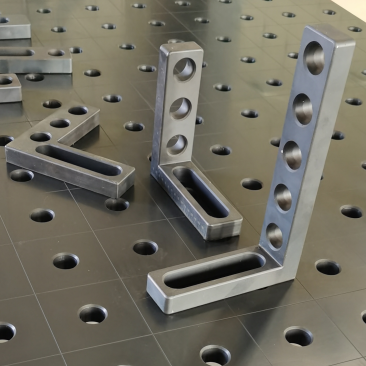
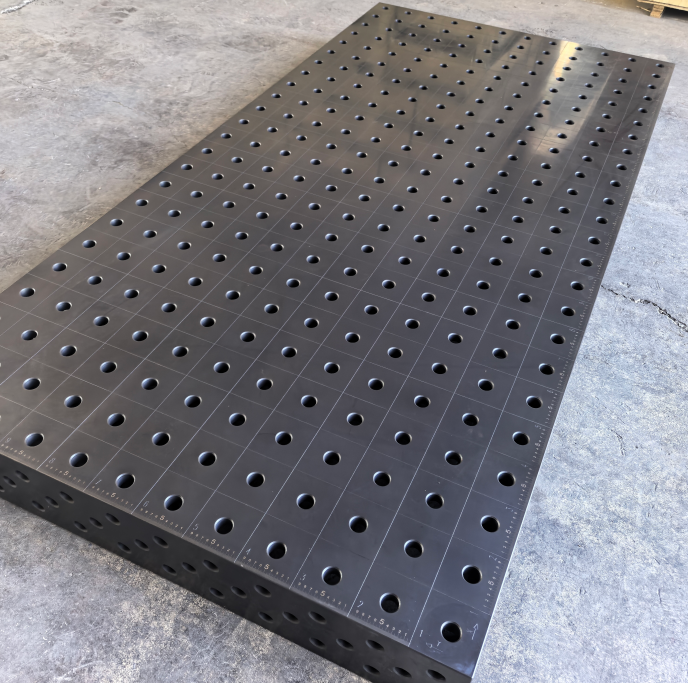
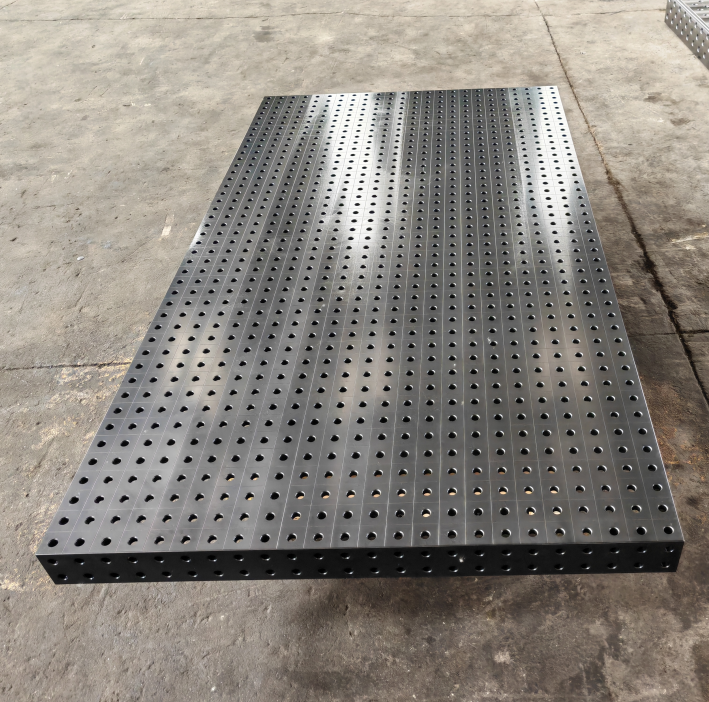
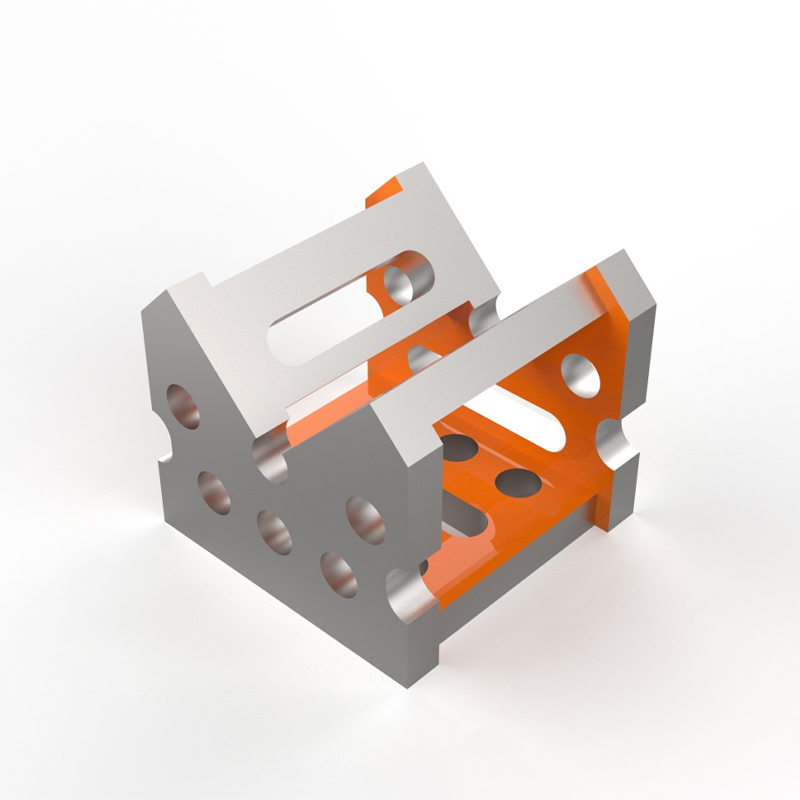
At Botou Haijun Metal Products Co., Ltd., our commitment to precision extends beyond casting into the realm of advanced manufacturing support. Specializing in the research, development, and production of high-precision flexible modular fixtures and metalworking tools, we provide efficient and flexible welding and positioning solutions that complement modern manufacturing workflows. Our core product line, featuring renowned 2D and 3D flexible welding platforms, has become the preferred jigging equipment in the machining, automotive, and aerospace industries—sectors that heavily rely on the aluminum casting solutions discussed in this article. Additionally, we offer a comprehensive range of complementary components, such as U-shaped and L-shaped multi-purpose square boxes, 200-series support angle irons, and 0-225° universal angle gauges. These accessories integrate seamlessly with our platforms to enable rapid workpiece positioning and clamping, ensuring that every cast component can be processed with exceptional durability and stability. With years of industry experience, Haijun Metal has become a trusted supplier of tools and gauges to customers both domestically and internationally, continuously providing high-quality production machinery tool series that empower manufacturers to maximize the potential of their aluminum components.
Who Should Consider Our Services?
- OEMs and Tier 1 Suppliers: Looking for scalable, high-quality production partners.
- Product Designers: Seeking DFM support to optimize complex geometries.
- Procurement Managers: Aiming to consolidate supply chains and reduce total cost of ownership.
Ready to optimize your manufacturing process? Contact our engineering team today to discuss your project requirements, request a DFM analysis, or obtain a competitive quote.
Explore Our Full Range of Aluminum Casting Solutions and Request a Quote