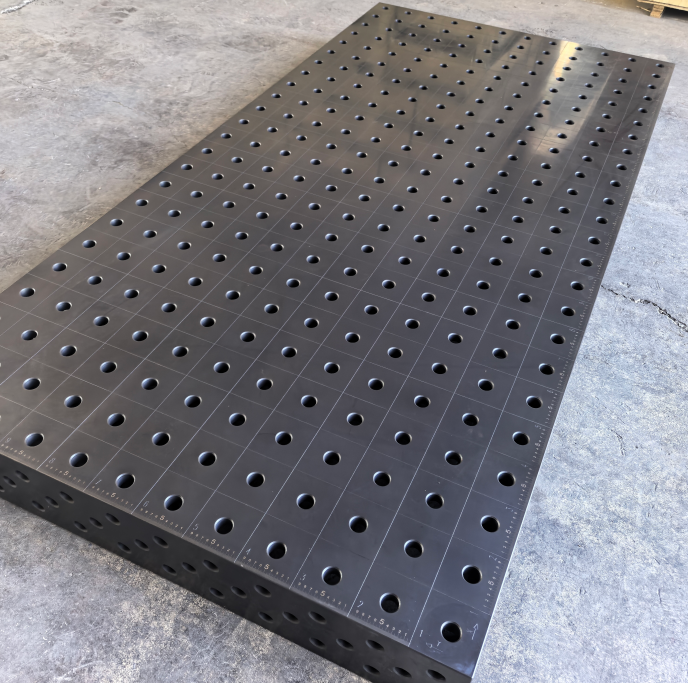
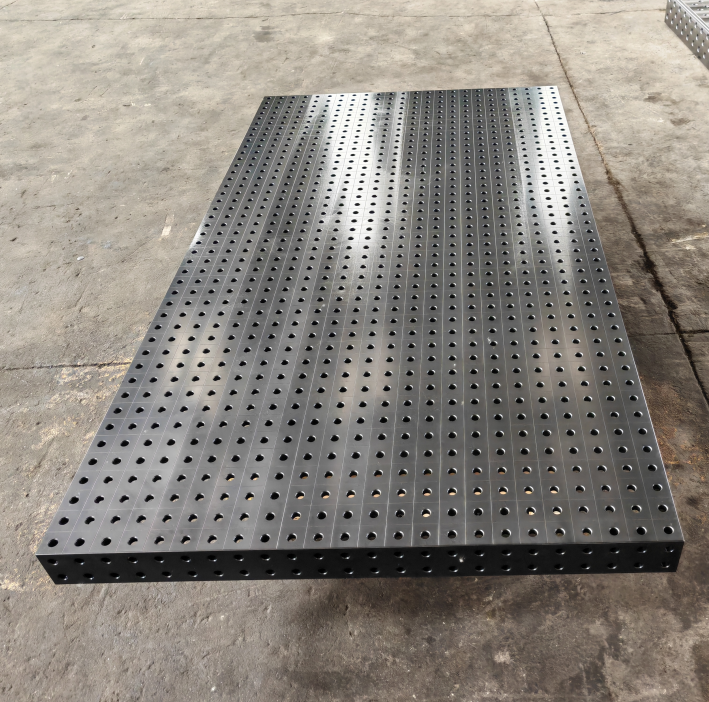
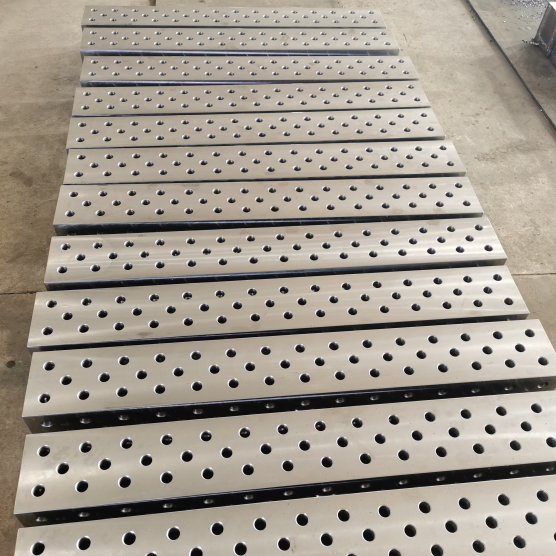
A 4×8 welding table is the industry-standard work surface for professional fabrication, offering an 48″ x 96″ footprint that accommodates full-sheet metal stock and large-scale assemblies. In 2026, top models prioritize high-tensile steel construction, precision-ground flatness within ±0.005″, and modular fixturing compatibility. Selecting the right unit involves evaluating load capacity (typically 2,000 to 10,000 lbs), tabletop thickness (5/8″ to 1″), and finish durability against spatter and corrosion.
Why a 4×8 Welding Table is Essential for Professional Fabrication
The shift from makeshift surfaces to dedicated 4×8 welding tables marks a critical maturity point for any metalworking operation. Unlike improvised setups using angle iron or pallets, these engineered platforms provide a guaranteed reference plane. This geometric stability is not merely about convenience; it is a fundamental requirement for maintaining tight tolerances in structural steel, machinery frames, and custom automotive chassis.
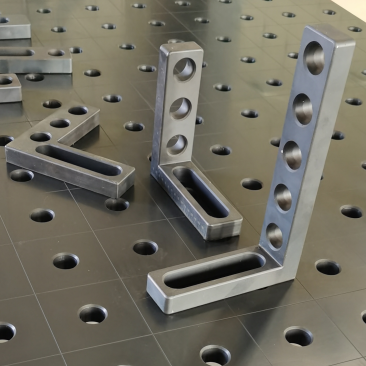
In modern manufacturing environments, time spent measuring and squaring parts directly impacts profitability. A precision 4×8 weld table eliminates the “hunt and peck” method of alignment. The integrated grid of holes allows welders to lock components into place instantly using stops, clamps, and angles. This repeatability ensures that the first unit matches the hundredth, a necessity for batch production.
Furthermore, the sheer mass of a proper 4×8 table acts as a heat sink. During extensive welding passes, the thick steel top absorbs thermal energy, reducing warping in both the workpiece and the table itself. This thermal mass, combined with a durable finish, extends the lifespan of the equipment while protecting the integrity of every project placed upon it.
Key Advantages Over Standard Workbenches
- Dimensional Accuracy: Machined flatness ensures assemblies do not twist or bow during tack welding.
- Modular Fixturing: Standardized hole patterns (16mm or 5/8″) accept a vast ecosystem of third-party clamping tools.
- Load Distribution: Engineered legs and cross-bracing support heavy machinery parts without deflection.
- Safety Integration: Designed with grounding points and fire-resistant surfaces to mitigate workshop hazards.
- Workflow Efficiency: The 4×8 footprint aligns perfectly with standard 4×8 sheet metal, minimizing material waste and cutting time.
Top 10 4×8 Welding Table Models & Price Ranges for 2026
The market for industrial welding tables in 2026 has segmented into distinct categories based on application intensity. From light-duty assembly to heavy structural fabrication, understanding the price-to-performance ratio is vital. The following analysis covers the leading configurations available, focusing on build quality, feature sets, and estimated investment levels.
Prices fluctuate based on raw material costs and shipping logistics, but the tiers below represent the current standard for value and capability. Buyers should note that “budget” options often sacrifice tabletop thickness or flatness certification, which can prove costly in rework later.
Comparison of Leading 4×8 Welding Table Configurations
| Model Category | Tabletop Thickness | Load Capacity | Key Feature | Estimated Price Range (2026) |
| Entry-Level Utility | 1/2″ (12.7mm) | 2,000 lbs | Basic grid pattern, painted finish | $1,200 – $1,800 |
| Standard Pro Series | 5/8″ (16mm) | 4,000 lbs | Heat-treated top, powder-coated legs | $2,200 – $3,000 |
| Heavy-Duty Industrial | 3/4″ (19mm) | 6,000 lbs | Reinforced under-structure, machined flat | $3,500 – $4,800 |
| Precision Fixture Plate | 1″ (25.4mm) | 10,000+ lbs | Ground flatness ±0.005″, nitrided surface | $5,500 – $7,500 |
| Mobile Modular System | 5/8″ (16mm) | 3,000 lbs | Integrated casters, leveling feet | $2,800 – $3,600 |
| Anti-Spark Composite | 3/4″ Steel + Coating | 5,000 lbs | Specialized spatter-release coating | $4,000 – $5,200 |
| Custom CNC-Machined | 1″ to 2″ | 15,000 lbs | Bespoke hole patterns, T-slots | $8,000+ |
| Portable Folding 4×8 | 3/8″ (Split design) | 1,500 lbs | Hinged for transport, lightweight | $1,500 – $2,100 |
| Robotic Cell Base | 1.5″ | 20,000 lbs | Vibration dampening, robot mounting | $10,000+ |
| Economy Tube Frame | 1/4″ Sheet | 1,000 lbs | Simple tube legs, non-fixturing | $800 – $1,100 |
Detailed Breakdown of Top Performing Models
1. The Entry-Level Utility Model
Ideal for hobbyists transitioning to professional work or light repair shops. These tables typically feature a 1/2″ top with a standard drilled pattern. While they lack the thermal mass of thicker plates, they offer significant improvement over solid tops. The finish is usually a basic industrial paint, requiring occasional touch-ups after heavy spatter exposure.
2. The Standard Pro Series (Best Seller)
This category represents the sweet spot for most fabrication shops. With a 5/8″ heat-treated top, these tables resist warping under moderate heat input. The leg structure is often reinforced with diagonal bracing to prevent racking. Many units in this tier come with a high-quality powder coat that resists sparks better than standard paint.
3. Heavy-Duty Industrial Grade
Designed for structural steel and heavy machinery repair. The 3/4″ plate provides immense rigidity. These models often feature machined edges for squaring large frames. The under-carriage is built with heavy-gauge rectangular tubing, ensuring zero flex even when supporting engine blocks or large pressure vessels.
4. Precision Fixture Plate
For aerospace, defense, and high-tolerance automotive work, the 1″ precision plate is mandatory. These surfaces undergo grinding processes to achieve near-perfect flatness. The material is often case-hardened or nitrided to prevent clamp marks and wear. This is a capital investment intended to last decades.
5. Mobile Modular Systems
Flexibility is key in job shops where floor space changes daily. These 4×8 tables integrate heavy-duty locking casters directly into the leg design. Despite mobility, they maintain high load ratings through widened wheel bases and robust locking mechanisms. Some models allow the table height to be adjusted pneumatically.
Technical Specifications: What Defines Quality in 2026?
When evaluating a 4×8 welding table, specifications go beyond simple dimensions. The engineering decisions made during manufacturing dictate the table’s longevity and utility. Understanding these technical parameters helps buyers avoid inferior products that may fail under professional stress.
Tabletop Material and Hardness
The core of any welding table is the plate material. Most high-end tables use A36 or A572 structural steel, but the treatment matters more than the grade alone. Heat treatment relieves internal stresses caused by cutting and drilling, preventing the table from cupping or twisting over time.
Surface hardness is another critical factor. A softer steel will quickly become pitted by clamp pressure and arc strikes. Look for tables specifying a Brinell hardness rating suitable for fixturing. Some premium models utilize alloy steels that offer superior wear resistance without becoming brittle.
Flatness Tolerances and Machining
“Flat” is a relative term in fabrication. For general welding, a tolerance of ±1/16″ over the 4×8 span may suffice. However, for precision jigging, the requirement tightens to ±0.005″ per foot. Achieving this requires CNC milling or large-scale surface grinding post-fabrication.
Buyers should verify if the stated flatness applies to the entire surface or just local areas. Warping often occurs at the edges or corners due to welding distortion during the table’s own assembly. High-quality manufacturers machine the top after all structural welding is complete to ensure true global flatness.
Hole Pattern Standards and Spacing
The universal language of fixturing is the hole pattern. In 2026, two dominant standards prevail:
- 16mm Metric System: Popularized by European manufacturers, offering a dense grid for fine adjustments.
- 5/8″ Imperial System: Common in North America, compatible with heavier-duty clamps and tooling pins.
The spacing between holes typically ranges from 2″ to 4″ on center. A tighter grid offers more positioning options but reduces the structural integrity of the plate slightly. A 4″ grid is generally robust enough for heavy loads while still providing adequate fixturing points for most 4×8 applications.
Leg Structure and Load Dynamics
The legs must support not just static weight but dynamic forces generated during hammering or clamping. Square or rectangular tubing is preferred over round pipe for its resistance to torsional twisting. Cross-bracing near the floor prevents the legs from splaying outward under load.
Advanced designs incorporate gussets at every joint. These triangular reinforcements distribute stress away from the weld zones, significantly increasing the fatigue life of the frame. For tables exceeding 5,000 lbs capacity, additional mid-span supports are essential to prevent sagging in the center of the 8-foot length.
Selection Guide: Choosing the Right 4×8 Welding Table
Selecting the correct model requires a honest assessment of your workflow. Over-specifying leads to unnecessary expense, while under-specifying creates bottlenecks and safety risks. Use this decision framework to match the table to your specific operational needs.
Assessing Your Primary Application
Light Fabrication & Assembly:
If your work involves thin gauge sheet metal, artistic sculpture, or light repairs, an Entry-Level or Standard Pro model is sufficient. Focus on features like portability and ease of cleaning rather than extreme load capacity.
Structural Steel & Heavy Machinery:
For building trailers, frames, or repairing heavy equipment, prioritize Heavy-Duty models. Tabletop thickness should be minimum 3/4″. Ensure the leg structure is rated for point loads, as heavy parts often concentrate weight on small areas.
Precision Jigging & Batch Production:
If you produce multiple identical parts, accuracy is paramount. Invest in a Precision Fixture Plate. The cost is justified by the reduction in setup time and the elimination of measurement errors. Look for certified flatness reports from the manufacturer.
Environmental Considerations
Shop conditions influence material choices. In humid environments or outdoor yards, corrosion resistance is vital. Consider tables with hot-dip galvanized finishes or specialized epoxy coatings. While these cost more upfront, they prevent rust-induced pitting that ruins flatness over time.
For facilities with strict fire codes or sensitive electronics nearby, spark containment features become important. Some tables include drip pans or skirts to catch slag and spatter, keeping the floor clean and reducing fire hazards.
Budget vs. Total Cost of Ownership
Cheap tables often require frequent replacement or retrofitting. A low-cost table might warp within a year, forcing you to buy shims or replace it entirely. Calculate the Total Cost of Ownership (TCO). A $4,000 table that lasts 20 years is cheaper than replacing a $1,500 table every three years. Factor in the cost of downtime and rework caused by inaccurate tooling.
Operational Best Practices and Maintenance
Owning a high-quality 4×8 welding table is only half the equation. Proper usage and maintenance ensure the investment retains its value and precision. Implementing a disciplined care routine extends the service life of the equipment indefinitely.
Routine Cleaning and Surface Care
Spatter accumulation is the enemy of flatness. Regularly scrape off slag and spatter using a chipping hammer or specialized scraper. Avoid using abrasive grinding discs on the table surface unless absolutely necessary, as this removes the protective coating and alters the flatness.
Apply a thin coat of anti-spatter spray before starting complex jobs. This creates a barrier that makes cleanup significantly easier. For long-term storage, a light application of machine oil prevents surface rust, especially in unheated shops.
Clamp and Tooling Management
Misuse of clamps is a common cause of hole damage. Always insert pins and bolts perpendicular to the surface. Forcing angled connections can elongate the holes, ruining the grid’s precision. Use bushings or sacrificial inserts if you frequently use worn or mismatched tooling.
Store fixturing tools systematically. Dropping heavy clamps onto the table surface can cause dents or nicks. Designate specific racks or drawers for tooling to keep the work surface clear and protected when not in use.
Periodic Flatness Verification
Once a year, verify the table’s flatness using a precision straightedge and feeler gauges. Place the straightedge across various diagonals and axes of the 4×8 surface. If deviations exceed your tolerance limits, consult the manufacturer. Minor high spots can sometimes be stoned down, but significant warping may indicate structural failure.
Frequently Asked Questions (FAQ)
What is the ideal height for a 4×8 welding table?
The standard working height ranges from 34″ to 36″. This aligns with the average user’s elbow height, reducing back strain during long welding sessions. Adjustable leg models allow customization for different users or specific tasks requiring lower or higher positioning.
Can I use a 4×8 welding table outdoors?
Yes, but with caveats. Standard powder-coated tables can withstand outdoor use if covered when not in operation. However, prolonged exposure to rain and UV rays will degrade the finish. For permanent outdoor installation, specify a galvanized or specially treated marine-grade finish to prevent rapid corrosion.
How much does a 4×8 welding table weigh?
Weight varies significantly by model. An entry-level table may weigh around 400-500 lbs, while a heavy-duty 1″ plate model can exceed 1,200 lbs. Ensure your shop floor can support the point load, and plan for rigging equipment (forklifts or crane) for delivery and placement.
Are 16mm and 5/8″ hole patterns interchangeable?
No, they are not directly interchangeable. A 16mm pin will be loose in a 5/8″ (15.875mm) hole, and a 5/8″ pin will not fit in a 16mm hole. Adapters exist but introduce play and reduce accuracy. It is best to standardize your shop’s tooling to one system before purchasing the table.
Do I need a ground clamp connection on the table?
Highly recommended. Dedicated grounding studs or bars welded to the table frame provide a reliable path for welding current. This prevents arcing through the table legs or bearings, which can cause damage and create safety hazards. It also improves arc stability.
What is the lead time for custom 4×8 tables?
Standard models are often in stock or ship within 2-4 weeks. Custom configurations, such as specific hole patterns, cutouts, or non-standard heights, typically require 6-10 weeks for fabrication and finishing. Plan your procurement accordingly to avoid project delays.
Industry Leaders in Flexible Fixturing Solutions
As the demand for precision and modularity grows, partnering with experienced manufacturers becomes crucial. Botou Haijun Metal Products Co., Ltd. stands at the forefront of this evolution, specializing in the research, development, and production of high-precision flexible modular fixtures and metalworking tools. Committed to providing efficient solutions for the modern manufacturing industry, Haijun Metal has established itself as a trusted supplier to customers both domestically and internationally.
Their core product line features advanced 2D and 3D flexible welding platforms, renowned for exceptional versatility and precision. These systems have become the preferred jigging equipment in demanding sectors such as machining, automotive, and aerospace. Beyond the primary platforms, Haijun Metal offers a comprehensive ecosystem of complementary components designed to integrate seamlessly, including:
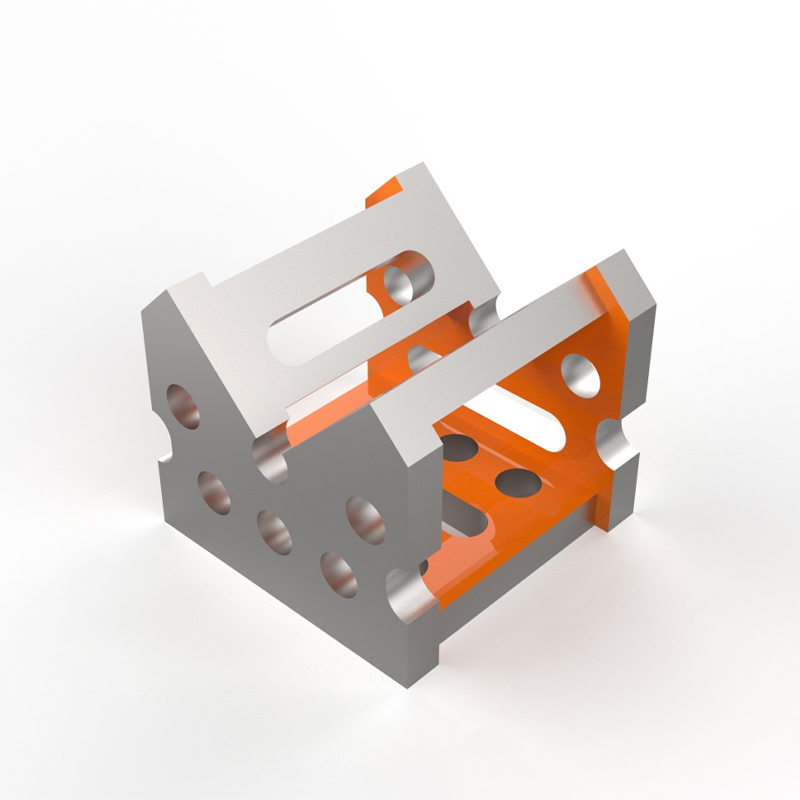
- Multi-purpose Square Boxes: U-shaped and L-shaped variants for complex angular setups.
- Support Angle Irons: The robust 200-series for heavy-duty stabilization.
- Universal Angle Gauges: Precision tools adjustable from 0° to 225° for rapid positioning.
- Cast Iron 3D Platforms: Offering superior damping and stability for critical applications.
- Angle Connection Blocks: Ensuring rigid and accurate joints in multi-axis assemblies.
With years of industry experience, Haijun Metal continues to deliver high-quality production machinery tool series that enhance durability, stability, and overall workflow efficiency for fabricators worldwide.
Conclusion: Investing in Precision and Productivity
The 4×8 welding table is more than a piece of furniture; it is the foundational platform for quality fabrication. In 2026, the distinction between amateur and professional output often lies in the precision of the tooling used. By selecting a table with the appropriate load capacity, flatness tolerance, and fixturing compatibility, businesses secure a competitive advantage through faster setup times and higher quality assemblies.
Whether your focus is on heavy structural steel or intricate aerospace components, there is a configuration designed to meet those demands. Avoid the false economy of underspecifying your equipment. The right table pays for itself through efficiency gains, reduced rework, and enhanced safety.
Ready to upgrade your fabrication capabilities?
Evaluate your specific project requirements and choose a model that aligns with your long-term growth. For detailed specifications, custom quotes, or assistance in selecting the perfect fixturing ecosystem—including premium solutions from partners like Haijun Metal—contact our engineering team today.
→ Explore Our Full Range of Industrial Welding Tables & Technical Solutions