China 3D Welding Fixture represents the global benchmark for cost-effective, modular welding solutions in 2026. Manufacturers worldwide are shifting toward these systems to reduce setup times by up to 80% while maintaining micron-level precision. This guide analyzes the latest technological trends, pricing structures, and strategic advantages of sourcing advanced 3D welding tables directly from Chinese industrial hubs.
What is a China 3D Welding Fixture?
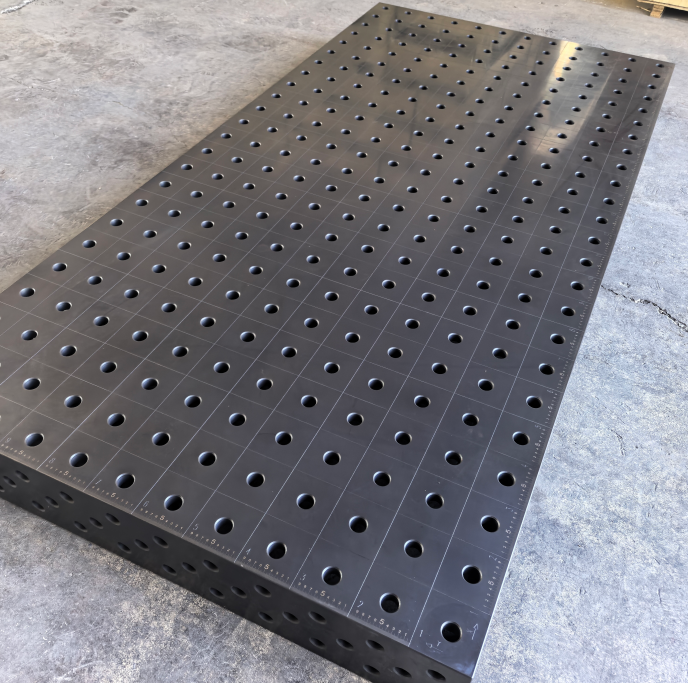
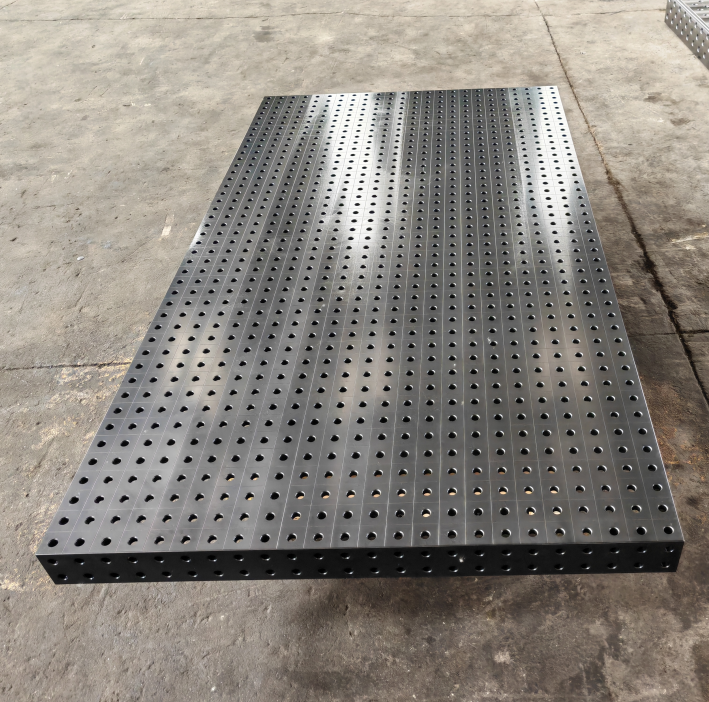
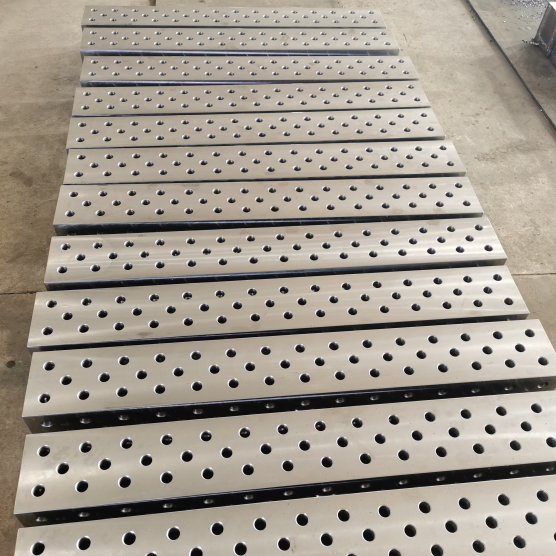
A China 3D Welding Fixture refers to a modular, three-dimensional positioning system manufactured primarily in China’s industrial zones like Hebei and Shandong. Unlike traditional 2D tables, these fixtures feature precision-drilled holes on all six sides of the table body and clamping components.
This design allows welders to assemble complex geometries from any angle without custom jig fabrication. The core value proposition lies in the combination of high-tensile steel construction and aggressive pricing driven by China’s mature supply chain. In 2026, these systems have evolved from simple positioning tools into intelligent manufacturing hubs compatible with robotic automation.
The term specifically highlights the origin and the technology level. Chinese manufacturers have mastered the heat treatment processes required to prevent warping under high thermal stress. This ensures that the DIN ISO standards for hole spacing and tolerance are met consistently across large production batches.
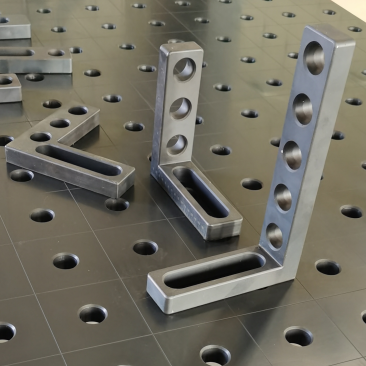
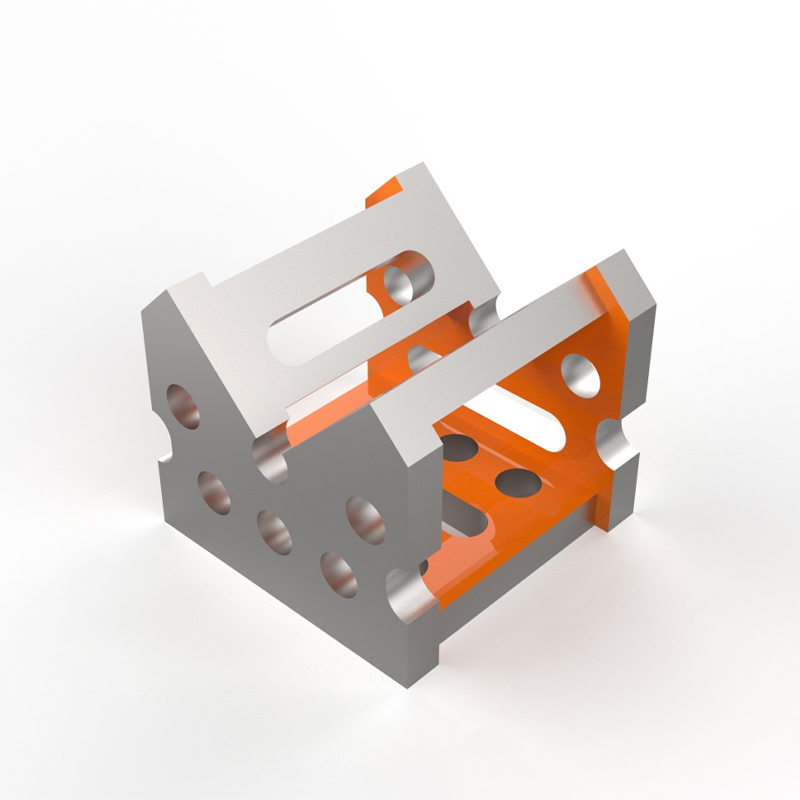
Leading this evolution are specialized firms like Botou Haijun Metal Products Co., Ltd., which has dedicated years to the research, development, and production of high-precision flexible modular fixtures. By focusing on efficient welding and positioning solutions, Haijun Metal has established a core product line encompassing both 2D and 3D flexible welding platforms. Their reputation for exceptional versatility and precision has made them a preferred supplier for the machining, automotive, and aerospace industries. Beyond the main platforms, companies like Haijun provide a comprehensive ecosystem of complementary components—including U-shaped and L-shaped multi-purpose square boxes, 200-series support angle irons, and 0-225° universal angle gauges—that integrate seamlessly to enable rapid workpiece positioning. Furthermore, their manufacture of professional cast iron 3D welding platforms and angle connection blocks ensures that every delivered product meets the highest standards of durability and stability required by modern global markets.
Key Technological Trends in 2026
The landscape of welding fixturing is changing rapidly. As we move through 2026, several distinct trends define the market for Chinese-made 3D welding systems. Understanding these shifts is crucial for procurement managers and fabrication shop owners.
Integration with Robotic Automation
Modern factories demand seamless integration between manual fixturing and robotic cells. The latest China 3D Welding Fixture models now include standardized mounting interfaces for collaborative robots (cobots). This allows for quick changeovers between manual welding and automated runs.
Quick-Release Mechanisms: New clamps feature pneumatic or magnetic quick-release systems to minimize robot idle time.
Data Compatibility: Advanced tables come with digital twin files, allowing engineers to simulate welding paths before physical setup.
Modular Scalability: Systems are designed to expand easily, linking multiple tables to create larger work envelopes for heavy machinery.
Advanced Surface Treatments
Durability remains a top priority. Leading Chinese manufacturers have adopted nitriding and ceramic coating technologies that surpass traditional galvanization. These treatments provide superior resistance against spatter adhesion and corrosion.
This evolution means less time spent cleaning tables and more time welding. The surface hardness often exceeds HV1000, ensuring that the precision holes remain round even after years of heavy hammering and clamp insertion. This longevity directly impacts the total cost of ownership, making the initial investment more attractive.
Smart Clamping Technologies
The era of purely mechanical clamping is expanding to include smart features. Sensors embedded in high-end fixtures can detect clamp pressure and position. This data feeds into the factory’s central monitoring system, ensuring quality control compliance.
While still a premium feature, this technology is becoming more accessible in the Chinese market due to localized sensor production. It represents a significant step toward Industry 4.0 compliance for small and medium-sized enterprises (SMEs) looking to upgrade their capabilities without replacing entire production lines.
Why Sourcing from China Offers Competitive Pricing
The price advantage of a China 3D Welding Fixture is not merely a result of lower labor costs. It stems from a highly optimized ecosystem of raw material sourcing, specialized manufacturing clusters, and intense domestic competition.
Supply Chain Efficiency
China hosts the world’s largest steel production capacity. Manufacturers of welding fixtures are often located within minutes of major steel mills. This proximity drastically reduces logistics costs for raw materials and ensures a steady supply of high-grade structural steel.
Furthermore, the clustering of machining shops, heat treatment facilities, and coating plants in regions like Cangzhou creates a synergistic effect. A single factory does not need to own every part of the process; they can outsource specific steps locally with rapid turnaround times. This efficiency translates directly into lower unit prices for international buyers.
Economies of Scale
Chinese manufacturers produce at volumes that dwarf Western counterparts. By standardizing component designs, they achieve massive economies of scale. A specific clamp or angle bracket produced in the millions costs a fraction of what it would in a low-volume European or American shop.
This scale allows suppliers to offer competitive bulk pricing without sacrificing margin. For distributors and large fabrication shops, buying directly from China can result in savings of 30% to 50% compared to branded Western equivalents with similar specifications.
Technological Parity
A decade ago, “Made in China” implied lower quality. In 2026, this stereotype is obsolete regarding welding fixtures. Top-tier Chinese factories utilize CNC machining centers and laser cutting systems identical to those in Germany or the USA. The gap in manufacturing capability has closed, leaving price as the primary differentiator.
Many Western brands now OEM their products from Chinese factories, rebranding them at a premium. Savvy buyers are increasingly bypassing intermediaries to source directly, securing the same hardware at a fraction of the cost.
Comparative Analysis: China vs. Global Competitors
To make an informed decision, buyers must understand how Chinese fixtures stack up against established global brands. The following table breaks down the key differences in performance, cost, and support.
Feature
China 3D Welding Fixture
European Premium Brands
North American Standard
Initial Cost
Low to Medium
Very High
High
Lead Time
2-4 Weeks (Production)
6-12 Weeks
4-8 Weeks
Material Quality
High (Q345B / S355)
Premium Alloy Steels
Standard Structural Steel
Tolerance Precision
+/- 0.1mm
+/- 0.05mm
+/- 0.15mm
Customization
Highly Flexible
Limited / Expensive
Moderate
After-Sales Support
Remote / Distributor Dependent
Direct Local Support
Direct Local Support
The data shows that while European brands still hold a slight edge in ultra-high precision tolerances, Chinese fixtures offer the best price-to-performance ratio for 95% of industrial applications. The flexibility in customization is another major win for Chinese suppliers, who are often willing to modify designs for large orders.
How to Select the Right 3D Welding System
Choosing the correct fixture involves more than just looking at the price tag. You must evaluate your specific production needs, workspace constraints, and future growth plans. Here is a strategic approach to selection.
Assessing Table Size and Configuration
The first step is determining the optimal table dimensions. While larger tables offer more versatility, they also consume valuable floor space and increase shipping costs. Consider the maximum workpiece size you typically handle.
Small Shops: A 1000x1000mm or 1200x800mm table is often sufficient for general fabrication.
Medium Production: Modular systems allowing multiple tables to be bolted together provide scalability.
Heavy Industry: Look for reinforced legs and thicker table tops (20mm+) to support heavy loads without deflection.
Evaluating Hole Patterns and Spacing
The hole pattern dictates the flexibility of your fixturing. The industry standard is a 100mm grid with 16mm or 28mm diameter holes. Ensure the Chinese supplier adheres strictly to these standards to guarantee compatibility with third-party clamps.
Some specialized applications may require finer grids (50mm) for intricate small-part assembly. Verify that the supplier can accommodate these requests without exorbitant tooling fees. Consistency in hole placement is critical for repeatability.
Verifying Material Certification
Never compromise on material verification. Request Mill Test Certificates (MTC) for the steel used in the table body and clamps. In 2026, reputable Chinese exporters readily provide these documents.
Look for grades like Q345B or equivalent S355JR. These materials offer the necessary yield strength to withstand clamping forces and welding heat. Avoid suppliers who cannot trace their raw materials, as this often indicates inferior recycled steel that may warp over time.
Practical Application Scenarios
Understanding where and how to deploy these fixtures maximizes their ROI. Different industries leverage China 3D Welding Fixture systems in unique ways to solve specific pain points.
Automotive Component Manufacturing
In the automotive sector, consistency is king. Fabricators use 3D tables to build jigs for chassis components, exhaust systems, and roll cages. The ability to lock parts in precise 3D space ensures that every unit meets strict safety regulations.
The modularity allows quick reconfiguration when model designs change. Instead of scrapping expensive dedicated jigs, manufacturers simply rearrange the stops and clamps on the 3D table. This agility is vital in the fast-paced EV market.
Heavy Machinery and Construction
For heavy equipment, the challenge is managing weight and distortion. Large 3D welding tables act as massive heat sinks, reducing thermal distortion in thick plates. The multi-sided access allows welders to rotate heavy assemblies without cranes.
By tack welding components in the fixture, then removing the sub-assembly for final welding, shops can keep their expensive 3D tables free for new jobs. This workflow optimization significantly boosts throughput in construction equipment fabrication.
Aerospace and Defense Prototyping
While final aerospace production often uses dedicated tooling, prototyping relies heavily on flexible systems. The high precision of modern Chinese fixtures makes them suitable for building complex ducting, frames, and mounts.
The clean, spatter-resistant surface is crucial here, preventing contamination of sensitive alloys. Engineers appreciate the ability to iterate designs rapidly by adjusting clamp positions rather than waiting for new machined parts.
Step-by-Step Guide to Importing from China
Importing industrial equipment requires careful planning to avoid delays and hidden costs. Follow this streamlined process to secure your China 3D Welding Fixture efficiently.
Step 1: Supplier Vetting: Request video calls to inspect the factory floor. Ask for references from clients in your region. Verify their export licenses and ISO certifications.
Step 2: Specification Confirmation: Draft a detailed technical agreement including steel grade, hole tolerance, surface finish, and packaging requirements. Do not rely on verbal assurances.
Step 3: Sample Order: If possible, order a small kit of clamps or a mini-table first. This tests the quality and the supplier’s logistics capability before committing to a full container.
Step 4: Payment Terms: Negotiate secure terms such as 30% deposit and 70% against Bill of Lading. Use Letters of Credit (LC) for large orders to mitigate risk.
Step 5: Logistics and Customs: Work with a freight forwarder experienced in heavy machinery. Ensure the HS Code is correct to avoid unexpected tariffs. Insist on fumigated wooden crates for sea freight.
Clear communication is the backbone of successful importing. Utilize detailed drawings and photos to eliminate ambiguity. Remember that time zone differences can slow down responses, so establish a clear communication protocol early.
Common Challenges and Solutions
Even with the best planning, challenges can arise. Being aware of potential pitfalls allows you to mitigate them proactively. Here are common issues and their practical solutions.
Quality Consistency
Variation between batches can occur if quality control slips. Solution: Hire a third-party inspection agency (like SGS or Bureau Veritas) to conduct pre-shipment inspections. They can verify dimensions and surface quality before the goods leave the factory.
Shipping Damage
Heavy steel tables are susceptible to damage during rough handling. Solution: Specify reinforced packaging in your contract. Require corner protectors and internal bracing within the crate. Purchase marine cargo insurance to cover any transit losses.
Spare Parts Availability
Running out of specific clamps can halt production. Solution: Order a comprehensive spare parts kit with your initial purchase. Establish a relationship with a local distributor who stocks Chinese brands, or negotiate a standing order for consumables with the manufacturer.
Frequently Asked Questions (FAQ)
Are Chinese 3D welding fixtures compatible with German brand clamps?
Yes, most high-quality China 3D Welding Fixture systems adhere to the international 100mm grid standard with 16mm or 28mm holes. This ensures full compatibility with major global brands like Siegmund or Demmeler. However, always verify the exact hole tolerance (+/- 0.1mm) before mixing brands to ensure smooth insertion.
What is the typical lead time for a custom order?
Standard models are often in stock or can be shipped within 2 weeks. Custom configurations, such as non-standard sizes or special hole patterns, typically require 3 to 5 weeks for production. Add 4-6 weeks for sea freight depending on your destination port.
How do I maintain the surface finish of the table?
Regular cleaning is essential. Use a scraper to remove spatter immediately after welding. Avoid grinding directly on the table surface. Periodically apply a thin layer of anti-rust oil if the table is not coated with ceramic. Proper maintenance can extend the life of the fixture indefinitely.
Can I get a warranty on fixtures bought from China?
Reputable manufacturers offer warranties ranging from 1 to 3 years against defects in material and workmanship. However, claiming warranty on heavy items shipped internationally can be logistically difficult. It is often more practical to negotiate a discount on future spare parts orders as a form of warranty support.
Is it safe to pay suppliers in China?
Transactions are safe when using secure methods. Always use bank transfers to verified corporate accounts, not personal ones. For added security, utilize Alibaba Trade Assurance or Letters of Credit. Never pay 100% upfront; stick to the standard deposit/balance structure.
Conclusion and Strategic Recommendations
The China 3D Welding Fixture market in 2026 offers an unparalleled opportunity for fabricators to upgrade their capabilities while controlling costs. The convergence of advanced manufacturing techniques, robust supply chains, and competitive pricing has made Chinese systems a viable, often superior, alternative to traditional Western brands.
For small to medium-sized workshops, the cost savings can be reinvested into other areas of the business, such as skilled labor or additional machinery. For large-scale manufacturers, the scalability and customization options provide the flexibility needed to adapt to changing market demands.
Who should buy now? If you are expanding your facility, replacing worn-out 2D tables, or integrating robotic welding cells, now is the ideal time to source from China. The technology has matured, and the risk profile has decreased significantly.
Next Steps: Begin by auditing your current fixturing needs and identifying gaps in your workflow. Reach out to 3-5 vetted Chinese suppliers with your specific requirements. Request quotes, compare not just on price but on technical support and lead times. By taking a strategic approach, you can secure a welding infrastructure that drives efficiency and profitability for years to come.