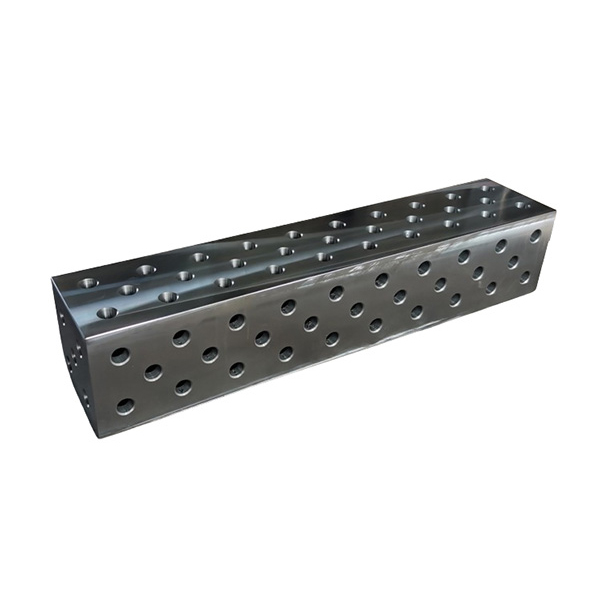
When you hear ‘sustainable welding table,’ the mind often jumps to recycled steel tops or maybe some green certification. Lokho kuyingxenye yakho, ngokuqinisekile, kodwa ngemva kweminyaka ngisebenza phansi esitolo futhi ngitholela izitolo ezihlukahlukene zokwenziwa, ngithole ukuthi indaba yokusimama kwangempela imayelana nokuphila isikhathi eside nokuzivumelanisa nezimo. It’s about a table that outlasts trends, projects, and even business models. A table you’re not constantly repairing, modifying, or worse, scrapping because it can’t handle a new process. That’s where the true resource efficiency lies—not just in the material’s origin, but in its entire lifecycle on your floor.

Ukuqina njenge-Core Sustainability Metric
Masisebenze. The most sustainable table is the one you don’t replace. I’ve seen shops buy lighter-gauge tables to save upfront cost, only to have them warp from concentrated heat within a year. Lokho kuwukumosha. Okweqiniso welding amaphrojekthi ithebula built to last, the devil’s in the thickness and support. A solid 1/2-inch or thicker top is non-negotiable for serious work. Kodwa akulona nje ipuleti; yisakhiwo esingaphansi. A grid of full-depth supports, ideally 4-inch or taller C-channel or I-beam, is what prevents that sag over a 10-foot span. Ngikhumbula iphrojekthi lapho sasebenzisa khona ithebula elivela kumnikezeli wempahla elagila i-bracing yangaphakathi—ezinyangeni eziyisithupha, lalinokucwiliswa unomphela phakathi nendawo, okwenza ukwakheka okunembayo kube ihlaya. We ended up reinforcing it ourselves, which was more labor and material than if we’d bought right the first time.
Lokhu kuxhuma ngqo ekutholeni impahla. While post-consumer recycled steel is great, the consistency and quality of the mill are paramount for a table surface. You need a known, reliable grade that’s been properly stress-relieved. A table that cracks or has internal flaws from poor casting or rolling is a liability, not an asset. Kwesinye isikhathi, insimbi ‘eluhlaza kakhulu’ yomsebenzi yileyo esebenza ngokungenasici amashumi amabili eminyaka, ngisho noma okuqukethwe kwayo okugaywe kabusha kungamakethwa njengokuphezulu kakhulu. The sustainability is in the avoidance of failure.
Finishing is another overlooked durability factor. A simple, robust powder coat or a high-temp paint beats a flashy, thin finish that chips and rusts. I prefer a medium-gray, textured powder coat—it hides spatter, resists scratches, and doesn’t create glare. Umgomo uwukunciphisa isondlo. A table that needs constant touch-up painting is consuming resources continuously. The most sustainable finish is the one you mostly ignore.
I-Modularity & Ukuzivumelanisa nezimo: Ukulwa Nokuphelelwa yisikhathi
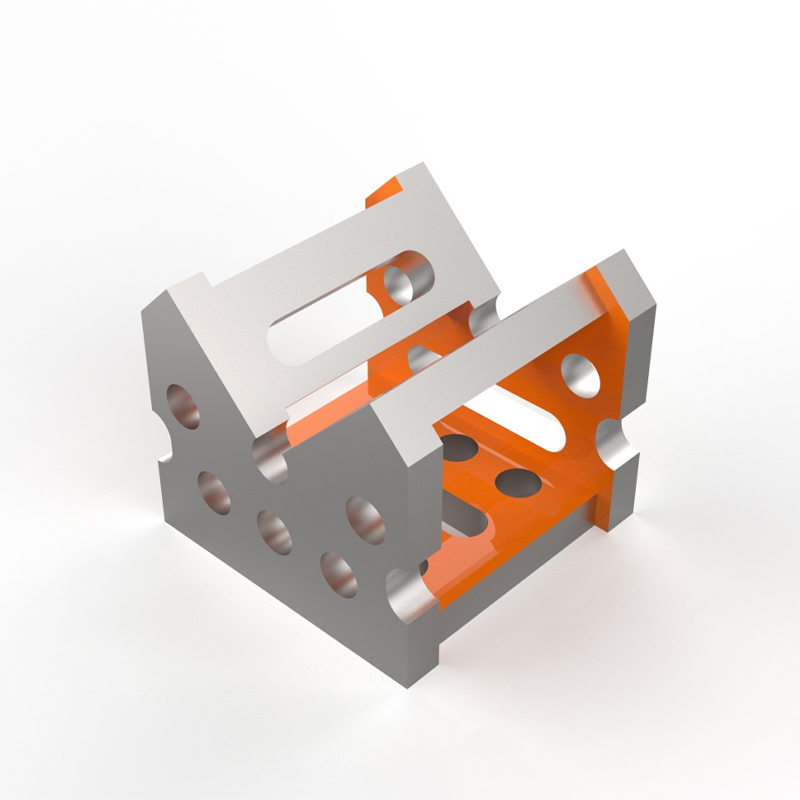
Ithebula elingashintshi, eliqinile liyimpahla yenhloso eyodwa. In today’s shop, that’s a luxury few can afford. Ukusimama kusho ukuthi ithebula lingashintsha. The real game-changer has been modular clamping systems like T-slots or drilled and tapped hole patterns. The 28mm or 5/8 hole pattern on a 4-inch or 100mm grid is almost a standard now. It allows you to use toggle clamps, side clamps, and angle fixtures from multiple manufacturers, locking down virtually any workpiece.
I made the mistake early on of welding permanent tooling mounts to a table for a high-volume run. When the contract ended, I was left with a table full of useless studs and brackets. Grinding them off was a waste of time and consumables, and it compromised the surface. Now, the rule is: nothing gets welded to the table surface. Everything is modular. This extends the table’s functional life across different amaphrojekthi wokushisela, kusukela kunsimbi yesakhiwo iviki elilodwa ukuya kozimele bezimoto ngokwezifiso ngokulandelayo. Ithebula ngokwalo liba yinto ehlala njalo, kuyilapho ukusebenza kwalo kungokwesikhashana futhi kuyashintshana.
Lokhu kucabanga kudlulela kwezinye izesekeli. Can you add side tables, overhead beam trolleys, or fluid recovery trays later? A supplier that offers a compatible ecosystem of add-ons adds years of relevance to your initial purchase. Kuphambene nomqondo olahlwayo. Ngibe nokuhlangenwe nakho okuhle nezinkampani eziklama ngalokhu engqondweni, lapho ikhathalogi yezinto ezisetshenziswayo izwakala njengesandiso sefilosofi ewumongo yethebula, hhayi umcabango olandelayo.
Iqiniso Lokutholakala Nenani
Nakhu lapho kuba yiqiniso. The market is flooded with options, and the cheapest online listing is almost always a trap. Intengo ephansi ivamise ukukhombisa izinto ezisetshenziswayo ezizacile, ukushisela okungekuhle (imvamisa nje kuhlanganiswe, hhayi ukuthungwa ngokugcwele emalungeni abalulekile), kanye nokubekezelela ukucaba okubi. I once un-crated a ‘bargain’ table that had over 1/8 of twist across the diagonal. Ibingasebenziseki kunoma yini edinga ukunemba. That’s the antithesis of sustainable—it was scrap metal on delivery.
Ukuthola umkhiqizi onokwethenjelwa kuyisihluthulelo. You need someone who treats the table as a precision tool, not just a slab of metal on legs. This is where specialized manufacturers come in. For instance, a company like Inkampani Botou Haijun Metal Products Co., Ltd. (https://www.haijunmetals.com), eyasungulwa ngo-2010 futhi igxile kumathuluzi nama-gauge, ngokuvamile iletha umqondo ohlukile etafuleni-ngokoqobo. Isizinda sabo kumathuluzi anembayo singahumushela ekuqondeni kangcono ukucaba, ukubekezelelana, nokwakhiwa okuqinile kwe itafula lokushisela. Abazona nje isitolo sezindwangu esijwayelekile; they’re likely approaching it as a measuring and workholding platform. That intrinsic focus on accuracy and durability aligns perfectly with the sustainability goal of buying once.
It’s worth digging into a supplier’s process. Do they stress-relieve the top after machining or welding the substructure? How do they ensure flatness—with a planer or a large CNC? Kuyini ukubekezelelana kwabo okujwayelekile? Answers to these questions separate a commodity from a tool. Ukukhetha okusimeme kuyithuluzi.
Ukuhlanganiswa Ekuhambeni komsebenzi Okuzinzile
Ithebula alikho endaweni engenalutho. Its sustainability is multiplied or diminished by how it’s used. A great table covered in slag spatter, hammer dents, and used as a general storage shelf is being wasted. Ukusungula isiyalo sesitolo—ukusebenzisa isifutho se-spatter, ukugcina iphethini yembobo icacile, kusetshenziswa okokufaka okuyisivikelo lapho ushaya ngesando—kuvikela ukutshalwa kwezimali.
Ngaphezu kwalokho, ithebula elihle lenza ezinye izindlela ezisimeme. Ukulungisa okunembile kunciphisa udoti wezinto ezibonakalayo kusukela ekusikekeni okungalungile noma ukungahambi kahle. Ukusethwa okusebenzayo kwe-clamping kunciphisa ukuhlanekezela kokushisela, okubuye kunciphise amandla nesikhathi esidingekayo sokuqondisa kwangemuva kokushisela. Uma ithebula lakho kuyindiza yakho eyinkomba eyinhloko, yonke into eyakhelwe phezu kwalo cishe izolunga okokuqala ngqa. Ukusebenza kabusha kungenye yemithombo emikhulu yemfucuza ekwenziweni kwezinto—izinto ezibonakalayo, amandla, nezisebenzi. Ithebula elinembile, elithembekile liyisikhali esiyinhloko ngokumelene nalo.
Cabanga ngokuhlanganiswa kosizo futhi. Some of the best setups I’ve seen have tables with built-in channels for air, electrical, and even fume extraction. Ukwenza lezi zinsizakalo zivele ngomlenze wetafula noma i-boom ezinikele, kunokuba kube namapayipi ayingozi yohambo yonke indawo, kudala indawo yokusebenza ephephile, esebenza kahle kakhudlwana. Kuzwakala unomphela futhi unenhloso. Lokhu akukhona nje ukwenza kube lula; kumayelana nokwakha isistimu enciphisa ukufutha, ethuthukisa ukuphepha, futhi ekhuthaza umsebenzi ohlelekile—konke okunomthelela ekusebenzeni kwesikhathi eside, okuqhubekayo.
Isinqumo: Kungumqondo, Hhayi Isici
Ngakho, the best Ithebula lephrojekthi yokushisela ukuze kuqhubeke isn’t defined by a single sticker or material tag. It’s defined by a build philosophy centered on durability, precision, and adaptability. It’s heavy, flat, modular, and designed to be the cornerstone of your shop for 15-20 years. It comes from a maker who understands it as a precision platform, not just a work surface.
The sustainable choice often has a higher initial cost. Kodwa awuthengi itafula; you’re buying decades of reliable service, reduced material waste from accurate work, and the flexibility to handle unknown future projects. You’re buying the absence of headaches—no sag, no twist, no constant repairs.
Ekugcineni, bheka ngale kokumaketha. Ask about steel grade, thickness, internal support structure, flatness tolerance, and the modular ecosystem. Visit a showroom if you can, or talk to other fabricators who’ve used a brand for years. Ithebula elingakwesokudla liba yingxenye yobunikazi besitolo sakho, ithuluzi elithenjwayo elibuyisela utshalomali lwalo lwasekuqaleni izikhathi eziningi ngokungamane likuphoxe. Lokho ukusimama kokugcina.