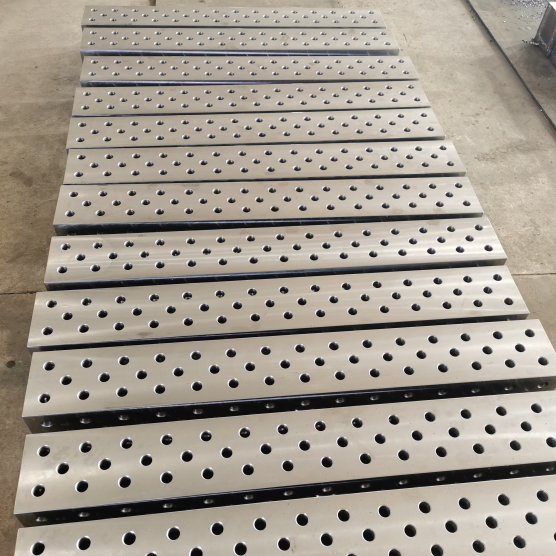
Looking for the best welding fixture tables in 2026? Our factory-direct guide covers the latest prices, top models, and essential features to help you choose the right 3D welding table for precision fabrication. Whether you need a compact unit for hobbyists or a heavy-duty industrial system, this comprehensive review details current market trends, material specifications, and cost-saving strategies directly from manufacturers.
What Are Welding Fixture Tables and Why Do They Matter in 2026?
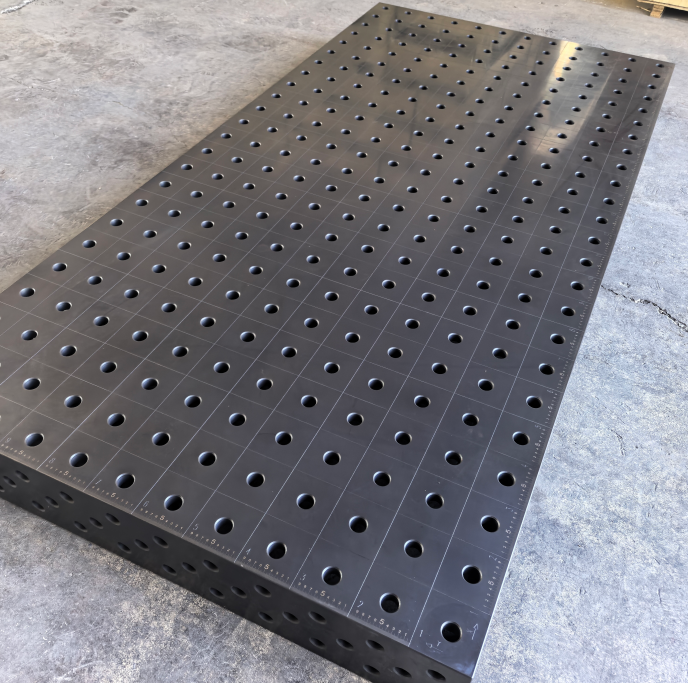
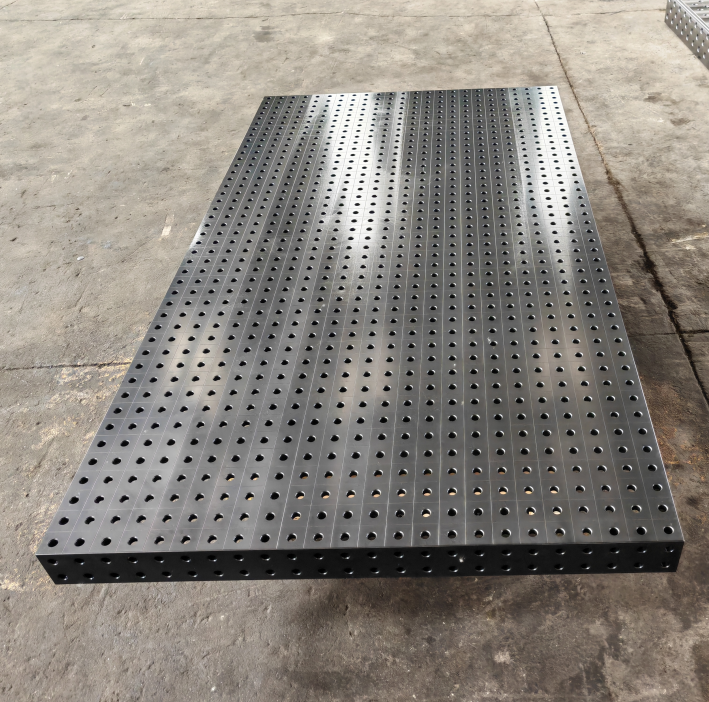
A welding fixture table, often called a 3D welding table or modular welding platform, is a specialized work surface designed with a grid of precision-drilled holes. These holes allow welders to quickly clamp, position, and secure metal components using various fixtures, stops, and angles. Unlike traditional flat tables, these systems ensure repeatable accuracy and squareness, which is critical for modern manufacturing.
In 2026, the demand for these tables has surged due to the rise in custom fabrication and the need for faster setup times. The core value lies in the modularity. By utilizing a standardized hole pattern, typically 16mm or 28mm, fabricators can assemble complex jigs in minutes rather than hours. This flexibility reduces labor costs and minimizes material waste caused by misalignment.
The evolution of these tables reflects broader industry shifts toward lean manufacturing. Modern designs focus on durability, with high-grade steel that resists warping under intense heat. Furthermore, the integration of digital design tools allows engineers to plan fixture layouts virtually before physical assembly, maximizing the utility of the welding fixture table.
Key Features to Evaluate Before Buying
Selecting the right equipment requires understanding specific technical parameters. Not all tables are created equal, and choosing the wrong specification can lead to long-term operational inefficiencies. Here are the critical factors to consider.
Material Quality and Heat Resistance
The backbone of any reliable table is its material composition. High-quality welding fixture tables are constructed from low-carbon steel or alloy steel that undergoes rigorous heat treatment. This process ensures the surface remains flat even after repeated exposure to welding arcs and spatter.
- Surface Hardness: Look for tables with a hardness rating that prevents denting from heavy clamps but allows for easy cleaning of spatter.
- Coating Options: Many 2026 models feature anti-spatter coatings that reduce adhesion of molten metal, simplifying maintenance.
- Structural Integrity: The frame must be robust enough to support heavy assemblies without flexing, which compromises accuracy.
Hole Pattern and Spacing
The grid system is the defining characteristic of these tables. The two most common standards are the 16mm (5/8″) system for lighter duties and the 28mm (1-1/8″) system for heavy industrial applications. The spacing between holes, usually 100mm x 100mm, determines the granularity of your positioning.
A tighter grid offers more positioning options but may reduce the structural strength of the table surface if not engineered correctly. Conversely, wider spacing provides greater load-bearing capacity between holes. When evaluating a welding fixture table, consider the typical size of the parts you fabricate to determine the optimal grid density.
Flatness and Precision Tolerances
Precision is non-negotiable. Top-tier manufacturers guarantee flatness tolerances within ±0.5mm over the entire surface. This level of accuracy is essential for industries like aerospace and automotive where component fit-up must be perfect. Cheaper alternatives often lack this certification, leading to cumulative errors in large assemblies.
Always verify if the table comes with a calibration certificate. In 2026, factory-direct suppliers increasingly provide digital verification reports alongside physical shipments, ensuring transparency and trust in the product’s authoritativeness.
Top Welding Fixture Table Models in 2026
The market in 2026 is diverse, ranging from entry-level kits to massive industrial platforms. Based on current sales data and user feedback, we have categorized the top performers to help you navigate the options.
Industrial Heavy-Duty Series
Designed for continuous production environments, these tables feature thick tops (often 30mm or more) and reinforced leg structures. They are ideal for welding large machinery frames, truck chassis, or structural steel components. The primary advantage is their ability to withstand extreme thermal stress without deformation.
These models often include integrated T-slots alongside the hole grid, offering hybrid clamping possibilities. While the initial investment is higher, the longevity and reduced downtime make them a cost-effective choice for high-volume shops.
Modular Professional Systems
This category represents the sweet spot for most professional fabrication shops. These welding fixture tables balance portability with rigidity. They typically use the 28mm hole system and come in standard sizes like 1000x1000mm or 1500x1000mm.
The modularity allows users to connect multiple tables together to create larger workspaces. This scalability is a key trend in 2026, as shops adapt to varying project sizes without purchasing entirely new equipment. Accessories for these systems are widely available, enhancing their versatility.
Compact and Hobbyist Units
For small businesses, artists, and DIY enthusiasts, compact tables with 16mm hole patterns are the go-to solution. These units are lighter, easier to move, and significantly more affordable. Despite their smaller footprint, they maintain high precision standards suitable for intricate metal art and small mechanical parts.
Recent innovations in this segment include foldable legs and lightweight alloys that do not compromise on surface quality. These features address the space constraints often faced by home-based fabricators.
Price Analysis: Factory Direct vs. Distributors
Understanding the pricing landscape is crucial for making an informed purchase. In 2026, the gap between distributor markup and factory-direct pricing remains significant. Buying directly from the manufacturer can save buyers between 20% to 40% on total costs.
Distributors often add layers of cost for warehousing, local support, and marketing. While these services have value, for buyers who understand their specific requirements, factory-direct channels offer superior value. The savings can be reinvested into high-quality clamps and fixtures, which are equally important for the workflow.
However, buyers must account for shipping costs when ordering factory-direct. Welding fixture tables are heavy, and freight charges can impact the final price. It is advisable to request consolidated shipping quotes and compare the landed cost against local distributor prices.
Current Market Price Ranges
Prices fluctuate based on raw material costs, particularly steel. As of 2026, here is a general overview of what to expect:
- Entry-Level (16mm system): $300 – $800 depending on size and included accessories.
- Professional Grade (28mm system): $900 – $2,500 for standard single-table units.
- Industrial Custom Solutions: $3,000+ for large, customized configurations with special coatings or integrated grounding.
These figures represent base table costs. A complete setup including a comprehensive kit of clamps, stops, and angles can double the initial expenditure. Therefore, evaluating bundle deals from factories is often more economical than purchasing components separately.
Comparison of Leading Welding Fixture Table Types
To simplify the decision-making process, we have compiled a detailed comparison of the three main categories available in the 2026 market. This table highlights the strengths and limitations of each type.
| Feature | Industrial Heavy-Duty | Modular Professional | Compact Hobbyist |
| Hole Size | 28mm or Larger | 28mm Standard | 16mm Standard |
| Table Thickness | 30mm – 50mm | 20mm – 30mm | 10mm – 16mm |
| Load Capacity | Extremely High | High | Moderate |
| Portability | Low (Stationary) | Medium (Forklift movable) | High (Manual move) |
| Best Application | Heavy Machinery, Structural Steel | General Fabrication, Pipe Work | Art, Small Parts, Prototyping |
| Price Point | $$$ | $$ | $ |
| Accessory Availability | Specialized/Industrial | Wide Range | Basic to Intermediate |
This comparison clearly illustrates that there is no “one size fits all” solution. The choice depends heavily on the specific workload and the scale of operations. For instance, a shop focusing on custom railings will find the Modular Professional series most effective, while a mass-production facility needs the durability of the Industrial Heavy-Duty option.
Step-by-Step Guide to Setting Up Your Welding Fixture Table
Proper installation and setup are vital to achieving the promised precision. Even the highest quality table will underperform if not leveled and maintained correctly. Follow these steps to optimize your new welding fixture table.
Step 1: Site Preparation and Leveling
Begin by selecting a location with a solid, level floor. Concrete floors are ideal. Use a high-precision spirit level or a laser level to check the floor surface. If the floor is uneven, use shim packs under the table legs to achieve perfect horizontal alignment.
Accuracy at this stage is critical. A table that is twisted will transfer that error to every project you weld. Take the time to adjust each leg individually until the bubble is centered in both directions across the entire surface.
Step 2: Cleaning and Surface Treatment
New tables often come with a protective oil coating to prevent rust during shipping. Thoroughly clean the surface with a degreaser before use. Once clean, consider applying a light coat of anti-spatter spray. This creates a barrier that makes removing weld spatter significantly easier later on.
Avoid painting the working surface, as paint can chip and contaminate welds. If rust protection is needed for the frame, use high-temperature resistant paints only on non-working areas.
Step 3: Organizing Fixtures and Tooling
An organized workspace enhances efficiency. Arrange your clamps, stops, and angles logically around the table. Many professionals use magnetic holders or dedicated racks attached to the table legs to keep frequently used tools within arm’s reach.
Group tools by function: hold-down clamps on one side, angle brackets on another. This systematic approach reduces search time and keeps the workflow smooth. It also prevents tools from being left on the table where they could be damaged by stray arcs.
Step 4: Grounding and Safety Checks
Ensure the welding ground clamp is attached directly to the table frame or a dedicated grounding point on the table. This ensures a stable electrical circuit and reduces the risk of arc strikes damaging the precision holes. Verify that all connections are tight and free of corrosion.
Finally, inspect the area for flammable materials. While the table itself is fire-resistant, surrounding debris is not. Establish a clear safety zone around your welding fixture table before striking the first arc.
Common Applications and Industry Use Cases
The versatility of welding fixture tables has led to their adoption across a wide spectrum of industries. Understanding these applications can help you justify the investment and plan your tooling strategy.
Custom Automotive and Motorcycle Fabrication
In the automotive sector, precision is paramount for roll cages, exhaust systems, and custom chassis. The ability to lock components into exact positions allows fabricators to produce symmetrical and structurally sound parts repeatedly. The 28mm system is particularly popular here due to the heavy nature of automotive steel.
Architectural Metalwork and Staircases
Architectural projects often involve complex geometries and strict aesthetic requirements. Welding tables enable the precise assembly of stair stringers, handrails, and decorative gates. The modular nature allows for the creation of temporary jigs tailored to unique design specifications, ensuring consistency across multiple units.
Robotics and Automation Integration
As automation grows, welding fixture tables are increasingly used as bases for robotic welding cells. The precise grid allows robots to be programmed with exact coordinates, facilitating automated welding processes. The rigidity of the table ensures that the robot’s path remains accurate over thousands of cycles.
Prototyping and R&D
Research and development teams benefit immensely from the flexibility of these tables. Rapid prototyping requires quick changes in setup. Engineers can test different joint configurations and assembly methods without fabricating permanent jigs, accelerating the product development lifecycle.
Maintenance Tips for Longevity
To maximize the lifespan of your investment, regular maintenance is essential. A well-maintained table retains its value and performance characteristics for decades.
- Regular Cleaning: Remove spatter daily using a chipping hammer or a dedicated spatter scraper. Avoid grinding the table surface, as this removes the hardened layer and compromises flatness.
- Rust Prevention: Apply a thin layer of machine oil or a specialized rust inhibitor if the table will not be used for an extended period. Humidity control in the workshop also plays a significant role.
- Hole Care: Keep the holes free of debris. Use a reamer or a dedicated hole cleaning tool if slag builds up inside the holes, ensuring clamps can still insert smoothly.
- Inspection: Periodically check the flatness of the table using a straight edge. Early detection of warping allows for corrective measures before it affects production quality.
Neglecting these simple steps can lead to premature degradation. Remember, the precision of your output is directly linked to the condition of your welding fixture table.
Frequently Asked Questions (FAQ)
What is the difference between 16mm and 28mm welding tables?
The primary difference lies in load capacity and tool compatibility. The 28mm system is designed for heavy-duty industrial use, supporting larger clamps and heavier workpieces. The 16mm system is suitable for lighter tasks, hobbyists, and detailed work where massive clamping force is not required. Tools are generally not interchangeable between the two sizes without adapters.
Can I weld directly on the fixture table surface?
Yes, these tables are designed to withstand welding arcs. However, it is best practice to use sacrificial plates or mats for extensive welding to minimize spatter accumulation on the precision holes. Direct welding is acceptable for tacking and short runs, provided the surface is cleaned afterward.
How do I connect multiple welding tables together?
Most modern welding fixture tables feature machined edges with pre-drilled bolt holes. You can align two tables and use connecting bolts or specialized linking bars to create a seamless, larger work surface. Ensure the tables are leveled individually before linking them to maintain overall flatness.
Are factory-direct tables reliable compared to branded ones?
Many factory-direct suppliers manufacture tables to the same specifications as major brands, often without the markup. Reliability depends on the specific manufacturer’s quality control processes. Look for suppliers who provide material certificates and flatness guarantees to ensure you are getting a high-quality product.
What accessories are essential for a new welding table?
A basic starter kit should include right-angle clamps, stoppers, toggle clamps, and a set of mounting bolts. As your needs grow, consider adding swivel arms, pipe clamps, and magnetic squares. Investing in a comprehensive accessory set early on maximizes the utility of your welding fixture table.
Partnering with Experts: A Spotlight on Botou Haijun Metal Products
When navigating the vast array of factory-direct options, selecting a partner with proven expertise in research, development, and production is crucial. Botou Haijun Metal Products Co., Ltd. stands out as a premier manufacturer specializing in high-precision flexible modular fixtures and metalworking tools. Committed to delivering efficient solutions for the modern manufacturing industry, Haijun Metal has become a trusted name in machining, automotive, and aerospace sectors globally.
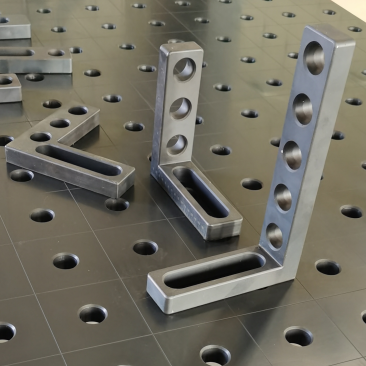
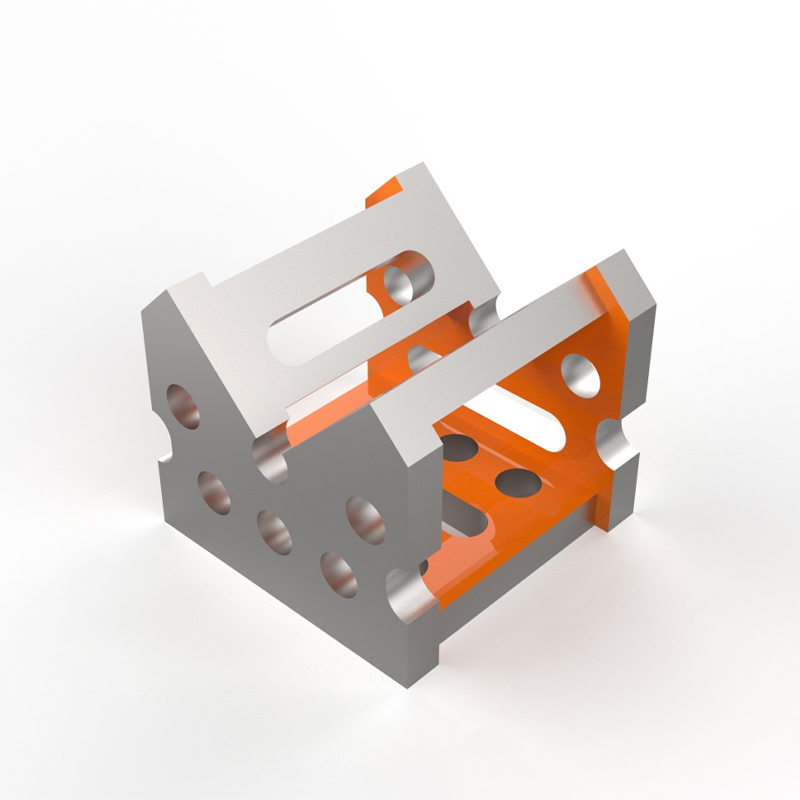
Their core product line features advanced 2D and 3D flexible welding platforms renowned for exceptional versatility and precision. Beyond the tables themselves, Haijun Metal offers a comprehensive ecosystem of complementary components designed to integrate seamlessly. This includes U-shaped and L-shaped multi-purpose square boxes, 200-series support angle irons, and universal angle gauges ranging from 0° to 225°, enabling rapid and accurate workpiece positioning. Additionally, their professional cast iron 3D welding platforms and angle connection blocks are engineered for superior durability and stability. With years of industry experience, Botou Haijun Metal Products continues to provide high-quality production machinery tool series, ensuring that every customer receives equipment that meets the rigorous demands of 2026’s fabrication landscape.
Conclusion: Making the Right Choice for Your Workshop
Selecting the right welding fixture tables in 2026 is a strategic decision that impacts productivity, quality, and profitability. From understanding the nuances of hole patterns to evaluating factory-direct pricing, the information provided here equips you to make an informed choice. The shift towards modular, precision-based fabrication is undeniable, and investing in a high-quality table positions your workshop for future success.
For heavy industrial applications, prioritize thickness and load capacity. For versatile professional shops, the 28mm modular systems offer the best balance of strength and flexibility. Hobbyists and small studios will find excellent value in the compact 16mm units. Regardless of the model, ensure you source from a reputable supplier like Botou Haijun Metal Products Co., Ltd. that stands behind their product with warranties, technical support, and a comprehensive range of compatible accessories.
Ready to upgrade your fabrication capabilities? Assess your current workflow, identify your precision gaps, and choose a welding fixture table that aligns with your long-term goals. By leveraging factory-direct options from experienced manufacturers and maintaining your equipment properly, you can achieve professional results while optimizing your budget. The future of welding is precise, efficient, and modular—make sure your workshop is ready for it.