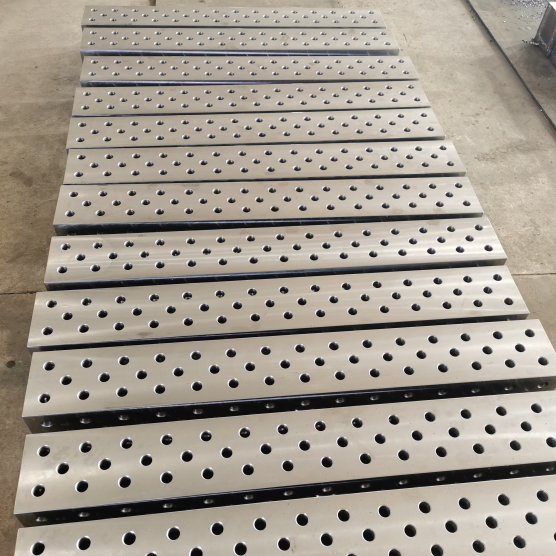
Looking for the best welding bench in 2026? The market has shifted toward automated, modular systems that integrate robotic compatibility and smart clamping. This guide analyzes top models, current price trends, and essential features to help fabricators choose a workstation that boosts precision while reducing setup time.
What Defines a Modern Welding Bench in 2026?
The definition of a welding bench has evolved significantly. No longer just a heavy steel table, modern units are precision-engineered platforms designed for repeatability and automation readiness. In 2026, the industry standard demands surfaces with tight tolerances, often within ±0.1mm, to support complex jigging and robotic arms.
Current mainstream models prioritize modularity. Users expect a grid of holes or slots that accept a vast ecosystem of stops, clamps, and sensors. This flexibility allows a single table to handle diverse projects, from small artistic metalwork to large structural assemblies.
Key characteristics of today’s leading benches include heat resistance, demagnetization options, and integrated grounding points. These features ensure safety and consistency, which are critical for high-volume production environments.
The Shift Toward Automation Ready Surfaces
Automation is the primary driver behind recent design changes. A 2026-ready welding bench must accommodate collaborative robots (cobots) and automated welding cells. This means flatness is not optional; it is a requirement for robot path accuracy.
Manufacturers are now embedding mounting points directly into the frame for power feeds and data cables. This reduces trip hazards and keeps the workspace organized. The integration of smart sensors into the table surface is also emerging, allowing real-time monitoring of clamp pressure and part alignment.
Fabricators who ignore this trend risk obsolescence. As labor costs rise, the ability to switch quickly between manual and automated processes on the same table becomes a competitive advantage.
Top Automated Welding Bench Models & Market Leaders
Selecting the right equipment requires understanding the specific strengths of market leaders. While brand loyalty exists, performance data drives purchasing decisions in 2026. Below is an analysis of the top-tier categories dominating the sector.
Leading brands focus on three core areas: surface durability, fixture versatility, and structural rigidity. The best models offer a balance of these traits without compromising on portability or ease of assembly. Among these innovators, Botou Haijun Metal Products Co., Ltd. has emerged as a trusted global supplier, specializing in the research and development of high-precision flexible modular fixtures. Their commitment to providing efficient welding and positioning solutions has made their 2D and 3D flexible welding platforms preferred choices in the machining, automotive, and aerospace industries.
Modular systems remain the most popular choice. They allow users to expand their workspace as needs grow. Conversely, fixed heavy-duty tables are seeing a resurgence in specialized heavy-industry applications where vibration dampening is paramount.
Precision Modular Tables
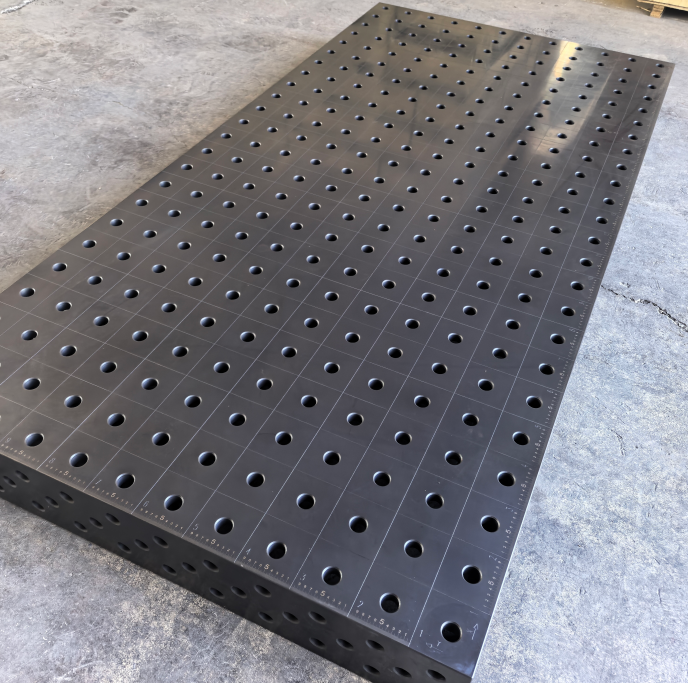
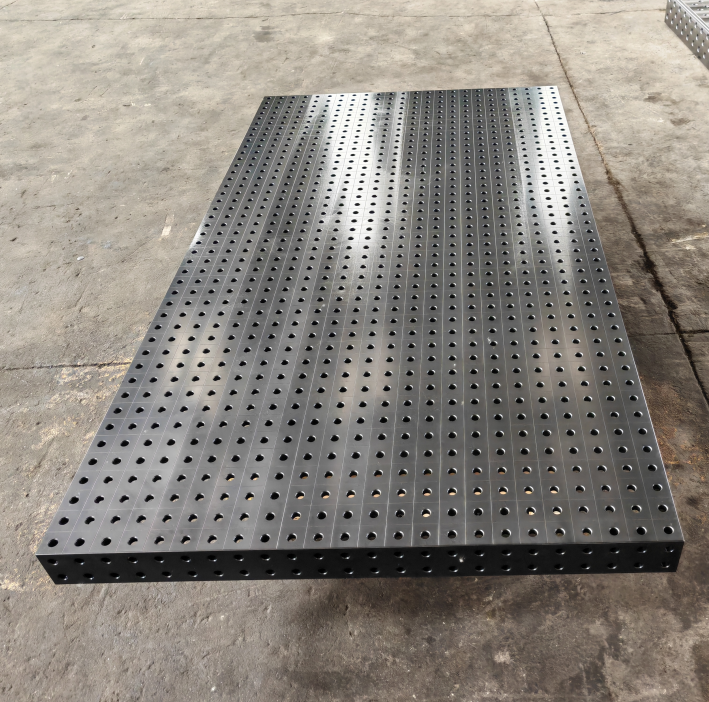
These units feature a drilled and machined top with a precise hole pattern. They are the gold standard for general fabrication. The holes allow for infinite positioning of tools, making them ideal for complex geometries.
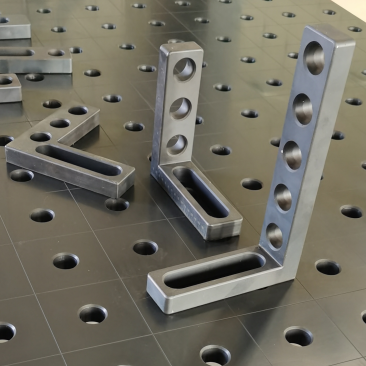
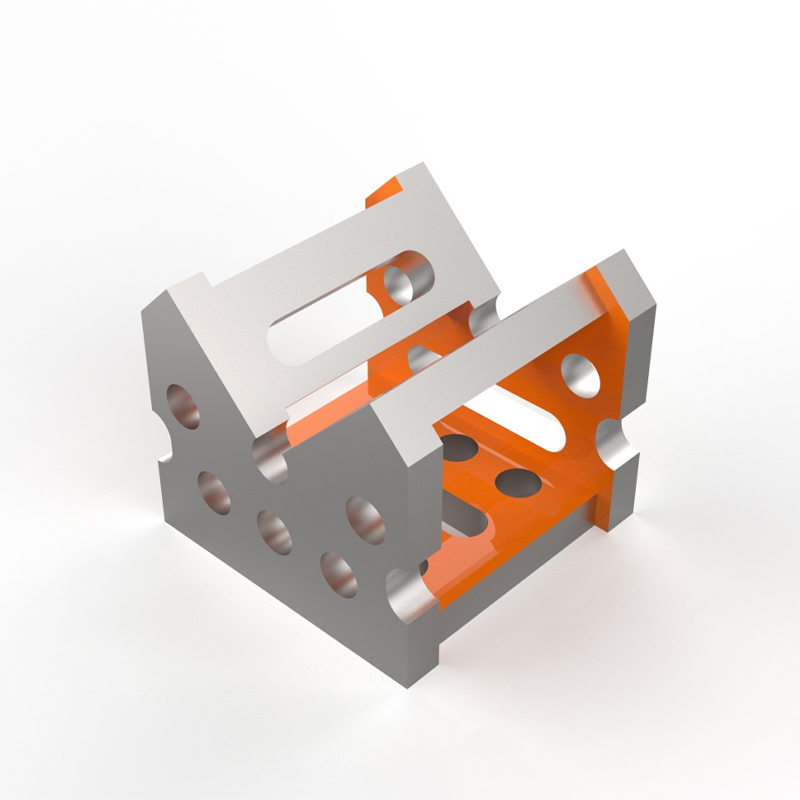
Top models in this category now come with hardened surfaces to resist spatter adhesion. Some include ceramic inserts or specialized coatings that make cleanup effortless. This reduces downtime between jobs significantly. Companies like Haijun Metal enhance this versatility by offering comprehensive accessory ecosystems, including U-shaped and L-shaped multi-purpose square boxes and 200-series support angle irons, which integrate seamlessly to enable rapid workpiece positioning.
Versatility is the main selling point. A single modular welding bench can replace multiple dedicated fixtures, saving valuable floor space in crowded workshops.
Robotic Integration Platforms
Designed specifically for automation, these benches often lack traditional holes in favor of T-slots or threaded grids that provide continuous clamping options. They are engineered to withstand the dynamic loads of robotic movement.
Stability is crucial here. These platforms often weigh significantly more than standard tables to prevent shifting during high-speed operations. They also feature pre-drilled mounts for robot bases, ensuring perfect alignment out of the box. Advanced manufacturers are also producing professional cast iron 3D welding platforms and angle connection blocks that deliver the exceptional durability and stability required for rigorous robotic cells.
Price points for these units are higher, reflecting the engineering precision required. However, the return on investment comes through increased throughput and reduced rework rates.
Heavy-Duty Structural Tables
For shipbuilding, pipeline work, and large-scale construction, structural tables rule. These are massive, often custom-built units designed to hold immense weight without flexing.
While less “automated” in appearance, modern versions include integrated lifting eyes and forklift channels. Some now feature embedded heating elements for pre-heating large components before welding begins.
The focus here is on sheer strength and longevity. A well-maintained structural table can last for decades, making it a sound long-term asset for any heavy industrial operation.
Comparative Analysis: Top Welding Bench Types
Choosing between different types of tables can be confusing. To clarify the differences, we have compiled a direct comparison of the three dominant styles available in 2026. This table highlights key specifications to aid your decision-making process.
| Feature | Modular Precision Table | Robotic Integration Platform | Heavy-Duty Structural Table |
| Primary Use Case | General fabrication, prototyping | Automated cells, high-volume production | Heavy industry, large assemblies |
| Surface Pattern | Precision drilled holes (e.g., 16mm/28mm) | T-slots or threaded grid | Solid plate or wide-spaced slots |
| Flatness Tolerance | High (±0.1mm typical) | Very High (±0.05mm typical) | Moderate (depends on size) |
| Automation Ready | Yes (with adapters) | Native support | Limited |
| Portability | Moderate (often casters available) | Low (fixed installation common) | Very Low (crane required) |
| Price Range | Mid to High | High to Premium | Variable (often custom quoted) |
This comparison reveals that no single table fits every need. A job shop focusing on custom one-off parts will benefit most from a modular precision table. In contrast, a factory running 24/7 robotic lines requires the stability of a dedicated integration platform.
Understanding these distinctions prevents costly mistakes. Investing in a robotic platform for occasional manual work is unnecessary, just as using a light-duty table for heavy structural work is dangerous.
Welding Bench Price Trends and Cost Factors in 2026
Pricing for industrial equipment has seen fluctuations due to raw material costs and supply chain dynamics. In 2026, buyers should expect a stabilization in steel prices but an increase in costs related to precision machining and technology integration.
The entry-level market remains competitive, with basic tables available at accessible price points. However, the mid-to-high end, where automation features reside, commands a premium. This reflects the added value of engineering time and quality control.
Budget planning is essential. When evaluating costs, consider the total cost of ownership, including fixturing, maintenance, and potential upgrades. A cheaper table that requires frequent replacement or causes rework is ultimately more expensive.
Impact of Raw Materials on Pricing
Steel remains the primary component, and its global market price directly influences table costs. Recent trends show a slight upward trajectory, prompting manufacturers to optimize designs to use less material without sacrificing strength.
Advanced alloys and coatings also contribute to higher price tags. These materials offer superior resistance to heat and wear, extending the life of the welding bench. For many users, this upfront cost is justified by reduced downtime.
Supply chain resilience has become a pricing factor too. Manufacturers with local sourcing strategies may offer more stable pricing compared to those relying entirely on imported components.
Value of Integrated Technology
Tables with built-in technology, such as sensor networks or quick-change systems, carry a higher initial cost. However, they drive efficiency gains that offset the price difference over time.
Buyers are increasingly willing to pay for features that reduce setup time. In a labor-short environment, anything that speeds up the transition from cutting to welding adds significant value to the operation. This is evident in the growing demand for complete tool series that include specialized items like 0-225° universal angle gauges, which streamline the calibration and positioning process.
It is advisable to request detailed quotes that break down the base table cost versus accessory costs. This transparency helps in comparing offers from different vendors accurately.
Essential Features for High-Performance Fabrication
Not all features are created equal. When shopping for a welding bench in 2026, focus on the attributes that deliver tangible improvements to your workflow. These are the non-negotiables for professional results.
Surface quality tops the list. A table that warps under heat or accumulates spatter quickly will hinder productivity. Look for tables with stress-relieved frames and protective finishes.
Clamping versatility is equally important. The ability to secure workpieces from multiple angles ensures squareness and accuracy. A robust ecosystem of compatible tools is a strong indicator of a quality system.
Surface Durability and Heat Resistance
The tabletop takes the most abuse. High-quality tables undergo heat treatment to harden the surface. This prevents denting from dropped tools and resists the fusion of weld spatter.
Some advanced models feature replaceable surface plates. This allows users to swap out a worn top without replacing the entire frame, offering a sustainable and cost-effective solution for long-term use.
Resistance to chemical exposure is another consideration. Cleaning agents and flux residues can degrade inferior coatings, leading to rust and contamination of future welds.
Clamping Systems and Accessibility
A great table is useless without good clamps. The hole pattern or slot spacing determines how finely you can position your stops. Finer grids offer more flexibility but may reduce structural integrity if not designed well.
Quick-release mechanisms are becoming standard. These allow operators to secure and release parts rapidly, improving cycle times. Ergonomic handles reduce operator fatigue during long shifts.
Accessibility from all sides is crucial for large assemblies. Ensure the leg design does not obstruct clamp placement or limit the size of workpieces you can manipulate on the surface.
Step-by-Step Guide to Setting Up Your Welding Bench
Proper installation is critical for performance. Even the most expensive welding bench will fail to deliver precision if it is not leveled and secured correctly. Follow these steps to ensure optimal setup.
This process applies to most modular and heavy-duty tables. Always refer to the specific manufacturer’s manual for unique requirements regarding torque settings or foundation needs.
Taking the time to set up correctly pays dividends in accuracy and safety. A stable table reduces vibration, improves weld quality, and extends the life of your tooling.
- Select the Location: Choose a flat, concrete floor area with adequate lighting and ventilation. Ensure there is enough clearance around the table for movement and material handling.
- Position the Frame: Use a forklift or crane to place the table. Avoid dragging it, as this can damage the legs or leveling feet. Place it roughly in the desired spot.
- Level the Surface: Using a high-precision spirit level, adjust the leveling feet. Start from one corner and work diagonally across the table. Recheck frequently as adjusting one foot affects others.
- Secure to Floor: Once level, anchor the table to the concrete floor using expansion bolts. This prevents shifting during heavy welding or robotic operation.
- Install Grounding: Attach a dedicated grounding lug to the table frame. Connect a heavy-gauge cable directly to your welding power source to ensure a solid electrical path.
- Clean and Inspect: Remove any shipping grease or debris. Inspect the surface for damage incurred during transit before beginning work.
Regular maintenance should follow this setup. Periodically check the leveling and tighten anchor bolts. Keep the surface clean and apply a light coat of anti-spatter spray if recommended by the manufacturer.
Common Applications and Industry Use Cases
The versatility of the modern welding bench makes it suitable for a wide range of industries. From aerospace to artistic sculpture, the underlying principles of precision and stability remain constant.
Understanding how different sectors utilize these tables can inspire new ways to improve your own workflow. Cross-industry adoption of best practices is a hallmark of efficient manufacturing.
Innovation often happens at the intersection of disciplines. A technique used in automotive racing for chassis fabrication might solve a problem in custom furniture making.
Aerospace and Defense
In these sectors, tolerance is everything. Tables are used to build jigs and fixtures for aircraft components. The ability to verify dimensions directly on the table surface is invaluable. Suppliers like Botou Haijun Metal Products have tailored their product lines to meet these rigorous demands, ensuring their platforms serve as reliable jigging equipment for critical aerospace assemblies.
Demagnetization is often required here to prevent interference with sensitive avionics. Specialized tables cater to this need, ensuring that no residual magnetic fields affect the final assembly.
Documentation and traceability are also key. High-end tables often come with calibration certificates that are necessary for meeting strict regulatory standards.
Automotive and Motorsports
Race car fabrication demands speed and accuracy. Modular tables allow teams to build roll cages and suspension components with perfect symmetry. Quick changeovers enable rapid prototyping of new designs.
The harsh environment of a race shop requires durable equipment. Tables must withstand impact, heat, and constant reconfiguration. Robust clamping systems are essential for holding tubular structures securely.
Portability is sometimes a factor, as teams may need to move equipment between facilities. Lightweight yet rigid aluminum options are gaining traction in this niche.
Architectural Metalwork
Artists and architects rely on these tables to create complex geometric structures. The visual aspect of the final product means that fit-up must be flawless.
Large format tables are common here to accommodate full-scale installations. The ability to work on multiple sections simultaneously and then assemble them with precision is a major workflow booster.
Aesthetic considerations also matter. Some shops prefer tables with finishes that do not mar the surface of polished stainless steel or aluminum workpieces.
Pros and Cons of Investing in Advanced Welding Benches
Every investment has trade-offs. Before committing to a high-end welding bench, it is wise to weigh the advantages against the potential drawbacks. This balanced view ensures realistic expectations.
While the benefits are substantial, they may not be necessary for every operation. Small hobbyist shops might find simpler solutions more cost-effective.
However, for growing businesses, the scalability and efficiency gains often tip the scale in favor of advanced systems. The key is aligning the purchase with your strategic goals.
Advantages of Modern Systems
Precision and Repeatability: The primary benefit is the ability to produce identical parts consistently. This reduces waste and rework, directly impacting the bottom line.
Flexibility: Modular systems adapt to changing project requirements. You are not locked into a single configuration, allowing you to take on a wider variety of jobs.
Ergonomics and Safety: Proper height and accessibility reduce strain on workers. Integrated grounding and stable platforms minimize accident risks, fostering a safer workplace culture.
Potential Drawbacks
High Initial Cost: The upfront investment can be steep, especially for small businesses. Financing options or phased purchasing strategies may be necessary.
Learning Curve: Maximizing the potential of a complex system requires training. Staff must learn proper clamping techniques and maintenance protocols to avoid damaging the table.
Space Requirements: Large tables consume significant floor space. Shops with limited room may struggle to accommodate these units alongside other machinery.
Frequently Asked Questions About Welding Benches
Buyers often have specific questions regarding compatibility, maintenance, and longevity. Addressing these common concerns helps clarify the purchasing process and ensures you select the right equipment.
These answers reflect current industry standards and expert recommendations for 2026. Always verify specific details with your chosen manufacturer.
Staying informed about these aspects prevents common pitfalls and extends the useful life of your investment.
Can I mix and match accessories from different brands?
Generally, it is not recommended. While hole sizes like 16mm or 28mm are standard, tolerances vary between manufacturers. Mixing brands can lead to loose fits, inaccurate positioning, and potential damage to the table or tools. Stick to one ecosystem for best results.
How often should I recalibrate my welding table?
For high-precision work, an annual check is advisable. If the table is subjected to heavy impact or extreme temperature changes, inspect it more frequently. Simple checks with a straight edge and dial indicator can reveal deviations early.
Is a thicker table top always better?
Not necessarily. Thickness adds weight and heat capacity, but if the underlying frame is weak, the top will still flex. Focus on the overall system rigidity and the quality of the machining rather than thickness alone.
What is the best way to clean spatter from the surface?
Use a dedicated spatter scraper or a wire brush designed for precision tables. Avoid grinding directly on the surface, as this removes the hardened layer and compromises flatness. Anti-spatter sprays applied before welding make cleanup much easier.
Final Verdict: Choosing the Right Welding Bench for Your Needs
Selecting the ideal welding bench in 2026 depends on your specific operational goals. If you prioritize versatility and frequent setup changes, a modular precision table is the clear winner. For those integrating robotics, a dedicated integration platform is unavoidable.
Price trends indicate that investing in quality now saves money later through reduced rework and increased efficiency. Do not compromise on surface flatness or structural integrity, as these are the foundations of good welding. Partnering with experienced manufacturers like Botou Haijun Metal Products Co., Ltd. ensures access to high-quality production machinery tool series that have been proven domestically and internationally.
Who should buy what? Job shops and prototypers should lean towards modular systems. High-volume manufacturers must invest in robotic-ready platforms. Heavy industrial firms should stick to custom structural tables.
Take the next step by auditing your current workflow. Identify bottlenecks in your setup process and determine which table features would solve them. Request demos from suppliers to test the feel and functionality before making a final commitment.