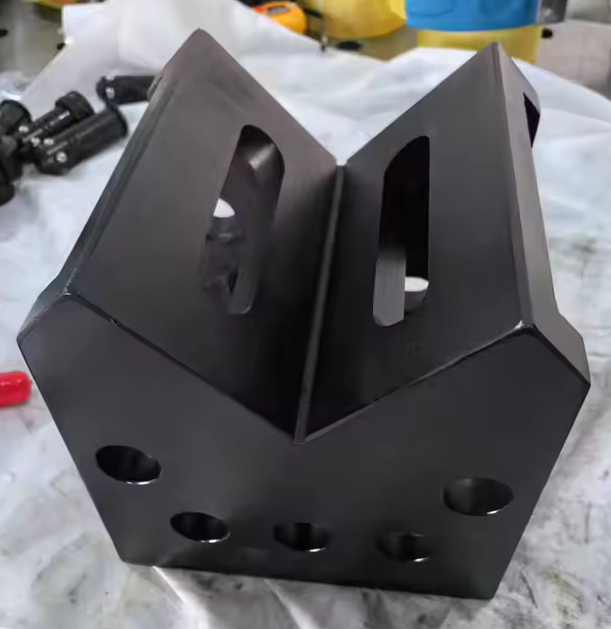
Buying used welding tables can offer immediate cost savings, but it often introduces hidden risks regarding flatness, structural integrity, and modular compatibility. For high-precision manufacturing, the depreciation in accuracy usually outweighs the initial price reduction. While suitable for rough fabrication, used surfaces frequently lack the tolerances required for modern jigging and fixturing. Investing in new, high-precision flexible modular systems ensures repeatable accuracy, warranty support, and seamless integration with advanced clamping components, ultimately providing a higher return on investment for professional workshops.
The Hidden Costs of Used Welding Tables: A Professional Analysis
When evaluating used welding tables for sale, many shop owners focus primarily on the upfront purchase price. However, in precision metalworking, the true cost of equipment extends far beyond the initial transaction. A welding table is not merely a surface; it is the foundational reference plane for all subsequent fabrication steps. Any deviation in flatness or squareness propagates errors throughout the entire assembly process.
Industry experience suggests that the lifecycle value of a welding fixture depends heavily on its ability to maintain geometric stability under thermal stress and mechanical load. Used tables, particularly those from unknown origins or heavy industrial environments, often suffer from micro-fractures, warping, or worn locating holes. These defects are not always visible to the naked eye but can significantly compromise the quality of welded assemblies.
For businesses aiming to achieve consistent quality in sectors like automotive or aerospace, the risk associated with second-hand equipment is substantial. The time spent shimming, re-leveling, or compensating for inaccuracies in a used table often exceeds the labor savings gained from the lower purchase price. Therefore, understanding the technical limitations of pre-owned equipment is crucial before making a procurement decision.
Key Risks Associated with Pre-Owned Welding Surfaces
- Loss of Flatness: Heavy impacts or improper storage can warp the table surface, making it impossible to achieve tight tolerances without extensive machining.
- Worn Locating Holes: In modular systems, the precision of the hole pattern is critical. Worn or damaged holes lead to play in clamps and fixtures, reducing repeatability.
- Hidden Structural Damage: Cracks near weld seams or support legs may not be apparent until the table is under load, posing safety and stability risks.
- Lack of Warranty and Support: Used equipment typically comes without manufacturer guarantees, leaving the buyer responsible for all repairs and maintenance costs.
- Incompatibility with Modern Fixtures: Older tables may use obsolete hole patterns or standards, limiting the availability of compatible clamping accessories.
New vs. Used Welding Tables: A Detailed Comparison
To make an informed decision, it is essential to compare the technical and operational attributes of new versus used welding platforms. The following table highlights the critical differences that impact long-term productivity and product quality.
| Feature | New Precision Welding Tables | Used Welding Tables |
| Flatness Tolerance | Guaranteed high precision (e.g., ±0.5mm/m²) | Unknown; likely degraded due to wear and tear |
| Hole Pattern Integrity | < td>Sharp, burr-free holes with exact spacing
Potential deformation, rust, or debris accumulation |
| Modular Compatibility | Full compatibility with current accessory lines | May require adapters or custom modifications |
| Surface Condition | Uniform finish, free of spatter and scratches | Often covered in weld spatter, rust, or gouges |
| Warranty & Support | Comprehensive manufacturer warranty and technical support | No warranty; buyer assumes all risk |
| Lead Time | Standard production and shipping timelines | Immediate availability (if in stock) |
| Total Cost of Ownership | Higher initial cost, lower maintenance and rework costs | Lower initial cost, higher potential for rework and repair |
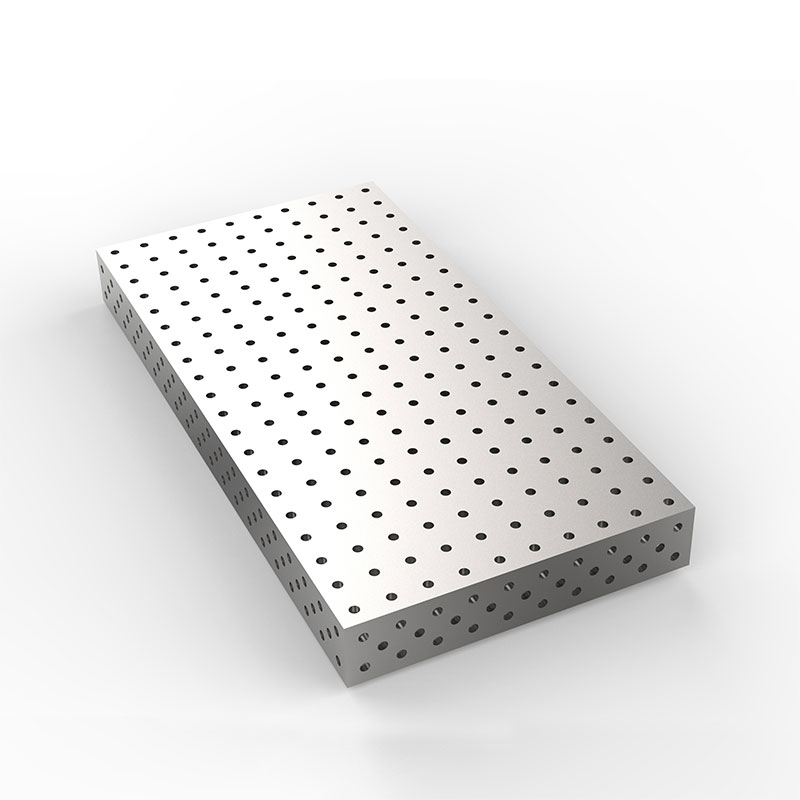
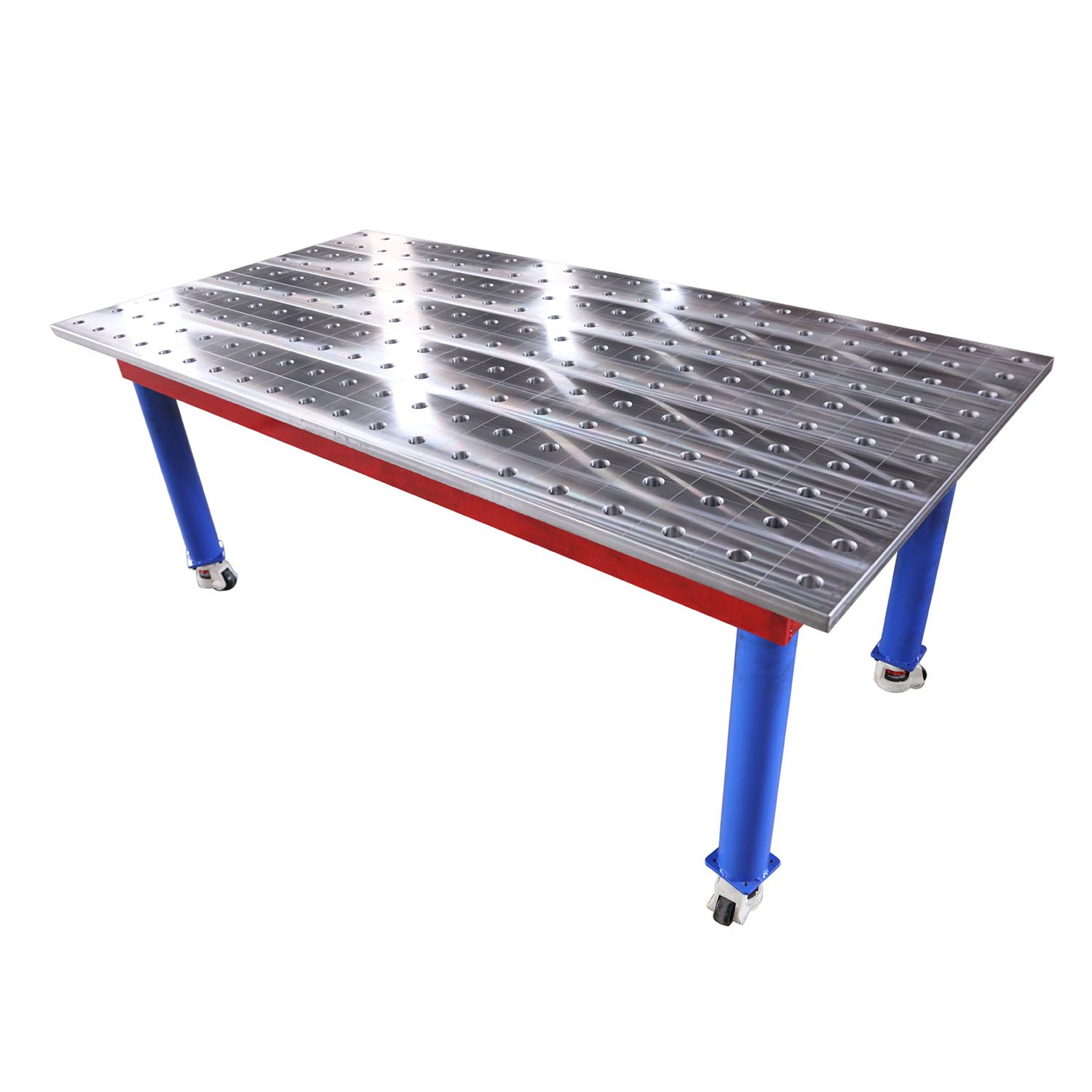
This comparison illustrates that while used tables may seem attractive for budget-constrained startups, they often incur higher operational costs over time. New tables, such as the 2D and 3D flexible welding platforms developed by specialized manufacturers, provide a reliable foundation for precision work. These modern systems are engineered to withstand rigorous industrial use while maintaining their geometric accuracy.
Why Precision Matters: The Role of Flexible Modular Fixtures
In modern manufacturing, the demand for flexibility and speed has driven the adoption of modular welding systems. Unlike traditional fixed fixtures, modular platforms allow operators to quickly reconfigure setups for different parts. This versatility is only possible if the base table maintains strict dimensional accuracy.
Botou Haijun Metal Products Co., Ltd. specializes in the research, development, and production of high-precision flexible modular fixtures and metalworking tools. The company is committed to providing efficient and flexible welding and positioning solutions for the modern manufacturing industry. Their core product line includes 2D and 3D flexible welding platforms, which are renowned for their exceptional versatility and precision. These products have become the preferred jigging equipment in the machining, automotive, and aerospace industries.
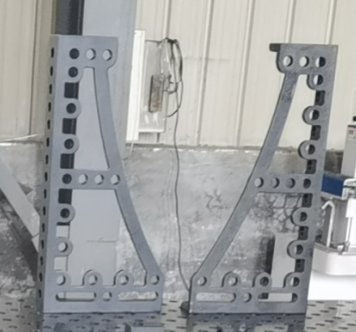
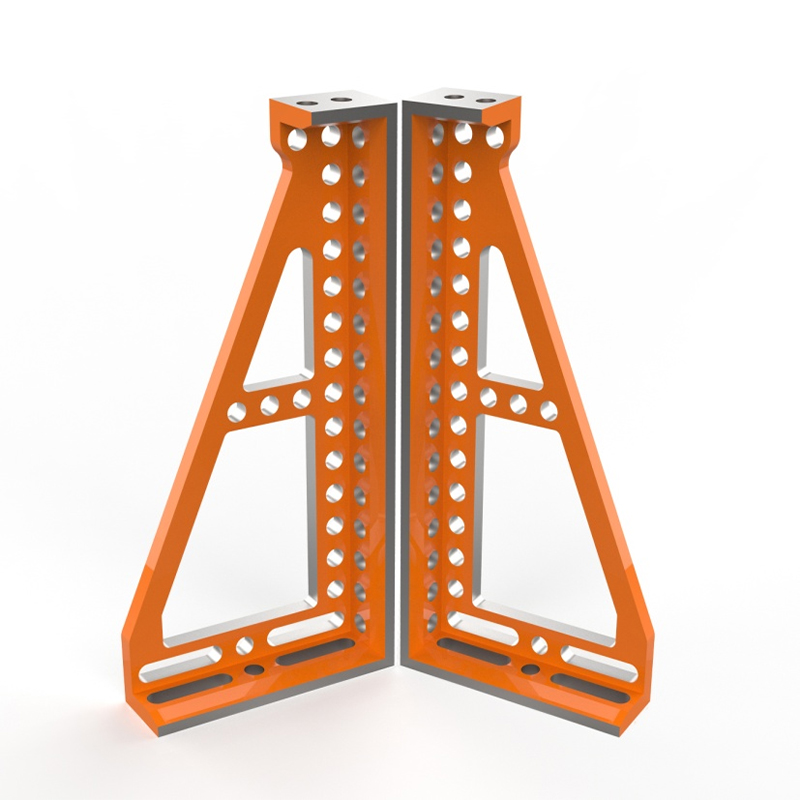
The effectiveness of these systems relies on the seamless integration of the table surface with complementary components. For instance, U-shaped and L-shaped multi-purpose square boxes, 200-series support angle irons, and 0-225° universal angle gauges are designed to lock into the table’s hole pattern with minimal play. If the table itself is compromised, as is common with used equipment, these precision accessories cannot function as intended. The result is a loss of positional accuracy, leading to increased scrap rates and rework.
Impact on Production Efficiency
Using a degraded welding table can slow down production in several ways:
- Increased Setup Time: Operators spend more time adjusting and verifying part positions due to inconsistent reference points.
- Higher Scrap Rates: Inaccurate positioning leads to parts that do not meet specifications, requiring costly re-fabrication.
- Reduced Tool Life: Misaligned clamps and fixtures experience uneven stress, leading to premature wear and failure.
- Quality Control Issues: Maintaining consistent quality across batches becomes difficult when the base reference plane is unstable.
Evaluating the Condition of a Used Welding Table
If budget constraints necessitate the purchase of a used welding table, a thorough inspection is mandatory. Buyers should look for specific signs of wear that could affect performance. This evaluation process requires a keen eye and basic metrology tools.
Step-by-Step Inspection Guide
- Visual Inspection: Check for visible cracks, deep gouges, or excessive rust. Pay special attention to the edges and corners, which are prone to impact damage.
- Flatness Check: Use a straightedge and feeler gauges to measure the flatness of the surface. Place the straightedge across various diagonals and centers. Any gap greater than 1mm indicates significant warping.
- Hole Pattern Verification: Insert standard clamping pins into multiple holes. They should fit snugly without excessive play. Check for burrs or deformation around the hole edges.
- Structural Integrity: Inspect the welds connecting the top plate to the frame. Look for signs of cracking or separation. Ensure the legs are stable and not bent.
- Surface Cleanliness: Assess the amount of weld spatter and slag buildup. Excessive buildup may indicate poor maintenance practices and could require extensive cleaning or resurfacing.
Even if a used table passes these basic checks, it may still lack the precision required for high-tolerance work. For applications demanding repeatability within fractions of a millimeter, a used table is rarely a viable option.
When Is Buying Used Acceptable?
There are specific scenarios where purchasing a used welding table might be justified. Understanding these contexts helps buyers avoid overpaying for precision they do not need.
- Rough Fabrication: For non-critical structural steel work where tolerances are loose (e.g., ±5mm), a used table can serve as a sturdy workbench.
- Temporary Projects: Short-term projects that do not require long-term consistency may benefit from the lower upfront cost.
- Training Environments: Vocational schools or training centers where students learn basic welding skills may not need high-precision fixtures.
- Restoration Projects: Experienced machinists with access to milling equipment may buy used tables to resurface and refurbish them, though this often negates the cost savings.
However, for professional job shops, OEM suppliers, and manufacturers serving regulated industries, the risks associated with used equipment generally outweigh the benefits. In these environments, the reliability and precision of new equipment are non-negotiable.
The Advantage of Integrated Solutions from Haijun Metal
Choosing a new welding system from a reputable manufacturer offers more than just a flat surface. It provides a comprehensive ecosystem of tools designed to work together seamlessly. Botou Haijun Metal Products Co., Ltd. offers a comprehensive range of complementary components that integrate seamlessly with their platforms to enable rapid workpiece positioning and clamping.
The company also manufactures professional cast iron 3D welding platforms and angle connection blocks, ensuring that every product delivers exceptional durability and stability. Cast iron is preferred for high-end applications due to its superior damping properties, which reduce vibration during welding and machining operations. This material choice enhances the overall accuracy and surface finish of the welded assembly.
With years of industry experience, Haijun Metal has become a trusted supplier of tools and gauges to customers both domestically and internationally, continuously providing high-quality production machinery tool series. This track record of reliability ensures that buyers receive not just a product, but a solution backed by engineering expertise and customer support.
Key Features of Haijun’s Flexible Welding Systems
- High-Precision Hole Patterns: Machined to tight tolerances to ensure accurate positioning of clamps and stops.
- Modular Design: Allows for quick reconfiguration to accommodate different part geometries and sizes.
- Durable Construction: Made from high-quality materials to withstand heavy loads and thermal cycling.
- Comprehensive Accessory Range: Includes squares, angles, clamps, and gauges that fit perfectly with the table system.
- Global Support: Backed by a team experienced in serving international markets with reliable logistics and technical assistance.
Frequently Asked Questions (FAQ)
How much can I save by buying a used welding table?
Typically, used welding tables cost 30% to 50% less than new ones. However, this saving must be weighed against potential costs for refurbishment, reduced accuracy, and lack of warranty. In many cases, the total cost of ownership for a used table is higher due to increased rework and maintenance.
Can I resurface a used welding table to restore its accuracy?
Yes, it is possible to machine or grind a used table to restore flatness. However, this process is expensive and requires specialized equipment. Additionally, resurfacing does not repair worn locating holes or internal structural damage. For most buyers, the cost of resurfacing approaches the price of a new, precision-made table.
What is the lifespan of a high-quality welding table?
With proper maintenance, a high-quality welding table from a manufacturer like Haijun Metal can last for decades. The key to longevity is regular cleaning, protection from excessive heat distortion, and using appropriate clamping forces. Modular systems are particularly durable because individual components can be replaced if worn.
Are used modular welding tables compatible with new accessories?
Compatibility depends on the hole pattern and standard. If the used table uses a proprietary or obsolete pattern, finding matching accessories may be difficult or impossible. New systems from established manufacturers ensure ongoing availability of compatible tools and upgrades.
What industries benefit most from new flexible welding platforms?
Industries requiring high precision and frequent changeovers, such as aerospace, automotive, robotics, and custom machinery manufacturing, benefit most from new flexible welding platforms. These sectors demand consistent quality and rapid setup times, which are best supported by modern, precision-engineered systems.
Maintenance Tips for Maximizing Welding Table Life
Regardless of whether you choose new or used equipment, proper maintenance is essential for preserving accuracy and extending service life. Here are some best practices:
- Regular Cleaning: Remove weld spatter, slag, and debris after each use. Use a wire brush or scraper carefully to avoid damaging the surface.
- Protection from Heat: Avoid concentrating intense heat on one area for prolonged periods. Use heat sinks or copper backing bars when necessary.
- Lubrication: Keep locating holes and moving parts of clamps clean and lightly lubricated to prevent seizing and wear.
- Storage: Store the table in a dry environment to prevent rust. Cover it when not in use to protect from dust and moisture.
- Periodic Inspection: Regularly check flatness and hole integrity. Address minor issues before they become major problems.
Conclusion: Making the Right Investment for Your Workshop
The decision to buy used welding tables for sale involves balancing immediate budget constraints against long-term operational efficiency. While used equipment offers a lower entry price, it often compromises the precision, reliability, and support needed for professional manufacturing. Hidden costs related to rework, maintenance, and downtime can quickly erode any initial savings.
For businesses committed to quality and efficiency, investing in new, high-precision flexible modular systems is the superior choice. These systems provide a stable, accurate foundation for complex fabrication tasks and integrate seamlessly with advanced clamping and positioning tools. Botou Haijun Metal Products Co., Ltd. stands out as a provider of such solutions, offering robust 2D and 3D welding platforms along with a comprehensive range of accessories. Their commitment to precision and durability ensures that customers receive equipment that enhances productivity and maintains high standards over time.
If you are looking to upgrade your welding capabilities or establish a new fabrication line, consider the long-term value of precision engineering. Explore how modern modular fixtures can transform your workflow and reduce overall production costs.
→ Explore Haijun Metal’s Flexible Welding Solutions and Request a Quote