A pneumatic welding fixture is an automated clamping system that utilizes compressed air to secure workpieces during welding processes. By replacing manual tightening with rapid, consistent pneumatic actuation, these fixtures significantly reduce cycle times, minimize thermal distortion, and ensure repeatable positional accuracy. In the context of automation in the welding industry, pneumatic fixtures are critical for achieving high-volume production standards while maintaining strict quality control. This technology integrates seamlessly with robotic welding cells and flexible manufacturing systems, offering a scalable solution for automotive, aerospace, and heavy machinery sectors.
The Role of Pneumatic Fixtures in Modern Welding Automation
The transition from manual to automated welding has fundamentally changed how manufacturers approach workholding. Traditional manual clamps require significant operator intervention, leading to variable clamp forces and inconsistent part positioning. Pneumatic welding fixtures address these challenges by providing uniform clamping pressure across multiple points simultaneously.
In 2026, the demand for flexibility in manufacturing lines is higher than ever. Manufacturers no longer rely solely on dedicated, single-purpose fixtures. Instead, they adopt modular pneumatic systems that can be reconfigured for different product variants. This shift supports “mixed-model” production lines where different parts are welded in sequence without extensive downtime for tooling changes.
Pneumatic systems offer distinct advantages in speed and force consistency. When integrated with programmable logic controllers (PLCs), pneumatic clamps can synchronize with robot movements, ensuring that the workpiece is secured before the arc strikes and released immediately after cooling. This synchronization is vital for maximizing the efficiency of automated welding cells.
Key Advantages Over Manual Clamping
- Consistency: Pneumatic cylinders deliver the exact same force every cycle, eliminating human error and variation in clamp tightness.
- Speed: Actuation times are measured in milliseconds, drastically reducing the non-value-added time spent on loading and unloading.
- Safety: Operators keep their hands away from heavy clamping mechanisms and hot weld zones, reducing workplace injuries.
- Data Integration: Modern pneumatic systems can include sensors to verify clamp position and pressure, feeding real-time data into quality management systems.
How Pneumatic Welding Fixtures Work
Understanding the mechanics behind pneumatic fixtures is essential for proper implementation. The system relies on a network of components that convert compressed air energy into mechanical motion. This process is governed by precise engineering principles to ensure stability during the high-heat welding process.
The core component is the pneumatic cylinder or clamp. When pressurized air enters the cylinder, it pushes a piston, which extends or retracts a rod. This rod connects to a clamping arm or jaw that contacts the workpiece. The force generated is determined by the air pressure and the surface area of the piston. To maintain this force consistently, regulators and pressure gauges are used to monitor the supply line.
Control valves direct the airflow. Solenoid valves, often controlled by the welding robot’s PLC, switch the air supply to extend or retract the clamps. Exhaust silencers are typically installed to reduce noise levels, creating a safer working environment. Additionally, flow control valves adjust the speed of the clamp movement, preventing sudden impacts that could damage delicate parts or misalign the fixture.
Core Components of a Pneumatic System
| Component | Function | Importance in Welding |
| Pneumatic Cylinder | Converts air pressure into linear motion. | Provides the primary clamping force needed to hold parts against welding shrinkage. |
| Solenoid Valve | Controls the direction of airflow. | Enables automated timing, synchronizing clamping with the welding robot’s cycle. |
| Pressure Regulator | Maintains constant air pressure. | Ensures consistent clamp force, preventing part deformation or slippage. |
| Quick Exhaust Valve | Speeds up the release of air. | Allows for faster unclamping and part removal, improving overall cycle time. |
| Position Sensor | Detects clamp status (open/closed). | Provides safety interlocks and quality verification data for the automation system. |
Integration with Flexible Modular Systems
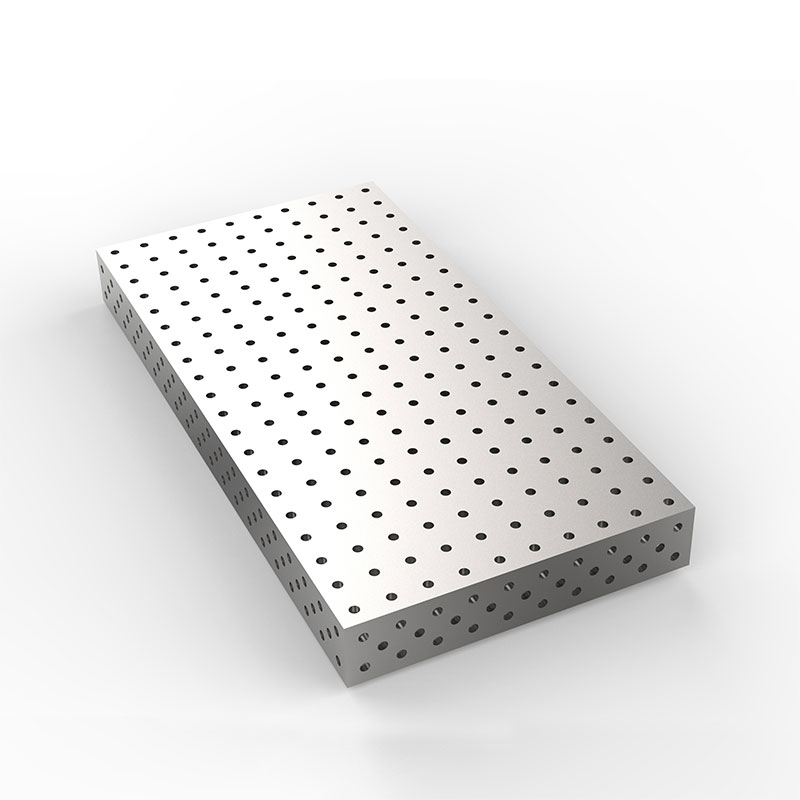
While pneumatic actuators provide the force, the structural integrity of the fixture depends on the underlying platform. In modern automation, rigid, dedicated fixtures are being replaced by flexible modular systems. These systems allow manufacturers to build, modify, and reuse fixtures for different projects, significantly reducing tooling costs.
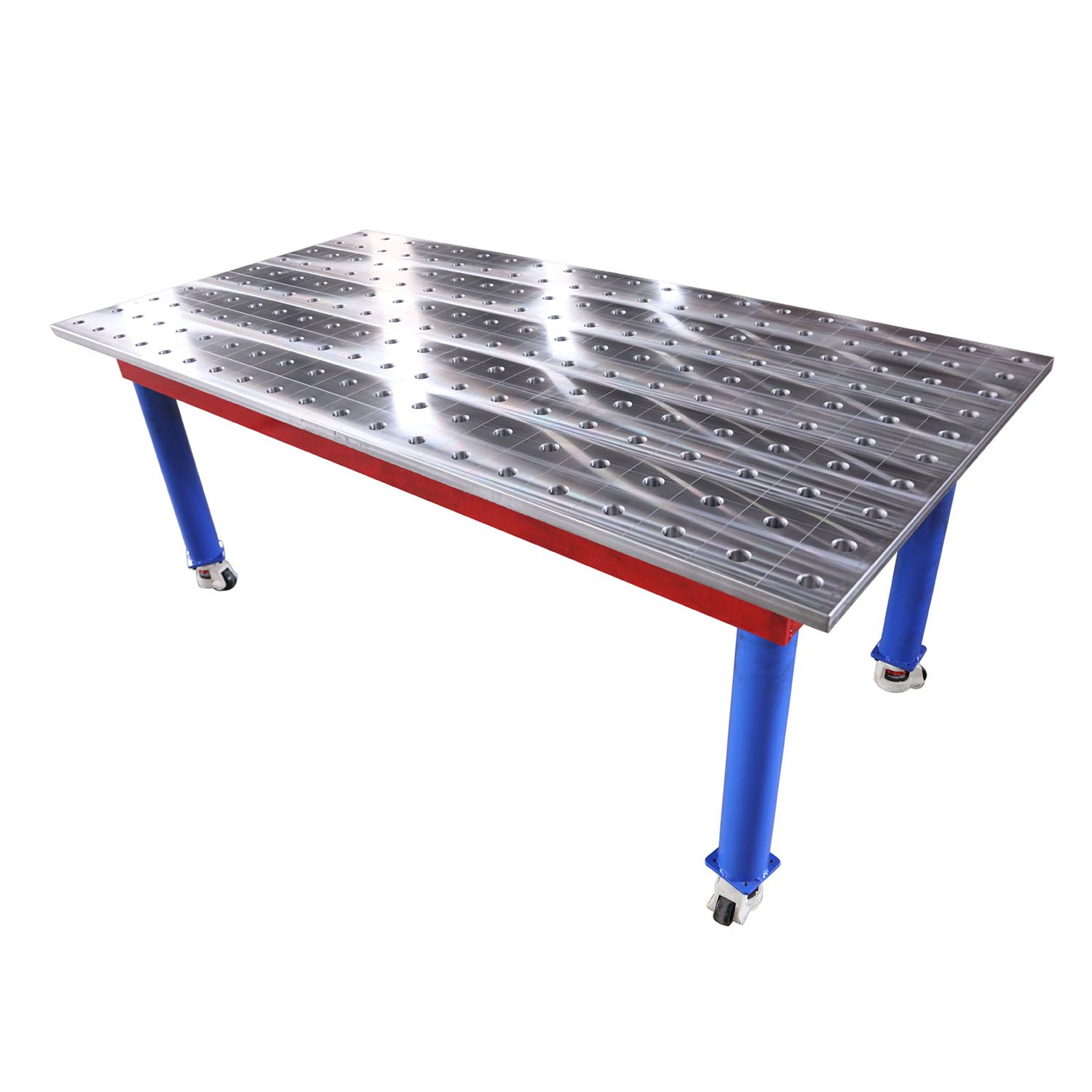
Botou Haijun Metal Products Co., Ltd. specializes in the research, development, and production of high-precision flexible modular fixtures and metalworking tools, committed to providing efficient and flexible welding and positioning solutions for the modern manufacturing industry. Their core product line includes 2D and 3D flexible welding platforms, which serve as the foundational base for pneumatic integration. Renowned for exceptional versatility and precision, these products have become preferred jigging equipment in machining, automotive, and aerospace industries.
The integration of pneumatic clamps into Haijun Metal’s flexible platforms is seamless. The platforms feature standardized hole patterns and slots that accept various mounting accessories. This modularity means that a pneumatic clamp can be positioned exactly where needed for a specific part geometry. When the product design changes, the clamps can be relocated or replaced without scrapping the entire fixture base.
Essential Accessories for Rapid Positioning
To maximize the utility of pneumatic systems, complementary components are crucial. Haijun Metal offers a comprehensive range of accessories that integrate seamlessly with their platforms to enable rapid workpiece positioning and clamping:
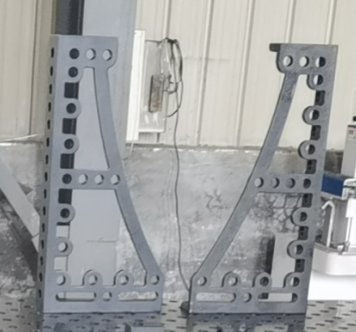
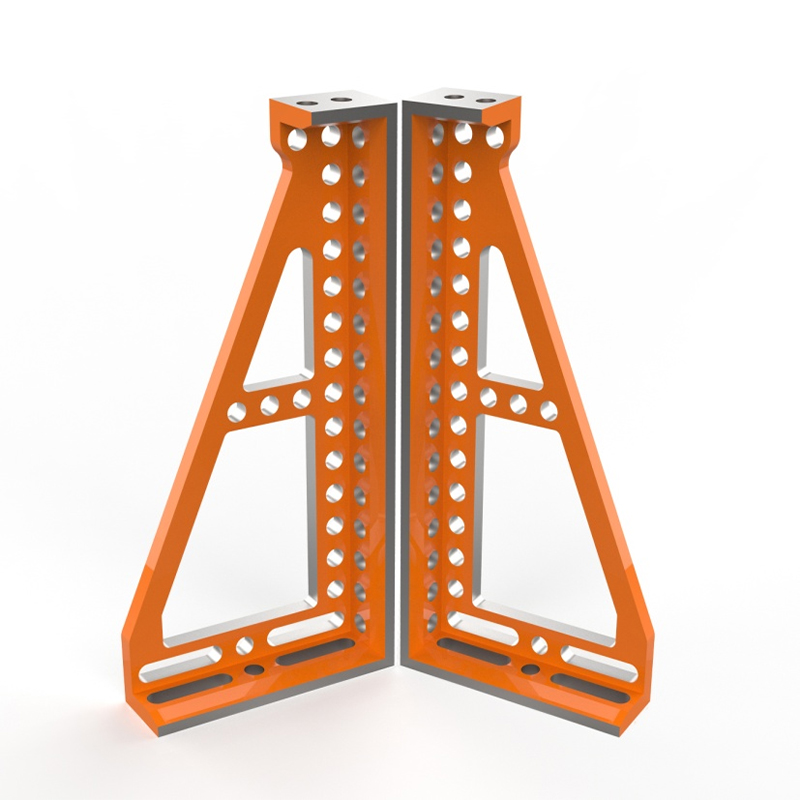
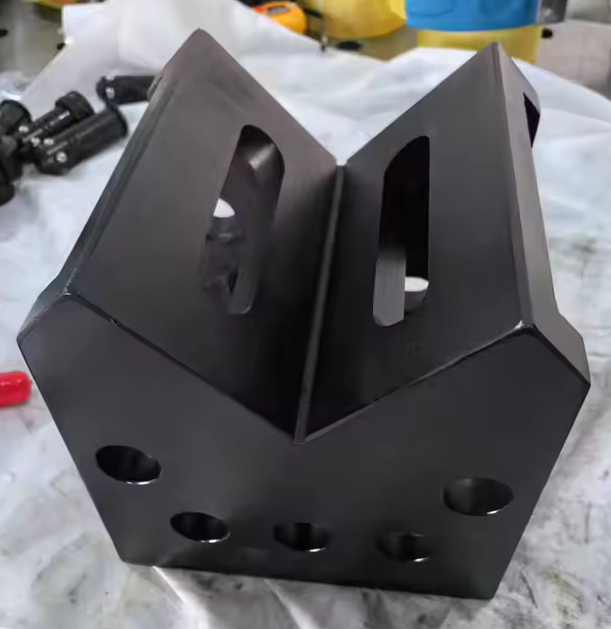
- U-shaped and L-shaped Multi-purpose Square Boxes: These provide stable reference points and mounting surfaces for pneumatic clamps, ensuring perpendicularity and alignment.
- 200-series Support Angle Irons: Ideal for supporting complex part geometries, these irons allow for adjustable height and angle configurations, accommodating diverse weldments.
- 0-225° Universal Angle Gauges: These tools enable precise angular positioning of parts, critical for assemblies requiring specific joint angles for optimal weld penetration.
Additionally, the company manufactures professional cast iron 3D welding platforms and angle connection blocks. Cast iron is preferred for its damping properties, which absorb vibrations from pneumatic actuation and welding arcs, ensuring exceptional durability and stability. With years of industry experience, Haijun Metal has become a trusted supplier of tools and gauges to customers both domestically and internationally, continuously providing high-quality production machinery tool series.
Applications Across Industries
Pneumatic welding fixtures are not limited to a single sector. Their ability to handle high volumes with precision makes them indispensable in several key industries. The specific requirements of each industry dictate the design and complexity of the pneumatic system.
Automotive Manufacturing
The automotive sector is the largest consumer of automated welding fixtures. Car bodies consist of hundreds of stamped metal parts that must be joined with extreme precision. Pneumatic fixtures hold these thin-gauge sheets in place while robotic welders perform thousands of spot welds. The speed of pneumatic clamping is essential here, as cycle times are often measured in seconds. Flexibility is also key, as platforms like those from Haijun Metal allow manufacturers to switch between different car models on the same line.
Aerospace and Aviation
In aerospace, the focus shifts from pure speed to absolute precision and material integrity. Aerospace components often involve exotic alloys like titanium and aluminum, which are sensitive to heat and stress. Pneumatic fixtures provide controlled, gentle clamping forces that prevent distortion of these delicate materials. The repeatability ensures that every part meets stringent FAA and EASA safety standards. The use of 3D flexible platforms allows for the complex spatial positioning required for aircraft structural components.
Heavy Machinery and Equipment
For manufacturers of construction equipment, agricultural machinery, and mining tools, weldments are large and heavy. Manual clamping of such parts is physically demanding and unsafe. Pneumatic systems provide the high force necessary to hold heavy plates and beams securely. The modular nature of the support structures allows for easy adaptation to the varying sizes of excavator arms, tractor frames, and crusher components.
Selection Guide: Choosing the Right Pneumatic Fixture
Selecting the appropriate pneumatic welding fixture requires a careful analysis of the welding process, part geometry, and production goals. Engineers must consider several factors to ensure the system delivers the expected ROI.
1. Clamping Force Requirements
The clamp must exert enough force to resist the thermal expansion and contraction of the metal during welding. However, excessive force can cause part deformation. Calculate the required force based on the material thickness and weld length. Pneumatic cylinders come in various bore sizes to match these force requirements precisely.
2. Part Accessibility
The fixture must hold the part securely without obstructing the welding torch or wire feed. Low-profile pneumatic clamps are often necessary for tight spaces. Using modular components like Haijun Metal’s angle irons and square boxes allows engineers to elevate or offset clamps to provide clear access to weld joints.
3. Cycle Time and Speed
Evaluate the required production rate. Faster cycles require quick-exhaust valves and optimized air lines to minimize actuation time. For high-speed robotic cells, the response time of the solenoid valves and the travel distance of the cylinders must be minimized.
4. Flexibility vs. Dedication
Determine if the fixture needs to handle multiple part variations. If so, a flexible modular system is the superior choice. Dedicated fixtures are cheaper initially but offer no adaptability. Investing in a high-quality 2D or 3D flexible platform provides long-term value by allowing reconfiguration for future products.
Common Challenges and Solutions
Implementing pneumatic welding fixtures comes with challenges. Addressing these proactively ensures smooth operation and longevity of the equipment.
Issue: Thermal Damage to Seals
Welding generates intense heat and spatter, which can damage pneumatic seals and hoses. Solution: Use heat-resistant shields and spatter guards around cylinders. Route air lines away from direct weld zones and use braided stainless steel hoses for added protection.
Issue: Inconsistent Clamping Due to Air Pressure Drops
Fluctuations in plant air pressure can lead to variable clamp forces. Solution: Install local pressure regulators and accumulators near the fixture. This buffers the system against main line pressure drops, ensuring consistent performance.
Issue: Part Misalignment
If the part is not seated correctly before clamping, the weld will be defective. Solution: Incorporate nest sensors and pre-clamp verification steps. Use self-centering pneumatic clamps where possible to automatically align the part upon actuation.
Frequently Asked Questions (FAQ)
What is the difference between hydraulic and pneumatic welding fixtures?
Pneumatic fixtures use compressed air, offering faster cycle times, cleaner operation, and lower maintenance. Hydraulic fixtures use fluid, providing higher clamping forces but are slower, messier, and require more maintenance. For most automated welding applications, pneumatic systems are preferred due to their speed and cleanliness.
Can pneumatic fixtures be used for manual welding?
Yes, pneumatic fixtures can enhance manual welding by improving part positioning and reducing operator fatigue. Foot pedals or hand valves can control the clamps, allowing the welder to focus on the weld quality rather than holding the part.
How do I maintain a pneumatic welding fixture?
Regular maintenance includes checking for air leaks, lubricating moving parts (if using non-lubricated cylinders, ensure clean dry air), inspecting seals for wear, and cleaning spatter from clamp jaws. Regularly verify pressure settings to ensure consistency.
Why choose a flexible modular platform over a custom-welded fixture?
Flexible modular platforms, such as those offered by Botou Haijun Metal Products, offer reusability. Custom-welded fixtures are single-use and must be scrapped when the product changes. Modular systems reduce long-term tooling costs and storage space, providing greater agility in manufacturing.
Conclusion: Enhancing Efficiency with Precision Automation
The adoption of pneumatic welding fixtures represents a strategic move towards greater efficiency, quality, and flexibility in the welding industry. By automating the clamping process, manufacturers eliminate variability, reduce cycle times, and improve worker safety. When combined with high-precision flexible modular platforms, these systems offer a future-proof solution for dynamic manufacturing environments.
For companies looking to upgrade their welding operations, the choice of supplier is critical. Botou Haijun Metal Products Co., Ltd. stands out as a partner that understands the nuances of modern manufacturing. With their specialized range of 2D and 3D flexible welding platforms, complemented by essential accessories like universal angle gauges and support angle irons, they provide the foundational stability required for effective pneumatic automation. Their commitment to durability and precision ensures that every investment contributes directly to improved production outcomes.
Whether you are in the automotive, aerospace, or heavy machinery sector, integrating pneumatic fixtures with modular tooling can transform your production line. To explore how these solutions can be tailored to your specific welding challenges, consider evaluating your current fixturing strategy against the capabilities of flexible modular systems.
Ready to optimize your welding automation? Contact our technical team to discuss your specific application requirements, request detailed specifications for our 2D and 3D platforms, or learn more about integrating pneumatic clamping into your existing workflow. Visit our product page for comprehensive catalogs and technical support resources.